It’s one of the most gripping mysteries in the history of Earth: how did creatures that dominated the planet for over 165 million years suddenly disappear? For decades, scientists have debated this question with a passion that rivals any detective story. While most of us grew up hearing about a single catastrophic asteroid strike, the truth is far more complex and honestly, way more intriguing than you might think.
The dinosaurs didn’t just rule for a few thousand years. They thrived through climatic shifts, continental movements, and countless other challenges across millions of years. So what finally did them in around 66 million years ago remains a puzzle that keeps researchers up at night. Let’s be real, there are competing camps, heated debates, and even some theories that sound straight out of science fiction. So let’s dive in and explore six of the most compelling explanations that scientists have proposed.
The Asteroid Impact That Changed Everything
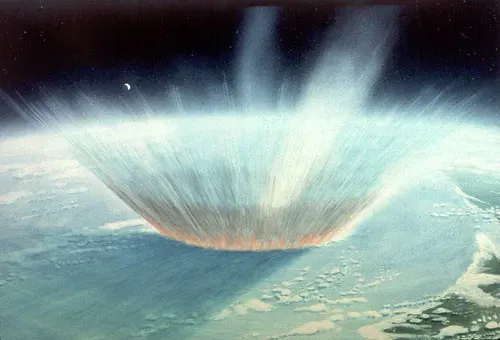
The Alvarez hypothesis suggests that a large asteroid crashed into Earth, specifically at Chicxulub in the Yucatán Peninsula of Mexico, causing mass extinction. Picture this: a space rock roughly six to nine miles wide hurtling toward our planet at unimaginable speed. The collision released energy equivalent to 100 million megatonnes of TNT, over a billion times more powerful than the atomic bombs dropped on Hiroshima and Nagasaki.
The Alvarez hypothesis has become the most widely accepted theory, supported by the identified crater. The impact would have sent massive amounts of dust, debris, and vaporized rock into the atmosphere, blocking sunlight for potentially years. Without sunlight, plants died. Without plants, herbivorous dinosaurs starved, and without herbivores, the carnivores followed suit. It’s hard to say for sure, but the cascading effects paint a grim picture of an ecosystem collapsing like dominoes.
Massive Volcanic Eruptions in Ancient India
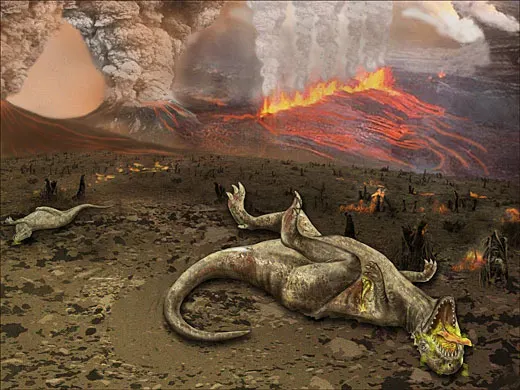
The Deccan Traps are an area of volcanic flood basalts in Western India spanning roughly 1.3 million square kilometers that were created by massive volcanic activity during the same time period as the Chicxulub impact. Here’s the thing: these weren’t your typical volcanic eruptions. The Deccan Traps expelled some 135,000 cubic miles of lava over a million-year period, enough to circle Earth with a rocky belt more than five miles wide and a mile tall.
New research suggests the asteroid may have had an accomplice in the form of volcanic activity, with compelling evidence linking volcanic eruptions to species death. These eruptions would have pumped enormous quantities of toxic gases, sulfur dioxide, and carbon dioxide into the atmosphere. Volcanic activity of this magnitude would have spewed huge amounts of carbon dioxide causing greenhouse warming, while toxic gases like sulfur and chlorine resulted in acid rain. The debate now centers on whether volcanism weakened dinosaur populations before the asteroid delivered the final blow, or if both events worked together in a deadly double punch.
Global Climate Change Over Millions of Years
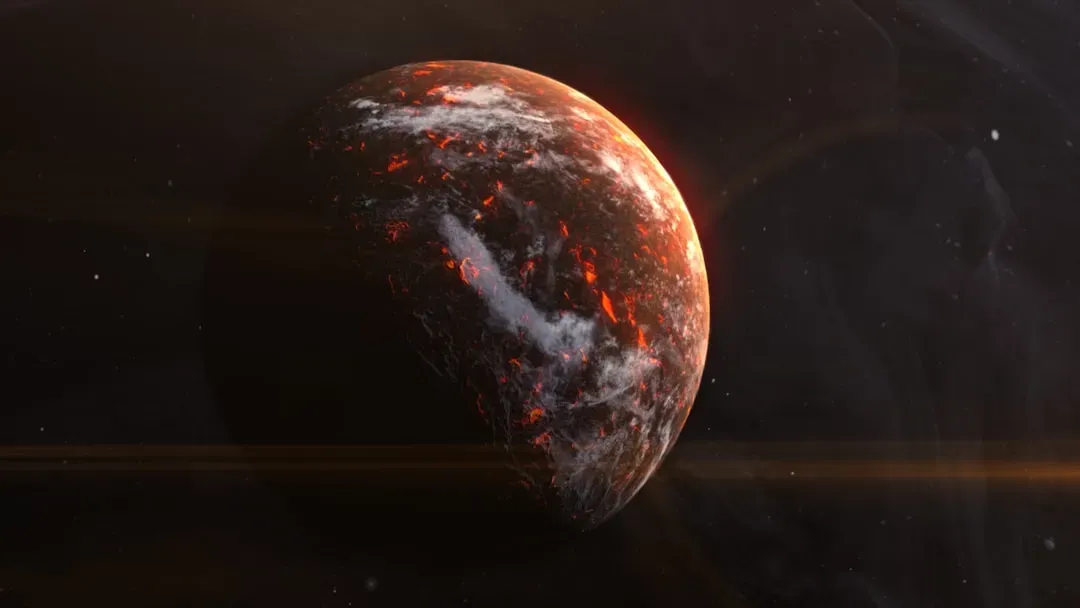
Analysis of six key dinosaur families found a decline where diversification shifted to a declining-diversity pattern around 76 million years ago, likely driven by global climate cooling and herbivorous diversity drop. This theory paints a very different picture than a sudden catastrophe. Instead, imagine dinosaurs slowly losing ground as their world transformed around them.
Six major dinosaur families were already in decline in the preceding 10 million years, possibly due to global cooling and competition among herbivores. Temperatures dropped, sea levels changed, and the climate patterns dinosaurs had adapted to over millennia shifted beneath their feet. The herbivorous diversity drop was likely due to hadrosaurs outcompeting other herbivores. Let’s be real, if you’re already struggling to survive in a cooling world and then an asteroid hits, you never stood a chance.
Disease and Microscopic Plagues
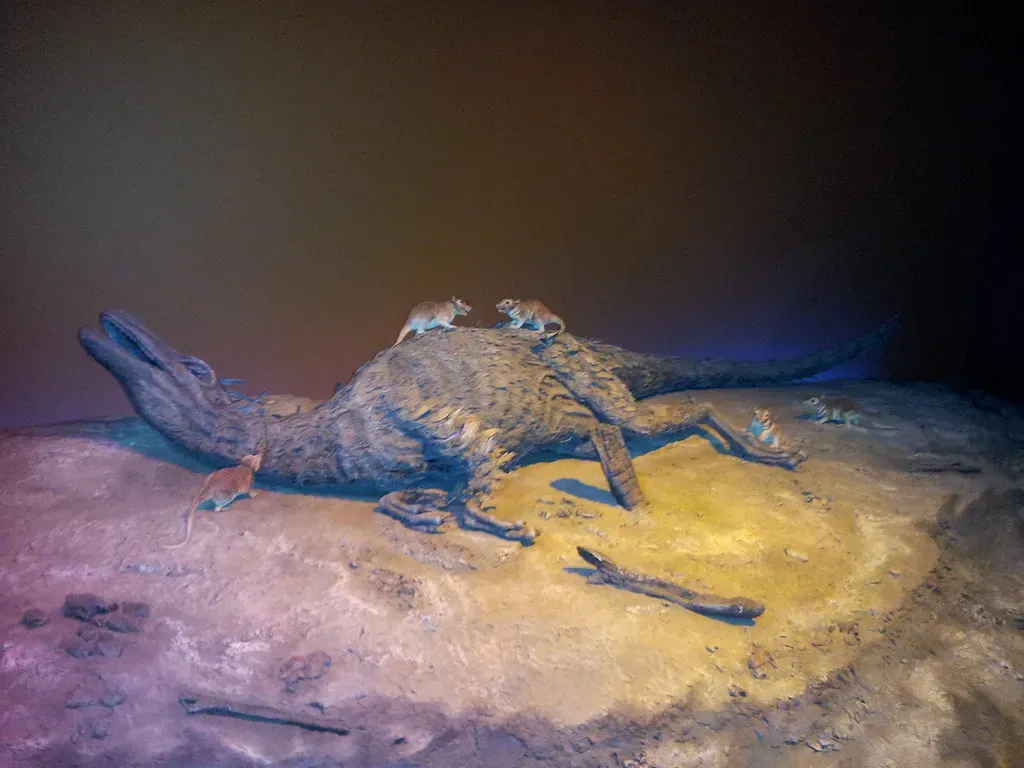
Disease might sound like an unlikely culprit for wiping out the mightiest creatures ever to walk the Earth, yet some scientists have explored this unsettling possibility. Research from Oregon State University suggested that germs started to emerge at the same time dinosaurs were dying out, and it’s possible they were brought down by a microscopic plague. Think about how devastating pandemics can be to modern populations, now imagine creatures with no immune defenses facing entirely new pathogens.
Cataracts, slipped discs, epidemics, glandular problems and even loss of sex drive have all been proposed as reasons non-avian dinosaurs perished. Disease would have been devastating to dinosaurs because they wouldn’t have built up an immune system and they bred very slowly. However, this theory struggles to explain why so many other species, from marine reptiles to shellfish, also vanished at the exact same time. Still, disease could have been one more stressor in an already dire situation, weakening populations that were barely hanging on.
Sea Level Changes and Habitat Loss
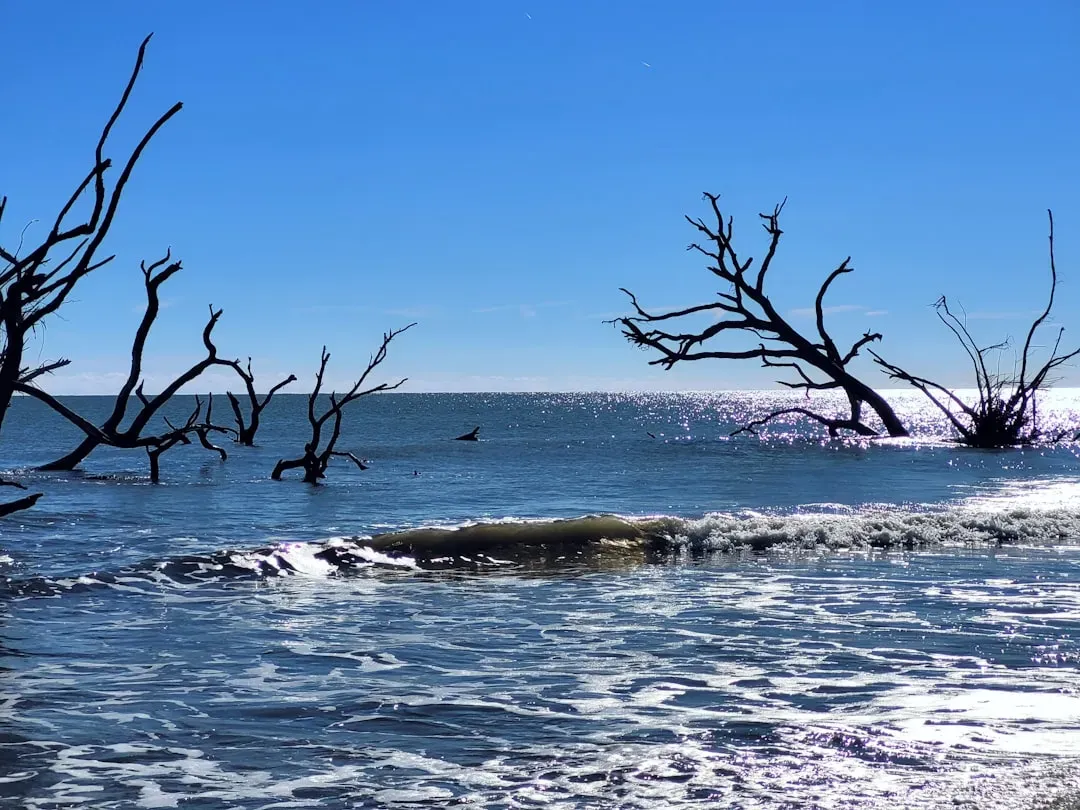
A geology professor at the University of Wisconsin-Madison believes that changes in sea levels are responsible for all five mass extinctions, with every mass extinction correlating with a change in sea levels. During the late Cretaceous period, shallow seas that had covered vast portions of continents began retreating. These inland seas had been home to countless species and provided crucial habitats along their shores.
The loss of these seas greatly altered habitats, removing coastal plains that had hosted diverse communities, while continental runoff now had longer distances to travel before reaching oceans, expanding freshwater environments. Coastal ecosystems collapsed as water receded. Food chains that depended on marine and freshwater mixing zones fell apart. While ocean life would have been affected most, land creatures would have been devastated as well, with massive flooding in some areas and radically changed ocean cycles affecting where land creatures lived, ate and drank. It’s fascinating how something as seemingly gradual as changing coastlines could have such catastrophic effects.
Multiple Catastrophes Working Together
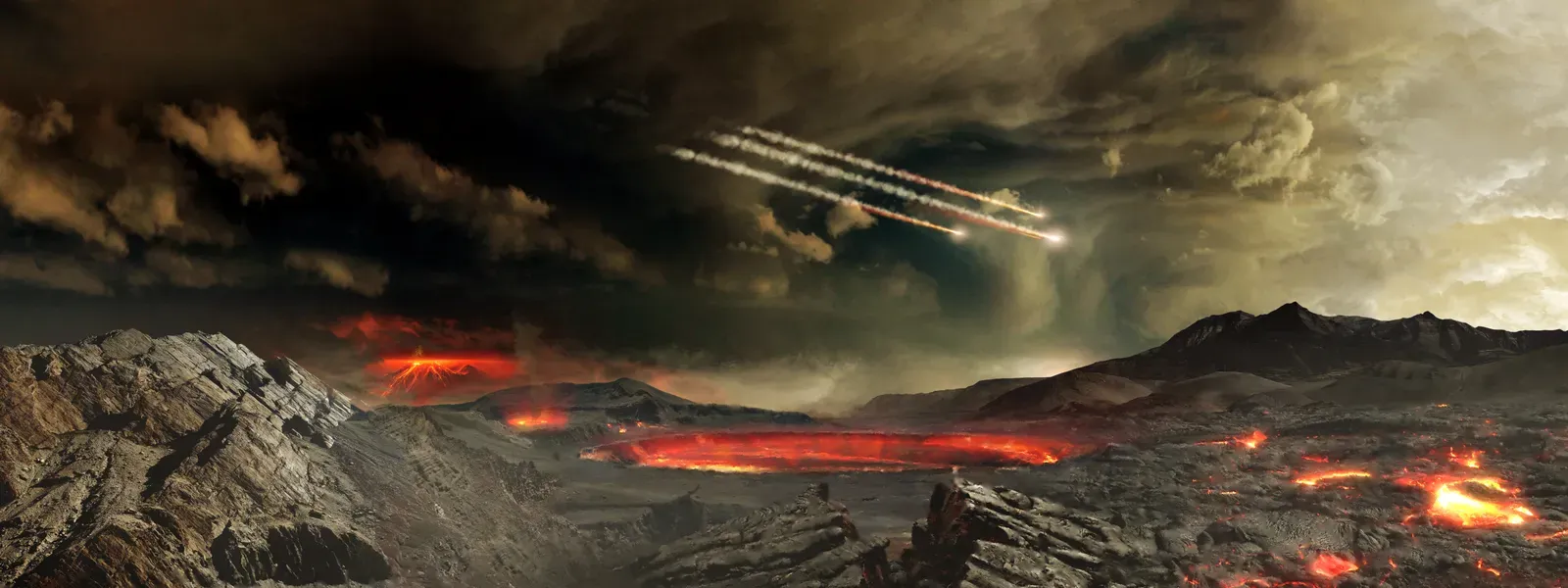
Proponents of multiple causation view suggested single causes as either too small to produce the vast scale of extinction, with researchers discussing scenarios combining volcanism and other major causes. Honestly, this theory makes the most sense when you step back and look at the big picture. Why assume one single event killed the dinosaurs when evidence points to several devastating events occurring around the same time?
An impact event caused collapses in photosynthesis-based food chains, while studies at Seymour Island in Antarctica argue there were two separate extinction events near the boundary, with one correlating to Deccan Trap volcanism and one to the Chicxulub impact. In this scenario, terrestrial and marine communities were stressed by habitat changes, with dinosaurs as the largest vertebrates being first affected by environmental changes while particulate materials from volcanism cooled and dried areas, then an impact event occurred. The combination of volcanic stress, climate instability, and then a massive asteroid impact created a perfect storm of extinction that even the resilient dinosaurs couldn’t survive.
Conclusion
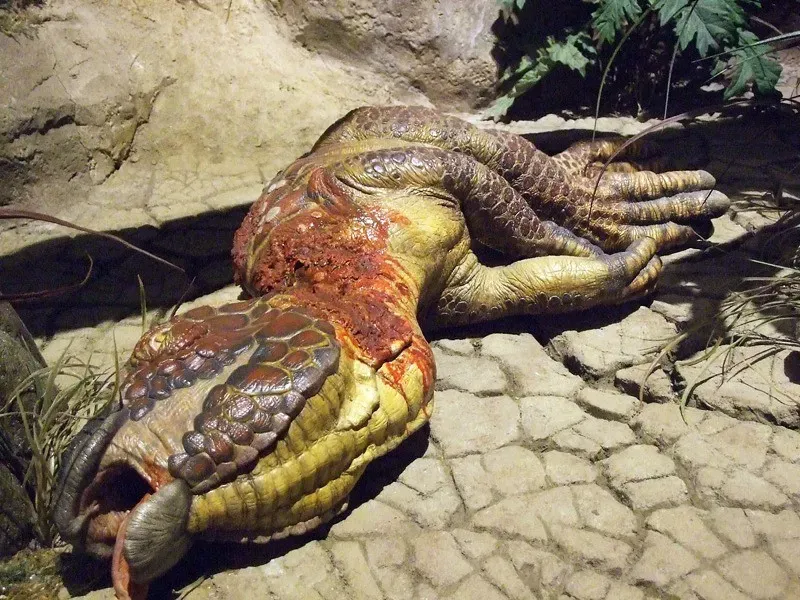
The disappearance of the dinosaurs remains one of paleontology’s most captivating mysteries, even after decades of research and debate. While the asteroid impact at Chicxulub has gained the most scientific support, we’re learning that the true story is far more nuanced. Volcanic eruptions, climate change, disease, habitat loss, and catastrophic impacts likely all played their parts in different ways and different timescales.
What’s truly remarkable is that this wasn’t just about dinosaurs vanishing. Roughly three-quarters of all species on Earth disappeared during this event. Yet some creatures, including the ancestors of modern birds, crocodiles, and mammals, managed to survive and eventually thrive in the post-dinosaur world. The extinction that ended the age of giants created space for new life forms to evolve and diversify.
Scientists continue to uncover new evidence that refines our understanding of this pivotal moment in Earth’s history. Each fossil discovery, each volcanic rock sample, and each crater analysis brings us closer to solving the puzzle. What do you think was the ultimate cause? Did multiple disasters converge in the worst possible timing, or was there one decisive blow that sealed the dinosaurs’ fate? The debate continues, and that’s what makes this ancient mystery so endlessly fascinating.