When you think about survival, what comes to mind? Maybe it’s humans enduring harsh winters or creatures adapting to climate shifts. Yet long before our ancestors even walked upright, prehistoric animals were conquering some of the most brutal environments Earth has ever seen. These weren’t just your average ancient creatures scratching out a living in pleasant, tropical jungles.
We’re talking about animals that thrived in volcanic winters, freezing polar regions, and arid landscapes that would make today’s deserts look like paradise. Their survival strategies were so effective that some of their descendants still roam the planet today. So let’s dive in and discover which ancient beasts managed to pull off the impossible.
Feathered Dinosaurs of the Frozen North
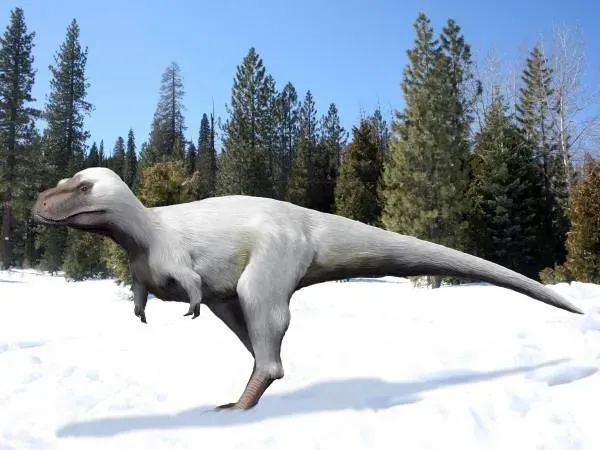
Picture this: a world where dinosaurs aren’t basking in swampy heat, but instead trudging through snow and ice in polar regions. Sounds crazy, right? Fossil evidence from northern regions suggests that dinosaurs not only survived but thrived in freezing conditions, with the discovery of fuzzy feathers on specimens providing crucial insight into their ability to cope with the cold.
These weren’t your typical scaly reptiles. The presence of fuzzy feathers in dinosaurs played a crucial role in their ability to cope with cold temperatures, as these protofeathers provided insulation and warmth. Imagine a creature the size of a small car, covered in downy feathers, navigating landscapes that would freeze most animals solid. Slowing down their growth during the cold months allowed them to conserve energy when food resources were scarce, giving them a competitive advantage over other animals. This wasn’t just about staying warm; it was strategic survival. They essentially hit the pause button on growth when times got tough, then picked back up when conditions improved.
Woolly Mammoths and Their Ice Age Mastery
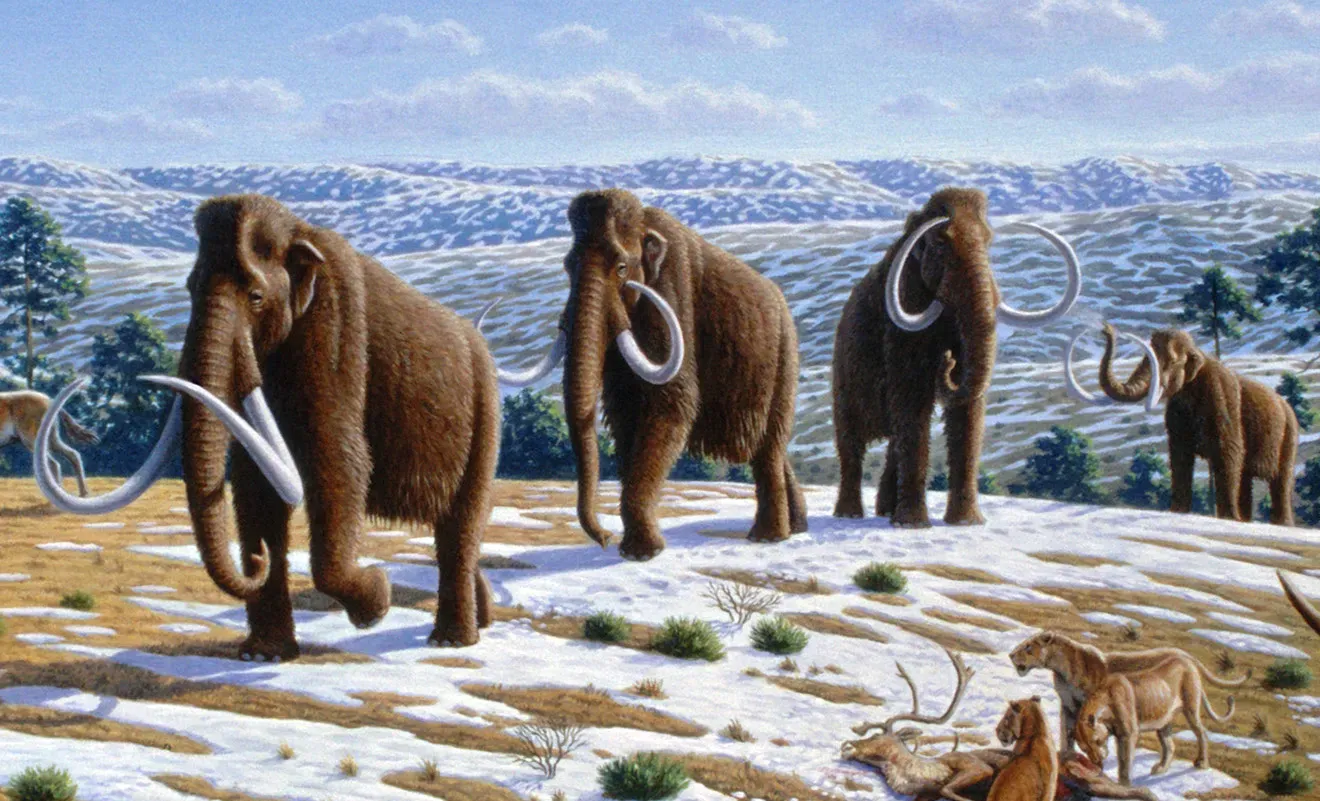
Let’s be real, if there’s one Ice Age animal everyone knows, it’s the woolly mammoth. These massive herbivores weren’t just surviving the ice age; they were absolutely crushing it. The woolly mammoth possessed thick fur, a layer of subcutaneous fat, and small ears to minimize heat loss.
Think about the engineering marvel here. Their ears were tiny compared to modern elephants, which makes perfect sense when you’re trying not to lose precious body heat through large surface areas. Meanwhile, that thick coat wasn’t just for show. Combined with a hefty layer of fat beneath their skin, mammoths could withstand temperatures that would kill most large mammals in hours. They grazed on tough vegetation in landscapes where temperatures plummeted to bone-chilling extremes, and honestly, they made it look easy. These giants roamed from roughly three hundred thousand years ago until about ten thousand years ago, proving that bigger isn’t always a disadvantage when the world freezes over.
Reindeer and the Art of Seasonal Migration
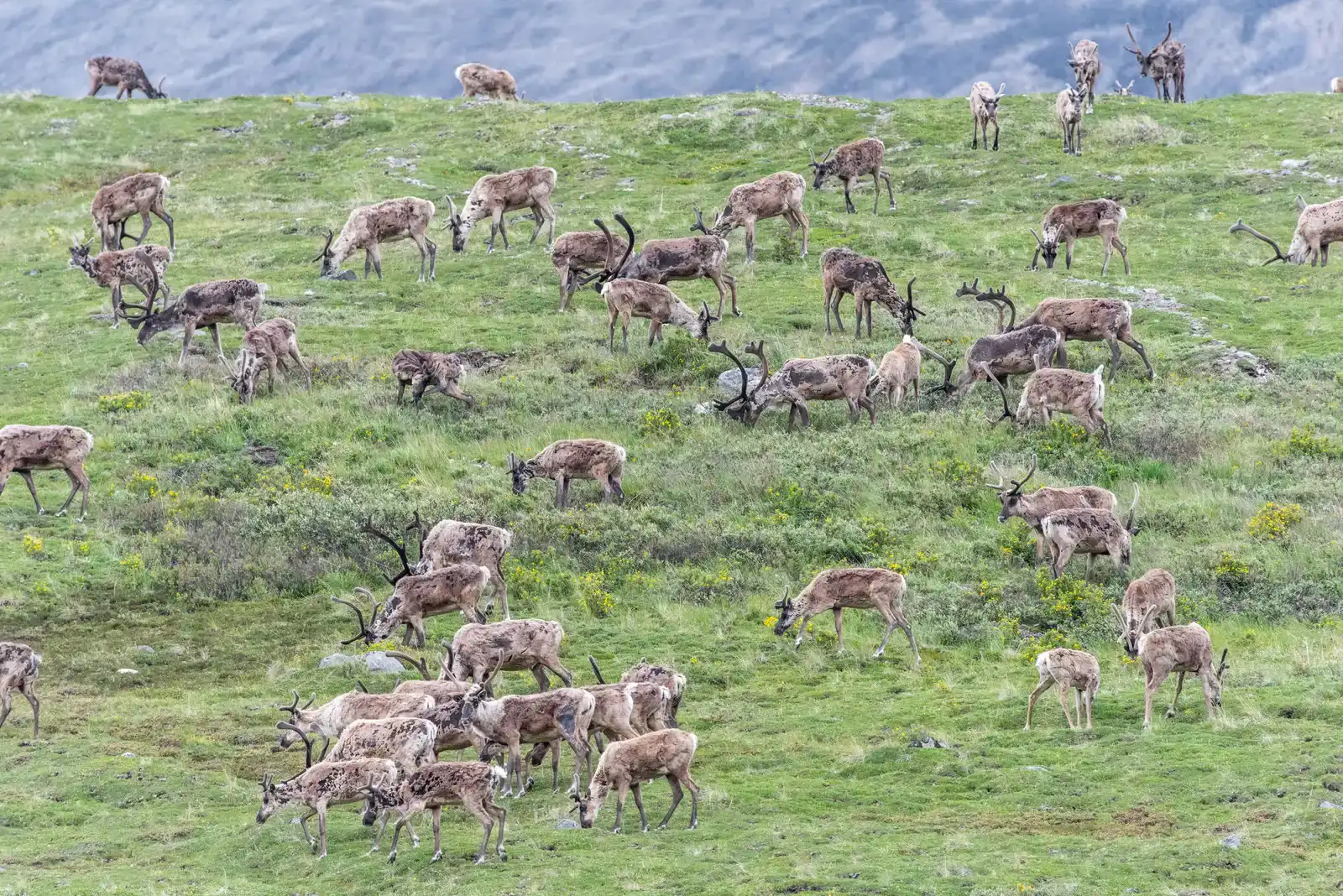
These migratory animals followed the availability of food resources, moving south during the winter and north during the summer, with their thick fur and specialized hooves providing insulation and traction in snowy conditions. Honestly, the reindeer’s approach to extreme environments might be the smartest on this list.
Why stick around and suffer when you can just… leave? Their hooves acted like built-in snowshoes, letting them traverse icy terrain without sinking. When food became scarce in one region, they’d migrate hundreds of miles to find better grazing grounds. It’s not just physical adaptations that made them champions of survival. Metabolic rate, food intake and other aspects of energy balance change seasonally in birds and mammals that are native to high latitudes, with the seasonal changes in food intake arising primarily from the endogenous control of appetite. Their bodies literally adjusted their hunger and energy usage based on the time of year. That’s next-level biological programming right there.
Woolly Rhinoceros of the Steppe
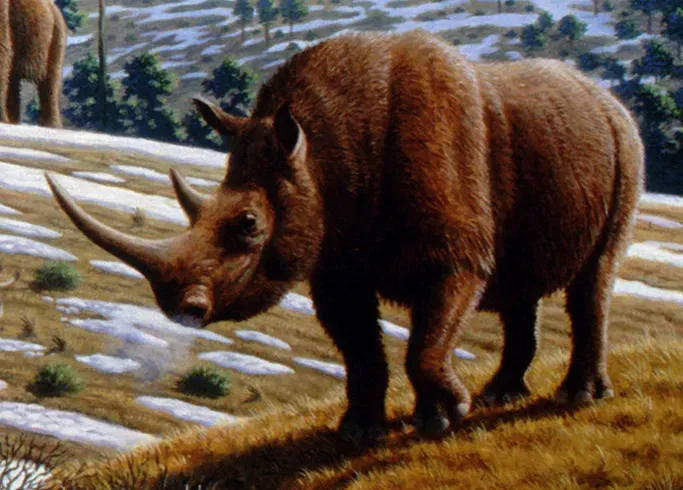
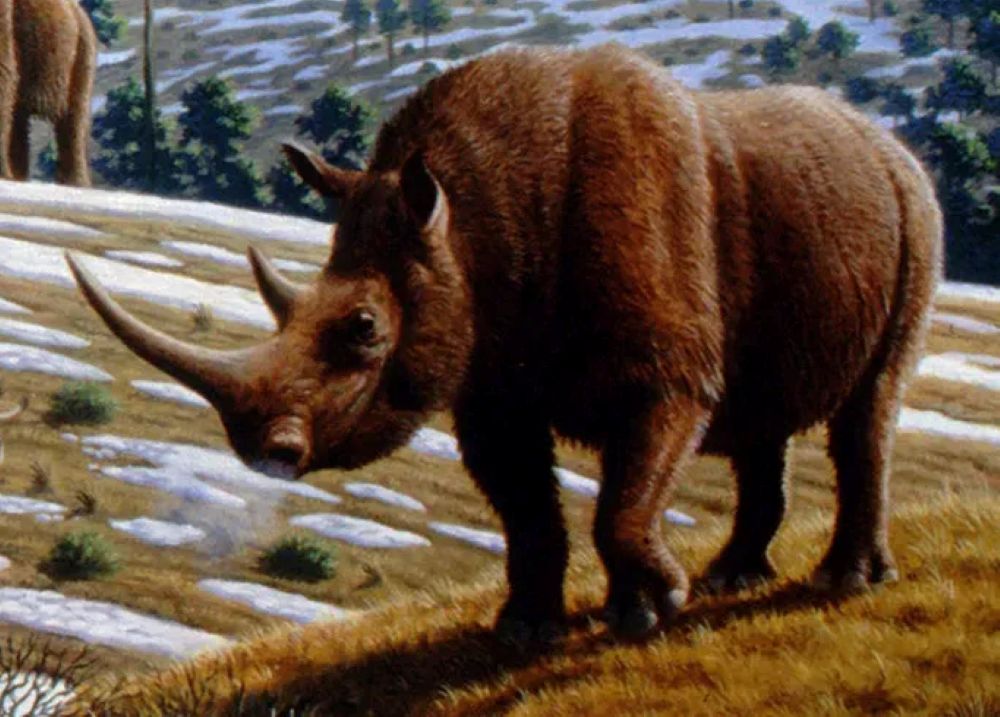
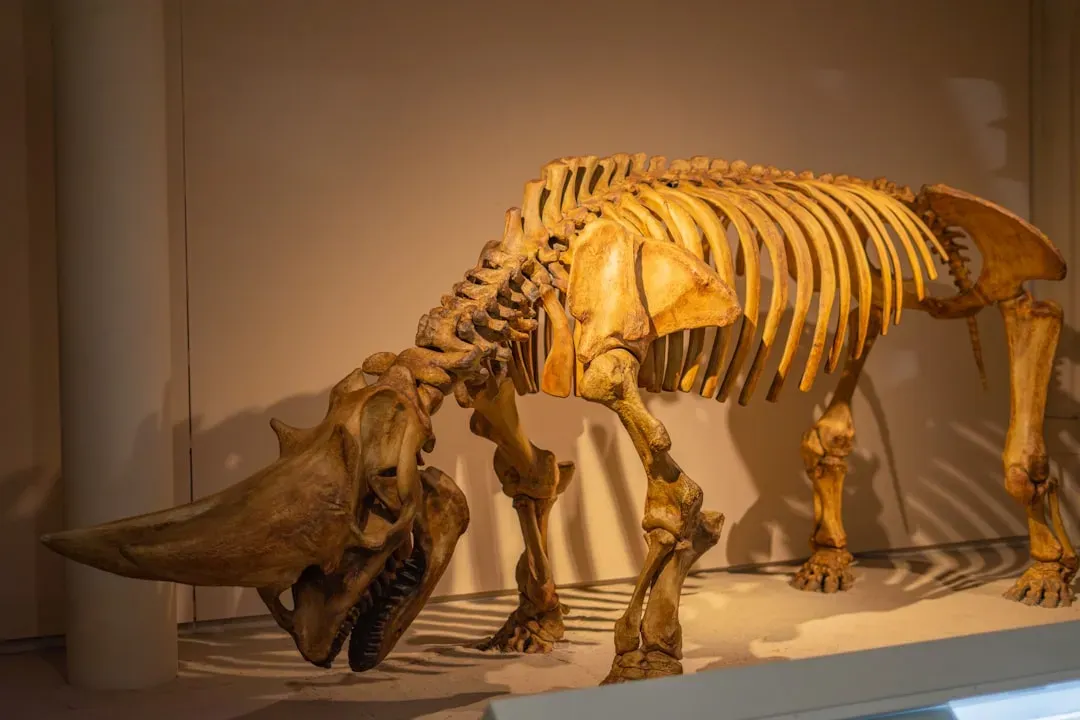
The woolly rhino doesn’t get nearly enough credit. Similar to the mammoth, the woolly rhino had a thick coat and a sturdy build that allowed it to withstand the cold and graze on tough vegetation. These beasts were built like tanks, covered in shaggy hair, and equipped with massive horns that could clear snow away from vegetation.
What really sets them apart is their ability to thrive in the harsh steppe environments of Ice Age Eurasia. We’re talking vast, windswept grasslands where temperatures could swing wildly and food was tough and fibrous. Most herbivores would struggle with such a limited diet, yet the woolly rhino munched away happily. Their robust build meant they could conserve heat efficiently, and their powerful legs allowed them to move through deep snow without getting bogged down. They were essentially the SUVs of the prehistoric world, rugged and reliable in the worst conditions imaginable.
Saiga Antelope and Their Bizarre Desert-Steppe Adaptation
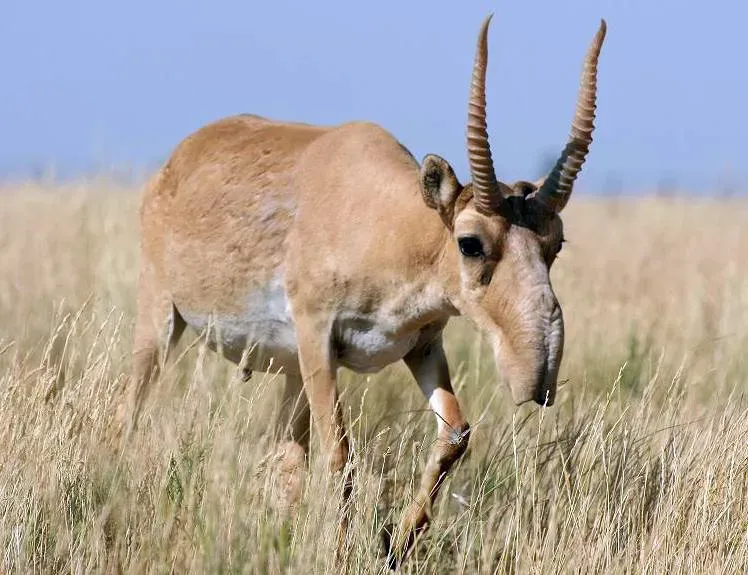
Now here’s where things get weird. Migrating in massive herds, these antelopes developed a unique nose structure to warm air before it entered their lungs. If you’ve ever seen a saiga antelope, you’ll know what I’m talking about. Their noses look almost alien, bulbous and flexible, hanging down over their mouths.
That strange schnoz isn’t just for looks. In the frigid, dusty environments of the Eurasian steppes, breathing in cold, particle-filled air could damage delicate lung tissue. The saiga’s nose acted as a biological air filter and heater, warming and cleaning the air before it reached their lungs. During summer, when dust storms raged across the steppes, that same nose filtered out harmful particles. These antelopes traveled in enormous herds, sometimes numbering in the thousands, moving across vast distances to find food and water. Their survival strategy combined physical adaptation with social behavior, proving that sometimes the best way to survive is together.
Cave Lions and the Apex Predators of the Ice
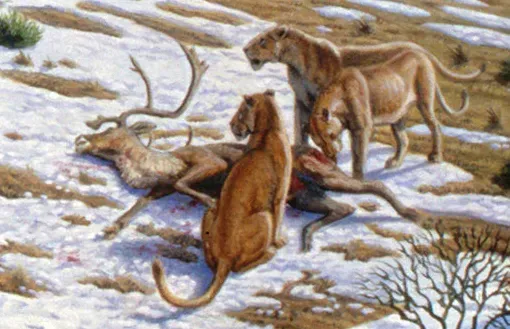
These powerful predators hunted large herbivores, playing a crucial role in the Ice Age ecosystem. Cave lions were substantially larger than modern lions, and they had to be. Hunting woolly mammoths, bison, and reindeer in subzero temperatures required serious muscle mass and cunning.
What’s fascinating is how they managed to stay active hunters in environments where most predators would struggle to find prey. Unlike their modern African cousins, cave lions didn’t have the luxury of year-round hunting grounds. They had to adapt to seasonal prey migrations and harsh winters. Evidence suggests they may have had thicker coats than today’s lions, and they likely operated in smaller, more flexible prides to maximize hunting efficiency. These apex predators weren’t just surviving on the margins. They were dominating their ecosystems, keeping herbivore populations in check and thriving in landscapes where the cold alone could kill within hours.
Conclusion
The prehistoric animals that mastered extreme environments weren’t just lucky survivors. They were biological masterpieces, fine-tuned by millions of years of evolution to conquer conditions that would make modern creatures struggle. From feathered dinosaurs braving polar cold to woolly mammoths marching through blizzards, these ancient beasts prove that life finds a way, even when the odds seem impossible.
Their stories remind us that adaptation isn’t just about strength or size. It’s about flexibility, innovation, and sometimes just being stubborn enough to stick around when everything else gives up. What do you think about these incredible survivors? Which one surprised you the most?