
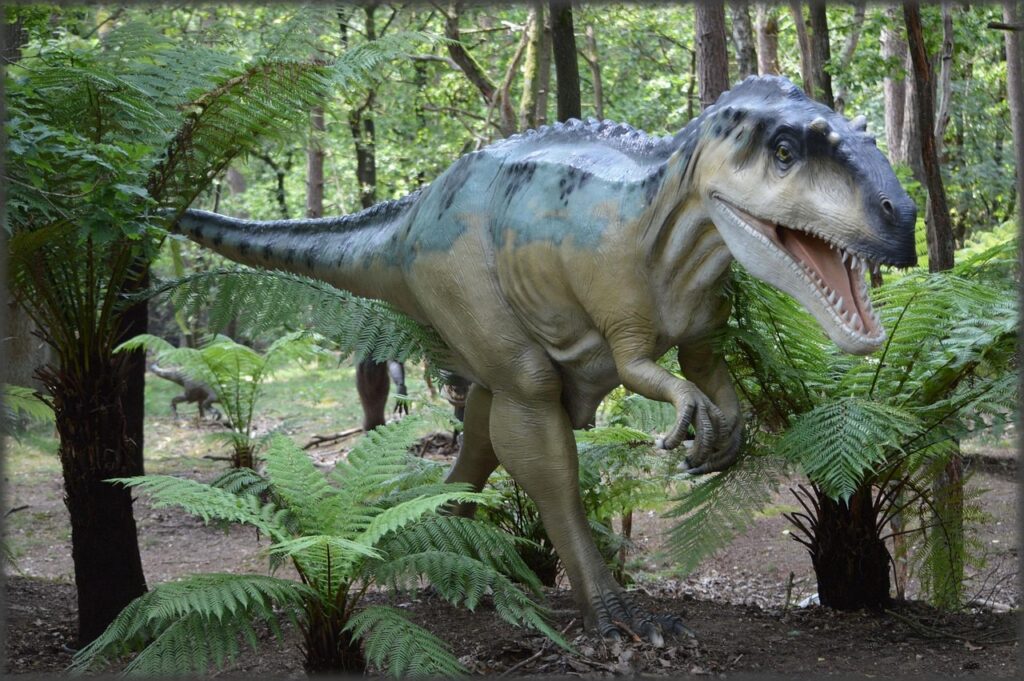
Every Jurassic Park sequel tried to crank up the chaos: bigger teeth, louder roars, more running and screaming. But the wildest thing is this: real prehistory was already stranger, scarier, and more cinematic than anything the movies ever put on screen. Nature did not need hybrid dinosaurs or cartoon villains. It had super hurricanes, continent-sized lava floods, and oceans that literally suffocated.
When you dig into the science, you start to realize the films actually toned things down. There were prehistoric murder-mystery mass extinctions, monsters that rewrote what “apex predator” means, and climate shifts so fast they make human-driven warming feel terrifyingly familiar. If someone handed me the director’s chair, these six real events and creatures would be my Jurassic sequels – no genetic nonsense required.
1. The day the sky fell: the real asteroid impact that ended the dinosaurs
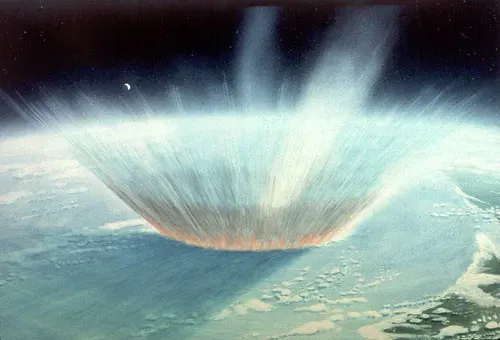
Imagine a Jurassic Park sequel that starts with everything seemingly fine: lush forests, enormous sauropods lumbering around, raptors hunting in packs. Then, in a single horrifying day, the sky literally turns to fire. Roughly sixty-six million years ago, a space rock about six to ten miles across slammed into what’s now the Yucatán Peninsula, releasing energy on the scale of billions of nuclear bombs and carving out the Chicxulub crater. The immediate blast wave, earthquakes, and titanic tsunamis would make every disaster movie look like a low-budget rehearsal.
But the slow-motion aftermath is where the plot really goes dark. The impact hurled so much dust, sulfur, and vaporized rock into the atmosphere that sunlight dimmed worldwide, plants died back, food chains collapsed, and temperatures plunged. Over the next months to years, forests burned, oceans acidified, and most dinosaur lineages outside of birds vanished. A film that actually followed a single family of dinosaurs through the days before, during, and after that impact – no theme park, just Earth itself turning hostile – would be far more haunting than any island escape sequence.
2. The Great Dying: when life almost completely failed
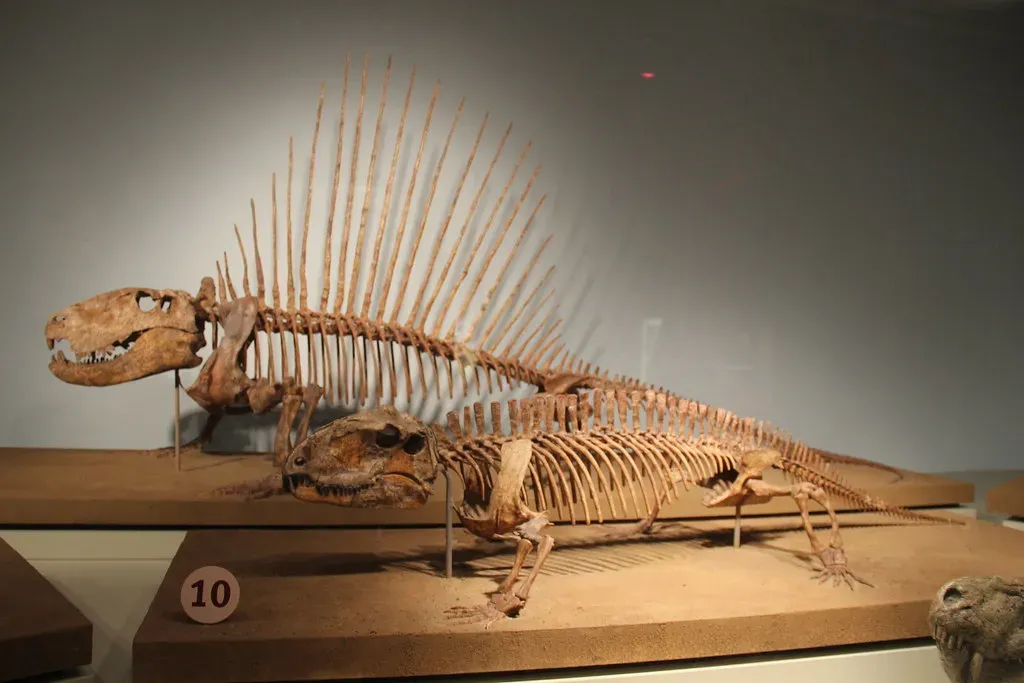
If the Jurassic films wanted true horror, they should’ve skipped forward to the Permian–Triassic extinction, sometimes called the Great Dying. Around two hundred fifty-two million years ago, Earth went through a catastrophe so severe that nearly all marine species and a devastating share of land animals were wiped out. The leading explanation involves colossal volcanic eruptions in Siberia that spewed lava across an area the size of continents and pumped staggering amounts of greenhouse gases into the atmosphere.
Now picture a sequel that doesn’t just feature rampaging animals, but an entire biosphere coming apart. Temperatures soar, oceans lose their oxygen and turn into toxic, stagnant basins, and coastlines reek of dead fish and bacterial mats. Forests collapse, insect populations crash, and the world shifts into a grim, almost alien stage. The most chilling twist for a modern audience is how familiar parts of this sound: rapid carbon release, extreme warming, collapsing ecosystems. Instead of one park losing control, it’s the whole planet losing its balance – and barely managing to reboot life afterward.
3. The super-hunters of the seas: mosasaurs and other marine monsters
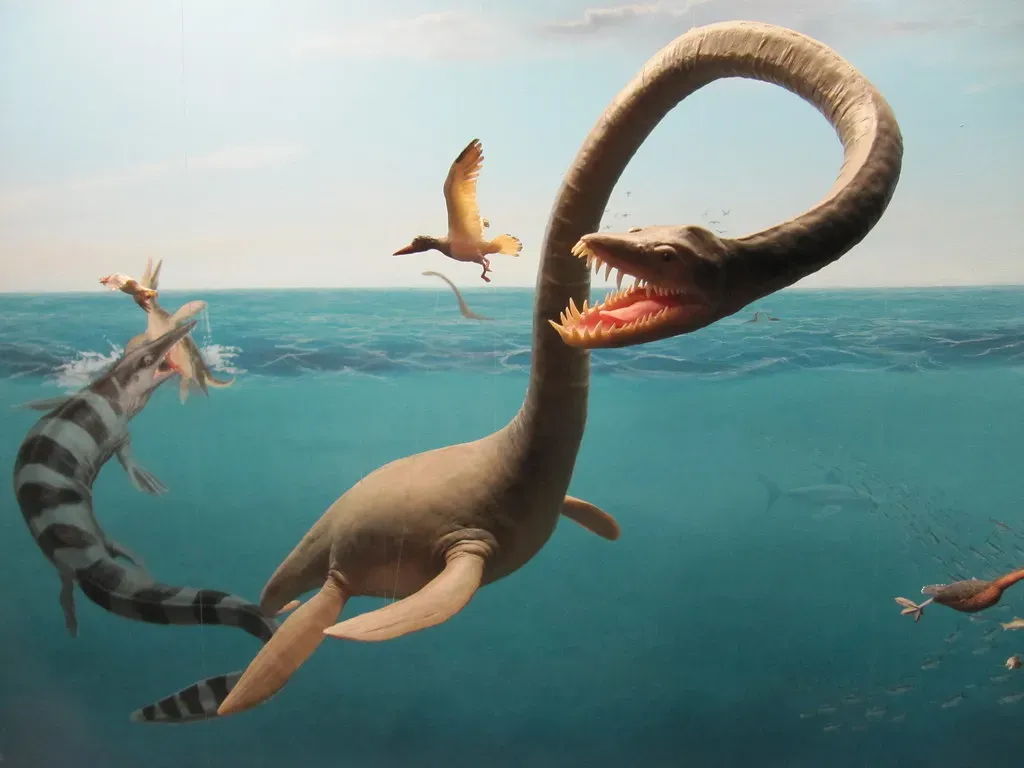
Jurassic World flirted with the idea of giant marine reptiles, but real Late Cretaceous oceans would have made that lagoon scene feel painfully tame. Mosasaurs were huge, elongated predators related to modern monitor lizards, some stretching longer than a city bus, with powerful tails and double-hinged jaws packed with recurved teeth. They shared the seas with giant sharks, vicious plesiosaurs, and fast-swimming fish that could slice and ram like torpedoes. The open ocean at that time was basically a living arms race.
A genuinely accurate sequel could strand humans on a Cretaceous archipelago with no land dinosaurs at all – only the threat of dark, deep water. You’d get scenes of mosasaurs ambushing prey from below, ammonites drifting in vast glowing swarms, and storms that turn the surface into a blender of foam and teeth. No park fences, no neat viewing platforms, just a fragile boat over an ecosystem that has no idea humans exist and no reason to fear them. It would feel less like an action flick and more like cosmic horror with dorsal fins.
4. Feathered nightmares: raptors and tyrannosaurs that looked nothing like the movies
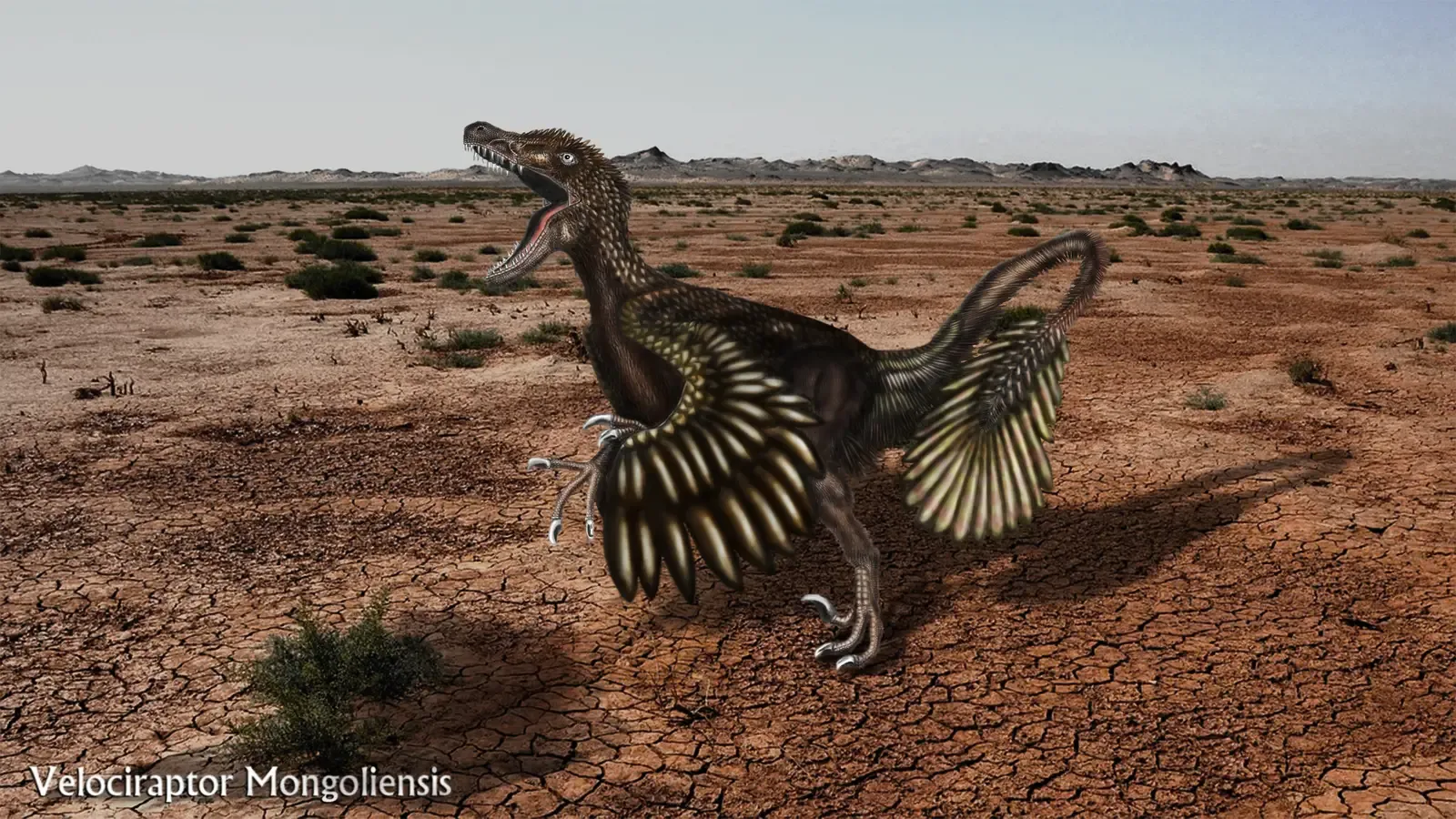
One of the most dramatic real-world twists the franchise has mostly dodged is that many of its star predators did not look like giant scaled lizards. Paleontologists now have compelling evidence that a wide range of theropod dinosaurs – from smaller raptors to early tyrannosaurs – had feathers or at least complex, fuzzy body coverings. Far from making them cute, feathers could have made them more agile, better insulated, and possibly more visually striking or intimidating, with displays and patterns we can barely guess at.
Imagine a sequel brave enough to lean into that: a pack of mid-sized, fully feathered raptors moving through a snow-dusted forest, their plumage bristling as they communicate, stalk, and coordinate. Or a young, fuzz-covered tyrannosaur stepping out of the mist, not as a mindless monster, but as a clever, social hunter with keen eyesight and a brain wired for problem-solving. The film franchise clung to the reptilian look, but a feathered, behaviorally sophisticated predator story – half nature documentary, half psychological thriller – would be far more unsettling because it feels closer to intelligent wolves or crows than to movie monsters.
5. Hypercanes and firestorms: when prehistoric weather turned apocalyptic
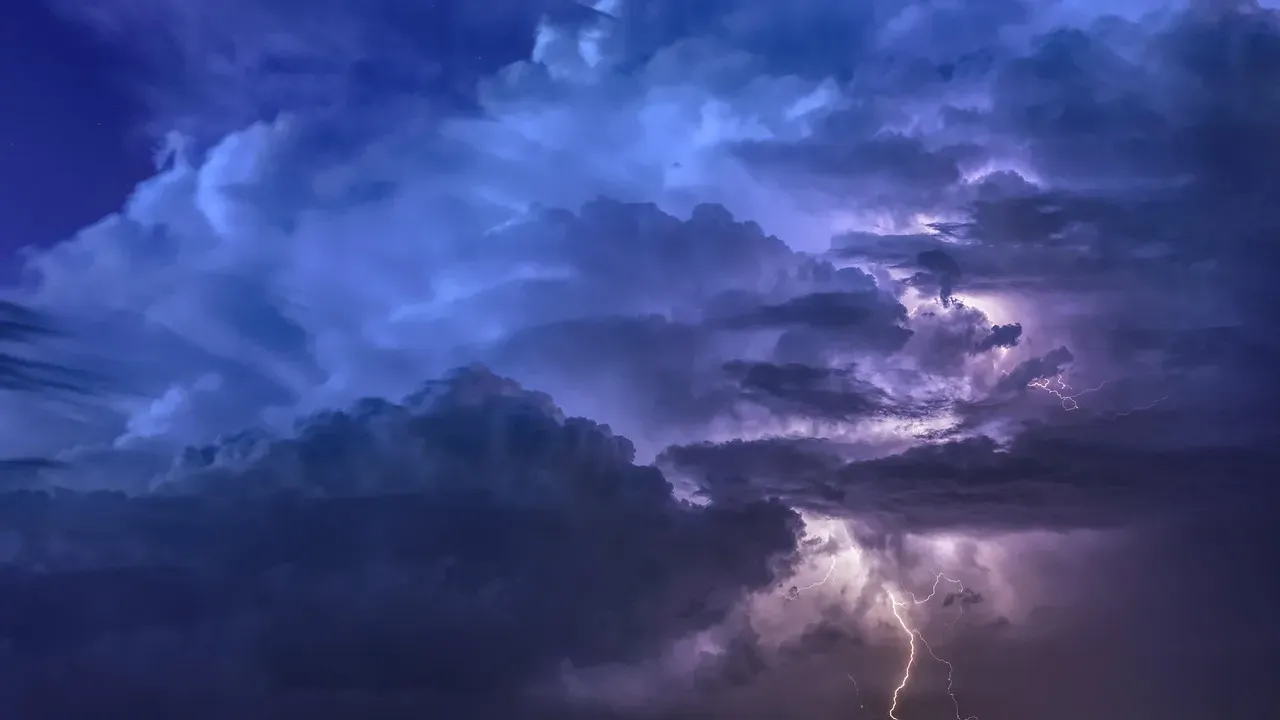
The Jurassic movies love a good tropical storm, but real prehistoric weather could push that idea off a cliff. After massive impacts or intense volcanic events, scientists have proposed that Earth’s oceans and atmosphere might have occasionally produced hypercanes – storms far more powerful than any hurricane in recorded history, with wind speeds and rainfall that sound almost impossible. Combine that with widespread lightning from ultra-energetic storm systems and you get vast wildfires turning entire regions into blazing infernos.
Picture a sequel that focuses less on dinosaur chases and more on survival in a world where the climate itself is going berserk. Herds of herbivores flee advancing walls of flame, pterosaurs struggle to stay aloft in winds that tear trees from the ground, and ash-darkened skies turn noon into twilight. Humans trying to cross this landscape would learn quickly that the dinosaurs are not the main threat; the atmosphere is. As someone who grew up glued to both disaster movies and dinosaur books, I honestly think the combination of ancient megafauna and planet-breaking weather would outdo any staged park escape we’ve ever seen on screen.
6. The rise of the mammals: tiny survivors inheriting a broken world
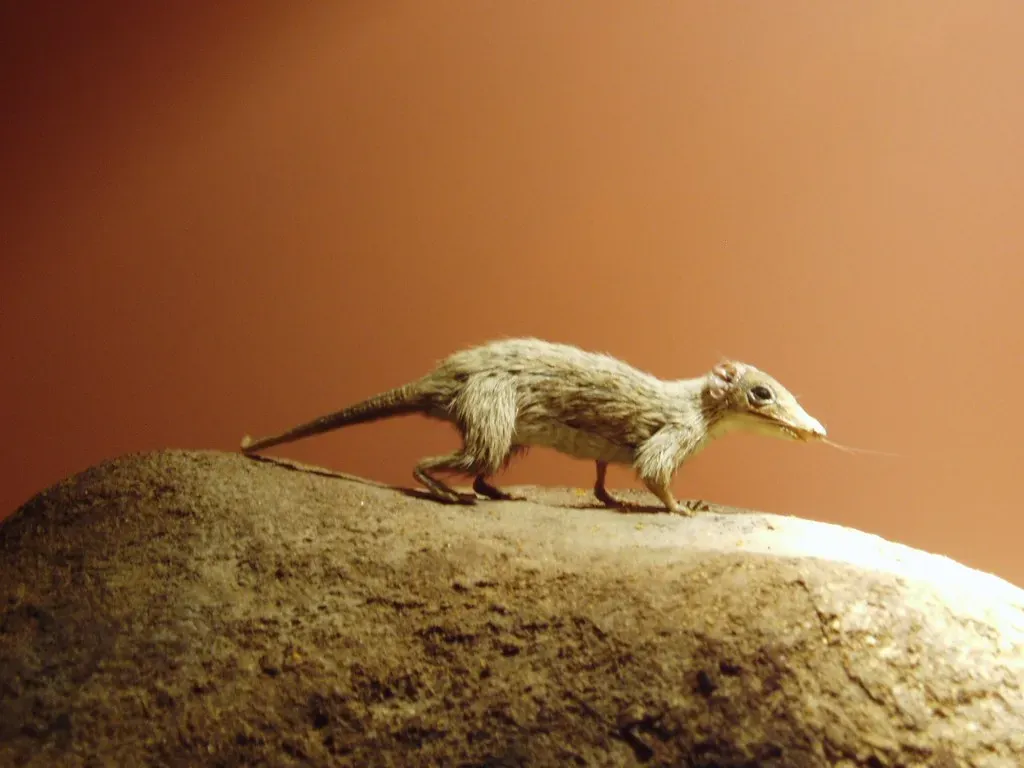
The films sometimes hint at the idea that humans owe their existence to the dinosaurs’ demise, but they never really lean into what an incredible story that is. After the asteroid impact ended the non-avian dinosaurs, the world was left shattered: ecosystems simplified, niches emptied, and climate in flux. In that chaos, small, often nocturnal mammals that had lived in the dinosaurs’ shadow for tens of millions of years began to diversify, experiment with new lifestyles, and gradually take over roles once dominated by reptiles and giant amphibians.
This could be the most radical Jurassic Park sequel of all: one where the dinosaurs are mostly gone, and the protagonists are the overlooked survivors picking through the ruins. You could follow early primate relatives navigating a dangerous landscape still filled with large birds, crocodilians, and relict dinosaurian predators, all while forests regrow and climates stabilize. It flips the usual power fantasy on its head; instead of humans trying to contain dinosaurs, you get a reminder that our entire story rests on being small, adaptable, and just lucky enough to weather someone else’s apocalypse.
Conclusion: the real prehistory deserves the big screen more than our nostalgia does
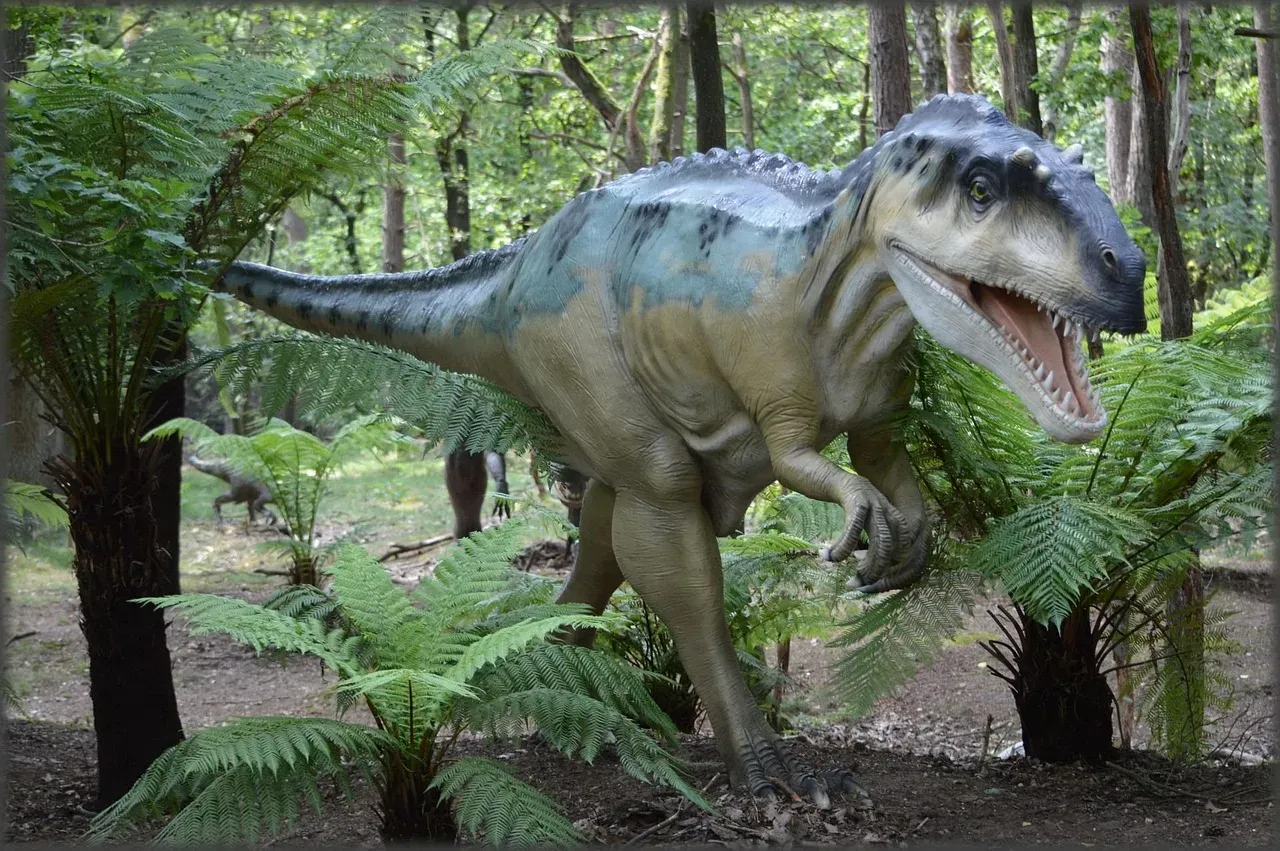
When you stack these real events and creatures against the Jurassic sequels we actually got, it’s hard not to feel like the franchise played it weirdly safe. The films doubled down on familiar dinosaur chases, military side plots, and contrived hybrids, while Earth’s own history offers asteroid winters, near-total biological collapse, and predators stranger than anything a screenwriter cooked up. In trying to recapture the magic of the first movie, the series often forgot that the best “twist” was always the truth: nature is far weirder and more ruthless than our favorite blockbuster formula.
If future dinosaur films want to feel fresh again, they should stop trying to resurrect the same park and start adapting the real sagas buried in rock layers and fossils. There is a quiet, unsettling power in stories where humanity is not the center, just a late arrival glimpsing the ghosts of older worlds. Personally, I’d trade one more genetically engineered super-raptor for a single, well-made film about the day the sky fell or the age when oceans died. Which of these real prehistoric epics would you actually want to see on a giant screen first?