Long before whales or sharks ever claimed the deep, there were things in the water that would make your blood run cold. Picture an ocean so alive with danger that even the surface offered no escape. These were the ancient seas of the Mesozoic Era, roughly 252 to 66 million years ago, and the reptiles that ruled them were unlike anything alive on Earth today.
Some of the most well-known prehistoric marine reptiles include ichthyosaurs, plesiosaurs, and mosasaurs – creatures that dominated the oceans during the Mesozoic Era, which spanned from about 252 million to 66 million years ago. Yet honestly, most people barely scratch the surface of what these animals actually were, how massive they grew, or how ferociously they hunted. Get ready, because what you are about to discover is stranger and more spectacular than anything you might have imagined. Let’s dive in.
Mosasaurus: The Ocean’s Ultimate Apex Predator
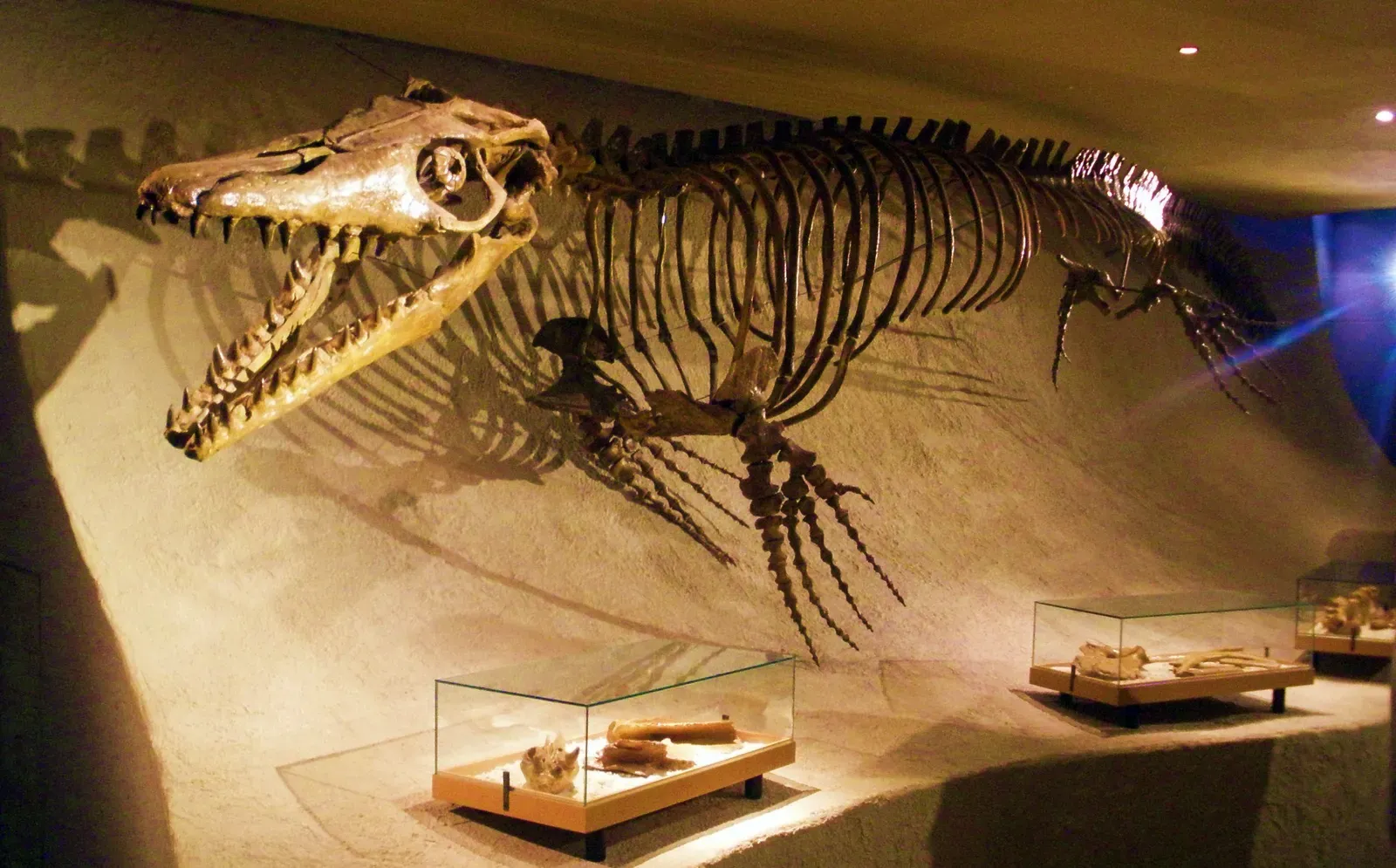
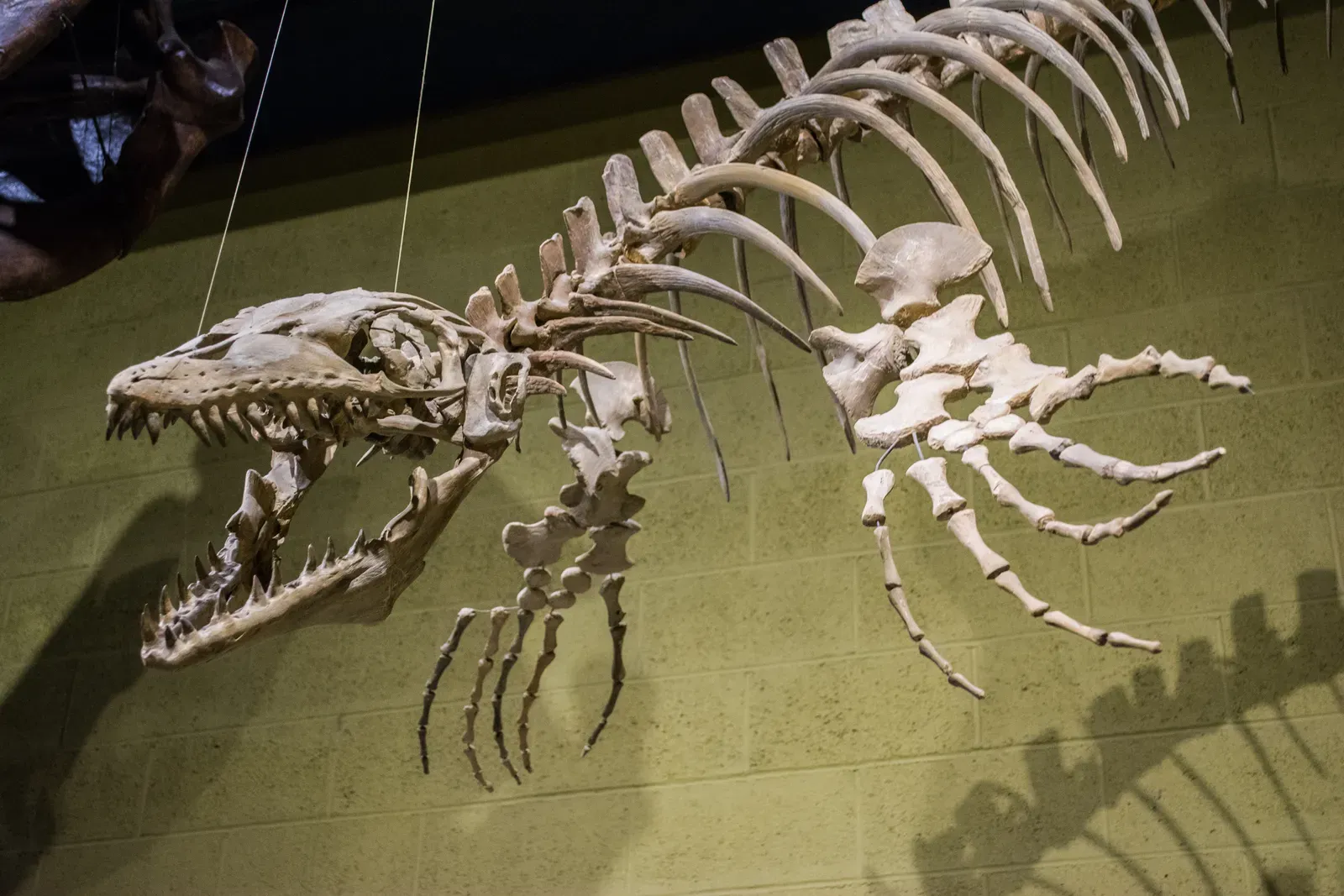
If you could transport yourself back to the Late Cretaceous and peer into those warm, shallow inland seas, there is one animal that would dominate your nightmares above all others. Towards the end of the dinosaurs’ reign on land, a group of fearsome marine reptiles called mosasaurs dominated the oceans, named after Mosasaurus, the most famous member of the group. This was no gentle giant either. Mosasaurus hoffmannii was the apex predator of the Late Cretaceous oceans, reaching 11 metres in length and 3.8 metric tons in body mass.
Here’s the thing that makes mosasaurs genuinely fascinating: they were essentially aquatic lizards, not some distant relative of dinosaurs. The first mosasaurs appeared about 90 million years ago, evolving from land-dwelling reptiles closely related to modern monitor lizards, and their closest living relatives include animals such as the Komodo dragon. Their diet was brutally varied too. Several specimens have been discovered with stomach contents still preserved, including the bones of fish, seabirds, and even smaller mosasaurs – confirming that cannibalism and predation on other marine reptiles occurred, particularly among the largest genera such as Tylosaurus and Mosasaurus, who were capable of attacking almost anything they could catch, including turtles and plesiosaurs.
Ichthyosaur: The Sea Dragon That Looked Like a Dolphin
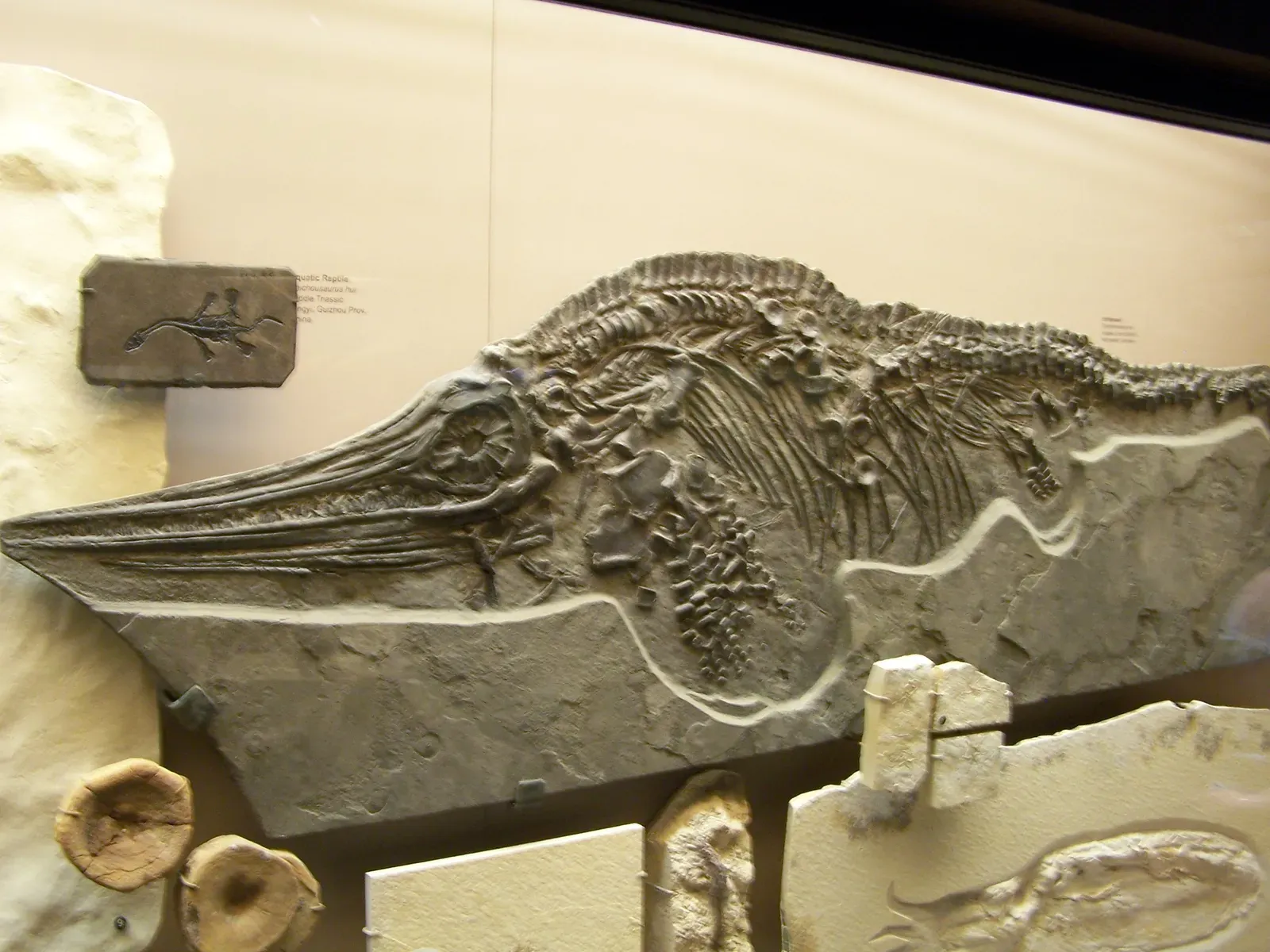
Uploaded by FunkMonk, CC BY-SA 2.0)
You might look at an ichthyosaur and think you are staring at a dolphin. That would be an understandable mistake, and it confused scientists for nearly two centuries. Ichthyosaurs are a group of ancient marine reptiles whose ancestors returned to the sea more than 250 million years ago. Though they are both reptiles and lived at the same time, dinosaurs are not closely related to ichthyosaurs. Their resemblance to dolphins is a stunning example of convergent evolution, meaning two completely unrelated animals arrived at near-identical body shapes simply because the ocean demands efficiency.
What truly sets ichthyosaurs apart from the crowd is the sheer scale of their variety. Ichthyosaurians thrived during much of the Mesozoic era, with fossil evidence showing they first appeared around 250 million years ago and at least one species survived until about 90 million years ago into the Late Cretaceous. Some were genuinely enormous. Ichthyotitan, found in Somerset, has been estimated to be as much as 26 metres long – if correct, the largest marine reptile known to date. They were also surprisingly warm-blooded. Ichthyosaurians were air-breathing, warm-blooded, and bore live young, and many, if not all, species had a layer of blubber for insulation.
Plesiosaur: The Long-Necked Legend That Sparked a Monster Myth
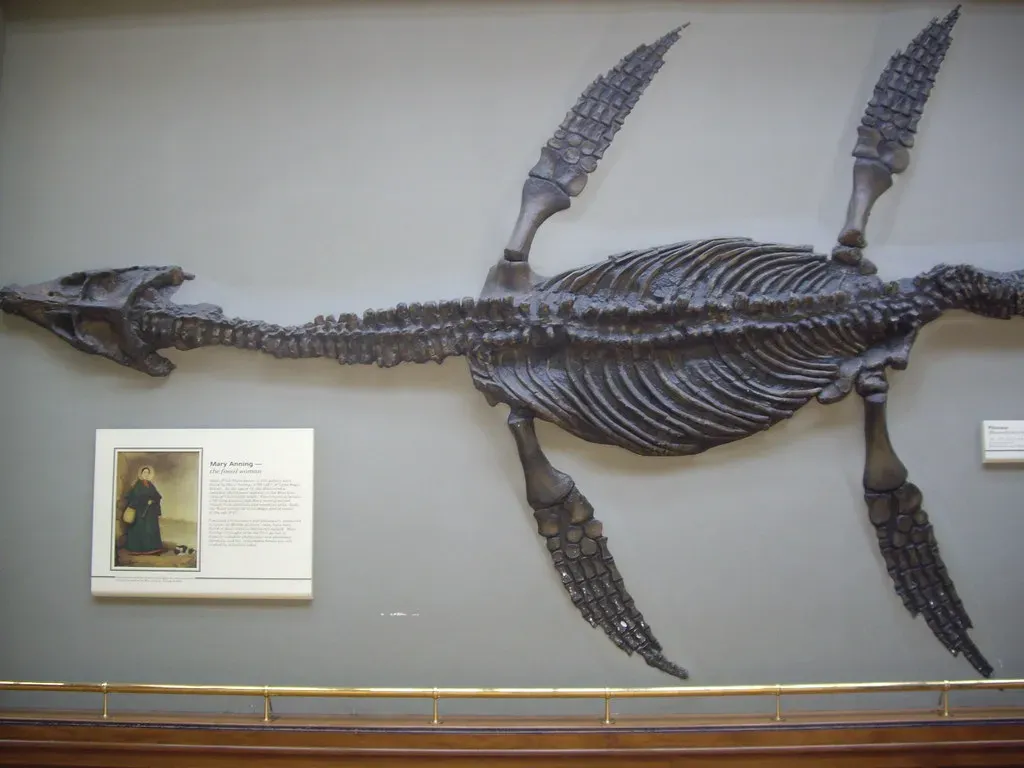
Ask almost anyone to picture a sea monster and they will likely describe a plesiosaur, whether they know the name or not. That long neck, compact body, and four great flippers have carved a permanent place in the human imagination. Plesiosaurs lived alongside dinosaurs, yet they were not dinosaurs at all. Instead, they ruled the oceans for over 135 million years, surviving multiple extinction events and diversifying into one of the most successful groups of marine reptiles in Earth’s history. Their reach was global too. Fossils of plesiosaurs, including pliosaurs, have been found on every continent, even Antarctica, revealing that they thrived in oceans that once connected the globe.
One of the most surprising things you would learn about plesiosaurs is how they moved through water. Fully aquatic plesiosaurs, which had evolved large flippers from their four limbs, propelled themselves through the water using an “underwater flight” motion, similar to modern sea lions. Think of it like a giant underwater bird flapping its wings. This reproductive strategy meant adults never needed to return to land, allowing both plesiosaurs and pliosaurs to exploit offshore feeding grounds throughout their lives. Juveniles were likely born relatively large and well developed, increasing their chances of survival in predator-rich oceans. They were built, body and soul, for the open sea.
Liopleurodon: The Short-Necked Terror With the Nose of a Shark
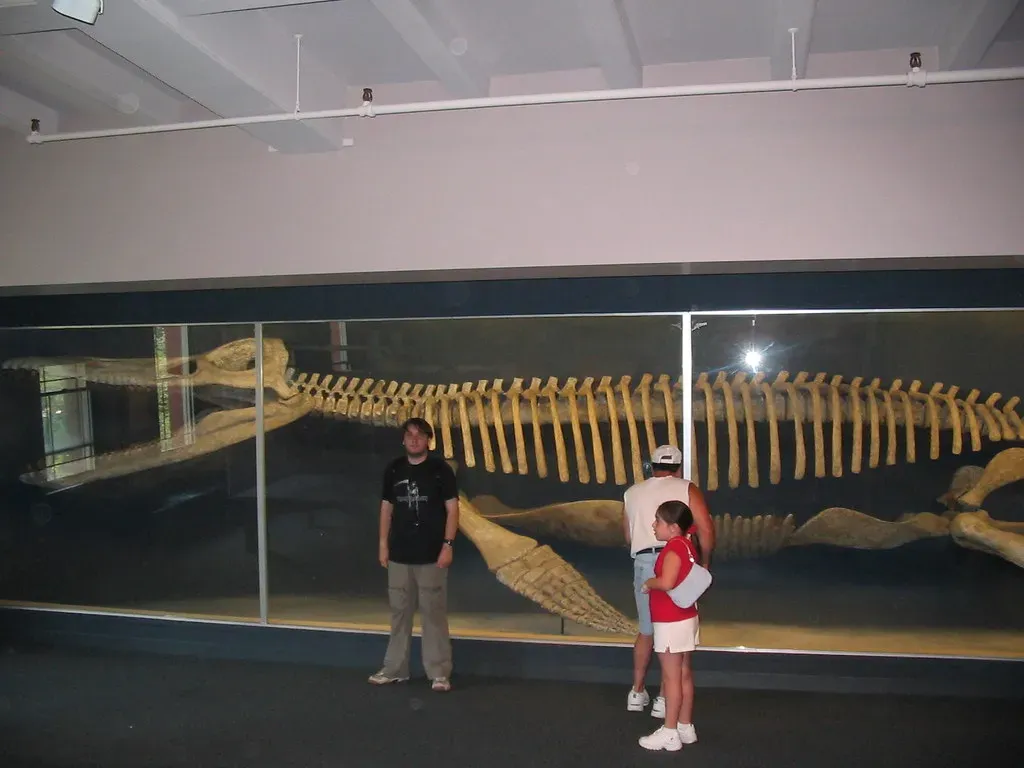
There is a famous BBC documentary that once depicted Liopleurodon as a 25-metre monster of pure nightmare fuel. It was wildly exaggerated, of course. In 1999, its size was greatly exaggerated in the BBC documentary series Walking with Dinosaurs, where it was depicted as reaching 25 metres in length. The real animal, while still terrifying, was somewhat smaller. In 2024, estimates suggest that the largest known specimen of Liopleurodon would have reached a length of approximately 8 metres with a body mass of 7.8 tonnes. Still large enough to ruin your day, let’s be real.
What Liopleurodon lacked in mythologized size it more than made up for in hunting ability. Four strong paddle-like limbs suggest that Liopleurodon was a powerful swimmer, and its four-flipper mode of propulsion was characteristic of all plesiosaurs. A study involving a swimming robot demonstrated that although this form of propulsion is not especially efficient, it provides very good acceleration – a desirable trait in an ambush predator. It also possessed a remarkable sensory advantage. Scientists think it had a well-developed sense of smell because it had forward-facing nostrils, an adaptation seen in apex predators to help them detect prey easily. Imagine a crocodile-sized lizard that could smell you coming from hundreds of metres away.
Kronosaurus: The Australian Titan Named After a God of Chaos
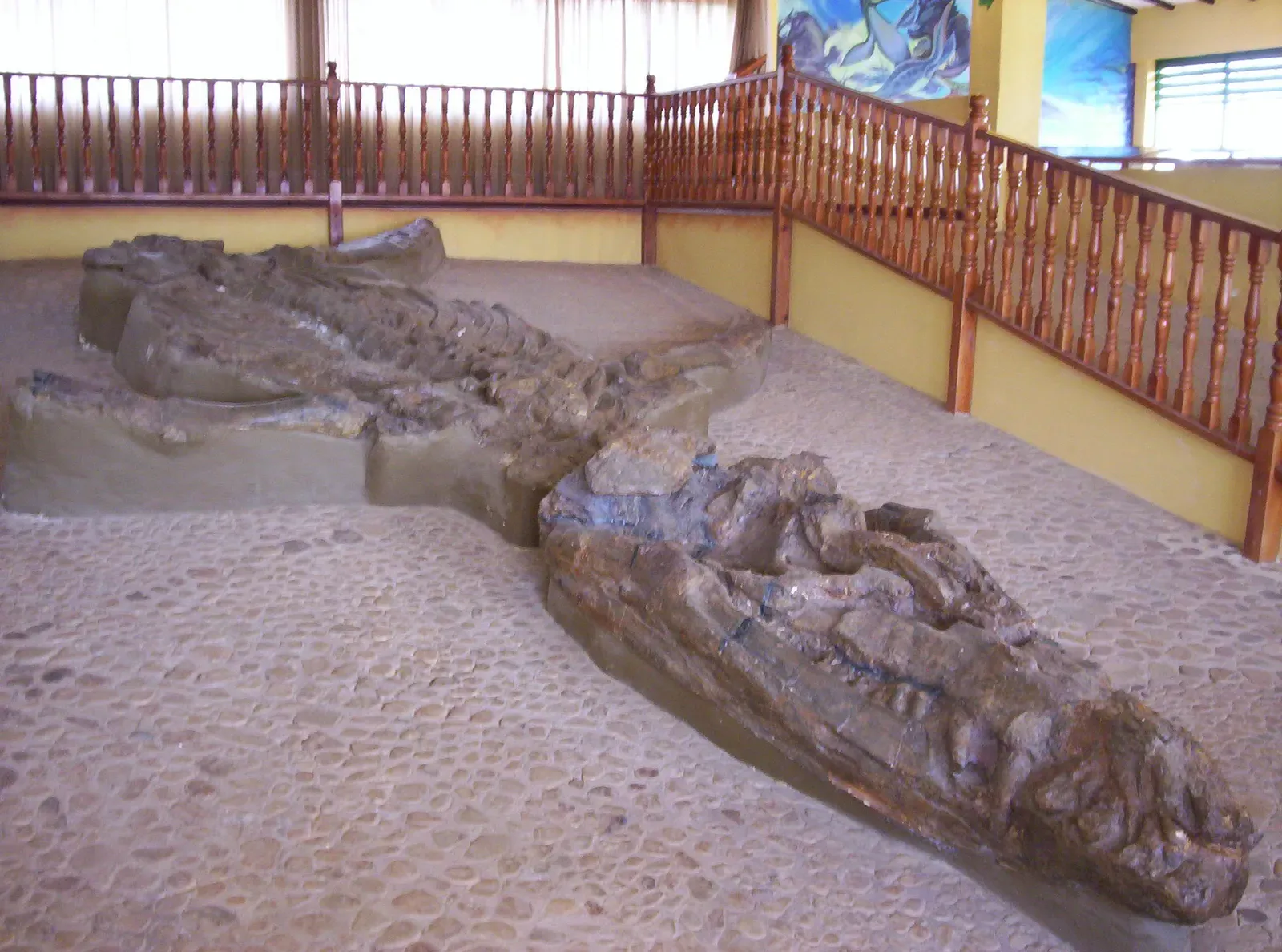
Named after Kronos, the Greek Titan who devoured his own children, Kronosaurus earned its mythological title. Kronosaurus is an extinct genus of large short-necked pliosaur that lived during the Aptian to Albian stages of the Early Cretaceous in what is now Australia. It’s hard to say for sure just how big it truly got, but the numbers are sobering. Estimates published from the early 2000s reduce the size of the animal to between 9 metres and more than 10 metres long. That is roughly the length of a school bus, armed with teeth and filled with murderous purpose.
Kronosaurus would likely have been an apex predator in its ancient sea, with fossil evidence showing that it preyed on sea turtles and other plesiosaurs. The bite force data is staggering. Estimates of its bite force suggest that the animal would have reached between 15,000 to 27,000 newtons, and the skull of a juvenile specimen shows that it would have been attacked by an adult, indicating intraspecific aggression or even potential evidence of cannibalism within the genus. In other words, even young Kronosaurus faced danger from their own kind. Fossil discoveries from the ocean-dwelling Kronosaurus have been found in only Australia and Colombia, yet the fact that bones were found on two continents so far apart suggests they likely lived worldwide.
Nothosaurus: The Ancient Seal-Like Pioneer of the Prehistoric Coast
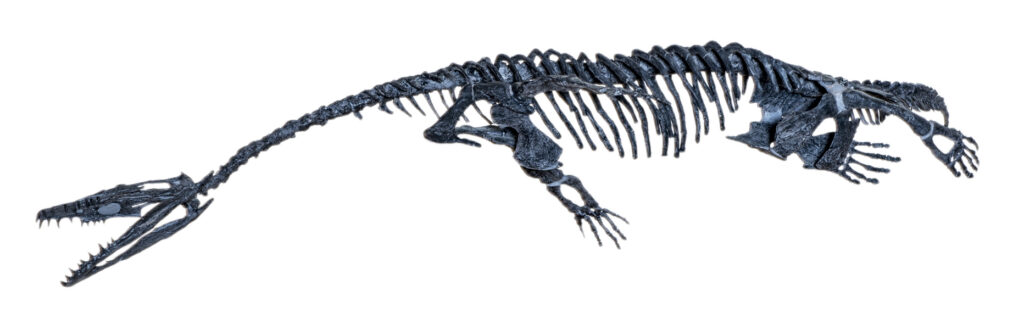
Not every prehistoric marine reptile was a fully committed ocean creature. Some were pioneers, still figuring out whether the sea was worth the risk. Nothosaurus was exactly that transitional animal. The name “Nothosaurus” translates as “false reptile” and it was a dominant aquatic predator during the Triassic Period, about 240 to 210 million years ago. Nothosaurus lived a semi-aquatic lifestyle similar to that of present-day seals, with a streamlined body, a long tail, and webbed feet, which it used to propel and steer itself through the water. Picture a large, sharp-toothed seal that could also haul itself onto a rocky shore. That is Nothosaurus in a nutshell.
What makes Nothosaurus genuinely special is its evolutionary role in the bigger story. Nothosaurs likely gave rise to plesiosaurs, marking a pivotal shift from coastal ambushers to open-ocean hunters. In a sense, every long-necked plesiosaur that ever glided through Jurassic seas owed its existence to animals like this one first testing the water. Averaging 4 metres, with some species reaching up to 7 metres, it hunted fish using slender, interlocking teeth, while webbed feet and a tail propelled it through shallow waters. Reproduction remains enigmatic: while ichthyosaurs and later plesiosaurs birthed live young, no direct evidence confirms if Nothosaurus laid eggs or practiced viviparity. Even now, it holds onto its secrets.
Conclusion: Oceans That Once Belonged to Giants
It is genuinely humbling to think that the same oceans we swim in today were once ruled by creatures of this scale and ferocity. Some marine reptiles, such as ichthyosaurs, plesiosaurs, metriorhynchid thalattosuchians, and mosasaurs, became so well adapted to a marine lifestyle that they were incapable of venturing onto land and gave birth in the water. They were not half-measures. These were fully committed ocean predators, shaped by millions of years of ruthless natural selection.
The story of prehistoric marine reptiles is ultimately a story about transformation, about how land-dwellers became ocean kings, and how even kings eventually fall. The long reign of these creatures in prehistoric oceans came to an end approximately 66 million years ago, during the Cretaceous-Paleogene extinction event, which marked the mass extinction of about three-quarters of Earth’s plant and animal species. Their fossils, scattered across every continent, remain our most vivid window into what those ancient seas once were. The oceans look calm on the surface today. They are nothing like what they used to be.
Which of these six prehistoric giants surprised you the most? Drop your thoughts in the comments below.