
Have you ever walked into a room and immediately felt the weight of someone else’s sadness settle on your shoulders? Or found yourself emotionally drained after spending time with certain people, even if the conversation seemed pleasant on the surface? If these experiences sound familiar, you might be more than just a compassionate person. You could be an empath, someone who doesn’t just recognize emotions but absorbs them as if they were your own.
Empaths are highly attuned to the energies and emotions of those around them, often absorbing or taking on the emotions themselves, frequently at the expense of their own emotional well-being. This gift of heightened sensitivity can be both beautiful and challenging. While it allows you to connect deeply with others and offer genuine support, it can also leave you feeling overwhelmed, exhausted, and unsure where your feelings end and someone else’s begin. Let’s explore the telltale signs that indicate you’re an empath, and more importantly, discover practical ways to protect your precious energy so you can thrive.
You Absorb Other People’s Emotions Like A Sponge

You’re likely to pick up on what someone else near you is feeling immediately, even if they think they aren’t showing it, and you may actually feel the emotion as if it were your own, essentially absorbing it. This isn’t just about noticing when your friend seems upset. It’s about feeling that knot in your stomach when they’re anxious, or experiencing genuine joy when a stranger smiles at you on the street.
For example, an empath may turn the channel on TV to avoid seeing a character get embarrassed, or if you have a friend who’s sick, you may start to also feel some of their symptoms like a headache or cough. Your emotional radar operates on a frequency most people can’t access. This goes beyond sympathy or even regular empathy. While others might understand how someone feels, you literally experience those feelings in your own body and mind, which can be both a profound gift and an exhausting burden.
Crowded Spaces And Noisy Environments Overwhelm You Quickly
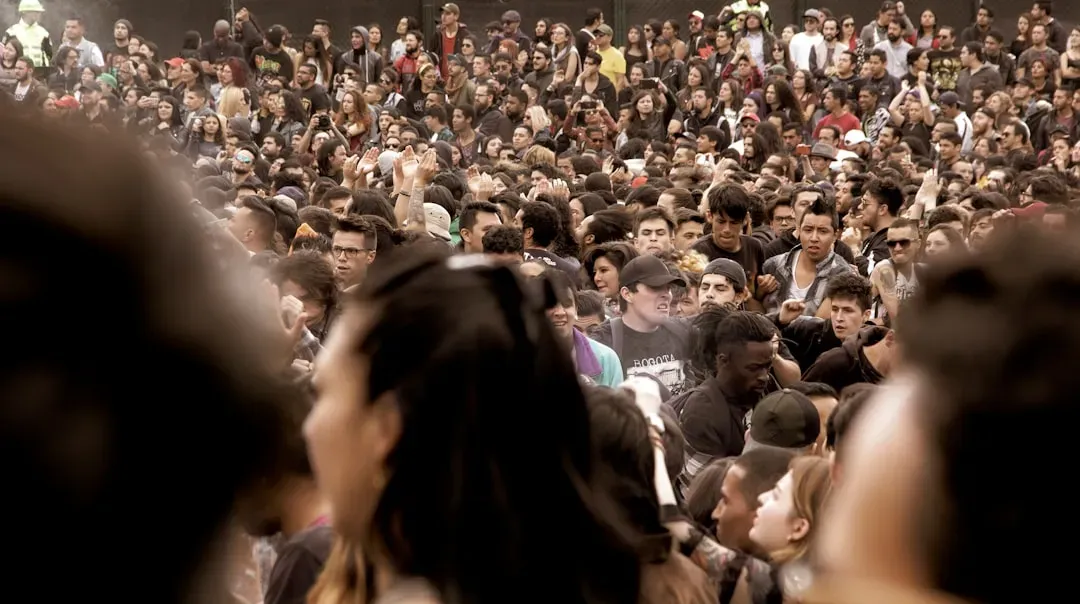
Empaths have a higher sensitivity to outside stimuli such as sounds, big personalities, and hectic environments. Shopping malls, concerts, busy restaurants, or large gatherings can feel like sensory battlegrounds where you’re bombarded with too much stimulation at once. You might leave these places feeling anxious, depleted, or desperately craving silence and solitude.
Even if you’re an extroverted empath, you will reach a point where being around groups of people deplete you, and you may feel physically drained, suddenly have physical pains you don’t normally have, get a headache, brain fog, go blank or become overwhelmed. It’s not that you don’t enjoy socializing. You just process so much information from your surroundings that your nervous system can become overloaded. Honestly, needing to retreat after social events isn’t antisocial behavior; it’s essential self-preservation for someone with your sensitivity.
You Have An Uncanny Intuition About People And Situations

You tend to trust your instinct and go with your gut when it comes to making decisions, and this is also helpful when it comes to trusting people as you tend to pick up on subtle cues that help you determine if someone is being untruthful. You just know things without being able to explain how you know them. Maybe you sense that a colleague is struggling even though they insist everything is fine, or you get an uncomfortable feeling about someone that later proves accurate.
There’s evidence that empaths are skilled at reading subtle cues like body language, tone of voice, even micro-expressions, and our brains collect and interpret this data at lightning speed, presenting it as an intuitive hit. This isn’t magical thinking or paranoia. Your brain is simply processing hundreds of tiny signals that others miss, creating what feels like a sixth sense. People probably tell you their deepest secrets without much prompting because they sense you truly understand them on a level most don’t.
You Feel A Deep Need To Help Others, Sometimes To Your Own Detriment

You sense when someone needs help, and you help others by providing emotional support. Seeing someone in pain creates an almost physical compulsion in you to ease their suffering. You’re the friend everyone calls during a crisis, the person who drops everything to be there for others, the one who can’t walk past someone struggling without offering assistance.
You find it easier to have empathy for others as you understand or feel their pain, but you can end up feeling guilty saying no to a request, even if that’s what you need, instead of prioritizing their feelings. Here’s the thing: this beautiful impulse to help can become problematic when you consistently put others’ needs above your own. You might find yourself in relationships with energy vampires or narcissists who take advantage of your generous nature. Learning to distinguish between genuine helping and depleting yourself is one of the most important skills you’ll ever develop.
You’re Extremely Sensitive To Your Environment And Atmosphere
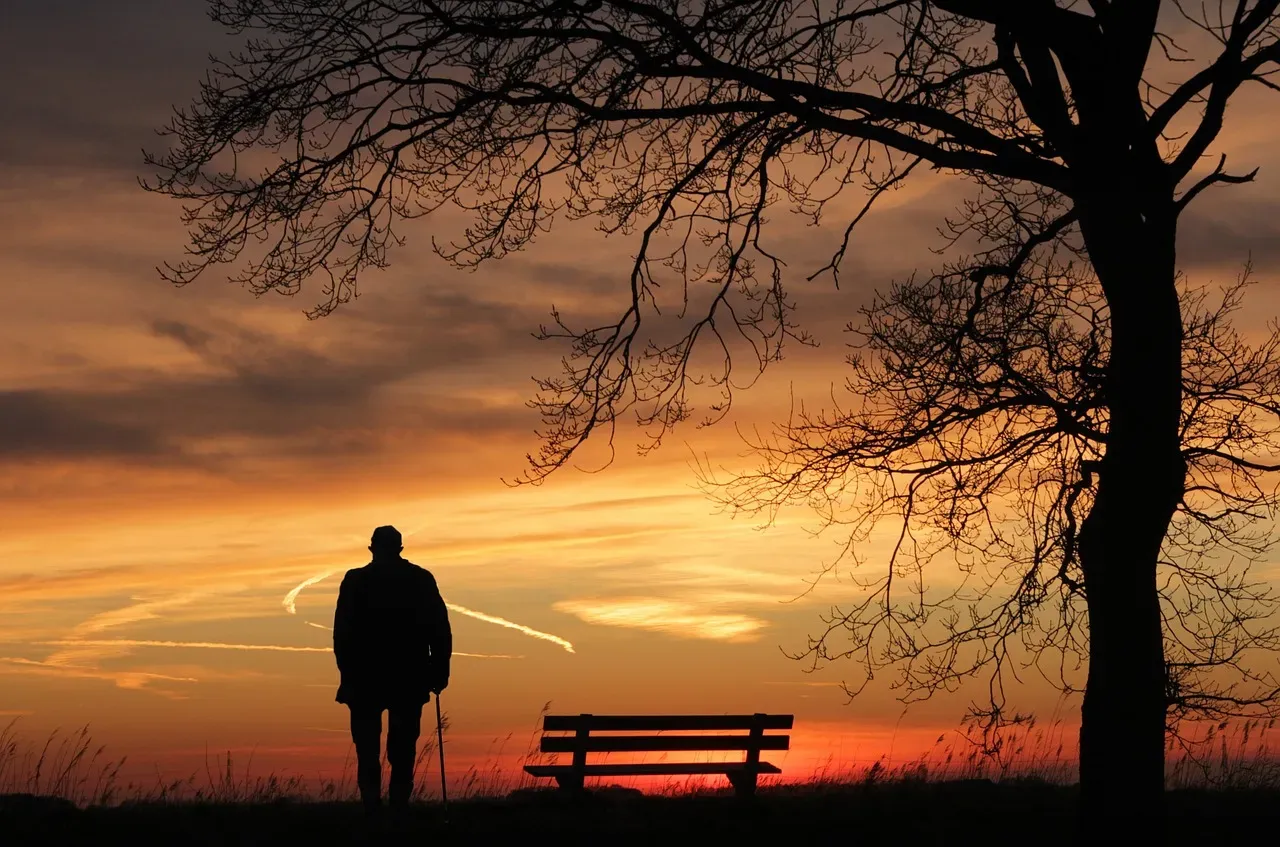
Empaths are extremely sensitive to the feel or atmosphere of their surroundings, and when surrounded by peace and calm, they flourish because they take on those qualities internally themselves, while places of beauty can be transformative for empaths. The spaces you inhabit profoundly affect your mood and energy levels. A cluttered, chaotic room can make you feel agitated, while a peaceful garden or beautifully organized space can restore your sense of balance.
If spending time outdoors helps you recharge, you may be an empath, as empaths may experience a strong connection with the natural world around them and may even prefer to spend an afternoon outdoors on a hike or at the beach over more modern hangout spots. You probably have strong preferences about lighting, scents, textures, and sounds in your personal space. What others might dismiss as being particular, you recognize as necessary requirements for maintaining your equilibrium. Nature, especially, feels like medicine to you because it offers a respite from the emotional noise of human environments.
You Struggle With Boundaries And Often Don’t Know Where You End And Others Begin

You struggle with boundaries, and it’s tough to know where you leave off and others begin, which experiences are yours and which come from others, and when to open your channels for connection or to close them. This might be the most challenging aspect of being an empath. You can become so merged with other people’s experiences that you lose touch with your own needs, desires, and feelings.
As empaths, we commonly allow energies from outside of us into our own energy field, and our bodies are often hijacked by the energy and emotions of other people, making it very difficult to be ourselves. You might walk into a conversation feeling perfectly fine and leave feeling inexplicably sad or angry, only to realize hours later that those emotions weren’t even yours to begin with. Setting healthy, clear boundaries can help reduce distress, and you must know how to preserve yourself so you don’t get your energy and emotional reserves swallowed up. Establishing where you end and others begin isn’t selfish; it’s absolutely essential for your wellbeing and ability to continue being the compassionate person you are.
How To Protect Your Energy Effectively As An Empath

Now that you recognize yourself in these signs, let’s talk about protection. Shielding is a quick way to protect yourself, and many empaths and sensitive people rely on it to block out toxic energy while allowing the free flow of positivity, so call on it regularly and put up your shield the minute you’re uncomfortable with a person, place, or situation.
Take a few deep, long breaths, then visualize a beautiful shield of white or pink light completely surrounding your body and extending a few inches beyond it, protecting you from anything negative, stressful, toxic, or intrusive. This visualization technique might sound simple, but it’s remarkably effective. You can also practice grounding, one of the simplest and most powerful ways to protect your energy, which helps you come back into your body and into the present moment instead of getting swept up in emotional or energetic noise around you.
Try not to schedule too many things in one day, learn to cancel plans when you get overloaded, and this is a skill all empaths must learn so you don’t feel obliged to go out if you’re tired and need rest. Practical boundary-setting is equally crucial. Set clear limits with energy vampires and toxic people, and remember that no is a complete sentence without having to keep explaining yourself. Additionally, movement, especially in nature, is another great way to protect your energy as an empath, as exercise can not only ground and protect your energy but help you shake off interactions or emotions that have been taking your energy.
Being an empath doesn’t mean you’re destined to feel overwhelmed and drained. With awareness and the right protective practices, you can honor your gift while maintaining your own emotional health. Good self-care practices and healthy boundaries can help insulate you, particularly from negative emotions and energy. Your sensitivity is a beautiful contribution to the world, one that allows you to offer genuine compassion and understanding in a society that desperately needs both. The key is learning to share that gift without sacrificing yourself in the process. What boundaries will you start implementing today to protect your precious energy?