If you grew up thinking of dinosaurs as slow, scaly swamp monsters that all died in one big fiery moment, you’re in good company – and you’re also mostly wrong. Dinosaur science has changed so fast over the last few decades that a lot of what adults casually say about them is completely out of date. Kids today will probably know more about T. rex by age nine than many of us learned in an entire childhood.
The fun part? You get to be the surprising grandparent who blows their mind with the weird, counterintuitive truth. From feathered predators to the fact that dinosaurs never actually met cavemen, the real story is far stranger, more beautiful, and way more interesting than the movie versions. Let’s walk through six big myths most adults still repeat – and what you can tell your grandkids instead.
1. Dinosaurs Were Not All Giant, Roaring Monsters
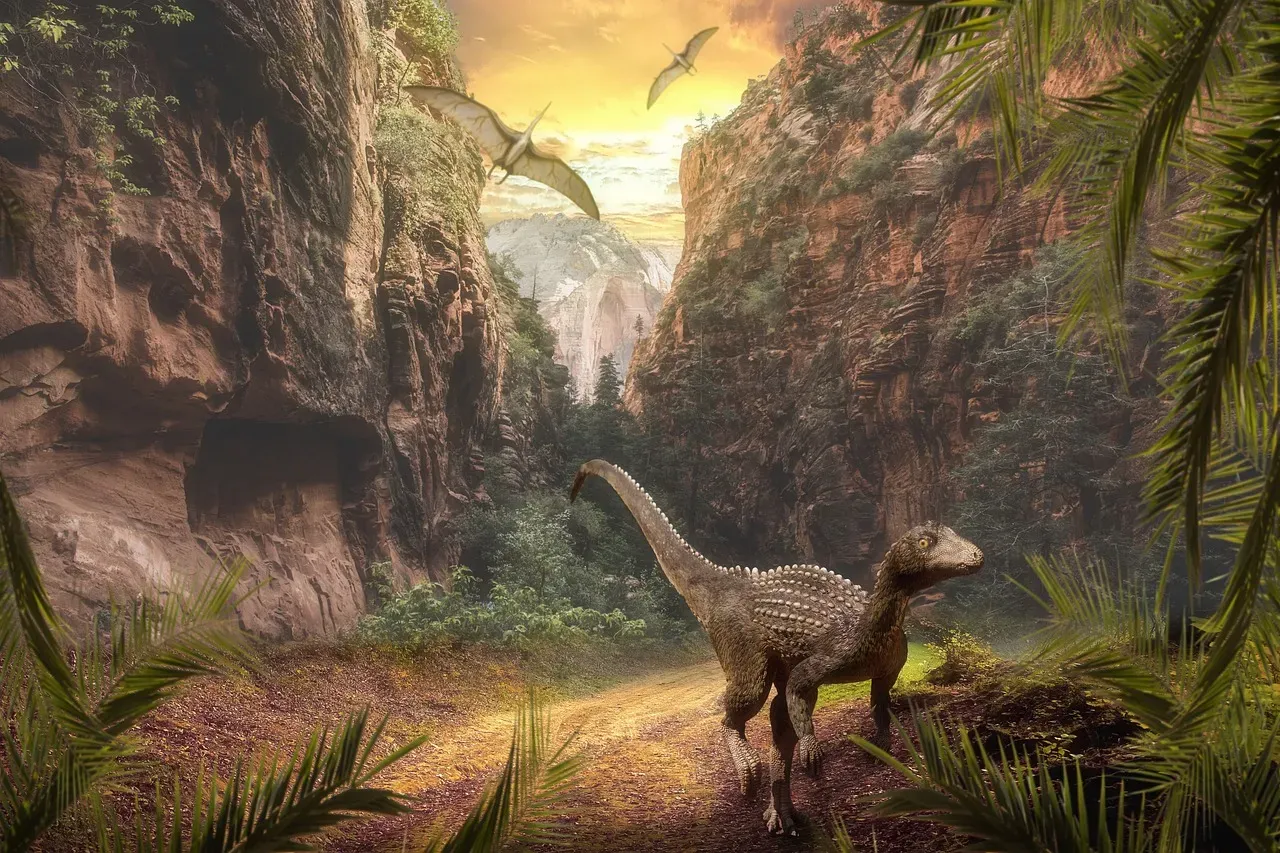
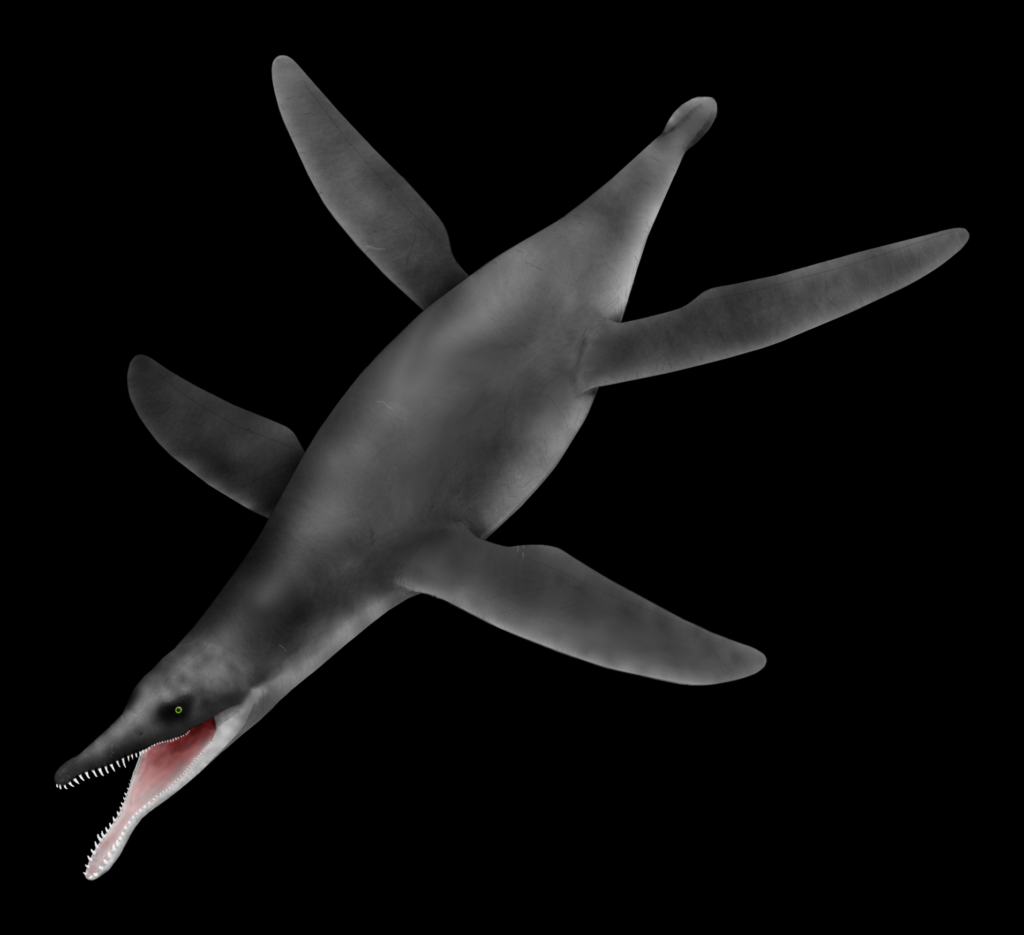
One of the easiest mistakes to make is imagining every dinosaur as a skyscraper-sized beast stomping around and shaking the ground. In reality, a lot of dinosaurs were closer to the size of a dog, a turkey, or even a chicken. Some were tiny, agile insect hunters that you could have theoretically held in your arms, while only a subset reached those mind-bending, bus-sized dimensions you see in documentaries.
It helps to picture dinosaurs like modern animals: there are elephants and giraffes, sure, but there are also sparrows, mice, and foxes. The dinosaur world had its giants, but it was also full of small, quick, and sometimes delicate species living in forests, deserts, and coastlines. Telling your grandkids that not every dinosaur would have towered over your house gives them a richer mental picture and makes the ancient world feel more like a real ecosystem, not just a monster movie.
2. Many Dinosaurs Had Feathers – And They Were Not Just Overgrown Lizards
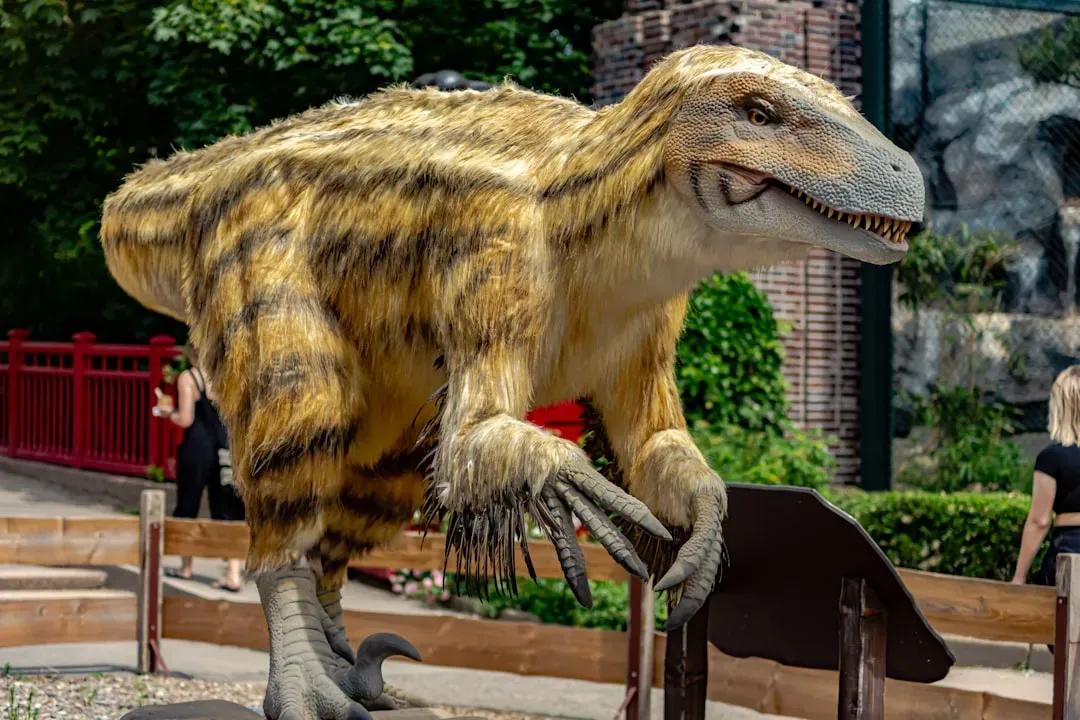
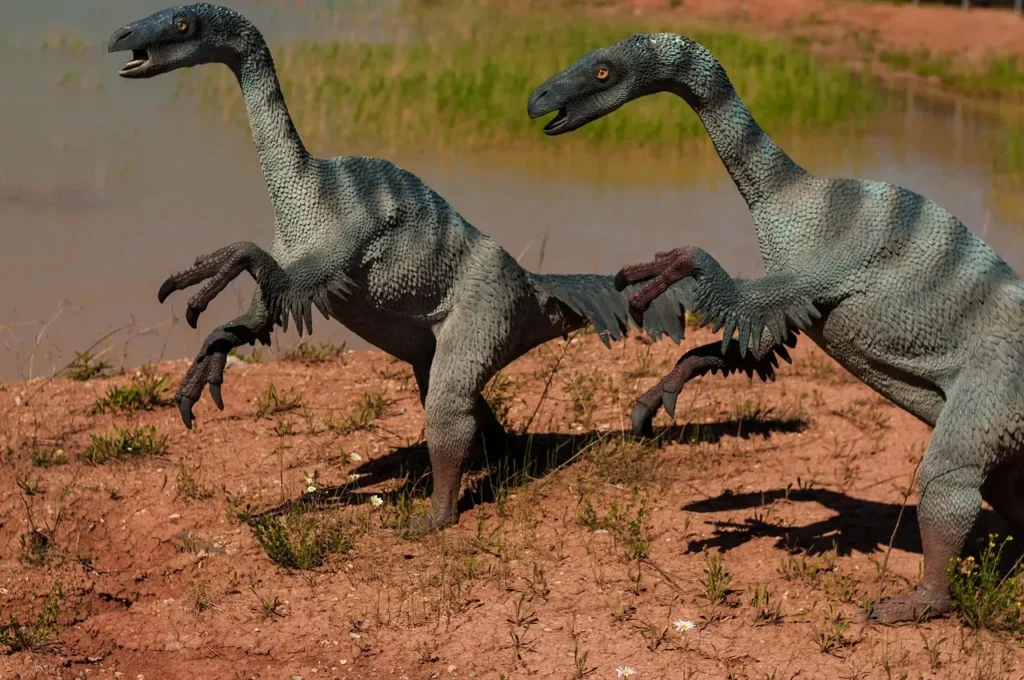
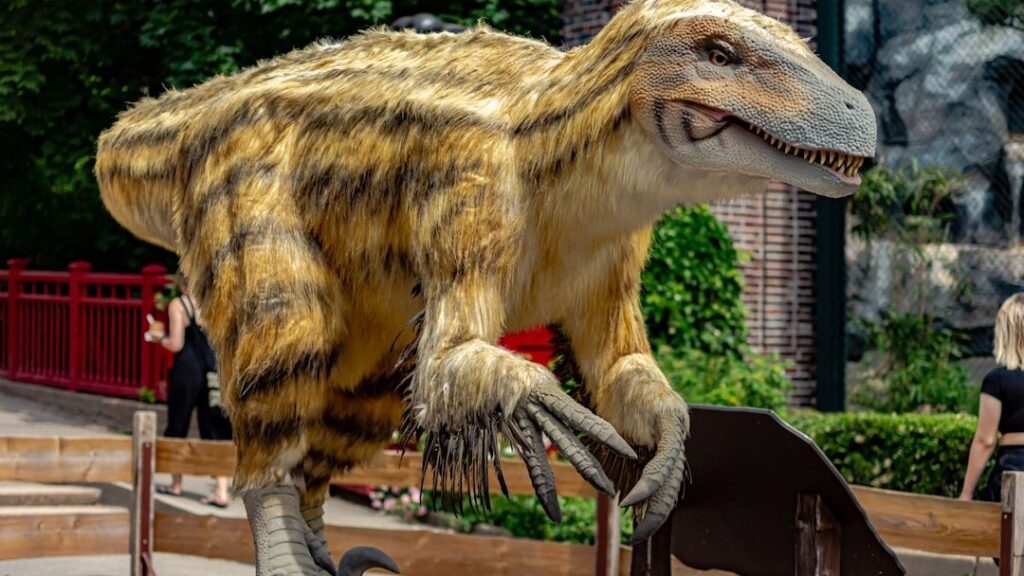
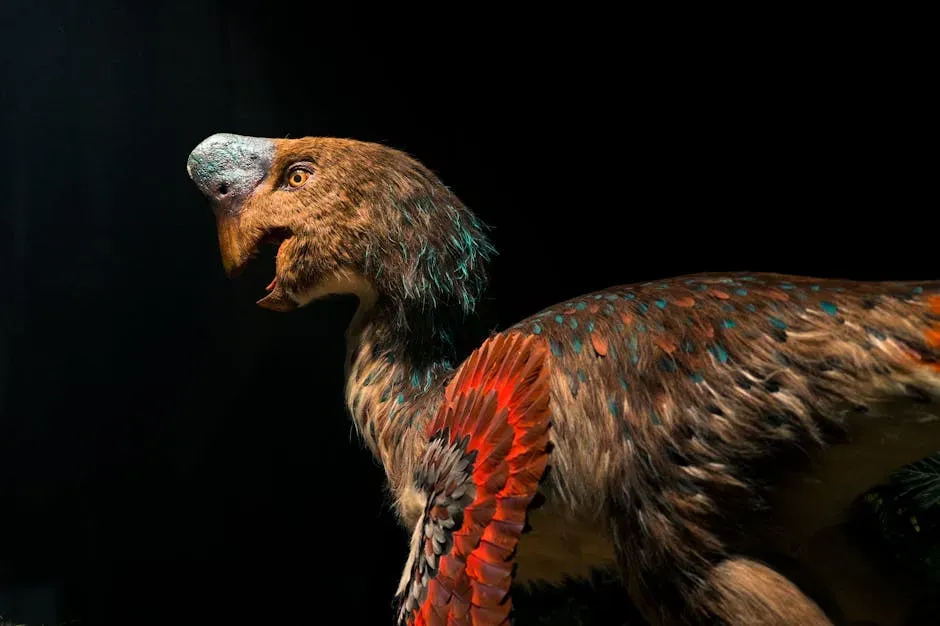
A lot of adults still imagine dinosaurs as big, drab reptiles with crocodile-style skin, but that’s only part of the story. Fossil discoveries over the last several decades have shown clear impressions of feathers on many species, especially among the group closely related to birds. Some of these feathers were simple and hair-like, while others were more complex, forming tufts, fringes, or even early wings. The result is that a good number of dinosaurs likely looked more like oversized, terrifying birds than like giant iguanas.
This changes everything about how you describe them to a child. Instead of saying dinosaurs were just ancient lizards, you can explain that they were their own strange branch of life – some scaly, some fluffy, some probably colorful and flashy during mating season. Scientists think feathers might have helped with insulation, display, and eventually gliding or flight. That means the line between a small, feathered dinosaur and an early bird is more of a gradual fade than a sharp cut, which is a pretty wild thought to share with a curious kid.
3. Not All Dinosaurs Lived at the Same Time (And They Never Met Humans)
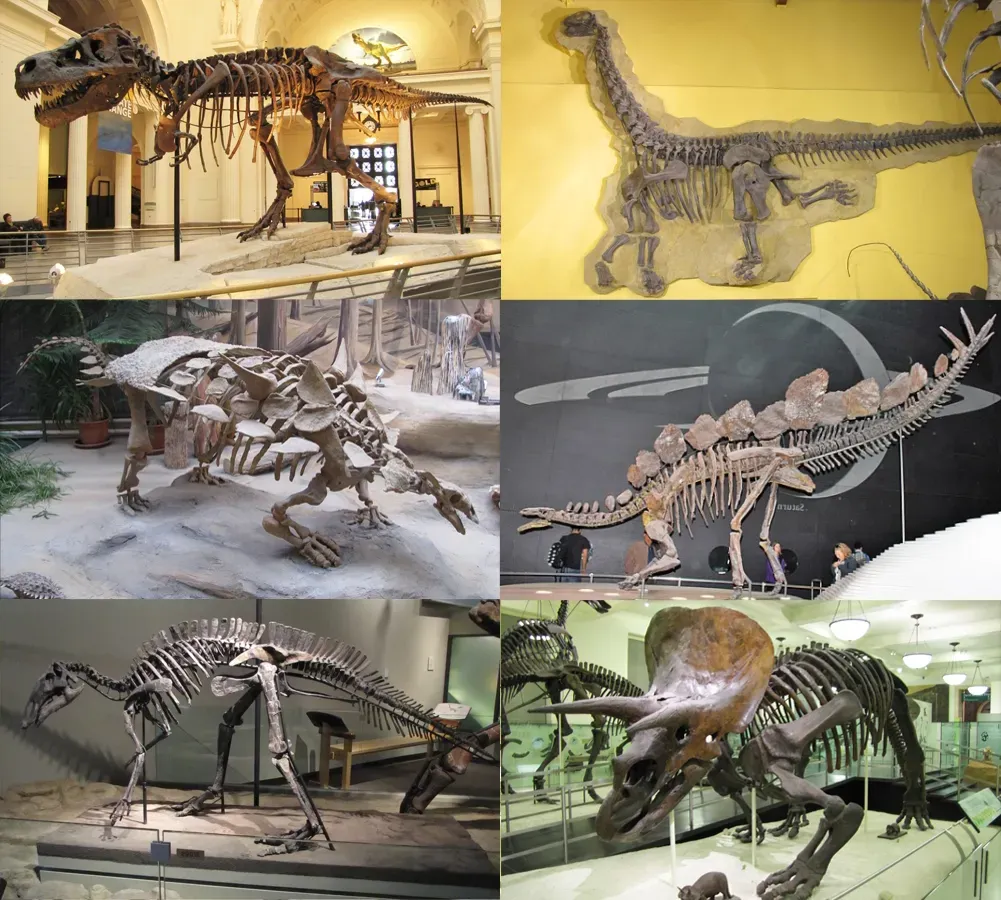
Another huge misconception is that every famous dinosaur lived together like they were all roommates in one prehistoric neighborhood. In reality, the time span of dinosaurs is so long it almost breaks the brain: many millions of years passed between some of the species we casually group together. A dinosaur like Stegosaurus, for example, lived long before a classic like Tyrannosaurus rex ever walked the Earth, with an enormous gulf of time separating them.
And then there’s the human thing. Cartoons often show cavemen running away from T. rex, but humans and non-bird dinosaurs are separated by tens of millions of years. By the time our species appeared, the non-bird dinosaurs had been gone for an unimaginably long stretch. When you tell your grandkids this, it helps them understand deep time: the idea that Earth’s history is vast, layered, and nothing like the compressed timelines we see in pop culture. It’s like learning that your favorite movie characters actually lived in totally different centuries.
4. Dinosaurs Were Not All Slow, Stupid, or Doomed to Fail
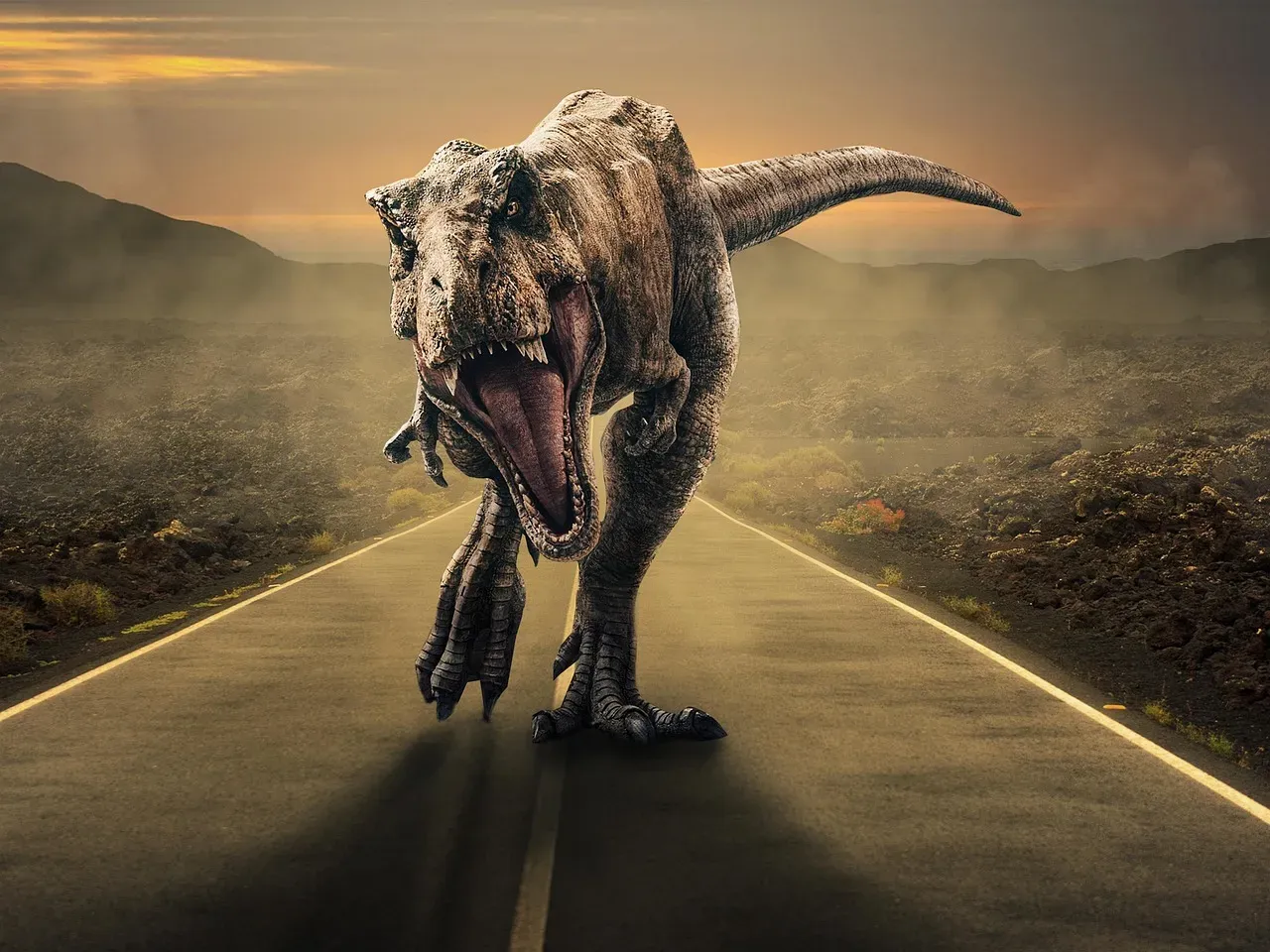
There’s a stubborn old stereotype that dinosaurs lumbered around sluggishly, too clumsy and dim-witted to survive. Modern research paints almost the opposite picture. Many species had sophisticated adaptations: sharp senses, complex social behaviors, and bodies finely tuned for running, hunting, or navigating their environments. They dominated the planet’s land ecosystems for an incredibly long stretch of time, far longer than humans have existed.
Calling them “failures” because they eventually went extinct is like calling a champion athlete a failure for retiring. Dinosaurs thrived under the conditions of their time until a combination of massive events, including an asteroid impact and dramatic environmental changes, reshaped the world. When you talk to your grandkids, you can frame dinosaurs not as clumsy losers, but as one of evolution’s great success stories – a reminder that even dominant life forms depend on the environment staying within certain limits.
5. The “Dinosaur Extinction” Was Not Instant – and Some Dinosaurs Survived as Birds
Most adults picture the end of the dinosaurs as a single Hollywood-style explosion: an asteroid hits, everything dies at once, the credits roll. The reality is more drawn out and complicated. The asteroid impact was a catastrophic event, but it triggered a chain reaction of climate changes, darkened skies, disrupted food chains, and collapsing ecosystems that unfolded over time. The extinction was severe, but it was not a one-second switch being flipped.
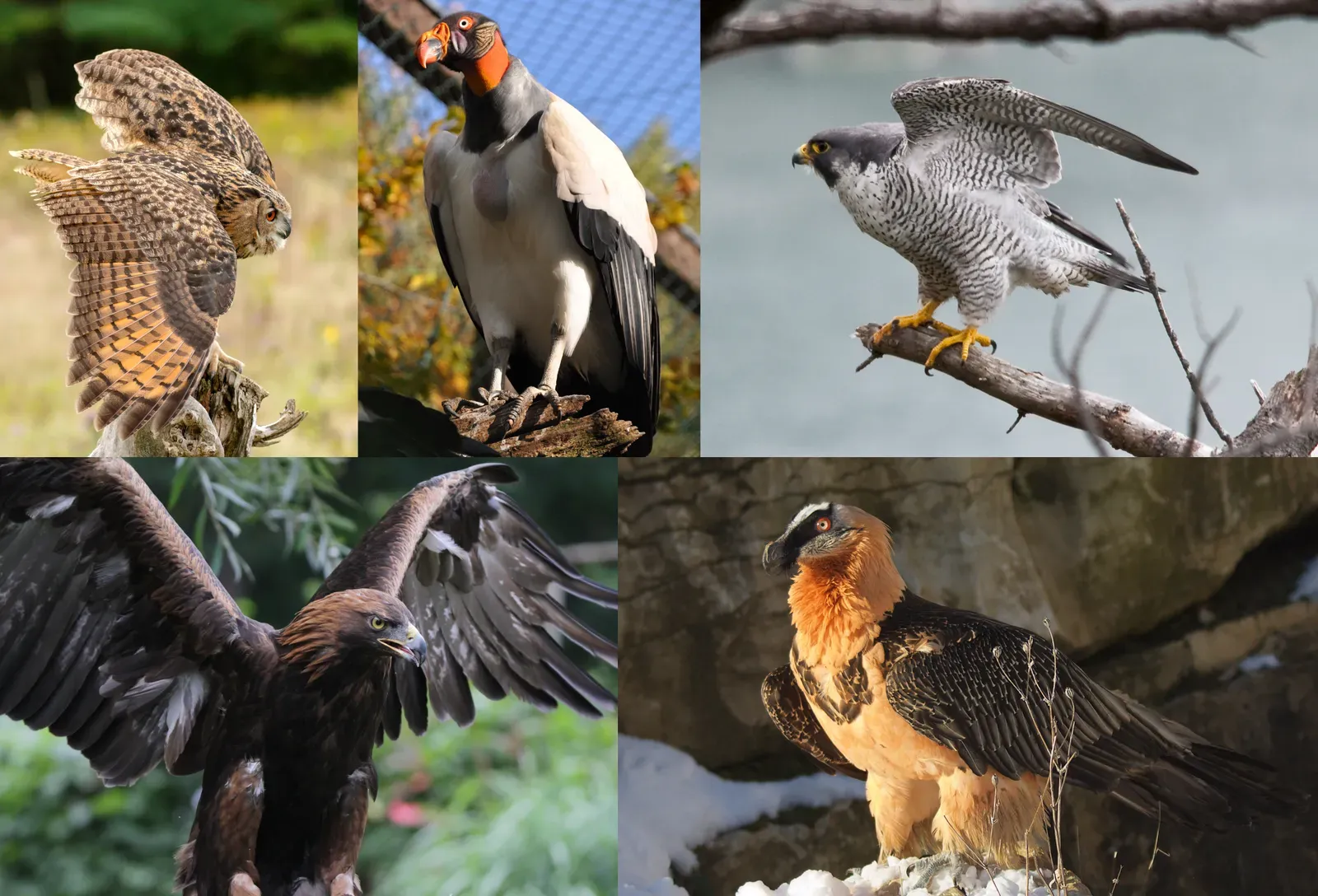
Even more surprising is what did not disappear. The group of dinosaurs that we now call birds made it through and kept evolving in the reshaped world that followed. That means when your grandkids watch a pigeon hop across a sidewalk or a hawk circling overhead, they are looking at a living branch of the dinosaur family tree. Sharing that perspective turns extinction from a total ending into a transformation story, and it makes every backyard robin feel like a tiny, everyday miracle of survival.
6. The World of Dinosaurs Was Diverse, Dynamic, and Constantly Changing
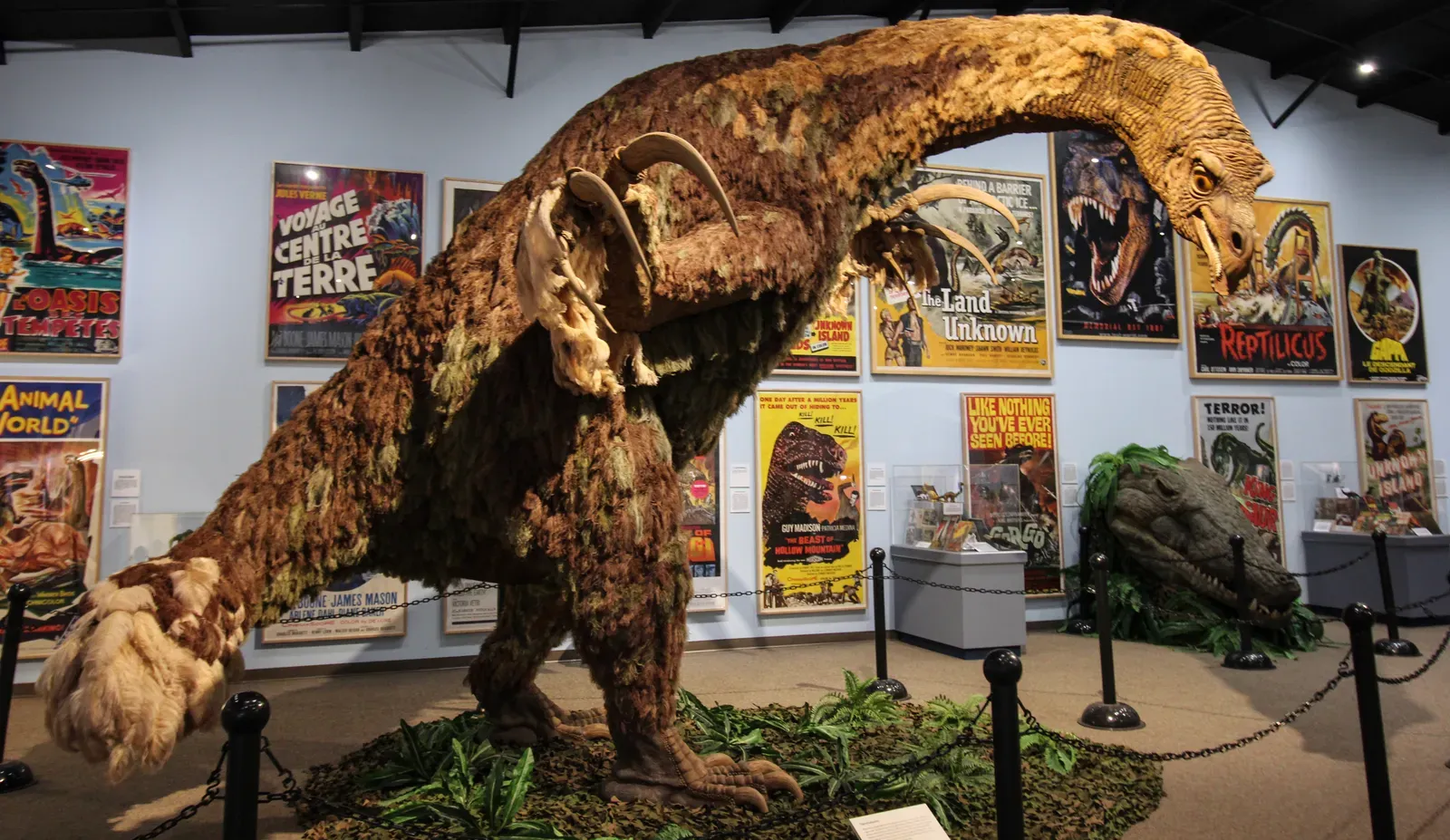
There’s a tendency to imagine “the age of dinosaurs” as a single, unchanging backdrop: jungles, volcanoes, and the same handful of giant reptiles wandering around forever. In truth, Earth’s climate, continents, and ecosystems shifted dramatically over the time dinosaurs existed. Sea levels rose and fell, temperatures changed, and the shapes of the landmasses slowly drifted. Different dinosaur groups rose, diversified, and sometimes vanished long before the final extinction event.
When you tell your grandkids about this, you can compare Earth’s history to a long-running series with multiple seasons, not a single episode. Each era had its own cast of species, its own landscapes, its own challenges. That moving, changing backdrop matters because it shows that life is always adapting to a shifting planet. It also gently underscores a modern truth: just as the dinosaurs had to cope with environmental change, our species now faces its own version, and we do not get to assume we’re automatically exempt from the rules of nature.
Conclusion: Why Getting Dinosaurs “Right” Actually Matters
It might seem like just trivia – who cares if we picture dinosaurs with the wrong skin or imagine them living with cavemen? But the stories we tell about them shape how kids think about science, time, and our place in the world. If dinosaurs are just clumsy movie monsters that suddenly got wiped out, then nature feels random and shallow. If they’re diverse, adaptable creatures that ruled Earth for ages and left descendants in the form of birds, then the world feels deeper, more connected, and more worth understanding.
Personally, I think being the grandparent who updates the story is a quiet act of rebellion against lazy thinking. You’re not just correcting facts; you’re modeling curiosity in a way a child can feel. You’re saying that it’s normal for knowledge to change, for old ideas to be replaced by better ones, and for us to admit when we were wrong. That habit of mind might matter even more than the dinosaurs themselves. When your grandkids look back, do you want to be the person who repeated the same old myths – or the one who opened the door to a bigger, stranger, truer universe than they expected?