There is something deeply humbling about the idea that certain creatures on this planet have survived asteroids, ice ages, volcanic winters, and oceanic collapses, yet you can still find them alive today. While textbooks tend to focus on what died out, the far more riveting story is what managed to stay. Nature has a peculiar knack for hiding survivors in the most unexpected corners, waiting to be rediscovered, studied, and ultimately understood.
These are not fairy tales. They are documented, verified, and in many cases still unfolding stories of endurance that no novelist could convincingly invent. Each one carries a quiet, urgent message for how you should think about conservation right now. You might just be surprised by what ancient life has to teach us. Let’s dive in.
The Coelacanth: A Fish That Fooled an Entire Century of Scientists
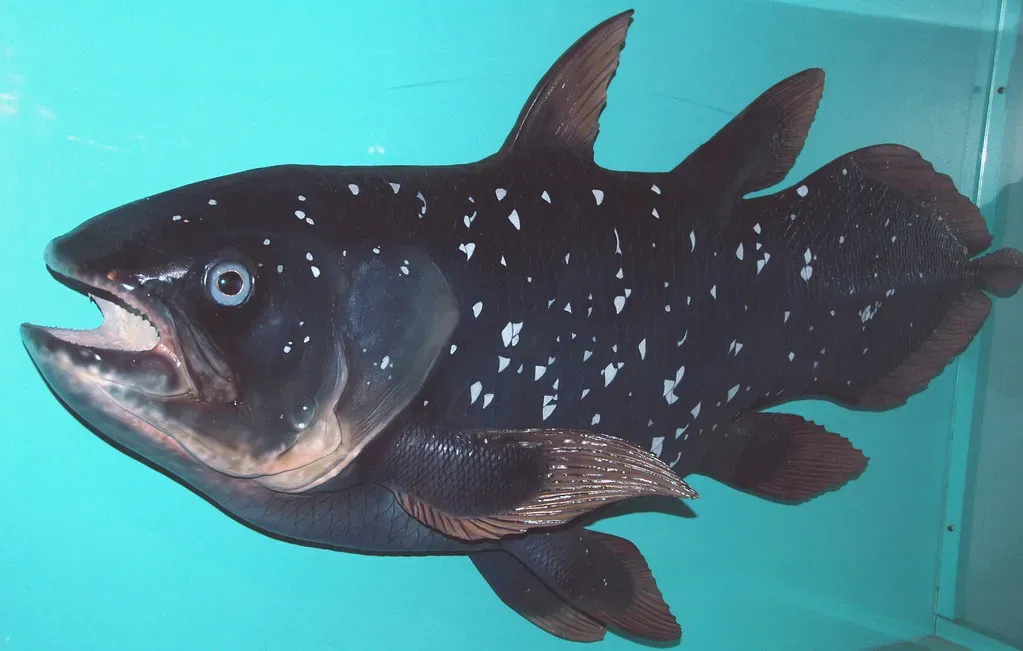
Imagine being told that a fish you’ve only ever seen in 400-million-year-old fossils is still alive, swimming quietly in the depths of the Indian Ocean. That is exactly what happened in 1938. The coelacanth was once thought to have gone extinct approximately 65 million years ago, during the great extinction in which the dinosaurs disappeared. It wasn’t until 1938 that a live specimen was caught in a fishing trawl and we realized they were still alive. Honestly, it’s one of the most jaw-dropping moments in all of natural history.
It’s thought that their adaptation to relatively stable, deep-water environments is what ultimately saved coelacanths from obliteration 66 million years ago. As well as dodging the extinction that claimed the lives of the dinosaurs, coelacanths also survived the infamous ‘Great Dying,’ an event that wiped out approximately 90 percent of species on Earth, and two more of Earth’s ‘Big Five’ mass extinctions. The lesson here for you and every conservationist today is blunt: conservation efforts focused on coelacanth protection could benefit countless other deep-sea species that remain undiscovered. The deep ocean is still, to a shocking degree, unmapped and underprotected.
Crocodilians: Nature’s Most Decorated Survivors
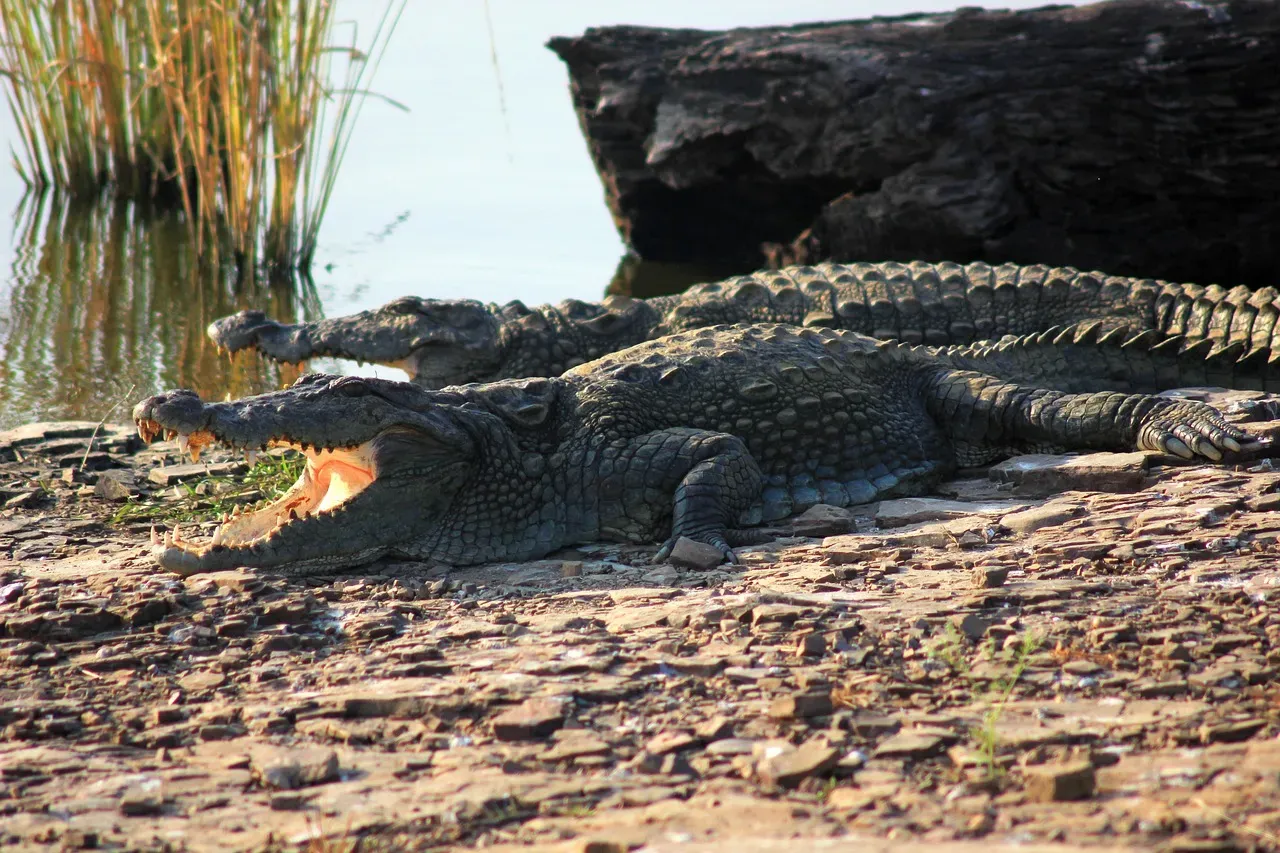
You might look at a crocodile lounging in the sun and think of a living relic, frozen in prehistoric time. Staring at a crocodile or alligator can feel like looking back in history to the age of the dinosaurs. Their ancestors have survived two mass extinctions over 230 million years, and scientists have uncovered a new secret to their evolutionary success and longevity. That secret, it turns out, is not brute force. It’s flexibility.
The study’s authors discovered that one secret to crocodylian longevity is their remarkably flexible lifestyles, both in what they eat and the habitat in which they get it. Many groups closely related to crocodylians were more diverse, more abundant, and exhibited different ecologies, yet they all disappeared except these few generalist crocodilians alive today. As Earth’s climate warms, as ecosystems fragment under human influence, and as extinction rates soar, the traits that once protected crocodylomorphs might offer clues to which species will make it through the current upheaval. Think of it as nature’s version of a Swiss army knife: the animals that can do many things tend to outlast the specialists.
Ammonites: The Survivors Nobody Expected to Find
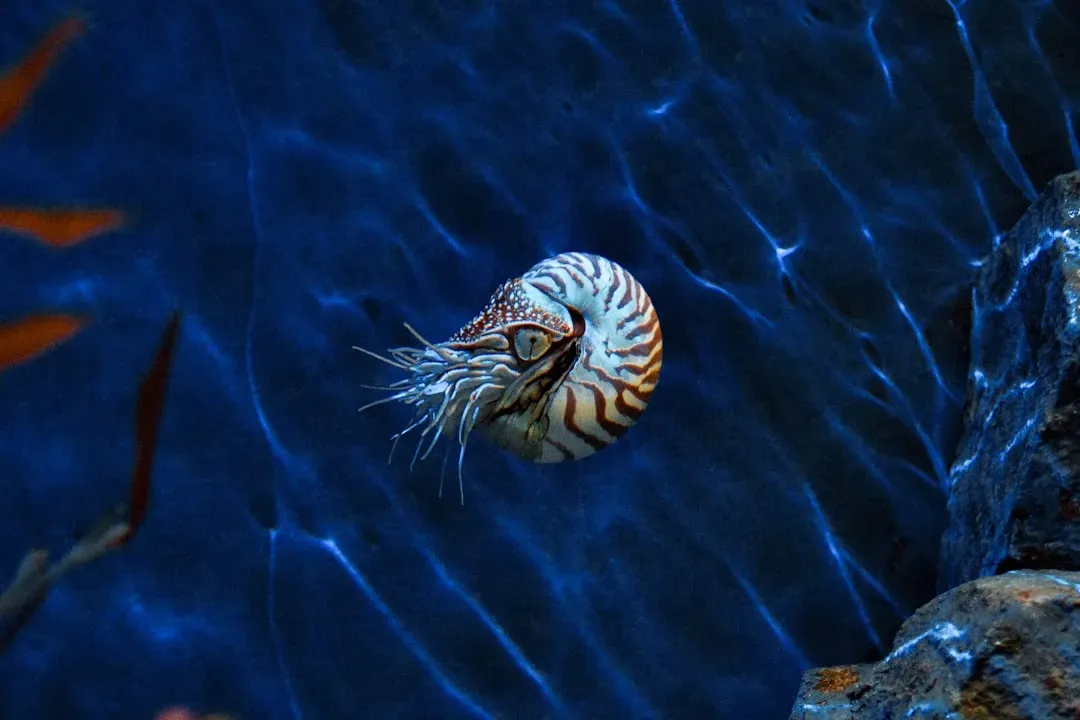
For decades, scientists treated the ammonite as the textbook victim of the asteroid that ended the dinosaurs. Case closed, right? Not quite. A study published in Scientific Reports finds that a population of ammonites, shelled mollusks related to octopuses and squids, survived the extinction for tens of thousands of years. The discovery, in Denmark, overturns prior thinking about how these animals responded to the noxious oceanic conditions caused by the impact. It is a reminder that extinction is rarely as clean or instantaneous as we assume.
The finding shows how messy a mass extinction can be, clearly refuting this notion that mass extinctions are one and done. Researchers estimate they survived for at least 68,000 years after the cataclysm. That is a staggering window of persistence, almost incomprehensible when you consider what the world looked like after that asteroid hit. For you today, the takeaway is that species can linger in refugia, small sheltered pockets, for far longer than the official record suggests. Writing a species off too early has real conservation consequences.
Cambrian Survivors: Life After the World’s First Great Vanishing Act
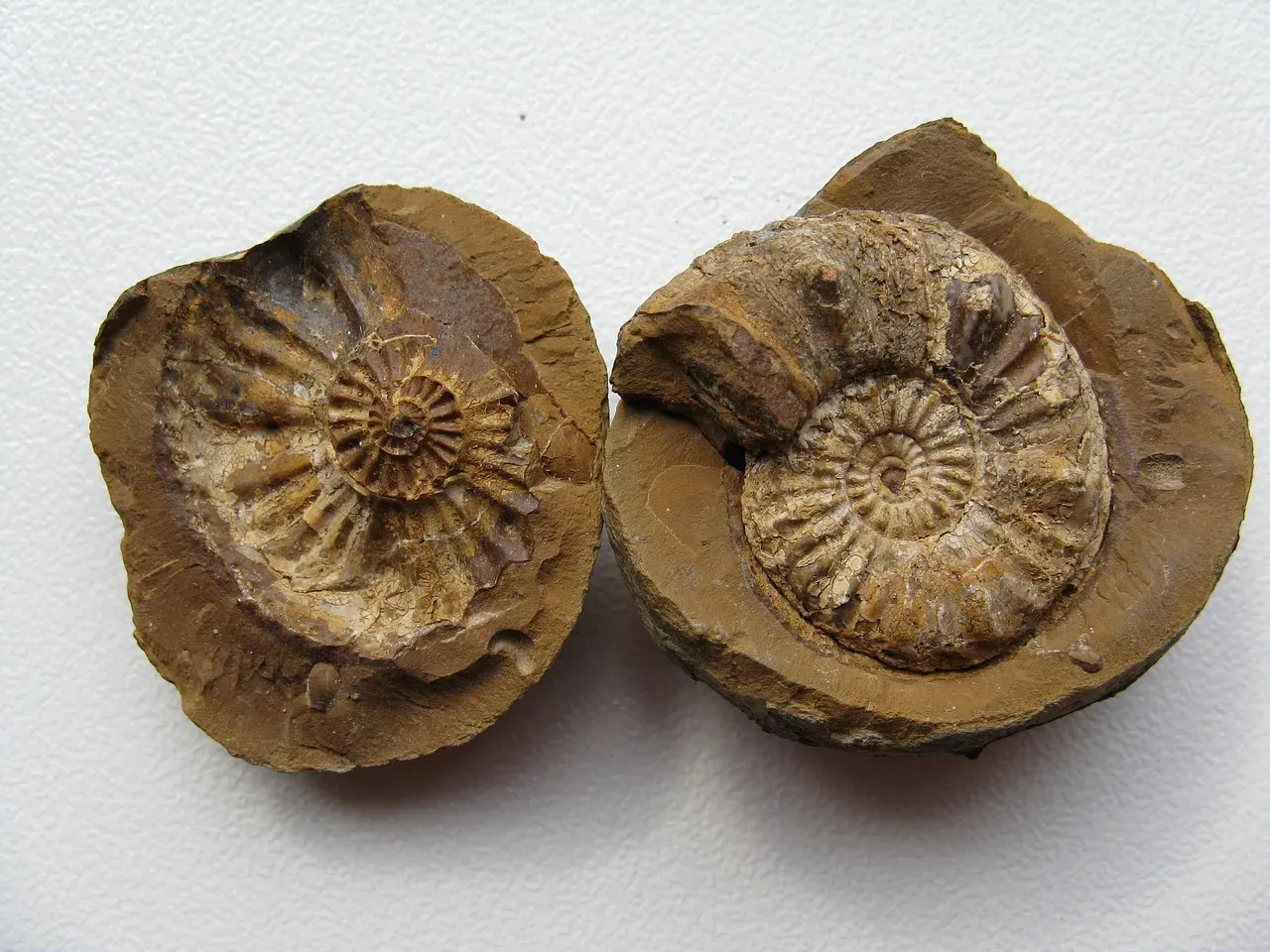
Here is a story so old it almost defies imagination. Almost a hundred new animal species that survived a mass extinction event half a billion years ago have been discovered in a small quarry in China. The treasure trove of fossils offers a rare glimpse into a cataclysmic event that brought a sudden end to the greatest explosion of life in Earth’s history. This event, called the Sinsk event, is not the one you learned about in school. It predates the dinosaurs by hundreds of millions of years.
This mass extinction, known as the Sinsk event, is thought to have been caused by declining oxygen levels. The animals in the Chinese quarry, which were dated to around 512 million years ago, represent the first major discovery of soft-bodied fossils that lived directly after the Sinsk event. This means the fossils, dubbed the Huayuan biota after the county where they were found, open a new window into what happened. An evolutionary biologist noted that the new fossils from China demonstrate that the Sinsk event affected shallow water forms most severely. If you are wondering what that means for today, consider this: depth and habitat diversity are life insurance policies written in evolutionary ink.
The Chacoan Peccary: A Living Fossil That Walked Out of a Museum
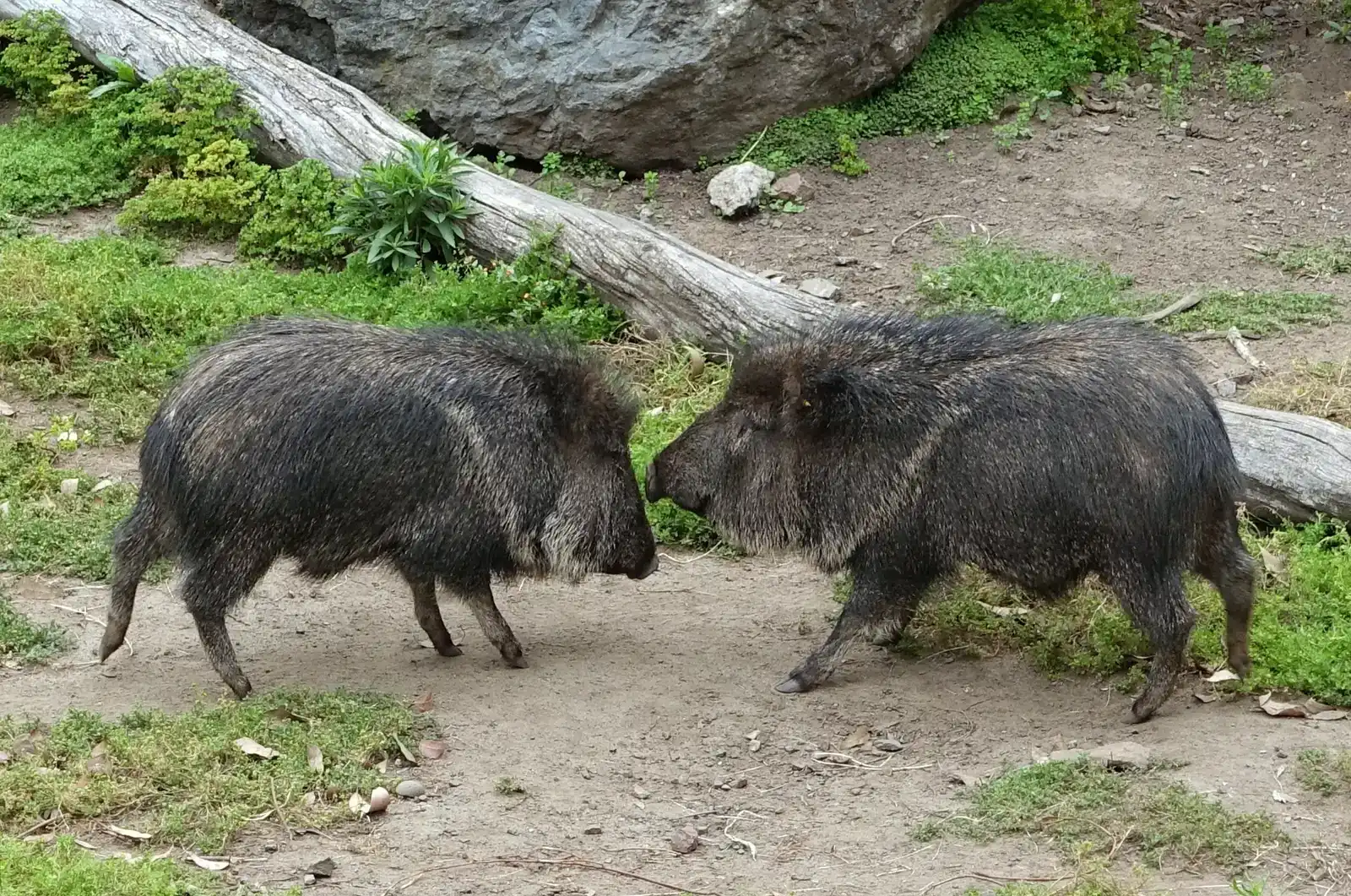
There is a peculiar creature called the Chacoan peccary that looks a little like a pig and has a story that almost sounds fabricated. The Chacoan peccary is the last surviving species of the genus Catagonus, believed to be the closest living relative to the extinct genus Platygonus. First described as extinct in 1930 from fossils, live specimens were found in 1974. For over four decades, scientists were confidently cataloguing it as an extinct species, only to have living animals materialize in the Gran Chaco wilderness of South America.
Much like the coelacanth, the Chacoan peccary was long known only from early Holocene fossil records. In 1974, a University of Connecticut biology professor named Ralph M. Wetzel rediscovered the pig-like endemic on a National Geographic research expedition in the dusty Gran Chaco, a remote region shared by Paraguay, Argentina, and Bolivia. The animal had been living in one of South America’s most extreme, isolated ecosystems the entire time. These species tend to share one key attribute, which is elusiveness. These animals are either vanishingly rare or simply very hard to find. Restricted ranges and remote habitats often contribute to this. You simply cannot protect what you haven’t found yet, which makes continued wildlife surveys one of the most important investments conservation biology can make.
The Wollemi Pine: A Living Dinosaur Tree Hidden in a Canyon
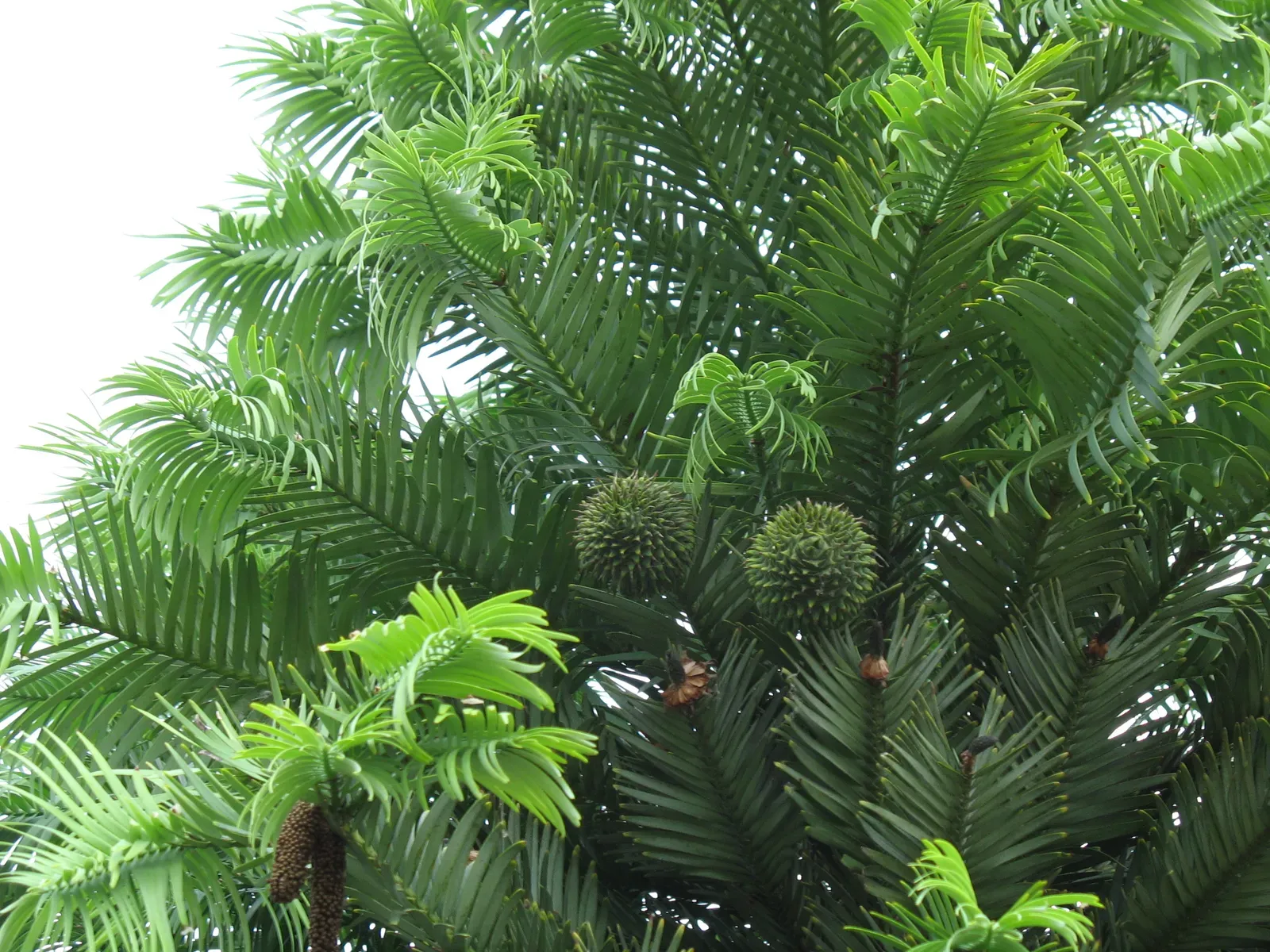
If you think ancient survival stories belong exclusively to the animal kingdom, the Wollemi Pine will change your mind fast. Sometimes called the “dinosaur tree,” this conifer thrived during the Cretaceous period, according to fossil records. Scientists believed that it had been extinct for around two million years when a small grove of Wollemis was discovered in the Blue Mountains of Australia in 1994. The tree is now classified as critically endangered, with only 46 mature trees and 43 younger specimens in the wild. Just 89 trees, tucked into a remote canyon, representing an entire lineage thought gone for two million years.
The Wollemi Pine, previously known only from fossils from 2 to 90 million years old representing a new genus, was discovered in 1994. The discovery triggered immediate conservation action, and today you can actually grow a Wollemi Pine in your own garden thanks to propagation programs that ensure the species isn’t solely dependent on that single canyon. Understanding the mechanisms behind the reappearance of Lazarus taxa can provide valuable information for conservation efforts, highlighting the importance of protecting vulnerable ecosystems that may harbor these hidden treasures. The Wollemi Pine teaches you that an ecosystem doesn’t need to look dramatic to be irreplaceable. Sometimes the most important place on Earth looks like just another canyon.
Conclusion: What Ancient Survivors Are Telling You Right Now
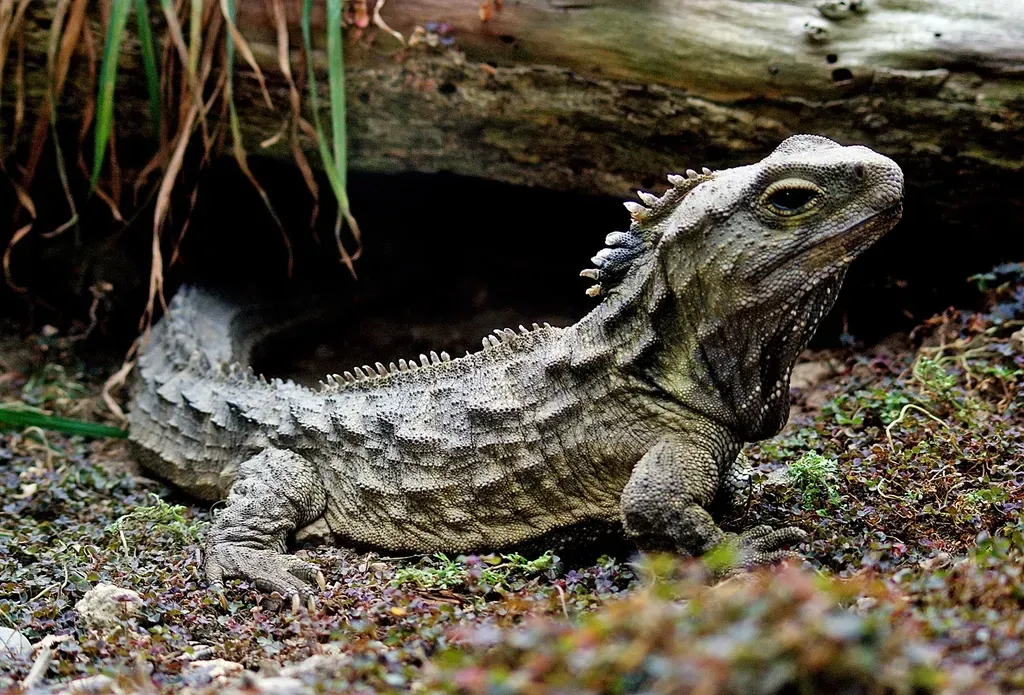
You do not have to be a paleontologist to feel the weight of these stories. Across half a billion years, life has stumbled, retreated to hidden corners, eaten whatever it could find, adapted its body plan, and waited. There is evidence that we are currently experiencing a sixth mass extinction. This time, however, the extinctions are happening at a much faster rate, and they are mainly due to us. Unfortunately, many species just cannot adapt fast enough to our changing environment, whether from global warming, habitat destruction, or the impact of introduced species.
The crocodile’s flexible diet, the coelacanth’s deep-water refuge, the Chacoan peccary’s remote canyon, and the Wollemi Pine’s hidden grove all point to the same truth: survival is about having somewhere safe to weather the storm. Conservation efforts work, so we should be able to ensure that many species continue to survive, rather than relying on them being brought back from the dead. The ancient world didn’t hand these survivors a guaranteed future. Neither will we, unless you choose to act on what these remarkable stories reveal.
The next Lazarus species might already be out there, waiting in a deep canyon or on a forgotten seafloor. The question is whether we’ll give it the chance to be found. What do you think nature is trying to tell us? Share your thoughts in the comments.