Have you ever stopped to think about how much we didn’t know about dinosaurs just a few decades ago? The story of these ancient creatures is constantly being rewritten, piece by piece, fossil by fossil. Each groundbreaking discovery has the power to flip everything scientists thought they knew on its head. Sometimes a single bone fragment or a set of fossilized footprints can completely shift our understanding of when dinosaurs emerged, how they behaved, or even whether they were related to other species at all.
Let’s be real, the timeline of prehistoric Earth is far messier and more complex than any textbook makes it seem. What researchers believed to be truth one year can become outdated the next when someone unearths something unexpected from ancient rock layers. These discoveries don’t just add details to what we already know. They fundamentally alter the narrative of life on our planet, forcing scientists to rethink millions of years of evolutionary history.
The Asteroid Impact That Ended an Era
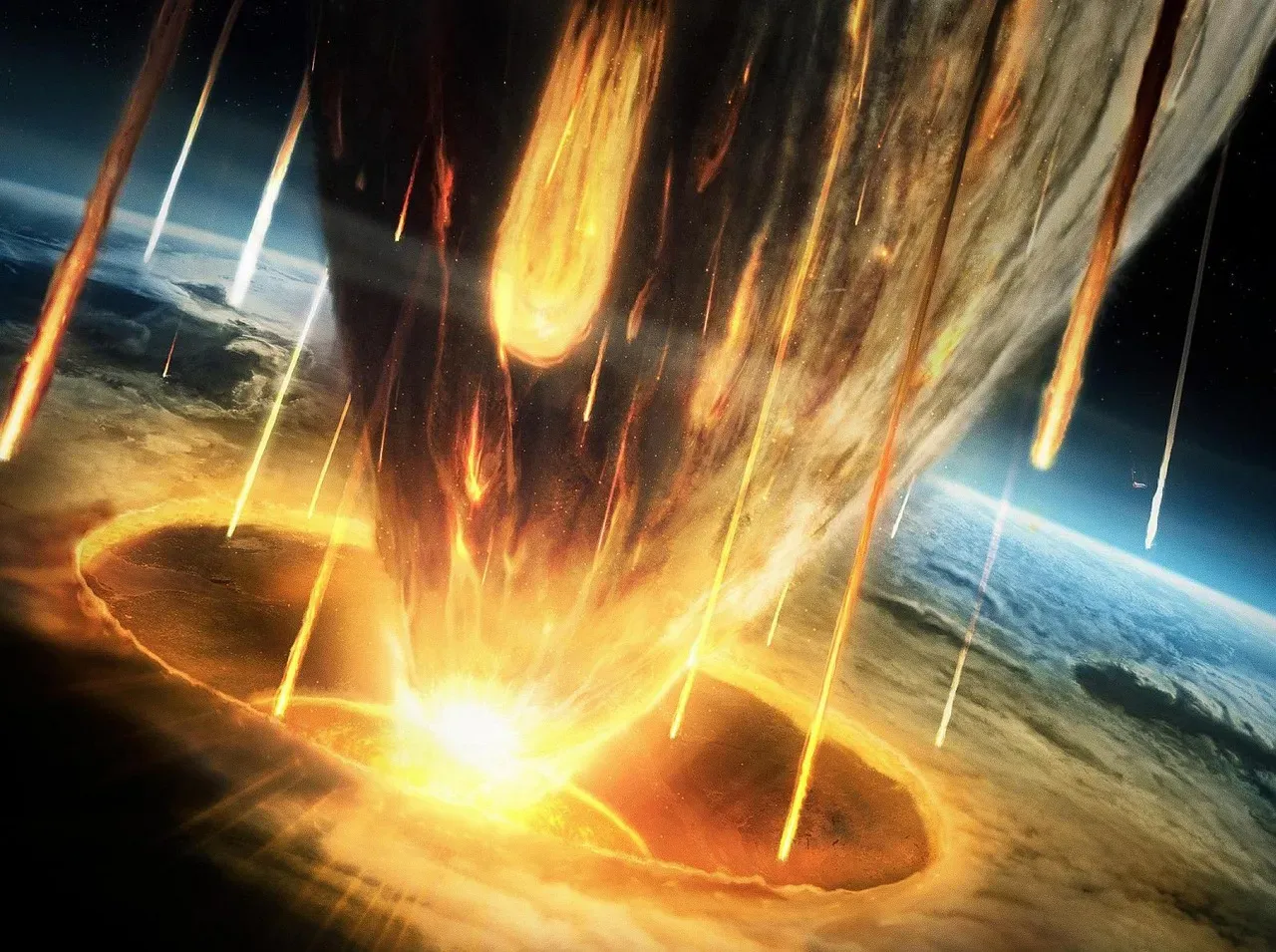
When Luis Alvarez and his team proposed in 1980 that a comet or asteroid struck the Earth roughly sixty-six million years ago, causing the extinction of non-avian dinosaurs, it sent shockwaves through the scientific community. Before this hypothesis, scientists debated endlessly about why dinosaurs disappeared. Some thought it was gradual climate change, others believed volcanic activity was the culprit.
The Cretaceous extinction event left behind an impact crater more than one hundred and ten miles in diameter in what is now the Yucatan Peninsula, with evidence including shocked quartz and small glass-like spheres called tektites. This single discovery didn’t just explain the dinosaurs’ demise. It revolutionized how paleontologists understood mass extinctions and the fragility of even the most dominant life forms on Earth.
Nanotyrannus Confirmed as a Separate Species
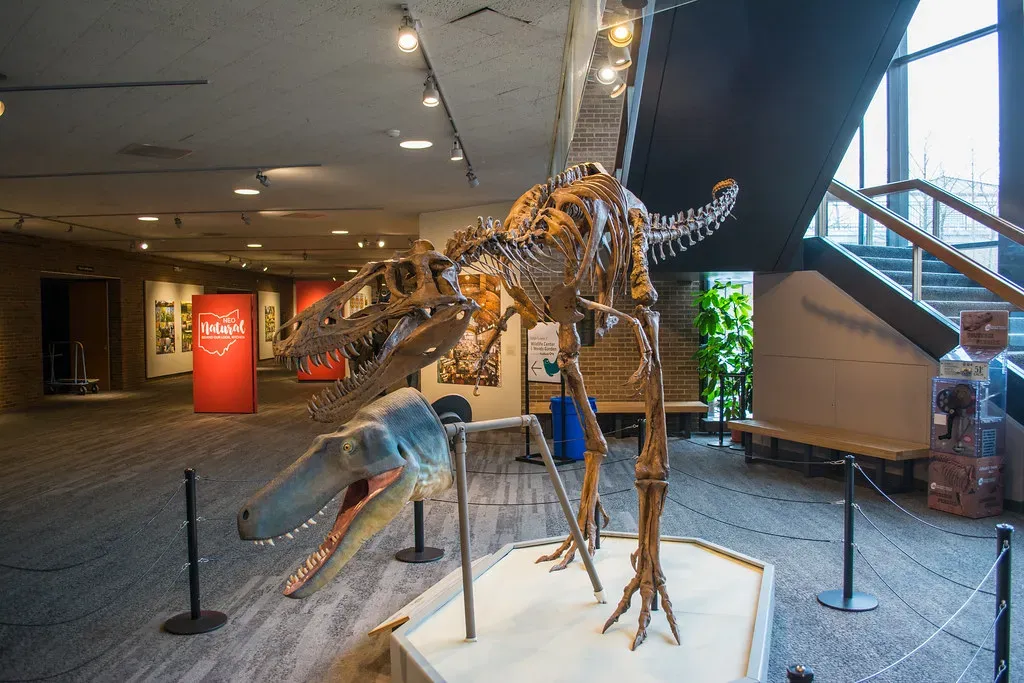
For decades, paleontologists argued whether certain smaller tyrannosaur fossils were juvenile T. rex specimens or belonged to an entirely different species called Nanotyrannus. The Dueling Dinosaurs fossil contains the most complete skeleton ever found of Nanotyrannus lancensis, and this fossil categorically ended the debate by proving Nanotyrannus is not a juvenile T. rex but belongs to a separate genus entirely.
Paleontologists had used Nanotyrannus fossils to model T. rex growth and behavior for years, but this new evidence revealed those studies were based on two entirely different animals, showing that multiple tyrannosaur species coexisted in the final million years before the asteroid impact. Honestly, imagine realizing that decades of research were built on mistaken identity. This reshapes everything we thought about predator diversity in the late Cretaceous.
The Discovery of the Oldest Laurasian Dinosaur
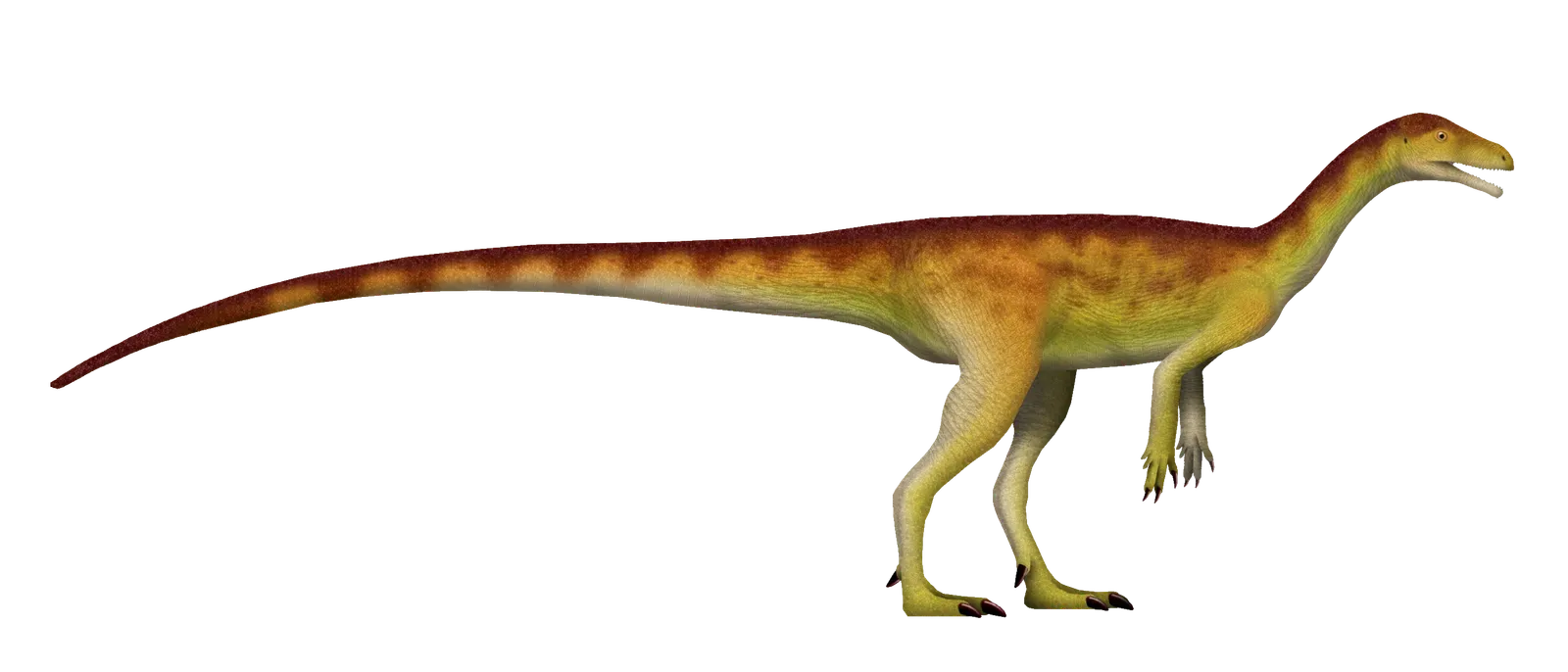
Until recently, the origin of dinosaurs was thought to be deeply rooted in the southern hemisphere, with Gondwanan dinosaur faunas separated from the oldest known northern hemisphere occurrence by six to ten million years, but the newly-described Laurasian species lived at the same time as the oldest known southern dinosaurs. This chicken-sized creature with a long tail, named Ahvaytum bahndooiveche, completely challenged long-standing assumptions about dinosaur origins.
Dating to around two hundred and thirty million years old, this tiny dinosaur is now the oldest-known dinosaur from Laurasia. The discovery suggests dinosaurs didn’t slowly migrate from south to north over millions of years. Instead, they may have been distributed globally much earlier than anyone imagined, fundamentally altering the timeline of dinosaur evolution and dispersal patterns across the ancient supercontinent Pangea.
Deinonychus and the Dinosaur Renaissance
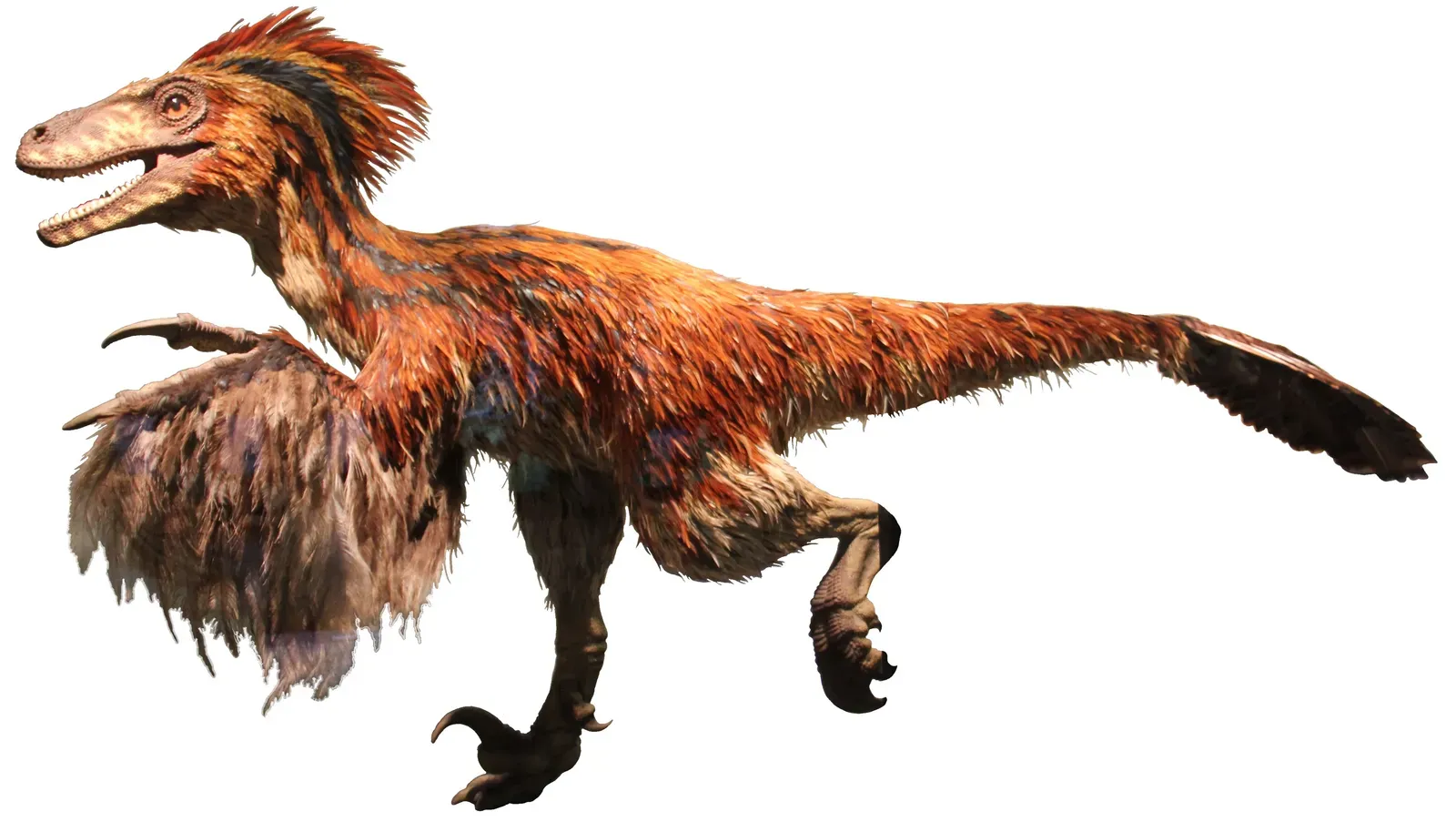
In February 1969, Yale paleontologist John Ostrom published a paper describing a previously unknown dinosaur he dubbed Deinonychus, meaning terrible claw in Greek, which reignited public interest in dinosaurs and upended common assumptions in the field. Before this find, dinosaurs were viewed as slow, cold-blooded reptiles that lumbered around swamps.
The agile Deinonychus helped change the prevailing view that dinosaurs were large lumbering lizards, with fossils that were bird-like in appearance, particularly their hands and hips, sparking the dinosaur renaissance of the 1960s. This discovery also resurrected the hypothesis linking birds to dinosaurs. It’s hard to say for sure, but without Deinonychus we might never have gotten Jurassic Park or the modern understanding that birds are living dinosaurs. The impact on both science and popular culture was absolutely massive.
The Bone Wars and Complete Skeletons
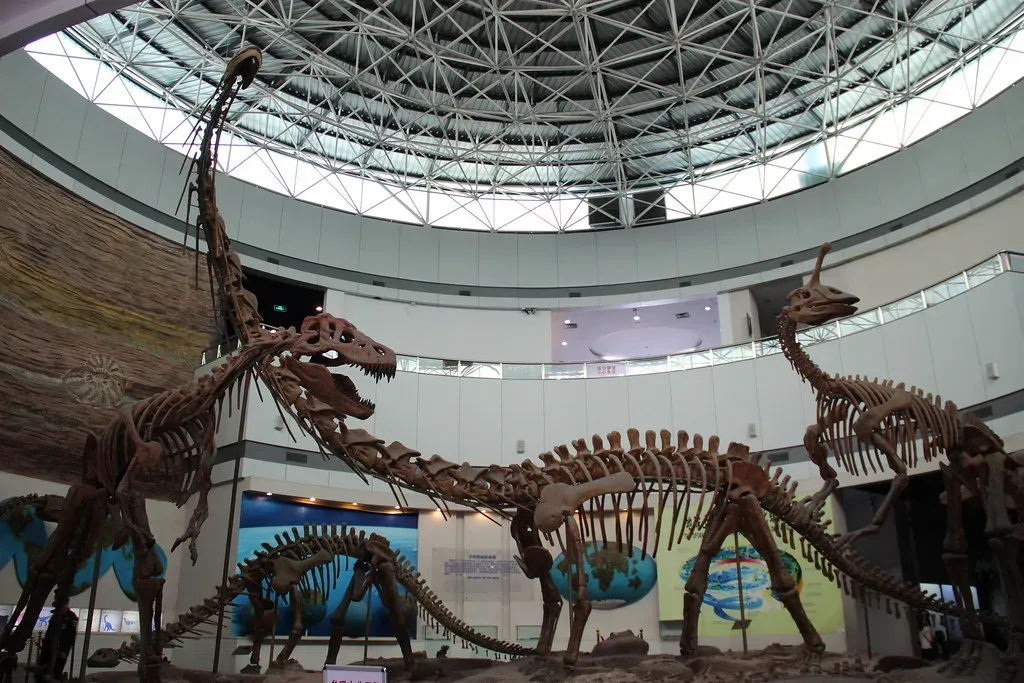
During the late nineteenth century, two rival paleontologists engaged in what became known as the Bone Wars, racing to discover and name as many dinosaur species as possible in the American West. In total, the two men described one hundred and thirty-six species of dinosaurs, including famous names such as Stegosaurus, Triceratops, Allosaurus, Diplodocus and Brontosaurus.
The discoveries in the American West gave paleontologists the first examples of substantially complete dinosaur skeletons, providing a more complete view of what these animals looked like, which had a knock-on effect for understanding their biology and relationships. Prior to this period, European scientists had been finding fragmentary remains for decades. The nearly complete fossils from North America transformed dinosaur paleontology from speculation into detailed anatomical science, allowing researchers to reconstruct entire animals rather than guessing from isolated bones.
Dinosaur Eggs and Social Behavior
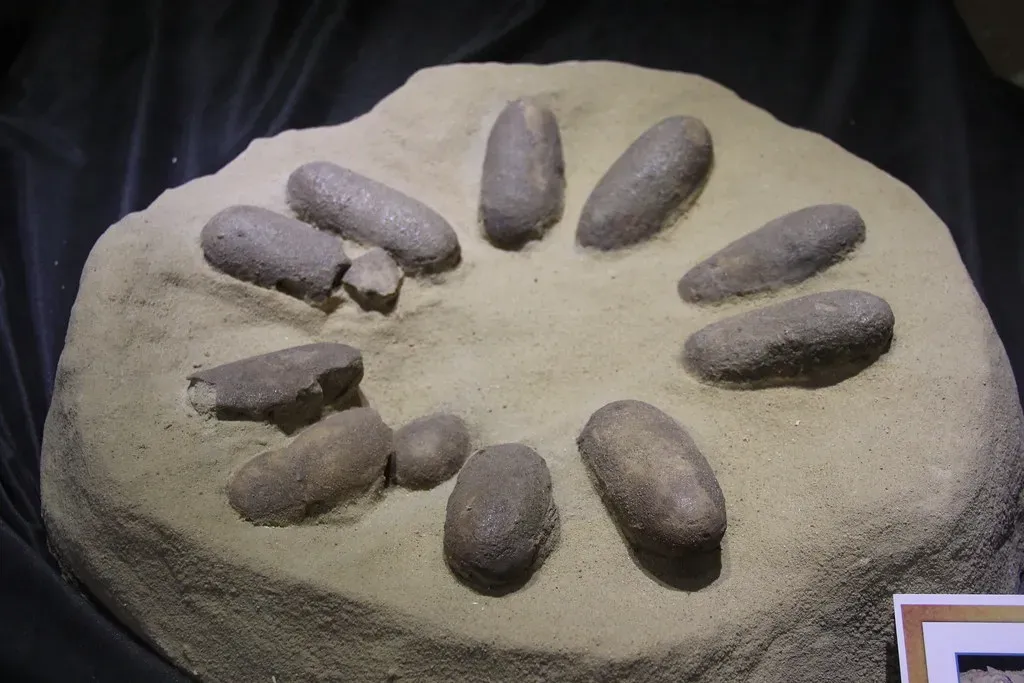
In 1923, scientists from the American Museum of Natural History unearthed the first fossils to be widely regarded as dinosaur eggs, found in the Gobi Desert in Mongolia. It might sound simple now, but proving dinosaurs laid eggs was revolutionary at the time.
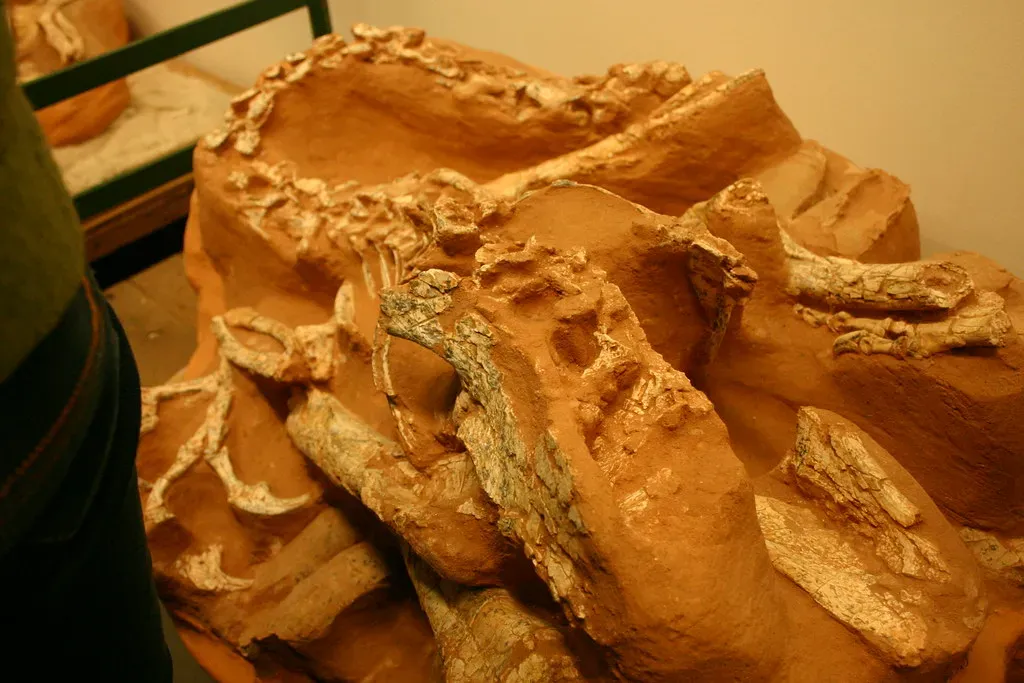
The discovery of eggs was the first significant insight into how dinosaurs grew and reproduced and also opened the door to learning more about their social behaviour, with the next major discovery in the 1980s when paleontologists uncovered nests belonging to the duck-billed dinosaur Maiasaura in Montana. These nests showed evidence that some dinosaurs cared for their young and possibly nested in colonies. This completely shattered the old image of dinosaurs as solitary, reptilian brutes, revealing instead creatures with complex family structures and parenting behaviors that rival modern birds and mammals.
Conclusion
These six discoveries represent just a fraction of the breakthroughs that have transformed our understanding of prehistoric life. Each find has forced scientists to reconsider fundamental assumptions about when dinosaurs appeared, how they lived, and what ultimately led to their extinction. The timeline of Earth’s ancient past isn’t written in stone, even though it’s preserved in stone.
What makes these discoveries so fascinating is how they remind us that science is never truly settled. Every time paleontologists think they’ve figured out the dinosaur story, someone finds a fossil that changes everything. From asteroid impacts to family nesting sites, from mistaken identities to continental migrations, the narrative keeps evolving. So what do you think the next big discovery will reveal about these magnificent creatures that once ruled our planet?