When you think about natural disasters that shaped the ancient world, tsunamis probably aren’t the first thing that comes to mind. Yet these massive walls of water have been rewriting history for thousands of years, wiping out entire civilizations and leaving scars that still mark our planet today. The power of water moving at hundreds of miles per hour is hard to imagine until you see what it leaves behind.
Some of these events were so catastrophic they actually changed the course of human development. We’re talking about waves taller than ten-story buildings, communities vanishing overnight, and landscapes transformed beyond recognition. What’s even more unsettling is how many of these ancient disasters were completely forgotten until modern scientists started digging into the geological record. Let’s dive in.
The Storegga Slide Tsunami: When the North Sea Nearly Emptied
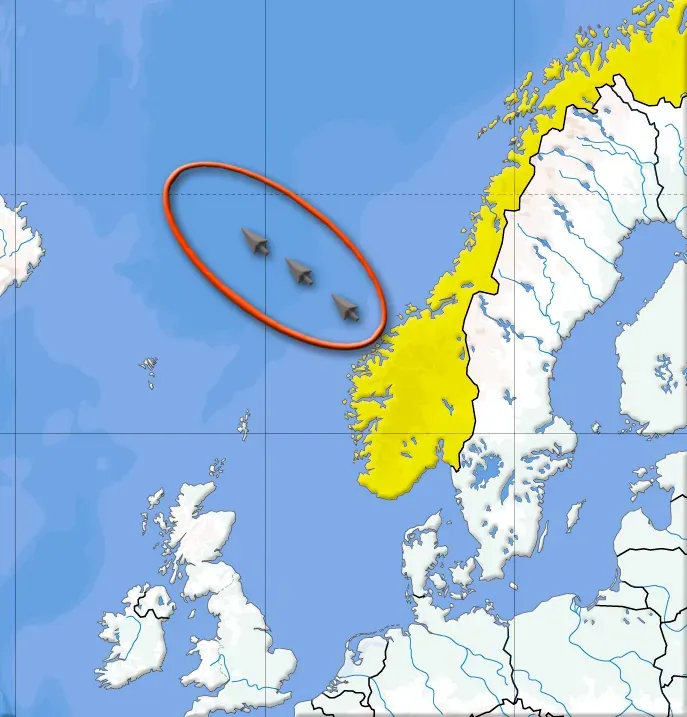
Around 6200 BCE, massive underwater landslides off the coast of Norway triggered tsunamis that forever changed Northern Europe. Picture this: roughly 290 kilometers of coastal shelf collapsed, sending an estimated 3,500 cubic kilometers of debris tumbling into the deep. That’s an area comparable to Iceland just sliding into the abyss.
The resulting waves reached heights of approximately 40 feet along the Norwegian coast, between 10 and 20 feet across mainland Britain, and over 65 feet in the Shetland Islands. This event had a catastrophic impact on Mesolithic populations, with estimates suggesting up to a quarter of Britain’s inhabitants perished. The Storegga tsunami didn’t just kill people; it fundamentally reshaped the North Sea region and may have accelerated the final separation of Britain from continental Europe. Imagine entire hunter-gatherer communities, thriving coastal settlements, just gone in a matter of hours.
The Neolithic Mega-Tsunami of the Eastern Mediterranean
Between 9,910 and 9,290 years ago, a massive tsunami struck the coastline near Tel Dor, Israel, making it the oldest known paleo-tsunami in the Eastern Mediterranean. This wasn’t some minor wave that splashed a few coastal villages. The tsunami had a run-up of at least 16 meters and traveled between 1.5 and 3.5 kilometers inland from the ancient coastline.
Let’s be real: most documented tsunami events travel only about 300 meters inland at most. This one went ten times farther. Early Pre-Pottery Neolithic sites were destroyed along the Carmel coast, creating a roughly 4,000-year settlement gap in the archaeological record for the area. Think about that for a moment. Four thousand years of silence because one event was so devastating that people simply stayed away. The tsunami would have devastated any village at the site and destroyed crop lands, pastures, herds, and near-shore marine fisheries.
The Thera Eruption and the Minoan Collapse
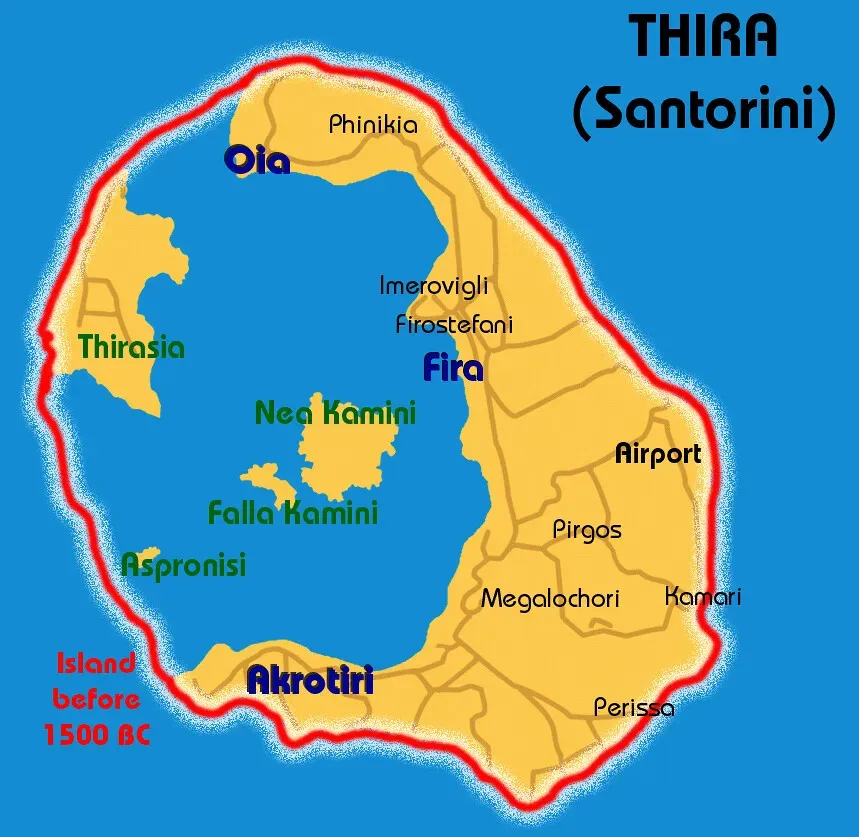
Around 1610 BC, the explosive eruption of the volcanic island of Santorini in the Aegean Sea generated a tsunami. This one is particularly fascinating because it might have contributed to the downfall of an entire civilization. The tsunami swept the shores of nearby islands and contributed to the end of the Minoan culture on Crete.
The eruption of Thira devastated Aegean sites including the prehistoric city of Akrotiri. The Minoans were one of the most advanced civilizations of their time, with elaborate palaces, sophisticated art, and extensive trade networks. Then came Thera. The combination of volcanic devastation and tsunami waves basically erased their coastal infrastructure. Some scholars still debate exactly how much the tsunami contributed versus the eruption itself, but there’s no question it played a role in their decline.
The Persian Army Swallowed by Poseidon
Here’s where ancient tsunamis get really interesting. The oldest recorded tsunami occurred in 479 BC and destroyed a Persian army that was attacking the town of Potidaea in Greece. The Greek historian Herodotus wrote about this event, though he attributed it to divine intervention.
Herodotus described how the attackers surged forward onto the exposed seabed when the water retreated, only to be drowned by giant waves and a high tide. Local drilling revealed evidence of a tsunami, with ocean sediment on land containing shells roughly dating back to the time of the invasion. The Greeks naturally believed their sea god Poseidon sent the wave to save them. Whether divine or not, the timing was impeccable. The Persian invasion force was effectively wiped out, changing the course of Greek history. What would the world look like today if that wave hadn’t struck?
The AD 365 Mediterranean Catastrophe
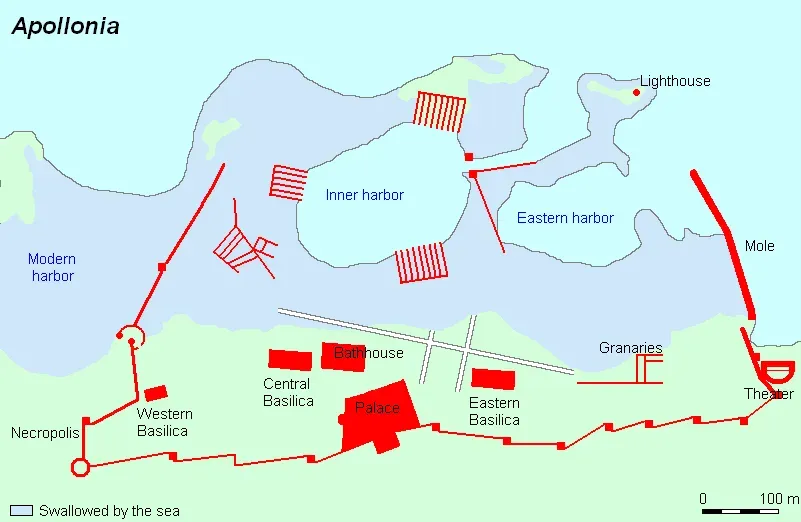
On July 21, AD 365, one of the best-known earthquakes and tsunamis in antiquity occurred, affecting the coasts of Greece, Sicily, Croatia, and North Africa. This was absolutely devastating. A 100-kilometer fault released a massive earthquake, causing the seafloor to drop between 1.5 and 3 meters, displacing enough water to unleash a tsunami toward what is now Lebanon.
Crete literally tilted during this earthquake, with 9 meters of uplift on the southwestern side. Try to wrap your head around that. An entire island tilting. The fault shows activity roughly every 1,500 years, and with at least four ancient tsunamis under its belt, the next event is considered overdue, which is worrying given that four million people now reside along Lebanon’s coastlines. Christian authors at the time described the sea transgressing its boundaries, returning to primordial chaos.
The Ancient Japanese Jōgan Tsunami
In 869 AD, the Jōgan earthquake and tsunami struck Mutsu Province, and was recorded in the Japanese history text Nihon Sandai Jitsuroku, compiled in 901. This event is particularly significant because it shows just how long Japan has been dealing with these catastrophic waves.
Studies have shown that the ancient Jōgan tsunami was on the same scale as the devastating March 11, 2011 earthquake, with scientists estimating the earthquake had a magnitude of more than 8 based on coastal sediments. The tsunami left sand deposits miles inland. Even though this happened over 1,100 years ago, the geological evidence is still there, buried in layers of soil that tell the story of unimaginable destruction. The fact that ancient Japanese scribes meticulously recorded this event allowed modern scientists to prepare better for future disasters. Sometimes the past really does speak to us, if we’re willing to listen.
Conclusion
These six ancient tsunamis remind us that our planet has always been capable of sudden, terrifying violence. From the collapse of the Norwegian continental shelf to the divine intervention that supposedly saved ancient Greece, these events shaped civilizations in ways we’re still uncovering. The geological record doesn’t lie, and what it tells us is sobering: massive tsunamis have struck repeatedly throughout human history, often catching people completely off guard.
What’s particularly chilling is how many of these disasters were forgotten until modern science rediscovered them. Communities rebuilt, memories faded, and people settled right back in harm’s way. Today, we have better warning systems and tsunami preparedness, but the fundamental power of the ocean remains unchanged. Did any of these ancient disasters surprise you? What do you think about how our ancestors dealt with such catastrophic events?