You ever stop and think about just how wild the natural world really is? Sure, we see animals at the zoo or in documentaries, but sometimes the most mind-blowing stuff happens in ways you’d never expect. Nature has this knack for solving problems in the strangest, most creative ways imaginable. From freezing solid to shooting blood from their eyes, wildlife has figured out survival strategies that seem more like science fiction than reality.
The animal kingdom is full of surprises that challenge everything we think we know about life on Earth. These aren’t your typical fun facts. They’re examples of evolution pushing boundaries, creating solutions that are equal parts brilliant and bizarre. Let’s dive in.
Wood Frogs Freeze Themselves Solid and Survive
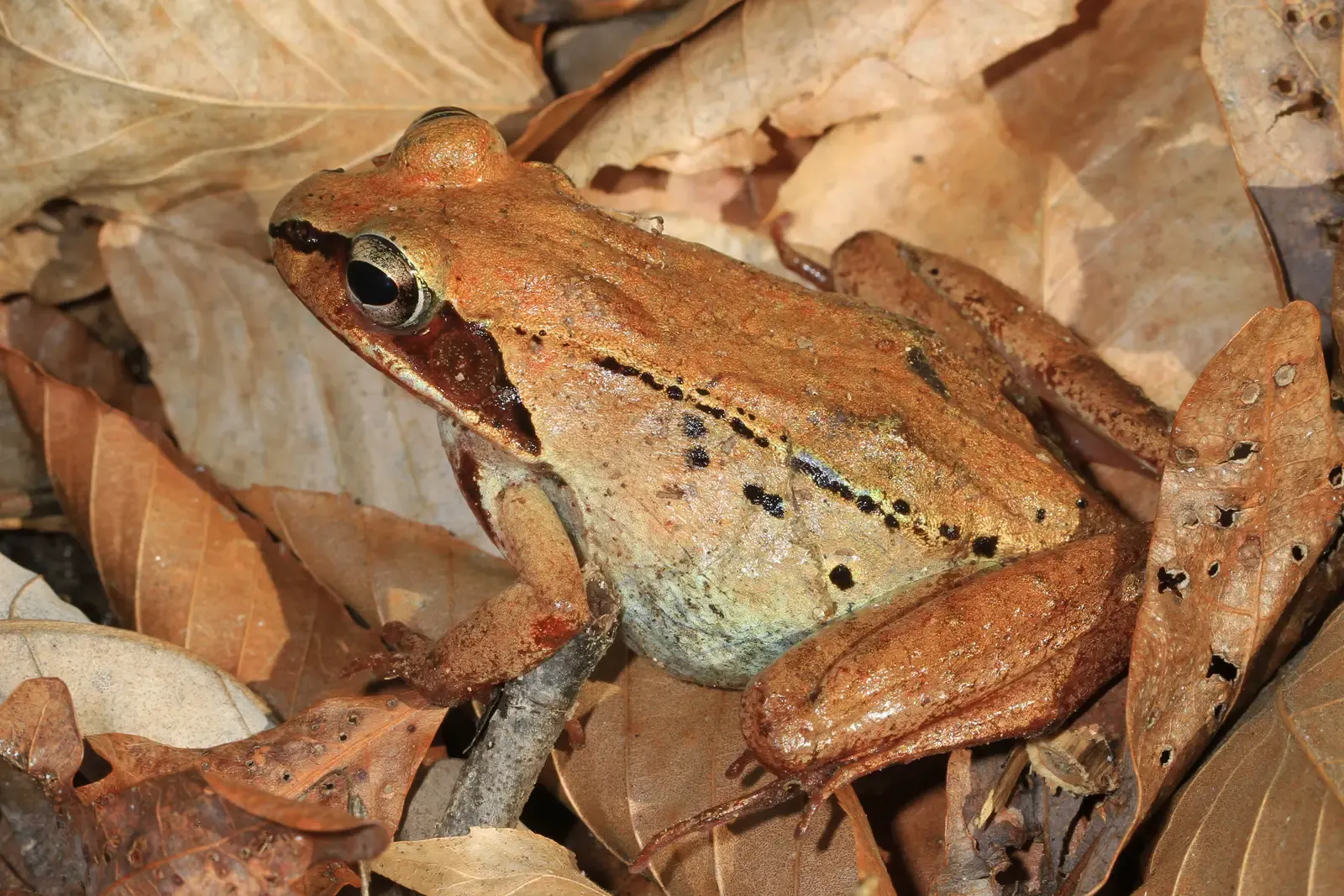
The wood frog lives in the US and Canada, as far north as Alaska and the Yukon, where these amphibians regularly experience temperatures as low as minus 45 degrees Celsius. Because frogs are cold-blooded, their body temperature changes with the surrounding air. Here’s where it gets wild. Wood frogs have adapted to remain frozen for up to eight months of the year. Think about that for a second. Eight months.
Ice fills their abdominal cavity and forms between their layers of skin and muscle, while the frog’s liver produces large amounts of glucose, which prevents their cells from freezing and binds water molecules to prevent dehydration. While ice forms on the outsides of their organs and cells, the insides of their cells are protected. When spring arrives, they thaw out like nothing happened. It’s honestly hard to comprehend how something that looks so fragile can pull off such an extreme survival trick.
Horned Lizards Shoot Blood From Their Eyes
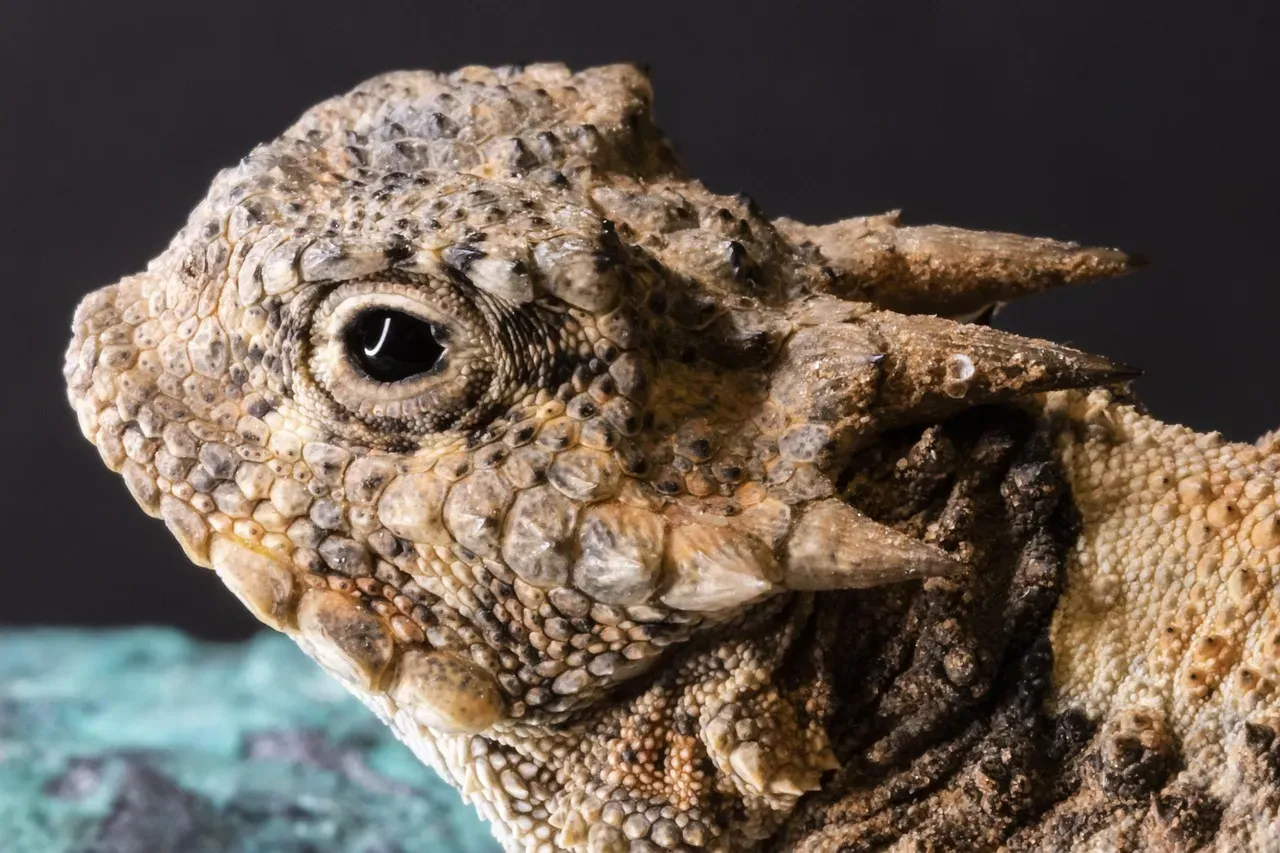
The horned lizard, found in Central America and the western US, has incredible ways of defending itself against predators, which include coyotes, hawks, and snakes. These lizards use a few different strategies to protect themselves, with their scales providing camouflage that closely resembles the soil and rocks of their habitats. When blending in doesn’t work, things get seriously strange.
Horned lizards use their fascinating blood-squirting ability, where a sinus under their eyes fills with blood and pressurizes enough to shoot it out. This stream can reach over one meter away. Imagine being a predator and suddenly getting sprayed with blood from your would-be meal’s eyeballs. It’s shocking, disturbing, and absolutely effective. That’s nature figuring out defense mechanisms in the most unexpected way possible.
Dolphins Use Signature Whistles Like Names
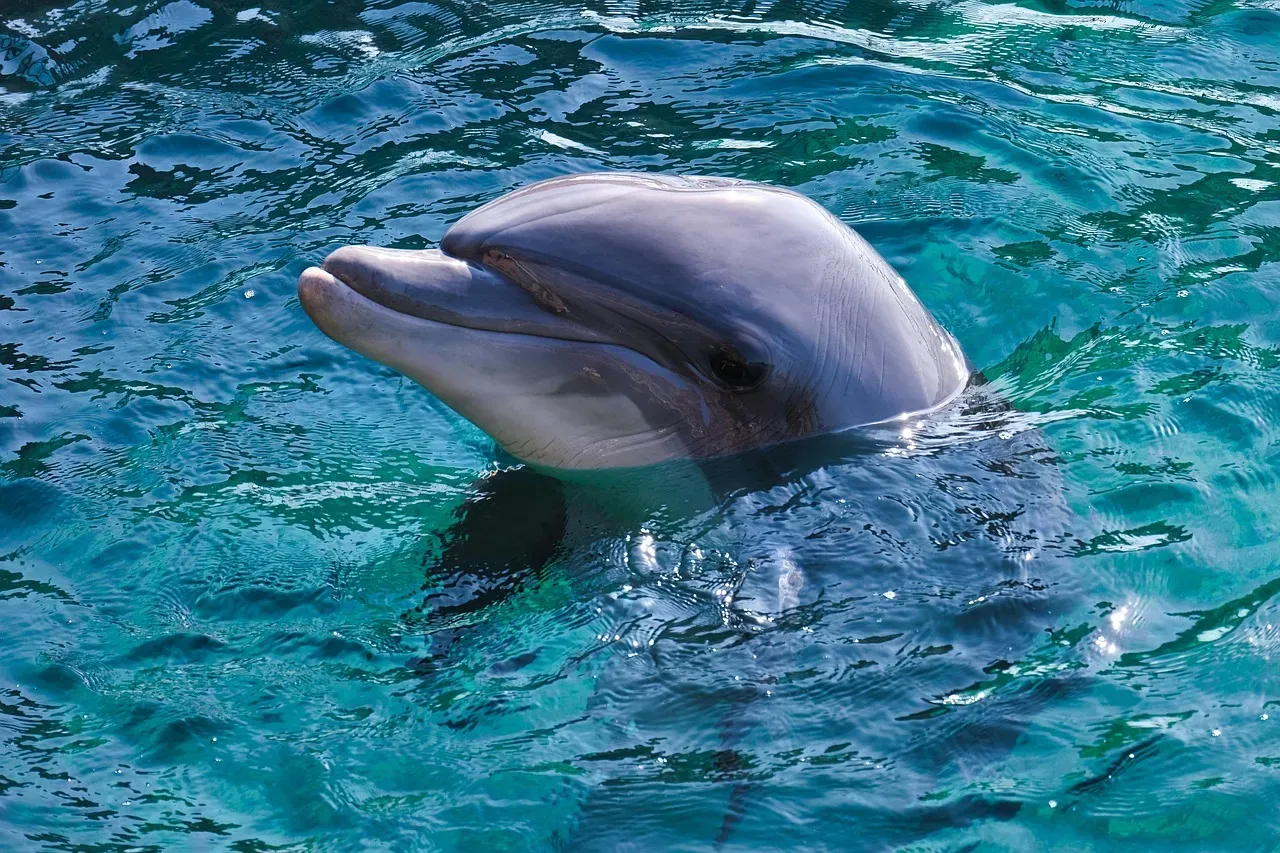
Dolphins are highly intelligent and social animals with a unique form of communication, which is signature whistling with each whistle distinct from the other like a personal name. This isn’t just random noise. Each dolphin develops its own signature sound early in life.
They keep track of the family members and coordinate the group activities using these whistles, showcasing their sophisticated social structure similar to human naming practices. These signature whistlings strengthen the bond within dolphin pods, fostering an advanced level of cognition. It’s like they’ve invented their own version of social networking, but it existed millions of years before Facebook. The complexity of their communication system reveals just how advanced marine mammals really are.
Mantis Shrimp Pack a Punch Faster Than a Bullet
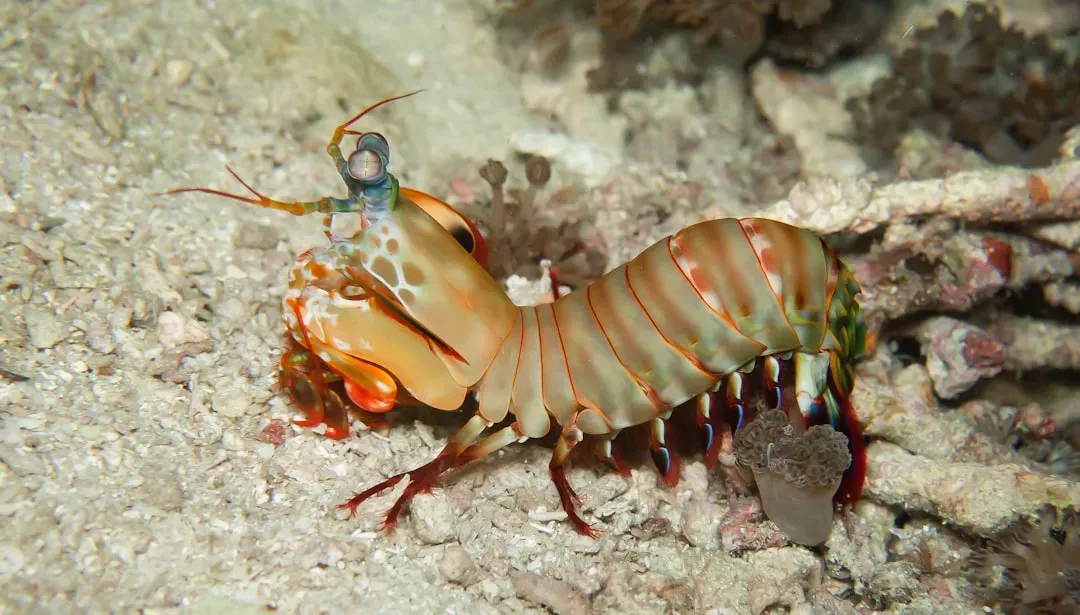
Mantis shrimp are, pound for pound, one of the strongest animals in the world. Using the clubs at the ends of their forelegs, these crustaceans pack a punch of 100 times their bodyweight, the strongest self-powered strike of any animal. If humans could strike with that kind of proportional force, we’d be shattering concrete walls.
The mantis shrimp can strike their prey at a speed similar to a .22-caliber bullet, which is 50 times faster than the speed of a blink. The strike is so quick that it causes vapor bubbles to erupt around the club, effectively doubling the power of the punch. This tiny creature, often just a few inches long, possesses more striking power than animals hundreds of times its size. Let’s be real, that’s terrifying and amazing at the same time.
Sea Otters Hold Hands While Sleeping
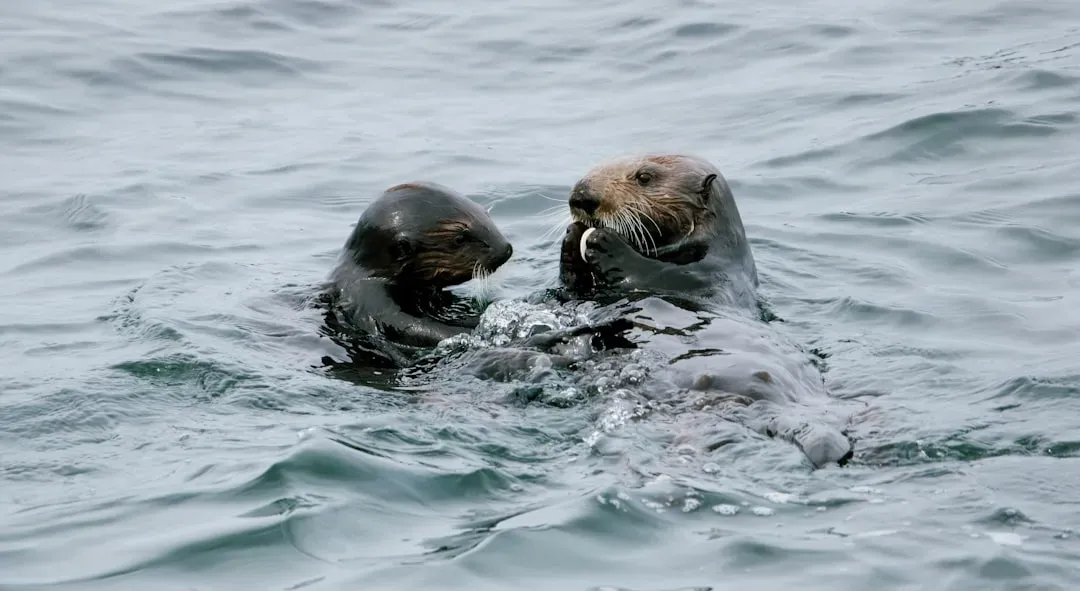
Sea otters might just be the cutest survivalists in the animal kingdom. They clasp paws while resting to prevent drifting apart from each other in the water. It sounds adorable because it is, yet this behavior serves a genuinely important survival purpose.
This behavior addresses the social nature of sea otters and their ingenious ways of surviving at sea beds. Without this adaptation, otters could drift away from their groups during sleep and become vulnerable to predators or lose track of their family units. What appears to be simple affection is actually a clever solution to staying safe in open water. Sometimes the most heartwarming behaviors are also the most practical.
Platypuses Hunt Using Electroreception
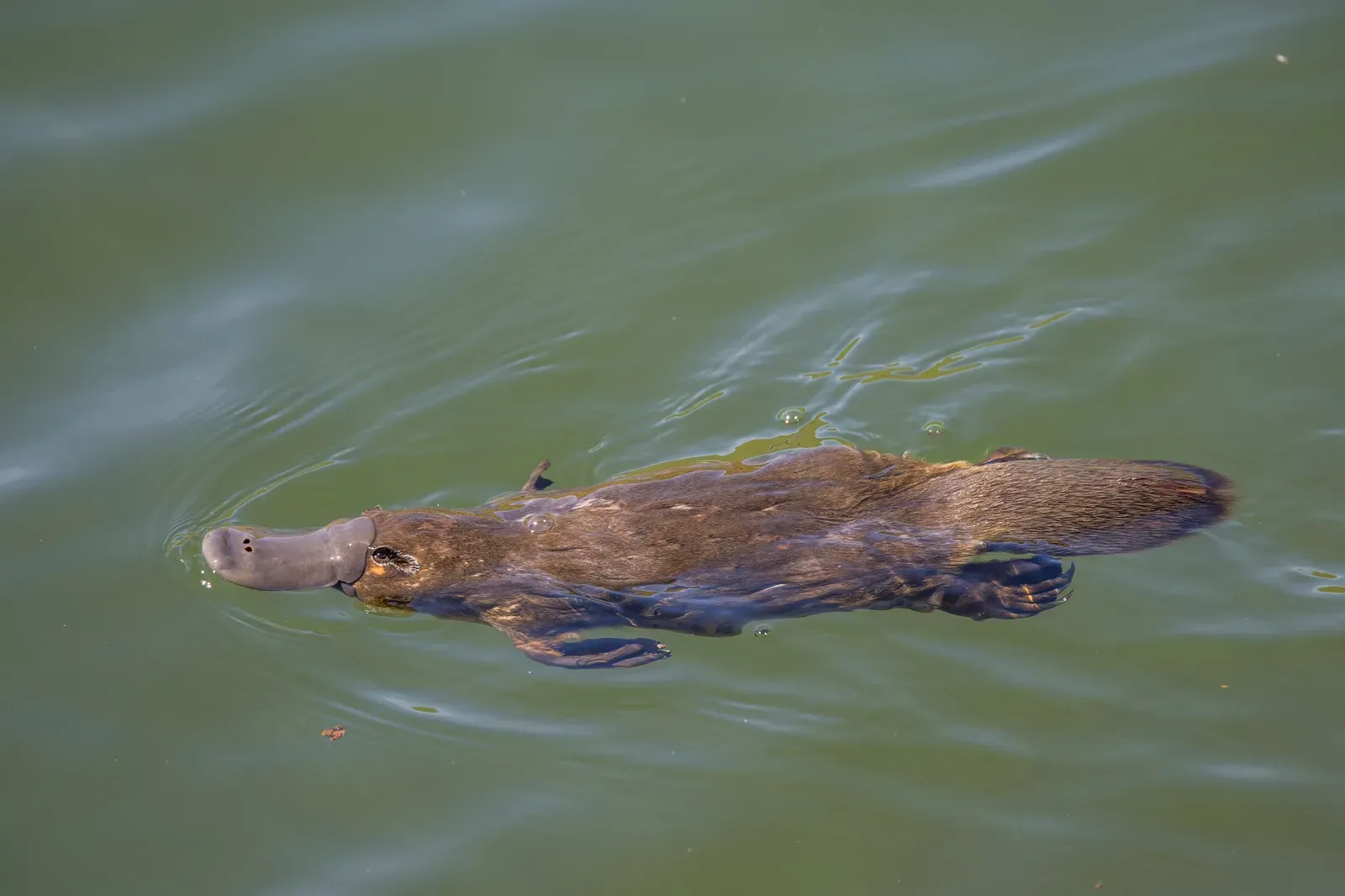
The platypus already looks like nature couldn’t decide what to create, so it just threw together parts from different animals. It has webbed feet and a bill like a duck, a tail like a beaver and fur like an otter, and males have a venomous spur near their back leg. That combination alone is bizarre enough.
One interesting adaptation of the Platypus is that its special bill can detect electric fields generated by other animals, which helps it hunt for food. Some fish and amphibians also have this sixth sense, which is why scientists first hypothesized that this may be how platypuses hunt underwater. This is yet another adaptation that makes platypuses an anomaly of the animal kingdom. When you’re hunting in murky water where vision is useless, sensing the electrical signals from muscle contractions becomes a game changer.
Conclusion
Nature doesn’t follow a rulebook, and that’s exactly what makes it so fascinating. The animal kingdom is packed with survival strategies that seem too strange to be real, yet they’ve been refined over millions of years. From frogs that turn into ice sculptures every winter to lizards that weaponize their own blood, evolution has created solutions we could never dream up on our own.
These adaptations remind us that ingenuity isn’t just a human trait. It’s woven into the fabric of life itself. Every species has found its own way to thrive against the odds, pushing the boundaries of what’s physically possible. What’s your favorite example of nature’s cleverness? The more you learn about wildlife, the more you realize we’re sharing this planet with some truly remarkable creatures.