Picture this: scientists peering inside a fossilized bone without breaking it, or machines teaching themselves to identify ancient footprints faster than human experts ever could. Sounds like something from a sci-fi novel, right? Yet this is exactly what happens in dinosaur research today. The field of paleontology is experiencing a transformation unlike anything seen in its two-hundred-year history.
We live in an era where technology has fundamentally changed how we understand these magnificent creatures that vanished millions of years ago. Gone are the days when paleontologists relied solely on picks, brushes, and magnifying glasses. Today’s researchers wield an arsenal of cutting-edge tools that would make their predecessors’ jaws drop. From lasers that map entire excavation sites to supercomputers that analyze patterns invisible to human eyes, modern science is rewriting what we thought we knew about dinosaurs. Let’s dive in and see how these remarkable technologies are pulling back the curtain on the Mesozoic world.
Advanced CT Scanning Reveals Hidden Structures
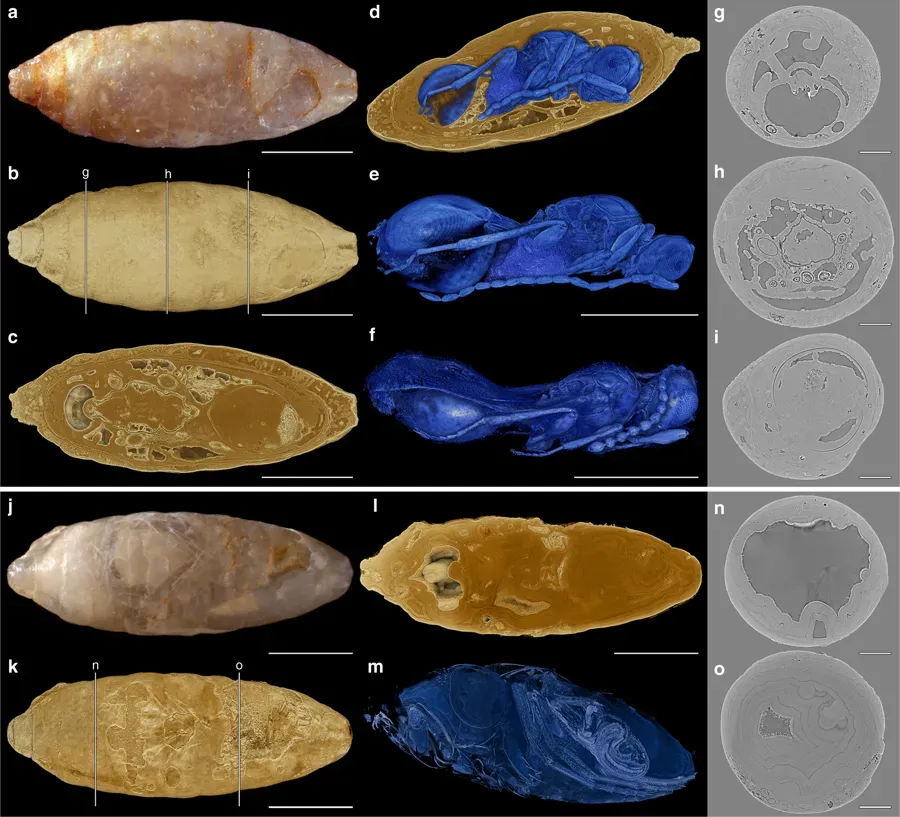
CT scanning technology, particularly photon-counting detector CT, now enables researchers to examine the internal structure and morphology of large dinosaur fossils without damaging them, yielding higher-resolution anatomical images with better definition of intricate structures like mandibular canals and semicircular canals. Think about that for a moment. You can see inside a bone that’s been locked in stone for millions of years without so much as scratching its surface.
The application of non-destructive CT scanning techniques allows paleontologists to observe and interact with previously hidden structures without making damages, and has greatly facilitated the development of vertebrate paleontology not only in revealing hidden structures but also providing 3D models for teaching and exhibition. What makes this particularly exciting is how researchers can now digitally peel away layers of rock matrix surrounding fossils. Data from computed tomography scans can be used with three-dimensional printers to make accurate copies of fossilized bones, and German researchers studied the feasibility of using CT and 3D printers to nondestructively separate fossilized bone from its surrounding sediment matrix and produce a 3D print of the fossilized bone itself. This means rare specimens can be studied by scientists worldwide without ever leaving their protective storage.
Artificial Intelligence Decodes Ancient Mysteries

A new artificial intelligence app called DinoTracker is offering a powerful new way to identify dinosaur footprints that were left behind millions of years ago, allowing users to upload a photo or sketch of a dinosaur footprint directly from a mobile phone, and within moments, the app analyzes the image and offers an informed assessment of which type of dinosaur may have created the track. Let’s be real here: this kind of speed and accuracy was unthinkable just a few years back.
An unsupervised neural network processed a dataset of nearly 2,000 dinosaur tracks, recognizing eight ways in which they most vary, and finding that problematic bird-like tracks are more similar to modern and fossil birds than any other dinosaur. On an independent test set, the neural network outperformed human experts by a wide margin in discriminating between three-toed tracks from plant-eating ornithischians from those of meat-eating theropods. That’s not just impressive; it’s revolutionary. Machines are now solving debates that stumped scientists for decades.
Researchers have developed a new AI algorithm that uses high-resolution Computed Tomography imaging and deep learning models to scan and evaluate dinosaur fossils, potentially changing the way paleontologists study ancient remains. What excites me most is how AI can spot patterns humans simply miss. Using AI segmentation can detect frauds without increasing the cost too much, as different researchers may have different interpretations on the same structure, which lead to various reconstructions of the evolutionary history.
Laser Technology Maps the Invisible
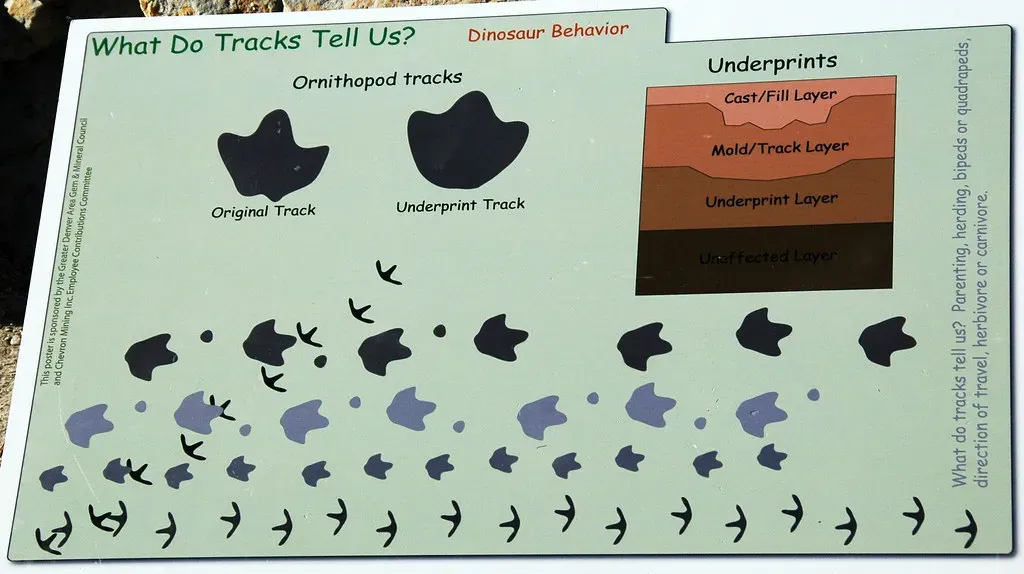
LiDAR uses a pulsed laser to measure distances to the earth in tiny increments, generating a data point cloud that is used to digitally recreate a physical space. Scientists using laser-imaging technology have documented and digitally preserved the first known set of theropod dinosaur tracks in the state of Arkansas, and high-resolution digital scans taken over a period of two weeks allowed a team of researchers to study the tracks and determine that they were made by Acrocanthosaurus, a large, carnivorous dinosaur. Here’s the thing: these Arkansas tracks were discovered in a working quarry and were subsequently destroyed, but their digital ghosts live on forever.
The new laser method causes fossil samples to fluoresce, revealing complex details unseen with traditional visual enhancers like ultraviolet light, and nobody else is doing this. Honestly, it sounds crazy, but lasers make fossils glow in ways that expose hidden features. With things like feathers, researchers can see details really well using lasers, as if the fossils themselves won’t fluoresce, the background will, and they can see if a primitive feather looks like a modern feather. Various forms of GIS are used to record the position of tracks in 3D space, and high quality photographs, 3D photogrammetry, lidar, and other techniques are used to digitally preserve the features of individual tracks.
Deep Learning Accelerates Fossil Analysis
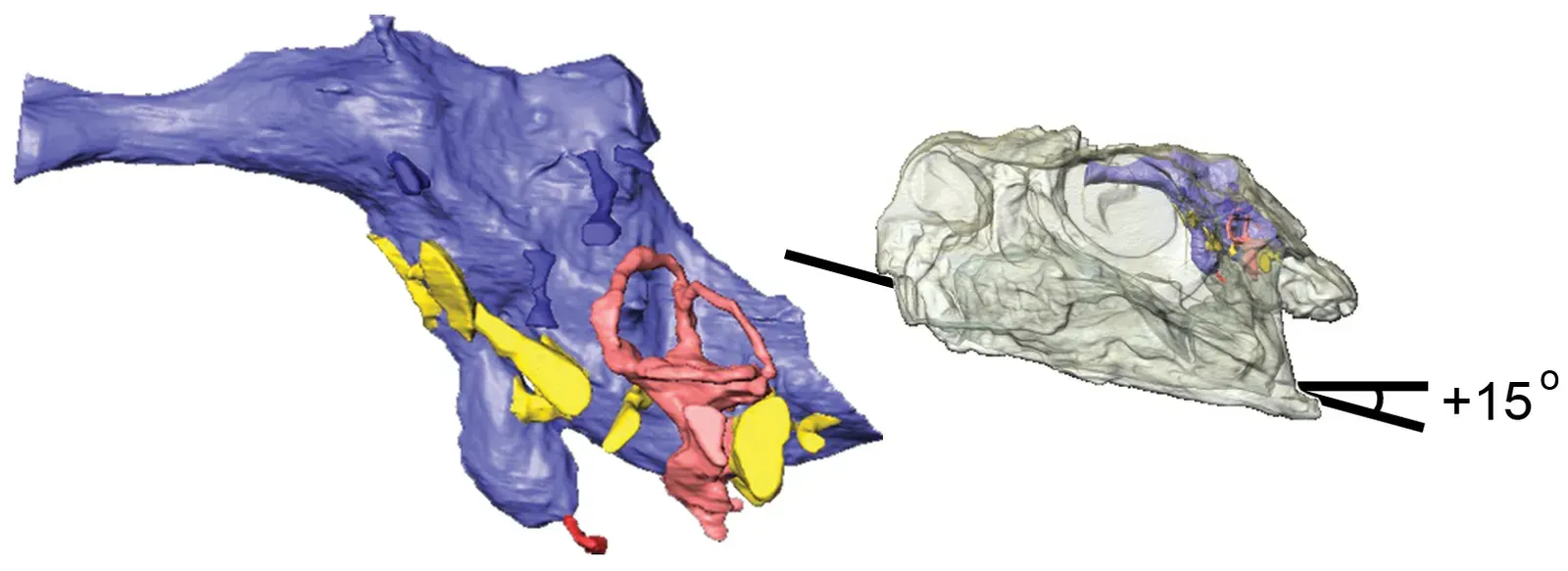
Recent developments in Deep Learning have opened the possibility for automated segmentation of large and highly detailed CT scan datasets of fossil material, and a method for automated Deep Learning segmentation to obtain high-fidelity 3D models of fossils digitally extracted from the surrounding rock was presented, training the model with less than one to two percent of the total CT dataset, with this workflow having the capacity to revolutionize the use of Deep Learning to significantly reduce the processing time. Think about how much time that saves. What used to take weeks or months now happens in hours.
Computed Tomography as well as other imaging techniques have revealed previously hidden structures in fossils, but the high-resolution images require paleontologists spending weeks to even months in post-processing, usually segmenting fossils from rock matrices, and the introduction of AI can not only accelerate data processing in fossil studies, but also establish benchmarks for more objective and more reproducible studies. Deep neural network can efficiently segment protoceratopsian dinosaur fossils, which can save significant time from current manual segmentation.
I know it sounds almost too good to be true, but the evidence is piling up. Artificial intelligence has become widely practiced across scientific disciplines, and a review of more than 70 paleontological AI studies since the 1980s covered major tasks including micro- and macrofossil classification, image segmentation, and prediction. The technology is mature and proven.
Synchrotron Radiation Unveils Soft Tissue Secrets
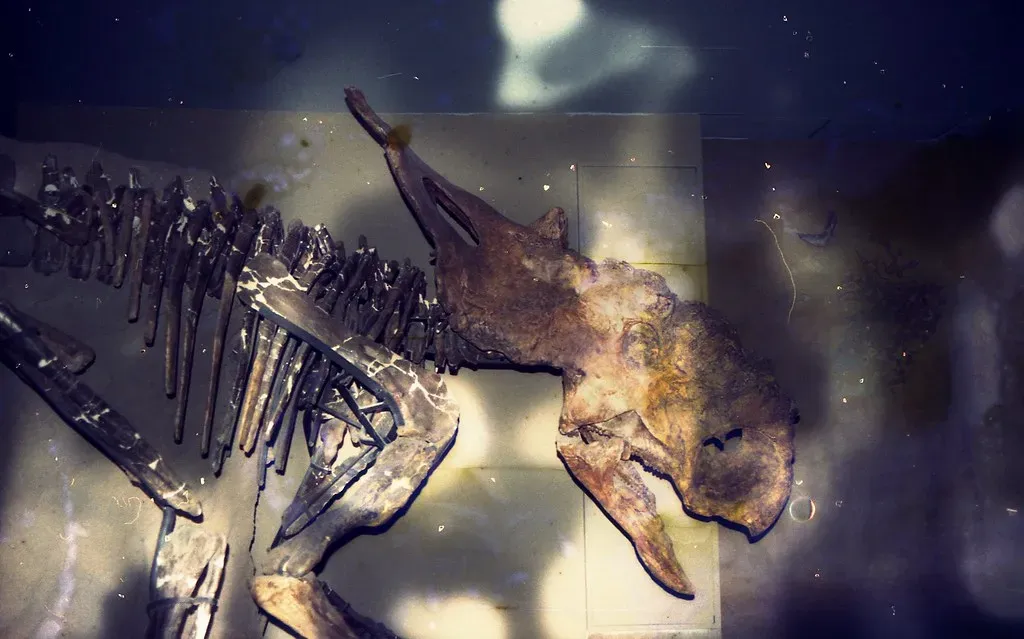
Scientists used infrared and X-ray imaging and spectromicroscopy performed at Berkeley Lab’s Advanced Light Source to demonstrate how soft tissue structures may be preserved in dinosaur bones, analyzing a sample from a 66-million-year-old Tyrannosaurus rex tibia to provide evidence that vertebrate blood vessels may persist across geologic time through two natural, protein-fusing cross-linking processes called Fenton chemistry and glycation. Honestly, the fact that we can find original biological molecules from animals that died before the Rocky Mountains even existed blows my mind.
The powerful synchrotron X-rays produced by the CLS at the University of Saskatchewan enabled researchers to create a detailed 3D model of both the T. rex bone and the soft tissue structures that reside inside without damaging the 66-million-year-old fossil, and using chemical analysis, the researchers determined what elements and molecules make up the vessel structures. Recent developments of phase-contrast synchrotron imaging techniques have been of great interest for paleontologists, providing three-dimensional tomographic images of anatomical structures, and the application of phase-contrast synchrotron tomography to bone at higher resolutions is potentially of great interest because much information is contained within the 3D histological architecture of bone.
Soft tissue preservation in fossils has become a popular focus of paleontology research due to easier access to sensitive probes like synchrotron radiation, allowing more detailed analysis of specimens. This isn’t just about finding cool stuff. These discoveries help us understand dinosaur physiology, healing processes, and even evolutionary relationships.
Virtual Reconstruction Brings Fossils to Life
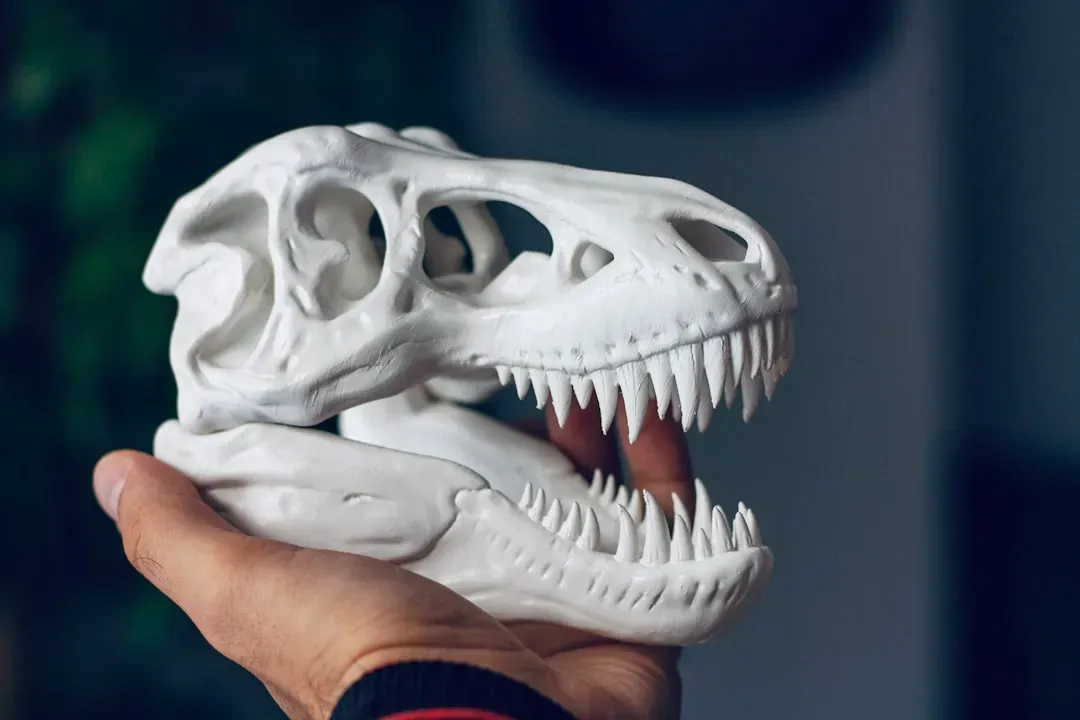
A 3D surface file of a dinosaur skull was released and is available for anyone to download, which means anyone with a 3D printer can build their own dinosaur skull, identical with the original to the last detail. Let that sink in for a second. You could literally print a scientifically accurate dinosaur skull at home. The CT dataset helped researchers build an accurate reconstruction of the fossil with selective laser sintering, and digital datasets and 3D prints of fossils may now be distributed more broadly, while protecting the original intact fossil.
Traces can be used to provide vital data on dinosaur locomotion, and new technologies can be used to extract exceptional detail from these fossils, with new computational modelling methods that integrate musculoskeletal reconstructions and kinematics to gain new insights into how dinosaurs moved. Synchrotron-radiation-based X-ray micro-tomography enables the non-destructive assessment of palaeohistological features in dense, fossilized bones of an allosauroid dinosaur, and recent developments have allowed the non-destructive assessment of palaeohistological features in fossil skeletons. Researchers now build digital models that simulate muscle movement, stress patterns during biting, and even potential speeds of locomotion.
What strikes me most is how democratizing this technology has become. Museums can share rare specimens digitally, students can study fossils from halfway around the world, and citizen scientists can contribute meaningful data. The barriers to paleontological research are crumbling faster than ancient sediments.
Conclusion
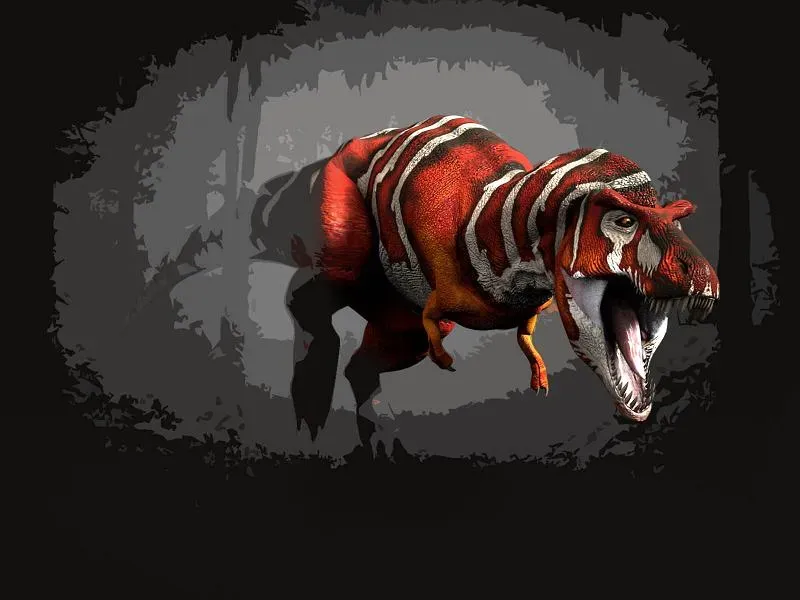
The revolution happening in dinosaur science right now represents more than just technological advancement. It’s fundamentally changing what questions we can ask and what answers we can find. From AI systems that outperform human experts at identifying footprints to synchrotron beams that reveal preserved proteins in bones millions of years old, we’re living through a golden age of discovery.
These six technological breakthroughs work together, creating a comprehensive toolkit that previous generations of paleontologists could only dream about. Researchers can now scan fossils without touching them, analyze data in hours instead of months, map excavation sites from the air, and even study the soft tissues of creatures that disappeared long before humans walked the Earth.
What’s truly remarkable is that we’re probably just scratching the surface. As these technologies continue to evolve and new ones emerge, who knows what secrets we’ll uncover next? Maybe we’ll finally understand exactly how dinosaurs moved, what colors they were, or how they cared for their young. The possibilities seem almost limitless. What do you think will be the next big breakthrough in dinosaur research?