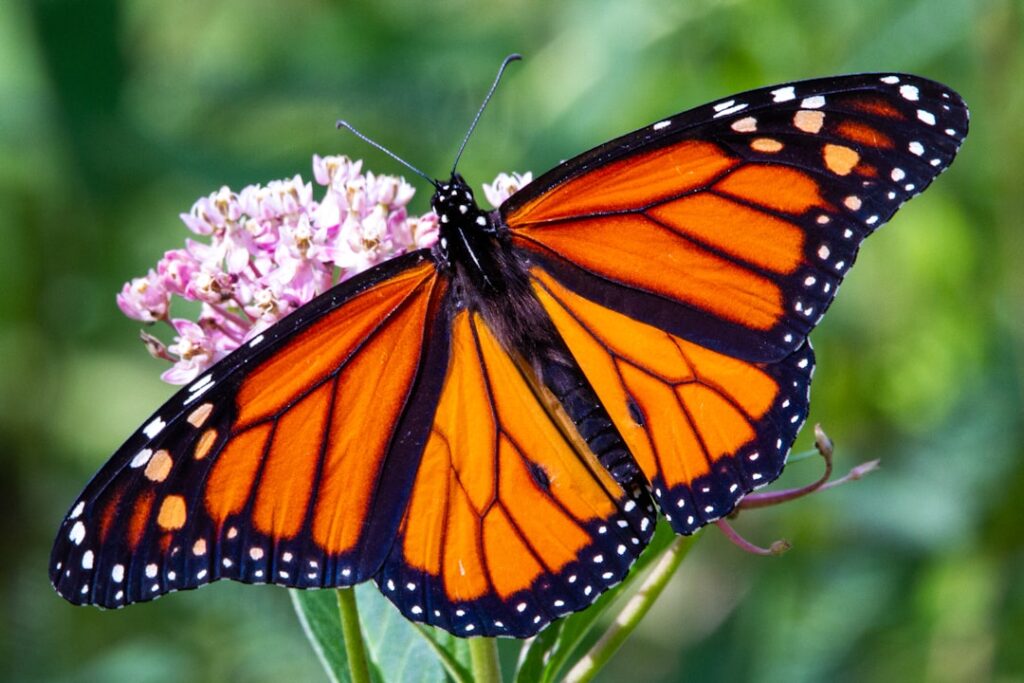
Monarch butterflies traverse more than 3,000 miles in an extraordinary multi-generational migration across North America each year.
Astonishing Migration Faces Steep Decline
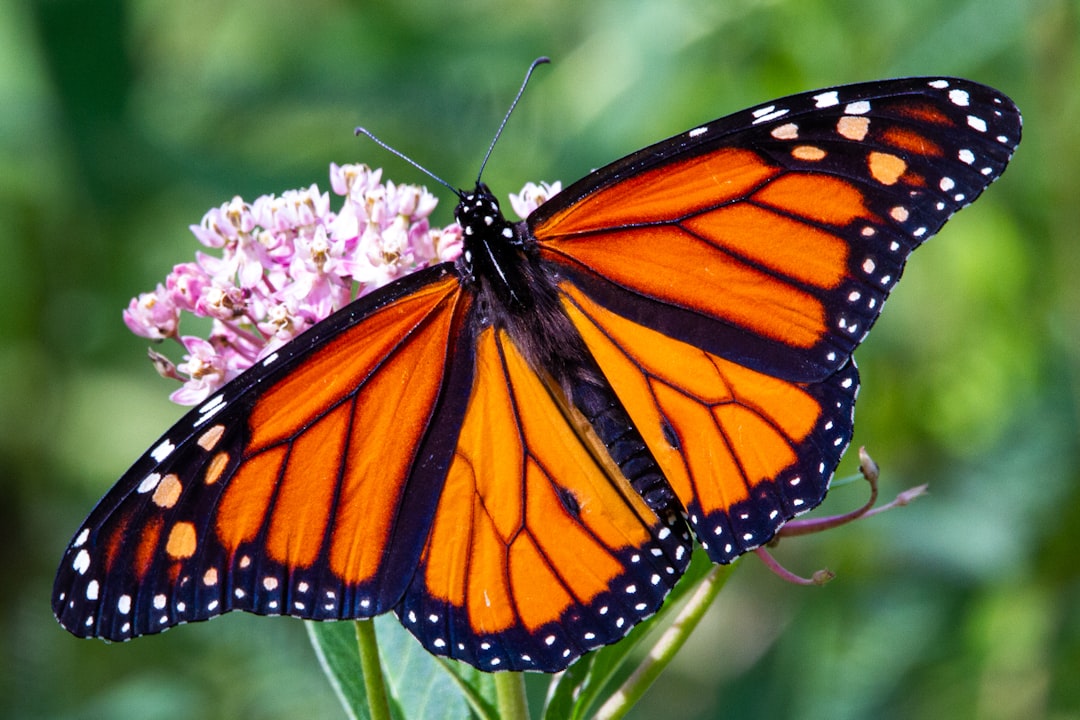
Astonishing Migration Faces Steep Decline (Image Credits: Unsplash)
The Rocky Mountains separate monarch populations into Eastern and Western groups. The Eastern monarchs head northeast in spring toward the U.S.-Canada border, while Western ones move northwest. Fall brings both back south: Eastern to Mexico’s high mountains and Western to California’s coast, where they cluster from November through March.
Populations have dropped more than 90 percent in recent decades. Climate change disrupts weather patterns along their routes. Habitat loss erodes breeding and wintering grounds. Excessive pesticides kill larvae and adults alike. Milkweed, the sole food for monarch caterpillars, and native nectar plants have vanished from many areas.
Transform Your Yard into Monarch Habitat
Planting milkweed and native nectar flowers creates vital stops for monarchs. Caterpillars depend exclusively on milkweed to develop. Adult butterflies sip nectar from blooms like goldenrod, aster, and joe-pye weed.
Local native plants thrive best in your region. They resist pests naturally and support broader wildlife. Gardens become waystations that sustain the migration.
Eliminate Harmful Chemicals
Pesticides and herbicides wipe out butterflies directly and destroy their food sources. Homeowners often apply these unknowingly on lawns and gardens. Switching to manual weeding or natural alternatives protects pollinators.
Integrated pest management favors beneficial insects over broad-spectrum sprays. Neighbors benefit too when everyone reduces chemical runoff into waterways.
Push for Stronger Protections
- Urge listing monarchs as threatened under the Endangered Species Act. Federal safeguards would curb habitat destruction and pesticide threats.
- Encourage city leaders to join the Mayors’ Monarch Pledge. Over 1,200 municipalities across the U.S., Mexico, and Canada have committed since 2015.
- Contact Congress to support the Recovering America’s Wildlife Act and the Monarch Act of 2025. These bills fund conservation nationwide.
Petitions and calls amplify individual voices into policy change.
Contribute Through Citizen Science
Track monarch sightings with apps and community programs. Data reveals population trends and migration shifts. Volunteers submit photos and locations to build comprehensive maps.
Events like tagging butterflies or garden counts engage families. Results guide researchers and land managers. Participation turns awareness into actionable insights.
Key Takeaways
- Monarchs need milkweed for larvae and nectar for adults amid 90 percent population loss.
- Reduce pesticides, plant natives, and advocate locally for maximum impact.
- Citizen science provides essential data for recovery efforts.
Small steps by many restore habitats and influence policy. Monarchs symbolize resilience; collective action ensures their flights endure. What steps will you take? Share in the comments.
For more details, see the National Wildlife Federation Blog.