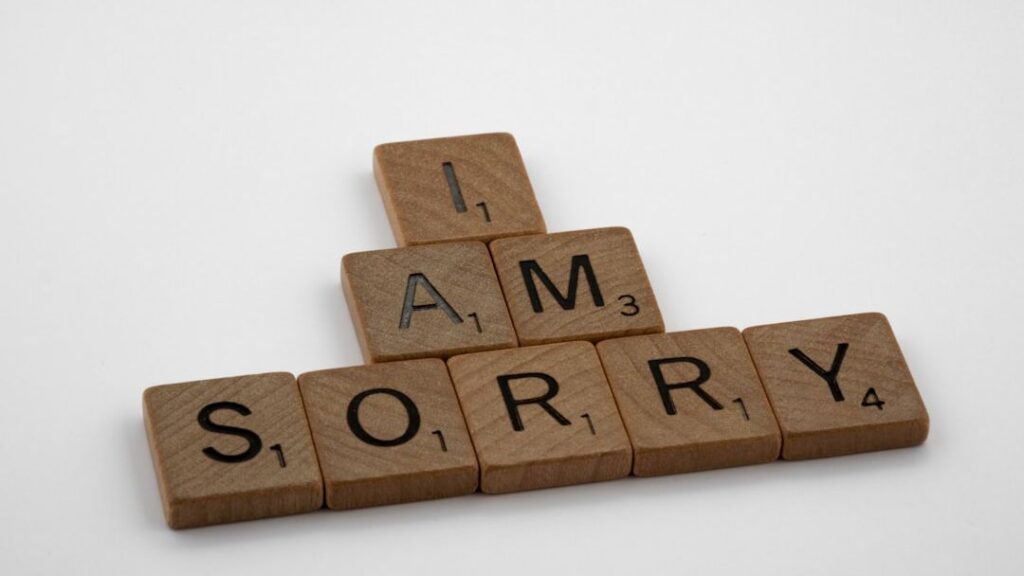
Have you ever received an apology that somehow left you feeling worse than before? You know the feeling. Someone says those two little words, yet something feels off. Your gut tells you it wasn’t real, though you can’t quite put your finger on why.
Understanding the difference between a sincere apology and a manipulative one can completely change how you navigate relationships. Whether it’s a friend, partner, family member, or colleague, being able to recognize when someone is genuinely sorry versus when they’re just trying to wiggle out of accountability is a skill worth developing. So let’s dive in and explore the telltale signs that separate real remorse from clever manipulation.
They Take Full Responsibility Without Shifting Blame
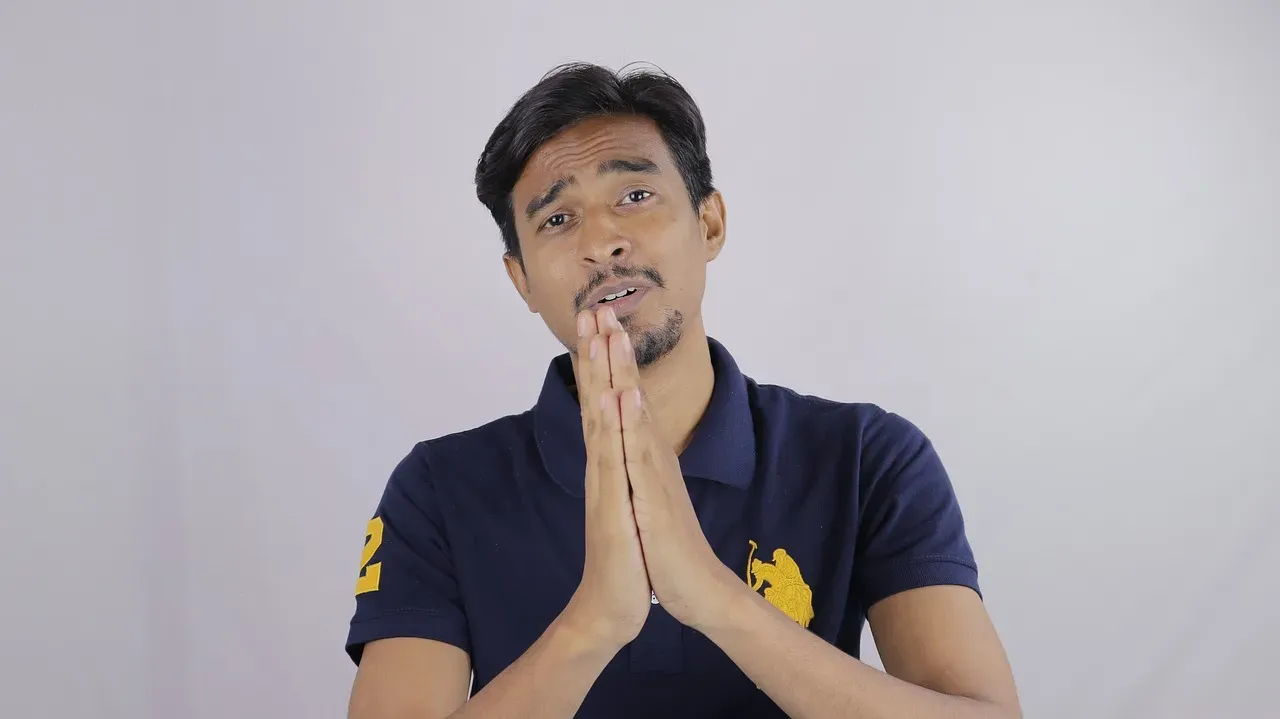
A genuine apology takes responsibility for the wrongdoing and does not shift blame onto others. When someone is truly sorry, you’ll hear them say things like “I made a mistake” or “What I did was wrong.” There’s no deflection, no excuses, no pointing fingers at anyone else. In the genuine apology, the person is saying sorry for something they have done to the other person, whereas in the manipulative apology, the person apologizes but does not take ownership of their part in the problem.
One of the biggest red flags in a manipulative apology is the lack of ownership for the wrongdoing, with manipulators using phrases like “I’m sorry you feel that way” or “I’m sorry if I upset you,” which subtly shift the blame onto the recipient. Notice how these phrases put the focus on your reaction rather than their action? It’s a sneaky way of suggesting the problem is how you responded, not what they did. When you hear phrases starting with “I’m sorry you,” your alarm bells should go off.
The Apology Doesn’t Come With a ‘But’ Attached
Any apology that includes a ‘but’ is an example of a manipulative apology, as using a ‘but’ in an apology is a manipulative way of pushing some of the blame onto you. Think about it. Someone says “I’m sorry I snapped at you, but you were really getting on my nerves.” What they’re really saying is “I’m not actually sorry because you deserved it.” Everything before the word “but” becomes meaningless.
Honestly, the word “but” basically erases whatever came before it. Conditional language like ‘but’ and ‘if’ are used to qualify the apology, effectively minimizing their actions or shifting the blame, such as “I’m sorry if you misunderstood me” or “I’m sorry, but you provoked me.” A real apology stands on its own without justifications or conditions. It acknowledges the hurt caused without trying to explain it away or make excuses.
Their Actions Actually Change After the Apology

Let’s be real here. When the person keeps repeating the same mistake and apologizing each time without making an effort to change their behavior, the apology becomes a tool to excuse their recurring wrong behavior. You’ve probably experienced this cycle before. Someone hurts you, they apologize profusely, things are good for a while, then boom – same behavior all over again.
Research has found that apologies lacking behavior change can increase distress and confusion, with repeated patterns where words no longer hold meaning, becoming instead a strategy to continue the cycle of manipulation. Pay attention to patterns. If someone tells you they’re sorry but nothing actually shifts in their behavior, that apology was likely just a temporary Band-Aid to smooth things over. You may notice the same cycle repeatedly: conflict, apology, temporary peace, then back to the same harm.
They Express Genuine Empathy for How You Were Affected

A genuine apology conveys empathy by demonstrating an understanding of the emotional impact on the other person, with attention paid to expressions of empathy that go beyond mere acknowledgment of the action. This means they’re not just going through the motions. They actually understand and care about how their behavior made you feel. You can sense the difference when someone truly grasps the hurt they caused.
Manipulative apologies tend to flip the script entirely. In a manipulative apology, the focus is often shifted from the hurt caused to the other person to the feelings of the person apologizing, with phrases like “I’m sorry, this is hard for me” or “I feel terrible,” making the apology more about them than the person they’ve wronged. If you suddenly find yourself comforting the person who hurt you, something has gone very wrong. A sincere apology centers your experience, not theirs.
The Timing and Delivery Feel Authentic
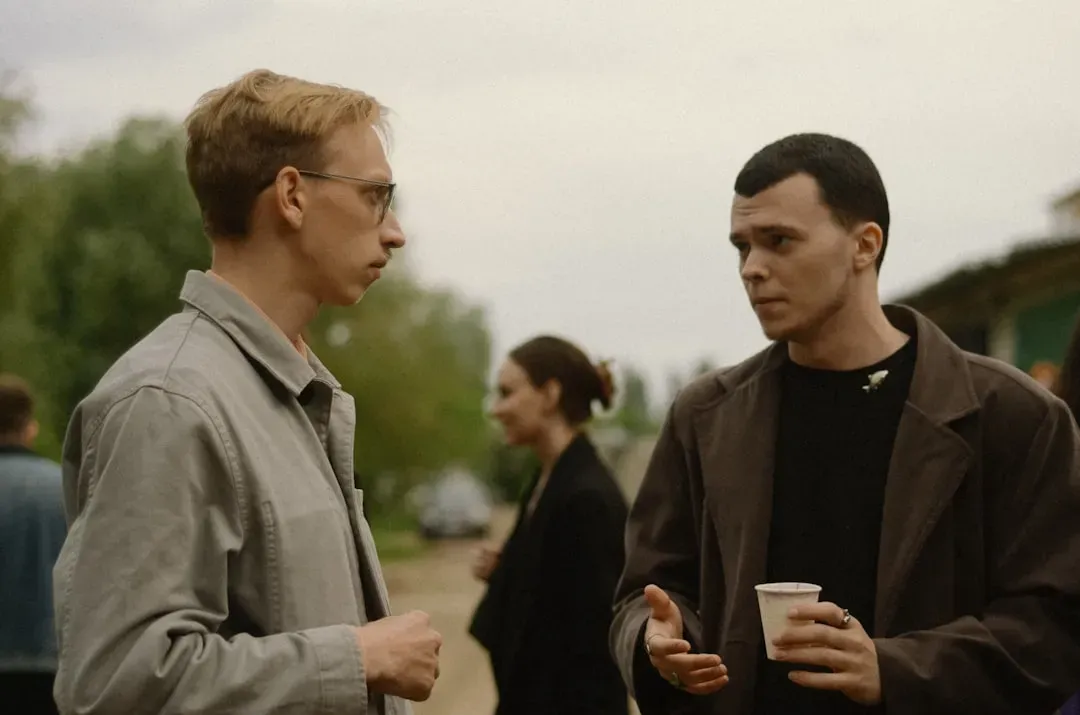
If a loved one is rushing you to accept an apology or being dismissive of your feelings, it could show a lack of concern for you in general, as someone who loves you will not want to rush or push an issue under the carpet and forget about it, and if you are hurting, they should want to do everything in their power to help you. A real apology doesn’t come with a timer. The person isn’t trying to wrap things up quickly so they can move on.
An argument ender apology is a form of non-apology where the person uses the words “I’m sorry” just to end the argument without truly acknowledging their wrongdoing. These apologies feel rushed and hollow. The goal is to escape the discomfort of a conversation, not resolve it, and if the person walks away, changes the subject, or gets defensive when you continue talking, it’s a sign the apology was meant to silence you, not support you. Trust your instincts here. If it feels like they’re just trying to make the whole thing go away without actually dealing with it, that’s probably exactly what’s happening.
They Offer to Make Amends or Repair the Damage

A sure sign of a sincere apology is when the transgressor asks “What can I do to make it up to you?” showing they’re not only admitting their transgression but also willing to repair the damage caused so the relationship can go back to where it was. This is huge. It shows they’re thinking beyond just saying the right words. They want to actively do something to fix what they broke.
A genuine apology should acknowledge the wrongdoing, express remorse, and offer a solution to avoid repeating the mistake in the future. Manipulative apologies rarely include this element because it requires actual effort and commitment. Sincere apologies appear to activate psychological mechanisms that shift interpersonal dynamics from conflict to forgiveness, underscoring the importance of ensuring apologies are perceived as sincere to maximize their effectiveness. If someone is willing to put in the work to repair what they damaged, you can be more confident their apology comes from a genuine place.
Conclusion

Learning to distinguish between genuine and manipulative apologies is about protecting your emotional wellbeing and maintaining healthy boundaries. It’s not about being cynical or refusing to forgive. It’s about recognizing when someone is truly accountable versus when they’re using an apology as a manipulation tool.
The most important thing to remember is that words matter, but actions matter more. A real apology includes remorse, responsibility, and repair. It doesn’t make excuses, shift blame, or repeat the same hurtful behavior. When someone genuinely cares about making things right, you’ll feel it not just in what they say, but in what they do afterward.
So the next time someone apologizes to you, take a moment before automatically accepting it. Does it meet these criteria? Does your gut tell you it’s sincere? You deserve apologies that are authentic and meaningful, not just clever words designed to get someone off the hook. What’s your experience been with apologies that didn’t quite feel right? Trust yourself to know the difference.