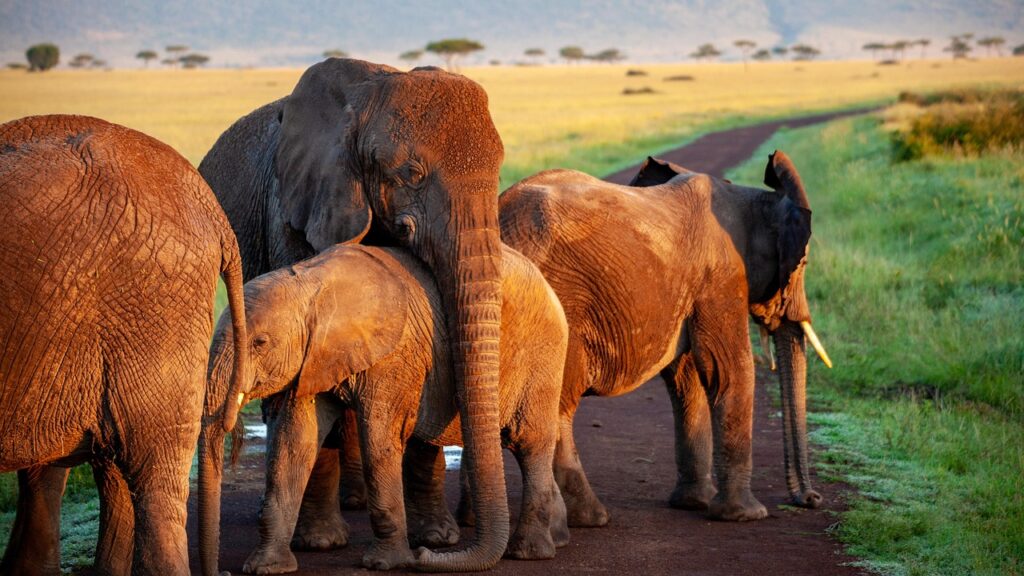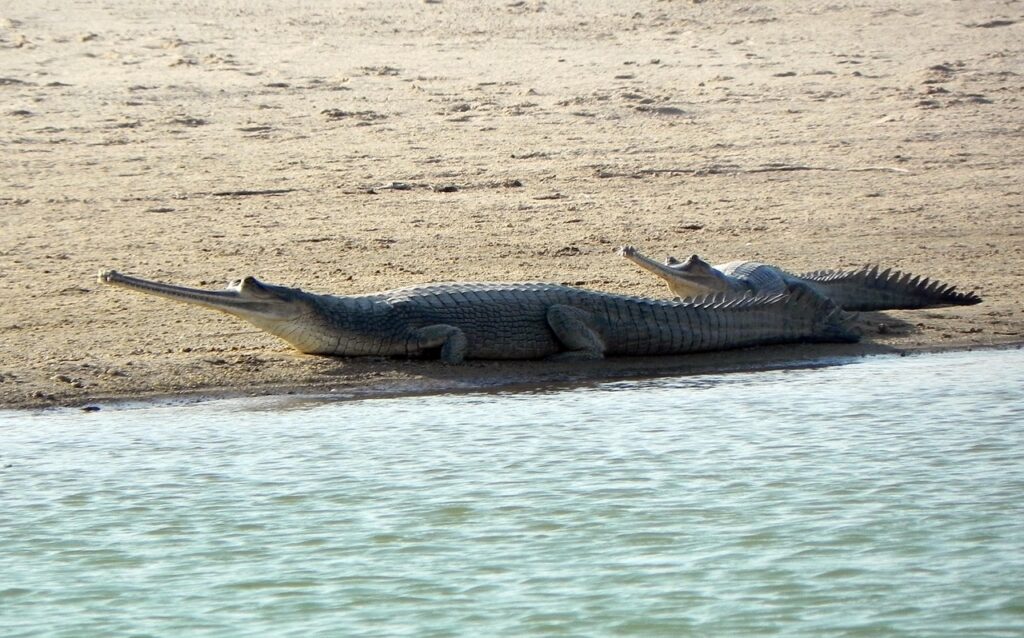
India – Decades of targeted efforts have revived populations of endangered species, offering hope amid growing human pressures on natural habitats.
Tigers Triple in Number Thanks to Project Tiger
Tigers Triple in Number Thanks to Project Tiger (Image Credits: Pixabay)
Authorities launched Project Tiger in 1973 after poaching and habitat loss decimated the big cat’s numbers. The initiative expanded protected reserves and enforced strict anti-poaching measures.
India’s tiger count stood at 1,411 in 2006 but climbed to 3,167 by the 2022 All India Tiger Estimation, released in 2023. This growth positioned the country as home to over 70 percent of the world’s wild tigers. Camera traps, habitat restoration, and community relocations fueled the recovery. The program now spans more than 50 reserves.
Asiatic Lions and One-Horned Rhinos Defy Near-Extinction
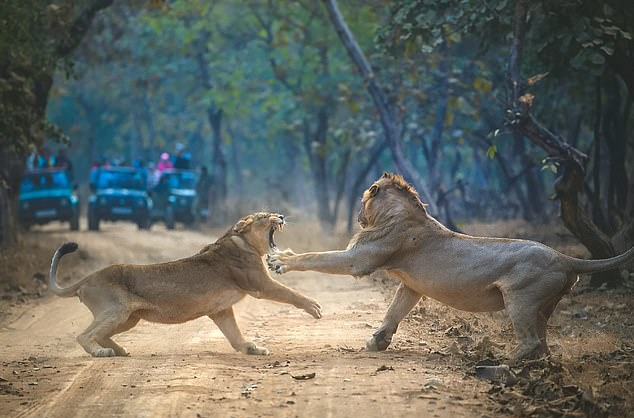
Fewer than 50 Asiatic lions survived in Gujarat’s Gir forest by the early 1900s, confined to a shrinking area. Conservation focused on habitat management, prey base enhancement, and community partnerships.
The 2020 Gujarat Forest Department census recorded 674 lions, with groups spreading beyond Gir into surrounding districts. Meanwhile, greater one-horned rhinoceros numbers exceeded 3,000 across India, including 2,600 in Assam’s Kaziranga National Park alone during the 2022 census. Rhinos had dwindled to under 200 at the century’s start. Relocations under Indian Rhino Vision 2020 and vigilant patrols drove this resurgence. Both species now thrive in landscapes shared with agriculture and people.
Sea Turtles and Vultures Stabilize After Steep Declines
Olive Ridley sea turtles faced heavy losses from poaching and fishing nets along Odisha’s coasts in the 1970s and 1980s. Nesting sites at Rushikulya and Gahirmatha beaches suffered the most.
Seasonal fishing bans, beach patrols, and awareness campaigns restored numbers, leading to hundreds of thousands nesting annually in mass arribadas. Vultures, including the white-rumped species, crashed over 95 percent in the 1990s due to the drug diclofenac. India banned the veterinary drug in 2006 and established captive breeding centers in Haryana, West Bengal, and Assam. Populations have since stabilized, underscoring vultures’ role in scavenging and disease control.
- Key strategies included legal protections under the Wildlife Act.
- Community involvement reduced conflicts.
- Scientific monitoring tracked progress.
Cheetahs Mark a Bold Reintroduction Milestone
Cheetahs vanished from India in 1952 after habitat loss and hunting. Officials selected Kuno National Park in Madhya Pradesh for revival.
Project Cheetah imported eight from Namibia in September 2022, followed by 12 from South Africa in 2023. Several adapted successfully, with cubs born in the wild. This marked the first intercontinental translocation of a large carnivore. The effort aims to restore grassland ecosystems.
Key Takeaways
- India hosts over 70% of global wild tigers and the world’s only wild Asiatic lions.
- Integrated approaches – anti-poaching, habitat work, and relocations – yielded results.
- These wins demonstrate scalable models for shared human-wildlife spaces.
These stories highlight India’s shift from loss to leadership in biodiversity protection. Persistent action turned crises into conservation benchmarks. What aspect of these recoveries inspires you most? Share in the comments.