Imagine stumbling upon an enormous, mysterious bone jutting out of the desert floor. No labels, no scientists, no textbooks. Just you, a colossal skeleton, and a terrifying imagination. That was the reality for millions of people across dozens of ancient civilizations, long before the word “dinosaur” was even invented. And what they made of those finds is honestly one of the most fascinating stories in all of human history.
Strangely enough, prehistoric and ancient people with a pre-scientific understanding of nature often had a surprisingly clear grip on what fossils actually were, certainly a better grip than western scholars of the 16th, 17th, and 18th centuries. While early western thinkers dismissed fossils as odd quirks of nature, many ancient and aboriginal cultures confidently recognized dinosaur bones as the remains of real creatures. What those creatures were, in their minds, is where things get seriously wild. Let’s dive in.
1. Ancient China: The Dragon Bone Healers
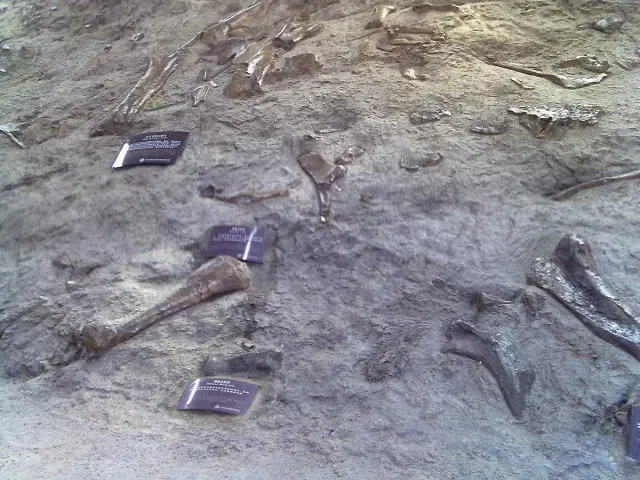
You might find it hard to believe, but for thousands of years, people in China were grinding up dinosaur fossils and drinking them as medicine. Let’s be real, that’s both shocking and kind of incredible at the same time. Chinese scholars used the term “dragon bone” as a general label for various types of fossils, including bones and teeth from dozens of species. These dragon bones were used in traditional Chinese medicine as far back as the third century B.C. to treat a wide range of conditions.
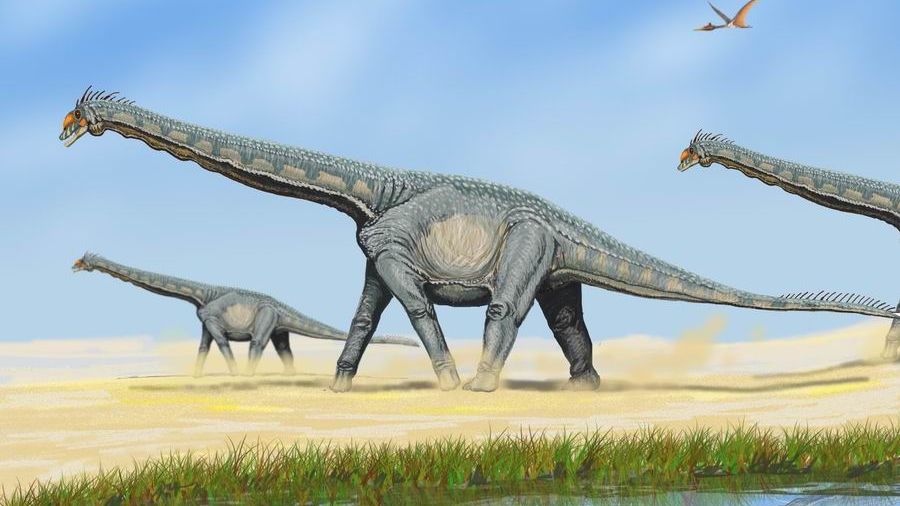
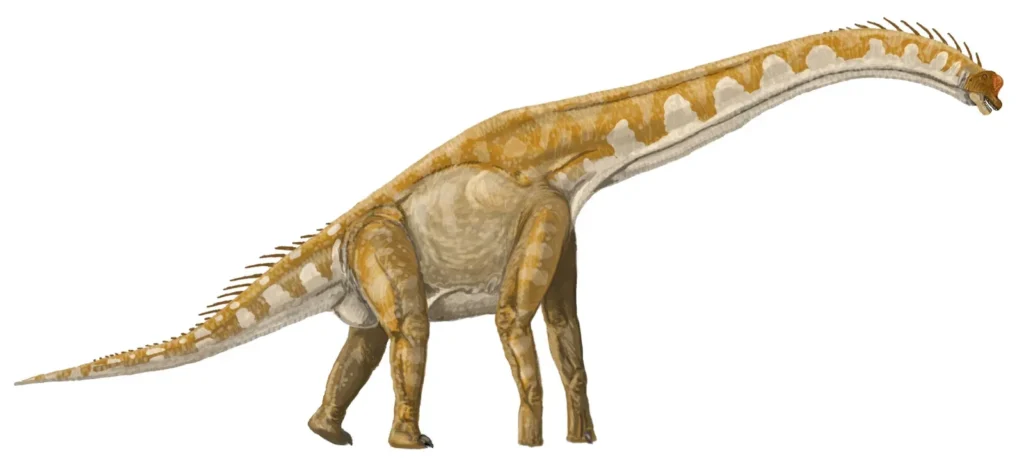
By the 12th century B.C., dragon bones had become a hot commodity, with massive quantities being sold in drugstores throughout China, and by the late 1800s, they eventually began being exported to other countries. A similar argument connecting fossils to culture has been applied to China, where long-necked sauropod fossils, like those found in Qijiang City, could have provided the foundation for age-old stories about dragons. The Chinese term for dinosaur, interestingly, literally translates to “terrible dragon,” which tells you everything about how deeply this connection ran in their culture.
2. Ancient Greece: Giants, Monsters, and Proto-Scientists
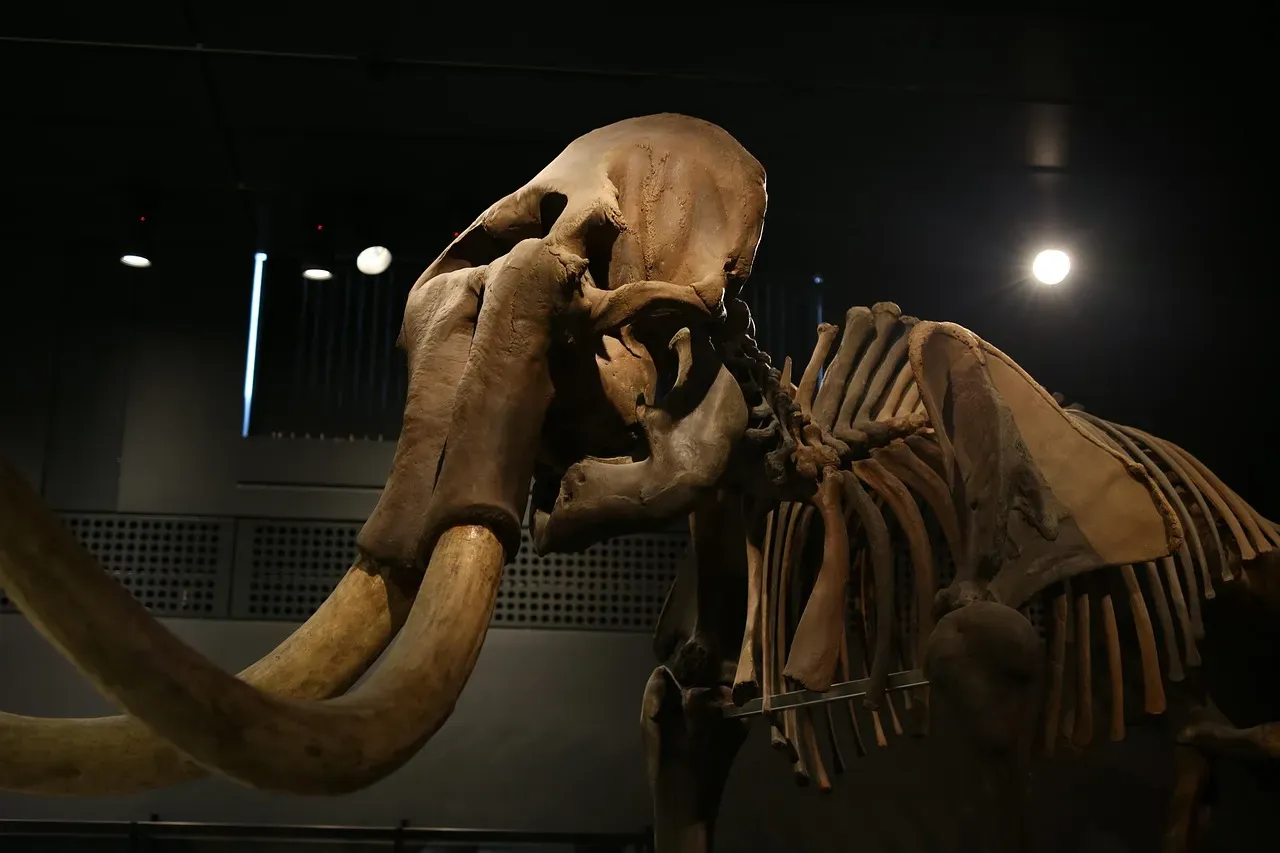
Due to extensive travel, the Greeks and Romans discovered fossils throughout the Mediterranean and into India. The fossils of dinosaurs, mastodons, mammoths, and other creatures were pervasive parts of the natural landscape in the Greek and Roman periods, helping to explain why Greeks and Romans developed mythologies about giant creatures as they sought to understand the presence of these enormous remains. Think about that for a second. Their mythological universe of Titans, giants, and monsters may have had its roots firmly planted in real fossil beds.
Long thought to be pure fantasy, the remarkably detailed and perceptive Greek and Roman accounts of giant bone finds were actually based on solid paleontological facts. Like their modern counterparts, the ancient fossil hunters collected and measured impressive petrified remains and displayed them in temples and museums, attempting to reconstruct the appearance of these prehistoric creatures and even explain their extinction. Honestly, that last part is astonishing. They were doing something that resembles paleontology thousands of years before paleontology had a name.
3. The Scythians: Nomads Who Met the Griffin
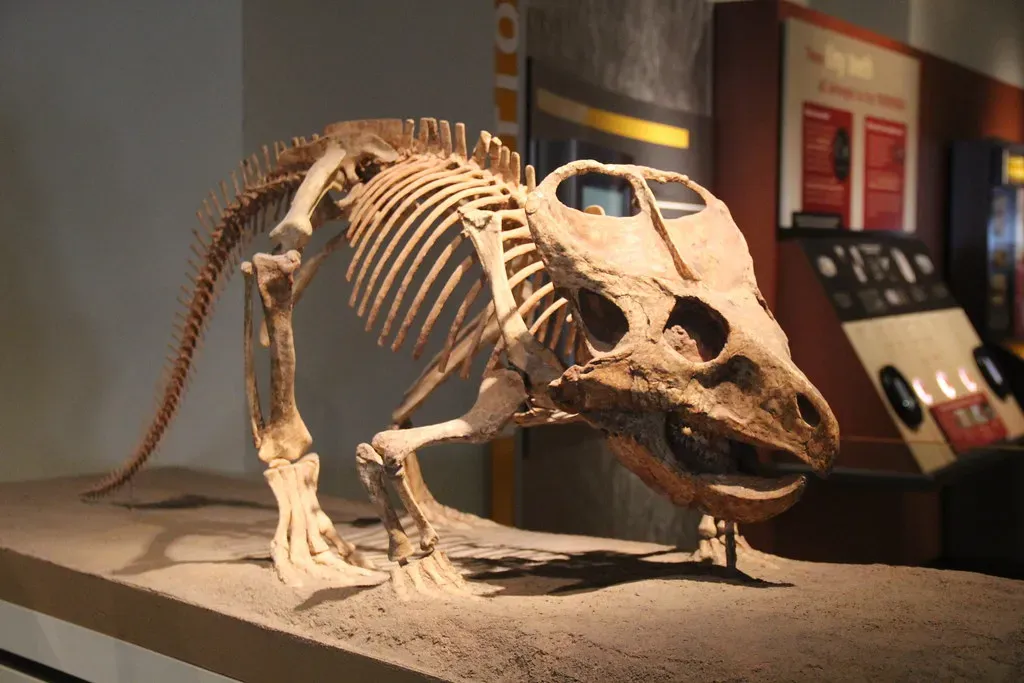
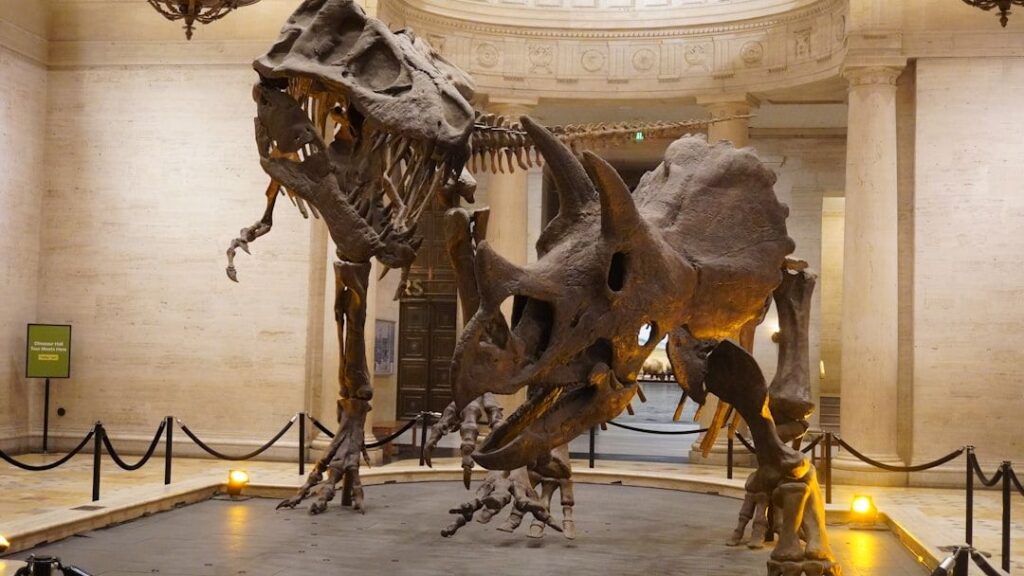
The legend of the gold-guarding griffin sprang from tales first told by Scythian gold-miners, who, passing through the Gobi Desert at the foot of the Altai Mountains, encountered the skeletons of Protoceratops and other dinosaurs that littered the ground. Here’s the thing: the Scythians were nomadic warriors and traders who roamed Central Asia, and their desert routes passed right through one of the richest dinosaur fossil fields on the planet. You can see how an encounter with a beaked, four-clawed, frill-skulled Protoceratops skeleton might spark a legendary story.
One prominent theory links fossils of the early horned dinosaur Protoceratops with ancient Middle Eastern legends of the griffin, a winged bird-lion. Developed by historian and classical folklorist Adrienne Mayor in 1989, it proposed that griffins were the ancient interpretations of dinosaur bones. It’s hard to say for sure whether the connection is airtight, as some researchers have questioned parts of the theory, but the geographic overlap between griffin legends and Protoceratops fossil beds is difficult to dismiss entirely. The Scythians may have been the ancient world’s most accidental paleontologists.
4. Ancient Egypt: Digging Up the Past on Purpose
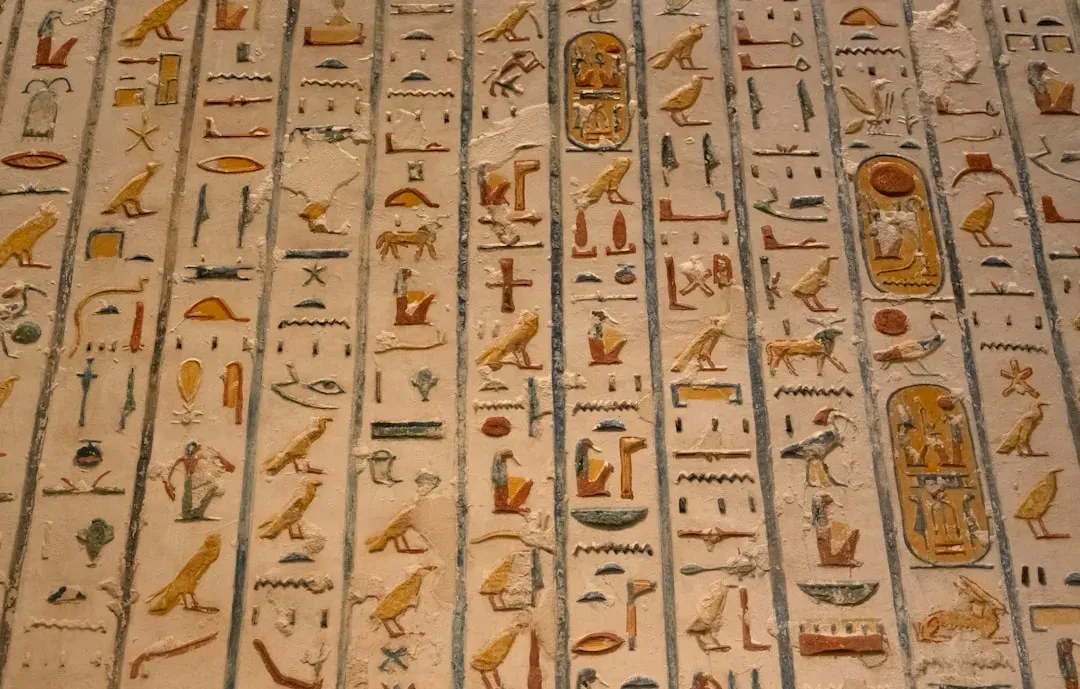
Between 1300 and 1200 B.C., the ancient Egyptians uncovered at least three tons of fossils. They found the bones of massive, extinct breeds of hippos, crocodiles, boar, horses, antelopes, buffaloes, and more in what appears to have been a deliberate excavation project. Three tons. That is not accidental stumbling. That suggests organized, intentional fossil collection on a scale that would impress a modern excavation team. Whether they understood what they had found is a separate question, but they clearly valued these remains enough to dig deliberately for them.
The historian Herodotus pointed to marine fossils in Egypt as proof that the country was once underwater. That means at least some Egyptian-era thinkers were applying real observational logic to what they were finding, not simply wrapping every bone in myth. Long before paleontology emerged as a science, cultures across the world encountered fossils. Fossils sparked human curiosity for millennia, and though the exact thoughts of ancient ancestors cannot always be known, there is compelling evidence that they discerned the unique patterns and distinctive nature of prehistoric life’s remnants.
5. Native American Cultures: Thunderbirds, Water Monsters, and Real Fossils
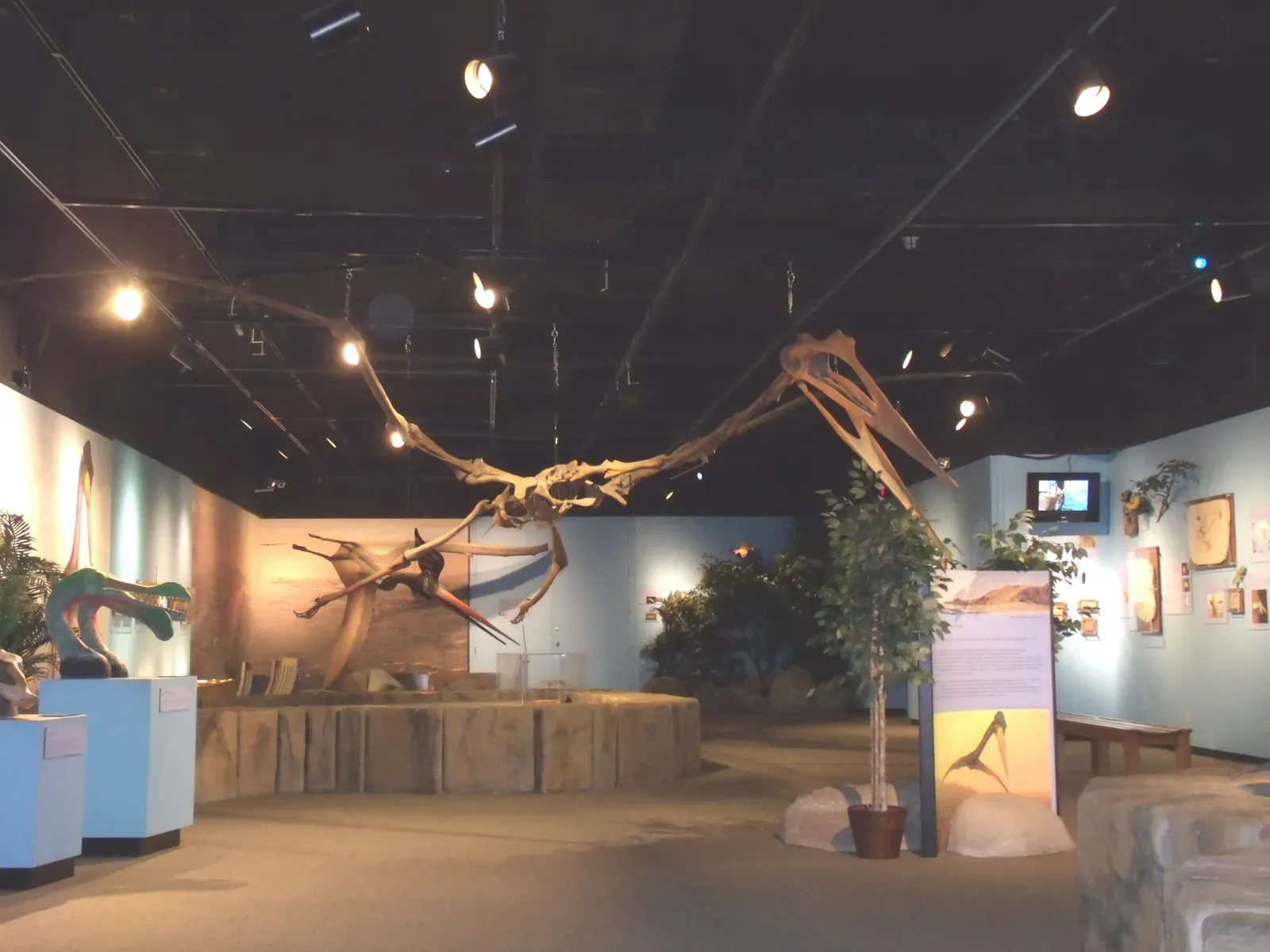
(Original text: I (Tony the Marine (talk)) created this work entirely by myself.), CC BY-SA 3.0)
In what is now the South Dakota Badlands, paleontologists have discovered the bones of marine reptiles called mosasaurs and flying reptiles called pterosaurs, all of which died roughly 100 million years ago. It is believed that the Lakota legend of powerful sky and water creatures came from them stumbling upon these very bones. Picture a Lakota hunter, centuries ago, cresting a sandstone ridge and finding the enormous, beautifully preserved skeleton of a pterosaur. A winged creature frozen in stone. How would you explain that to your community?
People had been encountering dinosaur bones all around the world for thousands of years before modern science arrived. Native Americans and other Indigenous tribes across Central Asia and South America even had stories about creatures that were based on the discoveries of fossils. Researcher Adrienne Mayor concluded that ancient cultures were very attuned to the natural world around them and made careful observations of the fossils in their environment, coming up with imaginative explanations for the histories they saw in the bones and rocks they found. That is not ignorance. That is a different kind of brilliance.
6. The Ancient Romans: Bones in Temples and War Stories
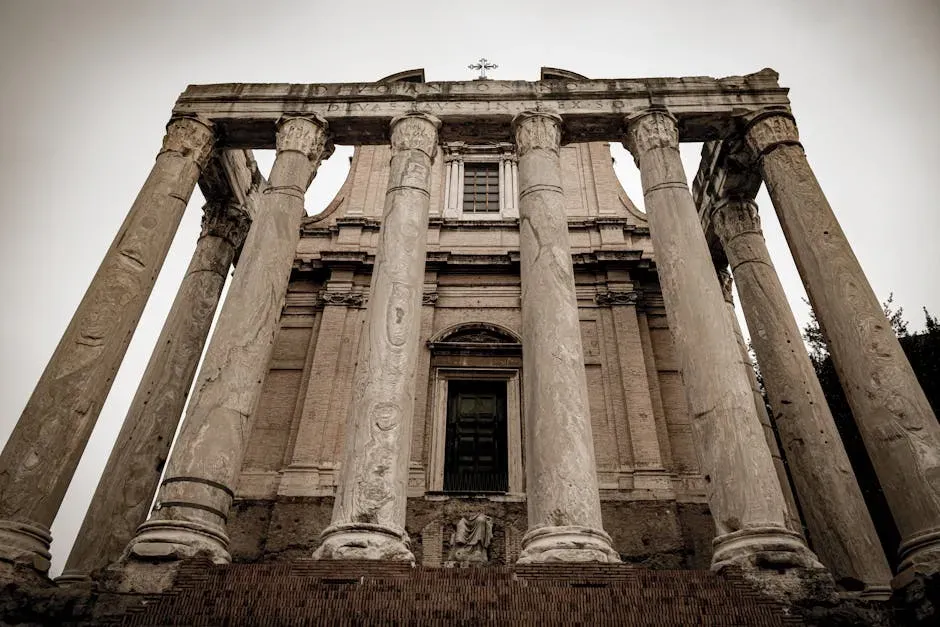
The Greeks and Romans frequently encountered the fossilized bones of primeval creatures and developed sophisticated concepts to explain the fossil evidence, concepts that were expressed in mythological stories. The legend of the gold-guarding griffin, for instance, sprang from tales carried by Scythian gold-miners back to the wider ancient Mediterranean world, where the Romans integrated such stories into their own cultural framework. Roman generals actually brought enormous fossil bones back from their campaigns as trophies, displaying them publicly as proof that the mythological world was real and that their civilization had dominion over even the most terrifying of ancient giants.
Like their modern counterparts, the ancient fossil hunters of Rome collected and measured impressive petrified remains and displayed them in temples and museums, attempting to reconstruct the appearance of these prehistoric creatures and to explain their extinction. Long thought to be fantasy, the remarkably detailed and perceptive Greek and Roman accounts of giant bone finds were actually based on solid paleontological facts. Honestly, if you remove the mythological packaging, what the Romans were doing looks surprisingly close to a museum exhibit. They were just doing it in toga-clad form, with a few extra gods involved.
7. Medieval European Civilizations: Dragon Skulls and Cathedral Relics
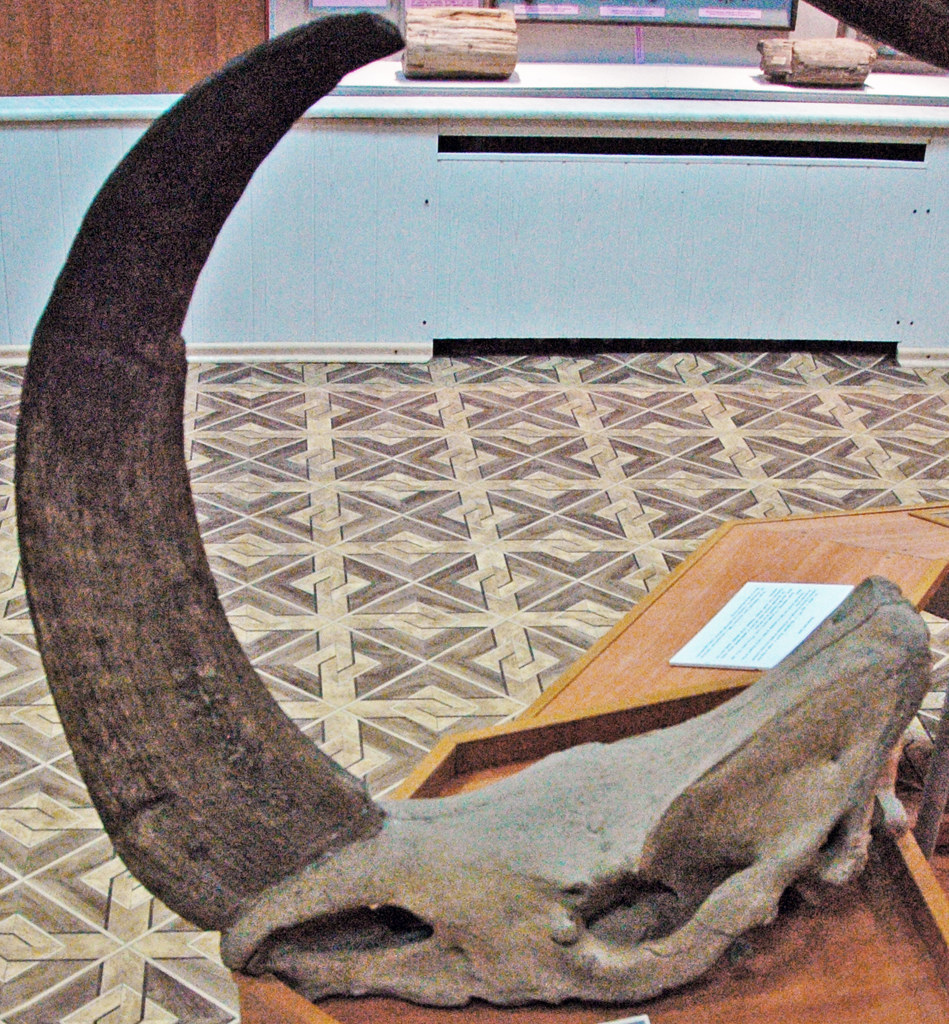
Sometime around 1335, quarrymen discovered the skull of a Pleistocene woolly rhinoceros in the region of Klagenfurt. The concepts of an ancient Earth, ice ages, and extinction were all pretty foreign to medieval and Renaissance Europeans, so the odd-looking skull was interpreted as something less real but at the same time more familiar: a dragon. The skull was later used as the model for a famous dragon statue in the town, and it stood as proof, in the minds of locals, that the monster legends were true. Think of it as the medieval equivalent of a viral news story, except carved in stone and put on a fountain.
Fossils found in medieval and early modern Europe were often interpreted through a Christian lens. An 18th-century Swiss physician named Johann Jakob Scheuchzer described fossilized remains as “the man who witnessed the flood” and proclaimed them as evidence of ancient humans who lived at the same time as the Biblical Noah. Meanwhile, when dinosaur fossils were not being identified as flood victims, they were mistaken for unicorns, sea serpents, or the remains of familiar living animals, just at a monstrous scale. Medieval Europe was essentially a continent-wide fossil misidentification project, and yet through all those wrong answers, curiosity about these extraordinary bones never faded.
A Thought Worth Sitting With
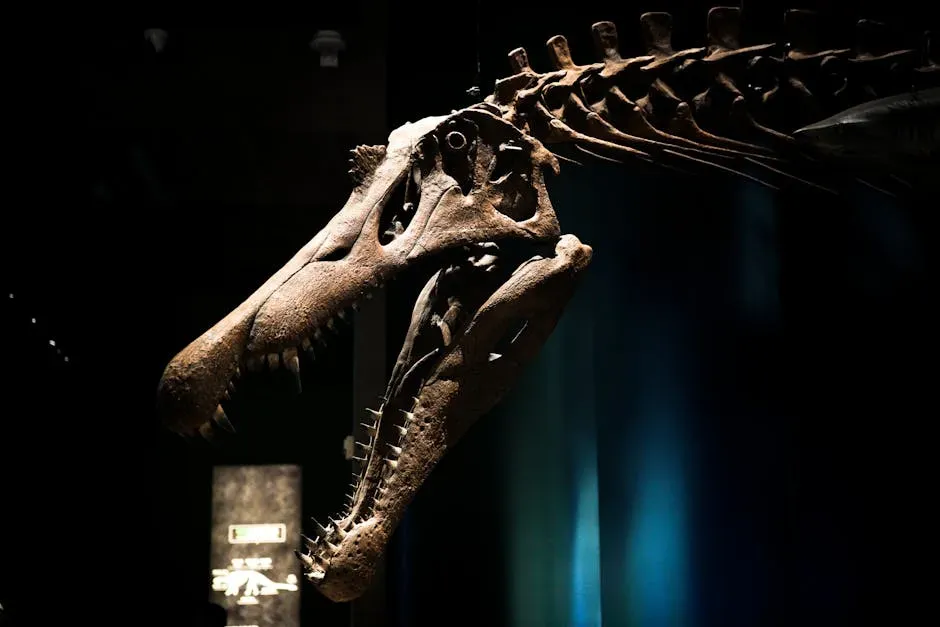
What ties all seven of these civilizations together is not ignorance. It is something far more human than that. Their stories convincingly speak of fossilized creatures as real because they knew that only real creatures leave bones behind. Their vivid depictions, however, do not prove that humans actually coexisted with the prehistoric creatures themselves. These ancient peoples were doing what every curious mind does when faced with something huge, strange, and inexplicable. They reached for the most powerful tool they had: story.
During much of human history, the origins of fossils, not to mention the Earth itself, were not explained through scientific inquiry and evidence but by myth, superstition, and organized religion. Yet that should not diminish what these civilizations achieved. They saw something that would unsettle even a modern person. They described it, preserved it, and built entire traditions around it. The bones were real. The wonder was real. Only the explanations needed updating.
From Chinese medicine jars filled with powdered dinosaur teeth, to Roman generals parading giant bones through the Forum, to Lakota hunters staring at pterosaur wings frozen in stone, the story of humanity’s encounter with the ancient past is one of the most surprising chapters in our shared history. So here is a question worth thinking about: if you had found a Protoceratops skeleton in the Gobi Desert two thousand years ago, what story would you have told? Tell us what you think in the comments below.