
Some parts of ancient history feel less like dates in a textbook and more like glitches in the simulation. You read them twice, maybe three times, and your brain still whispers: there’s no way these things overlapped, or happened that early, or survived that long. Yet when you dig into the archaeology, the carbon dating, and the inscriptions, the evidence is stubbornly clear.
Once you see these timeline twists, it becomes almost impossible to picture history as a neat, straight line. Instead, it starts to look like layers of stories stacked on top of one another: empires rising and falling while others are just getting started, cultures using tech that seems “too early,” and monuments already ancient to people who are themselves ancient to us. Let’s walk through seven facts that, honestly, still bend my mind every time I think about them.
1. Cleopatra lived closer to the invention of the iPhone than to the building of the Great Pyramid
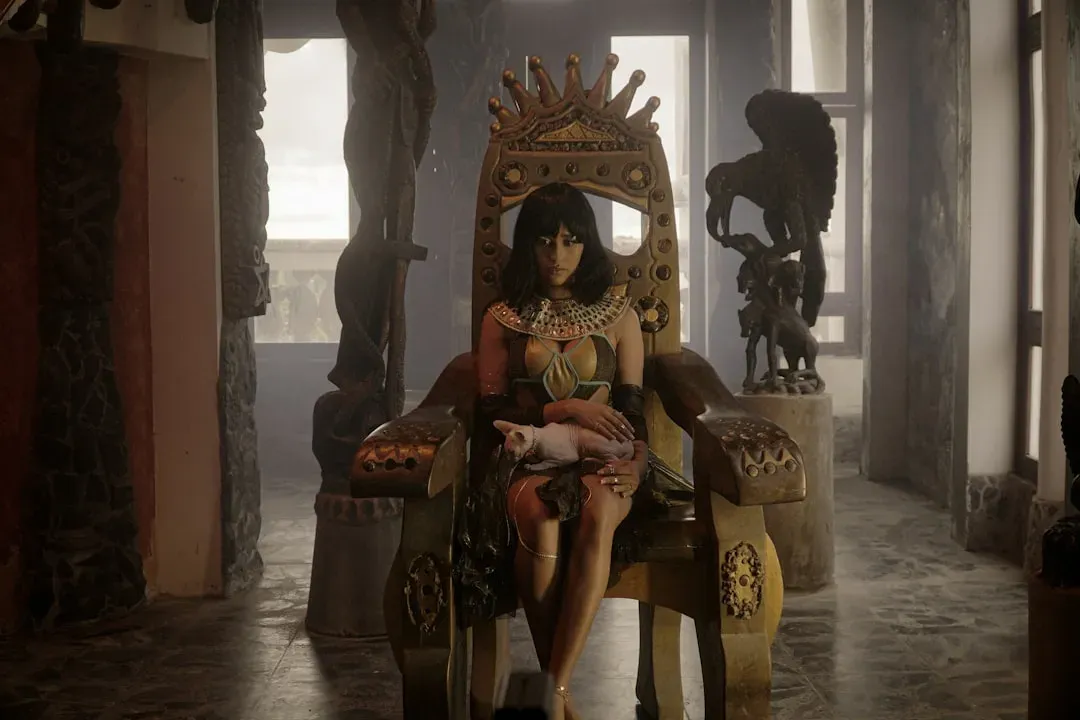
Here’s the one that shatters people’s sense of time on contact: Cleopatra VII, the last active ruler of Ptolemaic Egypt, lived around the first century BCE, while the Great Pyramid at Giza was finished around the middle of the third millennium BCE. That means Cleopatra is separated from the iPhone by roughly about two thousand years, but separated from the pyramid by more than two thousand years the other way. To Cleopatra, the Great Pyramid was already older than most of our “ancient” history feels to us.
This flips the usual mental image, where we compress all of “ancient Egypt” into one blended era of pharaohs, pyramids, and golden masks. In reality, the span of Egyptian civilization is so long that Cleopatra and the pyramid builders might as well be from different universes. It is like imagining you and someone from the time of Stonehenge both casually talking about the same “modern country.” In my mind, this is one of the purest examples of how our brains just are not built for deep time.
2. Woolly mammoths were still alive when the pyramids were being built
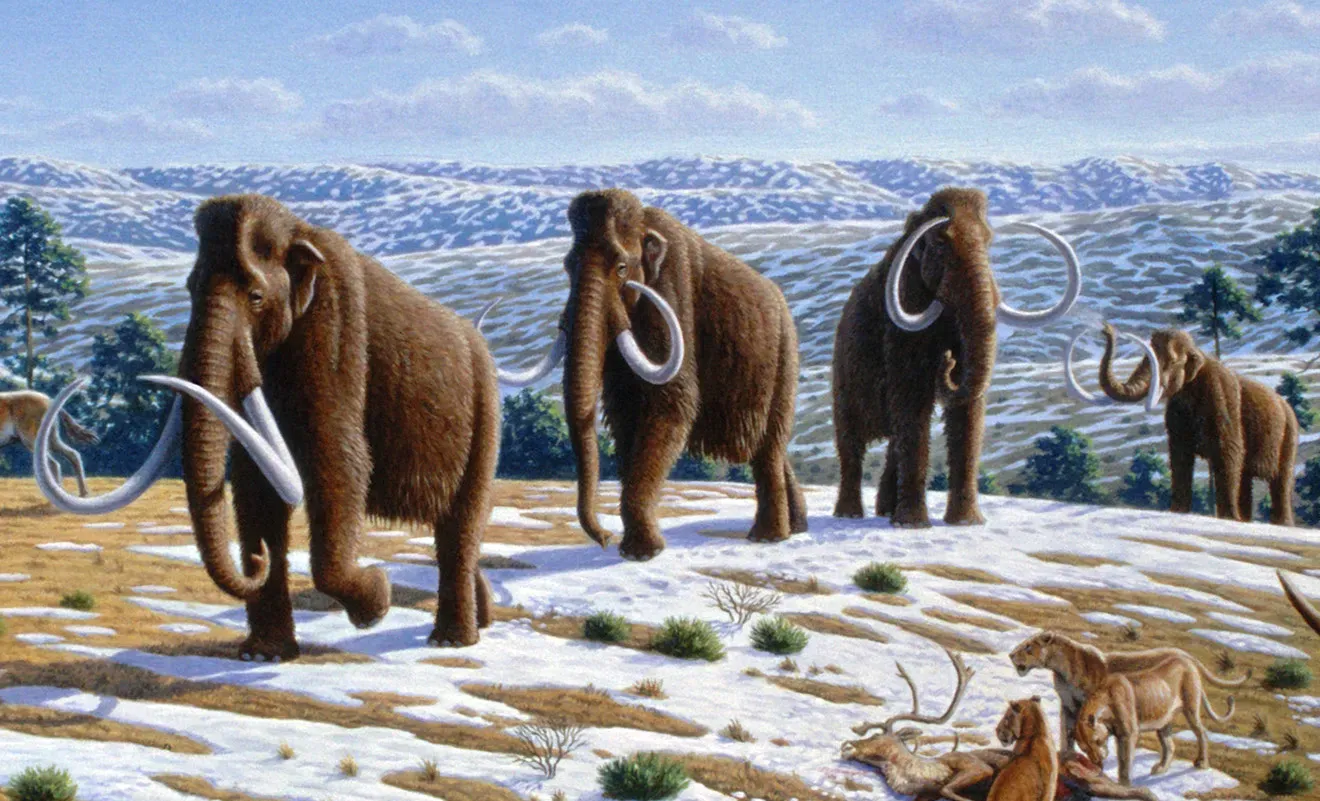
Most people picture woolly mammoths stomping around in a world of cave people, glaciers, and saber-toothed cats, then disappearing long before civilizations began. But small, isolated populations of mammoths survived on Arctic islands thousands of years after the last ice sheets retreated. Some of them were still around at roughly the same time Egyptian builders were hauling stone blocks to Giza. While crews in North Africa were engineering colossal pyramids, shaggy mammoths were quietly grazing on remote tundra islands.
This overlap makes the ancient world feel less like a sequence and more like a strange mash-up. Advanced stone architecture, organized states, and complex religious systems were already in full swing, yet a relic of the ice age world was still walking the Earth. To me, it is like learning that dinosaurs did not vanish with an asteroid but just relocated to a weird corner of the map. It reminds us that extinction, climate shifts, and cultural changes do not always line up into the tidy stages we like to draw in school diagrams.
3. The oldest known city is older than both writing and the wheel
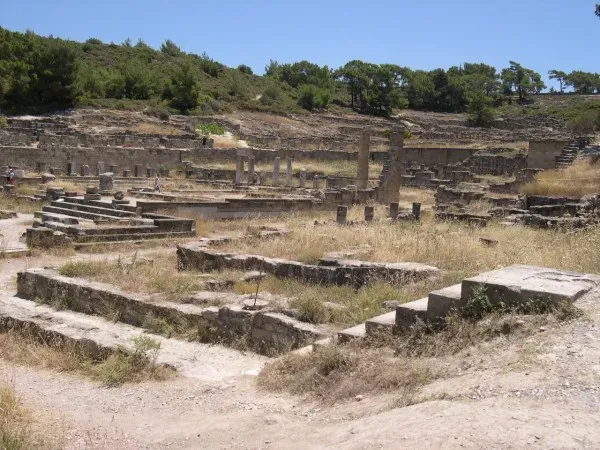
Long before cuneiform tablets or chariots, there were already people living in dense, permanent settlements with houses, shared spaces, and burial practices that suggest complex beliefs. Sites in the Near East show that urban-style living appeared thousands of years before the earliest writing systems and well before the wheel became a standard tool or transport innovation. People were building multi-room homes, storing food, and organizing social life in ways that look surprisingly familiar, considering how ancient they are.
What feels impossible here is that we often treat writing and the wheel as the “start” of civilization, when they are more like powerful upgrades added to an already sophisticated game. You had communities managing resources, negotiating neighbors, and dealing with life and death long before anyone pressed a stylus into wet clay to track grain. When I first learned this, it made me rethink how much credit we give “inventions” versus the messy human systems that existed before them and made those inventions even useful in the first place.
4. The first known brewery is older than the Egyptian pyramids
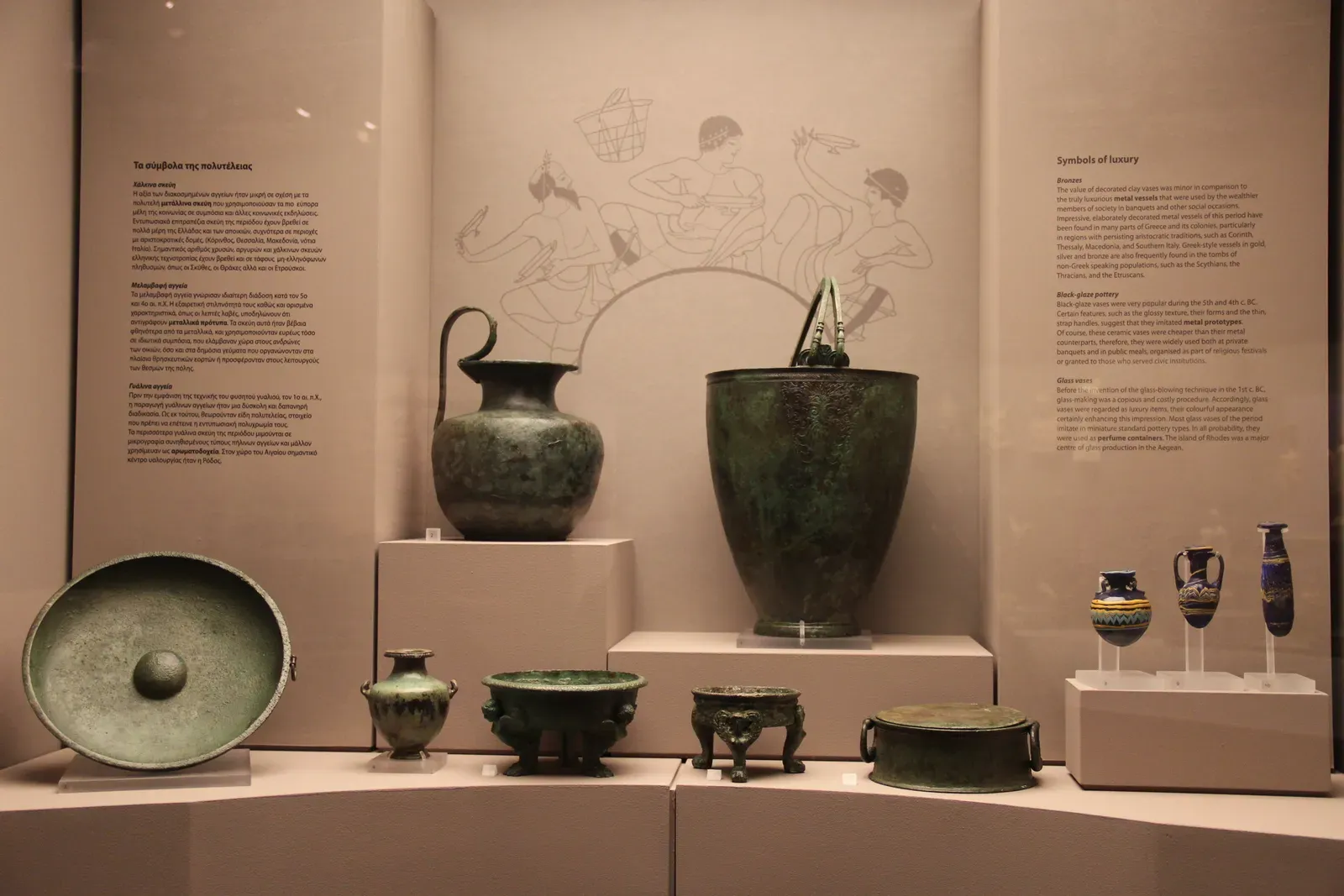
There is solid evidence that humans were intentionally brewing alcoholic beverages thousands of years before the first pyramid stone was laid at Giza. In ancient sites across the Near East and parts of East Asia, residues, grains, and brewing installations point to people making beer-like drinks deep in prehistory. These brewing activities go back to early agricultural societies that were just beginning to settle down, store surplus grain, and experiment with fermentation.
So yes, it seems that humans were gathering around early forms of beer for rituals, social events, or just daily life in periods that we normally label as “Stone Age.” This upends the childhood picture where people discover farming and only much later figure out luxuries like alcohol. Instead, the relationship might be closer than we think; some researchers even argue that the desire for fermented drinks could have encouraged early grain cultivation. Personally, I find it both funny and deeply human that one of the oldest organized technologies we can clearly trace is essentially an ancient drinks industry.
5. The last cuneiform tablet was written closer to today than to the first cuneiform tablet
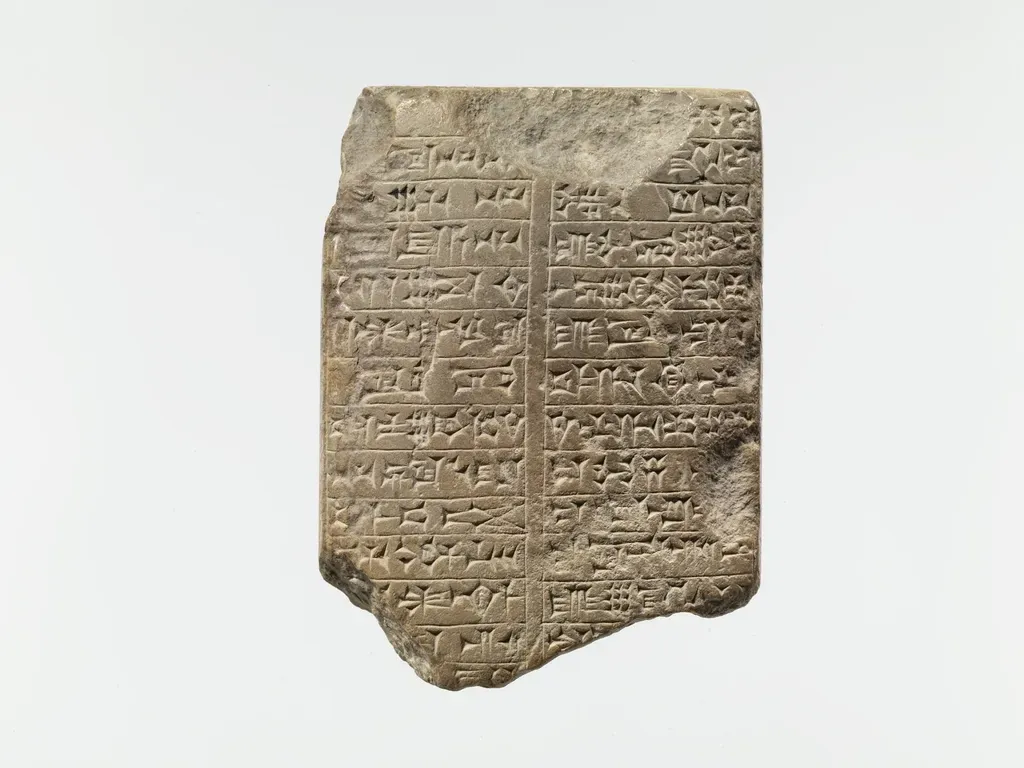
Cuneiform, one of the earliest known writing systems, often gets mentally filed under “prehistoric-ish” in school memories, as if it appeared and disappeared in one vague, distant blur. In reality, cuneiform was used for more than three thousand years, from early city-states in Mesopotamia all the way into the first centuries of the Common Era. That means that the final known cuneiform inscriptions were written closer in time to us than to the earliest clay tablets that started the tradition.
This staggering longevity makes cuneiform less like a quirky ancient experiment and more like a full-blown civilization backbone, as enduring as some major world languages today. Generations used it to record laws, trade, myths, astronomy, and everyday complaints. To me, this fact exposes how easily we compress massive spans of time into a single mental snapshot. Imagine a writing system born before the pyramids that is still being used while the Roman Empire exists: that is not a footnote, that is a whole universe of human continuity.
6. There were already “ancient” ruins for the ancient Romans
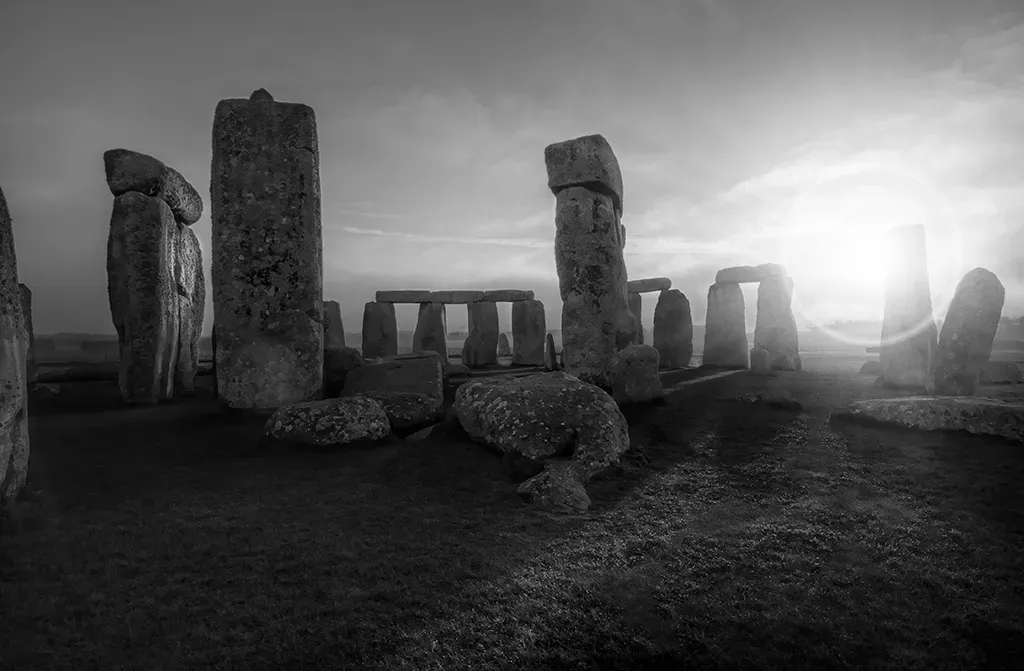
The Romans loved to walk among ruins that were already centuries or even millennia old, sometimes restoring them, sometimes stealing their stones, and sometimes rebranding them with their own stories. By the time of the late Republic and early Empire, Rome controlled territories dotted with temples, city mounds, and monuments that came from earlier cultures long vanished. To them, those places were as mysterious and chronologically distant as some Roman sites are to us now.
This breaks the illusion that only modern people have a sense of deep history. Ancient Romans could visit structures like the Egyptian pyramids or older temples and feel awe at their age, just as tourists do today. They wrote about older civilizations with a mix of respect, misunderstanding, and creative storytelling. I think this parallel is quietly comforting: we are not the first to stare at broken stones and wonder who built them or to project our own narratives onto the fragments left behind.
7. The “Bronze Age collapse” was a multi‑state disaster that feels eerily modern
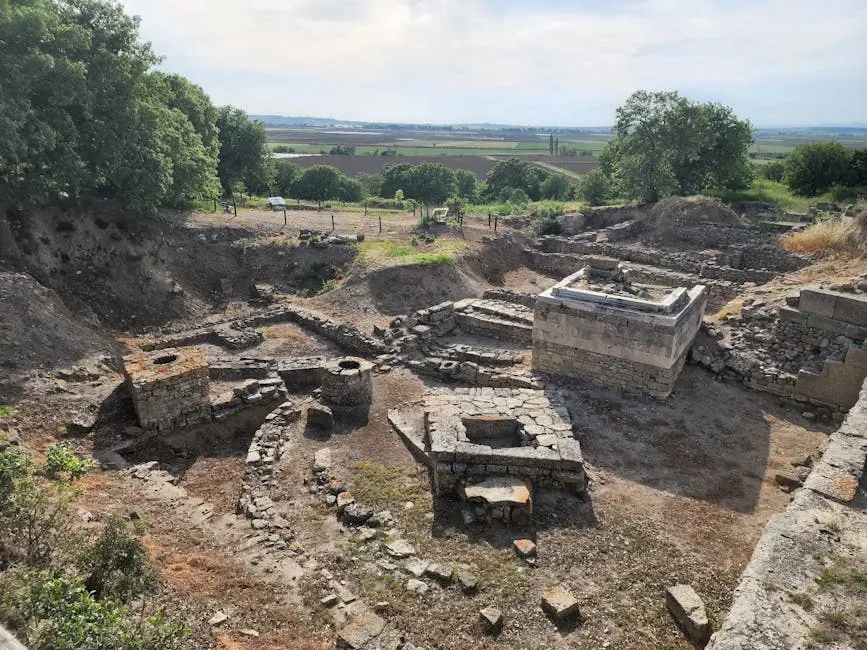
In the late second millennium BCE, a cluster of powerful civilizations around the eastern Mediterranean suddenly faltered or fell apart over a relatively short period. Major city-states burned, empires shrank or vanished, trade networks broke down, and writing systems disappeared from some regions for centuries. The reasons are still debated: climate shifts, droughts, internal rebellions, changes in warfare tech, and migrations all seem to have played a role. What is clear is that this was not one kingdom’s bad decade; it was a wide, interconnected crisis.
What feels impossible is how modern the pattern looks. You see overreliance on trade routes, brittle political alliances, environmental stress, and cascading failures when one region collapses and drags others down. No, it is not a copy‑paste of globalization today, but the echoes are uncomfortable. My own take is that this episode is a powerful warning against imagining ancient societies as simple or naive; they were complex enough to experience system-wide failure in ways that feel disturbingly familiar to a twenty‑first‑century reader.
Conclusion: Ancient history is stranger, longer, and more connected than we like to admit
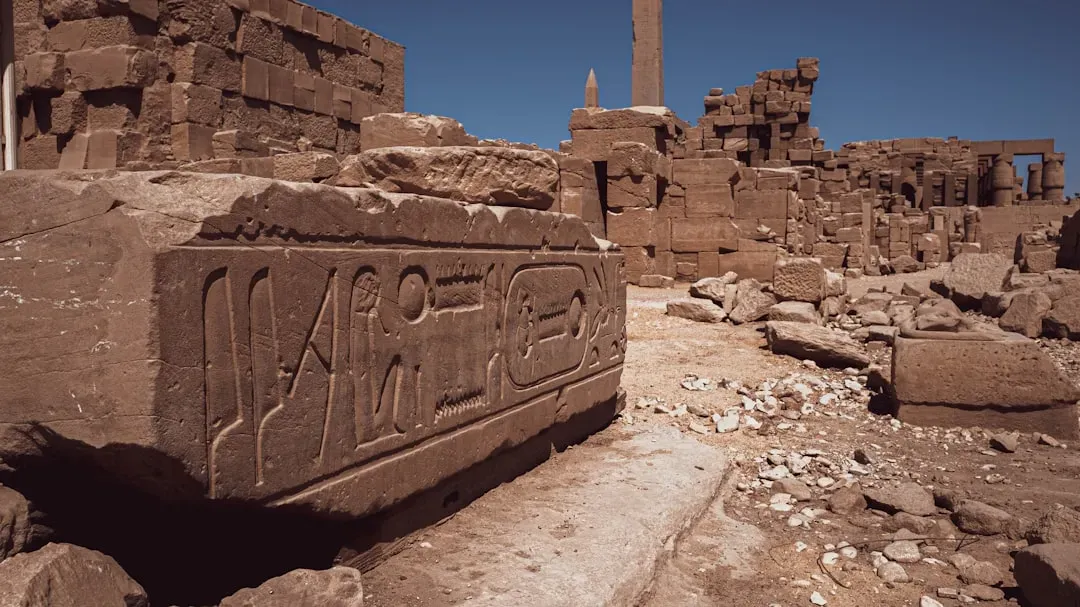
When you step back from these seven facts, a pattern emerges: our usual idea of the past is painfully compressed and totally biased toward neat, story-friendly milestones. We like to imagine clear breaks between “prehistoric,” “ancient,” and “modern,” but real history is full of overlaps. Ice age survivors walking the Earth during pyramid construction; beer brewing older than monumental stonework; writing systems that outlast entire empires and then some. None of this fits the clean timelines we grow up with, and that is exactly why it feels so impossible.
For me, the biggest shift is emotional rather than academic. These timelines make the past feel less like a distant museum and more like a messy, living continuum of experiments, failures, and long-running habits that we are still part of. They also quietly challenge our arrogance: if people thousands of years ago could build systems so complex they collapsed at a global scale, or sustain a script for over thirty centuries, what does that say about our own moment in time? Maybe the real question is not how strange their history was, but how strange ours will look to someone peering back from just as far ahead – what do you think they will find hardest to believe?