
Most people picture archaeologists as adventurers cracking whips through booby-trapped tombs, chasing gold like something out of a movie. The discoveries that actually rewired our understanding of humanity look nothing like that fantasy.
They turned up under farm fields, forgotten fortress walls, and sun-baked desert caves – dug up by people who had zero idea what they were about to unearth. A farmer chasing water during a drought. A soldier reinforcing a fort. A shepherd tossing rocks into a cave. In every one of these cases, a single accident was enough to send historians scrambling back to their bookshelves to tear up decades of accepted theory. Here’s what actually happened when ordinary people, not professional archaeologists, stumbled onto the seven finds that changed everything we thought we knew about our own species.
#7 – Pompeii: The City Frozen in a Single Afternoon
Most people think Pompeii is famous simply because it was buried by a volcano. That’s only half the story.
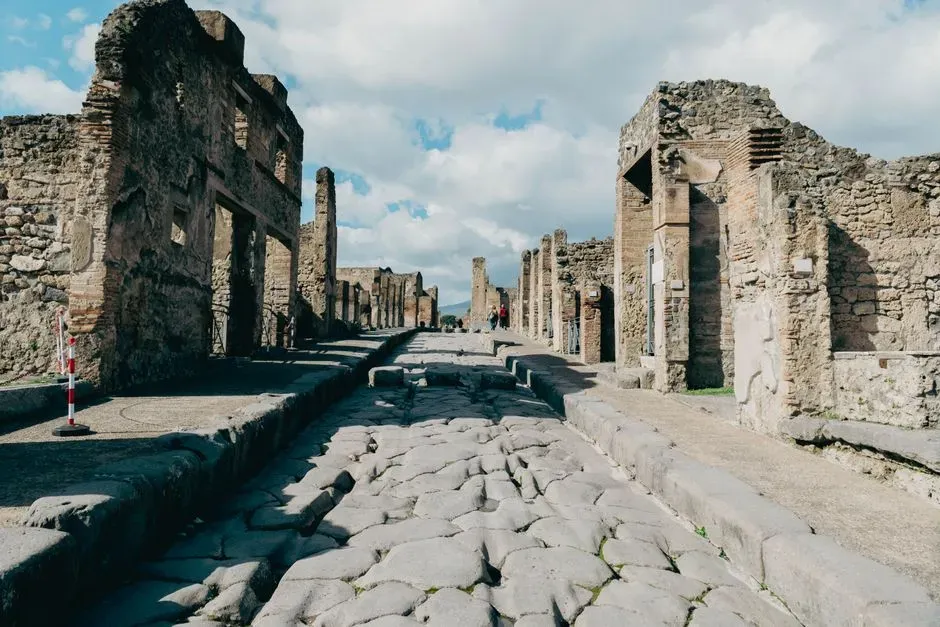
When Mount Vesuvius erupted in 79 AD, it didn’t just destroy the Roman city – it preserved it in almost photographic detail, down to loaves of bread still sitting in ovens and graffiti scratched onto tavern walls. Ash fell so fast and so thick that it sealed daily Roman life exactly as it existed at the moment of catastrophe, instead of leaving behind the scattered fragments historians usually have to piece together from scraps.
Fast Facts
- Traditionally dated to August 24, 79 AD, based on ancient eyewitness accounts
- An estimated 11,000 to 20,000 residents called Pompeii home before the eruption
- Ash and pumice buried the city under as much as 20 feet of debris
- Systematic excavation didn’t begin until 1748 – nearly 1,700 years later
That’s what makes Pompeii different from almost every other ancient site on Earth. Instead of imagining how ordinary Romans lived, archaeologists could walk through their actual homes, read their actual shopping lists, and study the plaster casts formed around the voids left by decomposed bodies. It turned Roman history from a subject of speculation into something closer to a crime scene investigation – one frozen in ash for nearly two thousand years.
#6 – The Dead Sea Scrolls: A 2,000-Year-Old Paper Trail
Most people assume ancient religious texts were passed down accurately, word for word, for thousands of years. The Dead Sea Scrolls proved that assumption was shaky at best.
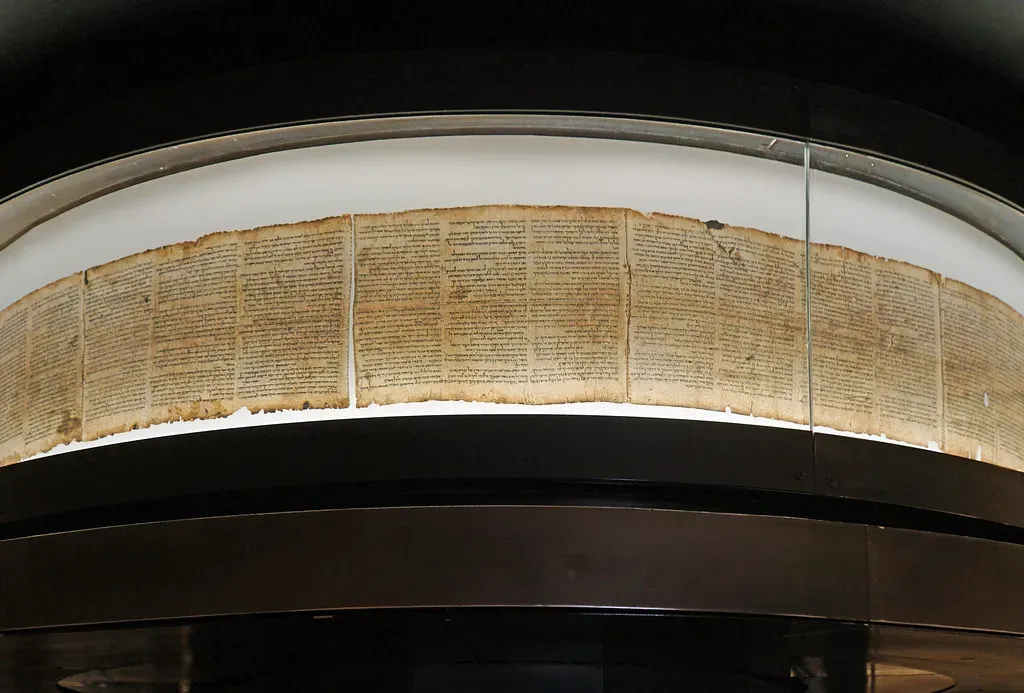
Discovered in caves near Qumran starting in the late 1940s, these fragile scroll fragments turned out to be over a thousand years older than any previously known biblical manuscripts. Suddenly, scholars had a way to directly compare ancient religious texts against later copies, checking for changes, additions, and edits made across centuries of hand-copying.
The scrolls didn’t just confirm history – they complicated it. Some passages matched later versions almost perfectly. Others didn’t match at all, revealing that religious texts evolved more than most believers had ever realized. That single discovery reshaped biblical scholarship, comparative religion, and how historians think about the reliability of ancient texts in general.
#5 – The Terracotta Army: An Emperor’s Silent Bodyguard
Most people think the Terracotta Army was discovered by professional archaeologists using careful excavation techniques. In reality, it was found by farmers just trying to survive a drought.
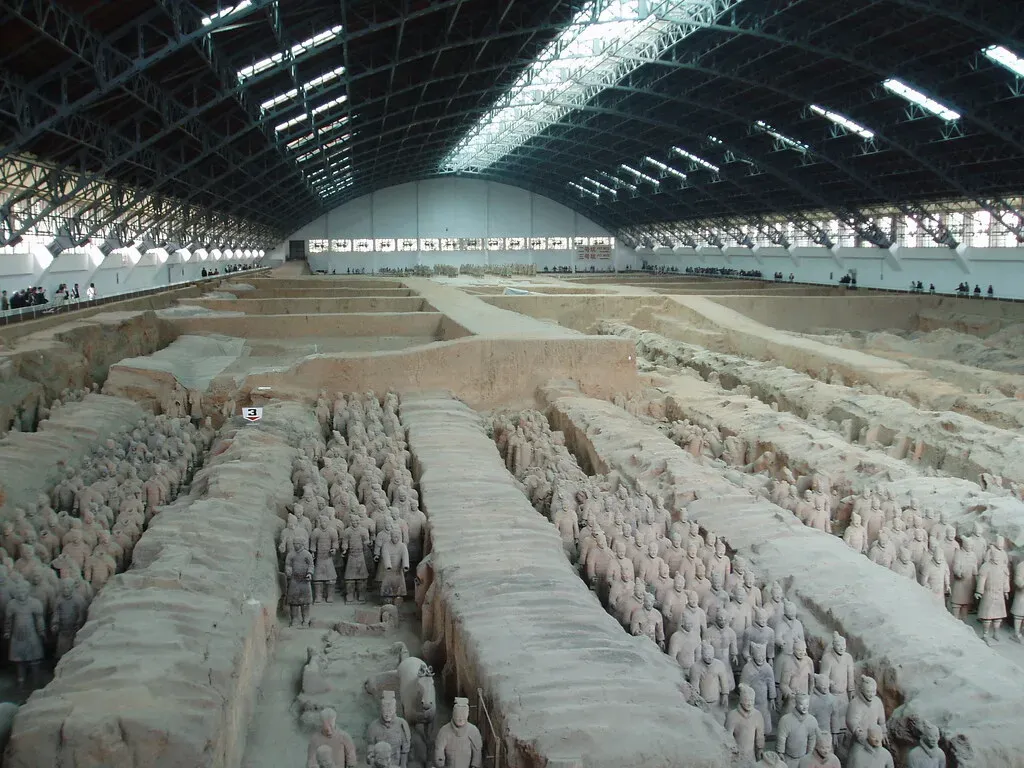
In March 1974, a peasant farmer and his brothers were digging for water in a field roughly 20 miles east of Xi’an when they hit what looked like statue fragments shaped like a warrior. Instead of a well, they’d stumbled onto a pit holding 6,000 life-size terracotta statues – one of the largest funerary complexes ever built, hiding in plain sight under a wheat field.
At a Glance
- Discovered: March 1974, near Xi’an, Shaanxi province, China
- Scale: three pits believed to hold over 8,000 soldiers, 130 chariots, and 670 horses
- Workforce: ancient records credit the mausoleum project to hundreds of thousands of conscripted laborers
- Detail: no two soldiers share the same sculpted face
Estimates now suggest the three pits containing the Terracotta Army held more than 8,000 soldiers, 130 chariots with 520 horses, and 150 cavalry horses, all guarding the tomb of Emperor Qin Shi Huang. Each soldier’s face was individually sculpted, meaning no two figures in the entire army are identical. The find transformed scholars’ understanding of Qin dynasty power, forced labor, and the sheer scale ancient China’s first emperor was willing to command just to protect himself in the afterlife.
#4 – Tutankhamun’s Tomb: The Boy King Who Wasn’t Supposed to Matter
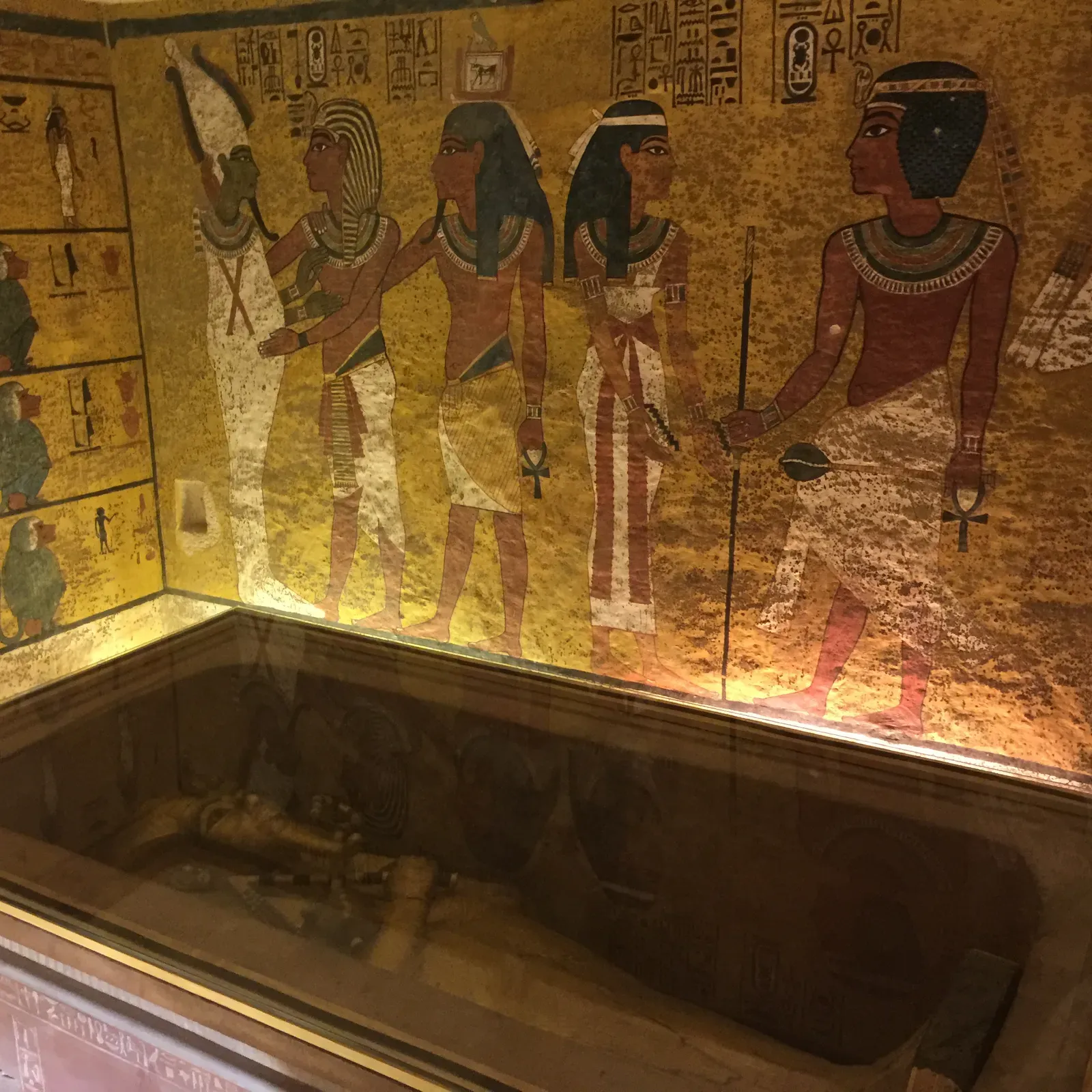
Most people assume King Tut was one of Egypt’s most important pharaohs. Historically, he was actually a minor, short-reigning ruler – and that’s exactly why his tomb survived.
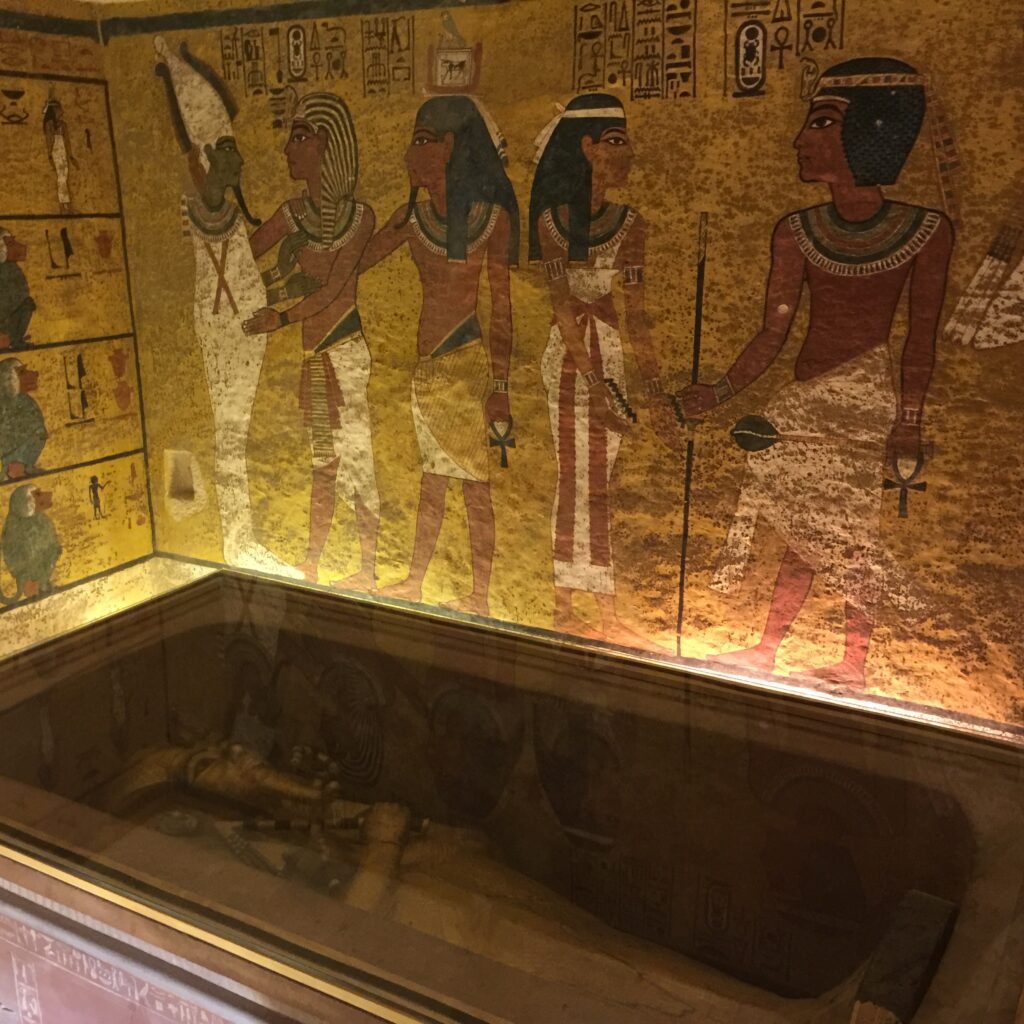
Because Tutankhamun wasn’t considered historically significant, grave robbers largely ignored his burial site for over 3,000 years, unlike the tombs of more famous pharaohs that were stripped bare in antiquity. When archaeologist Howard Carter finally broke through in 1922, he found the tomb almost entirely intact – gold masks, chariots, jewelry, and thousands of everyday objects meant to accompany a king into the afterlife.
Yes, wonderful things.
Howard Carter
That intact state is what made the discovery so revolutionary. Instead of fragments, historians suddenly had a complete snapshot of royal Egyptian burial practice, wealth, and religious belief. The “insignificant” king ended up teaching archaeologists more than the famous ones ever did. It became the gold standard against which every future Egyptian excavation would be measured.
#3 – The Rosetta Stone: The Key That Unlocked an Entire Civilization
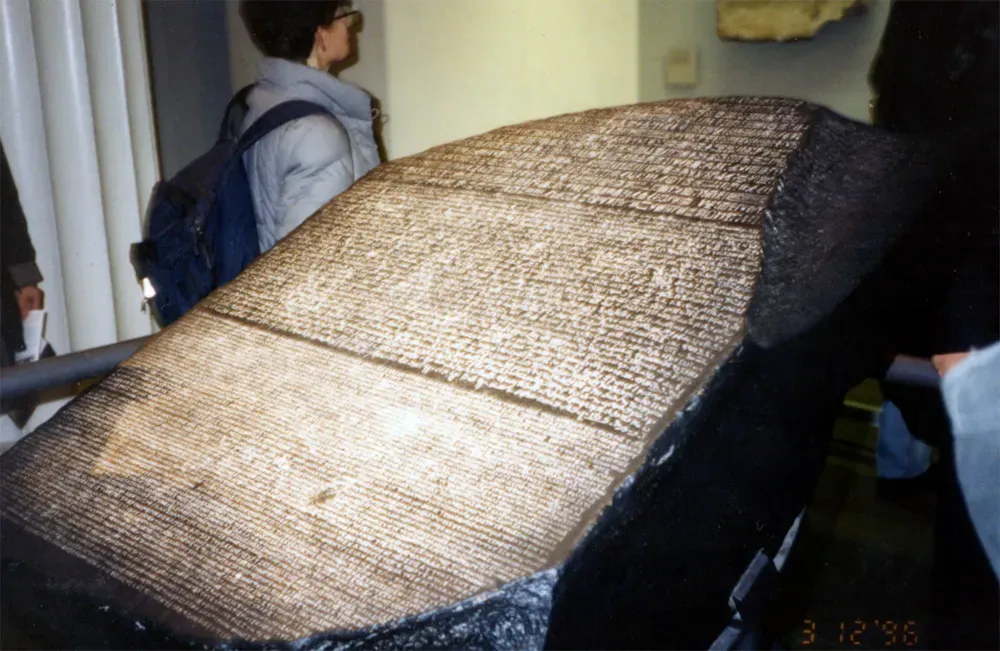
Most people don’t realize that before 1799, nobody on Earth could read ancient Egyptian hieroglyphics. Not scholars, not priests, nobody.
It was found near Rosetta in July 1799 by a French army officer during France’s invasion of Egypt, and it became the first ancient Egyptian bilingual text recovered in modern times. The stone carried the same decree written in three scripts – Greek, hieroglyphics, and demotic – giving scholars a direct way to compare a known language against an unknown one for the first time in nearly two thousand years.
Worth Knowing
- Found near the town of Rosetta by French officer Pierre-François Bouchard while his men reinforced a fort
- The inscription is a priestly decree honoring Ptolemy V, carved in 196 BC
- Same text appears in hieroglyphics, Demotic, and Greek on a single slab
- On public display at the British Museum since 1802, and still one of its most visited objects
Even with that advantage, cracking the code wasn’t quick. The first people to study the Rosetta Stone thought it would take two weeks to decipher; it ended up taking 20 years. It wasn’t fully solved until French scholar Jean-François Champollion announced his decipherment of Egyptian hieroglyphs on September 27, 1822. Once cracked, an entire civilization’s temple walls, tomb inscriptions, and religious texts suddenly became readable. A single broken slab reopened three thousand years of silent history.
#2 – Göbekli Tepe: The Temple That Broke the Timeline
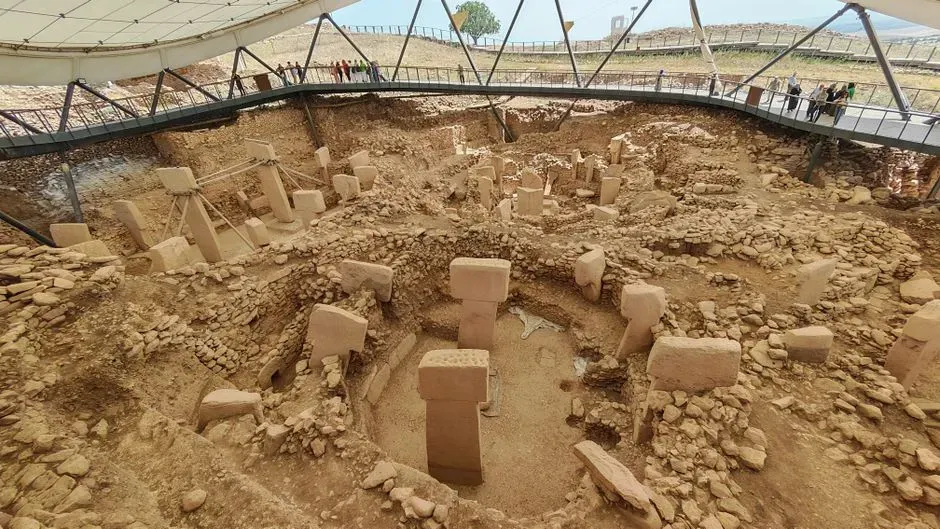
Most historians believed farming came first, and religion followed once humans settled down. Göbekli Tepe proved that theory backwards.
Discovered in southeastern Turkey in 1994, Göbekli Tepe is a complex of massive carved stone pillars built around 9600 BC – roughly 6,000 years before Stonehenge. The people who built it had no pottery, no metal tools, and no agriculture. That single fact upended decades of accepted archaeological theory almost overnight.
Why It Stands Out
- Site significance recognized by German archaeologist Klaus Schmidt in 1994, with excavations starting in 1995
- Built by hunter-gatherers who had no metal tools, pottery, or farming
- Only an estimated 5 to 10 percent of the site has been excavated so far
- Named a UNESCO World Heritage Site in 2018
Before Göbekli Tepe, the accepted story went agriculture first, then civilization, then monumental architecture. But Göbekli Tepe is monumental architecture built before agriculture, forcing a rethink of how complex societies actually develop. Hunter-gatherers who supposedly lacked the organization for large projects had somehow quarried, carved, and erected multi-ton limestone pillars. Some experts now argue that the drive to gather for shared ritual is what pushed humans toward farming and permanent settlements in the first place – not the other way around, a claim that still divides scholars today.
#1 – Lucy: The Skeleton That Rewrote the Human Story
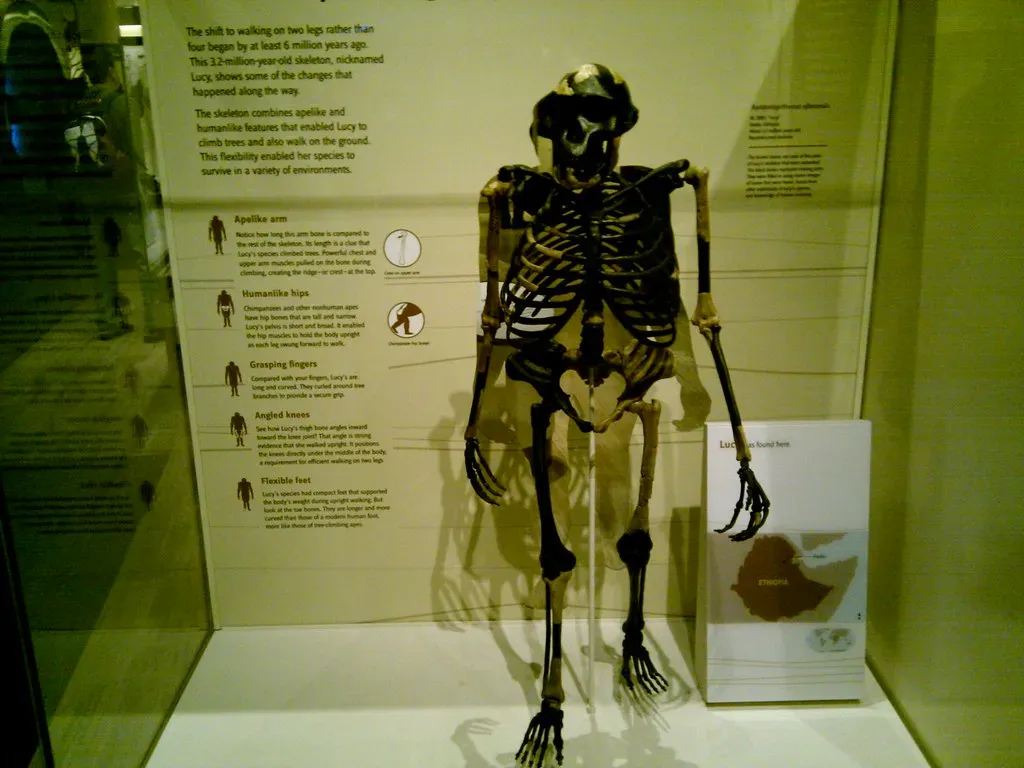
Most people assume big brains came first in human evolution, with upright walking following later. One 3.2-million-year-old skeleton proved that completely wrong.
Lucy’s story began to take shape in late November 1974 in Ethiopia, with the discovery of a small female hominin’s skeleton. Researchers recovered about 40% of her bones and later dated the fossils to roughly 3.2 million years old, making Lucy both the oldest and most complete early human ancestor known at the time. Small-bodied and small-brained, she nonetheless proved that our early human relatives habitually walked on two legs.
That detail mattered more than almost any other fossil find before it. The combination of an ape-like skull with an upright, bipedal walking gait supported the view that bipedalism preceded the increase in brain size, flipping a long-standing assumption about what actually made us human. A brain the size of a chimpanzee’s turned out to be irrelevant to walking upright. Lucy remains one of the most studied and referenced fossils in the entire science of human origins.
The Bottom Line
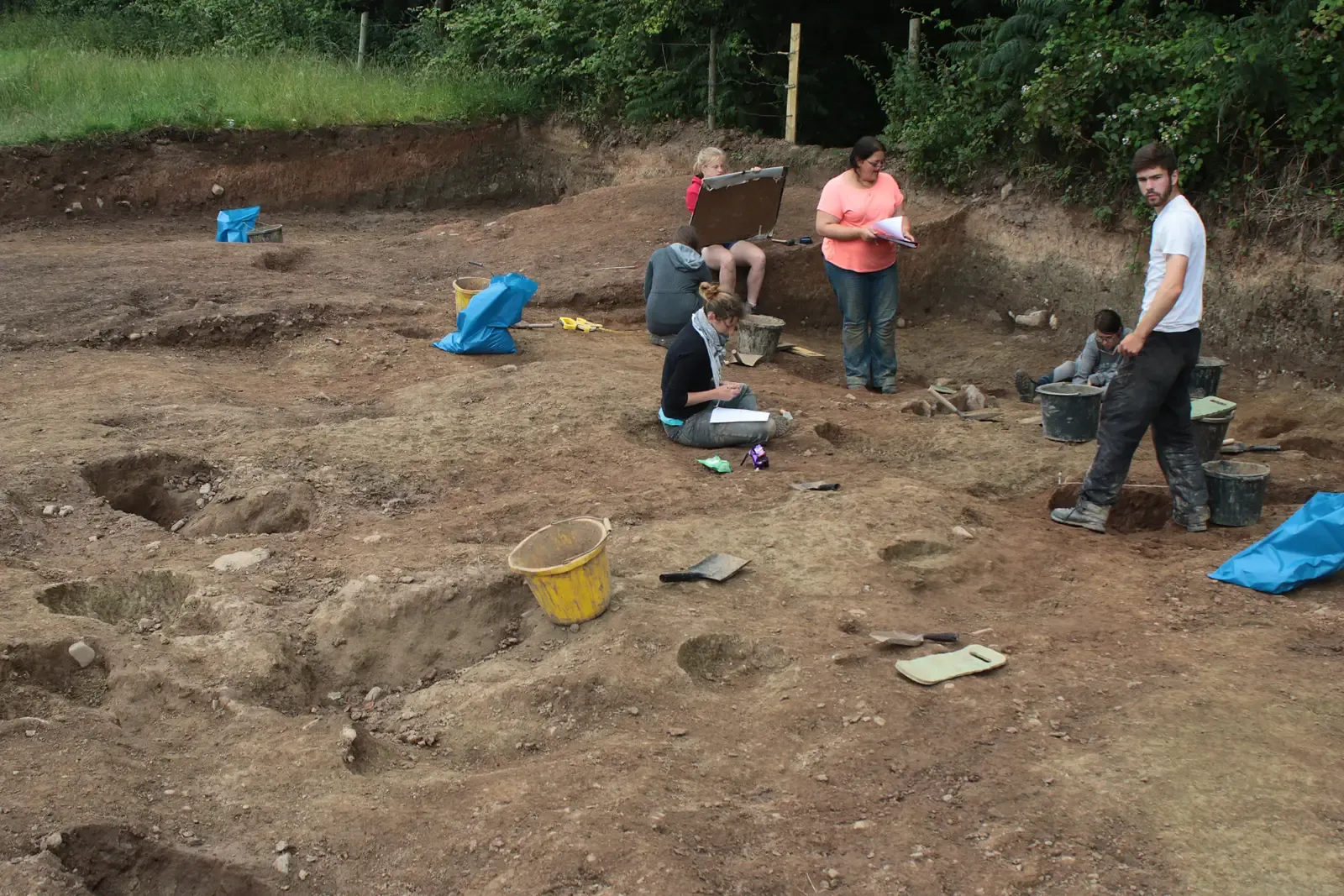
None of these discoveries came from careful, planned excavation of a known target. They were accidents, made by farmers, soldiers, and shepherds who had no idea what they’d just stumbled onto. That’s the uncomfortable truth historians rarely admit out loud: some of our biggest leaps in understanding came from pure dumb luck, not decades of academic planning.
If Lucy proves anything, it’s that walking upright mattered more to becoming human than having a big brain ever did. And if Göbekli Tepe proves anything, it’s that religion may have built civilization – not the other way around, like we all assumed. Which of these findings do you think deserves more credit than it gets? Drop your pick in the comments.