Imagine everything you thought you knew about dinosaurs suddenly turned upside down. For decades, textbooks painted these ancient creatures as sluggish, scaly reptiles destined for extinction. Scientists worked from assumptions passed down through generations, rarely questioning the established narrative.
Then came a series of discoveries that shattered those comfortable certainties. These weren’t minor adjustments to the fossil record. These were earth-shaking revelations that forced paleontologists to completely rethink what they believed about life millions of years ago. From fluffy predators to swimming giants, the past three decades have transformed our understanding in ways few could have predicted. Let’s explore the finds that made scientists say, “Wait, we had it all wrong.”
Feathers on the Fiercest Predators
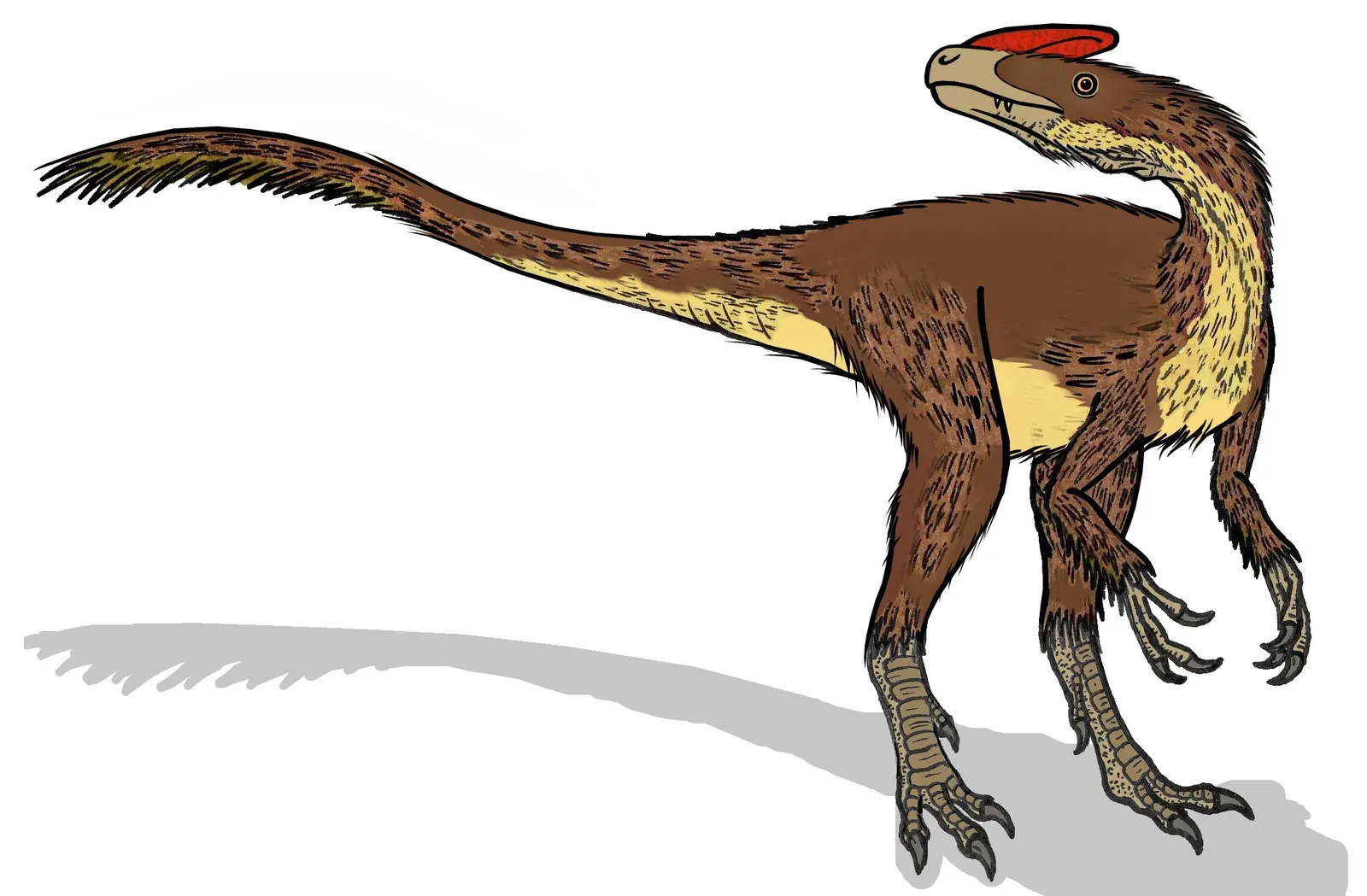
In the 1990s, perfectly preserved dinosaur fossils were discovered in China showing creatures once covered in feathers, a discovery that shook the world of dinosaur science. Think about that for a second. The terrifying T. rex you picture in your mind? It might have looked more like a massive, deadly chicken than a giant lizard.
In 1996, scientists in China unearthed Sinosauropteryx, the first feathered theropod that isn’t a direct relative of birds. This wasn’t just some small, bird-like creature either. The largest known feathered dinosaur, a tyrannosaur that lived 125 million years ago known as Yutyrannus huali, allowed scientists to infer that Tyrannosaurus rex must also have had feathers. The implications were staggering. For over a century, we’d been getting the look completely wrong.
Soft Tissue Surviving Millions of Years
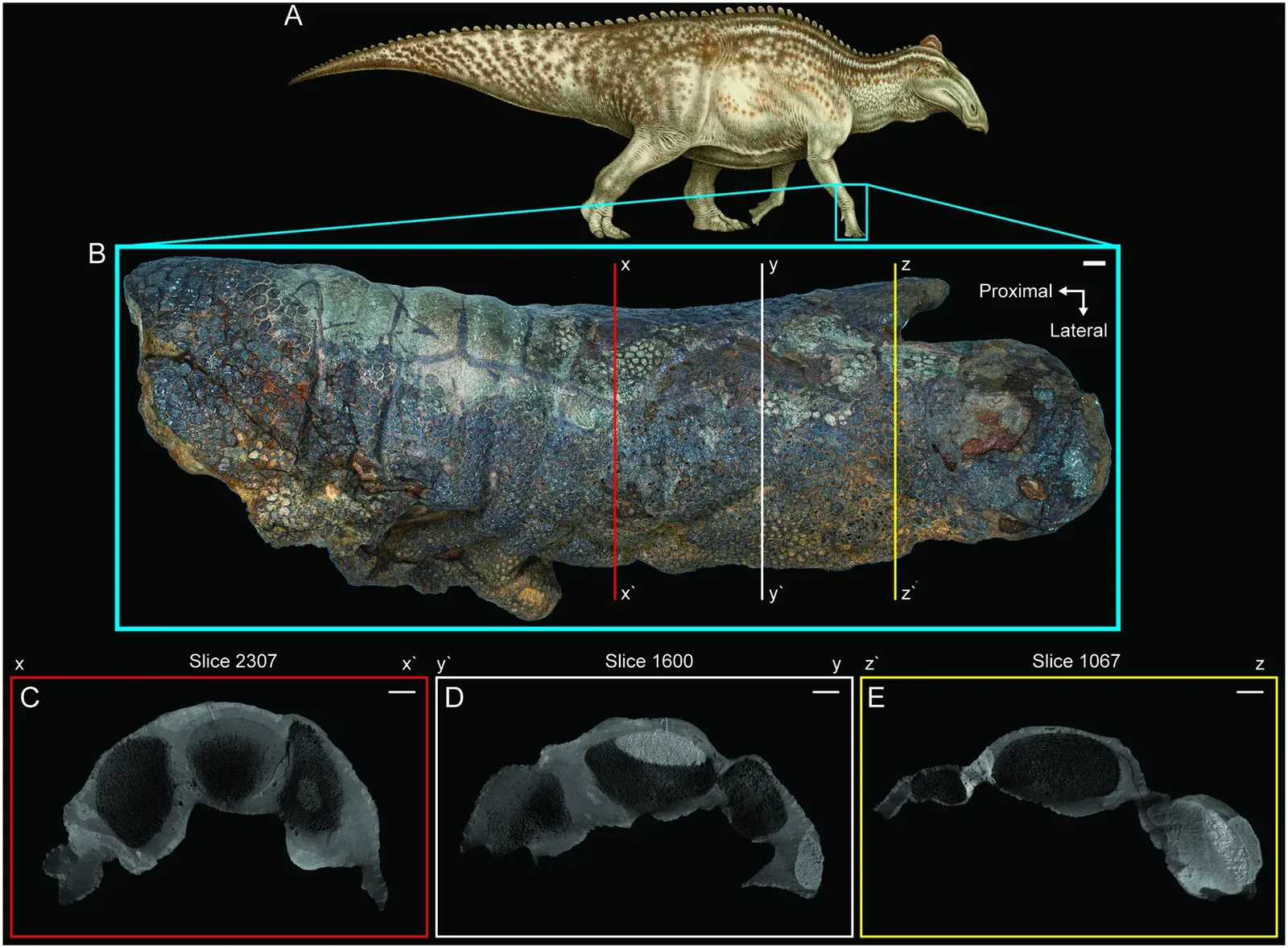
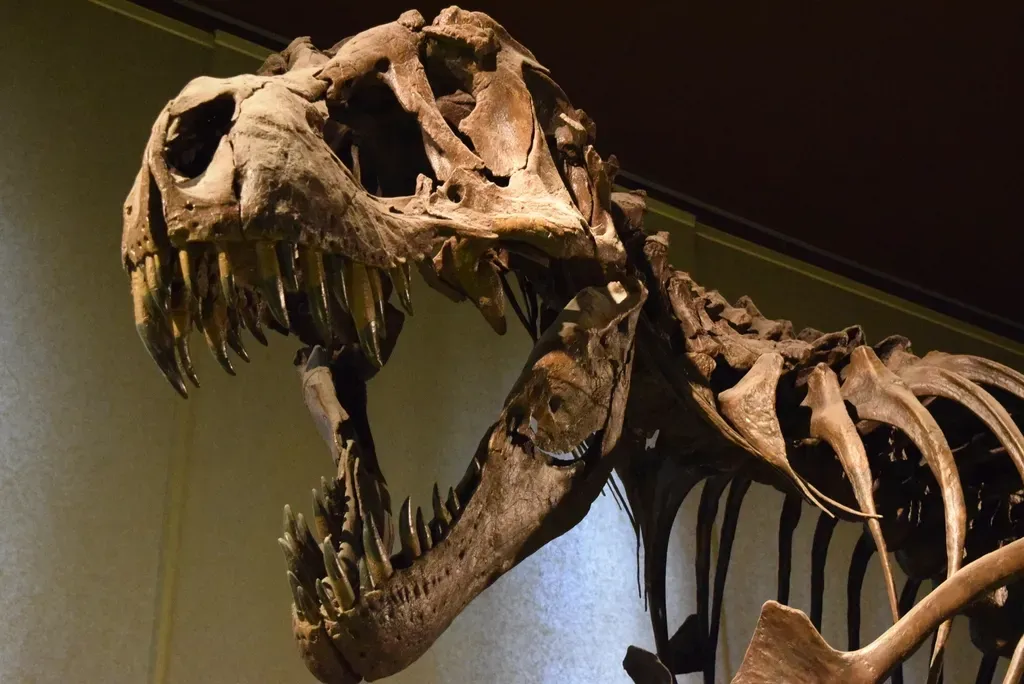
Here’s the thing about fossils: everyone assumed they were just rocks shaped like bones. All the organic material? Gone, replaced by minerals over eons. When researcher Mary Schweitzer announced she had discovered blood vessels and structures that looked like whole cells inside a T. rex bone, the finding amazed colleagues who had never imagined that even a trace of still-soft dinosaur tissue could survive.
The scientific community reacted with skepticism, even hostility. By all the rules of paleontology, such traces of life should have long since drained from the bones, and it’s a matter of faith among scientists that soft tissue can survive at most for a few tens of thousands of years, not the 65 million since T. rex walked Montana. Yet there it was under the microscope: flexible, translucent material that looked shockingly fresh. The researchers also analyzed other fossils for the presence of soft tissue and found it was present in about half of their samples going back to the Jurassic Period. Suddenly, fossils weren’t just stone records anymore.
The Asteroid Impact Theory Finally Vindicated
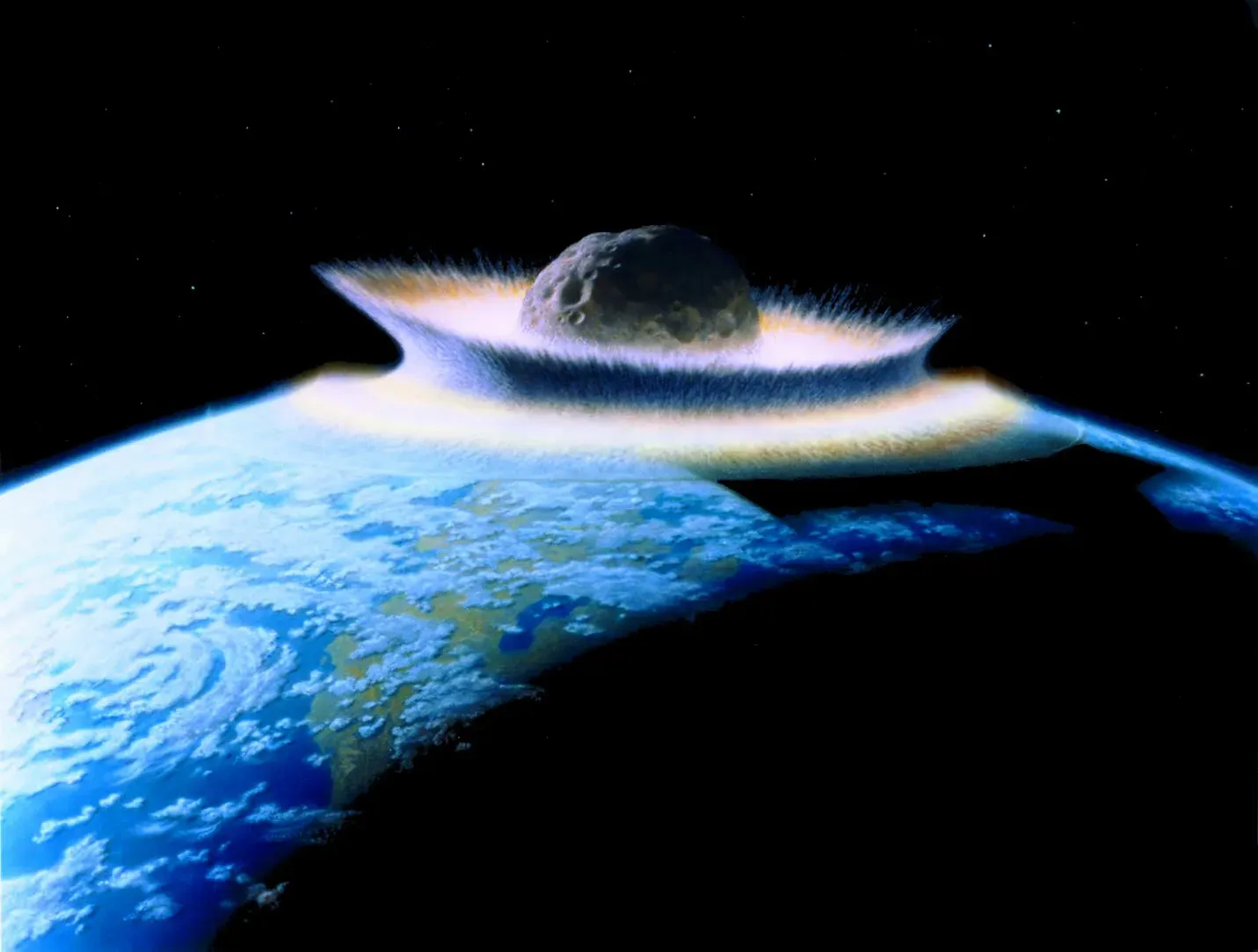
The Alvarez hypothesis posits that the mass extinction of non-avian dinosaurs was caused by the impact of a large asteroid on the Earth, first suggested by scientists Luis and Walter Alvarez in 1980. You’d think such a dramatic explanation would be immediately embraced, right? Wrong.
The theory faced fierce resistance for years. Debate regarding the cause of the extinction proved extremely controversial among researchers, with the intensity earning it the moniker of the “dinosaur wars,” where criticism was unusually harsh and verbal accusations threatened careers. Eventually, though, the evidence became overwhelming. In March 2010, an international panel of scientists endorsed the asteroid hypothesis, specifically the Chicxulub impact, after a team reviewed 20 years of scientific literature and ruled out other theories such as massive volcanism. What started as heresy became scientific consensus.
Dinosaurs Thrived Until the Very End
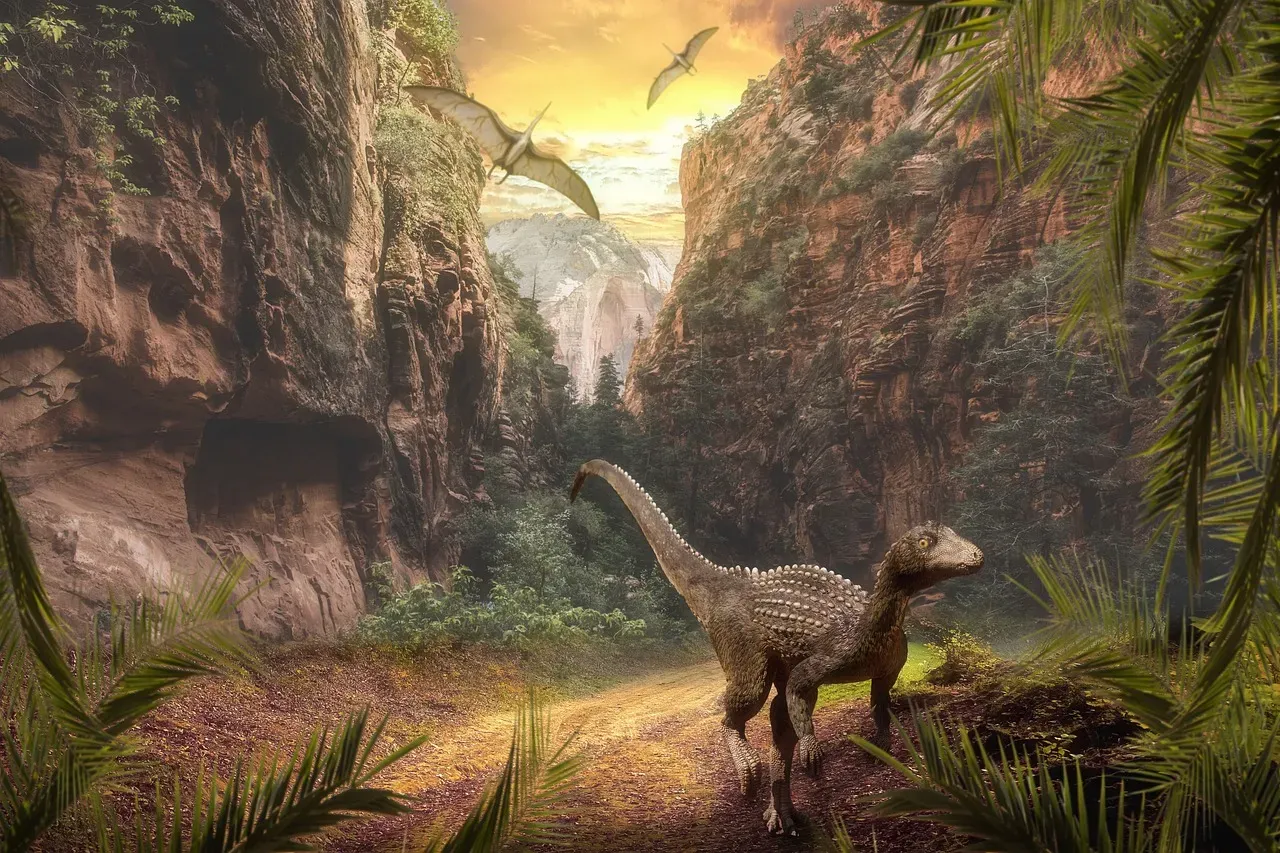
For years, some paleontologists argued that dinosaurs were already in decline before the asteroid hit. Maybe they were evolutionary failures, doomed regardless of that space rock? New research led by scientists at University College London challenges the idea that dinosaur species gradually declined before an asteroid wiped them out 66 million years ago.
New finds in New Mexico reveal a species-rich and diverse dinosaur ecosystem thriving literally just before the asteroid impact, suggesting the dinosaurs might have kept going if space hadn’t intervened. The fossil record showed fewer species near the end, but that turned out to be a preservation issue, not evidence of decline. Dinosaurs weren’t fading into obsolescence at all. They were doing just fine when catastrophe struck.
Spinosaurus: The Swimming Dinosaur
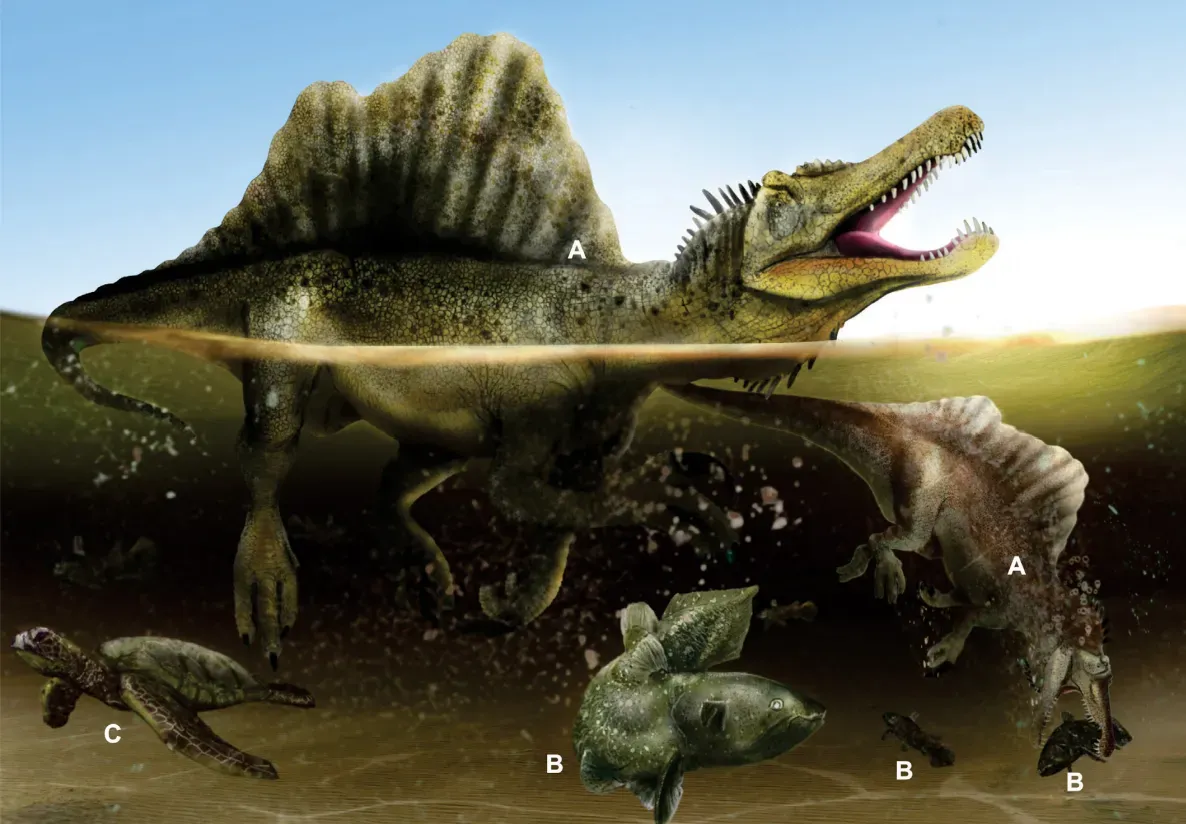
Every kid learns that dinosaurs ruled the land while other creatures dominated the seas. Except that comfortable division turned out to be false. Evidence from newly analyzed tail fossils shows there’s a strong case that Spinosaurus didn’t merely flirt with the shore but was capable of full-fledged aquatic movement, suggesting the giant spent plenty of time underwater, perhaps hunting prey like a massive crocodile.
This wasn’t subtle adaptation. The skeleton reveals clues that this was a water-loving dinosaur, but the tail really is the most important part because it’s absolutely huge and really does look like a giant paddle. Imagine a predator longer than a school bus, with a massive sail on its back, diving through ancient rivers hunting car-sized fish. For a long time, the very idea seemed impossible. Scientists believed dinosaurs didn’t invade aquatic habitats, making Spinosaurus the first example of a water-loving dinosaur that opens a whole new window of ecological opportunities.
Nanotyrannus Vindicated as Its Own Species
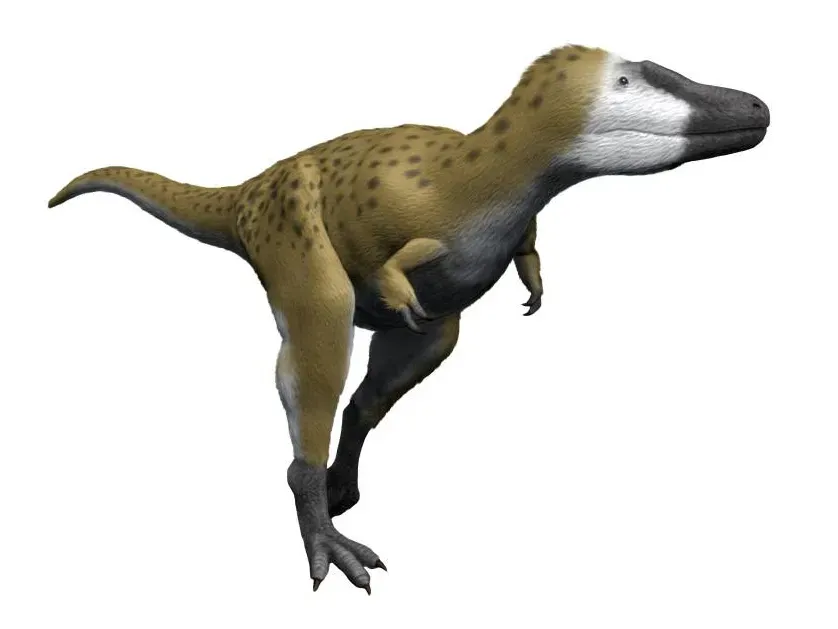
The finds may at last settle one of paleontology’s longest-standing debates, sparked by an enigmatic fossil skull unearthed in the 1940s: some said it was a new species called Nanotyrannus lancensis, and others said it was a young T. rex. For decades, this controversy raged, with reputations on the line.
One team analyzed the limbs of a small tyrannosaur in the famous Dueling Dinosaurs fossil while another looked at growth patterns in throat bones found with the original skull, and both teams came to the same conclusion: these specimens were full-grown adult Nanotyrannus lancensis that lived around 67 million years ago, alongside T. rex. It’s hard to say for sure, but picture this: two different tyrannosaur species, one massive and one relatively diminutive, prowling the same ancient landscape. The smaller one wasn’t a teenager. It was a completely separate predator with its own evolutionary story.
Cold-Blooded Assumption Overturned
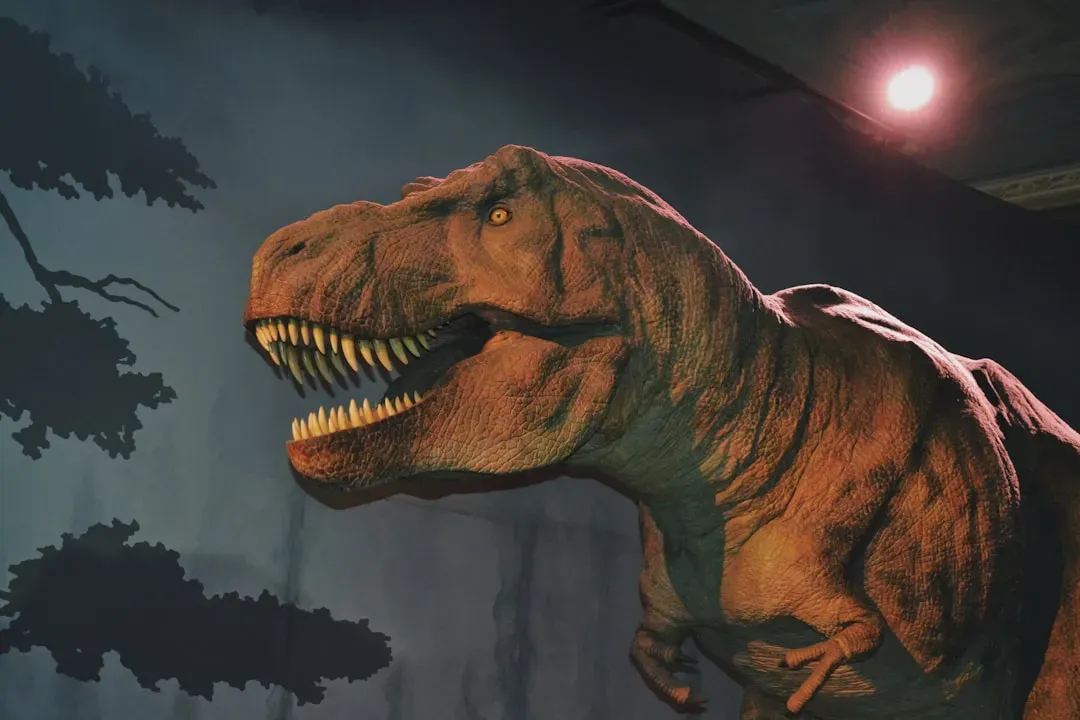
For a long time, scientists believed dinosaurs were cold-blooded, reasoning that these prehistoric animals regulated their body temperature much like lizards and snakes, until this all changed in the 1970s when new evidence suggested that dinosaurs were, in fact, warm-blooded. The shift represented a fundamental reimagining of dinosaur biology.
Warm-blooded creatures need dramatically more food than cold-blooded ones. They’re active, energetic, capable of sustained movement regardless of outside temperature. Rather than changing their body temperature in different environments, dinosaurs had a temperature higher than that of their environment. This wasn’t just about metabolism. It changed how we understood their behavior, their ecology, even how they raised their young. Some scientists now argue the truth lies somewhere in between, but the old assumption of sluggish, reptilian dinosaurs? That’s dead and buried.
Conclusion
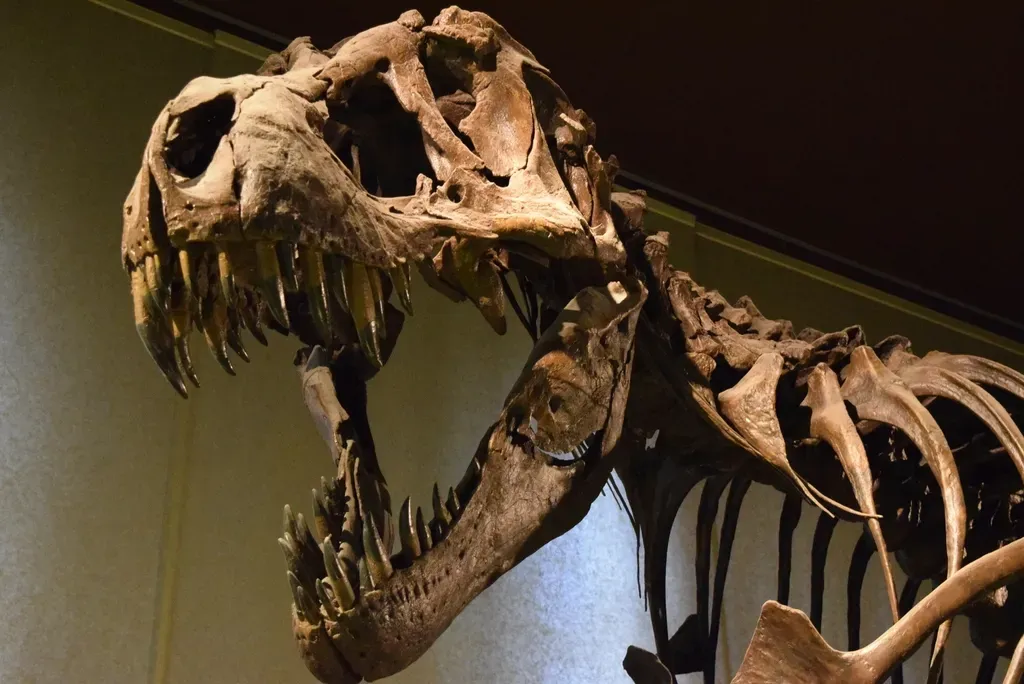
Each of these discoveries didn’t just add information to what we knew. They fundamentally challenged assumptions scientists had held for generations. The feathered dinosaurs, the preserved soft tissue, the swimming predators – these findings forced researchers to question everything they thought they understood about deep time and ancient life.
It’s a reminder that science isn’t a collection of fixed facts but an ongoing conversation with the past. Every fossil tells a story, and sometimes those stories contradict the narrative we’ve been telling ourselves. The dinosaurs were stranger, more diverse, and more fascinating than anyone imagined. What else are we still getting wrong? What other surprises are hiding in the rocks, waiting for someone brave enough to question the established wisdom? Which of these revelations shocked you the most?