Have you ever wondered how much we really know about the creatures that once dominated our planet? The story of dinosaurs isn’t finished. It’s being rewritten right now, in labs and excavation sites across the world.
Every new fossil that emerges from ancient rock formations challenges what we thought we knew about these magnificent beasts. The pace of discovery has become breathtaking. Nearly one new dinosaur species per week was discovered in 2025, transforming our understanding of prehistoric life at an unprecedented rate. These aren’t just minor footnotes in paleontology textbooks. Some findings completely upend decades of accepted wisdom about how dinosaurs lived, evolved, and spread across the globe.
The Tiny Fossil That Changed Everything About Dinosaur Origins
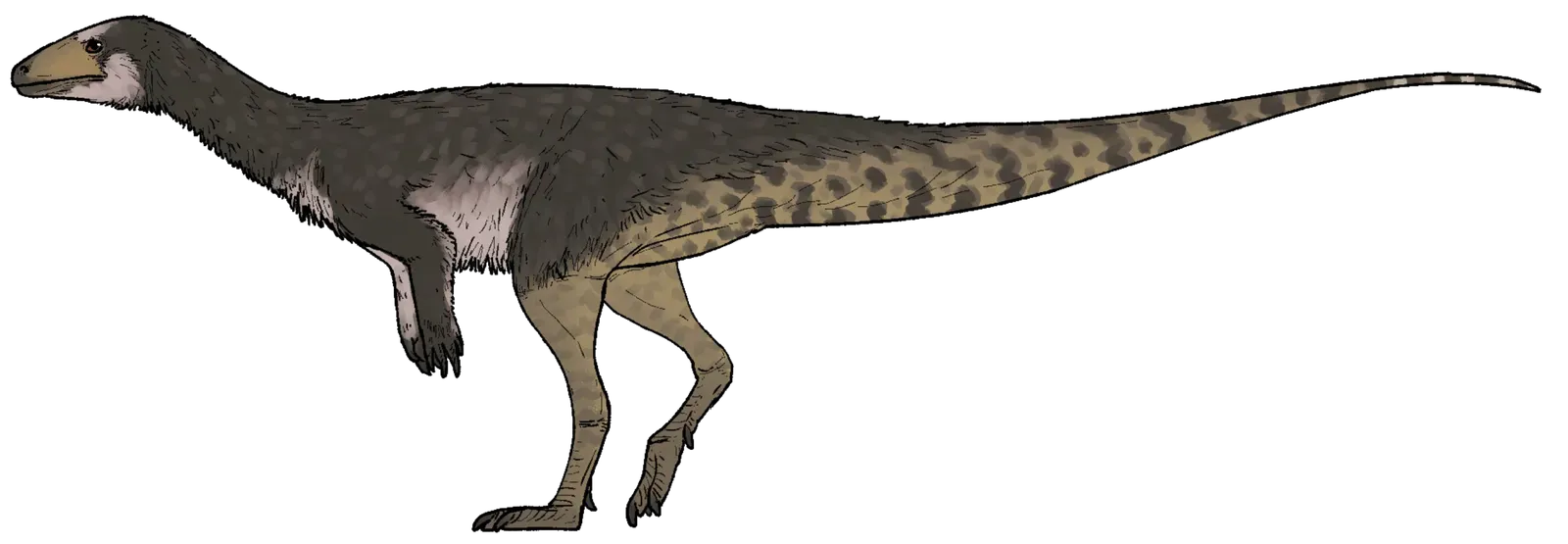
A few fossil fragments of a tiny chicken-sized creature discovered in Wyoming have shaken our understanding of global dinosaur history, as this 230-million-year-old fossil is now the oldest-known dinosaur from Laurasia. The researchers identified the fossils as belonging to a new dinosaur species: Ahvaytum bahndooiveche. For decades, scientists believed dinosaurs originated exclusively in the southern supercontinent Gondwana before eventually migrating north millions of years later.
This discovery flipped that timeline on its head. Gondwanan dinosaur faunas and the oldest known dinosaur occurrence in the northern hemisphere were thought to be separated by 6 to 10 million years, however, the newly-described Laurasian species lived at the same time as the oldest known southern dinosaurs. What makes this even more remarkable is the cultural dimension of the find. Members of the Eastern Shoshone Tribe, whose ancestral lands include the site where these fossils were found, were involved in conducting the field work and in choosing the species’ name. Honestly, this sets a new standard for how paleontology can honor Indigenous communities while advancing scientific knowledge.
Nanotyrannus Rises From the Shadows
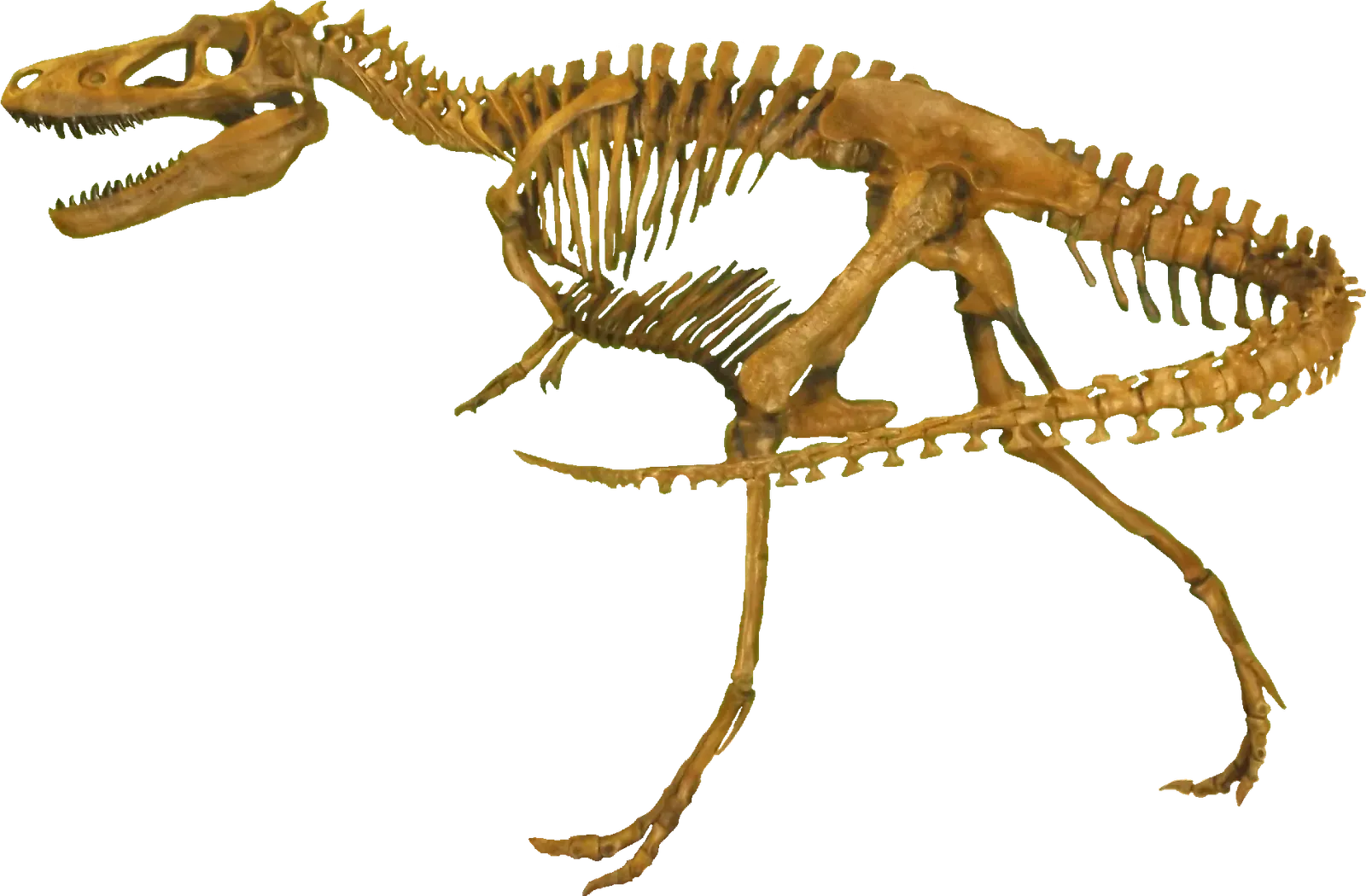
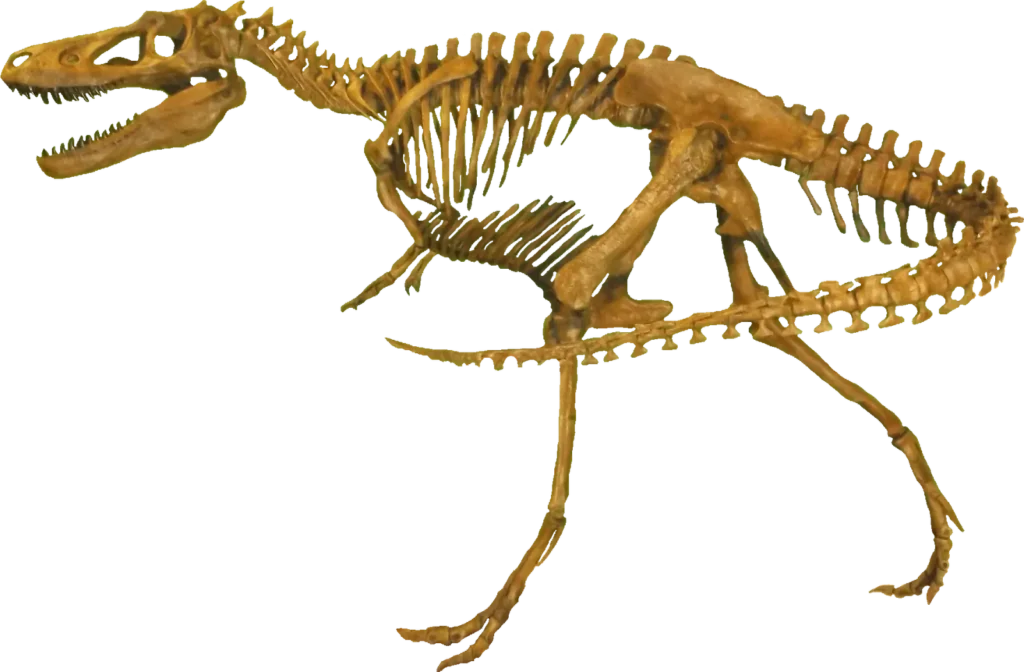
The Dueling Dinosaurs fossil contains a small-bodied tyrannosaur now confirmed to be a fully grown Nanotyrannus lancensis, not a teenage T. rex as many scientists once believed. This might sound like an obscure academic squabble over labels. It’s not. The implications are absolutely massive for how we understand the late Cretaceous world.
Using growth rings, spinal fusion data and developmental anatomy, researchers demonstrated that the specimen was around 20 years old and physically mature when it died, with skeletal features including larger forelimbs, more teeth, fewer tail vertebrae, and distinct skull nerve patterns that are biologically incompatible with T. rex. Let’s be real here, this changes everything. For decades, paleontologists have used Nanotyrannus fossils to study T. rex growth and behavior, but this new evidence shows those studies were based on two entirely different animals. Confirmation of the validity of Nanotyrannus means that predator diversity in the last million years of the Cretaceous was much higher than previously thought. The ecosystem was far more complex and competitive than we imagined.
The Dome-Headed Dinosaur From Mongolia’s Ancient Sands
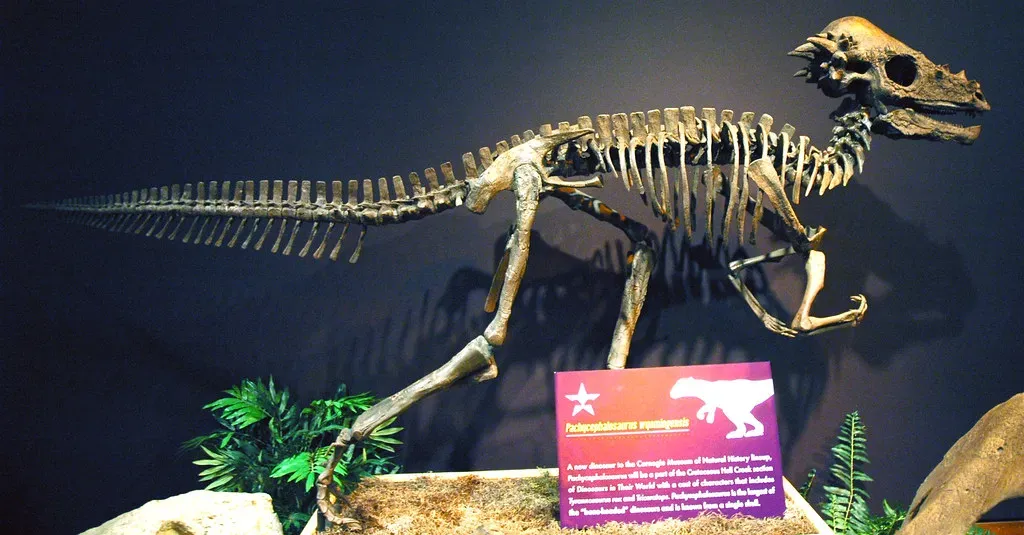
Mongolia’s Gobi Desert has yielded countless treasures, but few as significant as this one. A newly discovered fossil in Mongolia’s Gobi Desert has revealed the oldest and most complete pachycephalosaur ever found, named Zavacephale rinpoche, dating back 108 million years and pushing the group’s fossil record back by 15 million years. Pachycephalosaurs are those famously odd dinosaurs with thick, domed skulls that paleontologists have long believed were used for headbutting competitions.
Here’s the thing though: most pachycephalosaur fossils are just fragmentary skull pieces, making it nearly impossible to understand their growth patterns or distinguish between species. Z. rinpoche fills in huge gaps in the pachycephalosaur timeline, both in terms of when they lived and how they grew. The specimen includes not just the skull but stomach stones and an articulated tail with preserved tendons. The newly recovered materials reshape our understanding of the paleobiology, locomotion, and body plan of these mysterious dinosaurs. It’s hard to say for sure, but this juvenile specimen might finally help settle debates about whether different-looking skulls represent separate species or just different growth stages.
Sauropods Had Colorful, Complex Skin Patterns
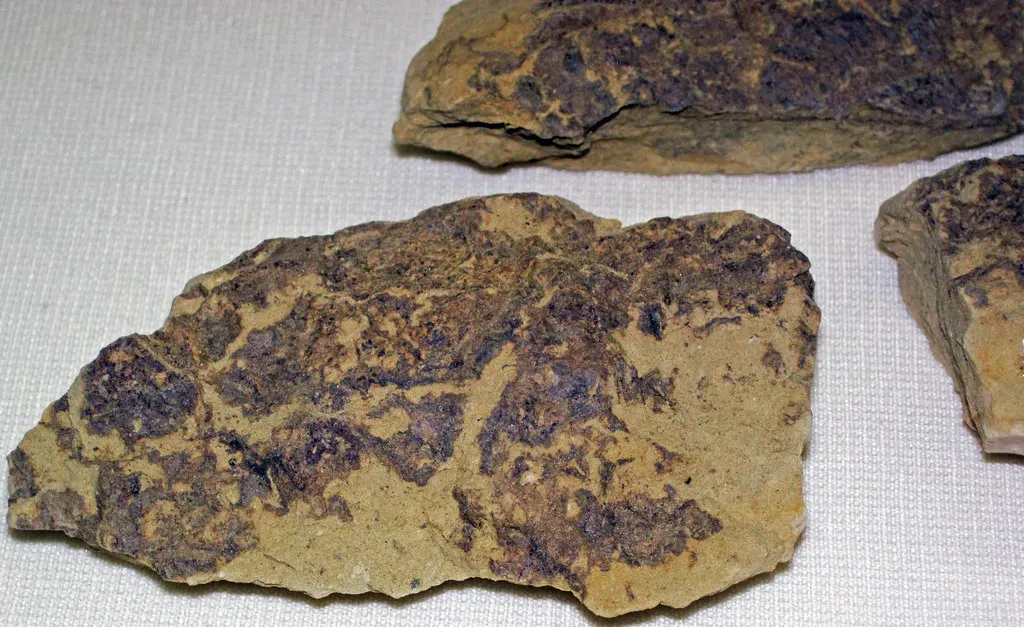
We’ve always pictured long-necked sauropods as gray or brownish giants lumbering through Jurassic landscapes. That mental image just got a major upgrade. From the Jurassic rocks of Montana’s Mother’s Day Quarry, paleontologists uncovered fossils of sauropod skin so delicately preserved that they include impressions of pigment-carrying structures called melanosomes, described in December in Royal Society Open Science.
While researchers were reluctant to fully reconstruct the color of the juvenile Diplodocus the skin came from, they detected that the dinosaur would have had conspicuous patterns across its scales, suggesting sauropod dinosaurs were not uniformly gray or brown, but had complex color patterns like other dinosaurs, birds and reptiles. Think about that for a moment. These animals weren’t dull and monochromatic. They likely displayed vibrant patterns, possibly for communication, camouflage, or attracting mates. The microscopic structures preserved in roughly 150-million-year-old skin are opening windows into aspects of dinosaur life we never thought we could access.
The Sail-Backed Dinosaur of the Isle of Wight
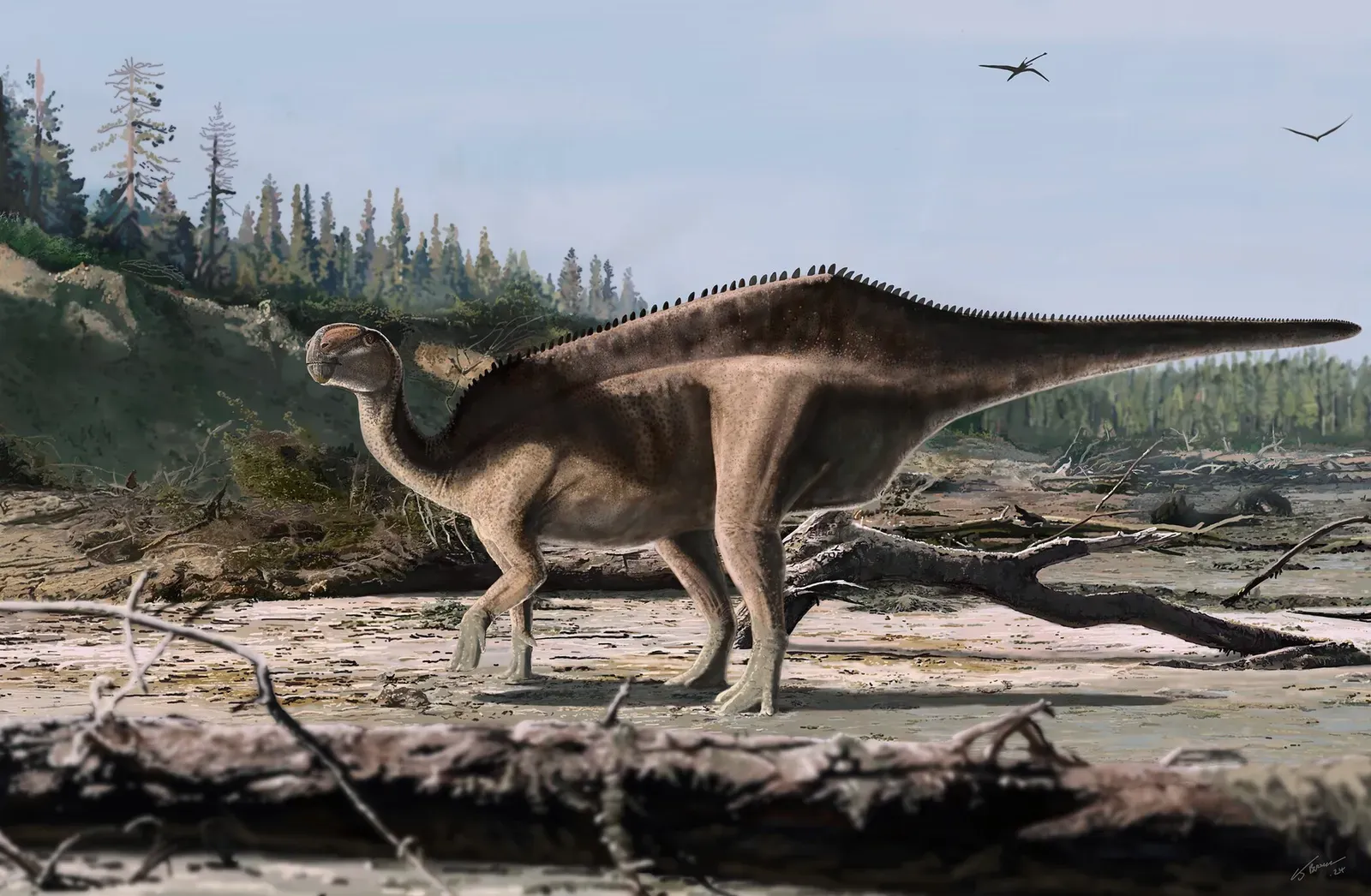
The 6-meter-long herbivorous ornithopod Istiorachis has a striking sail-like structure running along its back, which may have been a display structure used to attract mates and to deter predators by making this 128-million-year-old animal look bigger. The discovery came from the Isle of Wight, an island off England’s south coast that has been producing dinosaur fossils for nearly two centuries.
What makes this finding particularly intriguing is who made it. Jeremy Lockwood, a retired doctor turned dinosaur expert, has since 2021 named three new species of large ornithopods. Sometimes the most groundbreaking work comes from unexpected places, from people who bring fresh perspectives to old problems. The sail structure on Istiorachis is genuinely bizarre, unlike anything else found in its relatives. It demonstrates that even in well-studied regions, major surprises still lurk in the rocks.
Early Sauropods Started Growing Long Necks Earlier Than We Thought
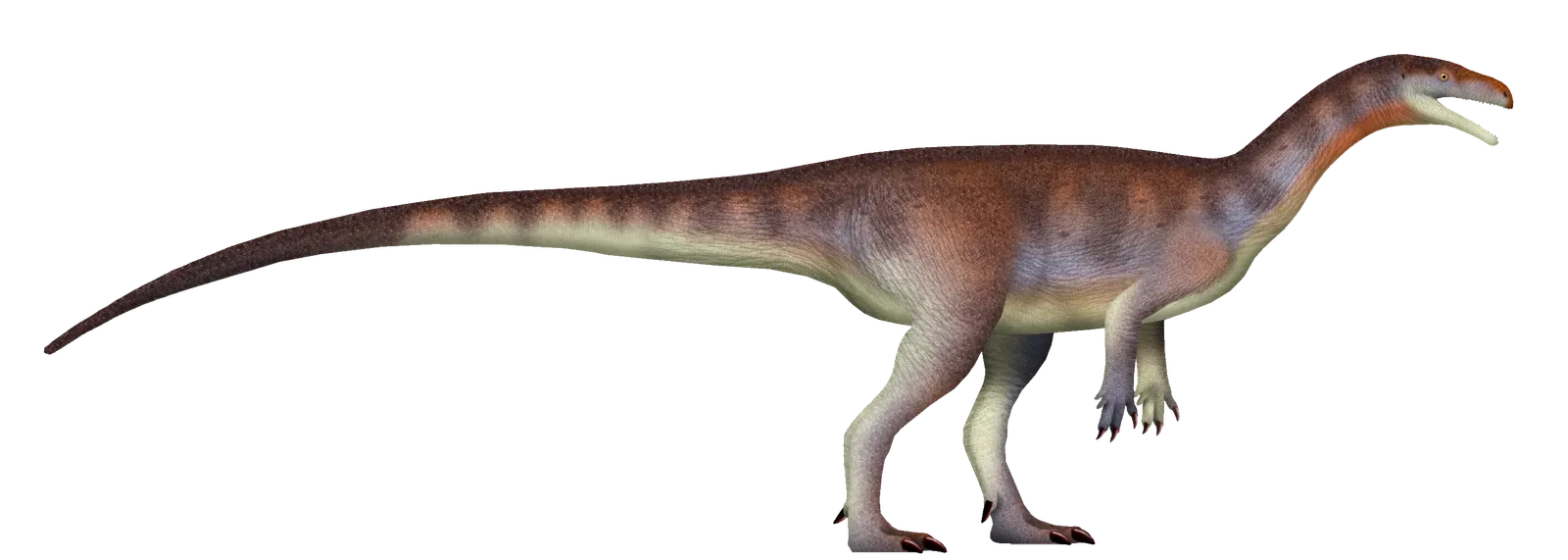
The 2-meter-long Huayracursor was described from 228-million-year-old rocks in the Andes, making it one of the oldest known sauropod ancestors, and it has a much longer neck than other species from the dawn of dinosaur evolution, revealing the earliest stages in the evolution of the extreme neck elongation seen in later sauropods. This might seem like a subtle detail, but it fundamentally changes how we understand the evolution of the most massive land animals that ever existed.
Sauropods eventually became true giants, with necks extending dozens of feet to reach treetop vegetation. Scientists have long debated when and how this extraordinary adaptation began. Huayracursor shows that neck elongation started very early in sauropod evolution, not as a later specialization. The fossil comes from Argentina’s Triassic rocks, a region that continues to be a goldmine for understanding dinosaur origins. It’s honestly amazing how a relatively small, early dinosaur can illuminate the path toward creatures that would eventually weigh as much as ten elephants.
The Armored Dinosaur With Spikes Growing From Its Ribs
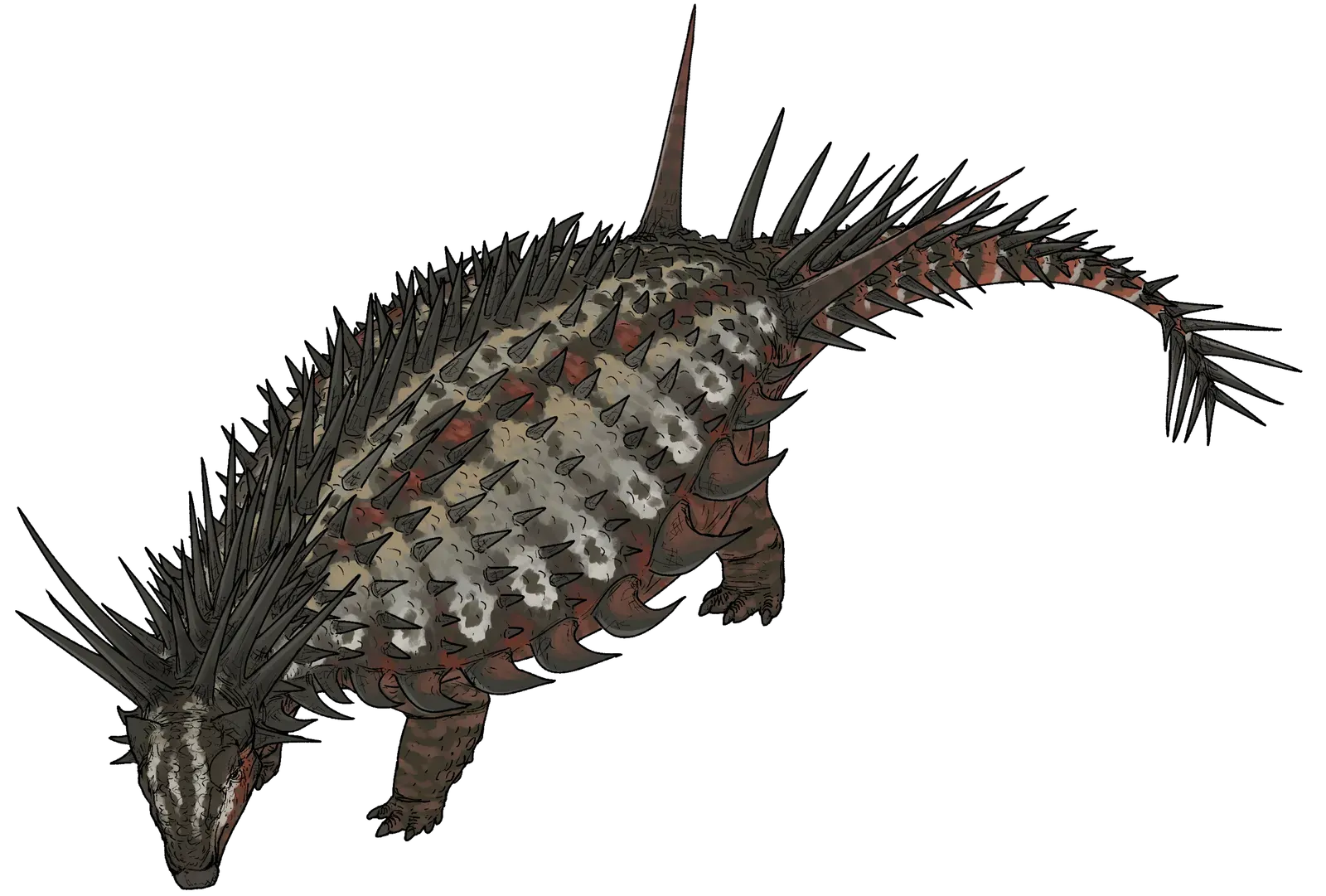
The 165-million-year-old Spicomellus afer belongs to a group of dinosaurs called the ankylosaurs, four-legged dinosaurs covered from their head to the end of their tail in body armor that is embedded in the skin. Already strange enough, right? Here’s where it gets truly bizarre. It has really small spikes that are actually fused to its ribs, meaning that some of the shorter spikes, ones that are 4 to 7 inches long, are growing from the inside out.
A team worked to dig up the specimen in the Atlas Mountains of North Africa, and it has spikes more than three feet long. The armored dinosaur was more than 165 million years old and yet had large spikes and a tail club normally associated with ankylosaurs that lived tens of millions of years later, demonstrating that ankylosaurs evolved extremely spiky armor very early in their history. This discovery completely rewrites the evolutionary timeline for ankylosaur defenses. Features we thought appeared gradually over millions of years were actually present almost from the beginning, then lost or modified, only to reappear later in a striking case of evolutionary convergence.
Conclusion
These seven discoveries represent far more than new names in scientific journals. They fundamentally challenge how we understand dinosaur evolution, distribution, appearance, and behavior. From the tiniest chicken-sized early dinosaur in Wyoming to the spectacular sail-backed ornithopod of England, each finding forces us to reconsider assumptions we thought were settled.
For 140 million years of the Mesozoic period, pretty much every animal larger than a meter in size that lived on land was a dinosaur occupying pretty much every ecological niche, yet we’ve probably found less than 1% of all the dinosaurs that ever lived. That means there are countless more revelations waiting beneath our feet, in remote deserts, eroding cliffs, and even beneath parking lots. The story of dinosaurs isn’t finished being written. It’s being actively rewritten with every shovelful of earth, every microscopic analysis, every fossil that sees sunlight for the first time in millions of years.
What other long-held beliefs about prehistoric life will crumble in the face of new evidence? We can only wait and wonder.