Ever wonder how much we really know about creatures that walked the Earth millions of years ago? You’d be surprised how many times scientists had to tear up everything they thought they knew and start fresh. The prehistoric world keeps throwing curveballs, and every new fossil unearthed seems to shatter another long-held belief.
These aren’t just small tweaks to our understanding. We’re talking about discoveries so groundbreaking that entire chapters of paleontology textbooks needed rewriting. From finding feathers where scales should be to discovering soft tissue that shouldn’t exist, the past few decades have turned dinosaur science on its head. Let’s dive into the finds that made experts everywhere go back to the drawing board.
When Feathers Showed Up Where They Shouldn’t
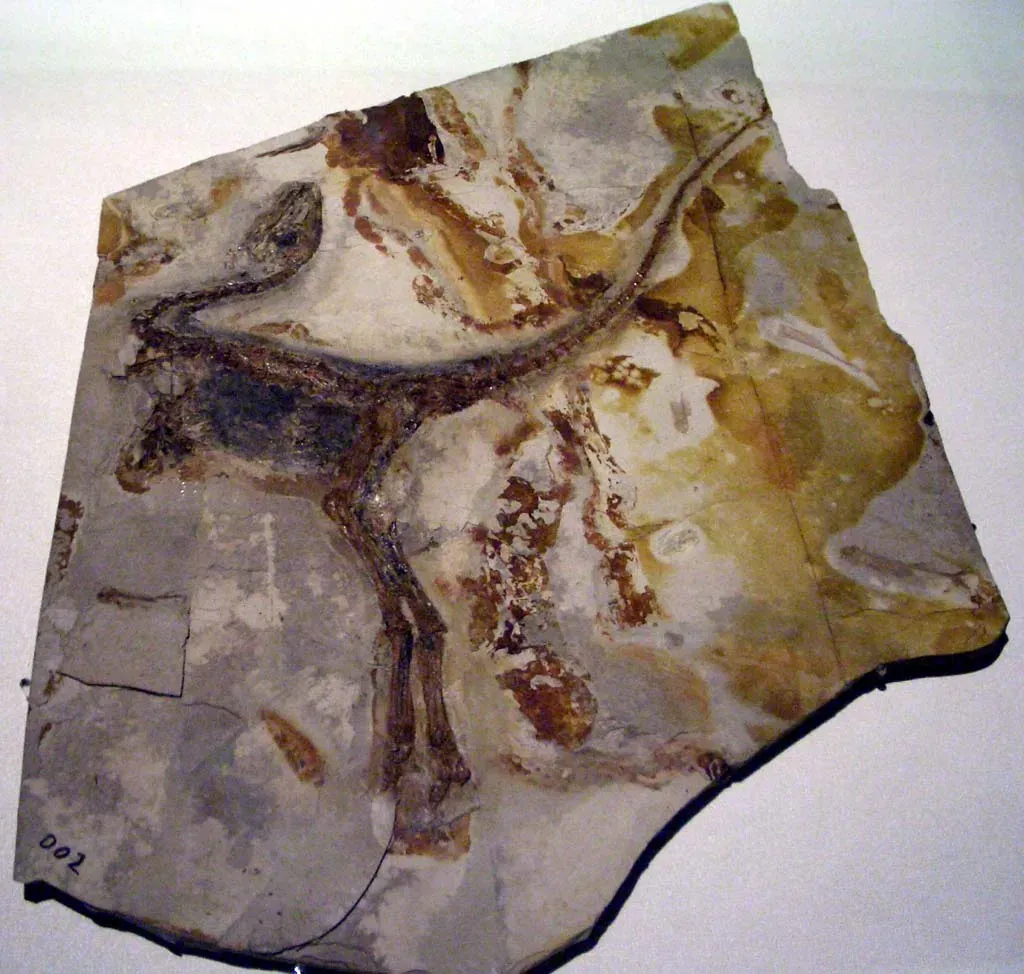
Almost three decades have passed since the scientific debut of the first non-avian dinosaur with feathers, Sinosauropteryx, and honestly, that discovery changed everything. Before then, you probably pictured dinosaurs as giant scaly lizards straight out of a monster movie. Bird-like raptors, tyrannosaurs, and even horned dinosaurs have been found with feathers and feather-like body coverings, revealing that fluff and fuzz were widespread among dinosaurs.
Here’s the thing that really gets interesting. Soft, bird-like skin initially developed only in feathered regions of the body, while the rest of the skin was still scaly, like in modern reptiles. The fossil skin is composed of silica, the same as glass, and this type of preservation has never been found in vertebrate fossils. Talk about finding something nobody expected.
The Bone Wars Gave Us Complete Skeletons
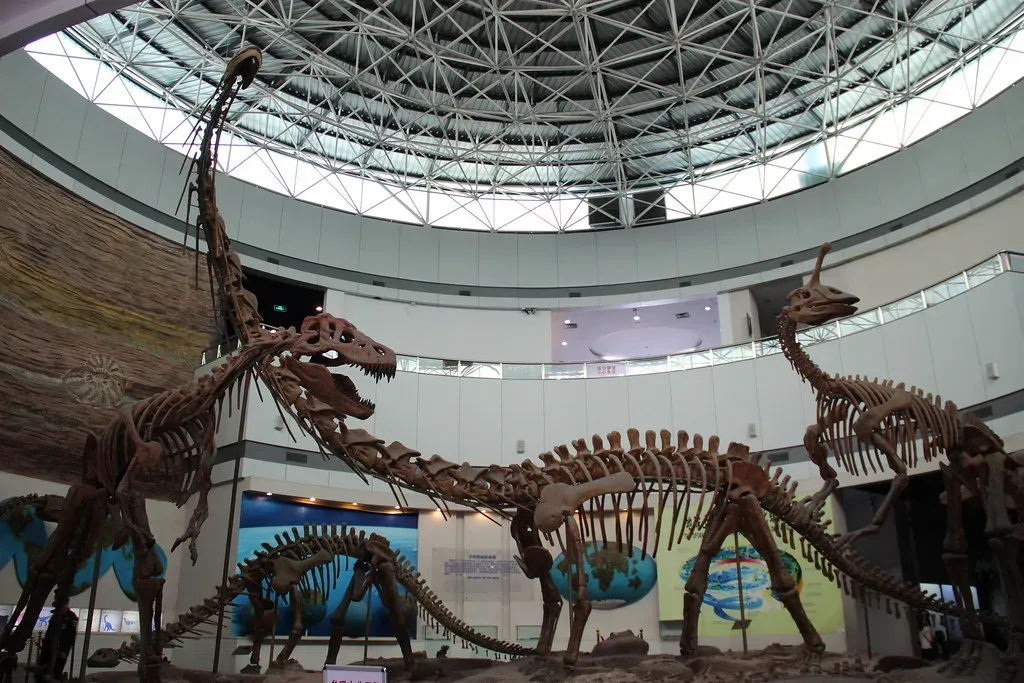
The discoveries in the American West gave us, in many cases, the first examples of substantially complete dinosaur skeletons, after finding bits of dinosaur skeletons in Europe for fifty years. The fierce rivalry between two scientists turned into one of paleontology’s most productive periods, though their methods were, let’s just say, questionable.
Despite their unrefined methods, the contributions of Cope and Marsh to paleontology were vast: Marsh unearthed eighty-six new species of dinosaur and Cope discovered fifty-six. Many valuable dinosaur specimens were damaged or destroyed due to the pair’s rough methods: for example, their diggers often used dynamite to unearth bones. Yeah, dynamite. Modern paleontologists would be horrified.
Deinonychus Proved Dinosaurs Weren’t Sluggish Lizards
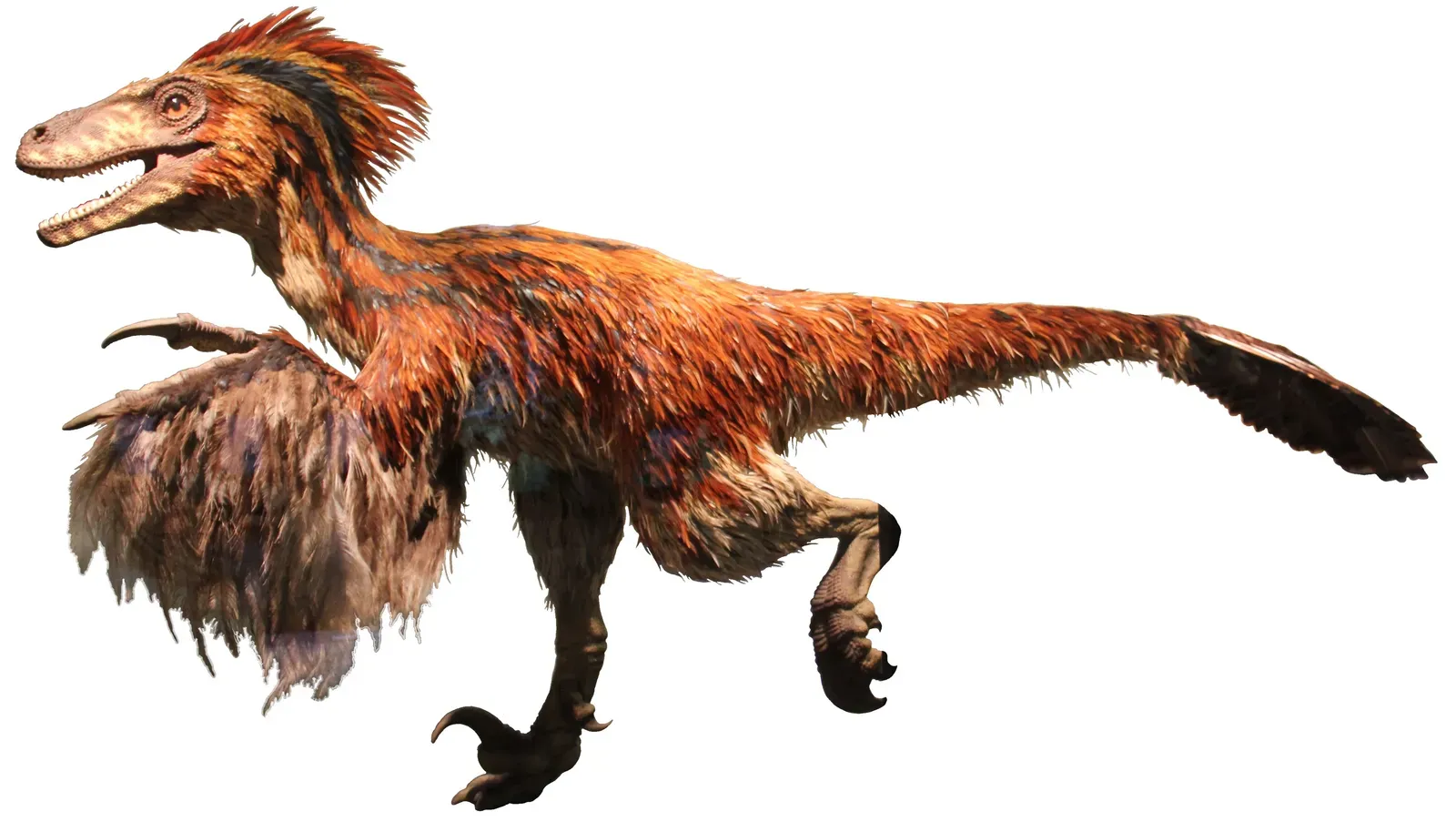
The discovery in 1964 of Deinonychus antirrhopus by palaeontologist John Ostrom sparked a new dinosaur renaissance. Before this little predator showed up, most people thought dinosaurs were slow, dim-witted creatures that lumbered around waiting to go extinct. Deinonychus fossils showed a small, two-legged, fast-moving predator, turning the image of large, lumbering lizards on its head.
The fossils were bird-like in appearance, particularly their hands and hips, and Ostrom suggested that birds may have evolved from dinosaurs. This was a highly controversial view at the time. Imagine telling people in the sixties that the robin in their backyard was basically a tiny dinosaur. The debate it opened up about bird ancestry fundamentally shifted how we understand evolution.
Archaeopteryx Proved Darwin Was Right
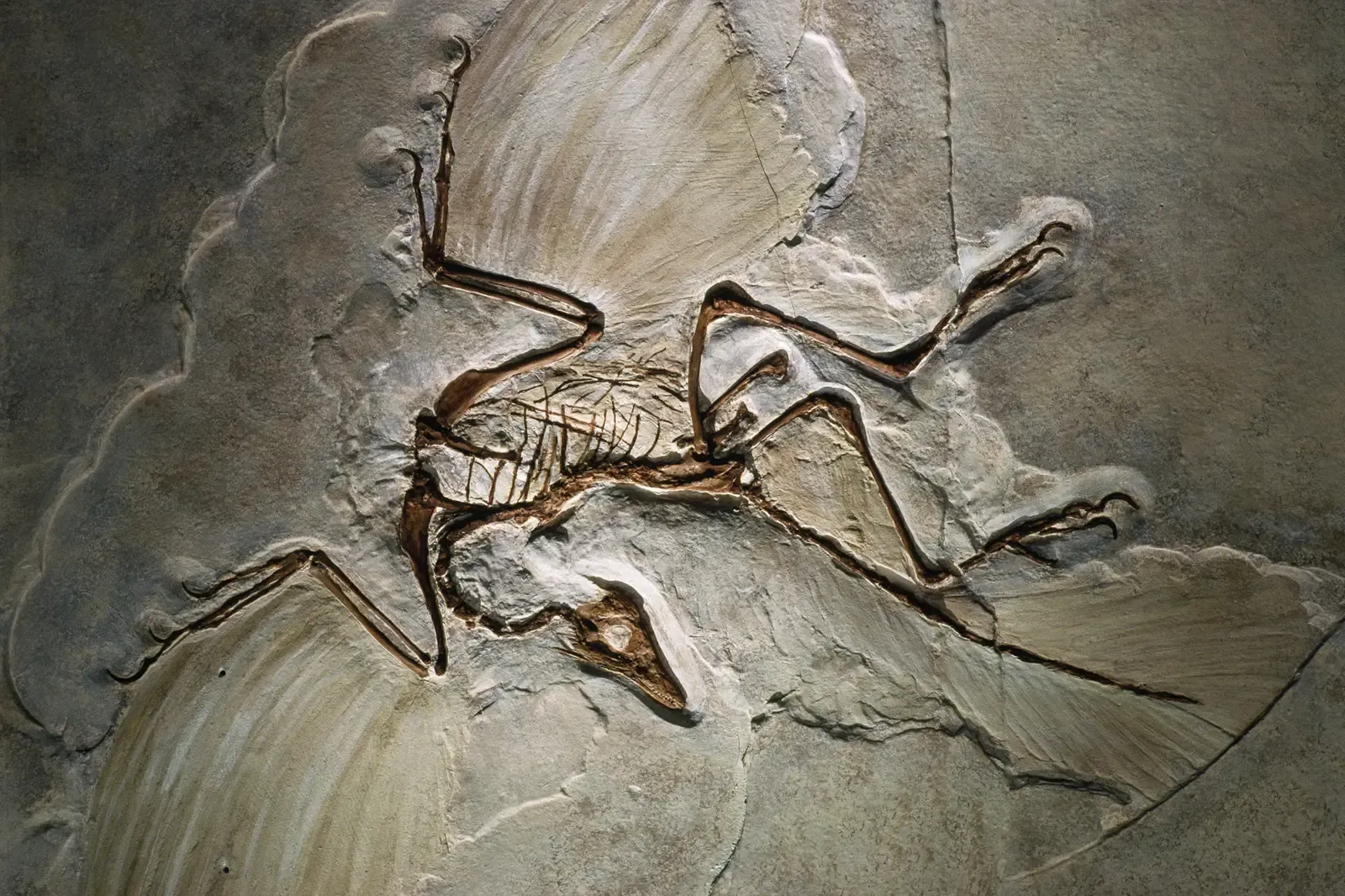
By an astonishing coincidence, a fossil was discovered in a quarry in southern Germany just one year after the publication of Origin, which is the kind of timing that makes you wonder about fate. Archaeopteryx is widely regarded as the missing link between dinosaurs and birds, displaying a perfect blend of avian and reptilian features.
Recently, an exceptionally preserved fossil named the Chicago Archaeopteryx revealed crucial insight into the species, including that it likely could fly. The hard slab of limestone around this specimen had also preserved a key layer of feathers called tertials that had never been documented before in Archaeopteryx. Tertial feathers are crucial to flight, because they cover the space between the bird’s body and its wings, and without them, wings can’t generate lift.
The First Dinosaur Eggs Changed Reproductive Understanding
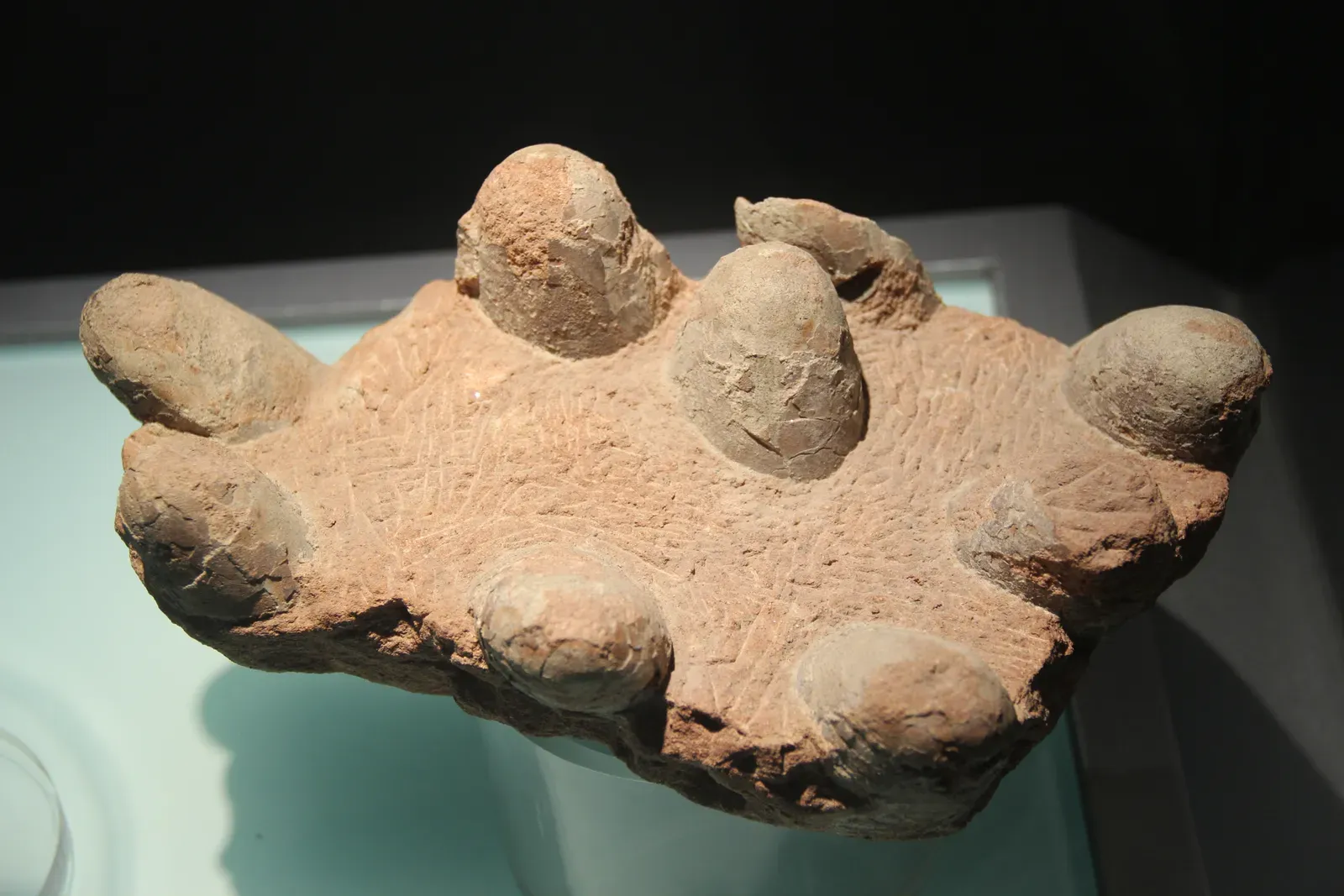
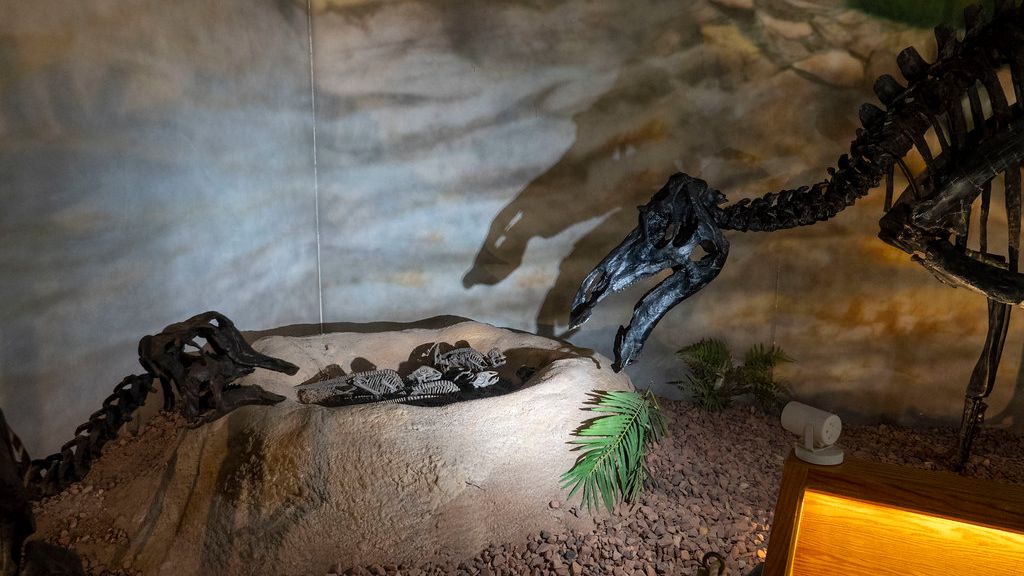
In 1923, scientists from the American Museum of Natural History unearthed the first fossils to be widely regarded as dinosaur eggs. Found in the Gobi Desert in Mongolia, the eggs were initially thought to belong to Protoceratops, though that turned out to be wrong.
The discovery of eggs was the first significant insight into how dinosaurs grew and reproduced, and it also opened the door to learning more about their social behaviour. More recent discoveries showed something even more surprising. This discovery busted the long-held assumption that dinosaurs laid hard-shelled eggs similar to modern birds, and the finding explains why early dinosaur eggs are exceedingly rare in the fossil record.
Nanotyrannus Proved T. Rex Had Competition
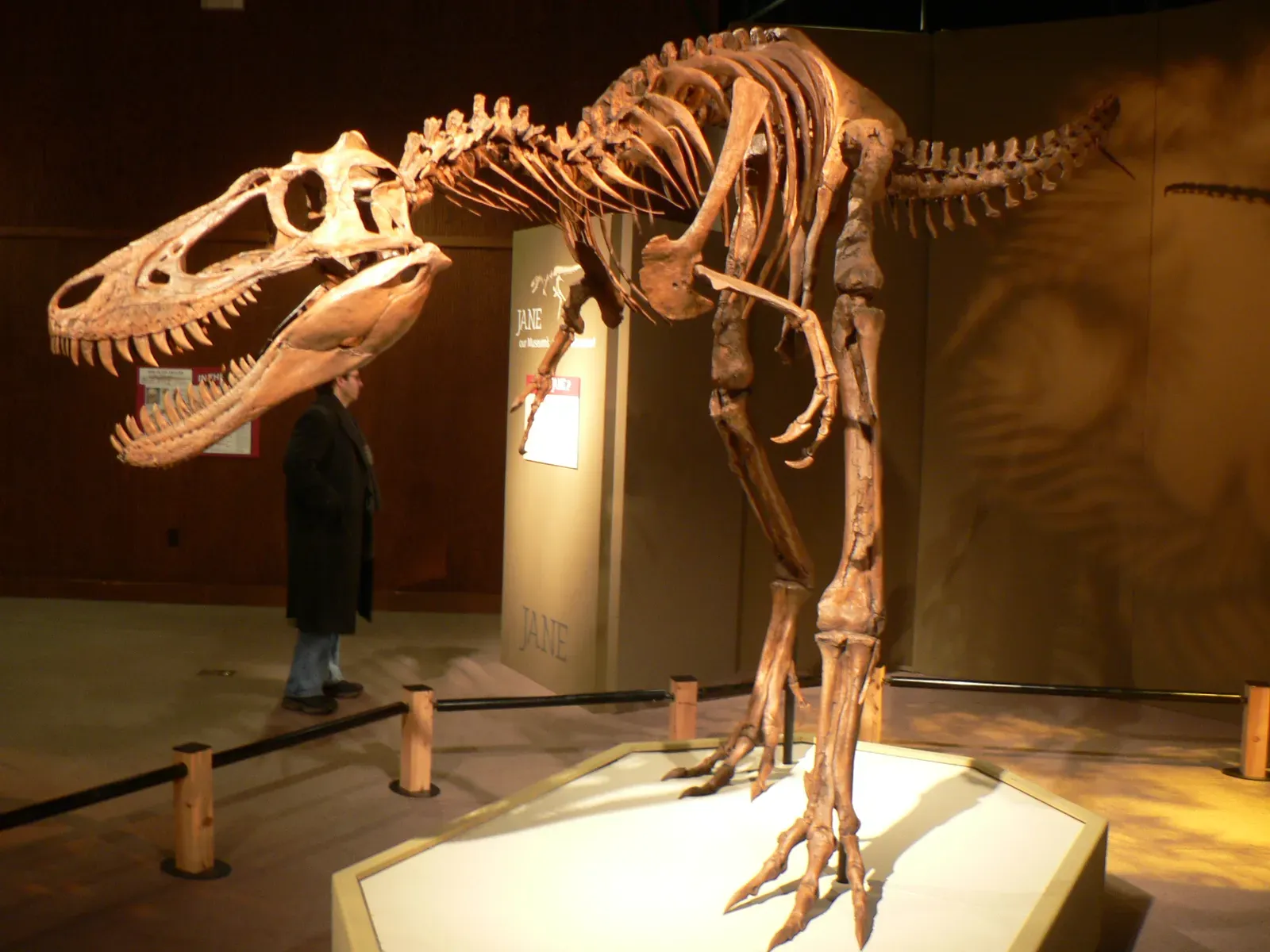
The fossil, part of the legendary Dueling Dinosaurs specimen unearthed in Montana, contains a fully grown Nanotyrannus lancensis, not a teenage T. rex, as many scientists once believed. This revelation hit paleontology like a meteor strike. For years, experts assumed those smaller tyrannosaur fossils were just adolescent T. rex specimens.
Using growth rings, spinal fusion data and developmental anatomy, researchers demonstrated that the specimen was around twenty years old and physically mature when it died, with skeletal features including larger forelimbs, more teeth, fewer tail vertebrae, and distinct skull nerve patterns. Confirmation of the validity of Nanotyrannus means that predator diversity in the last million years of the Cretaceous was much higher than previously thought, painting a richer, more competitive picture of the last days of the dinosaurs.
The Oldest Laurasian Dinosaur Rewrote Migration Patterns
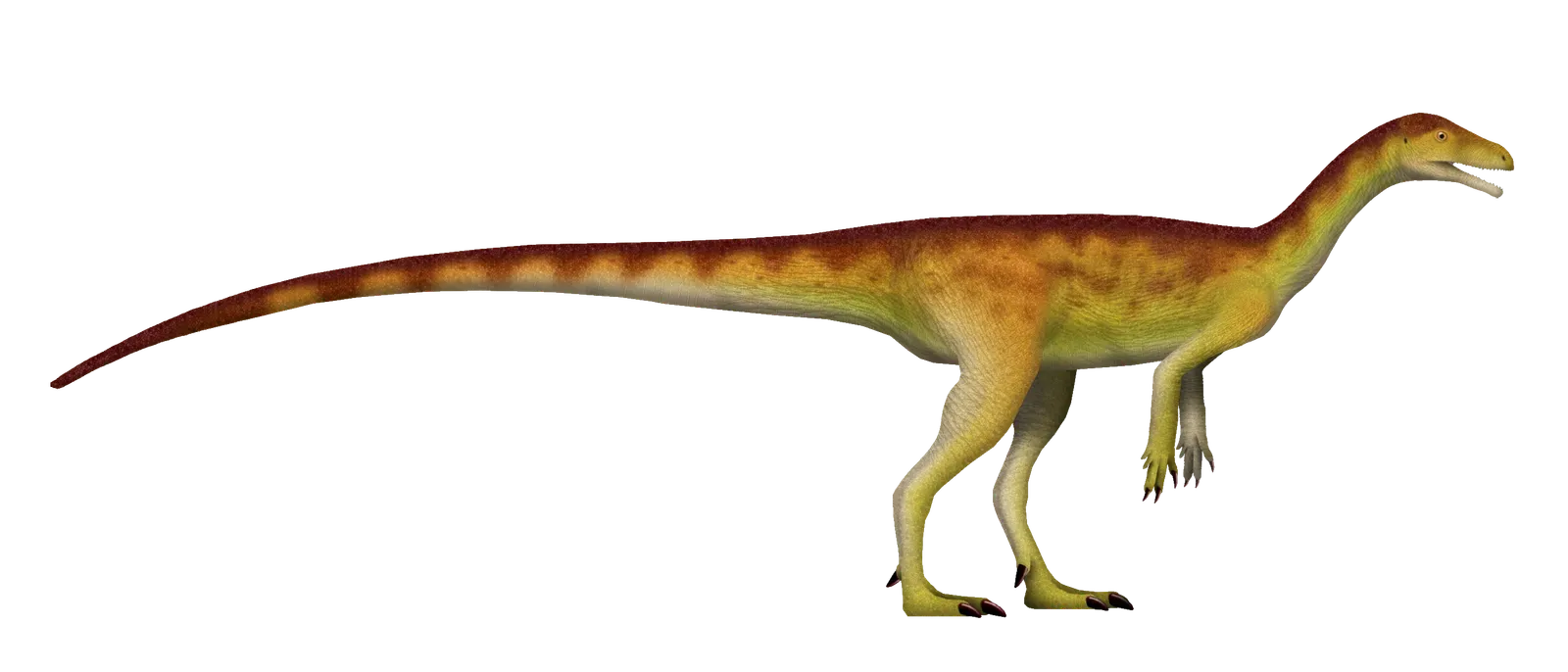
Paleontologists in the United States have uncovered the fossilized remains of a new species of sauropodomorph dinosaur that lived in the northern hemisphere around 230 million years ago. Until now, the origin of dinosaurs was thought to be deeply rooted in the high-latitude southern hemisphere, and Gondwanan dinosaur faunas and the oldest known dinosaur occurrence in the northern hemisphere were separated by six to ten million years.
However, the newly-described Laurasian species lived at the same time as the oldest known southern dinosaurs, and Ahvaytum bahndooiveche is the oldest known Laurasian dinosaur. This discovery suggests a relatively cosmopolitan distribution of dinosauromorphs throughout the mid-late Carnian, rather than a delayed equatorial and northern hemisphere dispersal as previously thought, during a period of time known for major climate shifts that made the whole planet significantly wetter and warmer.
The Journey Continues
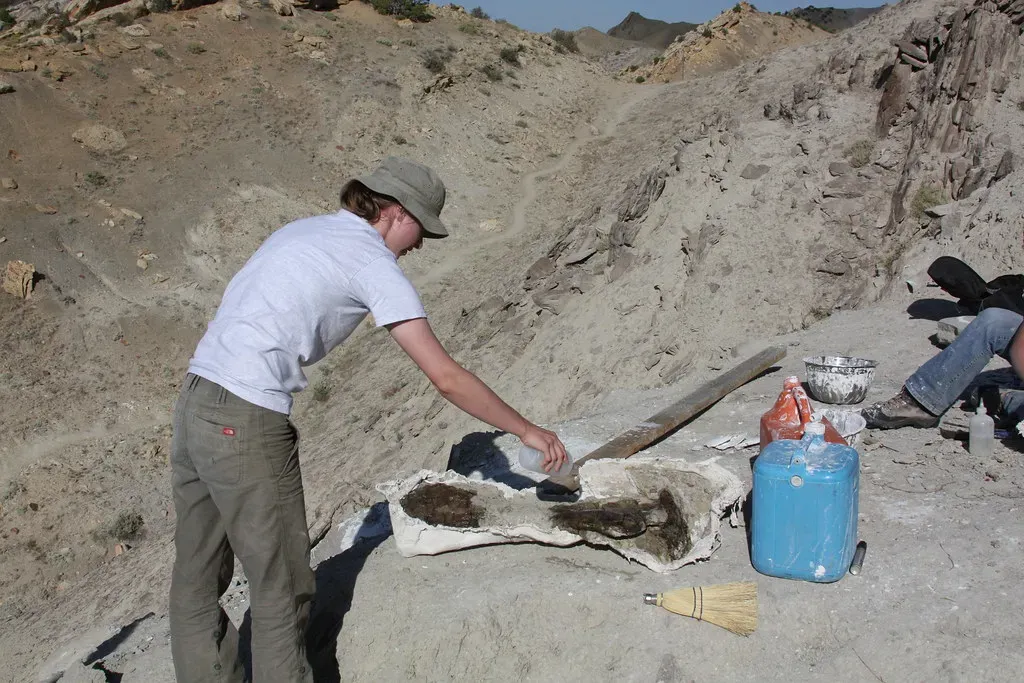
These seven discoveries represent just a fraction of what’s waiting beneath our feet. Every excavation season brings new surprises, new questions, and sometimes entirely new ways of thinking about prehistoric life. The sleeping nodosaur, the titanosaur eggs, the feathered tyrannosaurs – each one forces us to admit how little we truly understood.
What’s remarkable is how much has changed in just the past few decades. Scientists who started their careers thinking dinosaurs were cold-blooded, scaly reptiles now work in a world where feathered, warm-blooded dinosaurs are the norm. The textbooks you might have read as a kid are already hopelessly outdated.
What do you think we’ll discover next? Maybe there’s a fossil site right now, waiting to be uncovered, that’ll make us rethink everything all over again.