Picture this: you’re a massive predator stalking through misty prehistoric forests, but instead of sharp eyes alone, your nose picks up scents from miles away. Dinosaurs weren’t just brute-force giants; their senses rivaled or surpassed modern animals in wild ways. Recent brain scans and fossil studies reveal how these traits turned them into ultimate survivors.
From night-vision hunters to burrow sniffers, their capabilities challenge everything you thought you knew. Let’s uncover these mind-bending secrets that made the dinosaur world pulse with razor-sharp awareness.
1. T. rex’s Nose Was a Super-Sniffer Weapon
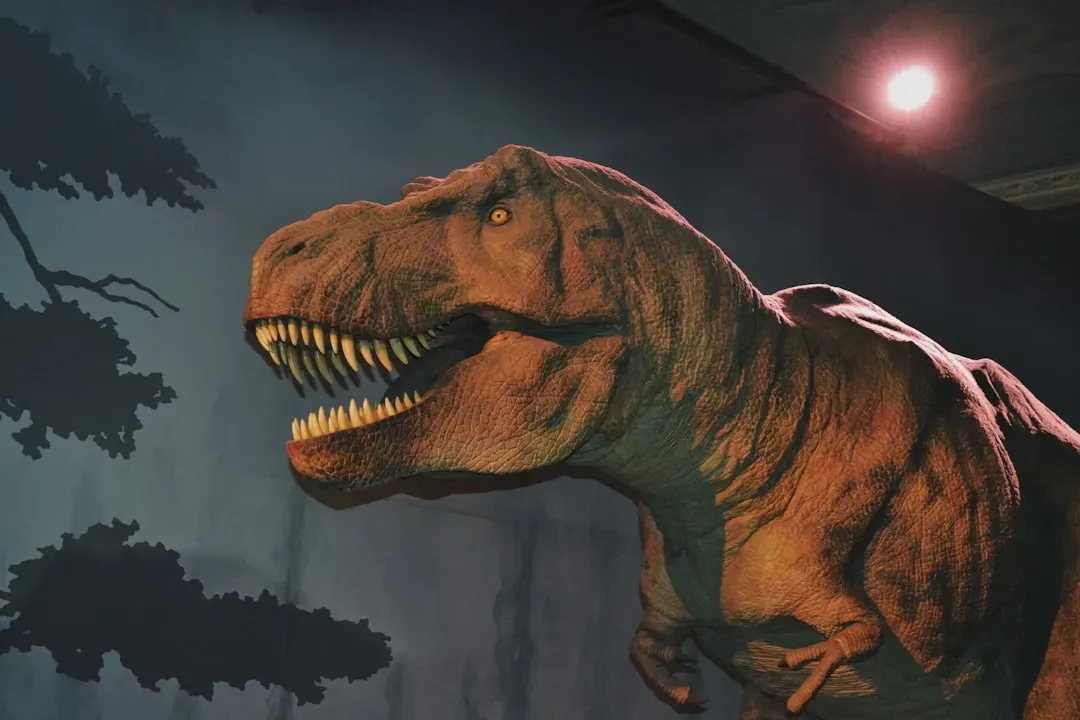
Tyrannosaurus rex packed the largest olfactory bulbs of any known dinosaur, hinting at over 600 scent receptor genes. That’s on par with house cats, letting it detect blood or carcasses from far off, even in thick fog. You’ll wonder how it ever missed a meal.
Brain studies show this sense dominated its hunting strategy, flipping the script on the eye-focused killer image. Honestly, it feels like nature equipped the rex with a built-in bloodhound upgrade. No wonder it ruled as apex predator.
2. Tyrannosaurus Had Vision Sharper Than a Hawk’s
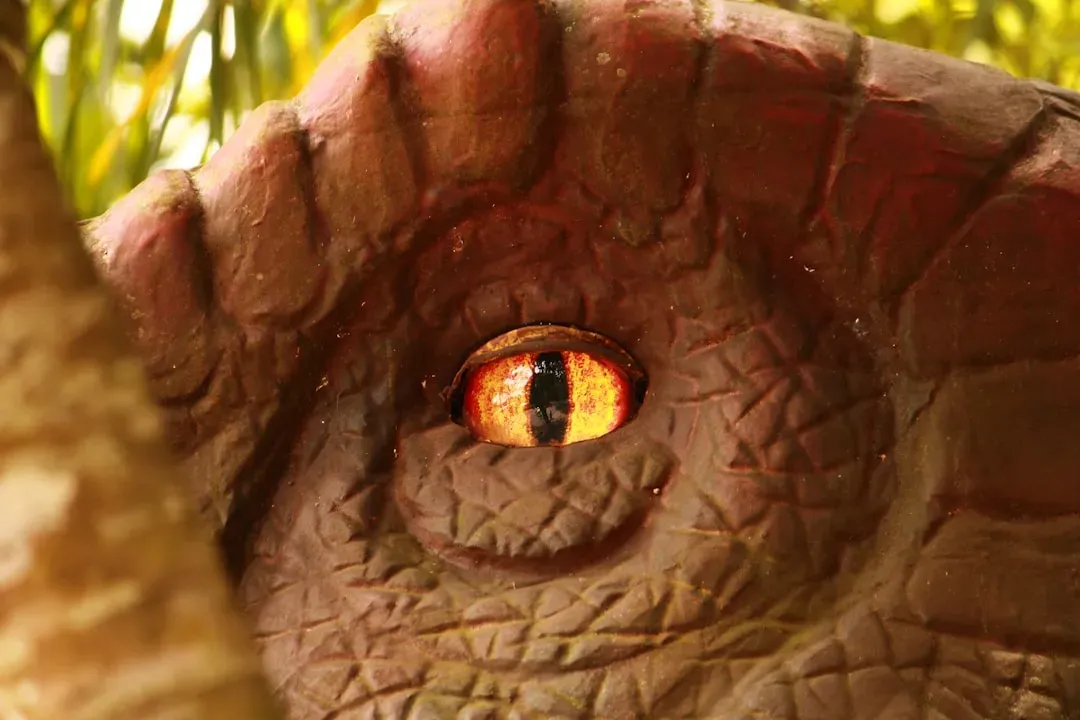
With forward-facing eyes the size of oranges, T. rex enjoyed binocular overlap wider than modern hawks, perfect for judging prey distances. It likely saw colors plus ultraviolet light, spotting camouflaged targets humans would miss entirely. Imagine locking eyes with that stare across a valley.
CT scans confirm optic lobes rivaling birds, boosting acuity for pinpoint strikes. This combo made ambushes deadly efficient. Here’s the thing: small arms aside, those eyes sealed the deal.
3. Shuvuuia Hunted at Night Like a Barn Owl
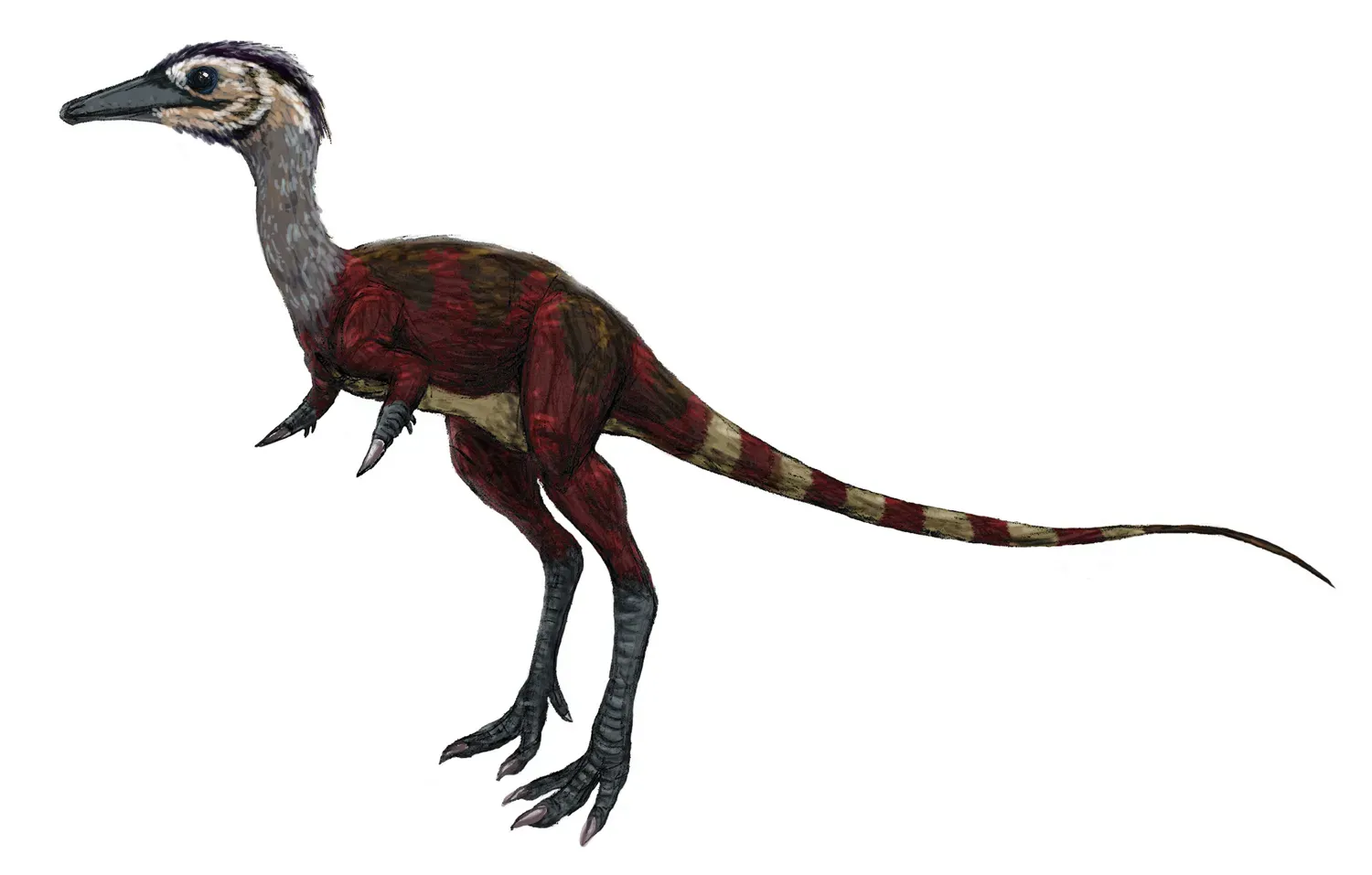
This tiny alvarezsaurid boasted huge eyes and scleral rings allowing massive pupil dilation, ideal for low-light prowls. Its curled cochlea tuned to high-frequency insect chirps, mirroring nocturnal owls despite no relation. You’d swear it evolved for midnight bug feasts.
Fossil endocasts reveal these adaptations let it thrive in darkness, flipping daytime dino assumptions. Balance senses kept it steady during hunts. Crazy how such a wee beast punched above its weight.
4. Thescelosaurus Sniffed Out Underground Treasures
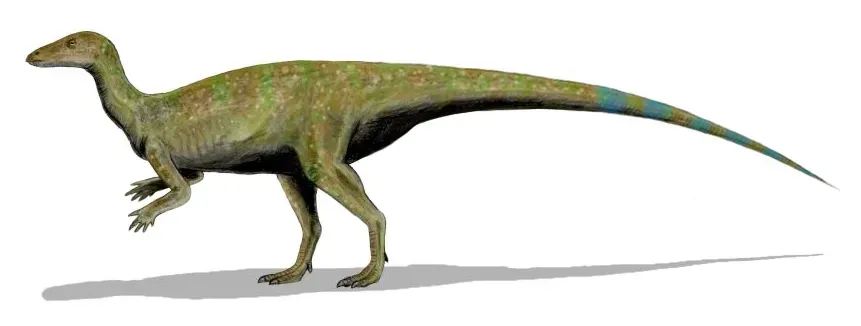
Overlooked Thescelosaurus neglectus had olfactory bulbs bigger than any dinosaur, rivaling alligators for root and tuber detection. Strong balance from inner ear helped navigate burrows, suggesting a subterranean life. Picture it tunneling like a pro mole-dino hybrid.
Low-frequency hearing overlapped with predators like T. rex, warning of overhead threats. Limbs backed this digging prowess. It proves not all dinos chased glory above ground.
5. Velociraptor and Troodon Pinpointed Prey with Owl Ears
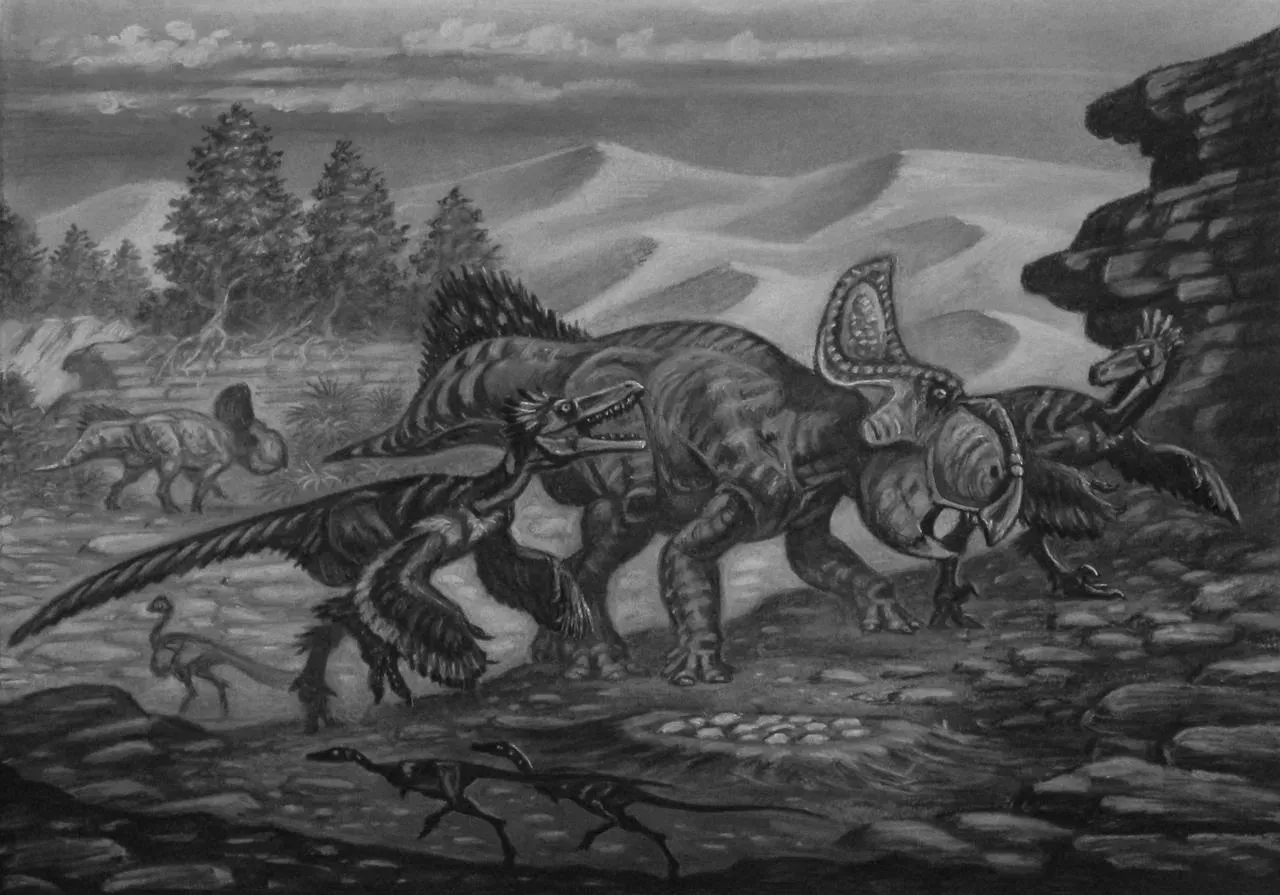
These dromaeosaurs featured asymmetric ear placements, one higher than the other, like some owls for exact sound location. Stenonychosaurus, a troodontid kin, had enlarged middle ear cavities for acute hearing. You’d hear a leaf rustle and know precisely where.
Large eyes added night vision and stereo depth perception. Brain scans show these senses fueled pack hunts. No wonder movies amp up their smarts; reality was fierce enough.
6. Dinosaurs Saw a Rainbow Humans Can’t Dream Of
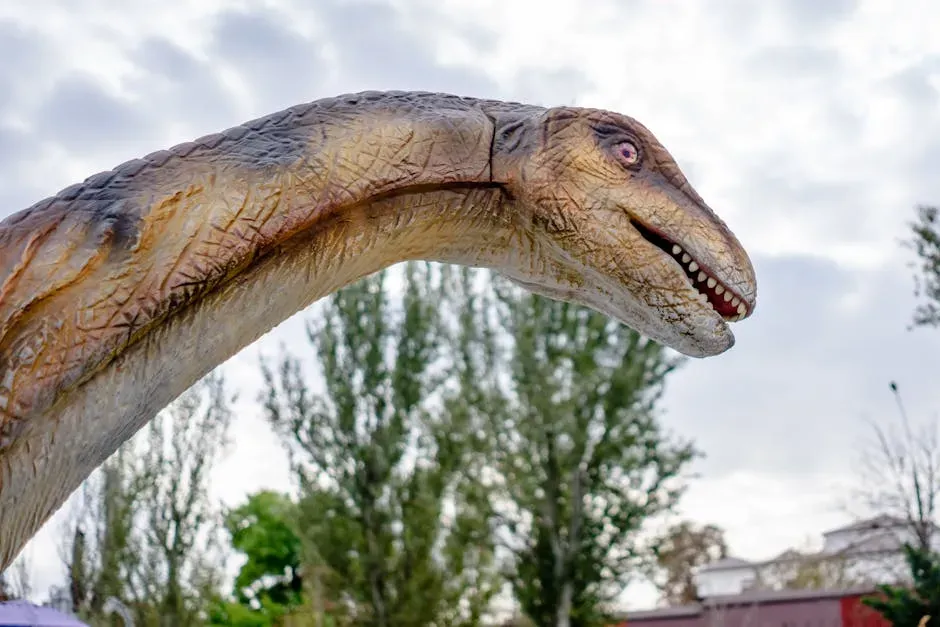
Most dinosaurs likely had four to five color receptors, granting tetrachromatic vision into ultraviolet, outshining our trichromatic setup. Theropods especially benefited, picking mates or prey by hues we ignore. Think of their world bursting with invisible patterns.
Side-positioned eyes in herbivores scanned wide fields in color, while preds overlapped for depth. This edge influenced everything from foraging to fleeing. It reshapes how you envision dino dramas.
7. Some Theropods Heard Frequencies for Secret Signals
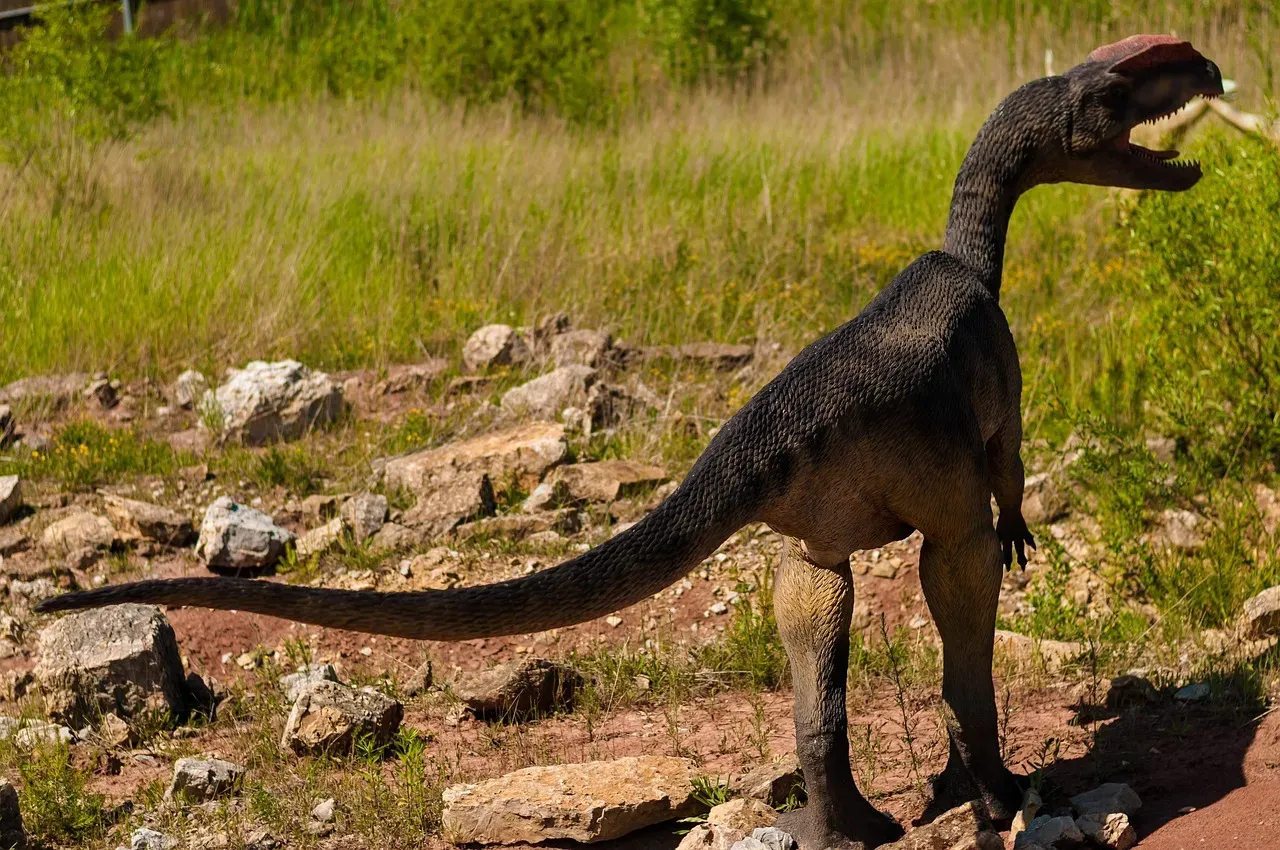
Alvarezsaurids tuned ears to owl-like highs for insect vibes, while large carnivores caught low rumbles over distances. Parent-offspring chirps drove cochlear evolution in early archosaurs. Imagine herds communicating in infrasound we can’t grasp.
T. rex middle ears hinted at low-frequency prowess for prey footsteps. This layered soundscape added survival layers. Truly, their world hummed with hidden symphonies.
Conclusion: Senses That Defined an Era
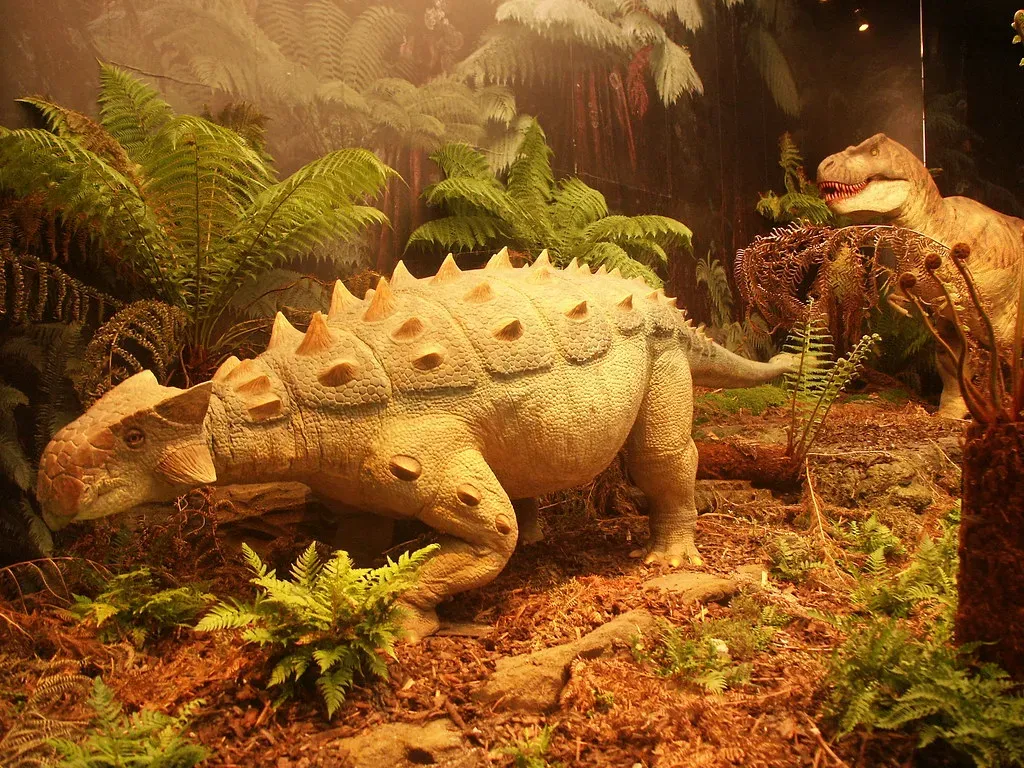
Dinosaurs thrived through senses fine-tuned for chaos, from scent-tracking tyrants to night-stalking specialists. These revelations from modern scans humble us, showing prehistoric smarts ran deep.
What sense blows your mind most? Drop your thoughts below and let’s chat dino dominance.