Most of us grew up picturing the same thing – a massive, roaring T. rex stomping through a jungle and devouring everything in sight. Dinosaurs in movies are either terrifying carnivores or gentle plant-munching giants. The reality, though, is far stranger and honestly a lot more interesting than what you’ve seen on any screen.
Paleontologists have been quietly dismantling the classic dinosaur diet story for decades. Fossil teeth, chemical traces in ancient enamel, and even fossilized stomach contents have revealed a prehistoric world where dinosaurs were doing things no one expected. Let’s dive in.
Most Dinosaurs Were Actually Plant Eaters – Not Fearsome Predators
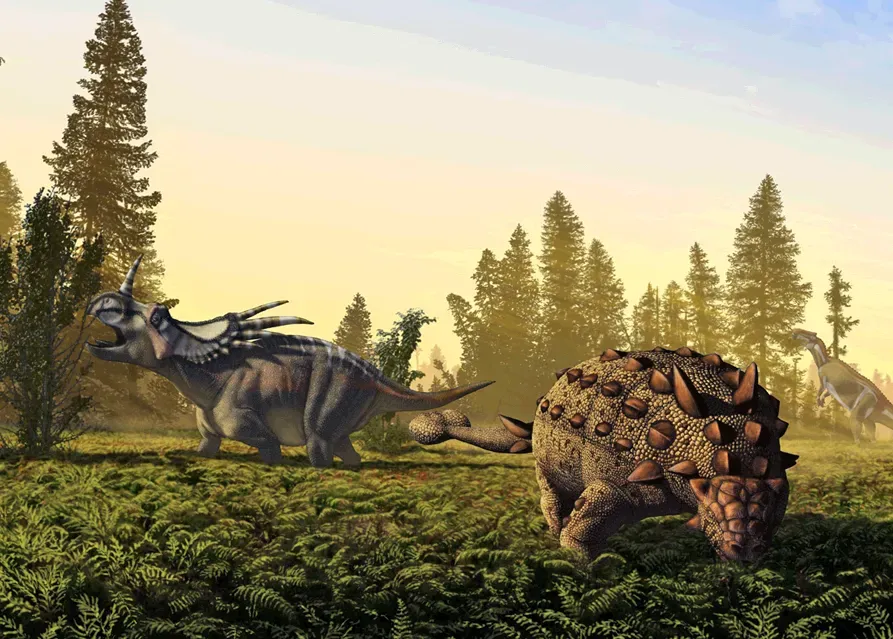
Here’s the thing: when you imagine dinosaurs, your brain probably goes straight to sharp teeth and blood. But the numbers tell a very different story. Paleontologists believe that about 65 percent of dinosaurs were herbivores. That means the vast majority of these ancient creatures were out there quietly chomping on ferns, not hunting down their neighbors.
Plant eaters have always outnumbered carnivores in any ecosystem, and most dinosaurs were herbivores because of how abundant plant life was. Think about it like a modern savanna – for every lion, there are hundreds of wildebeest and zebras. Prehistoric ecosystems worked on exactly the same logic, just with considerably bigger animals.
Rocks that contain dinosaur bones also contain fossil pollen and spores indicating hundreds to thousands of types of plants existed during the Mesozoic Era, many of which had edible leaves including evergreen conifers, ferns, mosses, horsetail rushes, cycads, ginkgos, and in the latter part of the dinosaur age, flowering plants. So the menu was genuinely impressive, even if there was no grass to graze on yet.
Herbivore Dinosaurs Had to Swallow Rocks to Digest Their Food
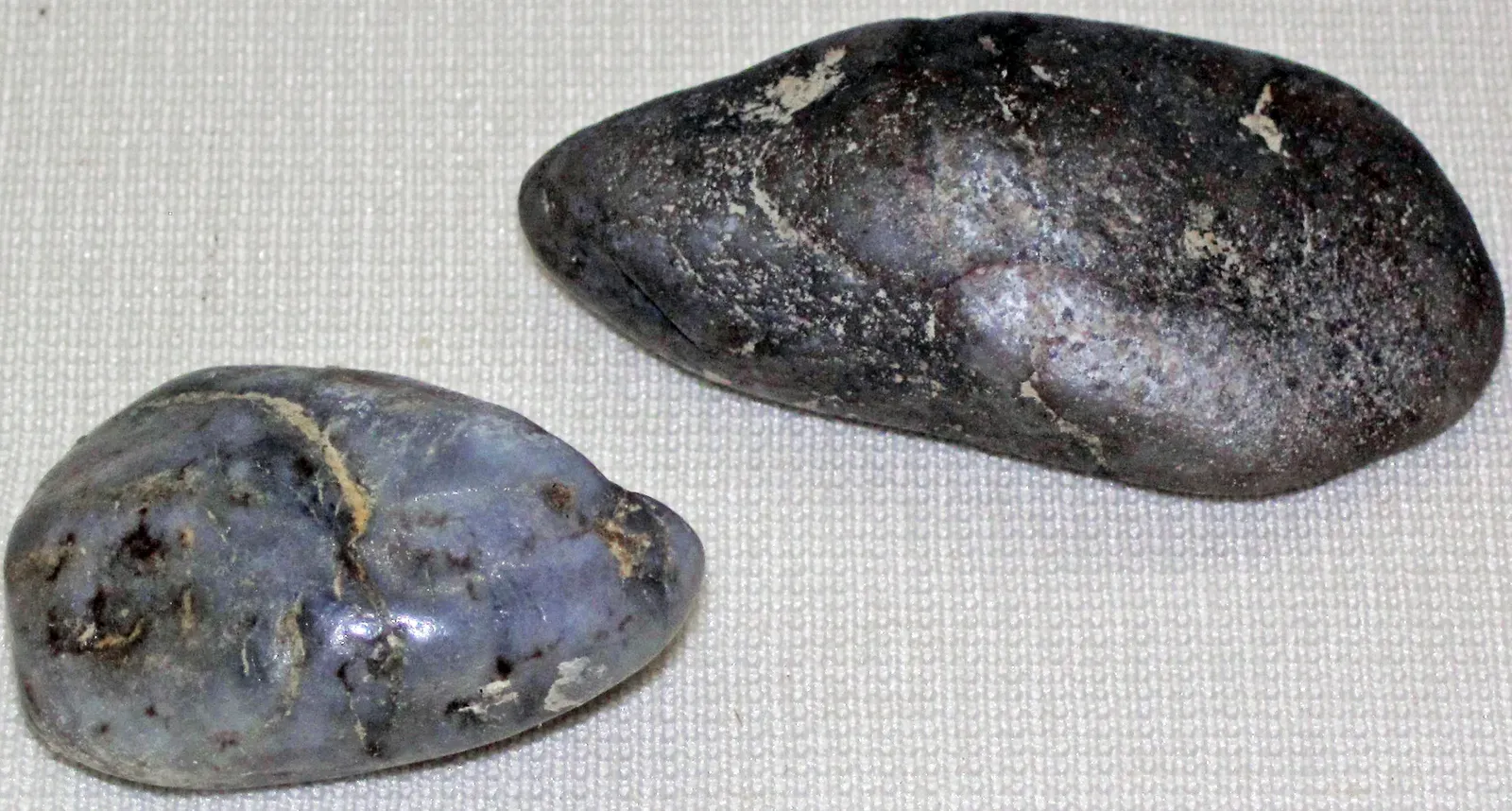
You probably take your digestive system for granted. Herbivorous dinosaurs could not afford to. Plants are notoriously hard to break down, and these animals developed one of the most wonderfully bizarre solutions in the history of biology.
Some dinosaurs swallowed rocks, called gastroliths, to help grind up the fibers in their guts, and some like Ankylosaurus even had fermentation chambers where plant fibers were dissolved. Honestly, picture swallowing a handful of gravel to help your stomach work. That is exactly what was happening inside some of the biggest creatures that ever walked the earth.
Many herbivorous dinosaurs had to evolve various ways of circumventing plant defenses, such as specialized teeth and broader guts, and some swallowed gizzard stones to help with digestion. Modern birds still do the same thing with grit in their gizzards, which is a neat reminder of how deep that lineage runs.
Some Herbivores Secretly Ate Meat – and No One Saw It Coming
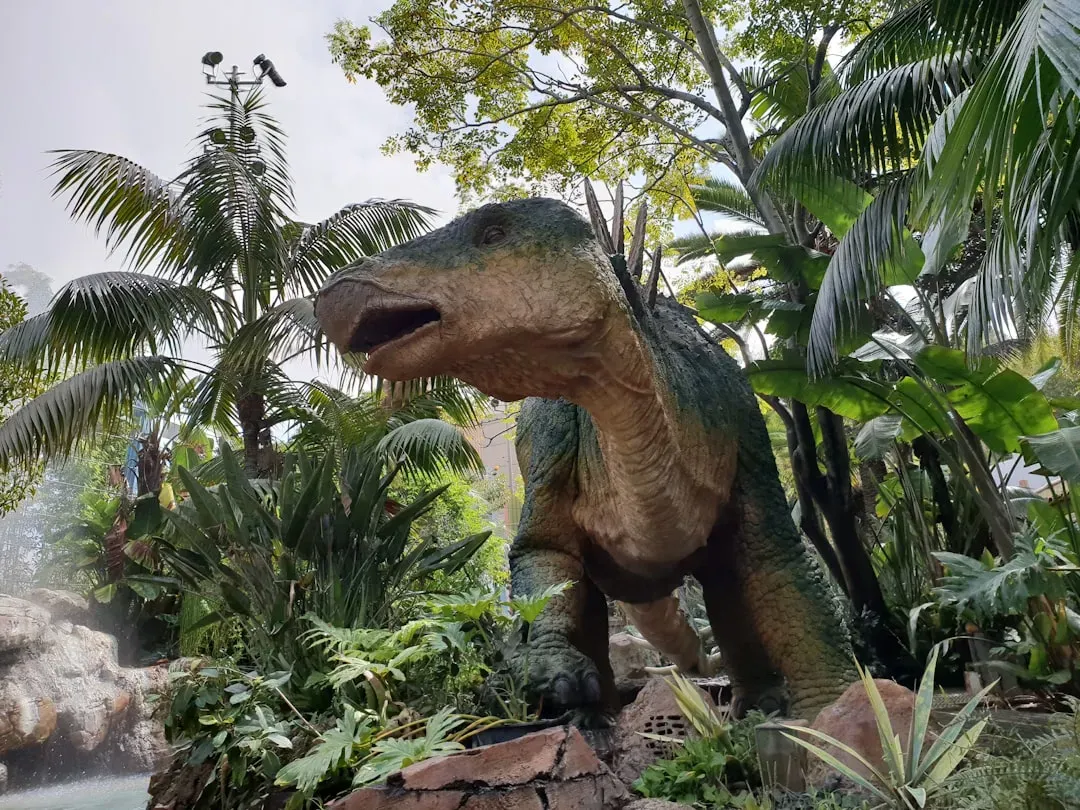
Here is a fact that genuinely makes you rethink everything. You might assume that plant eaters just ate plants, full stop. The evidence suggests it was never that simple. Some dinosaurs even ate insects, fish, and crustaceans, including the herbivorous dinosaurs, indicating that even the plant-eating dinosaurs mixed things up. Imagine your vegetarian friend occasionally snacking on a cricket. Apparently, prehistoric life had similar complications.
Most herbivores are considered “accidental omnivores” because when they eat plants, they accidentally ingest many insects and other small animals. That is surprisingly relatable – it’s a bit like unknowingly eating a bug that landed in your salad. The difference is that for dinosaurs, this might have been a meaningful part of their diet, not just an unfortunate accident.
The Ancestors of Triceratops and Brachiosaurus Were Originally Meat Eaters
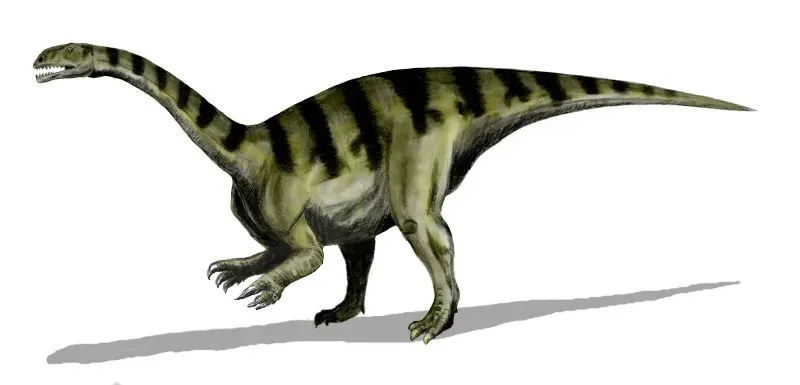
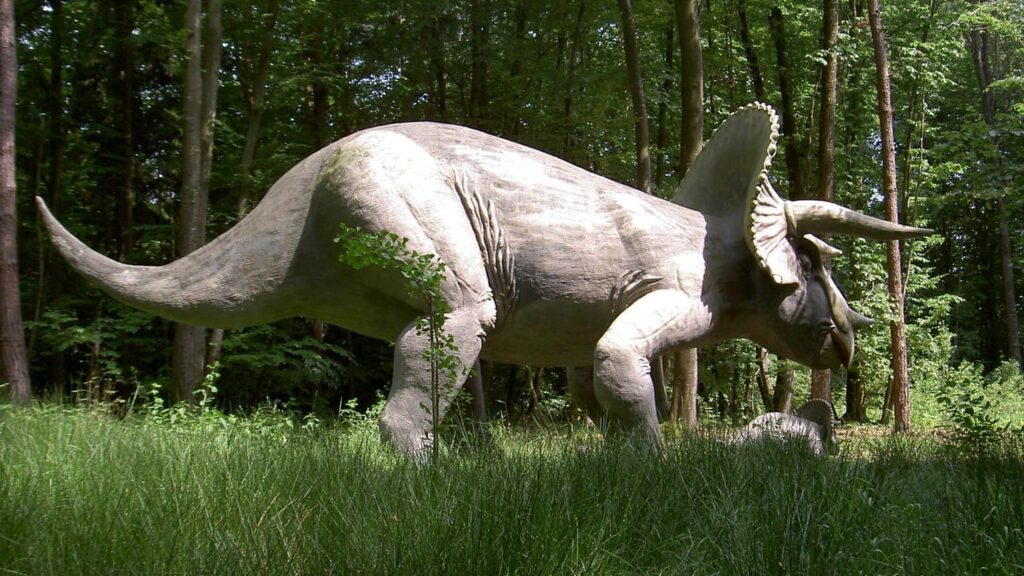
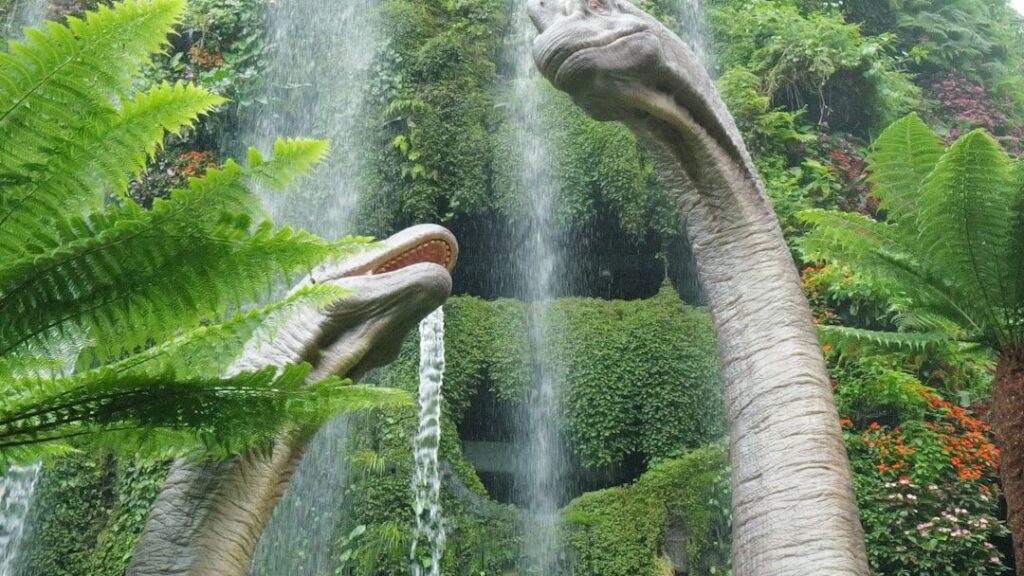
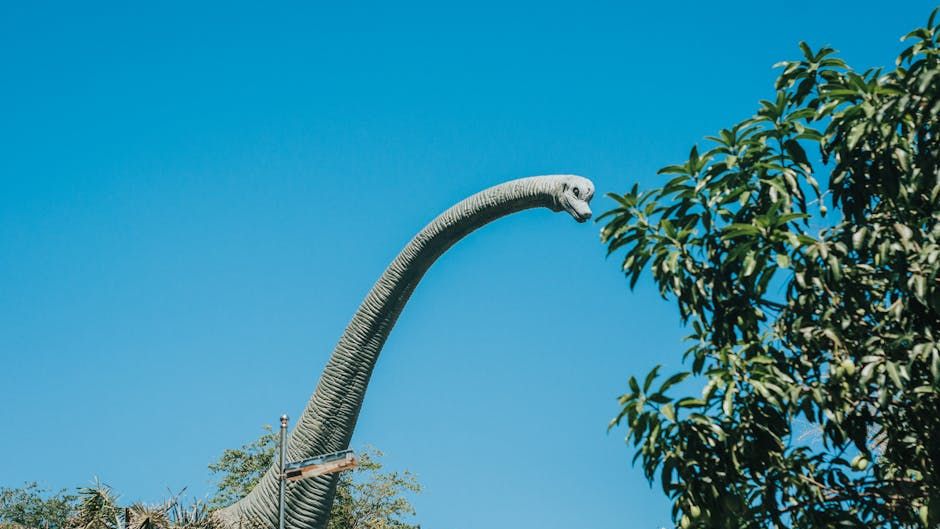
This one stopped me in my tracks when I first read it. We associate Triceratops with slow, peaceful plant grazing and Brachiosaurus with serenely reaching for treetops. So the idea that their distant ancestors were meat eaters feels almost like a prank. What is truly surprising is that the ancestors of many of the most famous herbivores, like Triceratops and Brachiosaurus, originally ate meat.
Research findings published in Science Advances show that many groups of plant-eating dinosaurs were ancestrally omnivorous and that the ancestors of famous long-necked herbivores such as Diplodocus ate meat, and this ability to diversify their diets early in evolution likely explains their evolutionary and ecological success. In other words, being flexible about what you ate early on may have been the secret ingredient to long-term survival. Evolution, it turns out, had no dietary rules.
Sauropodomorphs underwent a dietary shift from meat-eating to plant-eating, experimenting with diverse diets during the Triassic and Early Jurassic, and obligate herbivory was a late evolutionary innovation in both major clades. So the peaceful giants you see in museum halls were once, deep in their family tree, something far more predatory. That is a genuinely mind-bending thought.
Jurassic Dinosaurs Had Highly Specialized Diets So They Could Peacefully Coexist
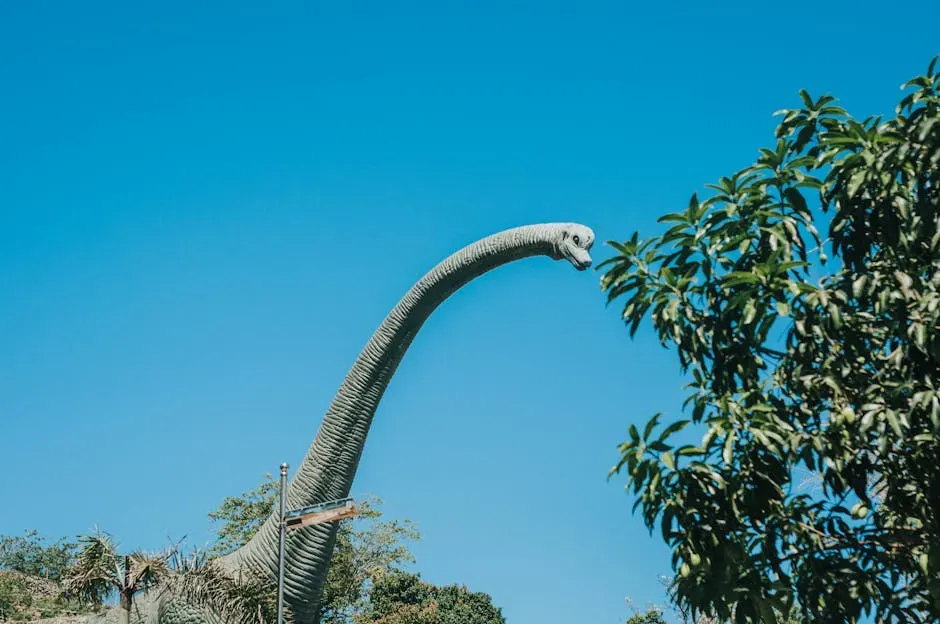
It might seem strange that dozens of enormous herbivores could all share the same landscape without competing themselves into extinction. The answer, it turns out, is culinary specialization on a grand scale. By analyzing chemical traces in tooth enamel, researchers uncovered distinct diets among Late Jurassic dinosaurs, and a study from the University of Texas at Austin shows that different species did not just live side by side – they also had unique food preferences, and these eating habits helped them thrive together without competing for the same plants.
For example, Camptosaurus favored soft, nutritious plant parts like leaves and buds, Camarasaurus preferred conifers and tougher woody plant tissues, and Diplodocus had a more varied menu of low-lying ferns, horsetails, and coarse materials. It is almost like imagining a crowded restaurant where every guest has ordered something completely different from the same enormous menu. No squabbling, no overlap, just remarkable ecological efficiency.
Spinosaurus Was a Fish-Eating Giant Unlike Any Other Dinosaur
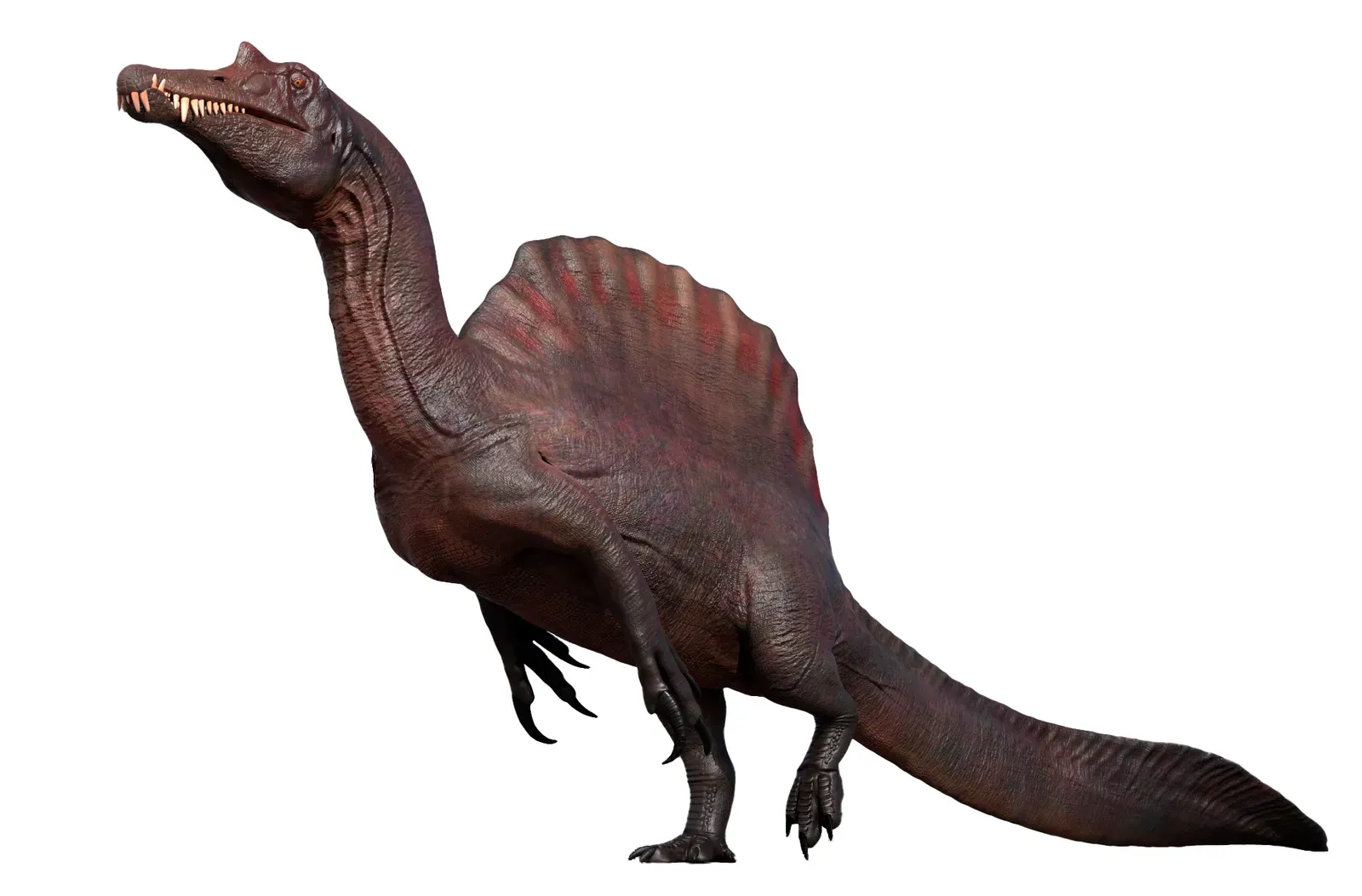
If someone told you that one of the largest carnivorous dinosaurs that ever lived spent a significant chunk of its time fishing, you might laugh. Yet the evidence is staggering. A predominantly fish-eating diet was envisioned for the sail-backed theropod dinosaur Spinosaurus aegyptiacus when its elongate jaws with subconical teeth were first unearthed in Egypt. Those jaws were built like a crocodile trap, not a steak knife.
A study comparing the density of bones across the animal kingdom suggests that Spinosaurus and its close relative Baryonyx could submerge themselves underwater to hunt aquatic prey, while another spinosaur, Suchomimus, may have waded on the shoreline. Dense bones for buoyancy control, a narrow crocodile-like snout, and interlocking teeth designed to snag slippery fish – this was a dinosaur built for a completely different kind of hunting than anything Hollywood has shown you.
Baryonyx was the first theropod dinosaur demonstrated to have been a fish-eater, as evidenced by fish scales found in the stomach region of the holotype specimen. That is fossilized proof sitting right there in the bones. I think that is one of the most compelling pieces of prehistoric detective work in all of paleontology.
The T. Rex Was Both a Hunter and a Scavenger – Not Just One or the Other
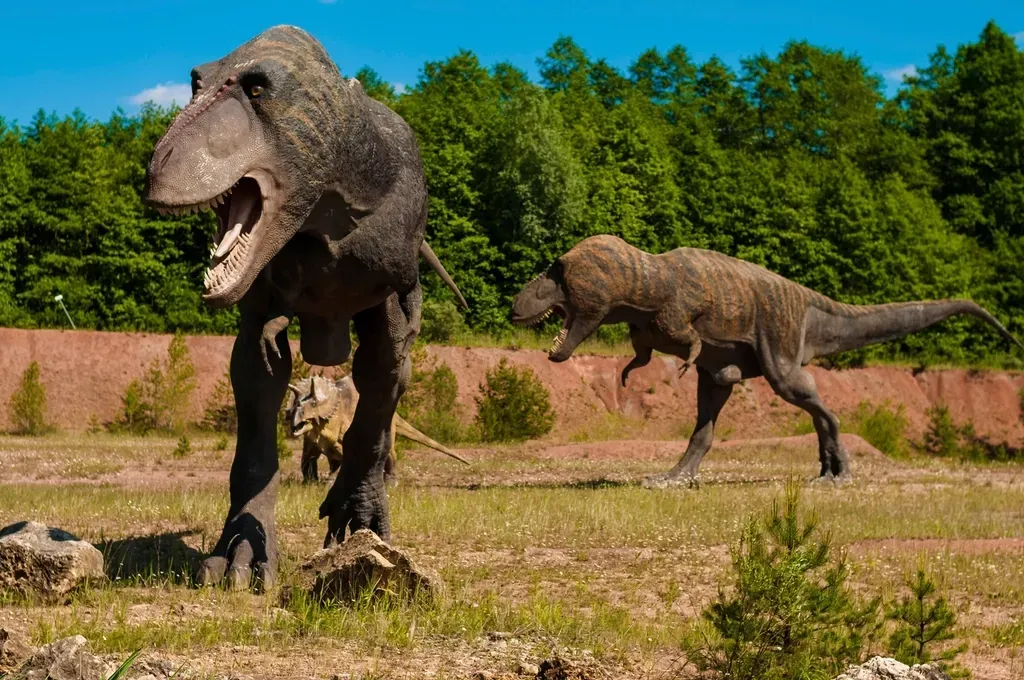
For years, a popular debate raged about whether Tyrannosaurus rex was an active hunter or simply a glorified cleanup crew for the Cretaceous. It’s hard to say for sure how every individual T. rex hunted, but the fossil record has made the broader answer pretty clear. T. rex was both a hunter and a scavenger, as most large carnivores are. The dichotomy was always a false one.
In 2013, paleontologists reported a broken T. rex tooth crown embedded between two tail vertebrae of an herbivore, remarkably with the bone around the tooth having begun to heal and forming new growth, meaning the hadrosaur was alive when T. rex bit it, got away, and lived long enough for the wound to start healing – in other words, direct physical evidence of a T. rex attack on live prey. You cannot fake that kind of evidence.
T. rex has a calculated bite force stronger than that of any other terrestrial predator, between 35,000 and 57,000 Newtons, and possible ambulatory speeds between 20 and 40 kilometers per hour, documenting that it had the capability to pursue and kill prey items. Still, like modern lions or hyenas, it would never pass up a free meal either. The greatest predator of the Cretaceous was also, when the situation called for it, an opportunist.
Conclusion
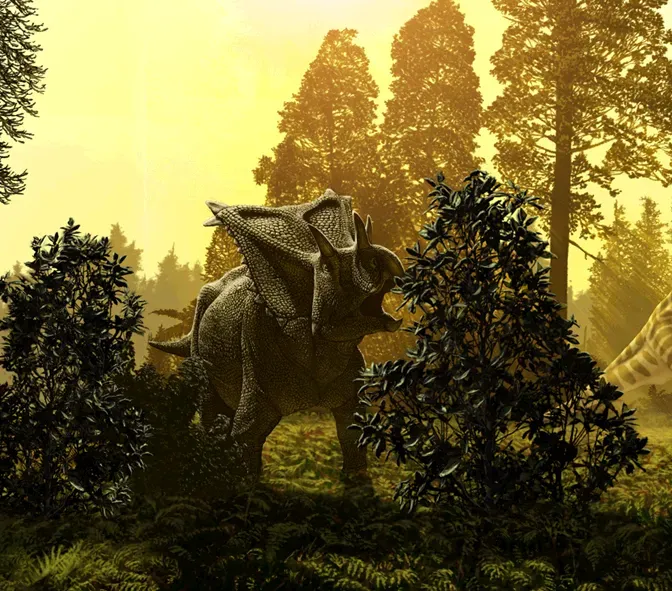
The dinosaur diet story is so much richer than a simple chart dividing creatures into “meat eaters” and “plant eaters.” You now know that the ancestors of Triceratops once ate meat, that some herbivores quietly snacked on insects and fish, and that the world’s most famous predator was also a scavenger when it suited him. Dinosaurs were, in many ways, as complex and adaptable as the animals sharing the planet with you today.
Science has a wonderful way of making the past stranger and more fascinating the closer you look. Every new fossil, every isotope analysis of ancient enamel, and every CT-scanned skull reshapes what we thought we knew. The prehistoric world was not a simple place – it was a wildly diverse, fiercely competitive, and surprisingly nuanced ecosystem. What part of dinosaur diet surprised you the most? Drop your thoughts in the comments below.