Have you ever stopped to think about how much we still don’t know about our planet’s ancient past? Just when scientists believe they’ve figured out the storyline of prehistoric life, a single bone, footprint, or preserved fragment emerges from the ground and throws everything into question. The field of paleontology has built its reputation on careful observation and methodical analysis, yet some of the most exciting moments come when discoveries completely upend decades of accepted wisdom.
These groundbreaking finds don’t just add new chapters to the story of life on Earth. They force researchers to rethink fundamental assumptions, rewrite textbooks, and admit that the natural world is far more complex and surprising than anyone imagined. Let’s explore seven discoveries that made paleontologists scratch their heads, revisit their theories, and recognize that nature has always been more inventive than our best guesses.
Nanotyrannus Finally Gets Recognition as Its Own Species
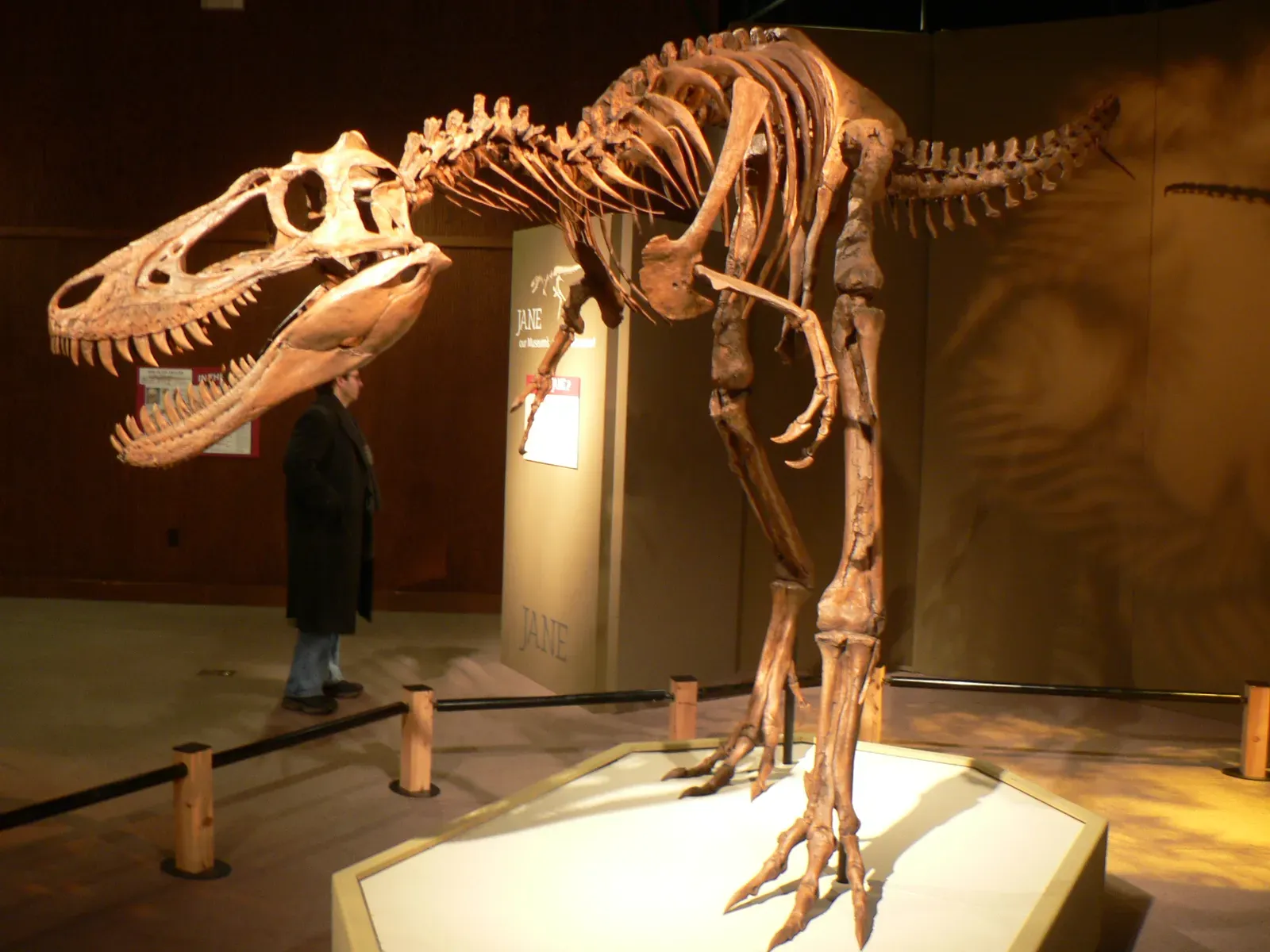
For decades, one of paleontology’s longest debates centered on an enigmatic fossil skull unearthed in the 1940s, with scientists divided over whether this creature represented a distinct species or merely a juvenile T. rex. In 2025, Nanotyrannus came into its own when scientists reported in two separate studies that the diminutive dinosaur wasn’t just a teenage version of the iconic dino. The so-called Dueling Dinosaurs specimen revealed something remarkable through histological analysis.
A new examination of a stunning specimen showed it was about 20 years old when it died, meaning it couldn’t be a teenage T. rex. Analyses revealed several ways the creature was markedly different from T. rex, including nerve patterns, sinus structures and extra teeth. This wasn’t just splitting hairs over minor variations. The findings settled one of the field’s most heated arguments and proved that two different tyrannosaurs stalked the same ancient landscapes, each with its own ecological niche and hunting strategies.
Ancient Footprints Push Reptile Origins Back 35 Million Years
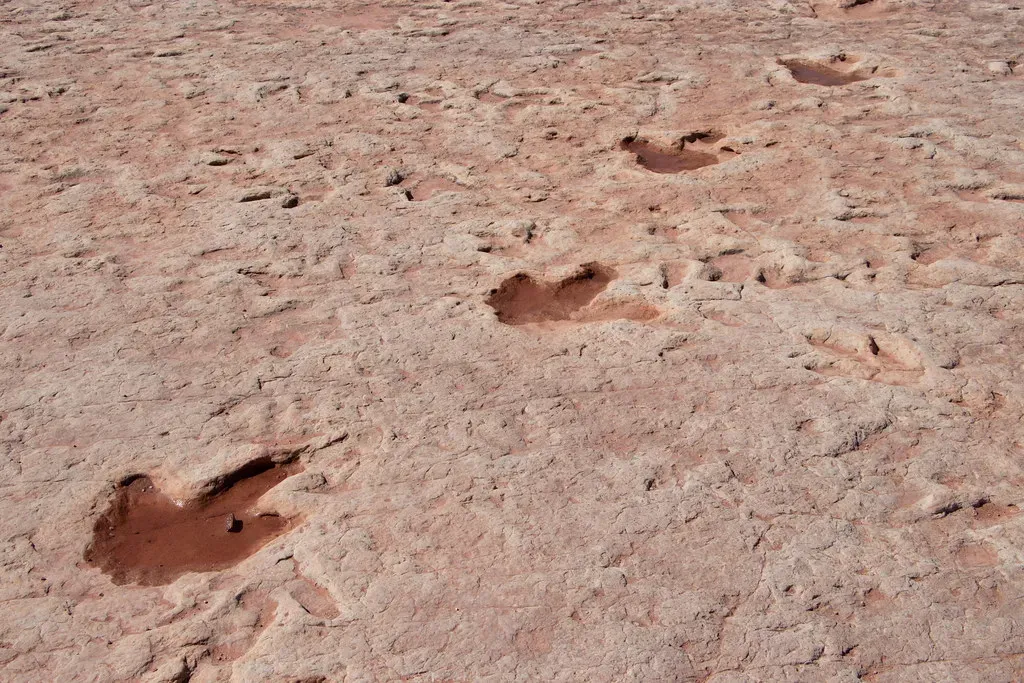
Scientists uncovered fossilized footprints with long toes and sharp claws preserved in a 355-million-year-old rock slab, representing the oldest evidence of reptiles ever found and pushing their origin back by a staggering 35 million years. Think about that for a moment. Three and a half decades of evolutionary history suddenly materialized from impressions in stone. These weren’t bones or teeth but simple tracks left behind by creatures moving across ancient mudflats.
The discovery means that a diversity of advanced tetrapods existed at a time when scientists thought only transitional fishapods were dragging themselves around muddy shorelines. This recalibration of the origin of reptiles impacts the whole timeline of tetrapod evolution. What’s fascinating here is how a few preserved footprints forced scientists to completely reimagine when and how life made the crucial transition from water to land.
Two Human Ancestors Living Side by Side in Ethiopia
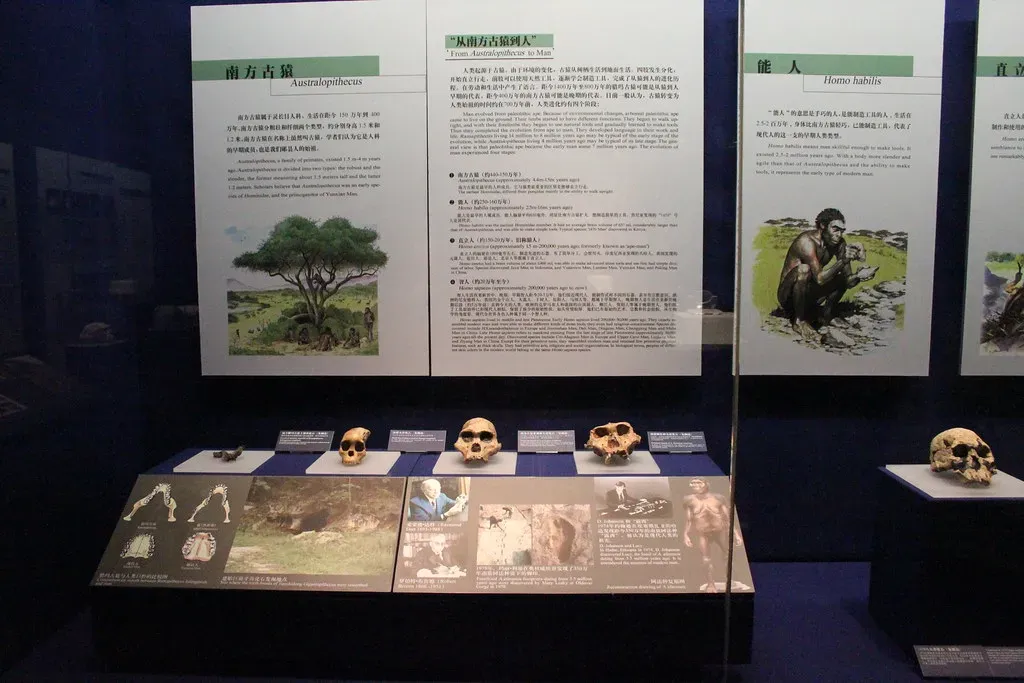
In the deserts of Ethiopia, scientists uncovered fossils showing that early members of our genus Homo lived side by side with a newly identified species of Australopithecus nearly three million years ago. This wasn’t supposed to happen according to older theories. The research shows that the image of an ape to a Neanderthal to a modern human is not correct, and human evolution is not linear but a bushy tree with life forms that go extinct.
Thirteen teeth found at the site belong to both the genus Homo and a new species of the genus Australopithecus. It’s humbling when you consider that our family tree was far more crowded than we imagined. Multiple hominin species coexisted, potentially competing for resources or maybe even interacting in ways we can only speculate about. The linear march of human progress turns out to be a myth, replaced by a far messier and more interesting reality.
Metabolic Molecules Preserved in Million-Year-Old Bones
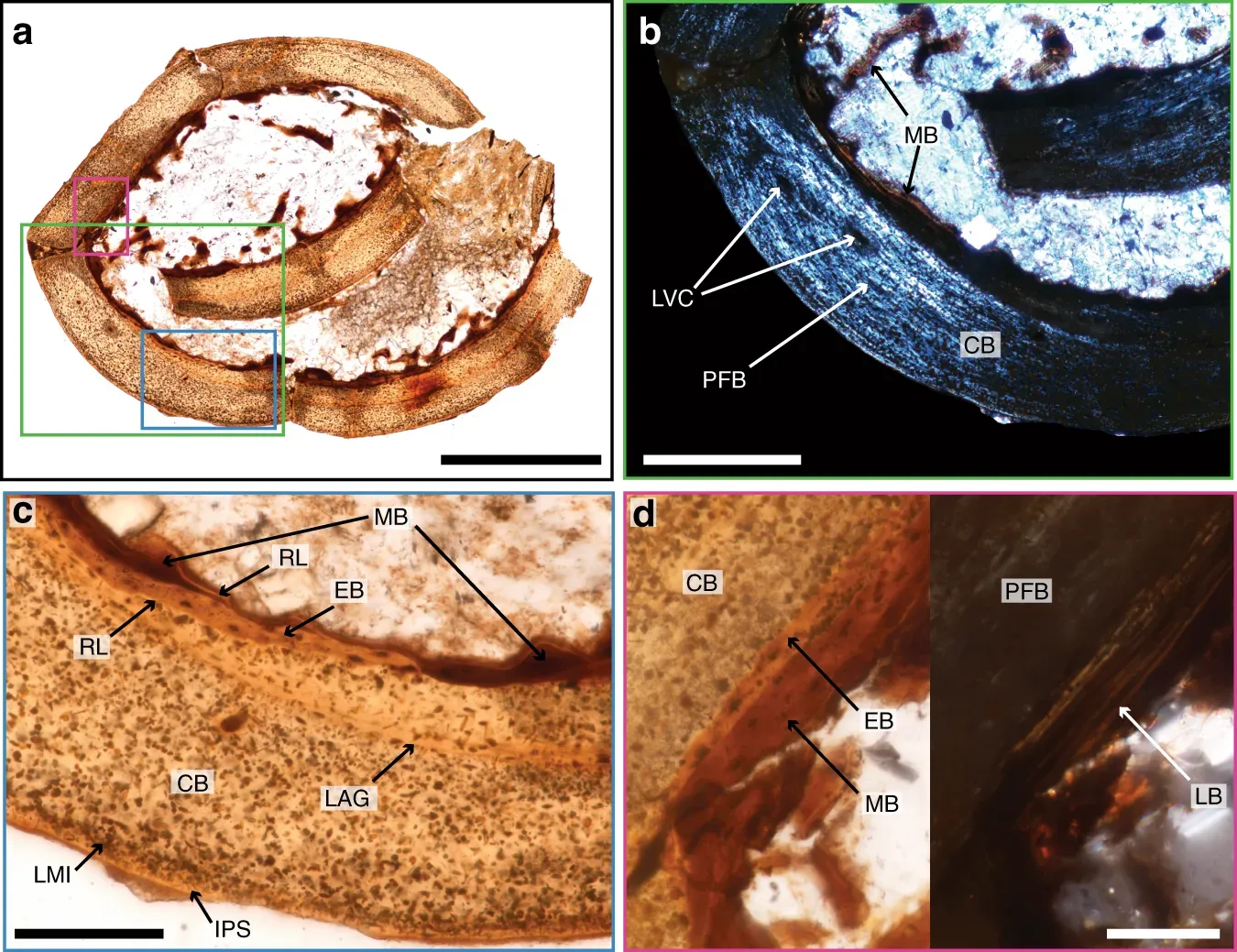
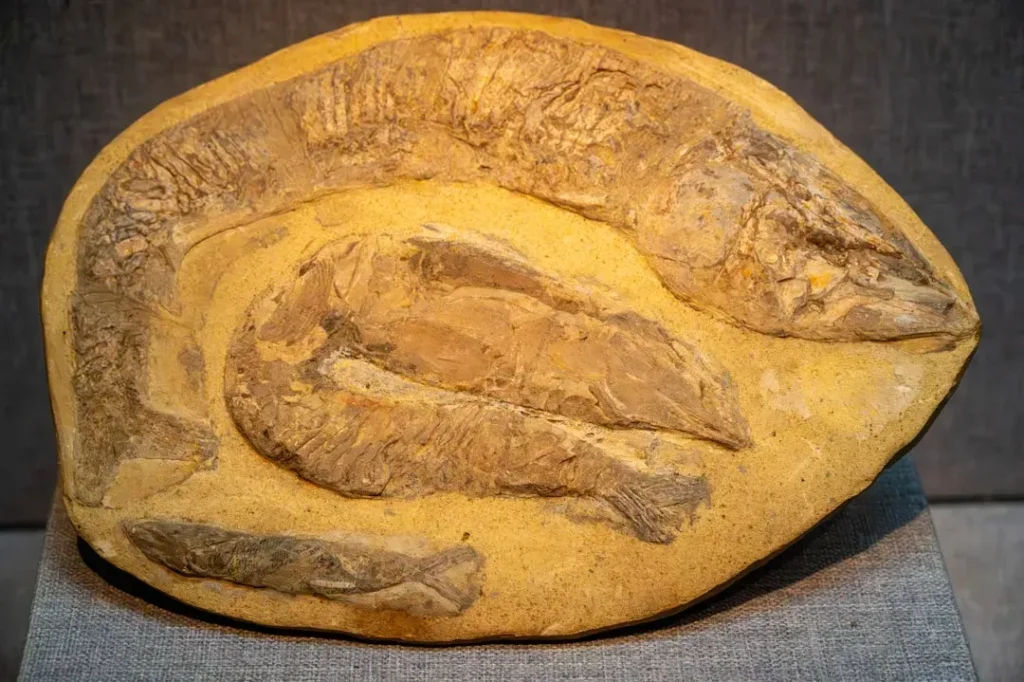
Researchers uncovered thousands of preserved metabolic molecules inside fossilized bones millions of years old, offering a surprising new window into prehistoric life. Let’s be real, nobody expected this level of preservation. The findings reveal animals’ diets, diseases, and even their surrounding climate, including evidence of warmer, wetter environments. One specimen even showed signs of a parasite still known today.
Thousands of metabolites were identified, many of which closely matched those found in living species. Some chemical markers were linked to estrogen-related genes, indicating certain fossilized animals were female, while other molecules revealed signs of illness. This discovery transforms how scientists can study ancient ecosystems, moving beyond static bones to understand the living, breathing, sometimes sick creatures that once walked the Earth.
Prototaxites May Represent an Entirely New Kingdom of Life
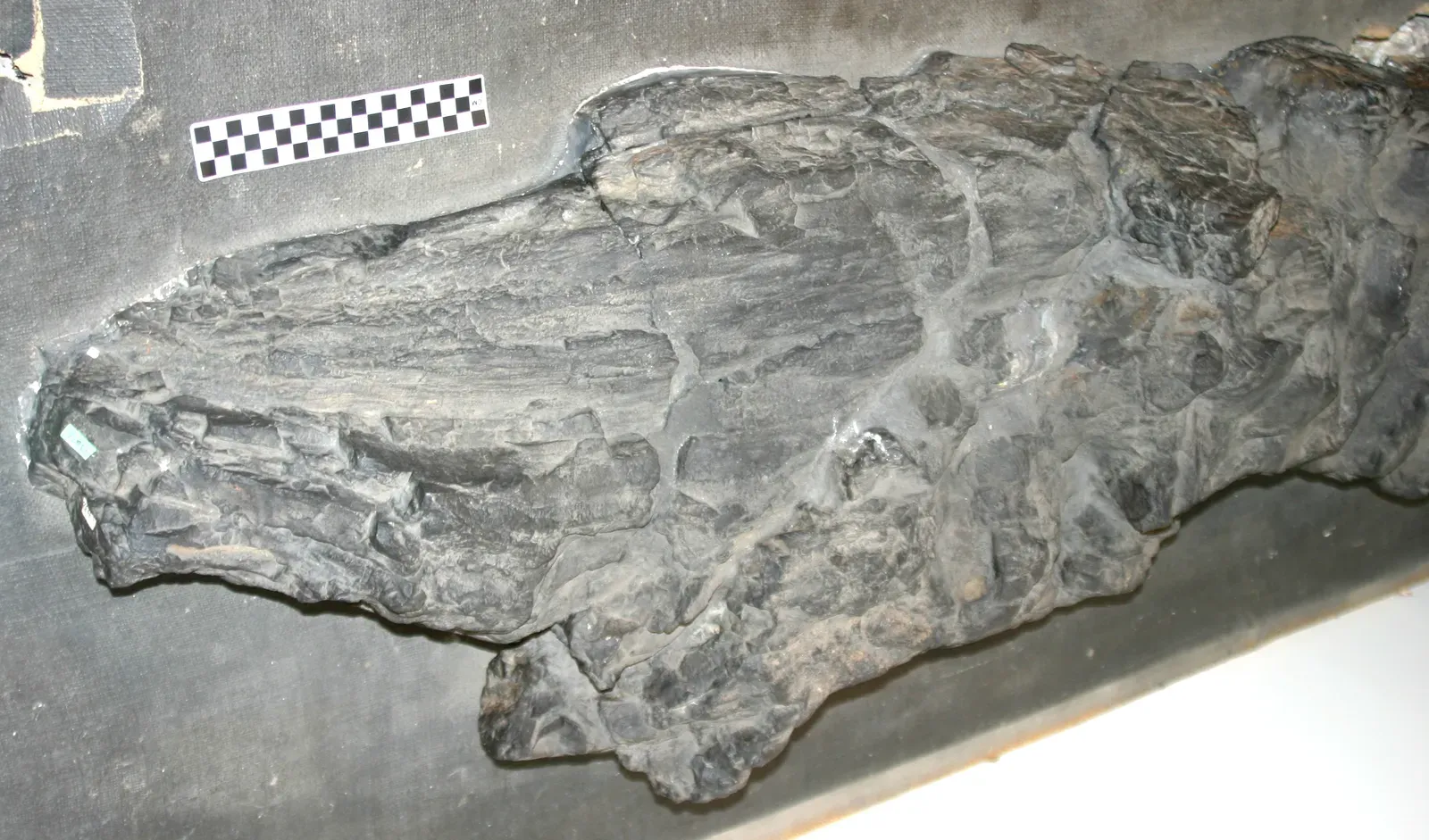
Before trees came along some 400 million years ago, our planet’s landscape was dominated by enigmatic, spire-shaped life-forms that towered more than 25 feet above the ground, yet despite more than a century of speculation, scientists have struggled to answer what they were. After comparing fossils with fossil fungi from the same rock deposit, researchers conclude that Prototaxites was likely a distinct lineage, placing it on an equal footing with the six currently recognized kingdoms of life.
Researchers found that Prototaxites’ tubes branched wildly, whereas threadlike hyphae in modern fungi follow more orderly patterns. Plus, researchers detected no chemical trace of chitin, a polymer found in the cell walls of all living fungi. Here’s the thing: discovering a potential seventh kingdom of life isn’t something that happens every day. These towering structures dominated ancient landscapes, yet they fit into no existing category of known organisms.
A 520-Million-Year-Old Larva With Intact Brain and Guts
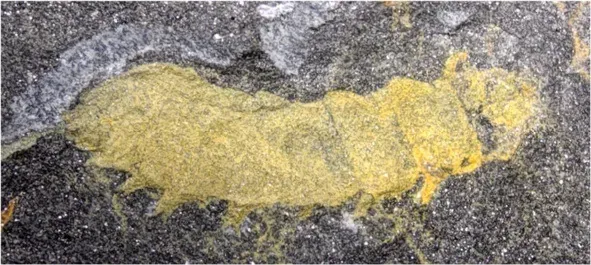
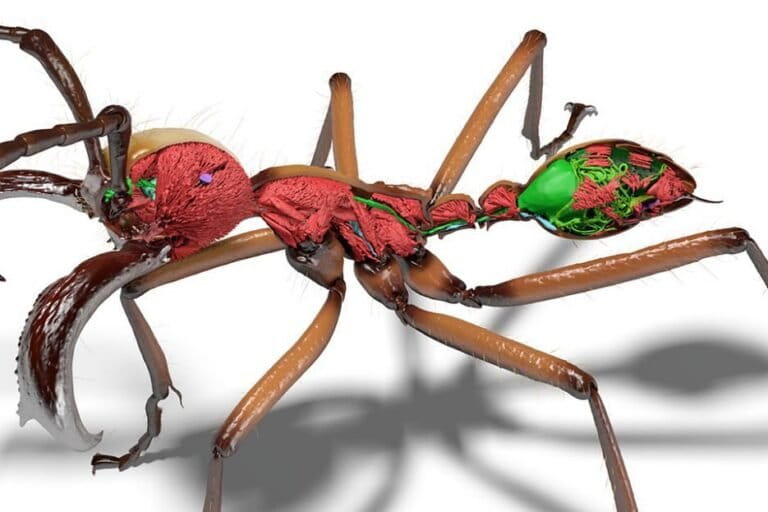
Scientists discovered a 520-million-year-old fossilized larva with brains and guts intact, offering unprecedented insights into early arthropod evolution. The preservation quality borders on miraculous. Preserved in the larva was a region of the brain known as the protocerebrum, which evolved into the nub of arthropod heads that has allowed them to thrive in such a wide variety of environments.
The lead researcher couldn’t hide his amazement, admitting this was the fossil he’d always dreamed of finding but thought the chances were practically zero. Most fossils have something in common – it’s just the hard stuff left behind, with soft tissues degrading over time except in environments particularly adept at preservation. This tiny creature’s internal organs survived half a billion years, giving us a direct window into how the most successful group of animals on Earth first developed their remarkable adaptability.
Ancient RNA Recovered From 40,000-Year-Old Mammoth Tissue
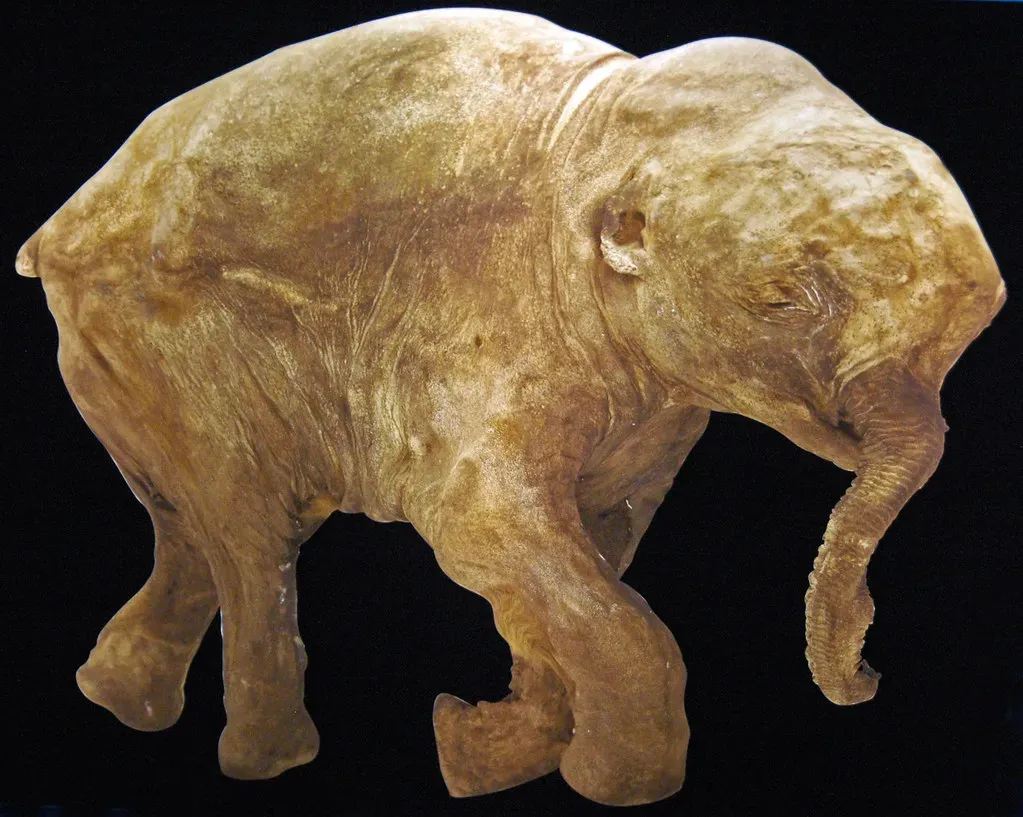
Researchers sequenced the oldest RNA ever recovered, taken from a woolly mammoth frozen for nearly 40,000 years, revealing which genes were active in its tissues. RNA is far more fragile than DNA, so finding it preserved for this long seemed impossible. The molecules break down quickly under normal conditions, yet the permafrost acted as nature’s freezer, maintaining these delicate structures across millennia.
This isn’t just about mammoths. The technique opens doors to understanding which genes were actually functioning in ancient organisms, not just which genes they possessed. It’s the difference between having a cookbook and knowing which recipes someone actually used. Scientists can now explore questions about metabolism, stress responses, and daily biological processes in creatures that vanished tens of thousands of years ago – information that was previously thought to be lost forever to the passage of time.
Conclusion
These seven discoveries remind us that paleontology remains one of the most dynamic and unpredictable fields in science. Each finding doesn’t just add information; it forces researchers to reconsider fundamental assumptions about how life evolved, adapted, and ultimately shaped the world we inhabit today. From tyrannosaurs that weren’t what they seemed to mysterious towers that might represent an unknown form of life entirely, the fossil record keeps delivering surprises.
What makes these breakthroughs particularly fascinating is how they challenge the very notion of scientific certainty. Theories that stood unchallenged for decades crumble when confronted with new evidence, and that’s exactly how science should work. The next earth-shattering discovery might already be sitting in museum storage somewhere, waiting for fresh eyes and new technology to reveal its secrets. What do you think will be the next major discovery to shake up everything we thought we knew about prehistoric life?