Have you ever noticed patterns in your life where everything seemed to shift all at once? Maybe you wondered if the stars had something to do with it. Truth is, the cosmos operates in rhythms, and these cosmic cycles can reveal when you’re likely to encounter significant turning points. Think of astrology as a cosmic map that doesn’t determine your fate but highlights when you might face pivotal decisions or transformations.
Let’s be real, change can be scary. Still, understanding the astrological cycles that signal these shifts can help you prepare, adapt, and maybe even embrace what’s coming. These aren’t random events. They’re predictable patterns that affect everyone, though the way they manifest depends entirely on your unique birth chart and life circumstances. So let’s dive in.
Saturn Return: Your Cosmic Rite of Passage Into Adulthood
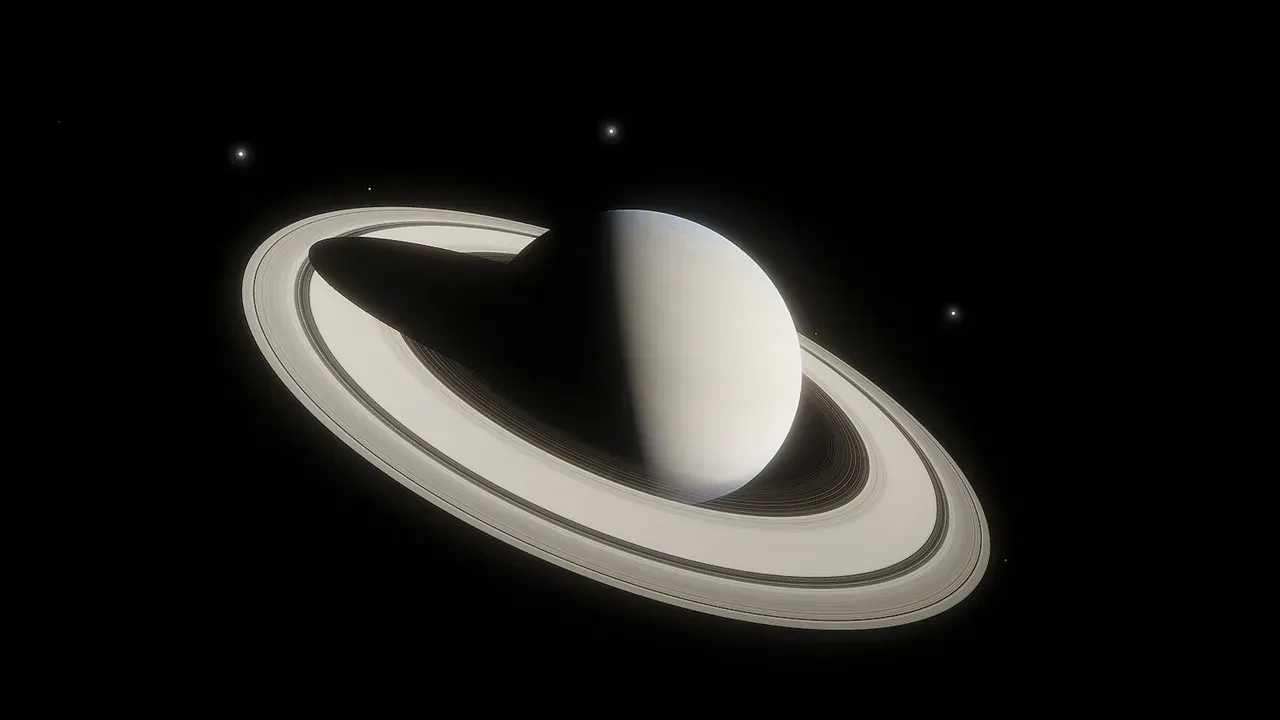
Your Saturn return happens roughly every 29.5 years when Saturn completes its orbit and returns to the same position it occupied when you were born, marking a major threshold where you cross into the next stage of life. For most people, the first Saturn return occurs between ages 27 to 31, the second around 56 to 60, and the third (if you’re lucky) around 84 to 90.
Here’s the thing. Your Saturn return is essentially a threshold, a transition from youth to adulthood during the first return. Work tends to be a major theme during this period, with many people making significant career changes, and Saturn will give you very clear signals if you’re not aligned with your calling and pursuing your passions. This isn’t just about switching jobs though. It’s about becoming the author of your own life and taking full responsibility for where you’re headed. Your Saturn return is fundamentally a time when you sort through the people, places, and things that matter to you, and when you’re confronted with what no longer matches your energy, it becomes an astrological transit wanting you to become the most authentic version of yourself.
Jupiter Return: Expansion and Opportunity Knocking
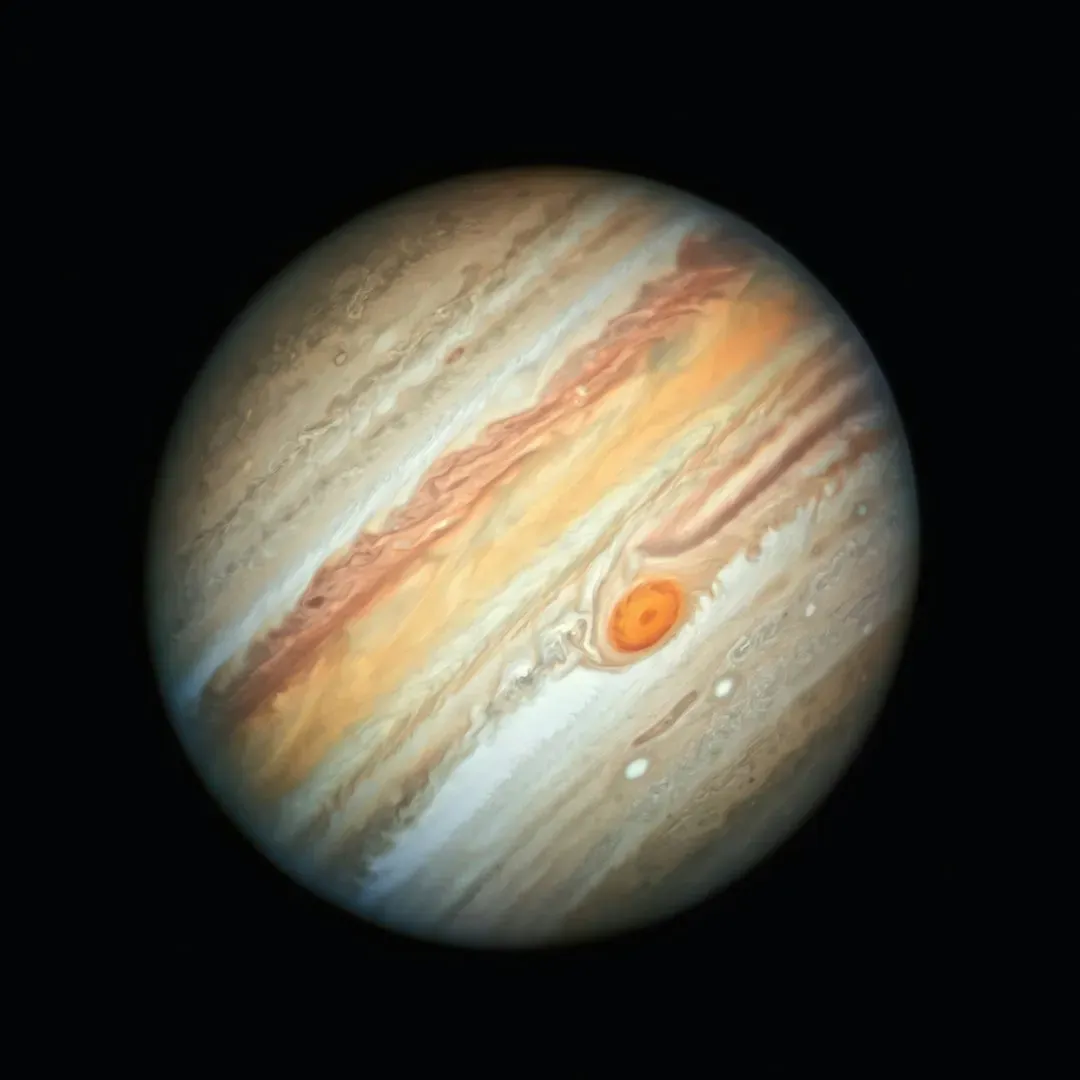
While Saturn brings responsibility and structure, Jupiter brings something completely different. Jupiter returns occur approximately every 12 years when Jupiter in the sky reenters the sign it was in when you were born. This cycle feels lighter than Saturn’s heavy hand, but it’s no less important.
Jupiter returns are points of expansion for us, bringing abundance, greater awareness, higher learning, and shaping our philosophies of the world. Think back to when you were around 12 years old. The first Jupiter return often coincides with the beginning of secondary education cycles in many cultures, when our minds and awareness of the world expand, and our bodies start maturing into a different part of our youth. Each subsequent return at ages 24, 36, 48, and beyond offers a fresh start. Before the start of a new Jupiter return, it may feel like a closing to a cycle that has been unfolding over the last 12 years, with whatever themes unfolded usually coming to an end and being cleansed and purified for good, as Jupiter cycles always bring something new and a new opportunity for positive growth and expansion. It’s basically the universe handing you an invitation to grow.
Lunar Node Return: Destiny Calling Your Name
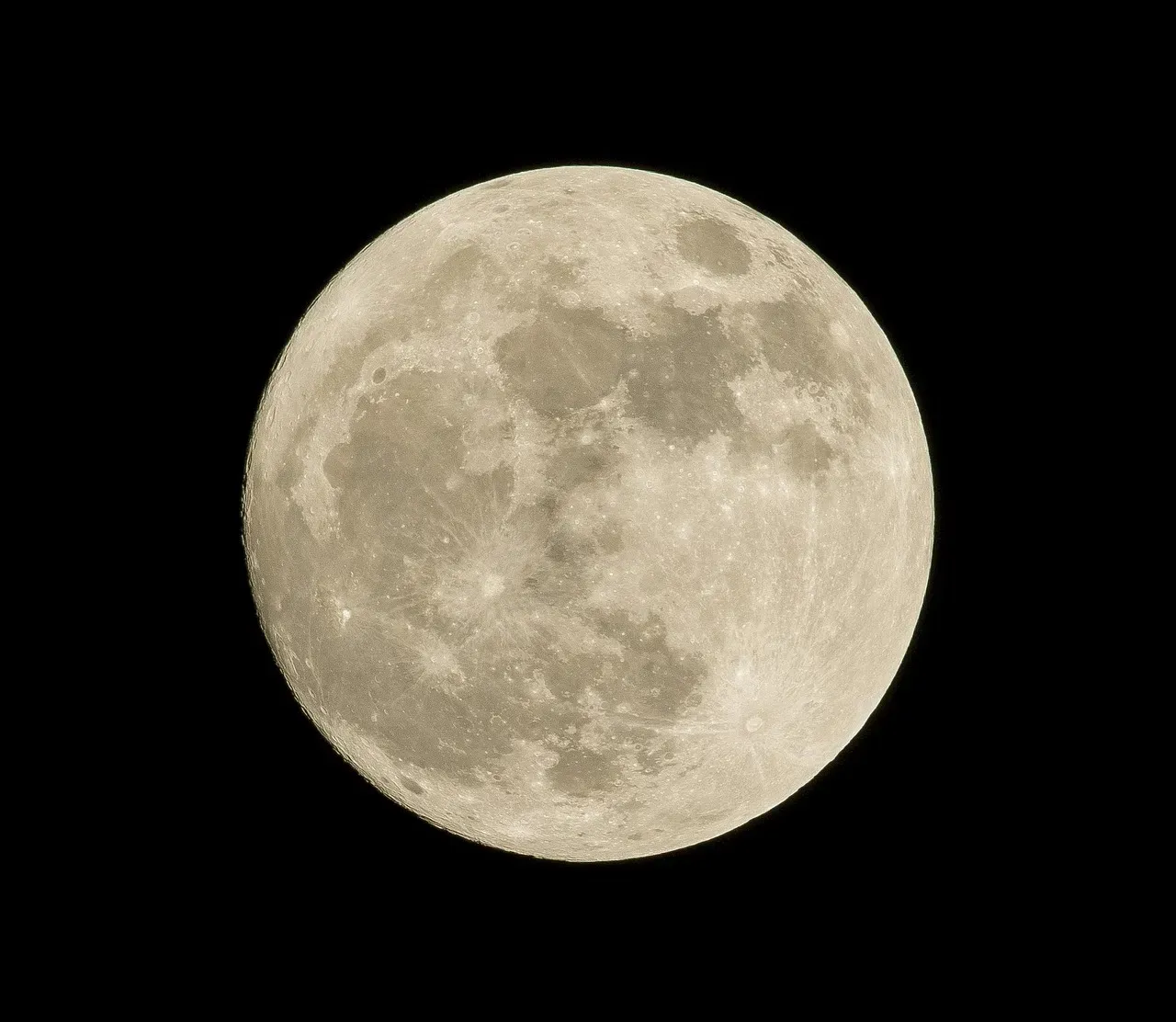
The lunar nodes take approximately 18 years to sweep through the zodiac, and when they return to their starting places between ages 18 and 19 (and every 18 to 19 years after that), it’s called a nodal return, where the South Node return reverberates themes of release and letting go while the North Node return stokes new desires and appetites. Honestly, these returns can feel like fate itself is tapping you on the shoulder.
The nodal return occurs when the North Node and South Node return to the same sign they were in when you were born about every 18 years, and when this happens you may experience a shift in your life or consciousness. The first occurs at age 18 when many folks graduate from high school and enter the workforce or college, and the themes associated with your nodes become activated, allowing you to learn important lessons – in a way it’s like a chance to take a cosmic test, and once you pass it you’re on to the next level. You’ll feel these returns around ages 18, 37, 55, and 74. Each one asks you to check in with your life’s purpose and adjust your course if needed.
Uranus Opposition: The Midlife Awakening Nobody Warned You About

Now we get to the big one that people don’t talk about nearly enough. The Uranus opposition happens to all of us around age 42, when transiting Uranus reaches the point exactly opposite its position at birth, 180 degrees across the zodiac. This is what society labels the dreaded midlife crisis, but let me tell you, it’s way more profound than buying a sports car.
Uranus is the planet of change that likes to break the rules and do things its own way, the planet of innovation, entrepreneurship, and technology that encourages us to smash down walls and do things differently, and it’s also the planet of awakening. During this opposition, you’re forced to come to terms with the life you have been living and what you want to stick with and what you want to leave behind, and if you have been living your life on autopilot, this period can trigger a huge awakening. Around age 42, you experienced your first Uranus square around age 21 or 22, and those themes of claiming your freedom and letting your inner weirdo out to play came to a head during the Uranus opposition. It’s uncomfortable, sure. Yet this discomfort can liberate you from a life that no longer fits.
Progressed Moon Cycle: Your Emotional Evolution
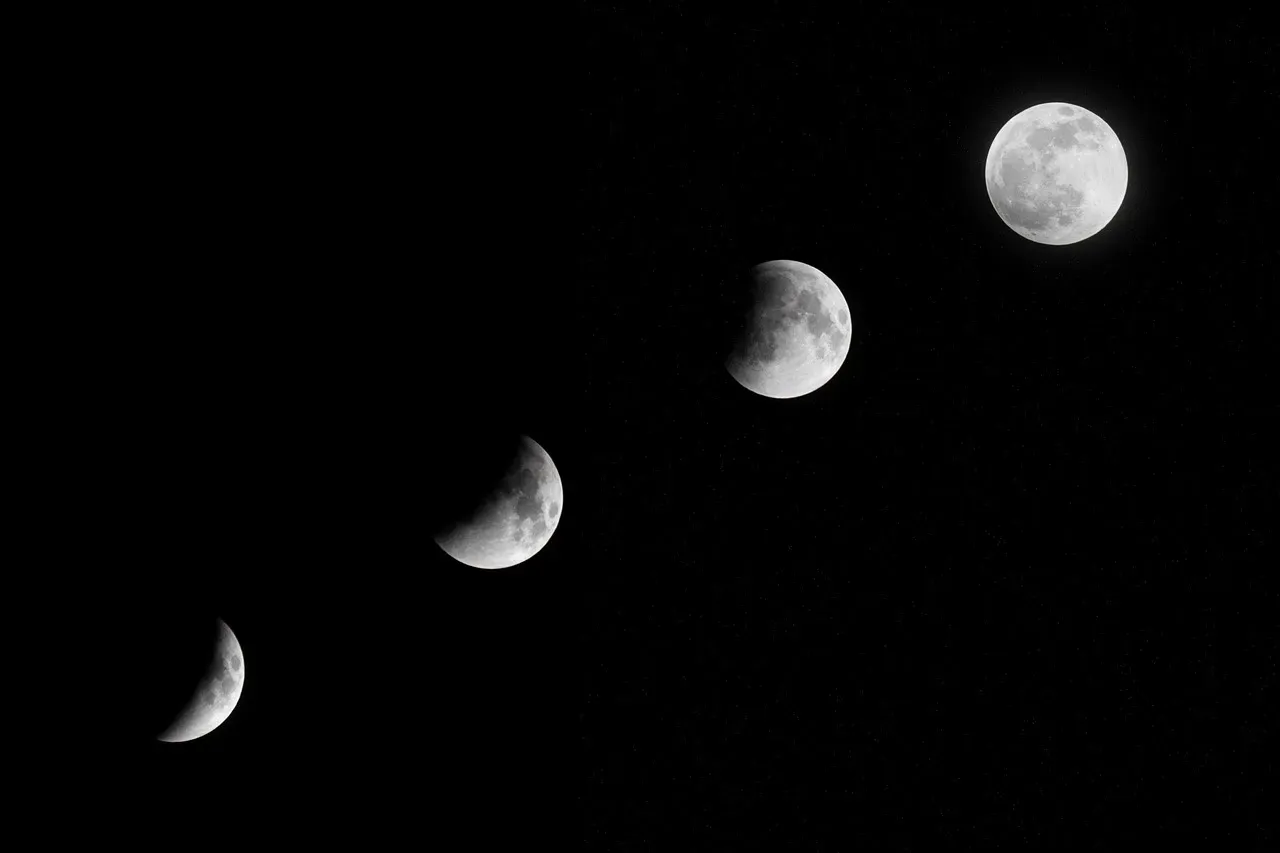
The progressed moon operates differently from the transits we’ve discussed so far. Your progressed moon moves through your chart at a rate of about one degree per month, completing an entire cycle through all twelve zodiac signs in roughly 27 to 29 years. This creates a deeply personal emotional rhythm that mirrors your inner development.
Think of your progressed moon as the emotional weather system of your life. As it moves through each sign for approximately two and a half years, you experience different emotional needs, sensitivities, and ways of nurturing yourself. When your progressed moon changes signs, you might suddenly crave different kinds of connections, feel drawn to new creative outlets, or discover that what used to comfort you no longer does. The progressed moon return, which happens around your late twenties, marks a full emotional cycle and often coincides with feeling like you’ve finally grown into yourself. It’s subtle compared to the dramatic shifts of Saturn or Uranus, but its influence on your day to day emotional life is undeniable.
Saturn Opposition: Reality Check at Midlife
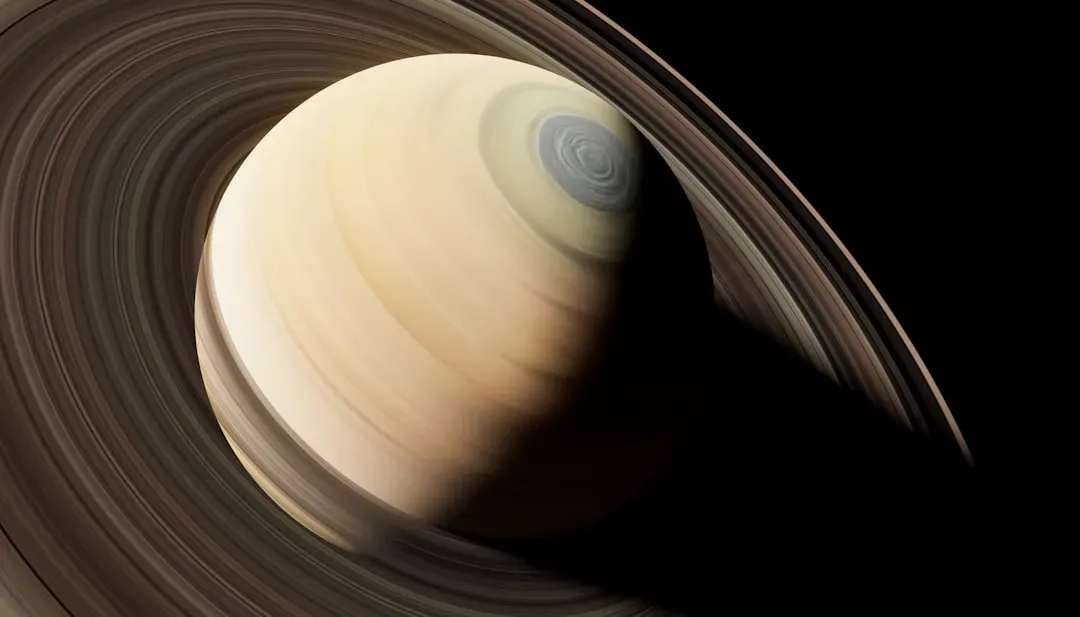
Saturn oppositions happen every time this planet reaches the 180 degree point from its natal position, which occurs around ages 44 and 74, and these are periods of life when we get to know the impact of our choices more intimately in both positive and challenging ways, with whatever we work through at these ages strengthening our resilience for years to come. Coming right after your Uranus opposition, Saturn opposition forces you to actually deal with the consequences of any changes you contemplated or started during that earlier awakening.
This is when the rubber meets the road. The transits that take place around this age represent the astrology of the midlife crisis, where the early 40s has a similar vibe to your early 20s with wanting to strike out and be your own person and shake things up, but you may also feel restricted by other people or held back by the responsibilities you have on your plate due to your Saturn opposition and Uranus opposition occurring at the same time. Saturn doesn’t care about your feelings. It cares about structure, responsibility, and the long game. If you’ve been avoiding hard truths or difficult decisions, Saturn opposition will make sure they land on your doorstep with a loud thud. The gift here is clarity about what truly matters and what you’re willing to work for.
Seven Year Uranus Cycle: The Rhythm of Reinvention

Beyond the major opposition at midlife, Uranus influences us through its seven year cycle as it moves through each zodiac sign. Uranus changes the sign it’s traveling in every seven years, and the planet represents liberation and change, which explains why as one cycle ends and another begins our lives may feel shaken up, with Uranus cycles happening on a collective scale meaning everyone can feel the effects.
The first cycle shift happens at age seven when we start to understand how authority works and learn about logic and linear thinking, then at age 14 when we question our own identity and are challenged by external influences, followed by age 21 when Saturn’s cycle aligns us with our passions, then comes the Saturn return around age 28. Every seven years after that, you’re essentially being asked to level up, to break free from stagnation, and to reinvent yourself in some way. Seven year cycles can serve as a catalyst for letting go of what isn’t in alignment anymore, and when the planets enter a new cycle, identifying what things in your life aren’t aligned with your authentic self becomes essential. These aren’t always dramatic like the big returns, but they create a steady pulse of evolution throughout your entire life.
Conclusion
These seven astrological cycles aren’t fortune telling. They’re cosmic patterns that highlight when you’re most likely to face crossroads, opportunities, and the need for transformation. Whether you’re approaching your first Saturn return or navigating the complexities of midlife transits, understanding these cycles can help you work with the energy instead of against it.
The beauty of astrology is that it reminds us we’re not alone in our struggles and transformations. Everyone goes through these cycles. What makes your experience unique is how you respond, what you choose to release, and what you decide to embrace as you move forward. The stars don’t control your destiny, but they can illuminate the path and help you understand why certain times feel more intense than others.
What cycle are you in right now? Have you noticed any of these patterns playing out in your own life? Sometimes just knowing that you’re in a particular astrological phase can take the edge off the uncertainty and help you trust the process.