Have you ever noticed someone whose words say “I’m fine” but whose entire body tells a completely different story? You’re standing in a crowded room or sitting across from a colleague, sensing something’s off even though nothing was explicitly said. The truth is, our bodies leak secrets all the time. In a world where we’re increasingly aware of mental health and emotional wellbeing, understanding the subtle ways anxiety manifests through nonverbal cues is like unlocking a hidden language that connects us all.
What lies ahead for humanity is a future where we can better decode these silent signals, creating deeper understanding and genuine connection. Think of it as a superpower that’s available to everyone, waiting to be explored. Let’s dive in.
The Restless Energy of Fidgeting and Repetitive Movements
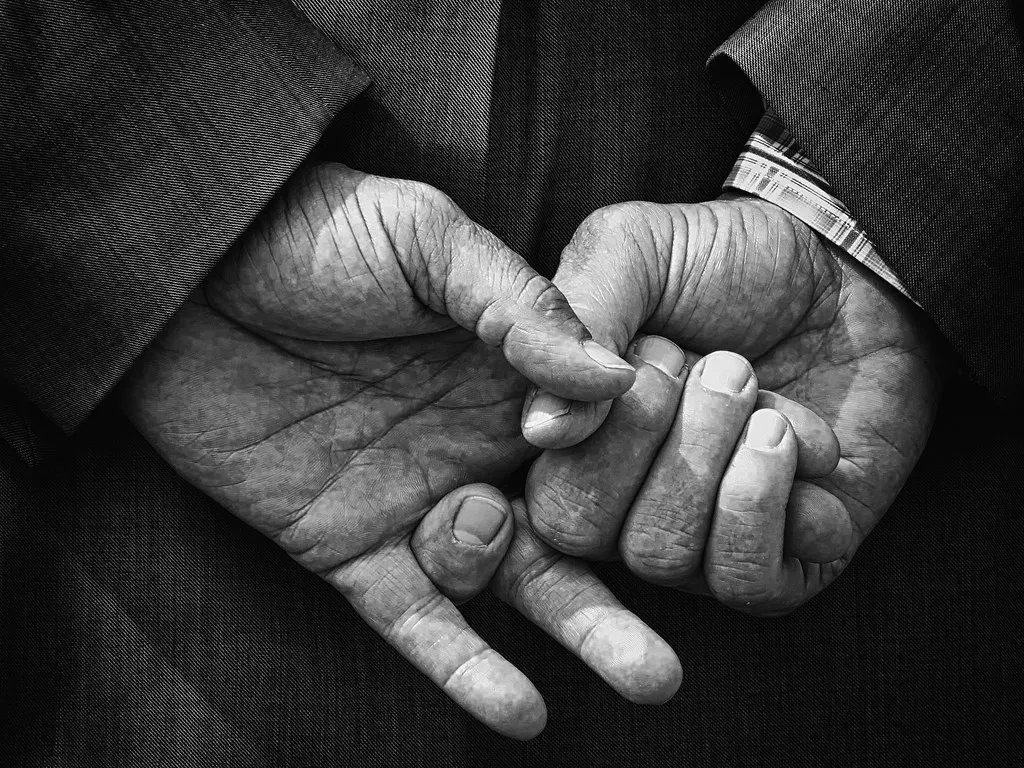
You might not even realize you’re doing it. Fidgeting and restless movements are hallmark signs of anxiety, including leg bouncing, finger tapping, hair twirling, or repetitive touching of objects, which often serve as a release for pent-up nervous energy and can be a self-soothing mechanism. When your mind feels like it’s spinning out of control, your body searches for any outlet it can find. Sometimes that means rhythmically tapping your foot against the floor or clicking a pen over and over.
When people are nervous and anxious, they feel a sense of loss of control, so to restore that sense of control, they apply pressure to their body parts or objects with their hands, which is why cracking knuckles helps a nervous person feel in control again. It’s hard to say for sure, but researchers believe these repetitive motions help the brain regain a sense of stability when everything else feels chaotic. Nearly half of people exhibit some form of fidgeting when stressed, making it one of the most universal anxiety signals you’ll encounter.
Fidgeting is small movements made by the body, particularly the hands and feet, in times of nervousness and is one of the most common nervousness body language cues. These movements can range from subtle to extremely noticeable. Some people develop such strong fidgeting habits that they become almost automatic responses to any uncomfortable situation. Watch for it in meetings, social gatherings, or anywhere stress levels rise.
The Protective Barrier of Crossed Arms and Closed Posture

Anxiety often manifests in posture changes, with hunched shoulders being a common sign, where the shoulders round forward and the chest caves in, which can be an unconscious attempt to shield oneself from perceived threats, and crossed arms can also indicate a defensive stance when accompanied by other anxiety signals. This protective stance isn’t necessarily hostile. Your body is literally trying to create a physical barrier between yourself and whatever’s making you uncomfortable.
Think about it like this. When you’re feeling vulnerable or threatened, even in a completely safe environment, your nervous system doesn’t always know the difference. Crossed arms can often be a sign of hostility or disinterest but can also be a nervousness body language cue, where by folding our arms, we are physically closing ourselves off and protecting ourselves from those around us. I’ve seen this countless times in therapy waiting rooms or job interviews.
The fascinating thing is how universally understood this gesture is. Open gestures make people look bigger, while defensive gestures make them look smaller, where a common defensive gesture is crossing your arms, and sometimes people also engage in partial arm-crossing where they only have one arm across their torso, or they’ll find an object to cover the front, vulnerable part of their body. Your ancestors used similar protective postures when facing actual predators. Today, that same instinct kicks in during a tense conversation or unfamiliar social situation.
The Telling Tale of Avoiding Eye Contact

An averted gaze, where the individual struggles to maintain eye contact or frequently looks away, can suggest social discomfort or a desire to escape the situation. Eyes really are windows to our emotional state. When you’re anxious, making direct eye contact can feel almost physically painful, like exposing something raw and vulnerable that you’d rather keep hidden.
Avoidance of eye contact is another common sign, indicating discomfort or apprehension. This behavior is especially evident in people experiencing social anxiety. Individuals with social anxiety disorder may also avoid eye contact or shift their attention inward in response to anxiety induced by social situations, where these strategies can make it more difficult to process social cues, hindering their behavioral synchrony with conversation partners. It’s like your brain is working overtime trying to manage internal panic, leaving little bandwidth to engage outwardly.
The irony is that avoiding eye contact often makes anxious people feel more isolated. Humans are wired for connection, and eye contact is one of the primary ways we establish that bond. When anxiety hijacks that natural process, it creates a self-reinforcing cycle where lack of connection feeds more anxiety, which leads to more avoidance.
Facial Tension and the Furrowed Brow

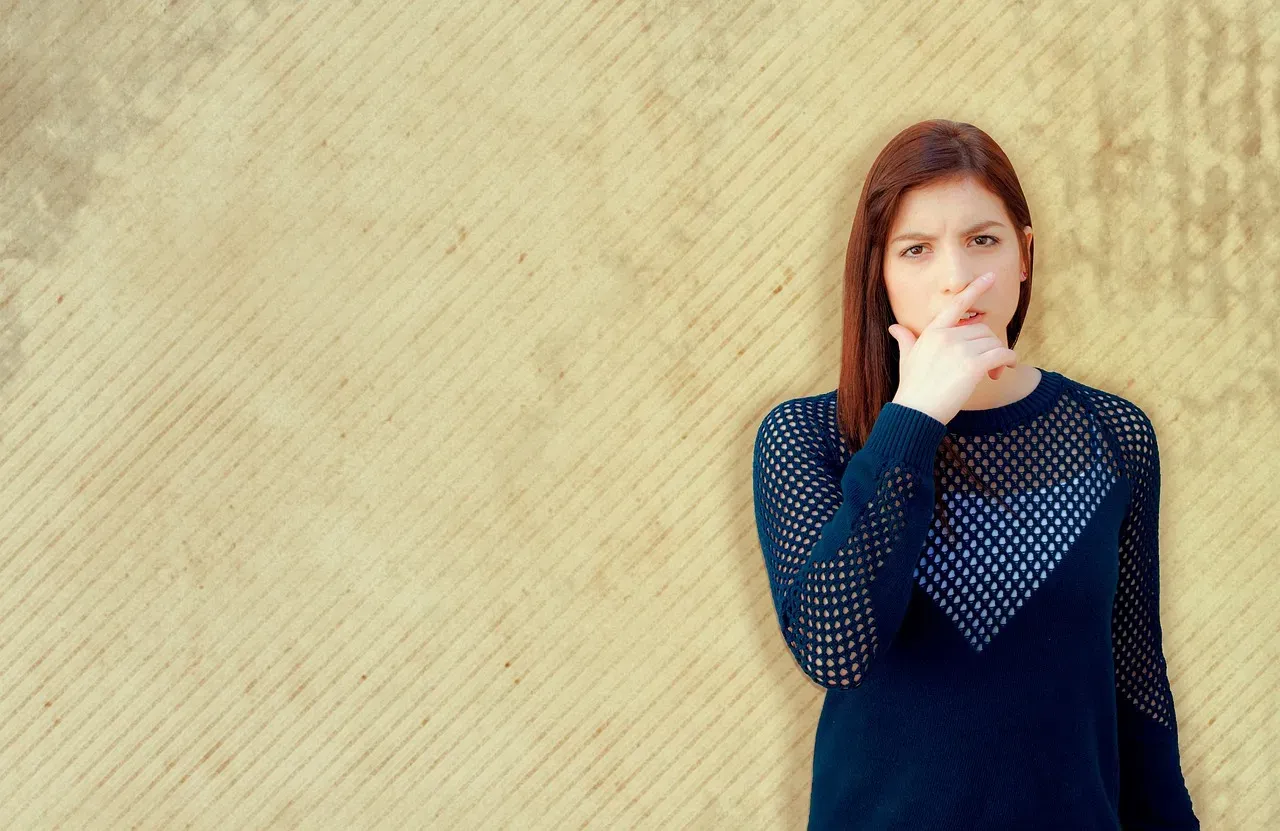
Facial expressions are a primary indicator of anxiety, where furrowed brows, often accompanied by a slight raising of the inner eyebrows, can signal worry or concern, and tight lips, where the mouth is drawn into a thin line or the corners are slightly pulled down, may indicate tension or discomfort. Your face carries the weight of your internal experience, whether you want it to or not.
Let’s be real here. You can sometimes see anxiety written across someone’s forehead as clearly as words on a page. If you’re anxious, your whole face and body will be stiff, you’ll also furrow your brow, and people may ask if you’re in a bad mood or worried if they see this facial expression. That constant tension in the facial muscles isn’t just uncomfortable for the person experiencing it. It also sends signals to everyone around them.
The face contains roughly forty muscles that work together to create thousands of different expressions. When anxiety takes hold, many of those muscles tighten involuntarily. You might notice someone’s jaw clenching or their lips pressing together. These micro-expressions happen faster than conscious thought, making them incredibly honest indicators of internal distress.
The Physical Manifestations of Sweating and Color Changes
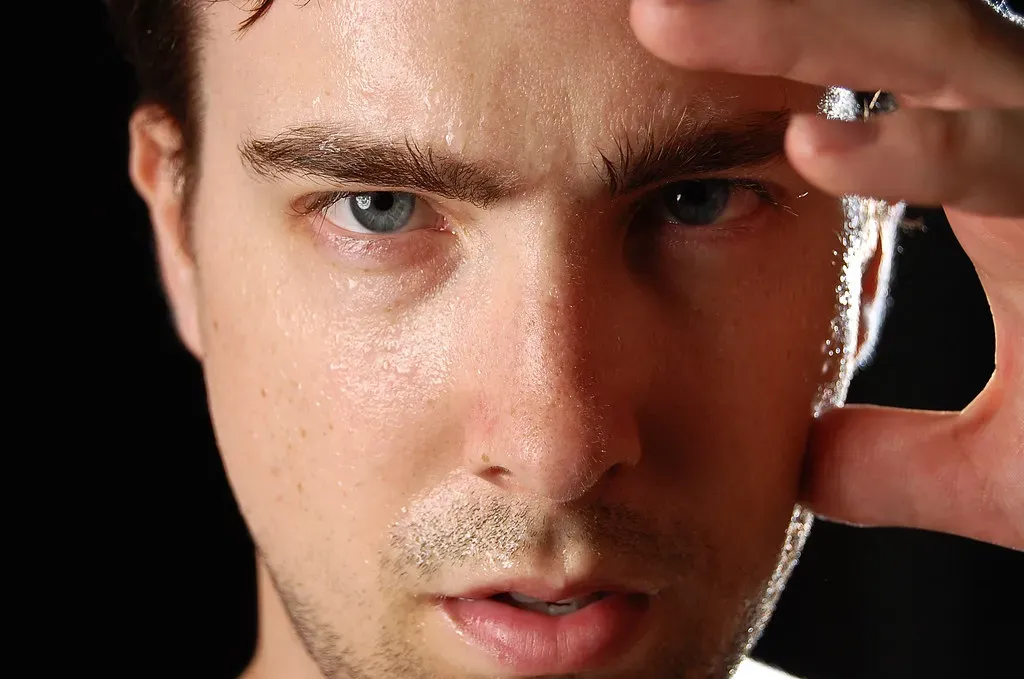
Sweating and changes in skin color are physiological responses tied to the body’s stress response, where increased perspiration, particularly on the palms, forehead, or upper lip, can indicate heightened anxiety. This is the body’s ancient cooling system kicking into overdrive, preparing for physical danger that isn’t actually there. Increased perspiration, particularly on the palms, forehead, or upper lip, can indicate heightened anxiety, and skin may appear flushed or, conversely, pale as blood flow is redirected to vital organs in response to perceived threat.
Sweating is a sign of nervousness that is easily recognized and difficult, if not impossible, to hide or overcome by yourself, where a little sweating of the hands or feet may be a natural reaction to a stressful situation, but there is such a thing as excessive sweating. I know it sounds crazy, but your cardiovascular system doesn’t distinguish between presenting in front of colleagues and fleeing from a predator. The physiological response is remarkably similar.
Color changes are equally revealing. Some people go pale when anxious, while others flush bright red across their cheeks and neck. These visible changes happen because your autonomic nervous system redirects blood flow based on perceived need, creating these telltale signs that something’s stirring beneath the surface.
The Freeze Response and Sudden Stillness

It is not uncommon for the body to freeze in times of stress and anxiety, where there is essentially so much energy swirling around that your body doesn’t know what to do with it, and instead of trying to release the energy or deal with it, the body freezes, which can be one of the more difficult signs of nervousness to overcome. This ancient survival mechanism is the lesser-known sibling of fight or flight.
When you observe someone suddenly becoming very still, almost statue-like, it might be their anxiety response. Freezing is another common defensive gesture where it avoids movements that would make one easily noticeable, and a person may be totally relaxed and comfortable when they’re with you but become stiff in social situations, where freely moving your body as required signals confidence. It’s fascinating how the same stress that makes some people fidget makes others go completely rigid.
This freeze response can show up in conversation too. You might notice someone’s voice becoming monotone or their gestures stopping entirely. The internal experience is one of being overwhelmed to the point where the system simply shuts down non-essential functions. Think of it as your brain’s emergency brake.
The Subtle Art of Self-Soothing Gestures
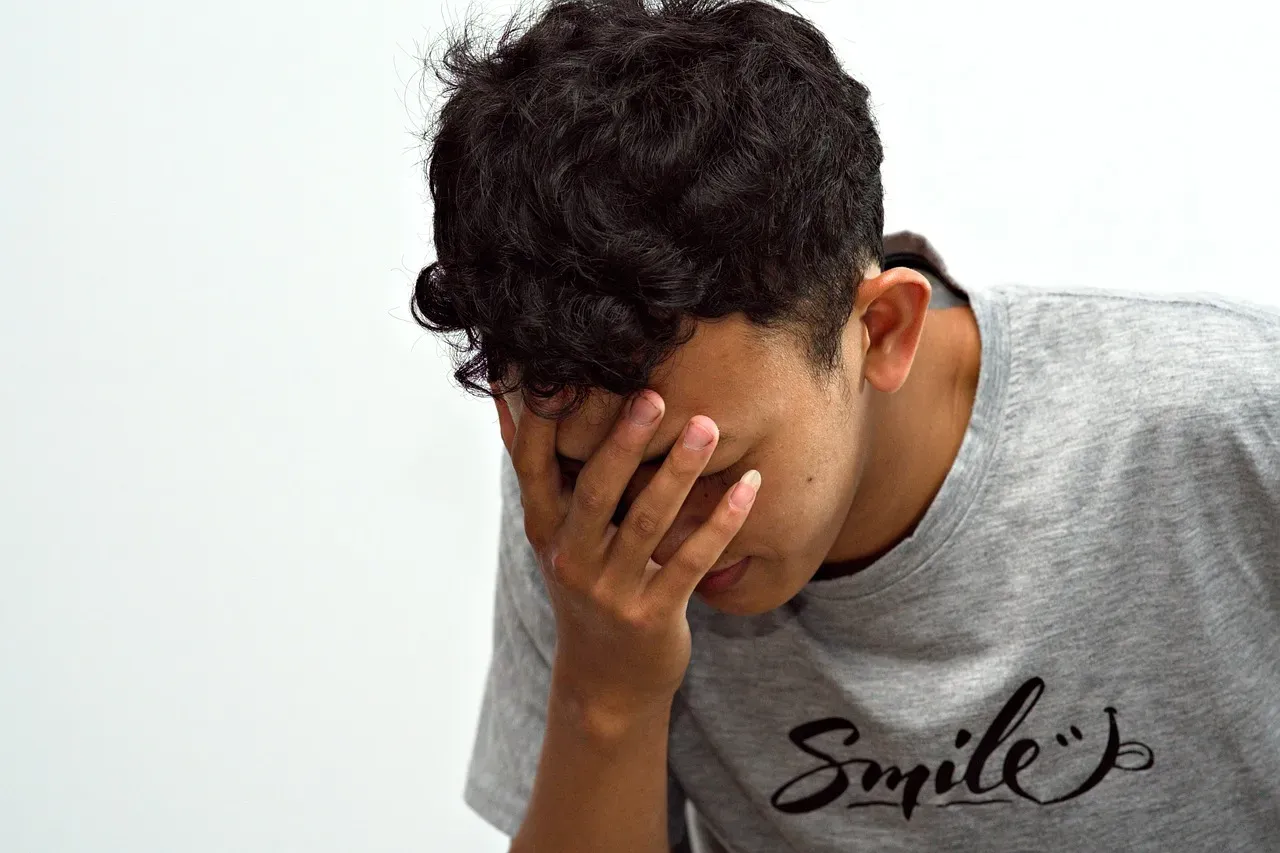
Control can be restored not only with hands but also with the mouth, where nail-biting and putting objects such as a pen in the mouth make a person feel in control, and fidgeting is repetitive and unnecessary movements such as hands or feet tapping, where these movements are triggered by anxiety and help a person gain some control. These unconscious behaviors are your body’s attempt to comfort itself when your conscious mind can’t manage the anxiety.
You’ll often see people touching their neck, rubbing their arms, or playing with jewelry when they’re anxious. Our hands are a big part of the body language of anxiety, where one thing that will give away this emotional state is when you constantly hide your hands, and if we’re afraid, mistrustful, or want to express reservations, we hide them by putting them in our pockets, behind our back, under the table, etc. These gestures serve as mini-resets for the nervous system.
What’s particularly interesting about self-soothing is how specific and personal these patterns can be. One person might twist their hair, another might rub their thumb across their fingers, and yet another might adjust their clothing repeatedly. These behaviors often develop in childhood and persist throughout life as go-to comfort mechanisms. They’re not inherently problematic, just visible evidence of internal processing.
Conclusion
Understanding these seven body language signals opens up a whole new dimension of human communication. Perception of body language has been estimated to constitute up to 60-70% of human social communication, and people who are able to correctly perceive body language signals tend to experience more meaningful relationships, greater social approval and competence. We’re living in an era where emotional intelligence and empathy are becoming increasingly valued skills.
The future of human connection depends on our ability to read these subtle cues and respond with compassion rather than judgment. When you notice someone displaying these anxiety signals, you have an opportunity to offer understanding or create a more comfortable environment. That simple awareness could make all the difference in their experience.
Recognizing hidden anxiety in others, and even in yourself, is just the first step. The real adventure lies in what we do with that knowledge. So what do you think? Have you noticed these signals in yourself or those around you? The more we talk about it, the more we normalize the conversation around mental health and human connection.