Have you ever felt your palms get sweaty before a big meeting, or noticed your leg bouncing uncontrollably during a tense conversation? Your body speaks volumes even when your mouth stays shut. While you might think you’re keeping your nerves under wraps, your physical self often tells a completely different story.
Anxiety doesn’t just live in your mind. It seeps through your posture, your gestures, and even the tiniest movements you barely register. Understanding these signals can transform how you navigate stressful situations and, honestly, how you connect with the people around you. Let’s explore what your body might be saying when anxiety takes the wheel.
Fidgeting and Restless Movements
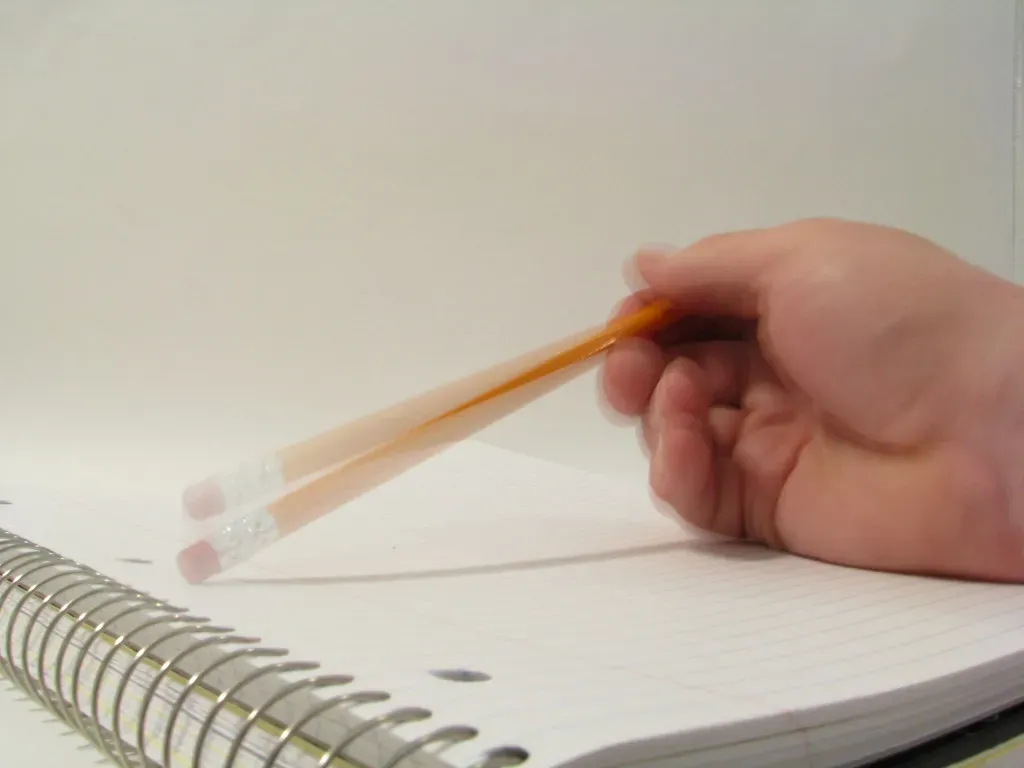
Fidgeting and restless movements are hallmark signs of anxiety, including leg bouncing, finger tapping, hair twirling, or repetitive touching of objects. Think about the last time you felt nervous. Did your fingers start drumming on the table without your permission? Maybe you twisted a ring around your finger over and over, or your foot started its own percussion routine under the desk.
Such behaviors often serve as a release for pent-up nervous energy and can be a self-soothing mechanism. Your body is essentially trying to burn off the adrenaline coursing through your system. It’s like having an internal pressure valve that needs releasing. When you catch yourself doing these movements, it’s your nervous system attempting to find balance in a moment that feels anything but balanced.
Avoiding Eye Contact and Shifting Gaze
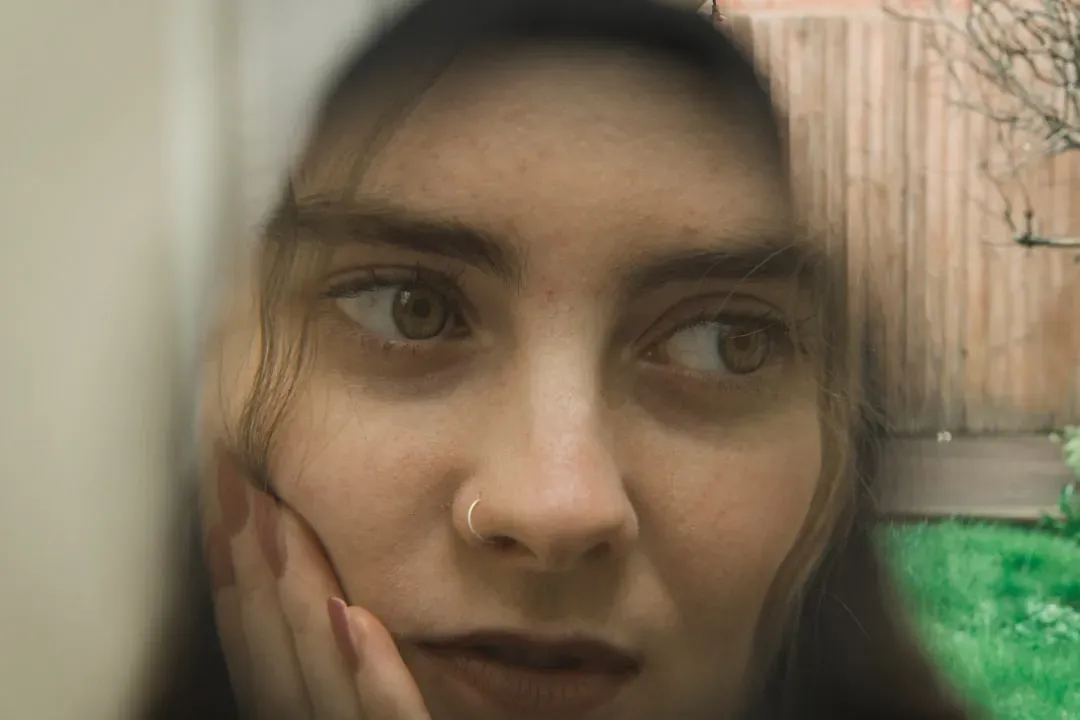
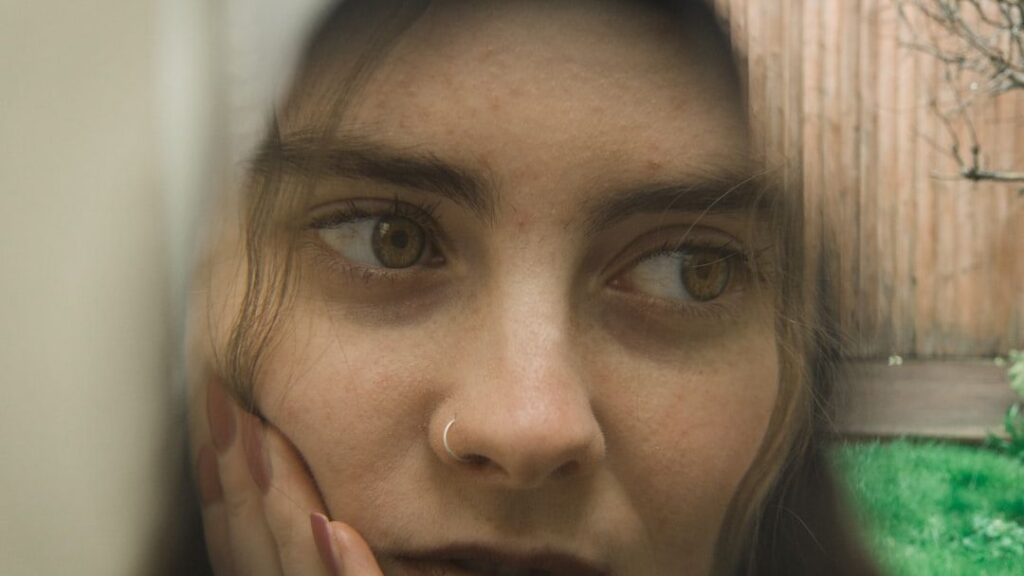
When people feel anxious, they often struggle to maintain eye contact, looking down or shifting their gaze frequently. Have you noticed how difficult it becomes to look someone in the eye when you’re feeling overwhelmed? Your eyes might dart to the floor, fixate on an object across the room, or constantly scan the environment as if searching for an escape route.
When a character avoids eye contact or looks at the floor, it signals worry about being exposed. There’s something vulnerable about meeting another person’s gaze when anxiety has you in its grip. You might fear they’ll see right through you, detecting every nervous thought racing through your mind. This avoidance becomes a protective shield, though ironically, it often draws more attention to your discomfort.
Tense Posture and Muscle Rigidity
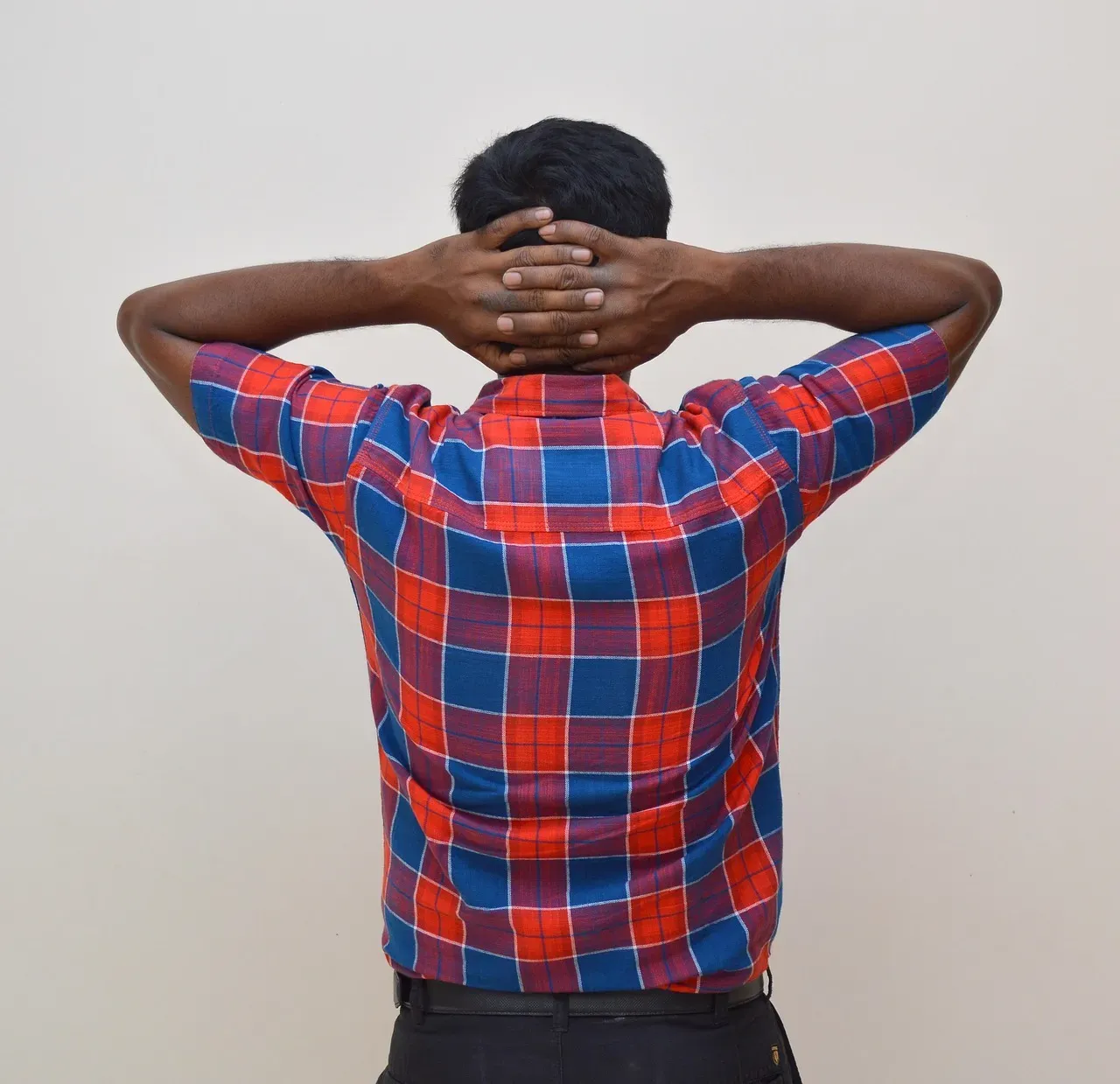
Your shoulders might creep up toward your ears without you realizing it. Tense muscles, clenched fists, and a rigid posture can signal underlying anxiety. Picture someone standing like a statue, their body unnaturally stiff, as if bracing for impact. That’s anxiety manifesting through your musculature.
Many people unconsciously clench their jaw, squint, or scowl in overstimulating environments, and letting your jaw hang loose can help. Your entire body becomes a coiled spring, ready to react to perceived threats. This tension isn’t just uncomfortable; it actually feeds back into your anxiety, creating a loop where physical tightness increases mental stress, which then causes more physical tension.
Crossed Arms and Protective Gestures
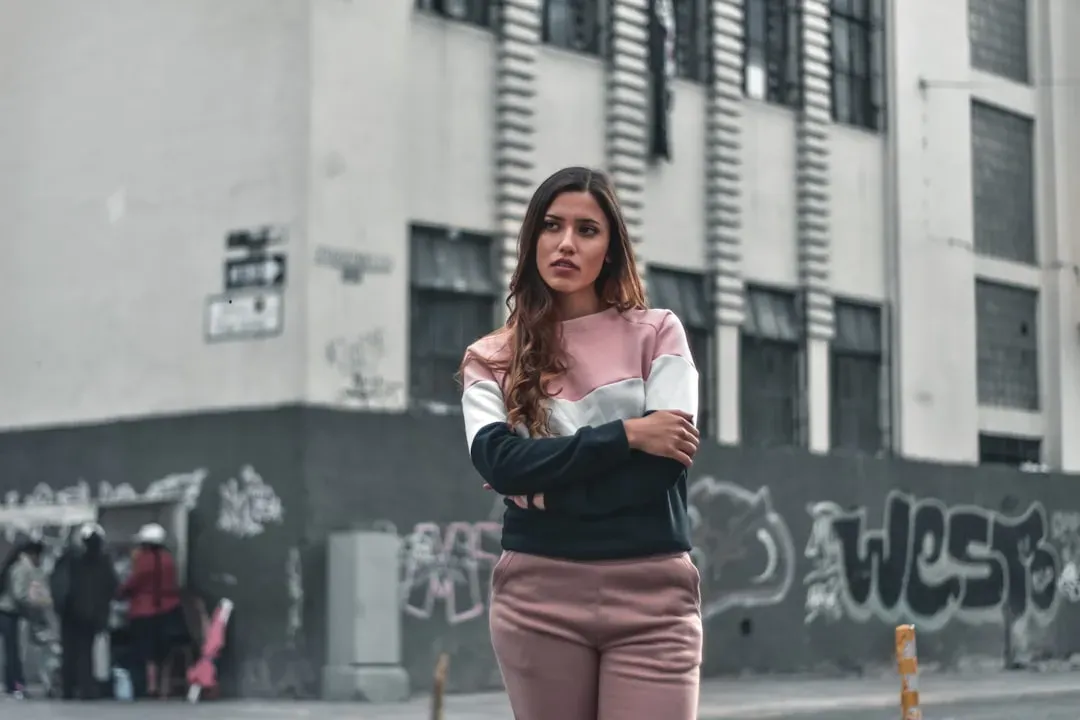
This protective posture, where the shoulders round forward and the chest caves in, can be an unconscious attempt to shield oneself from perceived threats, while crossed arms can indicate a defensive stance when accompanied by other anxiety signals. When was the last time you found yourself hugging your own body or creating a barrier between yourself and others? These aren’t just comfortable positions.
Protective gestures serve as a form of nonverbal self-soothing and barrier creation, including self-soothing touches like rubbing the neck, playing with jewelry, or hugging oneself. You’re essentially building a fortress around yourself, seeking comfort and protection from social situations that feel threatening. It’s your body’s way of saying you need space and security, even if consciously you’re trying to appear engaged and open.
Changes in Breathing Patterns
Shallow breathing, holding the breath, or dry swallowing reflects internal panic. Notice how your breath becomes shallow and rapid when nerves kick in? You might find yourself taking quick, chest-level breaths instead of deep, calming ones. Sometimes you even hold your breath without realizing it, as if stopping the flow of air could somehow freeze the anxious moment in time.
When someone is anxious, their breathing tends to become rapid and shallow, further activating the body’s sympathetic nervous system responsible for the fight-or-flight response, while slow and deep breathing activates the parasympathetic nervous system that calms the heart rate and reduces anxiety. This shift in breathing actually intensifies your anxiety rather than relieving it. Your body needs oxygen, but anxiety tricks you into breathing in a way that starves your system of what it needs most.
Excessive Sweating and Skin Changes
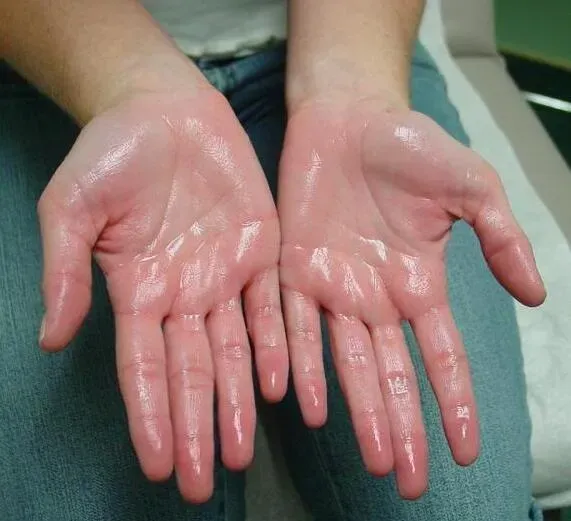
Sweating and changes in skin color are physiological responses tied to the body’s stress response, with increased perspiration particularly on the palms, forehead, or upper lip indicating heightened anxiety, while skin may appear flushed or conversely pale as blood flow is redirected to vital organs. Have you ever shaken someone’s hand and felt embarrassed by your clammy palms? That’s anxiety making its presence known through your sweat glands.
Your face might flush red during a stressful presentation, or you might notice yourself going pale when confronted with something overwhelming. These aren’t things you can easily control. Your autonomic nervous system takes charge, redirecting blood flow and activating sweat glands as part of your body’s ancient survival response to perceived danger.
Freezing or Sudden Stillness

There is a sign of nervousness that is the exact opposite of excessive movement – freezing, as it is not uncommon for the body to freeze in times of stress and anxiety, with essentially so much energy swirling around that your body doesn’t know what to do with it, and instead of trying to release the energy or deal with it, the body freezes. This might surprise you. While fidgeting gets a lot of attention, sometimes anxiety creates the opposite effect.
You become unnaturally still, almost statue-like, unable to move or react. It’s as if your nervous system hits the pause button, overwhelmed by the flood of stress signals. This freezing response is one of the lesser-known reactions to anxiety, but it’s just as telling as any restless movement. Your body essentially shuts down non-essential functions, leaving you stuck in place while your mind races at a hundred miles per hour.
Conclusion
Your body is constantly communicating, broadcasting signals that reveal your internal emotional landscape. The importance of recognizing anxiety through body language cannot be overstated, as it serves as a window into the emotional state of individuals, often revealing distress that may not be verbally expressed, and by honing our ability to read these nonverbal signals, we can foster empathy, provide timely support, and create a more compassionate society.
Understanding these seven signals gives you power. You can start noticing when anxiety creeps into your physical presence and take steps to address it. Maybe that means practicing deep breathing, adjusting your posture, or simply acknowledging what you’re feeling instead of fighting it. The next time you find yourself in a stressful situation, pay attention to what your body is telling you. What anxiety signals do you notice most in yourself?