
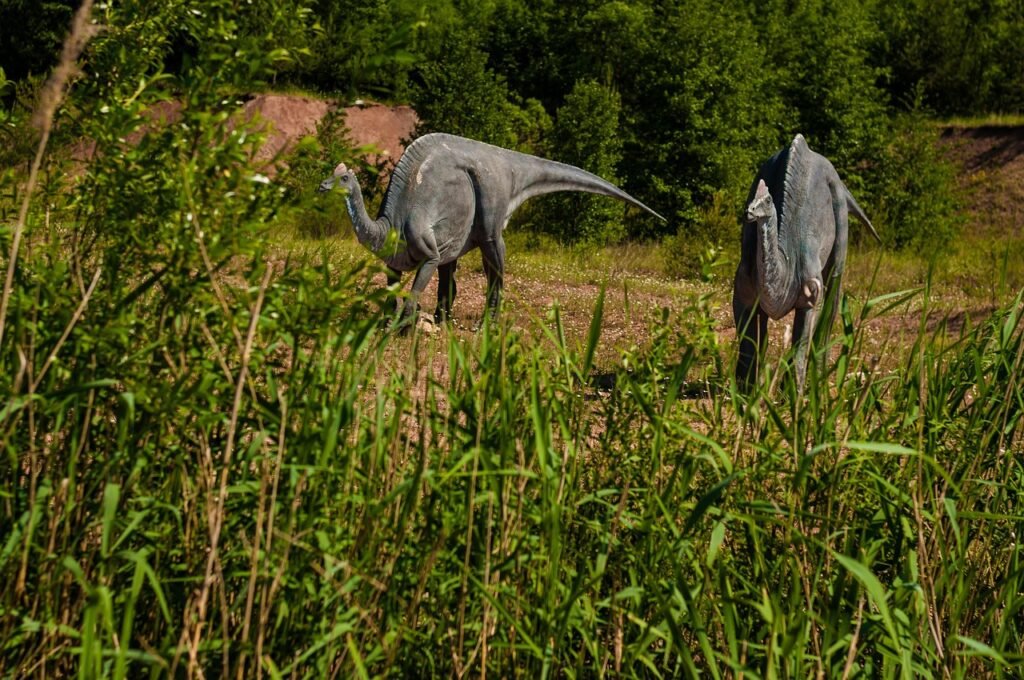
You probably imagine dinosaur fossils turning up in sweeping deserts, rocky cliffs, or remote badlands that only hardcore paleontologists ever see. That does happen a lot, but some of the strangest, most surprising dinosaur discoveries have popped up in places that feel almost too ordinary or too extreme to be real. Think construction sites, polar regions, or even right beneath busy city streets.
These out‑of‑place finds do more than make good stories. They quietly rewrite what we thought we knew about ancient climates, migration routes, and how dinosaurs actually lived. Let’s dive into seven dinosaurs that turned up in locations you’d never expect, and what each one reveals about a world that was both familiar and utterly alien at the same time.
Nanuqsaurus: A Tyrannosaur From the Arctic
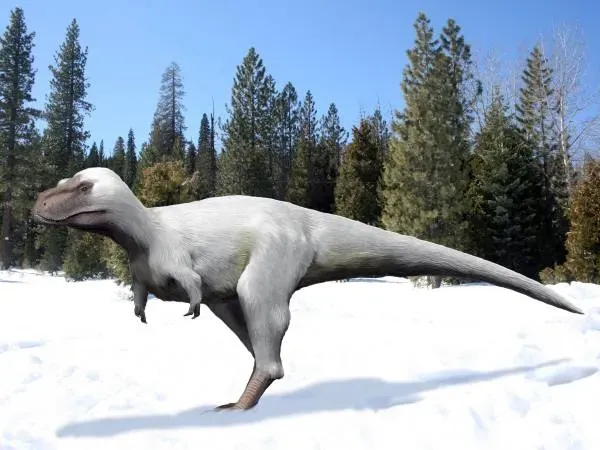
When people think of tyrannosaurs, they picture hot, steamy jungles or sun‑baked plains, not months of winter darkness and freezing cold. Yet Nanuqsaurus, a smaller cousin of Tyrannosaurus rex, was discovered in rocks from the North Slope of Alaska, a region that sat well within the Arctic Circle even in the age of dinosaurs. It lived in an environment with long polar nights, meaning this predator had to cope with dramatic swings in light and probably temperature too.
The fossils suggest Nanuqsaurus was more lightly built and likely smaller than its famous relative, which may have been an adaptation to harsher, seasonal food supplies. Its presence up north supports the idea of thriving polar dinosaur ecosystems, not just occasional visitors passing through. Suddenly, the dinosaur world looks less like a uniform tropical greenhouse and more like a patchwork of regional climates where different species found creative ways to survive.
Theropods in Antarctica: Meat‑Eaters at the Bottom of the World
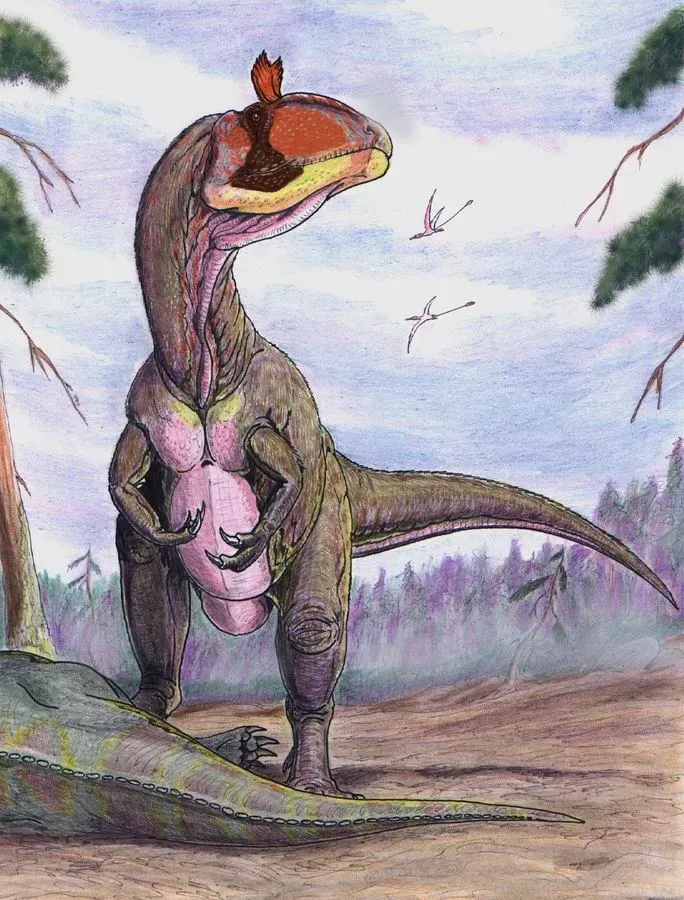
Finding dinosaurs in Antarctica sounds like a joke until you remember that, in the Cretaceous, the continent was warmer, forested, and far from the ice‑buried desert it is today. Fossils of theropods, the group that includes all the classic meat‑eaters like Allosaurus and Tyrannosaurus, have been discovered in Antarctic rock formations, showing that carnivorous dinosaurs stalked what is now the frozen end of the Earth. These remains are often fragmentary, but they are unmistakably from sharp‑toothed bipedal hunters.
What makes these Antarctic theropods so surprising is not just the location, but what it implies about dinosaur distribution. If predators were living in such high‑latitude regions, there must have been whole food webs there: herbivores, plants, insects, and more. Their existence challenges any simple picture of dinosaurs as purely tropical animals and forces scientists to think in terms of global ecosystems that stretched from equator to pole.
Paralititan: A Giant Sauropod From Ancient Mangrove Swamps
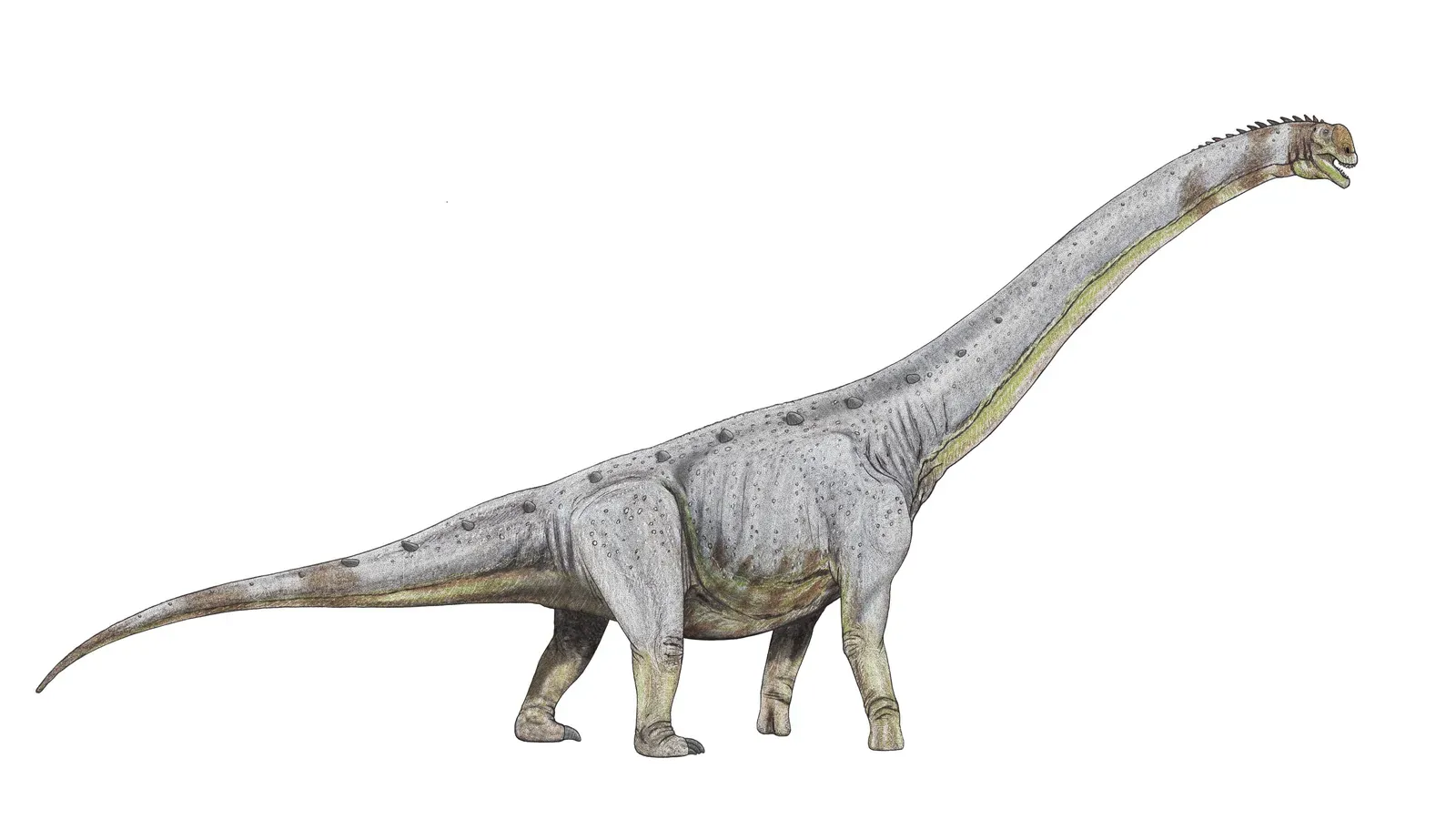
Paralititan was an enormous long‑necked sauropod discovered in the Bahariya Oasis of Egypt, in rocks that once represented coastal, mangrove‑lined environments. We like to imagine giant sauropods roaming inland plains or river valleys, but Paralititan seems to have been living near tidal flats and swampy shorelines, a setting more like a mix between a modern mangrove forest and a muddy beach. The fossils include massive limb bones, indicating an animal among the largest known land vertebrates.
The idea of a multi‑ton sauropod trudging through soft, salty coastal mud is wild but scientifically meaningful. It suggests these giants were not restricted to lush inland forests and could exploit a range of habitats, including coastal ecosystems that might have offered abundant vegetation. It also hints that rising and falling sea levels could have played a big role in shaping their world, sometimes creating rich feeding grounds and at other times wiping them out.
Urban Hadrosaurs: Duck‑Billed Dinosaurs Beneath City Streets
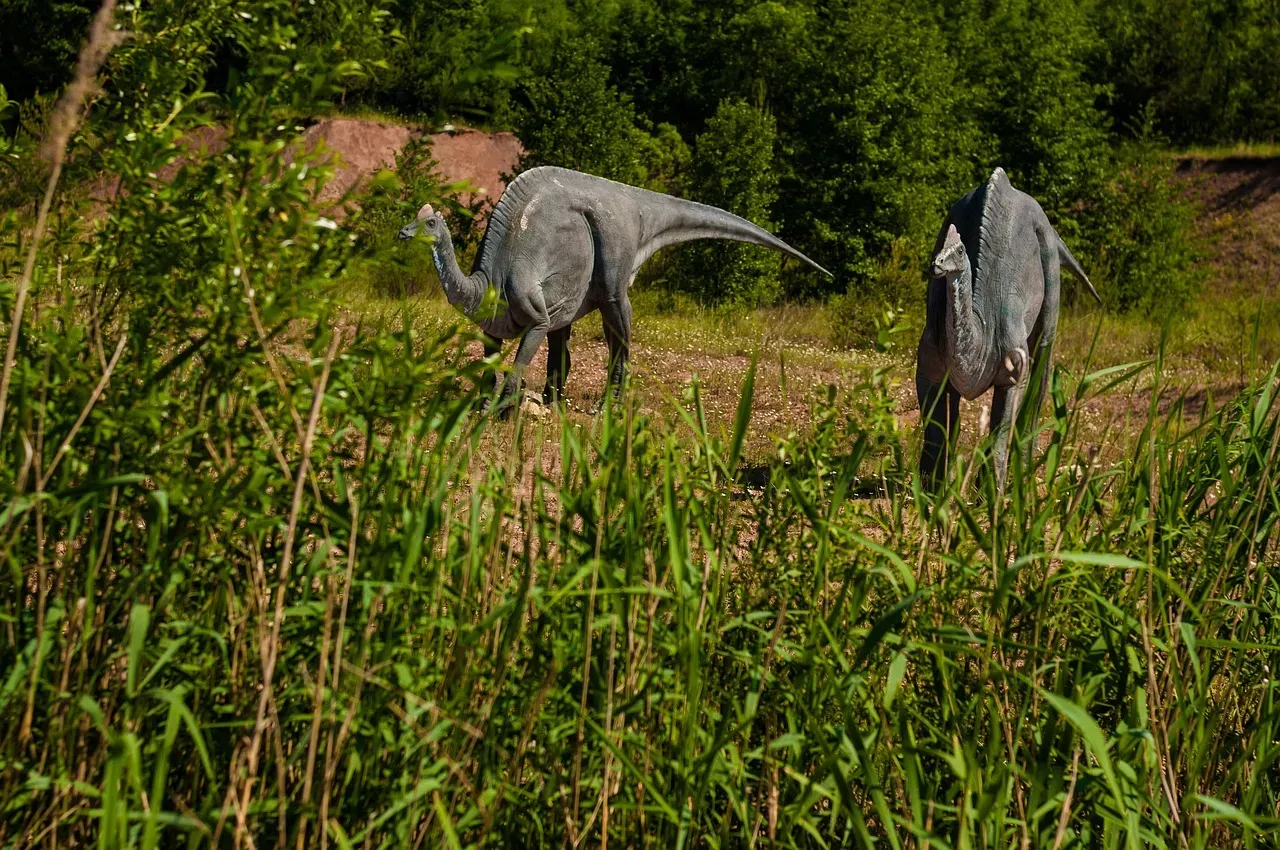
One of the most mind‑bending realities of modern paleontology is that dinosaurs have been found right underneath busy cities. In places like North America and parts of Asia, hadrosaur fossils have turned up during roadworks, building foundations, and subway construction. These duck‑billed herbivores once wandered quiet floodplains; now their remains are entombed under parking lots and apartment blocks.
Finding hadrosaurs in an urban setting does two things. First, it reminds us that fossil‑rich rock layers do not care about our modern maps; prehistoric river deltas can easily sit under an office district today. Second, it brings dinosaurs psychologically closer. Instead of being far‑off creatures from some exotic desert, they become neighbors from another time, sharing the same patch of Earth where people now commute, shop, and live their daily lives.
Microraptor: A Four‑Winged Dinosaur From Former Farm Country
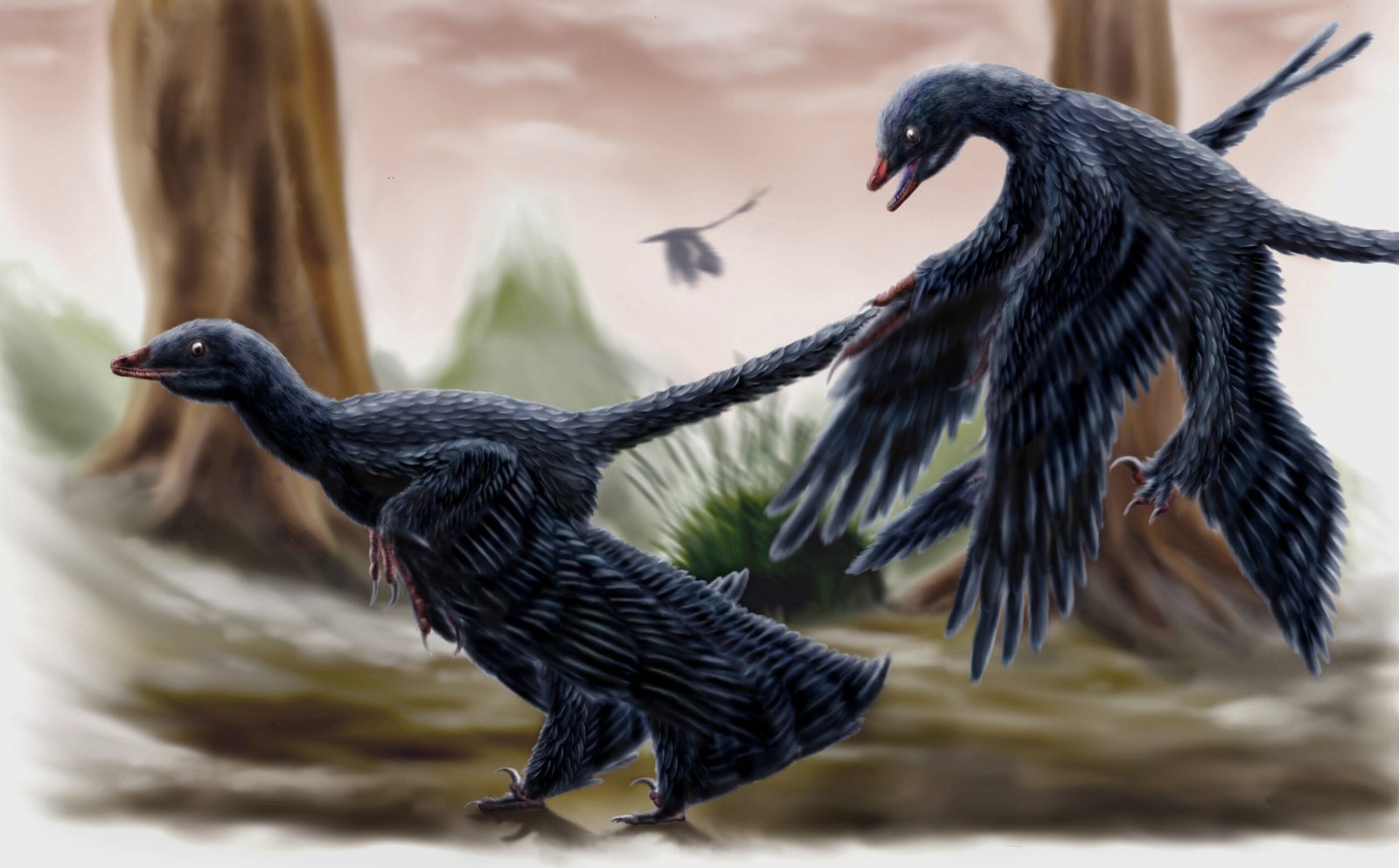
Microraptor, a small feathered dinosaur equipped with long feathers on both arms and legs, was discovered in rocks in northeastern China, a region that until recent decades was better known for farms and rural towns than for world‑famous fossils. The deposits that yielded Microraptor were part of ancient lakes and forests, now preserved in fine‑grained sediments ideal for recording delicate features like feathers. On what used to be fairly ordinary farmland, paleontologists suddenly uncovered one of the clearest links between dinosaurs and birds.
The surprise here is less about extremes of climate and more about how extraordinary fossils can hide in landscapes that look completely mundane. Microraptor’s discovery transformed a quiet region into a hotspot of dinosaur research and forced scientists to reconsider how many different dinosaur species might have experimented with gliding or flight. It shows that the boundary between dinosaur science and everyday life can be as thin as a layer of shale under a field.
Dinosaurs in Opal Mines: Bones Turned to Gemstone
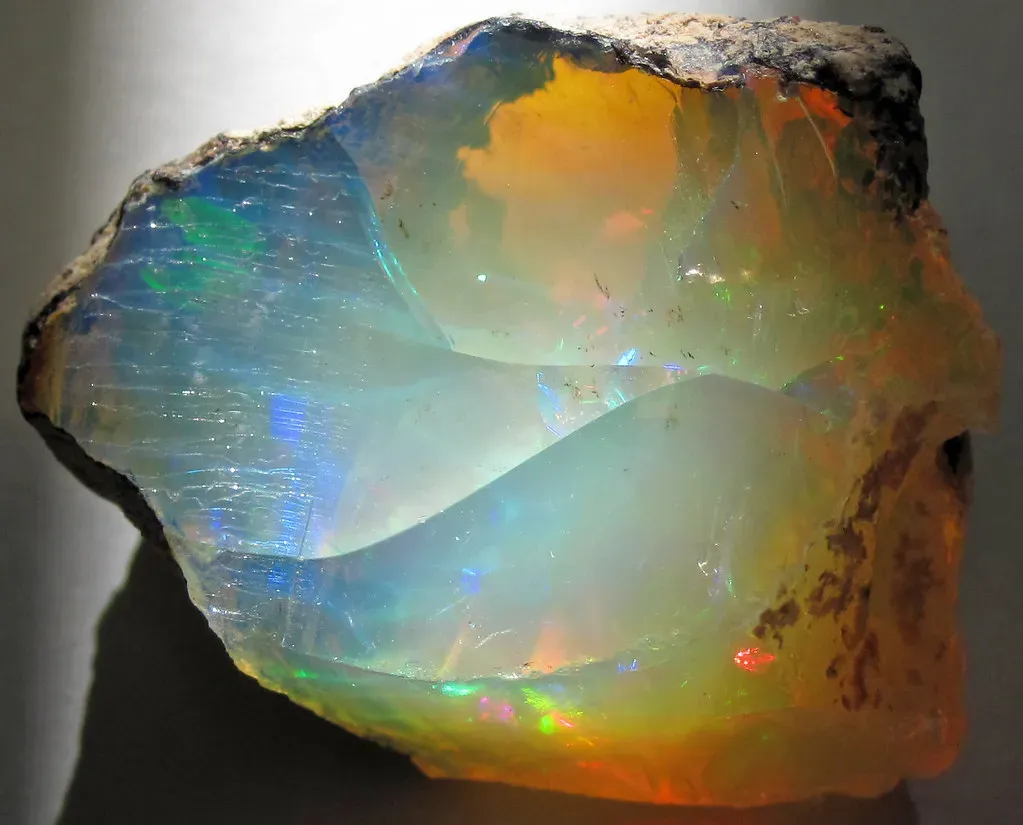
In some parts of Australia, dinosaur fossils have been found not just in rock, but preserved as opal, the shimmering gemstone used in jewelry. Miners searching underground for precious opal have uncovered bones of various dinosaurs, including ornithopods and theropods, their structures replaced and filled with the multicolored mineral. It is hard to imagine anything more unexpected than finding a dinosaur inside material usually cut into earrings and rings.
This kind of preservation turns a purely scientific object into something visually mesmerizing, yet it also complicates research because mining often breaks up specimens before paleontologists see them. The existence of opalized dinosaurs tells a story of specific geochemical conditions: water rich in silica seeping through buried bones over long stretches of time. In a way, these fossils sit at the intersection of geology, paleontology, and human industry, where the hunt for gemstones accidentally reveals fragments of prehistory.
Dinosaurs From the Seafloor: Land Animals Found in Marine Sediments
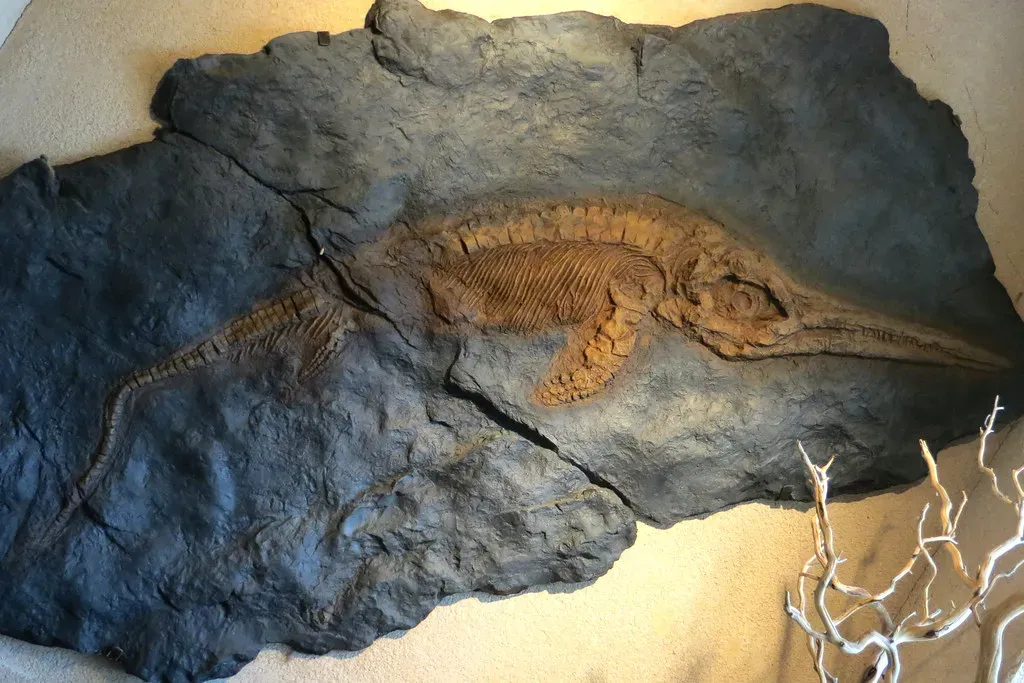
Every now and then, dinosaur remains show up in rocks that were clearly laid down under the sea, such as deep marine shales or offshore sandstones. These dinosaurs did not live in the open ocean; instead, their carcasses or disarticulated bones were washed out by rivers, carried by currents, and eventually buried far from land. Later, those marine sediments became exposed on land or sampled in offshore drilling, revealing unexpected pieces of terrestrial dinosaurs in a setting dominated by shells and fish.
Finding a land vertebrate in marine rock is like stumbling across a bicycle in the middle of the ocean floor: it feels wrong at first, but it actually makes sense once you picture floods, storms, and long‑distance transport. These odd occurrences remind scientists that fossil context can be tricky and that bones do not always die where they end up preserved. They also expand the search area for dinosaur remains, since even marine strata can occasionally hold a surprise guest from the shore.
Conclusion: Dinosaurs Were Everywhere, Even Where We Least Expect
Looking at these seven examples, a pattern jumps out: dinosaurs were not just creatures of postcard badlands and national park cliffs. They show up in polar regions, coastal swamps, inland lakes, under city streets, inside gemstones, and even in rocks formed far offshore. The unexpected locations are not just fun trivia; they are clues that dinosaurs adapted to a broader range of environments than many of us were taught as kids.
My own view is that the most exciting dinosaur discoveries ahead will not necessarily come from the classic sites we already know, but from places we have overlooked because they seem too ordinary or too extreme. A drainage trench on the edge of a town, a mine tunnel, or a remote polar outcrop could all hold fossils that reshape entire chapters of Earth’s history. The lesson is simple: the past is under our feet, even in the most unlikely spots. Next time you walk through a city or stare out at the coast, will you wonder what dinosaurs might still be hiding below?