You might think that discovering ancient dinosaur bones is a job strictly reserved for white-coat-wearing scientists buried in dusty laboratories or rappelling down remote canyon cliffs with expensive equipment. Yet nothing could be further from the truth. Across the globe, ordinary people with no formal training have stumbled upon some of the most significant fossil finds in history.
These amateur paleontologists come from all walks of life. Some are children following their curiosity. Others are farmers plowing their land or hikers seeking a scenic view. What unites them is an attentive eye, a bit of luck, and an undeniable sense of wonder. Their discoveries haven’t just filled museum shelves. They’ve fundamentally reshaped our understanding of prehistoric life, challenged scientific assumptions, and inspired generations to look more closely at the ground beneath their feet.
Mary Anning’s Revolutionary Seaside Discoveries
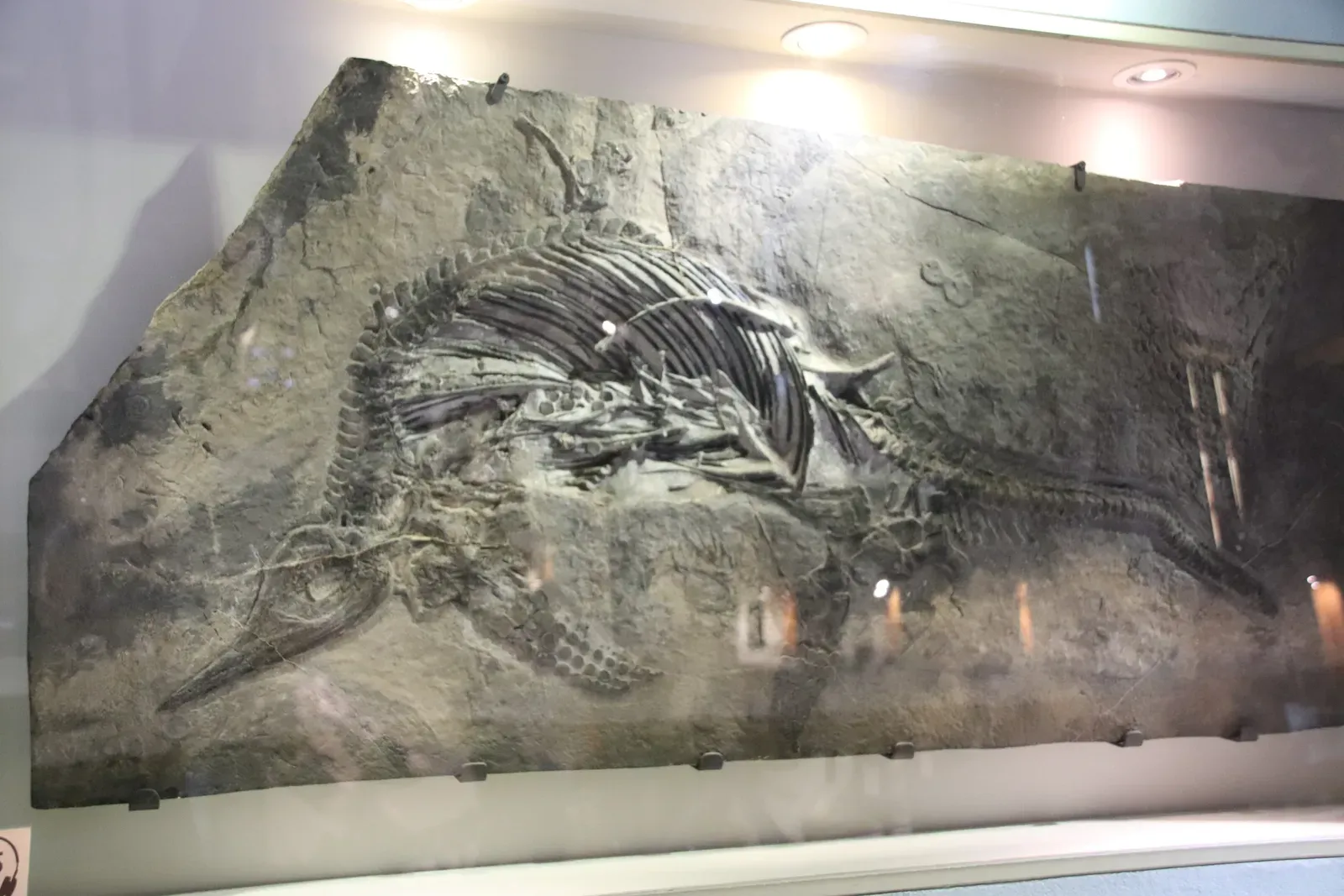
Mary Anning was a prolific English fossil hunter and amateur anatomist who is credited with the discovery of several specimens of large Mesozoic reptiles. Her father, Richard, often took Anning and her brother Joseph on fossil-hunting expeditions to supplement the family’s income along the cliffs of Lyme Regis in the early 1800s. When her father died in 1810, young Mary continued the work to support her struggling family.
The specimen was probably discovered sometime between 1809 and 1811, when Mary was only 10 to 12 years old, and while Mary did find the majority of the remains, her brother had discovered part of the beast twelve months earlier. This ichthyosaur became one of the first marine reptile skeletons known to science. In December 1828, Mary uncovered the first pterosaur ever discovered outside Germany, and it was the first pterosaur with wings believed to be among the largest-ever flying animals. Her discoveries fundamentally challenged the scientific understanding of extinction and ancient life.
A Twelve-Year-Old’s Dream Come True in Alberta
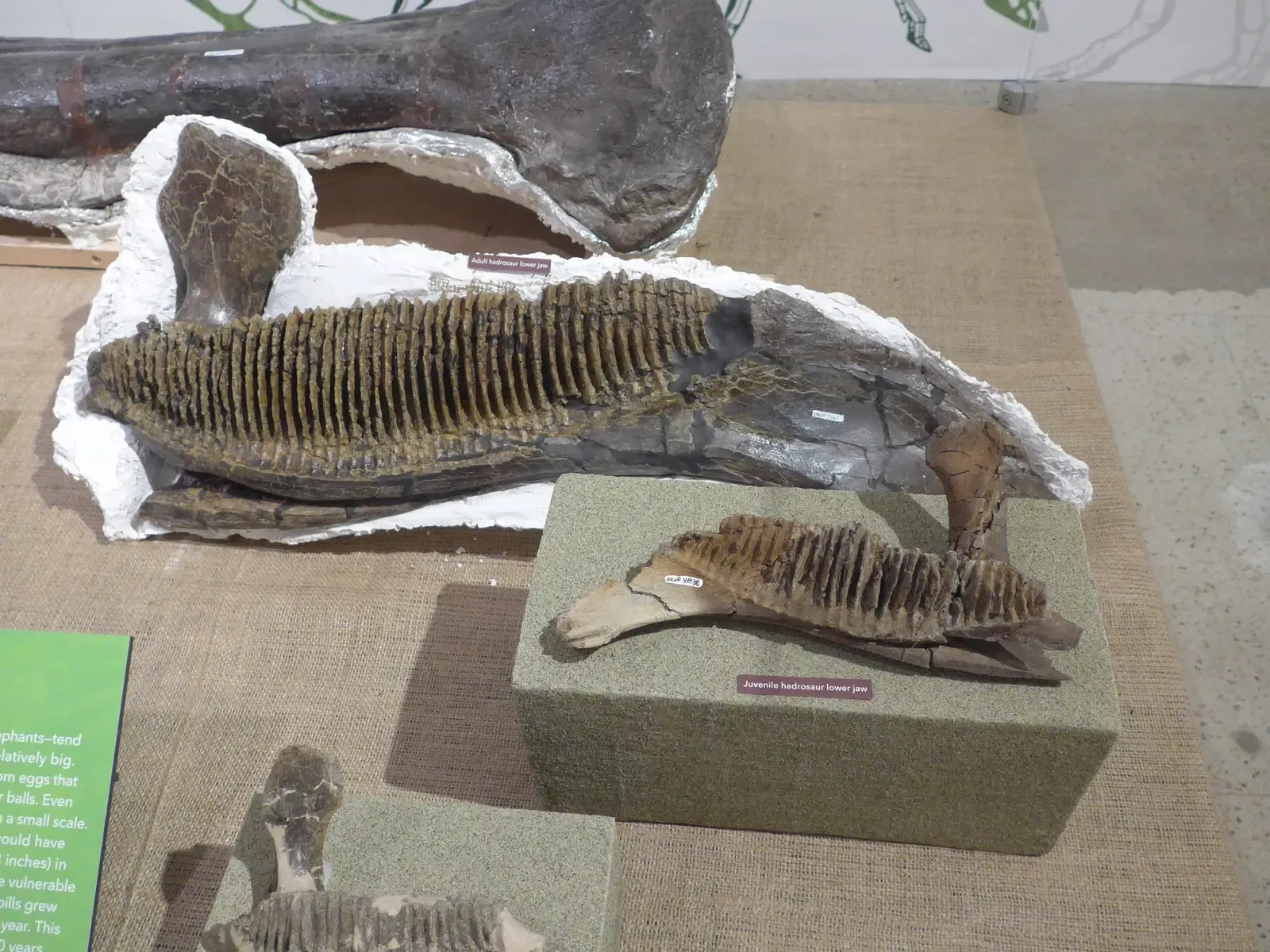
While hiking with his father through Horseshoe Canyon in the Badlands region, 12-year-old Nathan Hrushkin made a discovery that would excite even the most seasoned paleontologist. The amateur paleontologist Nathan Hrushkin, aged 12, stumbled upon a humerus bone from the arm of a young hadrosaur aged between 3 and 4 years old during a summer hike in 2020.
Nathan had been exploring the canyon with his father for years, always hoping to find something significant. Nathan said he was basically just breathless and so excited that he didn’t feel that excited, he was just so in shock. The discovery proved remarkably important. François Therrien, the Royal Tyrrell Museum’s curator of dinosaur palaeoecology, said this young hadrosaur is a very important discovery because it comes from a time interval for which we know very little about what kind of dinosaurs or animals lived in Alberta.
Gideon Mantell and the First Iguanodon
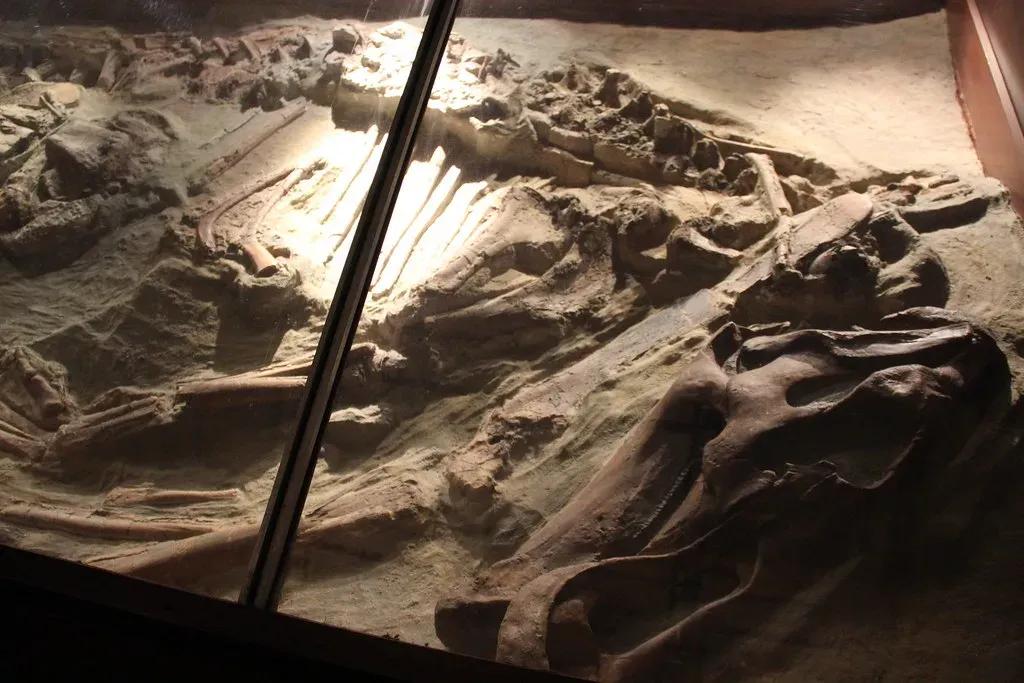
Gideon A. Mantell was an amateur British fossil hunter, one of the first in the world, and this physician named Iguanodon in 1825. Working as a country doctor in Sussex, Mantell pursued fossil hunting as a passionate hobby during his limited free time. The first-known evidence of Iguanodon was a collection of teeth found at the side of a road by Mary Ann Mantell and her husband, Dr Gideon Algernon Mantell.
Mantell became convinced that the remains belonged to an extinct giant land reptile which existed long before the evolution of mammals, and his findings contradicted the scientific thinking of the day. The scientific establishment initially scoffed at his claims. Only when he uncovered further evidence and, in 1825, published Notice on the Iguanodon, did he convince the scientific community. His discovery revealed that some giant prehistoric reptiles ate plants rather than meat, revolutionizing paleontology.
Bill Shipp’s Montana Property Surprise
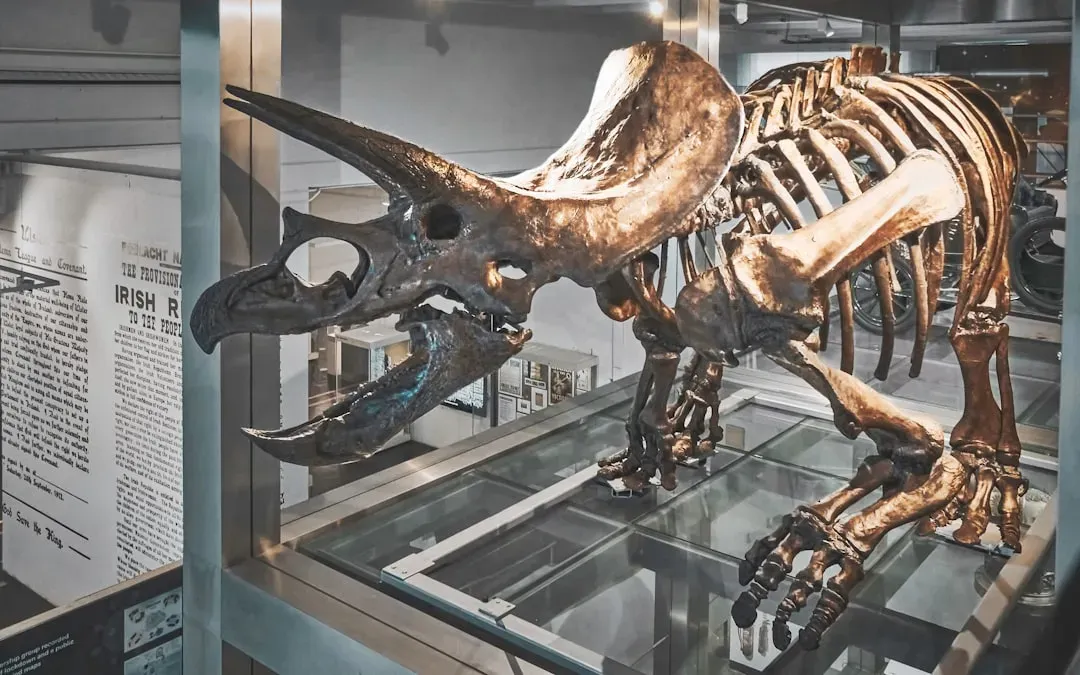
When nuclear physicist Bill Shipp bought a rural property in Montana, he went exploring and found a fossil of a new species of horned dinosaur sticking out of the ground on his land. Imagine purchasing land for its scenic views and fresh air, only to discover millions of years of history embedded in your backyard hillside. For Shipp, this wasn’t just a casual find during an afternoon stroll.
The horned dinosaur he unearthed represented a completely new species previously unknown to science. It’s the kind of discovery that professional paleontologists spend entire careers hoping to make. Here was someone with expertise in nuclear physics, not ancient reptiles, making a contribution to our understanding of Cretaceous ecosystems. Sometimes the universe has a sense of humor about who gets to make history.
The NASA Parking Lot Revelation
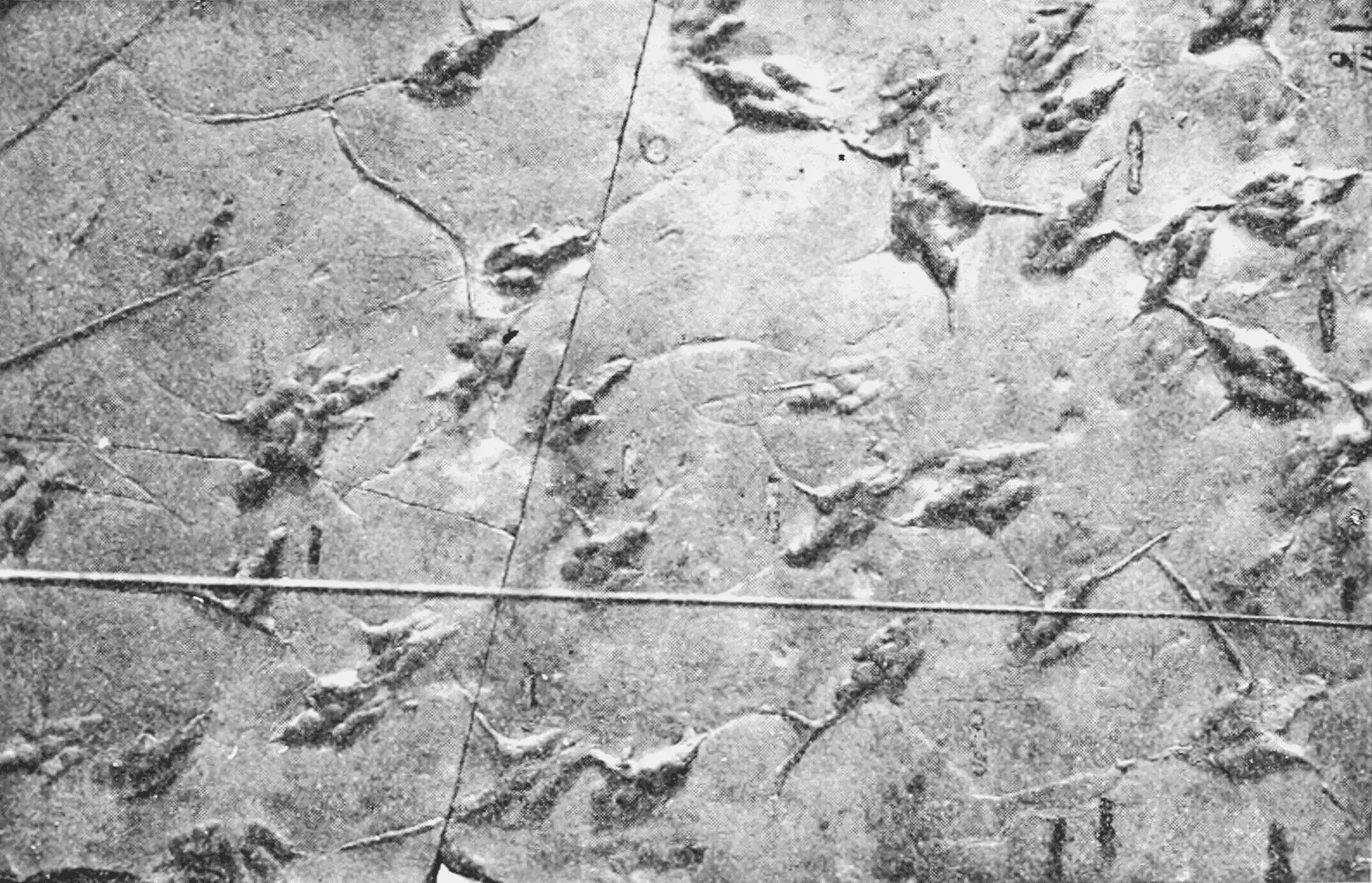
A sandstone slab was discovered in a NASA parking lot containing a slew of 100 million-year-old dinosaur and mammal prints, along with a fossilized pile of poop, a remarkable find considering the amateur fossil hunter who found it just happened to be dropping his wife off at work when it caught his eye in 2012. Picture the scene: an ordinary weekday morning, coffee in hand, steering wheel gripped tight as you navigate the parking lot traffic. Most people would have driven right past it.
This amateur fossil hunter possessed that crucial combination of awareness and curiosity. The slab he noticed preserved an entire snapshot of ancient life, including tracks from multiple species and even coprolites. It demonstrated that extraordinary scientific discoveries don’t always happen in remote dig sites accessible only by helicopter. Sometimes they’re hiding beneath the asphalt of our modern infrastructure, waiting for someone observant enough to notice.
Dueling Dinosaurs and the Montana Ranch Find
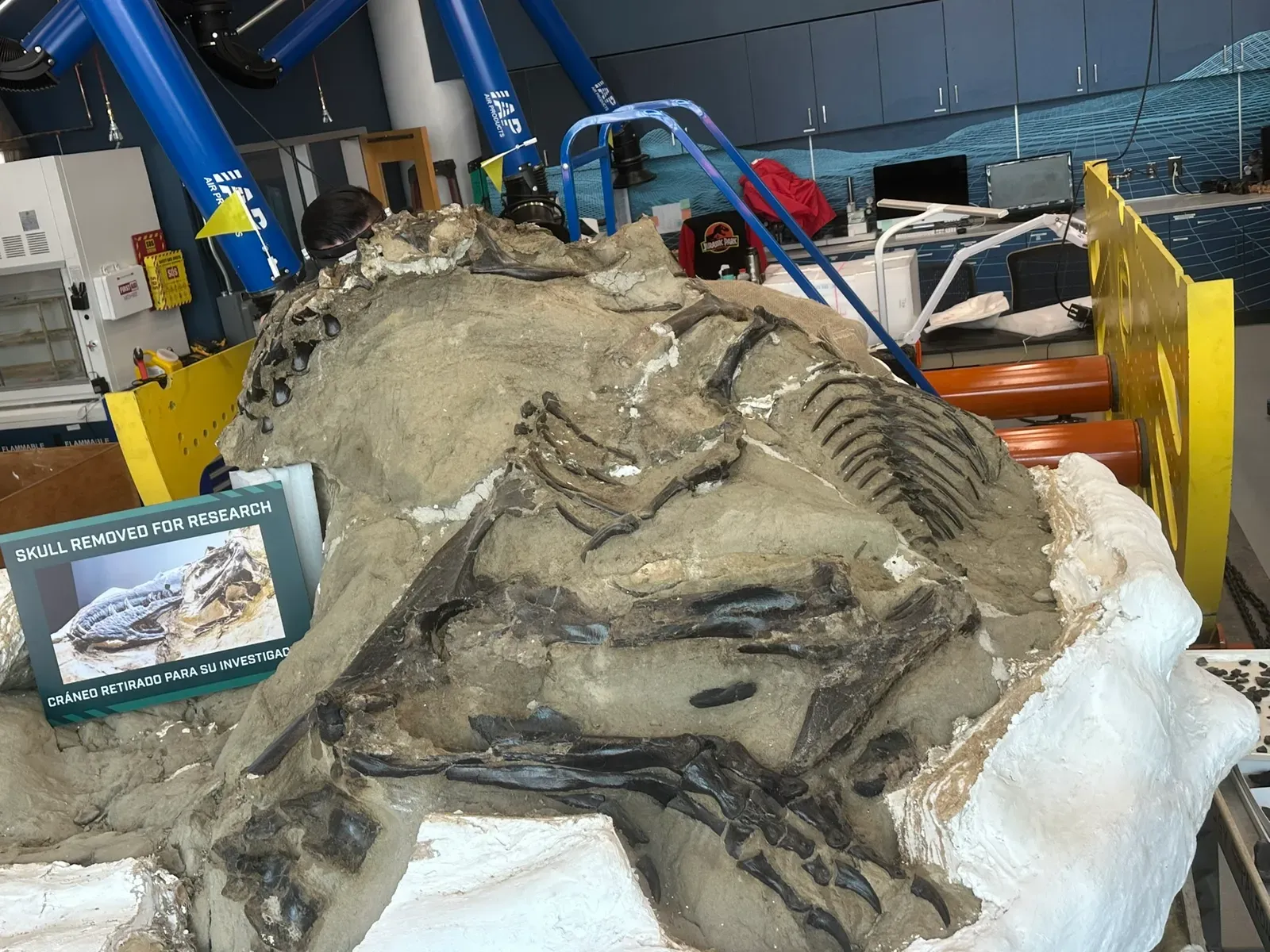
The story starts back in 2006, with a fossil find on a ranch in Montana where dinosaur bones that are potentially 66 million years old were embedded in rock with horns and bones completely intact, and the find became known as the “dueling dinosaurs,” since the fossils appear to show the dinosaurs were preserved while locked in battle. Amateur fossil hunters made this stunning discovery on private land, uncovering what appeared to be a Triceratops and a smaller tyrannosaur frozen in their final confrontation.
The preservation quality was exceptional. In 2025, paleontologists Lindsay Zanno and James Napoli published a description of a new Nanotyrannus fossil specimen, preserved as part of the Duelling Dinosaurs fossil alongside a herbivorous Triceratops, and they showed that this Nanotyrannus was nearly an adult. This discovery ignited scientific debates and legal battles about fossil ownership, but it also demonstrated how amateur hunters with keen eyes can make finds that reshape paleontological understanding.
The Canadian Miner’s Accidental Masterpiece
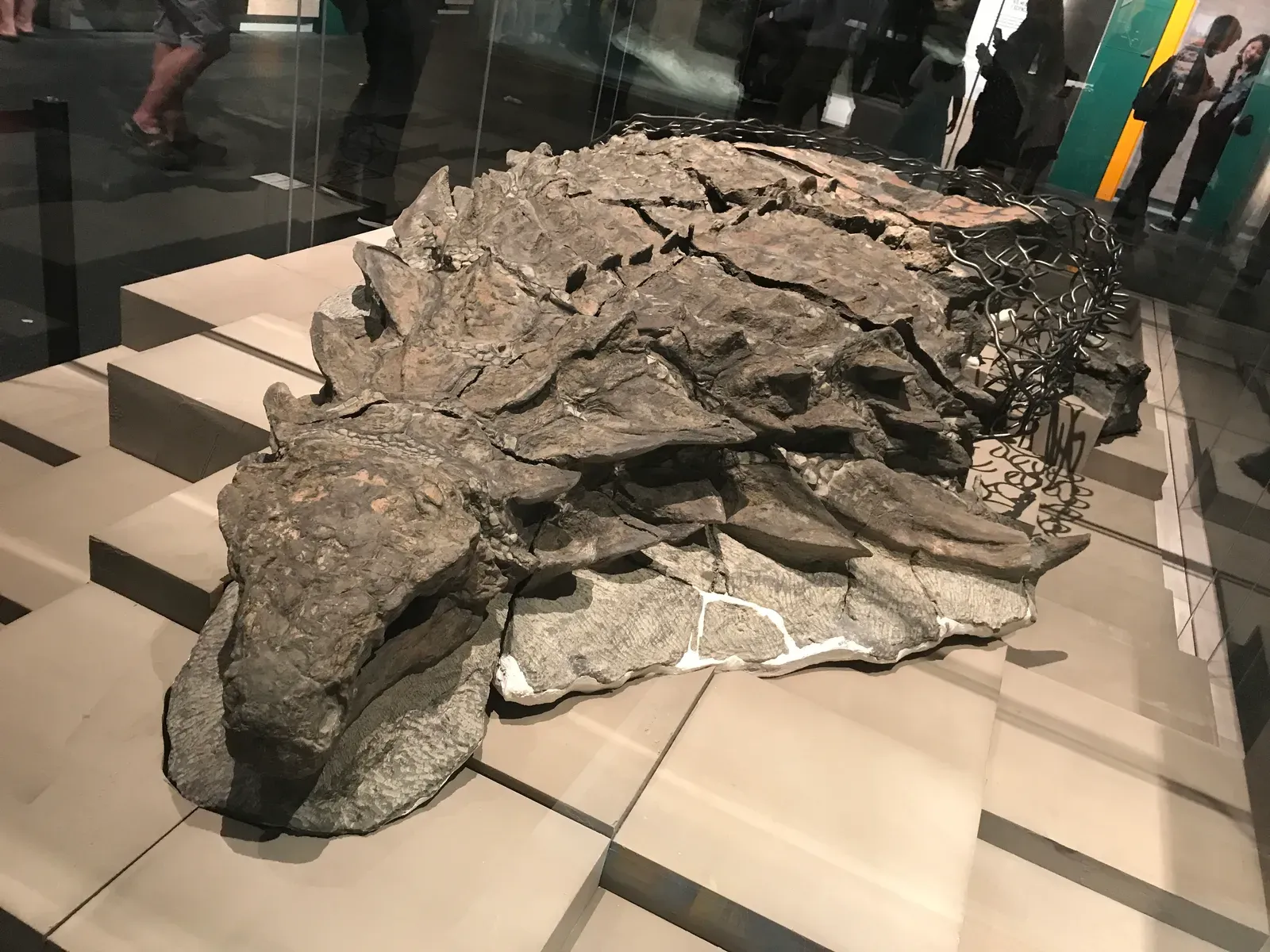
This fossil was accidentally discovered by miners in Canada, it is one of the best preserved dinosaurs ever discovered, with much of the tissue in its body fossilized, rather than decomposed. The miners were excavating in northern Alberta when their machinery struck something unusual. Rather than simply clearing the obstruction and continuing their work, they recognized the significance of what they’d uncovered.
The specimen turned out to be a nodosaur, an armored dinosaur so remarkably preserved that even the keratin covering its bony plates remained intact. Its preservation defied expectations, showing skin texture and armor arrangement in unprecedented detail. Mining operations and paleontology don’t often intersect peacefully, yet this accidental discovery became one of the most celebrated fossil finds of recent decades. It serves as a reminder that sometimes the most important scientific breakthroughs happen when people outside the scientific community pay attention and take action.
Conclusion
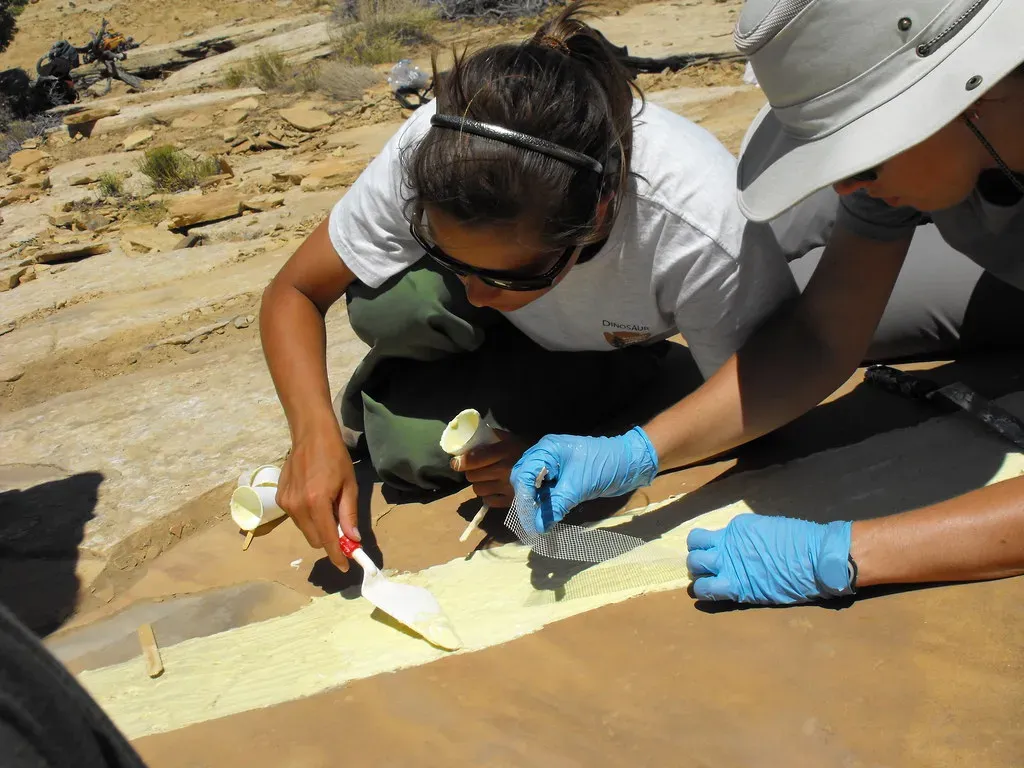
The prove that scientific advancement doesn’t belong exclusively to those with advanced degrees or institutional backing. From Mary Anning’s relentless coastal searches to a twelve-year-old’s summer hike and a miner’s unexpected find, these stories share a common thread: curiosity, observation, and respect for the ancient past.
These finds have challenged long-held theories, filled critical gaps in the fossil record, and reminded professional scientists to remain open to unexpected sources of discovery. You don’t need expensive equipment or years of formal training to contribute meaningfully to our understanding of life on Earth. Sometimes all it takes is looking down at just the right moment and recognizing that the rock at your feet might be something extraordinary. What could be hiding in the ground where you live?