Long before skyscrapers cut through city skylines and highways carved up the land, North America was home to some of the most intricate, vibrant, and deeply human civilizations the world has ever known. You might picture wandering bands of hunters under open skies when you think of ancient Indigenous life, and honestly, that image barely scratches the surface.
What you are about to discover challenges practically everything you thought you knew. From massive cities that rivalled medieval London to democratic governments that may have inspired the U.S. Constitution itself, was breathtaking in its complexity. Let’s dive in.
North America Had a City Bigger Than Medieval London
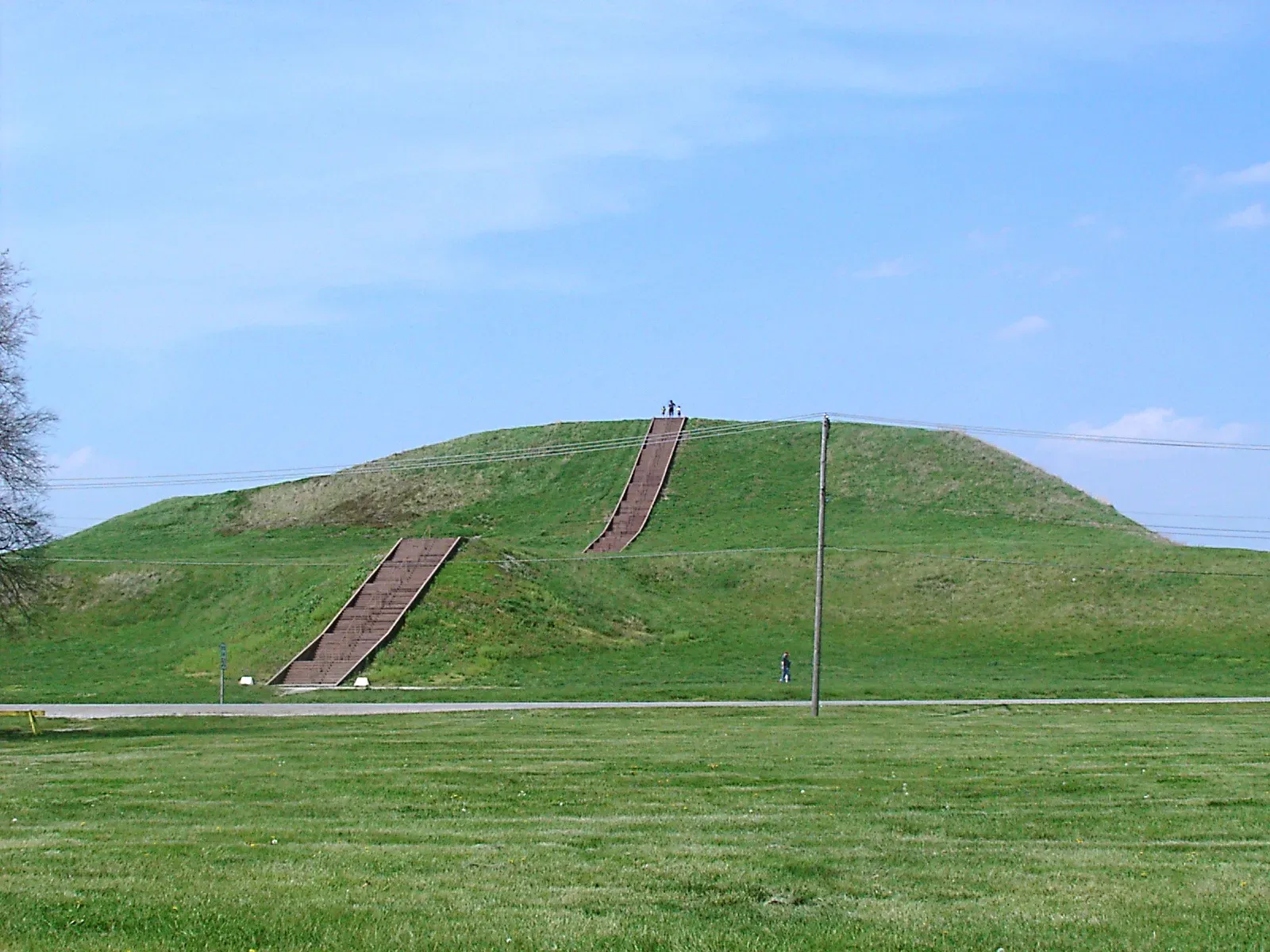
Here’s the thing most people never learned in school: ancient North America had a genuine, buzzing metropolis. The ancient city of Cahokia was established around 1050 CE near the Mississippi River and supported a population of up to 20,000 residents at its height. That is not a village, a camp, or a seasonal gathering place. That is a city.
Around that same period, Cahokia in modern-day Illinois rivaled the size of medieval London. Think about that for a moment. While Europeans were building cathedrals and feudal kingdoms, people in what is now Illinois had already constructed a fully planned urban center, complete with neighborhoods, ceremonial precincts, and sophisticated public spaces. Like a modern city with suburbs, Cahokia’s outer edge was a residential area with houses made from sapling frames lined with clay walls, while further inside stood a log palisade wall and guard towers protecting a central ceremonial precinct that included the Grand Plaza and 17 mounds.
Ancient Tribes Built an Astonishing Continental Trade Network
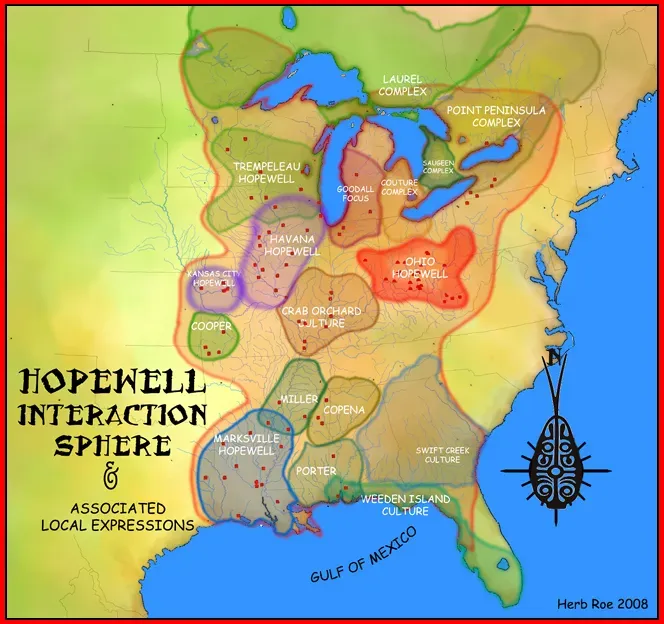
You might assume ancient tribal peoples mostly stayed close to home, but the truth is almost the opposite. Cahokia maintained trade links with communities as far away as the Great Lakes to the north and the Gulf Coast to the south, trading in exotic items like copper, shark teeth, and lightning whelk shells. Shark teeth in Illinois. Let that sink in.
Goods were imported from many locations: copper from the area around Lake Superior, mica from the southern Appalachian Mountains, shells from the Atlantic and Gulf coasts, and finely made ceramics from the lower Mississippi Valley. These weren’t random exchanges either. The Hopewell settlements were linked by extensive and complex trading routes that also operated as communication networks and were a means to bring people together for important ceremonies. The ancient trade network was also a social one. Fascinating, right?
Tribes Spoke Hundreds of Completely Distinct Languages
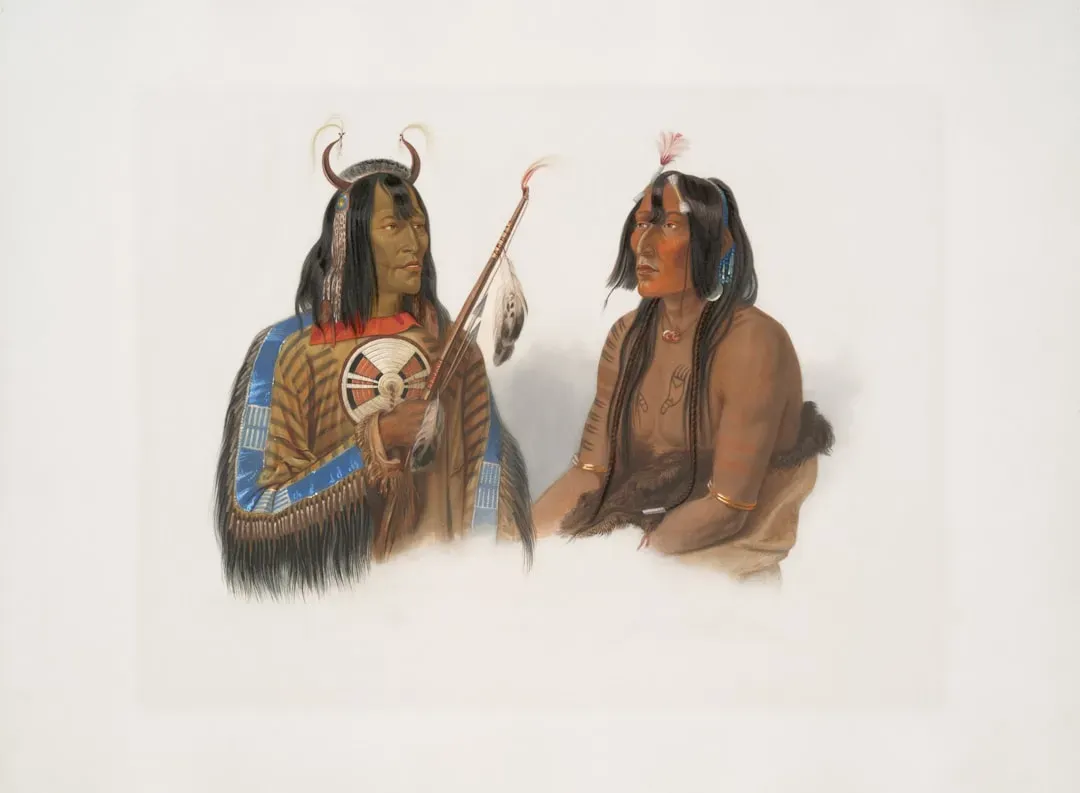
Imagine walking across the continent and hearing an entirely different language every few hundred miles. That was the reality of ancient North America. North America was home to a huge number of spoken languages prior to colonization, more than 300, with as many as 500 spoken across the continent. This wasn’t just variation in accent or dialect. These were completely separate linguistic systems, as different from one another as French is from Mandarin.
Prior to colonization, Native American languages were orally transmitted. Knowledge, history, law, and spirituality all lived inside the spoken word. I think that makes the storytelling traditions of these cultures even more remarkable when you consider the sheer volume of information they preserved without a single written page. For many Native American cultures, heritage was a living library passed down not through written texts, but through a rich and deeply ingrained oral tradition, with history, spiritual values, and cultural knowledge carefully transmitted from elders to youth through storytelling.
The Haudenosaunee Confederacy Was One of the World’s Oldest Democracies
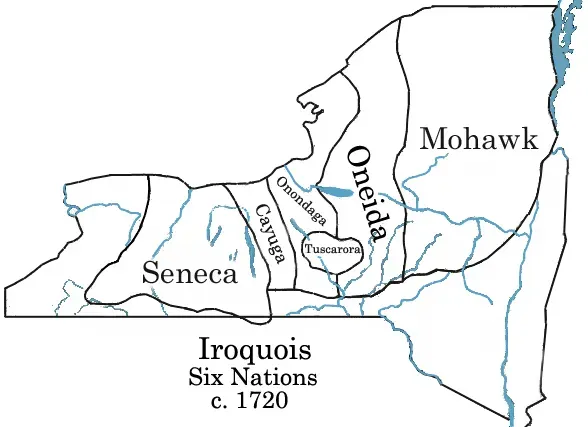
When people talk about the origins of democracy, ancient Greece always gets the spotlight. Honestly, that’s a little unfair. The Haudenosaunee Confederacy was formed by five tribal nations, the Mohawk, Oneida, Onondaga, Cayuga, and Seneca. Some researchers believe it was founded in 1142, and it is considered one of the oldest participatory democracies on earth. That predates the Magna Carta and nearly every European democratic experiment you can name.
The nations were united by the Great Law of Peace, which served as their political constitution. This wasn’t just a loose agreement. It was a sophisticated governing document that structured power, protected rights, and united diverse peoples across a wide geographic area. The American Indians had advanced systems of governing themselves, and the Iroquois’ Great Law of Peace is even credited as an inspiration for the democratic model on which the United States is based. That is a legacy worth knowing.
Tribal Women Held Remarkable Power and Leadership Roles
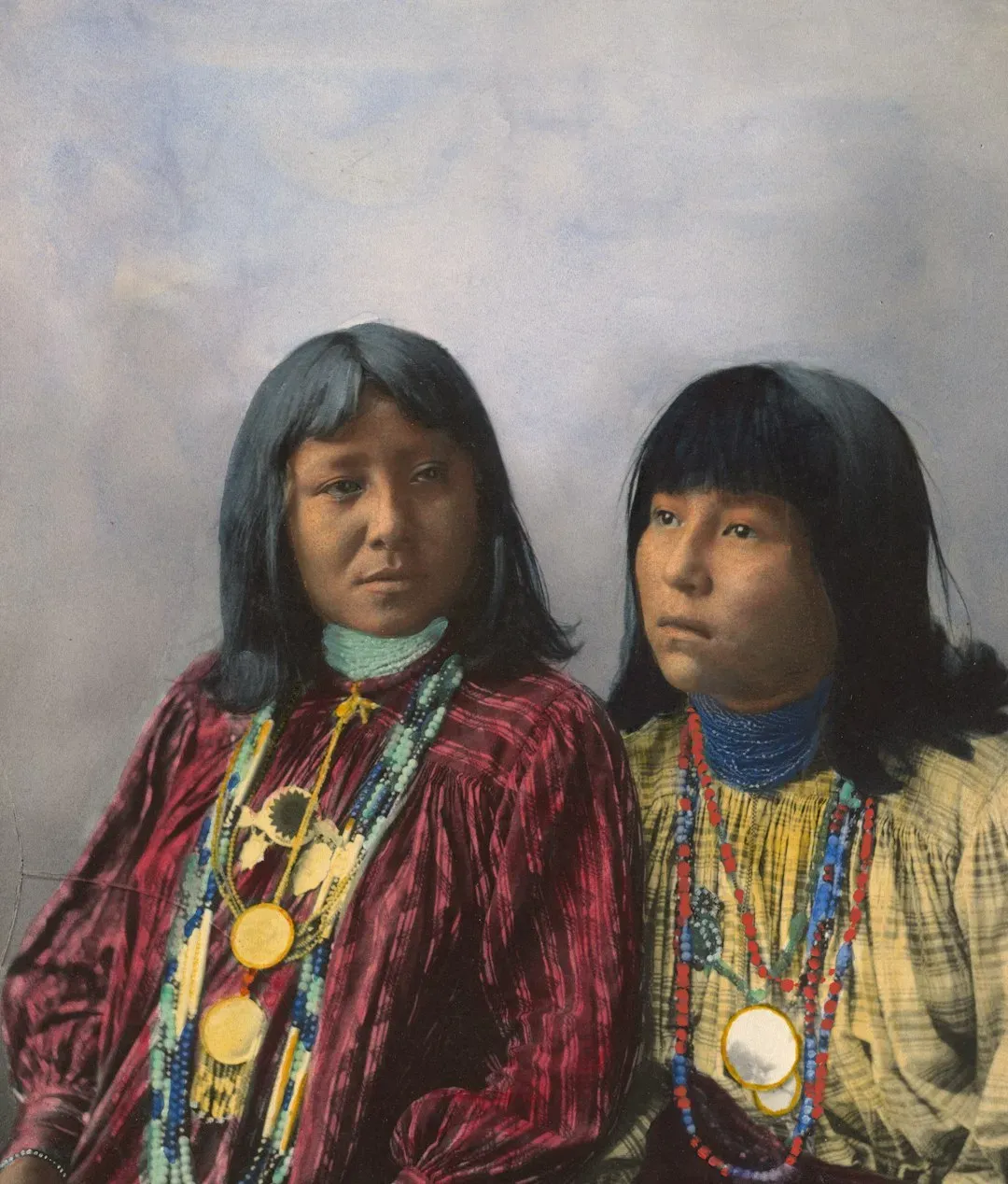
The image of ancient tribal societies as strictly patriarchal is one of the most persistent myths out there, and it simply doesn’t hold up. Although each tribe had its own views on leadership, patriarchy was not always the prevailing model. Many tribes were matriarchal, placing important significance on the roles of women in leadership, counsel, and battle. That reality surprises a lot of people, and it probably shouldn’t.
Gender roles varied significantly between tribal nations, and many tribes, such as the Haudenosaunee Six Nations and the Southeast Muskogean tribes, were traditionally matrilineal, with property and hereditary leadership passed through the maternal lines, and children belonging to their mother’s and grandmother’s clan. Women were not footnotes in these societies. They were architects of them. The foundation of many Native American societies was kinship, an intricate web of relationships that defined an individual’s roles and responsibilities within the group, creating a strong sense of community and accountability.
Ancient Tribes Were Master Farmers and Agricultural Innovators
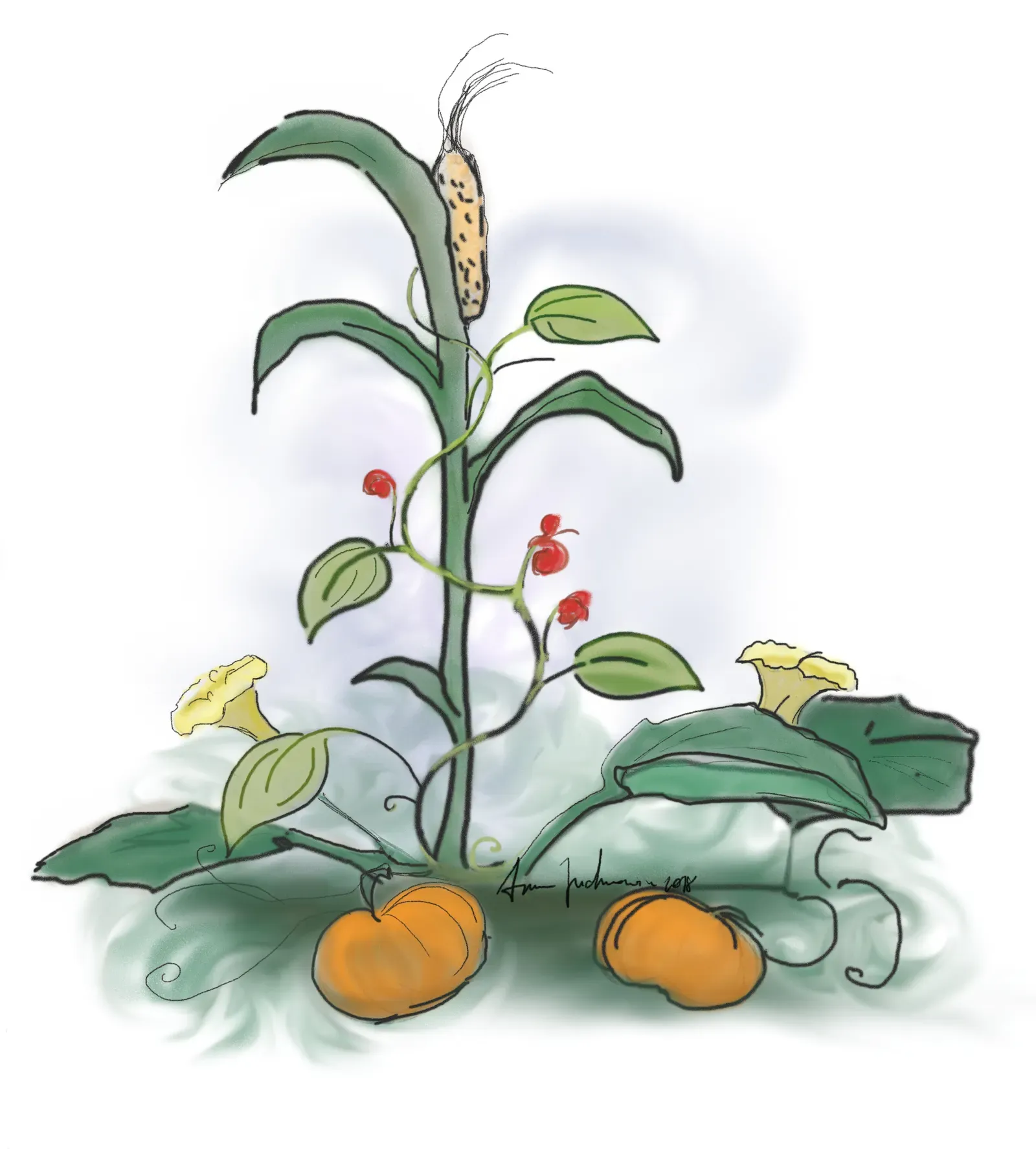
Let’s be real: the idea that Indigenous peoples simply hunted and gathered their way through existence is wildly incomplete. Indigenous Americans domesticated a variety of plants and animals, including corn, beans, squash, potatoes and other tubers, and turkeys, as well as a variety of semi-domesticated species. These weren’t just foods. They became the backbone of global nutrition as we know it today.
The Three Sisters farming method, practiced by many tribes including the Iroquois, Lakota, and Cherokee, involved the cultivation of corn, beans, and squash, interplanted in a way that maximized their mutual benefits through a deep understanding of local soil and climate conditions. Think of it like nature’s version of companion planting, perfected over thousands of years without a single chemistry textbook. The Ancestral Puebloans mostly populated the Southwest, living as farmers and using clay to construct multi-tiered pueblo homes, and since they occupied desert regions, their lives depended on clever irrigation systems and rain rituals. These were not simple people. These were engineers.
Tribal Spiritual Life Was a Deeply Complex and Living Practice
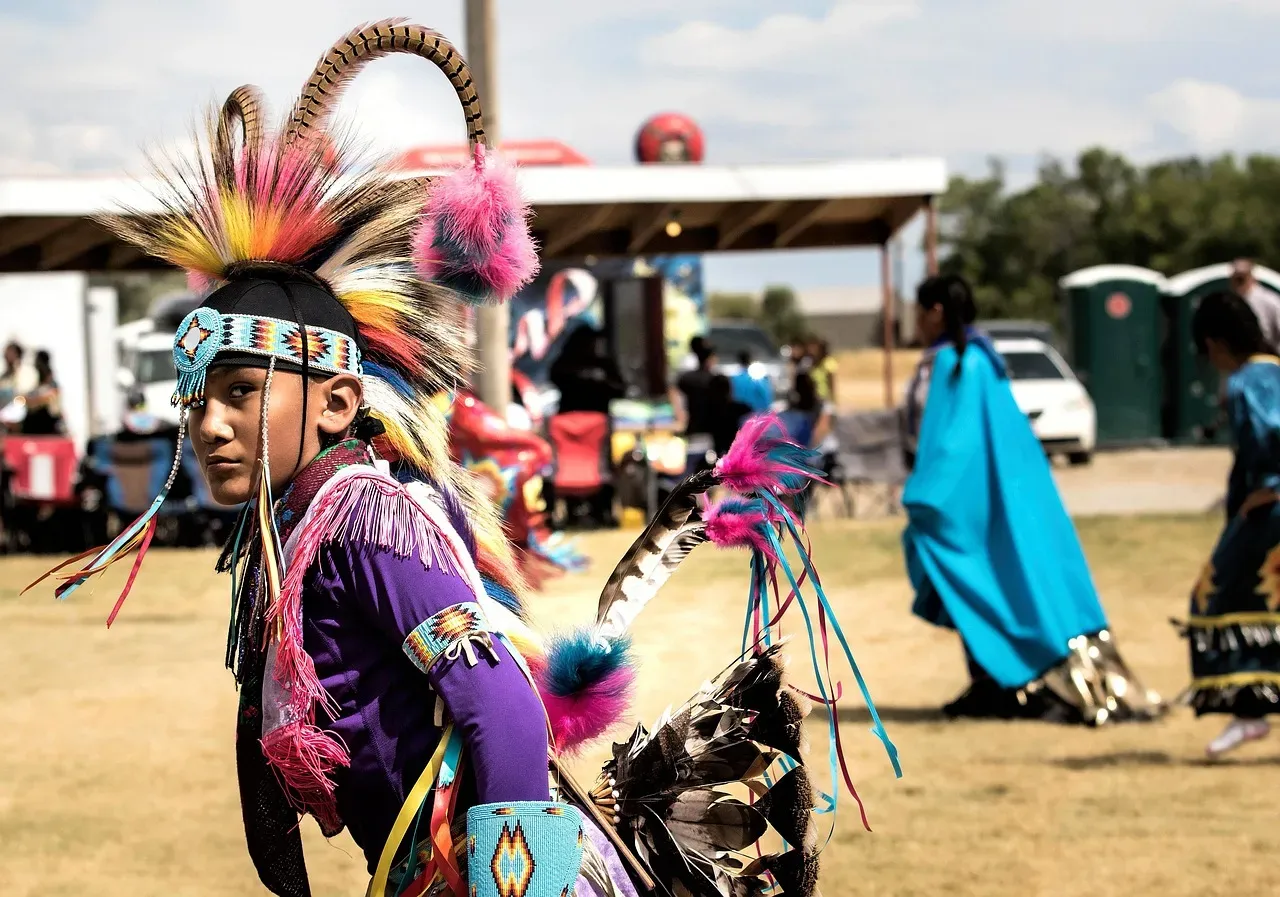
Ancient tribal spiritual traditions were never just rituals performed on special occasions. They were woven into every corner of daily life, from planting seeds to marking the passage of a young person into adulthood. Native Americans celebrated death, knowing it was an end to life on earth but believing it to be the start of life in the Spirit World. Most tribes believed that the journey to the afterlife might be long, so rituals were performed to ensure spirits would not continue to roam the earth, with various tribes honoring the dead by giving them food, herbs, and gifts for a safe journey.
The healing process in Native American medicine was quite different from how most of us perceive it today. Native American healing encompassed a range of beliefs and practices combining elements of religion, spirituality, herbal medicine, and rituals to address physical and emotional conditions. From their perspective, medicine was more about healing the person than curing a disease. That is honestly a philosophy even modern medicine is only now beginning to rediscover. Traditional Native American ceremonies are still practiced by many tribes and bands, and the older theological belief systems are still held by many of the traditional people. These traditions were never truly extinguished.
Conclusion
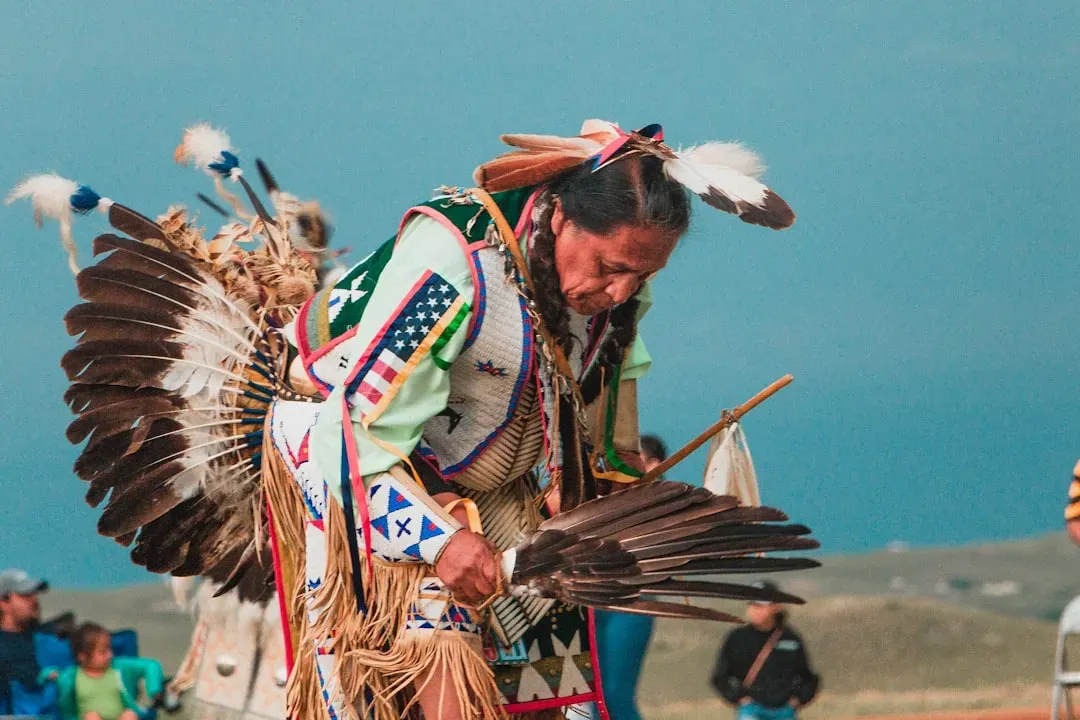
was never the simple, one-dimensional story that history books once told you. You now know that Indigenous peoples built great cities, ran continental trade routes, founded democratic governments, empowered women as leaders, mastered agricultural science, and developed spiritual systems of extraordinary depth. Every single one of those facts deserves far more space than it usually gets.
The story of North America didn’t begin when Europeans arrived. It had already been unfolding for thousands of years, in breathtaking diversity and complexity. The next time someone reduces Indigenous history to a few paragraphs or a single stereotype, you’ll know better. And honestly, knowing better is the first step toward telling a truer, richer story of this continent and all the remarkable people who shaped it. What part of ancient tribal life surprised you the most? Tell us in the comments below.