Have you ever wondered why, despite all our modern conveniences and technological marvels, something still feels missing? We’ve got smartphones that connect us to the world yet we’re lonelier than ever. We have access to endless information but less actual wisdom. Here’s the thing: ancient cultures spent thousands of years developing profound systems for living meaningful, balanced lives. These wisdom traditions didn’t just survive by accident – they persisted because they actually worked.
What if you could tap into that accumulated knowledge right now, today, in your own life? The practices we’re about to explore aren’t relics gathering dust in museums. They’re living traditions that modern people are rediscovering, often with surprising results. Let’s dive in.
The Practice of Lectio Divina: Reading With Your Heart

Lectio divina, an ancient method of meditative scripture reading, represents the Wisdom tradition’s most valuable tool and is considered the simplest and most natural of traditional spiritual practices. Think of it as the complete opposite of how you scroll through social media. Instead of consuming information at lightning speed, you slow everything down to a crawl.
You pick a short passage – could be from sacred texts or even poetry – and read it multiple times, letting each word sink in. The goal isn’t to analyze or understand intellectually. It’s about letting meaning emerge naturally, like watching a sunrise rather than turning on a light switch. People who practice this regularly report feeling more grounded and less reactive to daily stresses. It’s honestly one of the most accessible practices you can start tomorrow morning with just five minutes and any meaningful text.
Indigenous Gratitude Practices: Seeing the Sacred in Everything

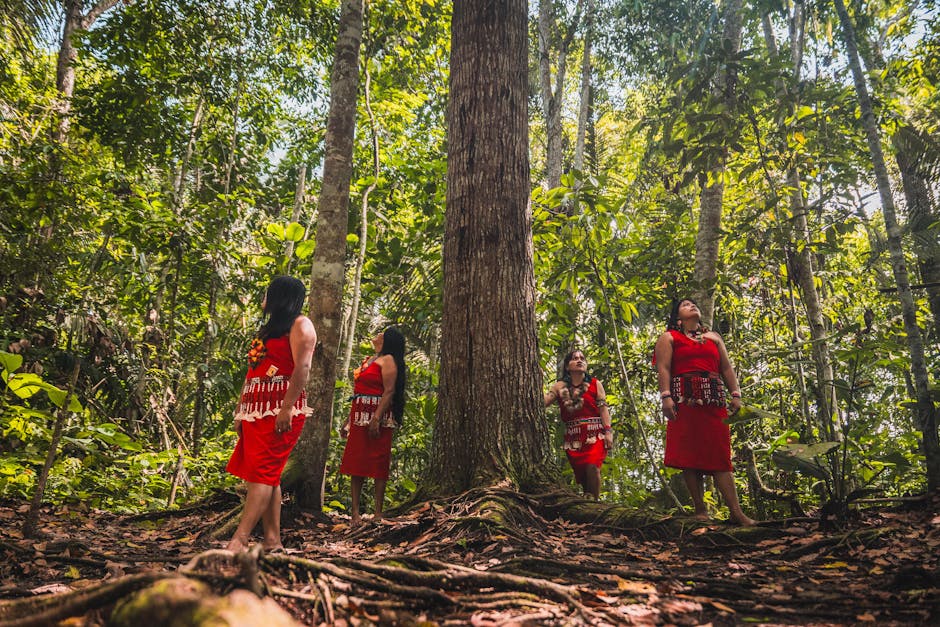
Many traditional Indigenous values are rooted in respect for the natural world and the belief that humans are part of a circle where all life has equal value, with animism holding that every living being and even natural features like rivers and mountains possess a spirit. This isn’t some abstract philosophy. It’s a daily practice that fundamentally changes how you move through the world.
When Aboriginal people were asked what they considered key to their well-being, they listed values that weren’t even on standard assessments, with the top factors being far more intangible. Imagine starting your day by acknowledging the land beneath your feet, the water you drink, even the air filling your lungs. Sounds simple, almost too simple. Yet research shows that regular gratitude practices significantly improve mental health and overall life satisfaction. The difference with Indigenous approaches is they extend that gratitude beyond human relationships to encompass the entire web of life.
Sacred Chanting: Vibrational Healing Through Sound
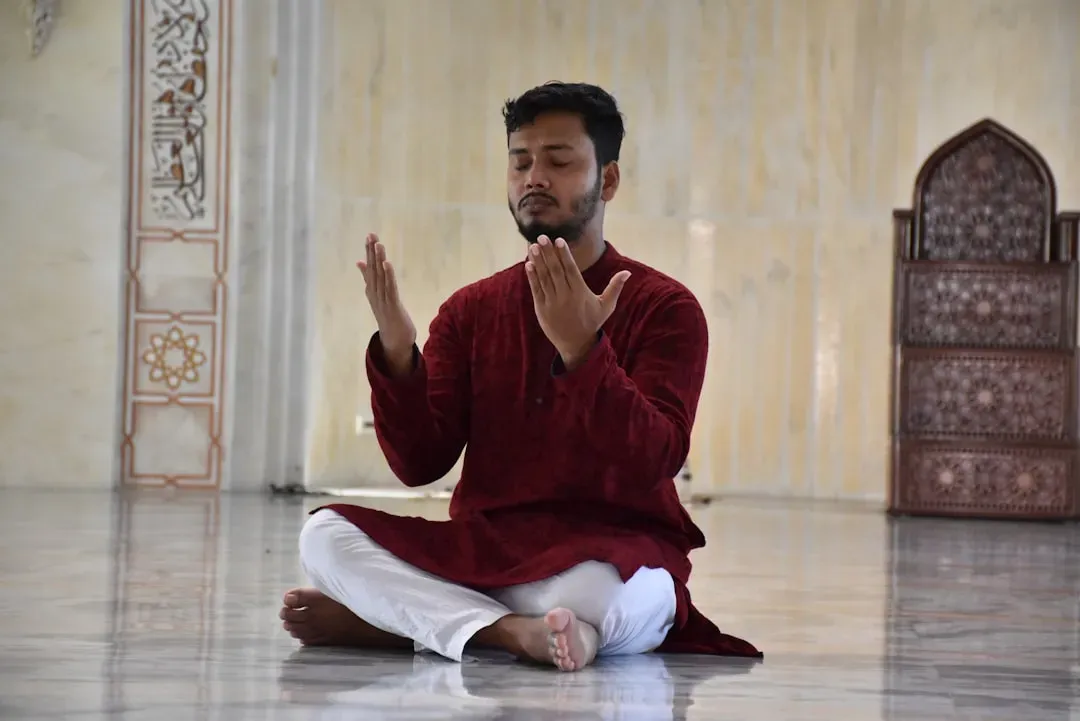
Sacred chanting, though unfamiliar to many today, has been central to Christian and other sacred traditions worldwide, centered on the psalms in Christianity, and is seen as awakening the heart while helpfully affecting the body. Your body is essentially a collection of vibrating frequencies. When you chant, you’re not just making noise – you’re creating physical resonance that affects your nervous system.
This practice doesn’t require any special musical ability. Simple repetitive sounds or phrases, repeated with intention, create measurable changes in brain activity and stress hormones. Some people use traditional mantras, others make up their own. The key is consistency and the willingness to feel a bit silly at first. What makes chanting so powerful is that it bypasses your thinking mind entirely, working directly on your physiology. Five minutes of chanting can shift your entire nervous system from fight-or-flight mode to rest-and-digest.
The Art of Weaving and Talking: Learning Through Doing

The Ngarrindjeri practice of ‘Lakun wanyali Thungari’ (weave and talk) expresses identity and culture, referring to the visual significance of everyday life practices, with weaving being a process involving embodied values and wisdom and spontaneous modes of social engagement. This tradition recognizes something we’ve forgotten: that our hands and our minds learn together, not separately.
When you’re doing something with your hands – knitting, woodworking, cooking, gardening – your conscious mind relaxes and deeper wisdom emerges. Indigenous cultures understood that the best conversations and most profound learning happen when people work side by side rather than sitting face to face. Try having your next difficult conversation while doing dishes together or taking a walk. You’ll be amazed how differently the energy flows when your hands are occupied and you’re not locked in intense eye contact. This practice naturally facilitates both individual creativity and community connection.
Traditional Ecological Knowledge: Reading Nature’s Patterns
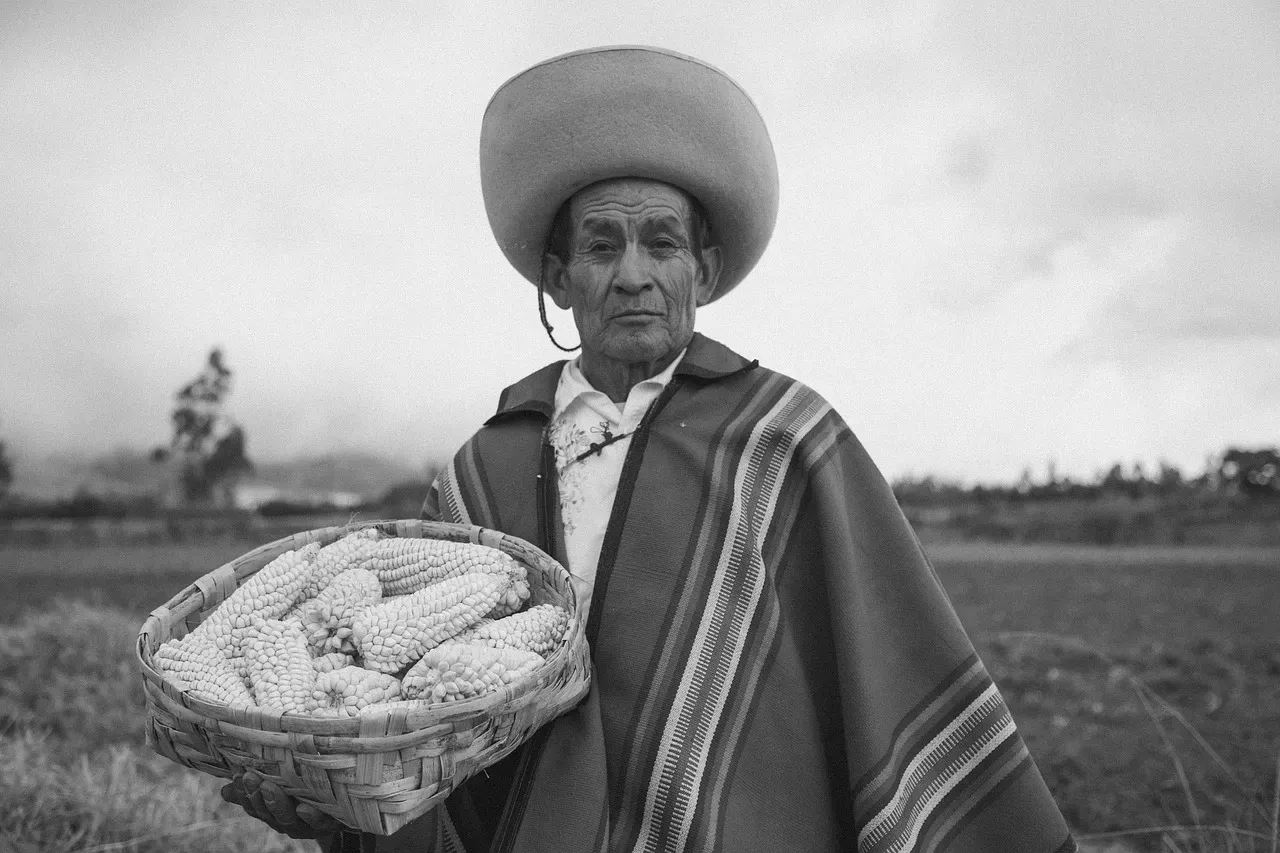
Indigenous communities throughout Southeast Asia have learned to predict climate events by observing natural occurrences, with communities in An Hai, Vietnam forecasting drought and rain for thousands of years based on the moon’s appearance. We’ve become so dependent on weather apps and GPS that we’ve lost the ability to read the natural world directly. Our ancestors could predict weather changes by watching animal behavior, cloud formations, and plant responses.
You don’t need to live in the wilderness to reconnect with these observational skills. Start noticing patterns in your local environment. Which birds appear before rain? How do plants respond to seasonal shifts? When do specific flowers bloom? Indigenous traditions have been tested and refined for millennia through traditional ecological knowledge for their benefits at physical, psychological, relational, and ecological levels. This practice sharpens your attention and creates a felt sense of belonging to the place you live. You’ll find yourself feeling less anxious because you’re grounded in observable reality rather than abstract worries.
Intergenerational Storytelling: Wisdom Transfer Through Narrative

Intergenerational learning is vital for keeping culture alive, allowing younger people to learn from elders who pass down knowledge through oral tradition, preserving stories, songs, and practices. We’ve replaced this with YouTube tutorials and TikTok videos. Don’t get me wrong, those have value. Yet something irreplaceable is lost when knowledge isn’t transmitted face-to-face, story-to-story.
The practice here is simple but requires intention. Seek out elders in your family or community and ask them to share stories from their lives. Not just facts about what happened, but how they felt, what they learned, what they’d do differently. Record these conversations if possible. Then share them with younger people. The Inuit place special value on their Elders, seen as essential in passing down stories and traditional knowledge, guiding practices, and offering wisdom on dealing with life changes. This practice weaves together past, present, and future, creating continuity and perspective that combats the rootlessness so many feel today.
Surrender and Detachment: The Paradox of Control

Spiritual practices in major religions share core transformation elements of surrender, detachment, compassion, and forgiveness. This might be the hardest practice for modern Westerners because we’ve been trained to believe that control equals safety. We optimize, strategize, and try to manage every variable. Then we wonder why we’re exhausted and anxious.
Stoicism teaches that to maintain tranquility, we need to cultivate detachment from things outside our control. Detachment doesn’t mean not caring. It means recognizing what you can influence and releasing what you cannot. Start with small things. Miss your train? Instead of spiraling into frustration, notice the feeling and let it pass. Someone criticizes you unfairly? Feel the sting, then consciously release the need to control their perception. This practice builds a kind of psychological immunity to life’s inevitable chaos. You become like water, flowing around obstacles rather than smashing against them.
Bringing It All Together

These seven practices aren’t meant to be adopted all at once. That’s not how wisdom traditions work. Pick one that resonates and experiment with it for a month. Notice what shifts. The beauty of these ancient practices is that they don’t require belief – just willingness to try.
What strikes me most about these forgotten traditions is how practical they are. They’re not asking you to retreat to a monastery or abandon modern life. They’re offering tools that work precisely because they address fundamental human needs that haven’t changed in thousands of years. We still need meaning, connection, rhythm, and a sense of belonging to something larger than ourselves.
These practices survived for a reason. They worked then, and honestly, they still work now. Which one will you try first?