Human evolution is often told as a story of brains, tools, and culture, but underneath all of that sits something far more ancient and stubborn: geology. Shifting plates, rising mountains, exploding volcanoes, and wild swings in climate quietly rewrote the rules of survival long before anyone carved a stone tool or painted a cave wall. If you zoom out far enough, our species looks less like the inevitable pinnacle of life and more like a strange side effect of a very restless planet.
What makes this story so gripping is how fragile it all was. A slightly different rift, a weaker monsoon, a calmer volcano, and creatures like us might never have existed. In a way, geology is the hidden scriptwriter behind our big brains, upright posture, and wandering minds. Let’s walk through seven geological turning points that did not just shape the landscape under our feet, but completely changed where human evolution was headed.
The East African Rift: A Continent Torn Apart, A Species Stands Up
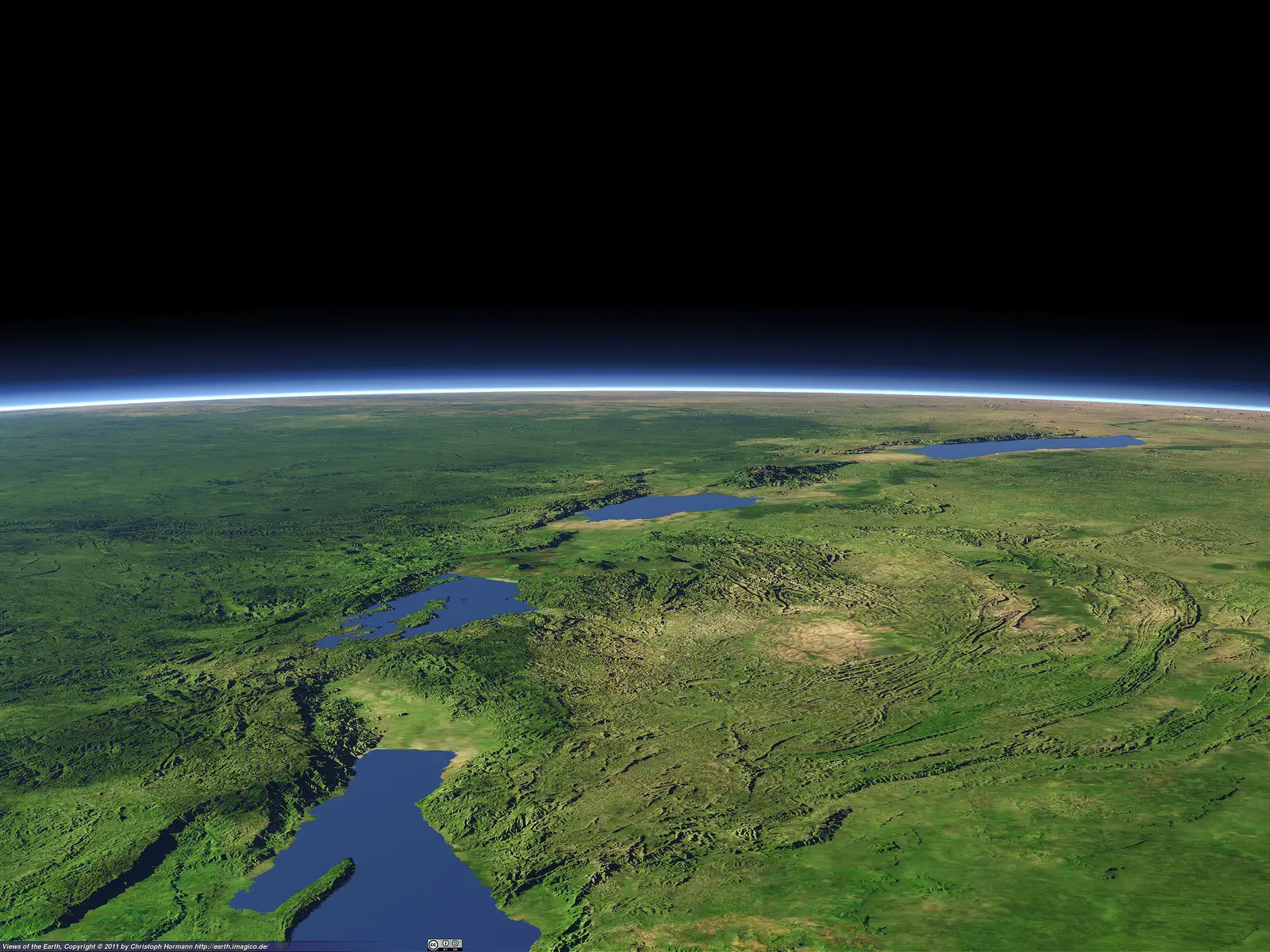
Imagine a continent slowly ripping in two over millions of years, the crust stretching and cracking like old leather. That is the East African Rift, a colossal geological wound that reshaped landscapes, weather, and eventually the bodies of our ancestors. As sections of land lifted into high plateaus and others dropped into deep basins, the smooth, continuous forests of ancient Africa were broken up into a patchwork of grasslands, woodlands, and lakes.
This environmental chaos did something profound: it rewarded flexibility and punished complacency. Ancestors who stayed in dense forest could continue climbing, but those pushed into more open habitats needed new tricks – seeing over tall grass, traveling long distances, and freeing their hands to carry food or infants. Bipedalism, our signature way of walking on two legs, makes a lot more sense in a world where forest gave way to scattered trees and exposed ground. The rift did not simply crack the crust; it fractured old ecological routines and nudged our lineage toward upright walking and wider-ranging lives.
Uplift of the Himalayas: Mountains That Rewired the Climate
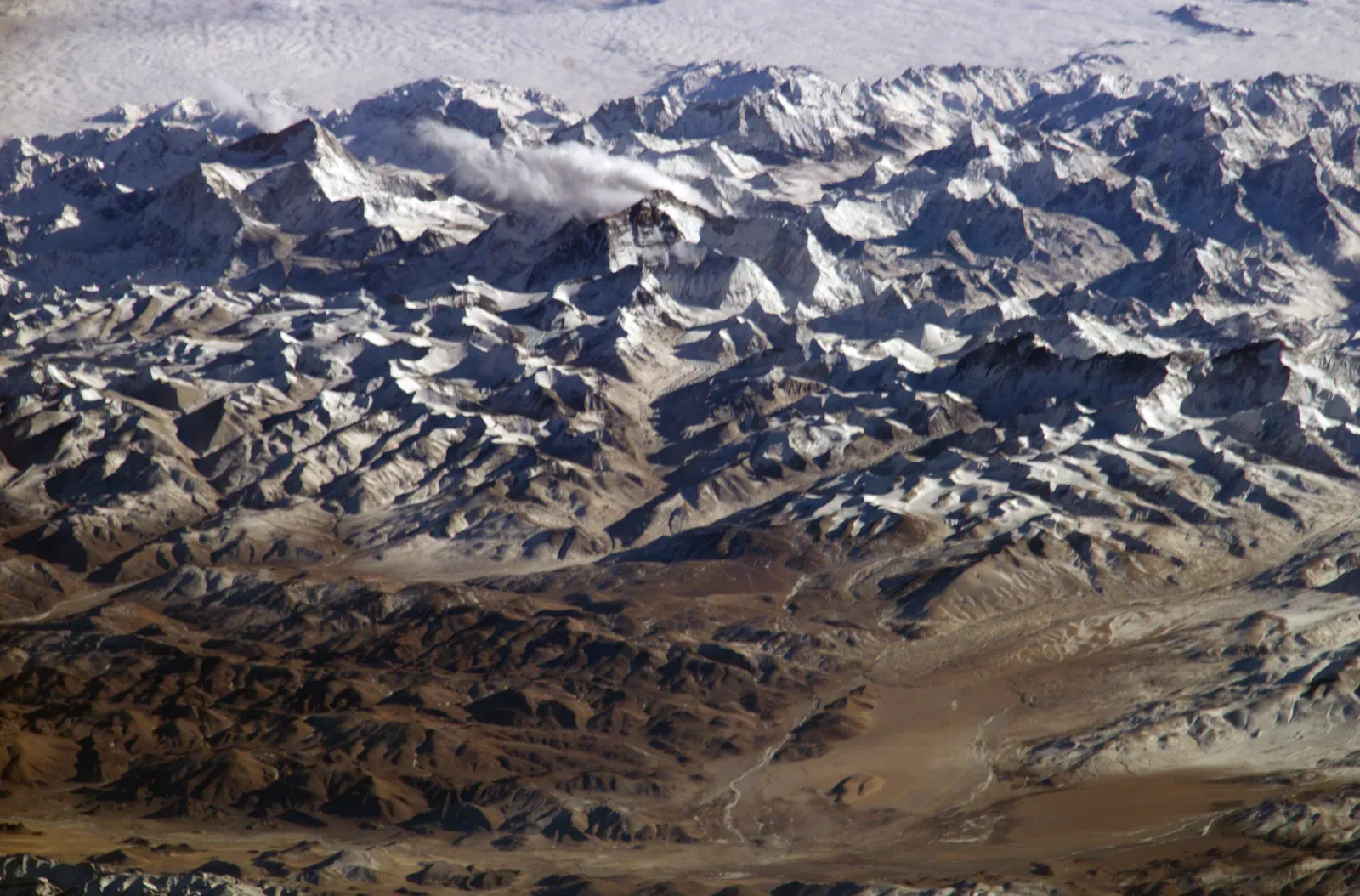
Far from Africa, another epic geological drama was unfolding: India slamming into Eurasia and heaving up the Himalayas and Tibetan Plateau. This was not just a spectacular mountain-building event; it was a long-term climate machine. Those towering peaks changed wind patterns, amplified monsoons, and altered how heat and moisture moved across much of the Old World. The knock-on effects rippled all the way to Africa, where many key episodes of human evolution played out.
As the Himalayas rose, global climates cooled and became more seasonal, favoring grasslands and savannas over endless tropical forests. In Africa, this likely meant more boom-and-bust environments: wet phases with lakes and lush vegetation, followed by dry spells with shrinking water sources and expanding open plains. Our hominin ancestors had to cope with unpredictable resources, shifting habitats, and periods of scarcity. In those conditions, brains that could anticipate change, innovate new foraging strategies, and maintain social support networks became a powerful survival tool. In a real sense, distant mountains in Asia helped sculpt the cognitive landscapes inside our skulls.
Monsoon Shifts and Pulsing African Wet–Dry Cycles
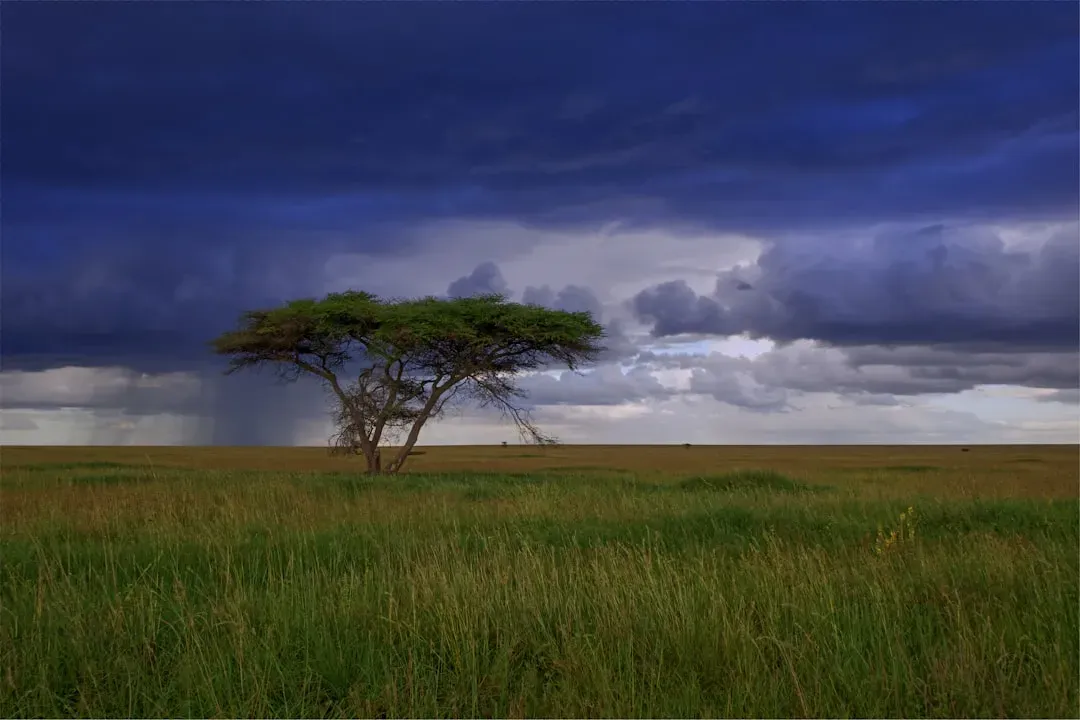
If you plotted African climate over the last few million years, it would not look like a smooth curve; it would look like a heartbeat monitor. Driven by orbital cycles, ocean changes, and continental configurations, African monsoons have repeatedly intensified and weakened, flipping regions between wetter, lake-filled phases and much drier, dustier conditions. These pulses created what some scientists call “climate pumps,” where habitats expanded, fragmented, and reconnected over and over again.
For evolving hominins, these swings meant that stability was an illusion. A lush lakeshore settlement could, in geological short order, become a marginal, arid landscape with shrinking water and unpredictable food. Populations were likely forced to move, isolate, reconnect, and adapt on a rhythm that matched these environmental pulses. Under such pressure, flexibility, social learning, and the ability to exploit diverse foods – roots, nuts, meat, shellfish – became invaluable. Instead of evolving for one perfect niche, our lineage was trained to cope with variety and volatility, a temperament that still defines our global, migratory, endlessly experimenting species.
Volcanoes, Ash Falls, and Bottlenecks: Evolution in Times of Catastrophe
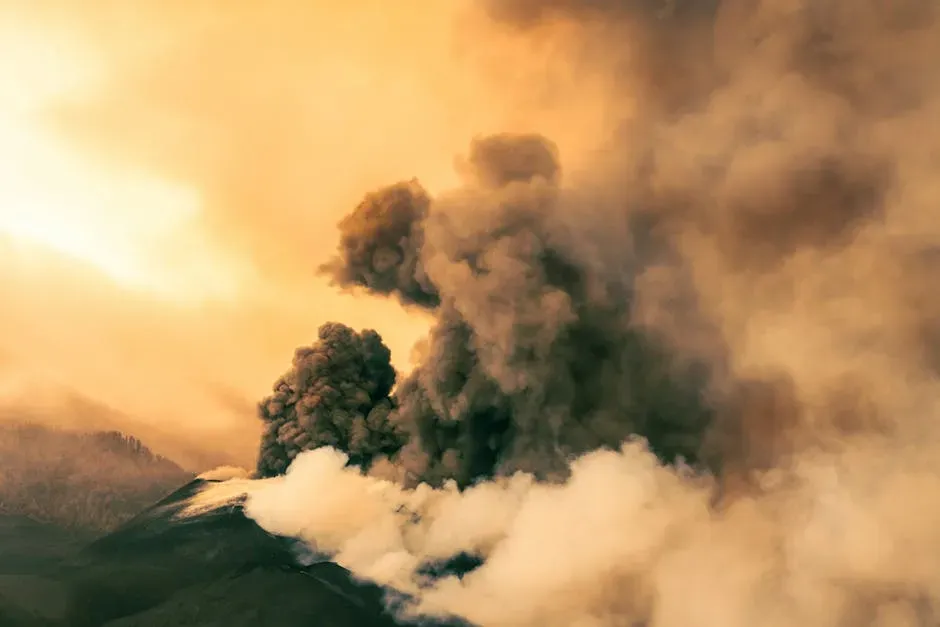
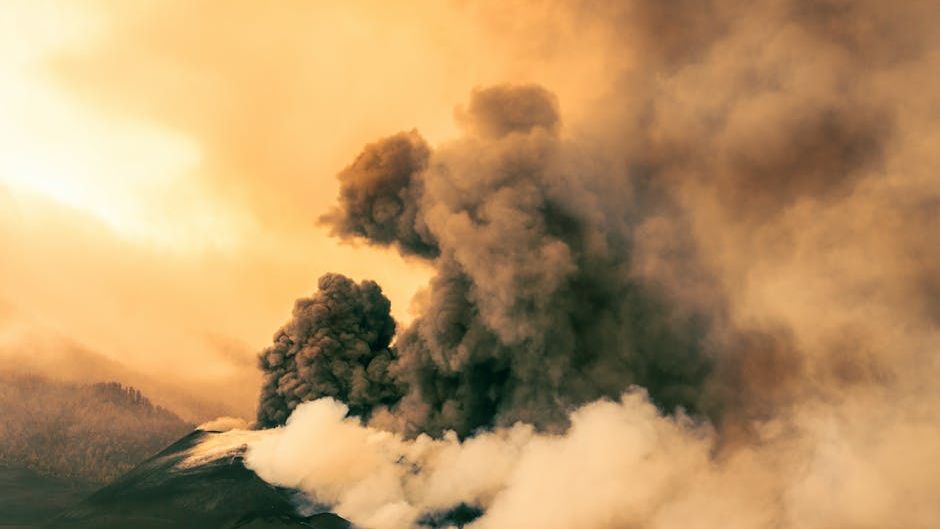
Volcanic eruptions are among the most dramatic geological events, and for early humans they were not just spectacular – they were existential threats. Large eruptions can bury entire regions in ash, shut down plant growth, poison water, and create long, darkened skies that disrupt climate for years. There is evidence that some hominin populations had to repeatedly navigate such disasters, especially in geologically active regions of East Africa and beyond.
These crises may have created population bottlenecks, periods when only relatively small, scattered groups survived. Small populations can evolve quickly, simply because any genetic changes spread faster when there are fewer individuals. Surviving harsh volcanic winters and disrupted ecosystems likely favored individuals who could innovate rapidly, cooperate tightly, and move nimbly to newly viable habitats. In this way, fire and ash did not just threaten human ancestors; they may have pruned and reshaped our evolutionary tree, rewarding resilience, ingenuity, and social cohesion in the face of terrifying upheaval.
Shorelines, Sea-Level Swings, and the Coastal Brain Boost
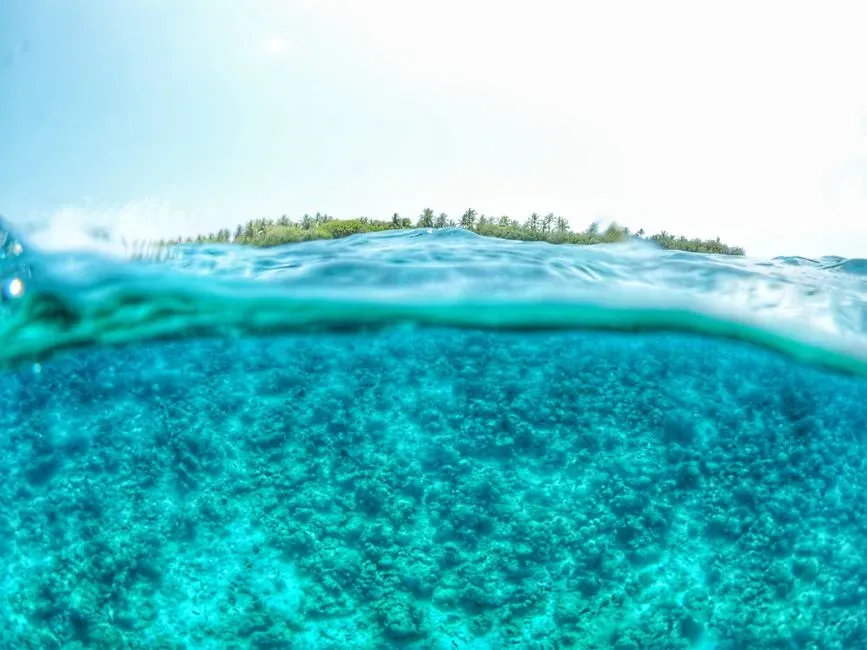
Over the last million years, sea levels have risen and fallen by hundreds of feet as ice sheets advanced and retreated. Those swings exposed and drowned vast coastal plains, lagoons, and river deltas – prime real estate for evolving humans. When seas dropped, new coastlines emerged with tidal pools, shellfish banks, and rich estuaries; when they rose, familiar areas disappeared, forcing people to relocate or reinvent their survival strategies.
Living along coasts offered something crucial for brain evolution: dense, reliable, and nutrient-rich food sources, especially from marine life. Diets that included fish and shellfish brought in high-quality proteins and fatty acids that support brain development. At the same time, ever-changing shorelines demanded navigation skills, memory of shifting landmarks, and cooperative strategies for harvesting and sharing food. In my view, coasts were like natural laboratories where big brains could pay off quickly, allowing early humans to experiment with technology, social complexity, and long-distance movement along the edges of continents.
Ice Ages and Expanding Grasslands: The Pressure Cooker of the Pleistocene
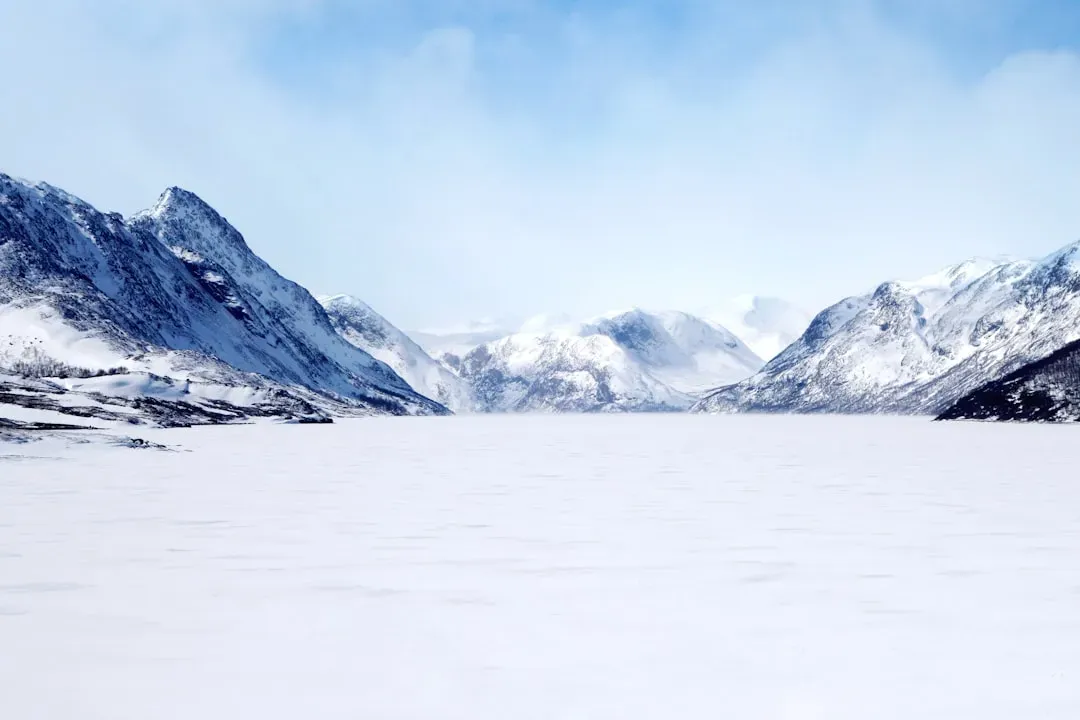
The Ice Ages of the Pleistocene were not one long freeze but a series of glacial and interglacial swings that dramatically reworked Earth’s surfaces. Massive ice sheets waxed and waned, sea levels yo-yoed, and grasslands expanded and contracted over continents. In Africa, colder global climates often meant drier conditions and broader grasslands, while forests shrank or retreated into refuges. This reshuffling of habitats would have repeatedly challenged hominin groups to adjust their diets, mobility, and social relationships.
Open, seasonal grasslands are demanding places for a primate. Food is patchy, predators can spot you from far away, and survival may hinge on moving efficiently and sharing information. In such settings, tools that extend your reach – stone points, cutting edges, containers – become vital. So do social networks that can buffer you against bad years and lost hunts. The Pleistocene acted like a pressure cooker, where climatic instability and resource uncertainty selected for endurance, planning, communication, and cooperation. By the time our own species, Homo sapiens, emerged, these traits were not optional extras; they were baked into how we survived.
One of the most dramatic outcomes of Ice Age dynamics was the opening and closing of land bridges, especially Beringia between northeast Asia and the Americas. When ice locked up enough water, sea levels dropped and a vast steppe-like corridor emerged, allowing humans and animals to cross into new continents. Later, as ice melted and seas rose, these routes vanished beneath the waves, isolating populations and setting them on distinct evolutionary trajectories. I find it wild that whether people could reach entire continents hinged on how much water was frozen thousands of miles away.
Desertification and the Sahara’s Shifting Gateways
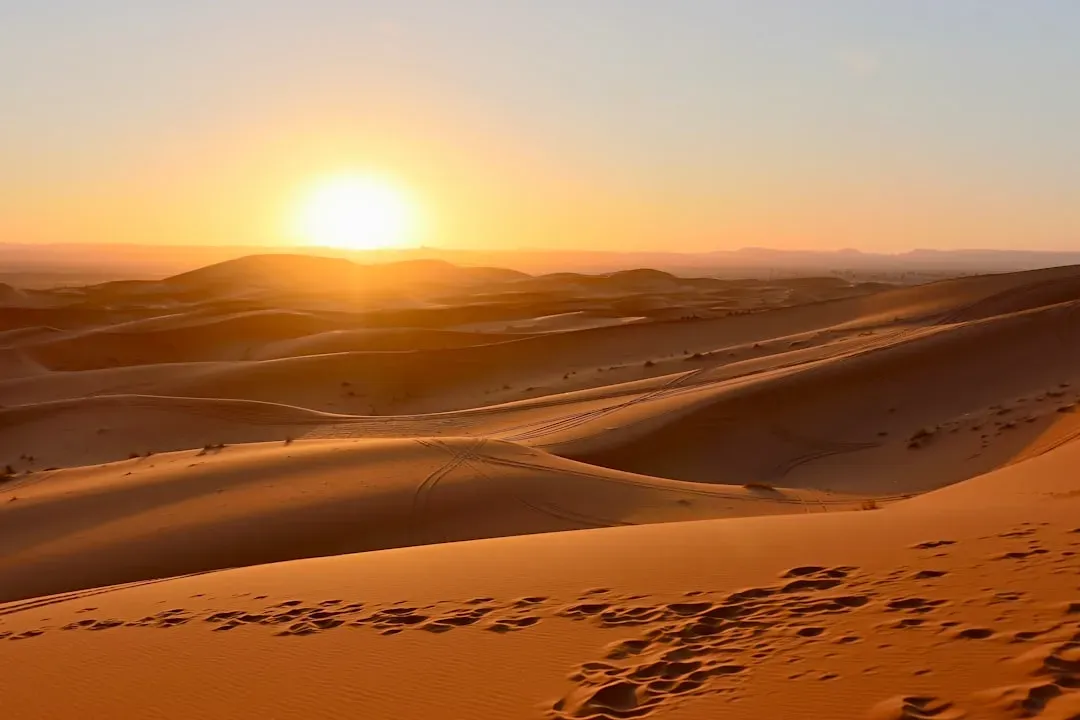
It is easy to think of the Sahara as eternally dry and empty, but geologically speaking, it has a split personality. Over long timescales, North Africa has toggled between green, lake-dotted savannas and the hyper-arid desert we know today. When the Sahara was greener, corridors of vegetation stretched across it, linking sub-Saharan Africa with the Mediterranean and beyond. When desert took over, those routes effectively slammed shut, isolating populations and challenging any group that tried to cross.
These shifts were more than just scenery changes; they were gatekeepers for human migrations. Periods of a greener Sahara may have opened windows for early Homo sapiens to spread out of Africa in larger waves, carrying their genes, tools, and ideas into Eurasia. Later desertification could have trapped groups on either side, leading to regional adaptations and cultural diversification. In evolutionary terms, the Sahara functioned like a giant geological valve, alternately allowing gene flow and cutting it off. Our global story – who got where, and when – was deeply shaped by how that enormous desert breathed in and out with climate cycles.
Conclusion: A Species Written in Rock, Water, and Fire
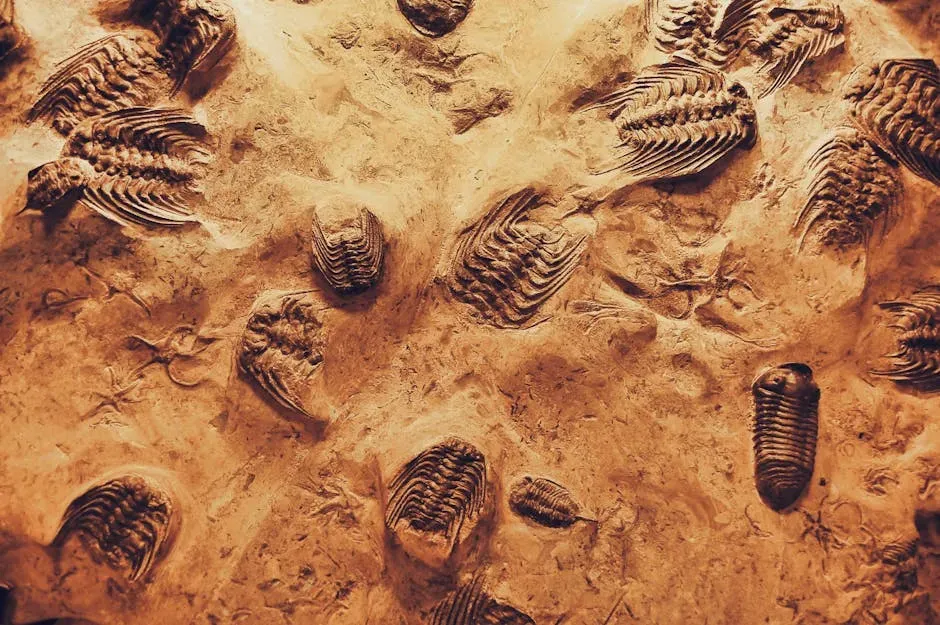
When you step back from the usual human evolution story, one opinion becomes hard to avoid: we give ourselves far too much credit and the planet far too little. Yes, our ancestors invented tools, language, and culture, but they did so inside a narrow corridor of possibilities carved by moving plates, rising mountains, shifting monsoons, erupting volcanoes, and wandering shorelines. Geology did not dictate every detail of our path, but it set the stage, moved the props, and sometimes yanked the floor out from under us. In that sense, our cleverness is less a spontaneous miracle and more a long negotiation with a moody planet.
To me, that realization is oddly comforting. It means that being human is not just about genius, but about learning to ride waves of change we did not choose. Our species emerged from deserts that opened and closed, rifts that split continents, seas that came and went, and mountains that chilled the skies. Today, as we rapidly reshape climate and landscape ourselves, it feels dangerously arrogant to forget how much those forces once shaped us. If geology could steer our evolution before, what might our own geological impact be steering us toward now – and are we ready for what comes next?