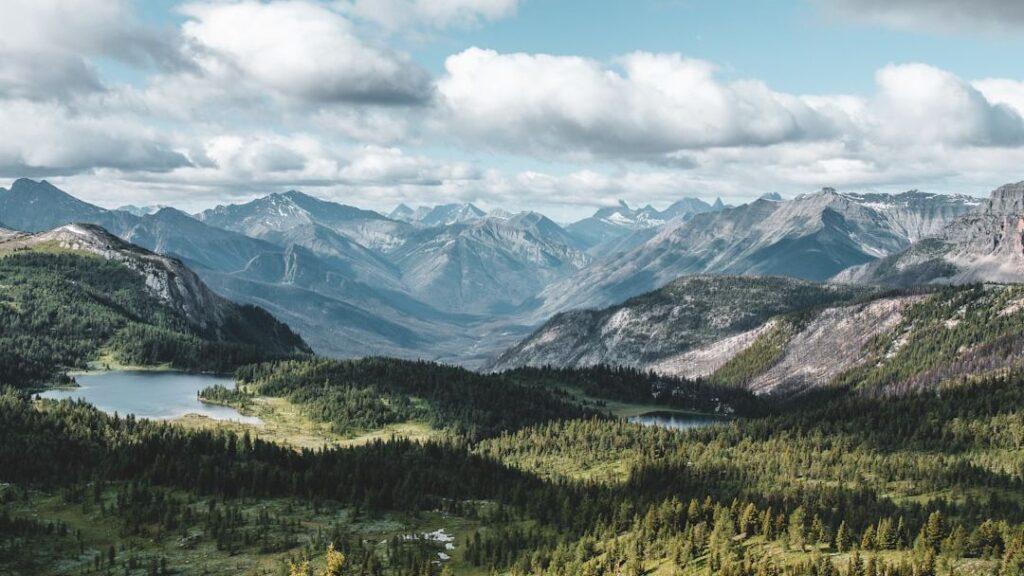
The Rocky Mountains stretch across thousands of miles of North American landscape, and to most people, they are simply stunning scenery. Towering peaks, glassy alpine lakes, corridors of ancient pine. But if you look closer, really look, you start to realize that you are walking across one of the most geologically bizarre and historically layered places on the entire planet. These mountains hold secrets that scientists are still arguing over today.
Honestly, it is a little humbling. Beneath every ridge, every canyon wall, every quiet valley floor, there are stories compressed into stone, going back hundreds of millions of years. Some of them defy expectation entirely. So grab a metaphorical pickaxe, because you are about to dig in.
The Laramide Orogeny: When the Rockies Should Not Exist
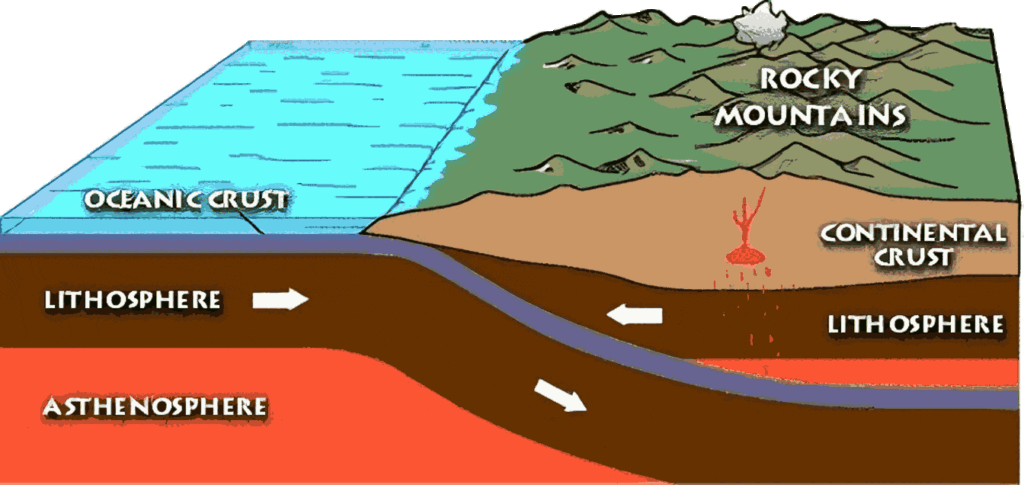
You might be surprised to learn that the modern-day Rocky Mountains are considered “weird” by geological standards. Most mountain ranges occur at tectonically active spots where tectonic plates collide or slide past each other, yet the Rockies are located in the middle of a large, mostly inactive continental interior, far from any plate boundary. Think of it like a massive earthquake shaking a building several city blocks away from the epicenter, with the epicenter itself remaining untouched.
The Laramide Orogeny, about 80 to 55 million years ago, was the last of three major tectonic episodes and was responsible for raising the Rocky Mountains as you know them today. More recently, researchers have proposed that the Rockies were actually formed during a two-stage event, from two separate collisions taking place nearly 20 million years apart. The first took place about 90 million years ago further north along California’s coast and created the northern portion of what you now call the Rocky Mountains. That is right. The mountains you see were not born in a single dramatic moment. They were the result of repeated violence, unfolding over geological timescales.
The Great Unconformity: A Missing Chapter in Earth’s Diary
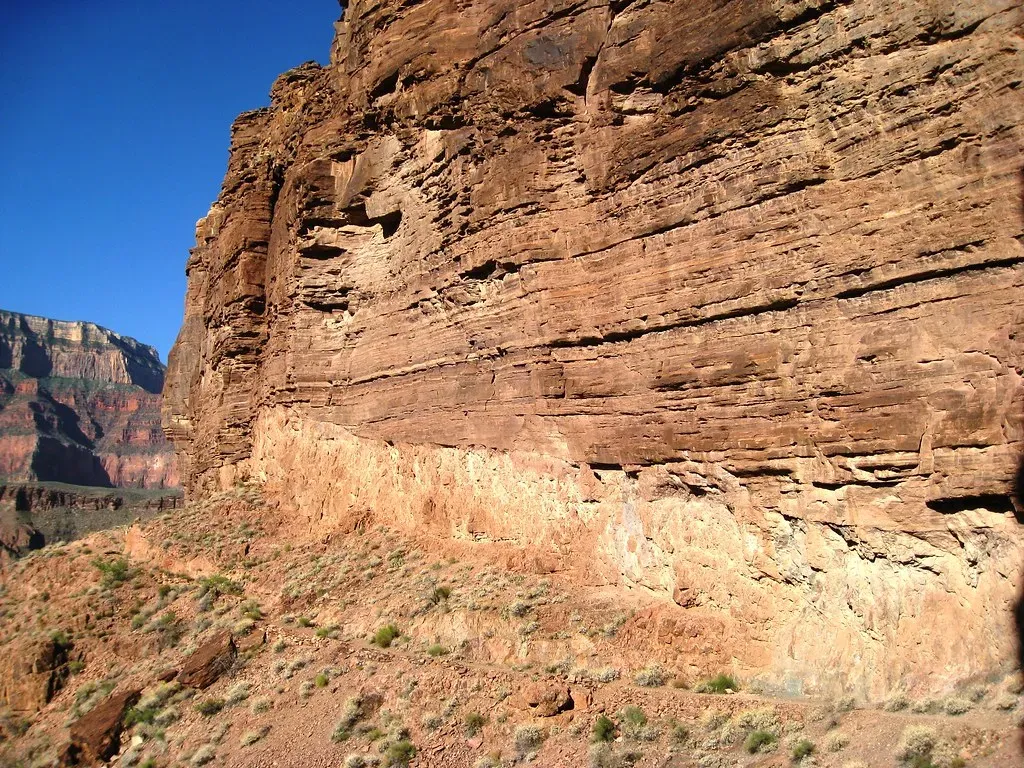
Here is one that genuinely stops geologists in their tracks. The end of the Neoproterozoic era is not known from the rock record in the Rockies, indicating a period of long-running terrestrial erosion that produced what is known as the Great Unconformity, spanning from 1.1 billion to 510 million years ago. As a result, twelve to twenty-four kilometers of basement rock simply eroded away. You are looking at a gap in Earth’s autobiography so vast it almost sounds fictional.
This period, from 1.1 billion to 510 million years ago, left behind what geologists recognize as the Great Unconformity. When you stand at certain exposed cliff faces in the Rockies and trace your eyes across the rock layers, you are literally staring at a seam in time where hundreds of millions of years of history vanished. It is like flipping through a book and finding entire chapters torn out. The rocky cores of the mountain ranges are, in most places, formed of pieces of continental crust that are over one billion years old. Standing on these rocks is not a metaphor. You are standing on some of the oldest surviving material on the continent.
The Ancestral Rocky Mountains: A Lost World Beneath Your Feet
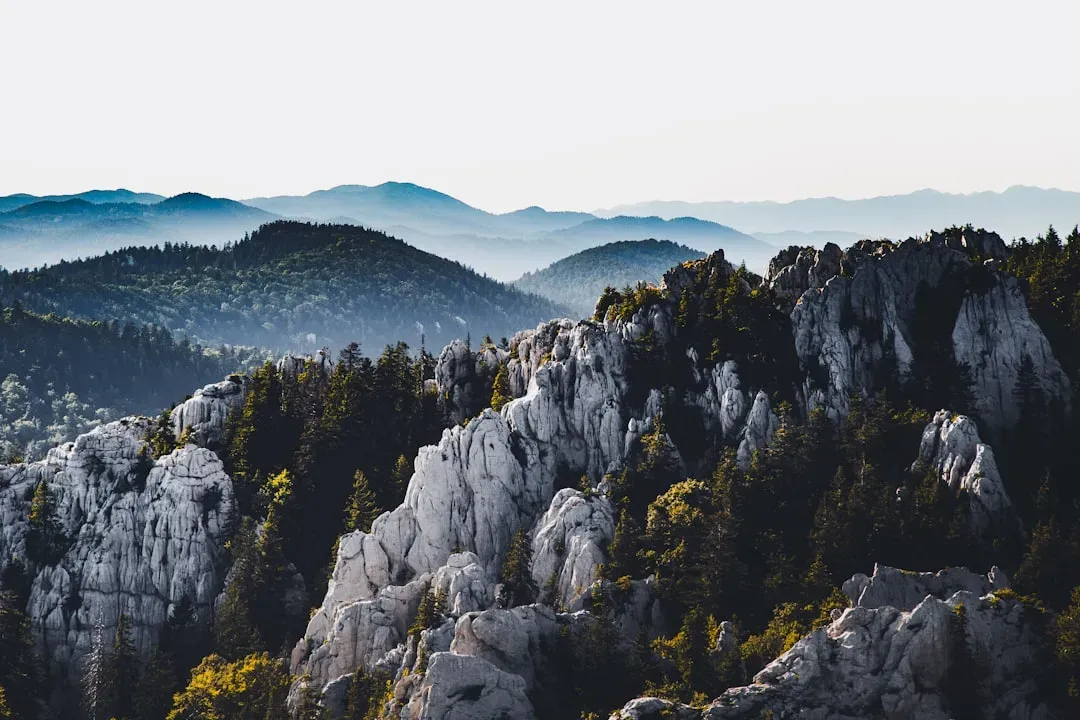
This one is easy to overlook, but once you understand it, you will never look at a Rocky Mountain cliff the same way again. In the southern Rocky Mountains, near present-day Colorado and New Mexico, Precambrian and Paleozoic rocks were disturbed by mountain building approximately 300 million years ago. This mountain building produced the Ancestral Rocky Mountains. The uplift formed two large mountainous islands known to geologists as Frontrangia and Uncompahgria, located roughly in the current locations of the Front Range and the San Juan Mountains.
At about 285 million years ago, a mountain-building process raised these ancient Rocky Mountains. This ancient range was much smaller than the modern Rockies, only reaching up to 2,000 feet high and stretching from Boulder to Steamboat Springs, Colorado. Over the next couple of hundred million years, the ancient Rockies eroded away, leaving behind sediment and a much less rugged landscape. So in a way, when you hike the modern Rockies, you are climbing the reincarnation of an older, forgotten mountain world. The Ancestral Rocky Mountains existed in the late Paleozoic between 320 million to 280 million years ago, during the time when Africa and North America were still coming together. That sense of deep time is almost dizzying when you let it sink in.
Devils Tower, Wyoming: The Monolith That Refuses Explanation
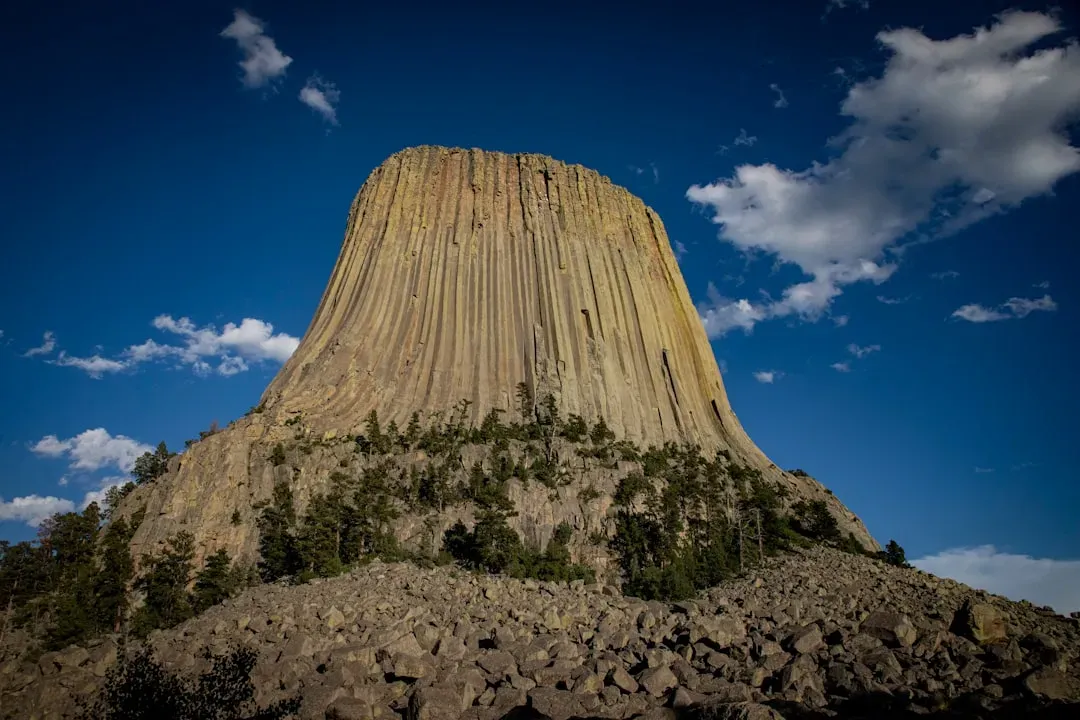
You have probably seen it. That eerie, grooved column jutting out of the Wyoming flatlands like something from a science fiction film. Devils Tower, also known as Matȟó Thípila or Bear Lodge, is a laccolithic butte composed of igneous rock in the Black Hills of northeastern Wyoming, rising 1,267 feet above the Belle Fourche River and standing 867 feet from summit to base. Its summit sits 5,112 feet above sea level.
Geologists agree that Devils Tower was formed by the intrusion of igneous material, meaning the forcible entry of molten rock into or between other rock formations. What they still cannot fully agree upon is how, exactly, that process took place. The igneous material forming the tower is a phonolite porphyry intruded about 40.5 million years ago. As the magma cooled, hexagonal columns formed, sometimes with four, five, and seven-sided columns, up to 20 feet wide and 600 feet tall. Those extraordinary columns are the result of contracting molten rock doing something remarkably orderly as it hardened. Devils Tower is considered a sacred landmark by more than 20 Native American tribes. The Lakota refer to it as Bear Lodge and historically used this place for funerals, prayer offerings, sweat lodge ceremonies, and their Sun Dance ritual.
The Morrison Formation: Jurassic Park Was Basically Real Here
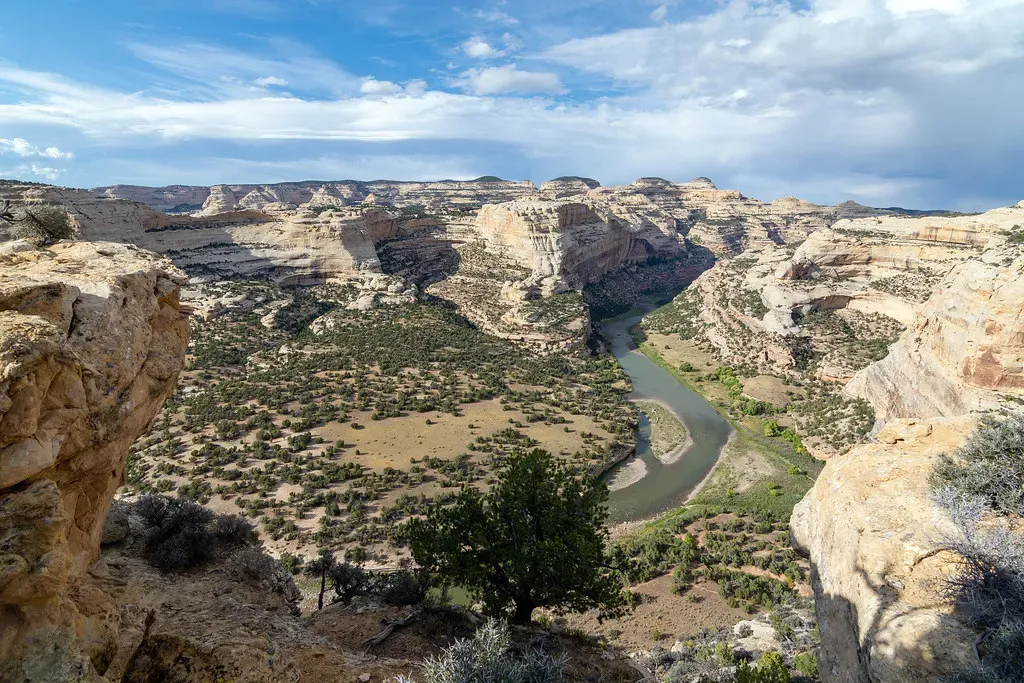
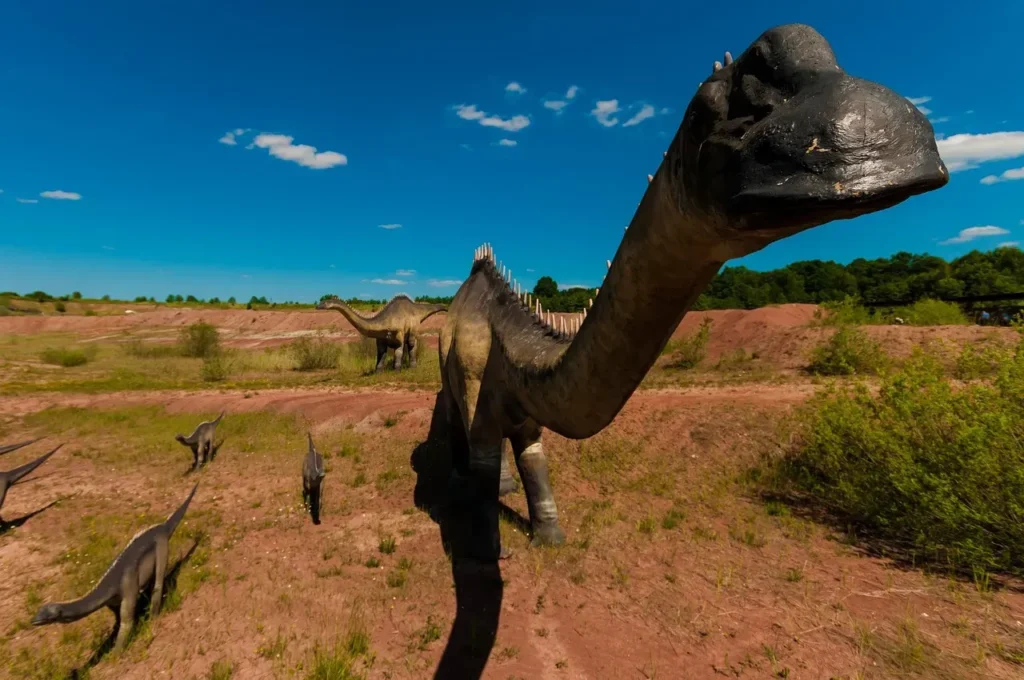
Let’s be real, the Morrison Formation is one of the most thrilling geological features tied to the Rockies, and it does not get nearly enough credit. The Morrison Formation, located to the west of Rocky Mountain National Park, is particularly famous for its rich deposits of Jurassic dinosaur fossils. You are talking about a rock unit that has yielded an extraordinary catalog of creatures that once roamed what is now Colorado, Wyoming, and beyond.
The formation was named after Morrison, Colorado, where some of the first fossils were discovered by Arthur Lakes in 1877. That same year, it became the center of the notorious Bone Wars, a fierce fossil-collecting rivalry between early paleontologists Othniel Charles Marsh and Edward Drinker Cope. The Morrison Formation covers an area of roughly 1.5 million square kilometers, though only a tiny fraction is exposed and accessible to geologists and paleontologists. Over three-quarters of it is still buried under the prairie to the east. Somewhere under the Great Plains, untouched Jurassic history is still waiting to be found. That thought alone is quietly extraordinary.
The San Juan Mountains: Where the Planet’s Biggest Volcanic Blast Happened
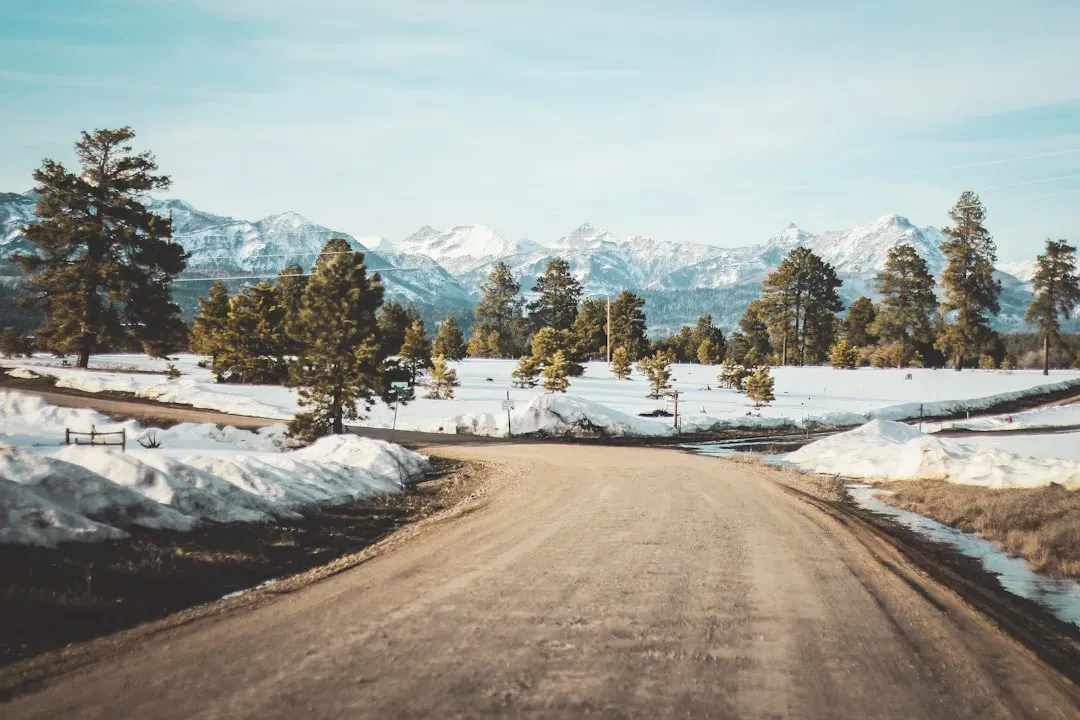
You might think of Colorado’s San Juan Mountains as just another gorgeous stretch of the Rockies. Pointed peaks, wildflower meadows, old mining towns. But this range carries one of the most violent geological records on Earth. The largest volcanic eruption on the planet occurred in the San Juan Mountains 27 million years ago, in an event that produced what is now known as the La Garita Caldera. That eruption dwarfs anything in recorded human history by an almost incomprehensible margin.
Between 40 and 10 million years ago, enormous volcanic fields began erupting throughout the region. As ash and lava flowed consistently out of these chambers for millions of years, things eventually started collapsing. Between 29 and 27 million years ago, 19 massive calderas formed across the steaming landscape. In the mid-1800s, miners began discovering precious metal reserves woven throughout the San Juan Mountains. Silver, lead, zinc, and sometimes gold are what fundamentally modernized this rugged swath of the Rockies. The same volcanic violence that once shook the continent eventually left behind mineral treasure for future generations to find. Hard to think of a more dramatic geological plot twist.
The Rio Grande Rift: The Continent Is Slowly Tearing Apart
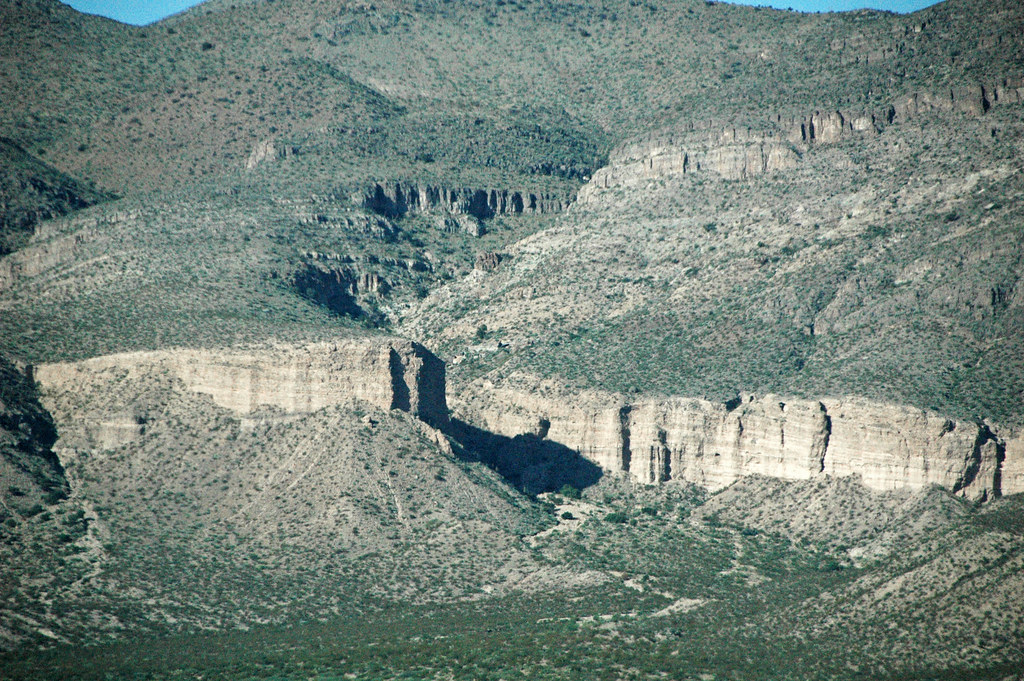
This one might keep you up at night, honestly. Running south through the Rockies is an active tectonic rift, a place where the North American continent is literally being pulled apart at the seams. About 28 million years ago, just as one phase of volcanic activity was winding down, the Colorado Rockies were stretched and split along the north-south trending Rio Grande Rift. The upper Arkansas River valley, from Leadville to Salida, lies along this rift, as does the Rio Grande River’s southward path through the San Luis Valley. The Rio Grande Rift’s crustal stretching is similar to the stretching that formed today’s famous East African Rift Valley.
Formation of the rift began with significant deformation and faulting starting about 35 million years ago. The largest-scale process involves both sides of the rift pulling apart evenly and slowly, with the lower crust and upper mantle stretching like taffy. Rifts act like a zipper, so once the landscape is cracked open, it continues opening along the initial fault lines. The rift is so tectonically active, with helium from the mantle bubbling up in some areas, that it could eventually split the continent in two. That is not a doomsday fantasy. It is a very slow-moving geological reality, unfolding across timescales your mind can barely wrap around.
Conclusion: The Mountains Are Still Telling Their Story
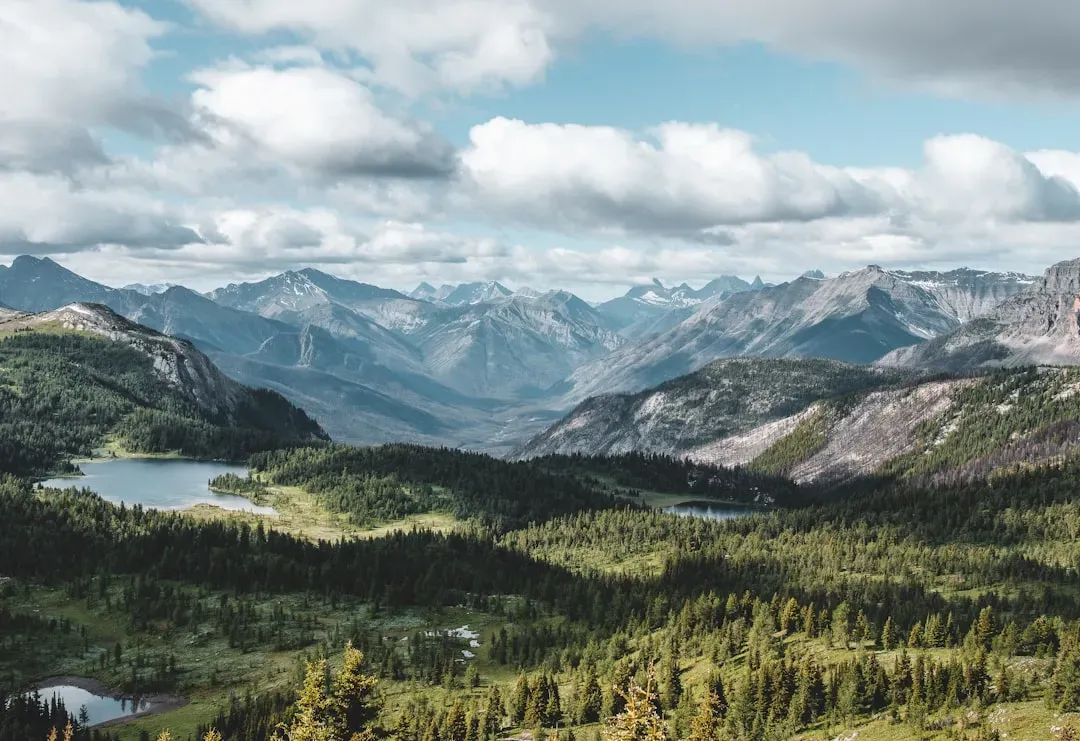
The Rockies are not a finished product. They are an ongoing geological conversation, one that started before the first complex life appeared on Earth and is still evolving under your feet right now. Glaciation is one of the strongest erosional forces on the planet and has been responsible for shaping Rocky Mountain National Park as it stands today. In the last 700,000 years alone, there have been at least six major glaciation events.
Every canyon, every cliff face, every volcanic remnant is a sentence in a story that dwarfs anything written in human history. You could spend a lifetime exploring these formations and still only scratch the surface. The ancient secrets of the Rockies are not locked away in museum vaults. They are embedded in the stone beneath your hiking boots, waiting for the curious and the patient.
So the next time you stand on a ridge in Colorado or Wyoming, gazing out at those timeless peaks, ask yourself: how many chapters of Earth’s history are you standing on right now?