You’ve probably been lied to today. Maybe it was something small, maybe it was something significant. Here’s the thing, though: while words can deceive, your body rarely does. Humans are constantly broadcasting signals through subtle movements, fleeting facial expressions, and small gestures that happen faster than conscious thought.
Most of us walk through life completely oblivious to this hidden language. We listen to what people say, we take their words at face value, and we miss the contradictions their bodies are screaming. Think about the last time you had a conversation where something felt off, but you couldn’t quite put your finger on why. That uneasy feeling? That was your unconscious mind picking up on gestures and signals your conscious brain ignored.
So let’s dive into seven specific gestures that betray what people are really thinking, feeling, or trying to hide.
The Forehead Touch: When Embarrassment Strikes
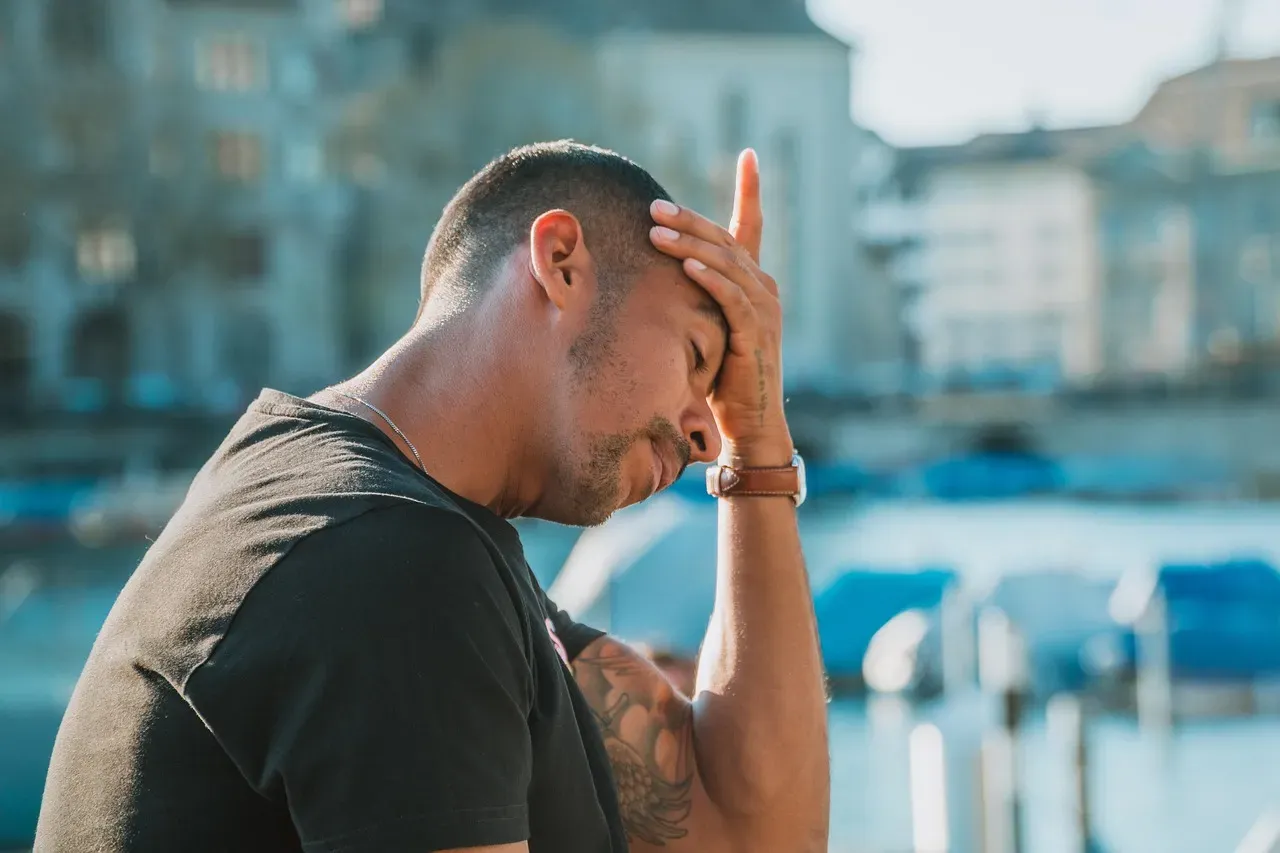
When people feel ashamed or embarrassed, they often touch the side of their forehead. It’s quick, subtle, and easy to miss if you’re not looking for it. This gesture actually serves as a starter for wanting to hide or cover up what’s happening, and if someone is really embarrassed, the forehead touch turns into a full-on eye block.
I think of it as the body’s natural instinct to disappear. Watch for this signal during tough conversations or when you suspect someone isn’t being completely truthful about something uncomfortable. If you notice someone touching the side of their forehead or blocking their eyes, it likely means they are a little ashamed or embarrassed, and it might be time to back off. The next time someone does this, pay attention. It’s their body betraying discomfort their words are trying to conceal.
The Eyebrow Flash: Genuine Interest Revealed
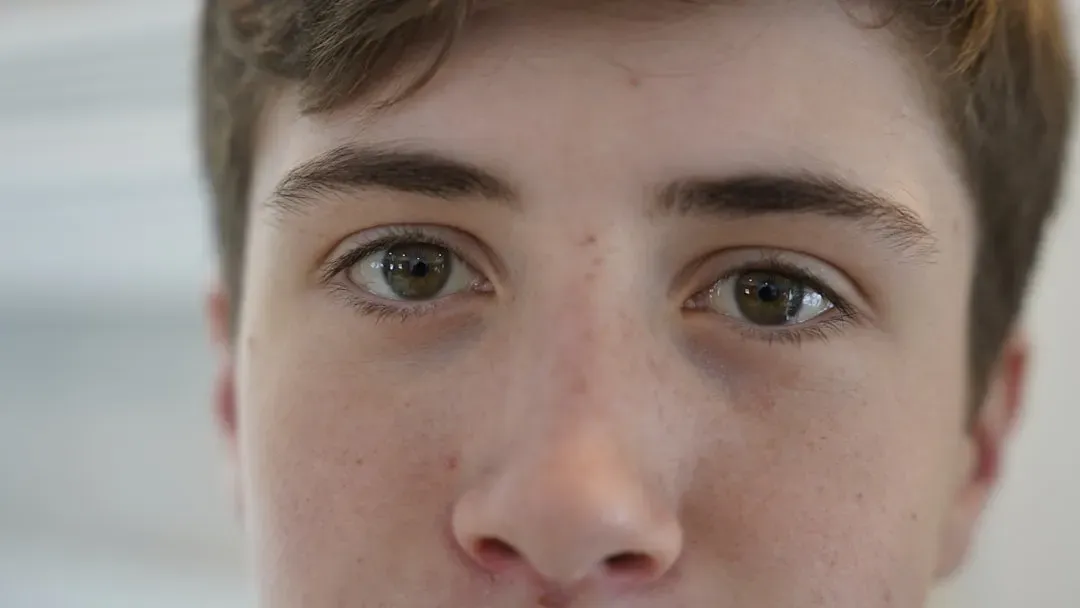
Whenever someone is interested, engaged, or curious, they raise their eyebrows. This tiny movement happens so quickly you might not consciously register it. It’s almost as if we want our eyebrows to get out of the way so we can see something more clearly.
Let’s be real, this is one of the most honest signals the human face can send. Unlike smiles or nods, which can be faked, the eyebrow raise is typically spontaneous and genuine. If you’re pitching an idea at work or sharing something personal with a friend, look for that brief eyebrow lift. It tells you they’re truly engaged, not just pretending to care. Missing this cue means you might underestimate how much someone actually values what you’re saying.
Crossed Arms: The Barrier of Resistance

Crossed arms and legs are physical barriers that suggest the other person is not open to what you’re saying. Honestly, this one seems obvious, yet people overlook it constantly. Researchers videotaped more than two thousand negotiations and not a single one ended in an agreement when one of the parties had their legs crossed while negotiating, because psychologically, crossed legs or arms signal that a person is mentally, emotionally, and physically blocked off.
Still, context matters here. Crossed arms can also suggest confidence, especially if someone crosses their arms while smiling, leaning back, or showing other signs of being at ease. The key is looking at the entire picture. Are their shoulders tense? Is their jaw tight? Those additional signals help you determine whether you’re facing defensive resistance or relaxed confidence.
Hand Steepling: The Confidence Signal
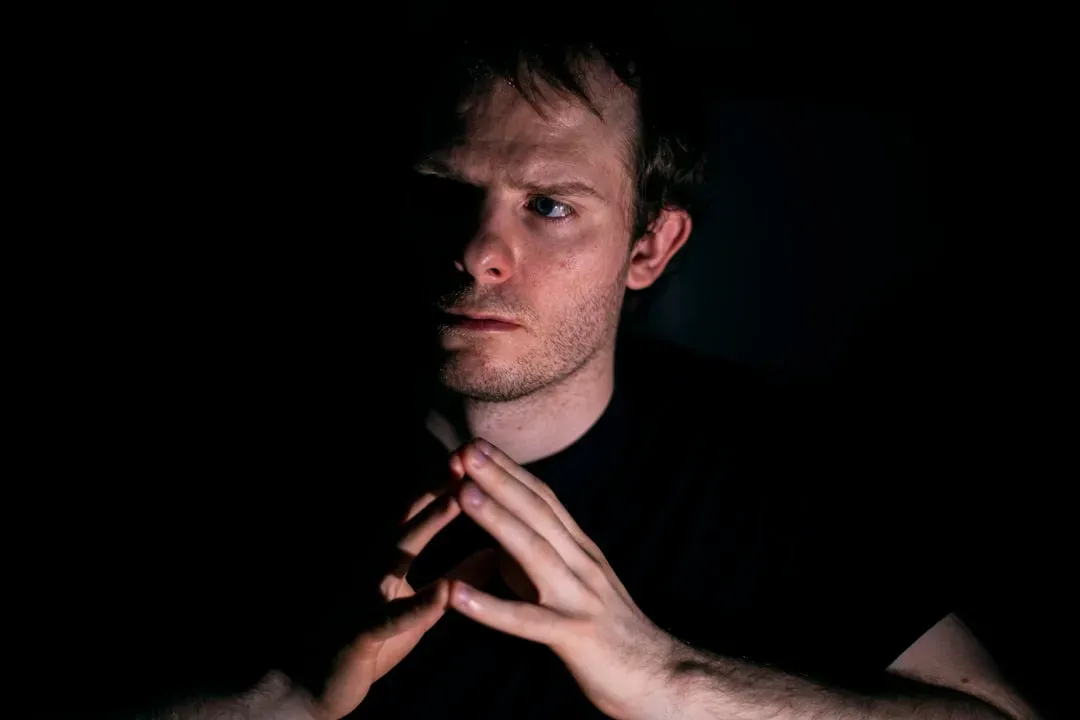
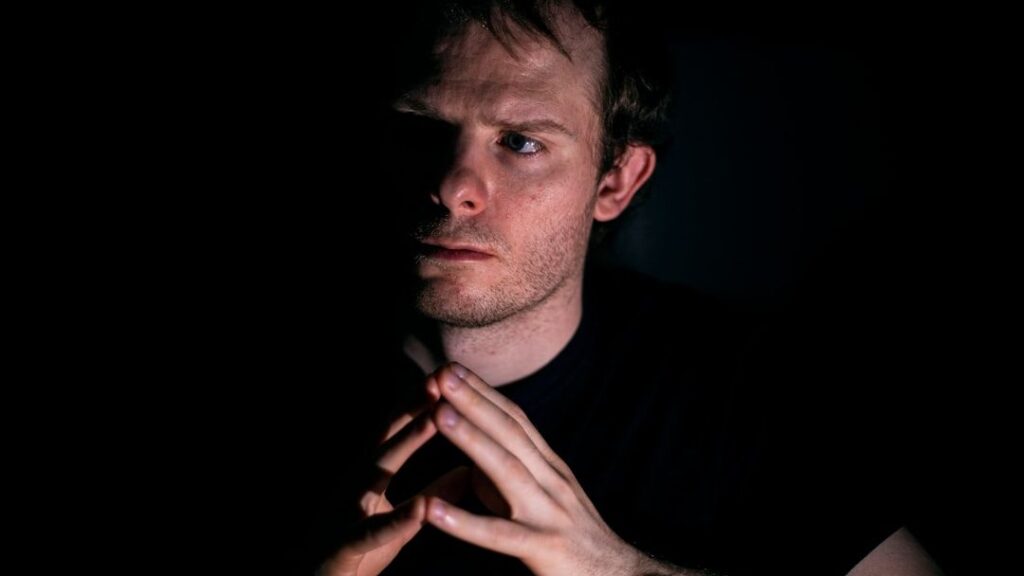
The steeple hand gesture is a powerful tool in body language, where touching fingertips to form a steeple shape shows authority and confidence. Holding your fingertips together and your palms apart lets people know you have authority and control, and bosses and politicians use this gesture often to show they’re in charge.
Pay attention during meetings or negotiations. The person making this gesture believes they hold the upper hand, whether they actually do or not. It’s a display of certainty. On the flip side, interlaced fingers might reveal underlying stress or anxiety. Learning to distinguish between these two similar hand positions gives you insight into whether someone feels secure in their position or is merely projecting confidence to mask uncertainty.
Palms Up: The Honesty Indicator

Outstretched hands with palms up may be an unconscious reflection of openness. You hold your hands open and gesture with your palms up to show that you don’t have anything hidden. It’s one of those gestures that feels instinctively trustworthy because it originates from our evolutionary past.
Conversely, hands that remain hidden or tightly clenched send the opposite message. Clenched fists can suggest anger or frustration, especially in someone trying to suppress these emotions. Watch how people position their hands during conversations. Those who keep their palms visible tend to be perceived as more genuine and approachable. It’s hard to say for sure whether someone with hidden hands is being dishonest, but the lack of openness should at least prompt you to be more cautious.
Mirroring: The Subconscious Connection
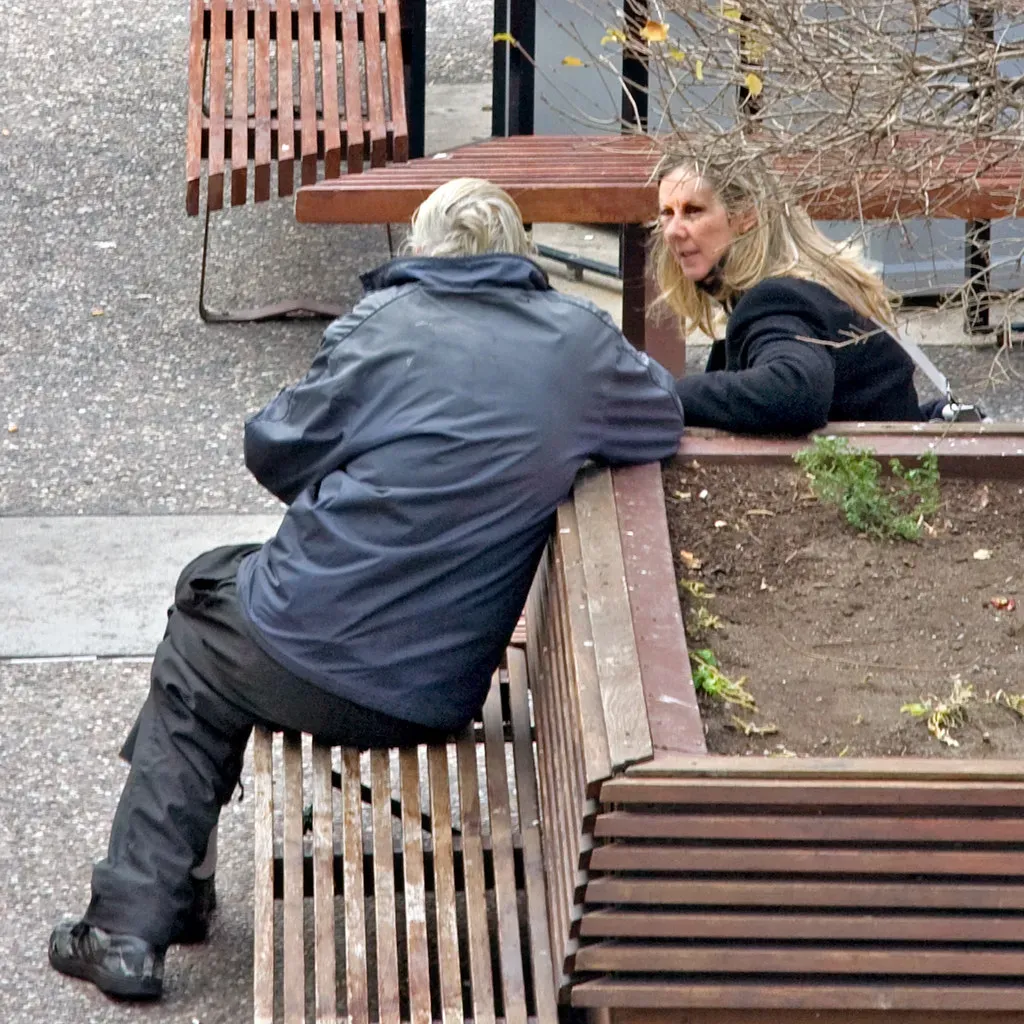
People will mimic and mirror your body posture and gestures through a natural process that happens outside conscious awareness and involves the Mirror Neuron System. This mimicking behavior, which is often recognized as the social glue that binds people, is associated with increased liking, rapport, cooperation, and coordinated work efforts.
Here’s a simple test you can try: While you’re around someone, do some subtle movement like crossing your legs or lightly bouncing your foot, then look to see if the person mimics your movement. If they do, it’s a strong indicator they feel connected to you and are engaged in the interaction. If they don’t mirror you at all, they might be emotionally distant or simply not interested in building rapport. This gesture reveals connection that words alone could never confirm.
The Shrug Fragment: Hidden Doubt

The most common emblematic slip is a fragment of the shrug gesture, which in its full expression includes raising shoulders, rotating palms upwards, and movement in the forehead and lips, and some fragment like a slight rotation of one hand or slight raising of just one shoulder suggests a contradiction to what the person is actually saying. It typically directly contradicts the confidence, certainty, or affirmation that occurs in the speaker’s words or behavior.
This is one of the trickiest gestures to catch because it happens so briefly. Someone might be telling you they’re absolutely certain about a decision, but a tiny shoulder raise or palm rotation betrays their inner doubt. Another common emblematic slip is a very tiny fragment of the head shake no or head nod yes, directly contradicting the words that are spoken. These micro contradictions are gold when you’re trying to assess whether someone truly believes what they’re saying or is just going through the motions.
Final Thoughts

It is a scientific fact that people’s gestures give away their true intentions, yet most of us don’t know how to read body language and don’t realize how our own physical movements speak to others. Learning these seven gestures won’t turn you into a human lie detector, but they will sharpen your ability to understand what’s really happening beneath the surface of everyday interactions.
The truth is, roughly more than half of all communication happens nonverbally. You’re already picking up on some of these signals unconsciously. Now you can start recognizing them deliberately. Did you notice any of these gestures the last time you had an important conversation? What do you think you might have missed?