
You know that feeling when you wake up tired even after eight hours of sleep? Or when you reach for your third coffee by noon and still can’t shake that heavy fog? Most of us blame our schedules, our workload, maybe even our mattress. What we rarely consider is that the real culprits might be lurking in our daily routines, disguised as harmless habits. These behaviors don’t announce themselves with alarm bells. They just quietly chip away at your vitality, day after day, until you’re wondering why you feel perpetually drained.
Here’s the thing: some of the most exhausting patterns in your life aren’t dramatic or obvious. They’re the small things you do without thinking, the choices that feel normal because everyone around you is making them too. Let’s be real, though – normal doesn’t always mean healthy. So what if the path to feeling more energized isn’t about adding more supplements or squeezing in another workout, but about identifying what’s stealing your energy in the first place? Let’s dive in.
Constantly Checking Your Phone

Your phone sends constant notifications, enables endless scrolling, and creates pressure to stay connected, overwhelming your brain and leaving you mentally fatigued. Think about it: every time your screen lights up, your brain has to shift gears. That might sound trivial, yet this constant task-switching drains mental resources faster than you’d expect.
Over time, this habit can lead to reduced productivity, increased stress, and even difficulty being present in your daily life. The solution isn’t to go completely off-grid. Try turning off non-essential notifications, using app timers to limit screen time, or establishing phone-free zones like the dinner table or bedroom, which can restore your focus, energy, and peace of mind.
Skipping Regular Movement Throughout Your Day

Sitting for hours might feel comfortable in the moment, yet your body wasn’t designed for stillness. Getting your heart rate up regularly throughout the day increases your energy, and even just walking daily, climbing stairs, or dancing during commercial breaks can boost circulation and blood flow, energizing your entire system and making you feel lighter and more awake. It sounds counterintuitive when you’re already exhausted, right?
The trick is starting small. Aim for 30 minutes of moderate exercise like brisk walking at least five days a week, or combine short 10-minute sessions throughout your day if that’s easier. Movement doesn’t have to mean a full gym session. Sometimes a quick walk around the block or a few stretches at your desk can make all the difference between sluggish and sharp.
Making Too Many Small Decisions

Every decision draws on a limited pool of mental resources, as research published in the Journal of Health Psychology shows, and these decisions can add up and lead to decision fatigue, a psychological state where your ability to make decisions gets worn down as the day progresses. What should you wear? What should you eat for breakfast? Which task should you tackle first? Each tiny choice depletes your cognitive battery.
Studies have found that decision fatigue can impair attention, self-control, and judgment, observed across various settings from judges giving less favorable rulings later in the day to professionals like nurses and air traffic controllers showing reduced cognitive sharpness when mentally depleted, with analysis confirming that decision fatigue reduces self-control and cognitive capacity while causing behavioral lapses combined with impaired reasoning. The fix? Simplify your routine where possible. Meal prep on Sundays, lay out your clothes the night before, or create a morning ritual that runs on autopilot. Give your brain fewer things to decide, and you’ll have more energy for what actually matters.
Saying Yes to Everything

Overcommitting is a surefire way to drain your energy, leaving you with no time to relax, recharge, or do the things you truly enjoy. It’s easy to fall into this trap. You want to be helpful, you don’t want to disappoint anyone, and somewhere along the line you’ve convinced yourself that being busy equals being valuable.
The truth is more nuanced. People pleasing and overcommitting, excessive screen time, and avoiding new experiences limit growth and energy. When you’re stretched too thin, nothing gets your best effort. Set boundaries to avoid overcommitting. Learning to say no isn’t selfish – it’s how you protect the energy you need for the commitments that genuinely matter.
Relying on Sugar and Caffeine for Quick Fixes
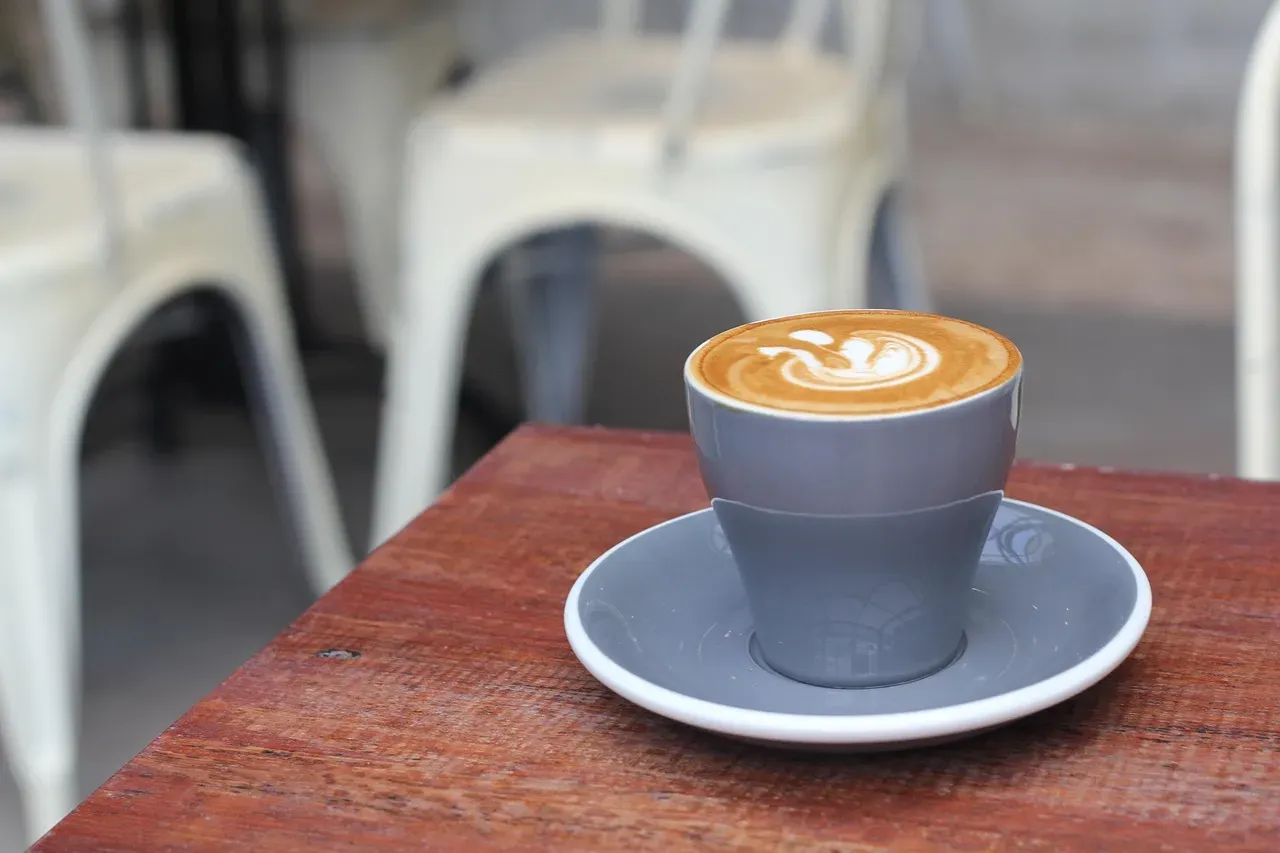
While caffeine and sugar may deliver an initial surge, they also lead to energy crashes later when blood sugar levels drop sharply, and reaching for caffeinated drinks or high-sugar snacks in the mid-afternoon is a recipe for a slump since these boosts leave you crashing and craving more not long after. That afternoon candy bar or fourth espresso might seem like your salvation, yet you’re actually setting yourself up for an even deeper energy dip.
Try cutting back on simple carbs and sugary foods, and limit regular caffeine intake to earlier in the day, replacing stimulants with more nutritious foods that energize you steadily throughout the day without the highs and lows. Think protein-rich snacks, whole grains, or a handful of nuts. Your body will thank you with sustained energy instead of that rollercoaster ride.
Not Drinking Enough Water

It’s tough to feel lively and energized when even mildly dehydrated, and one common reason many people drag during the day is that they simply aren’t drinking enough water, though adequate hydration is mandatory for cellular function, blood flow, temperature regulation, and more. Honestly, dehydration is one of the sneakiest energy thieves out there because the symptoms are so easily mistaken for other issues.
Most adults need to consume around 11 to 13 cups of fluids a day, with more than half coming from plain water, so carry a water bottle with you at all times and make a point of sipping throughout the day. Slim chances are high that the tiredness you feel is partly water-related. Try tracking your intake for a week and see if you notice a difference. You might be surprised.
Chronic Low-Level Stress

Constant low-grade stress and anxiety rob us of good energy, and even if we don’t feel that we’re under pressure, constant worrying and negativity will take their toll, as chronic stress causes inflammation and hormonal imbalances in our system that can zap motivation. This is the stress that never quite peaks but never really goes away either. It’s the background hum of worries about work deadlines, family obligations, finances, or that email you haven’t replied to yet.
When you feel anxious or overwhelmed, your body responds with stress hormones that help you respond to acute threats, such as when a toddler suddenly runs toward a busy intersection and your hormones surge so you quickly chase after the toddler. The problem is when those hormones stay elevated all the time. Chronic stress can be draining, but healthy coping strategies can help, like practicing mindfulness, meditation or deep breathing, setting boundaries to avoid overcommitting, connecting with supportive friends or loved ones, and finding outlets or hobbies that bring you joy. Your nervous system needs regular breaks from fight-or-flight mode to function properly.
Conclusion

Energy isn’t just about how much sleep you get or whether you exercise. It’s also about the dozens of micro-habits that shape your days. Start with one habit at a time and focus on small, consistent improvements, as over time these gentle shifts can gradually redirect your life’s path. You don’t need a complete lifestyle overhaul tomorrow morning – just pick one habit from this list and commit to adjusting it for the next week.
Maybe you’ll turn off notifications during work hours, swap that afternoon candy bar for an apple with almond butter, or finally buy that reusable water bottle you keep meaning to grab. Small changes compound. The energy you’re searching for might not require adding anything new to your routine at all. It might just be waiting on the other side of breaking these silent drains. What habit will you tackle first?