Imagine standing in a dusty field in Montana, scraping soil from a bone fragment, completely unaware that what you’re holding is about to shatter decades of scientific thinking. That’s the magic of paleontology. It doesn’t announce itself. It just arrives, quietly, in the shape of a fossilized claw or a petrified egg. And then, suddenly, everything we thought we knew turns out to be only a rough draft.
The history of dinosaur science is not one long, smooth story. It’s a series of seismic jolts, each one delivered by a single remarkable fossil that forced scientists to go back to the drawing board. From the deserts of Patagonia to the sands of the Sahara, from a remote Montana quarry to a construction site in Alberta, these are the discoveries that didn’t just add a chapter to the textbooks. They tore out the old ones entirely. Let’s dive in.
1. Deinonychus: The Fossil That Killed the “Slow, Stupid Dinosaur” Myth
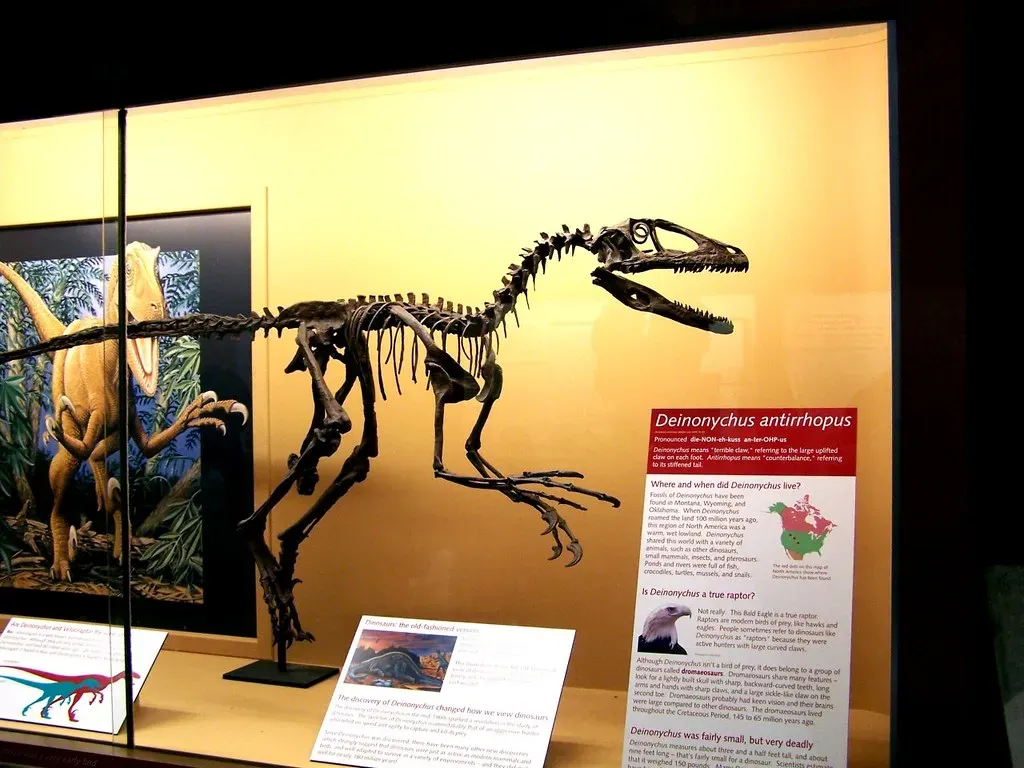
Here’s the thing most people don’t realize: before 1969, the popular image of a dinosaur was basically a giant, lumbering lizard that dragged itself across a swamp, barely smart enough to find its next meal. That comfortable, if boring, picture existed for nearly a century. Then a Yale paleontologist named John Ostrom published a paper that changed everything.
Beginning with the discovery of Deinonychus in 1964, Ostrom challenged the widespread belief that dinosaurs were slow-moving lizards, arguing that Deinonychus, a small two-legged carnivore, would have been fast-moving and warm-blooded. His study of Deinonychus in the late 1960s revolutionized the way scientists thought about dinosaurs, leading to the “dinosaur renaissance.” Before this, the popular conception of dinosaurs had been one of plodding, reptilian giants, but Ostrom noted the small body, sleek horizontal posture, and especially the enlarged raptorial claws on the feet, which suggested an active, agile predator.
Deinonychus had a profound impact on science, reigniting and strengthening the hypothesis that birds evolved from dinosaurs. John Ostrom’s work on Deinonychus fundamentally transformed dinosaur paleontology, establishing methodologies and perspectives that continue to influence the field today. Deinonychus is often credited as the inspiration for the “raptors” in the Jurassic Park movies, highlighting its significant role in popular culture. Honestly, think about that. One real fossil, discovered in a Montana field, gave birth not just to a scientific revolution but to one of the most iconic movie creatures of all time.
2. Maiasaura and the Discovery of Dinosaur Parental Care
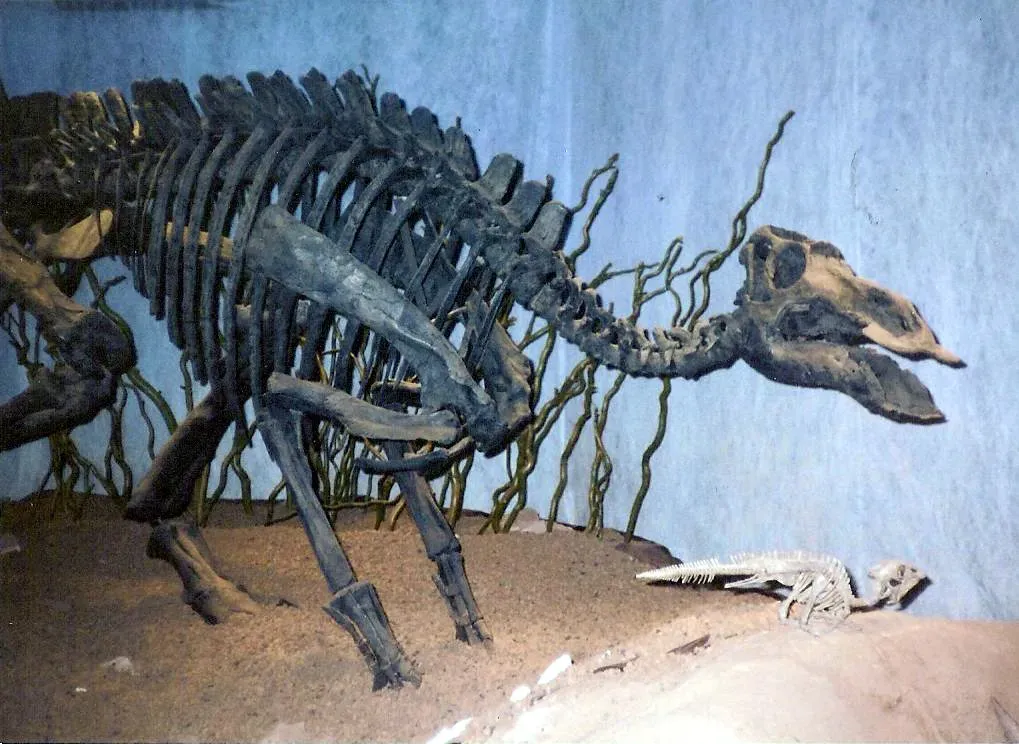
Before the 1970s and 1980s, the general assumption was that dinosaurs laid their eggs and simply walked away, much like modern reptiles do. You can imagine how strange it felt when the fossil record suddenly painted a very different, and frankly rather touching, picture. The discovery of Maiasaura nesting sites in Montana flipped that assumption entirely on its head.
In 1923, scientists from the American Museum of Natural History unearthed the first fossils to be widely regarded as dinosaur eggs. These exceptionally well-preserved fossils were the first strong evidence of how dinosaurs fed and cared for their offspring and kickstarted a discussion about the complex social lives of dinosaurs. As many as 14 nests were found in a single area of the site, known as Egg Mountain, leading some scientists to believe that Maiasaura may have nested in colonies.
The first rigorous study of dinosaur nesting behaviour came in the late 1970s, when palaeontologist Jack Horner showed that the duckbilled dinosaur Maiasaura cared for its young. Maiasaura’s very name translates to “good mother lizard,” which is either the sweetest or most scientifically pointed dinosaur name ever given. It’s hard to say for sure, but this discovery did more than most to humanize dinosaurs in the public imagination, drawing them away from the realm of cold, alien monsters and closer to something recognizable and real.
3. Patagotitan mayorum: The Largest Animal to Ever Walk the Earth
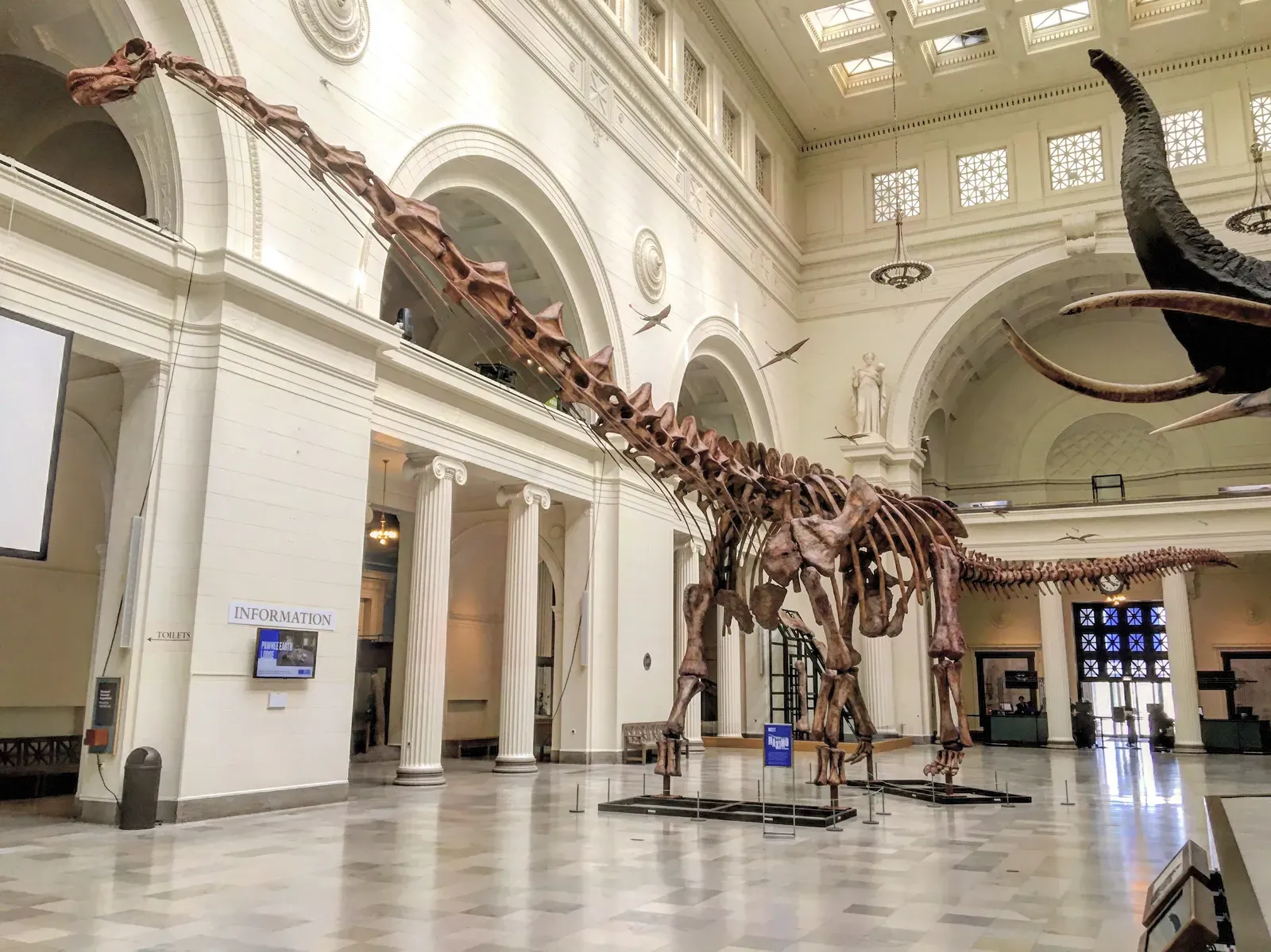
You know how people casually toss around phrases like “the biggest ever”? Well, in the case of Patagotitan mayorum, they actually mean it. The story begins not with a scientist, but with a farm laborer. When farm worker Aurelio Hernandez spotted a large femur sticking out of the ground near La Flecha, Argentina, he had chanced upon the 101-million-year-old remains of the largest animal ever to have walked the Earth.
This titanosaur, estimated at up to 37 to 40 meters in length and weighing as much as 70 tons, redefined the scale of terrestrial life, surpassing all previously known land animals. Scientists formally named the species Patagotitan mayorum in 2017. Its thigh bone alone measured an astounding 2.38 meters, and its neck was capable of reaching high into Cretaceous forest canopies, feeding on tough plant material that smaller herbivores could not access.
Unlike its rivals for the “largest dinosaur” title, Patagotitan’s fossils are remarkably complete, allowing for much more precise size estimates and anatomical reconstructions. To put that size into perspective, this animal weighed roughly as much as ten African elephants, all stacked into one creature. According to paleontologist Kristi Curry Rogers, Patagotitan’s bones indicate that the dinosaur had not finished growing, possibly meaning that there are even bigger dinosaurs out there to discover. Let that thought sit with you for a moment.
4. The Sleeping Nodosaur: The Most Perfectly Preserved Dinosaur Ever Found
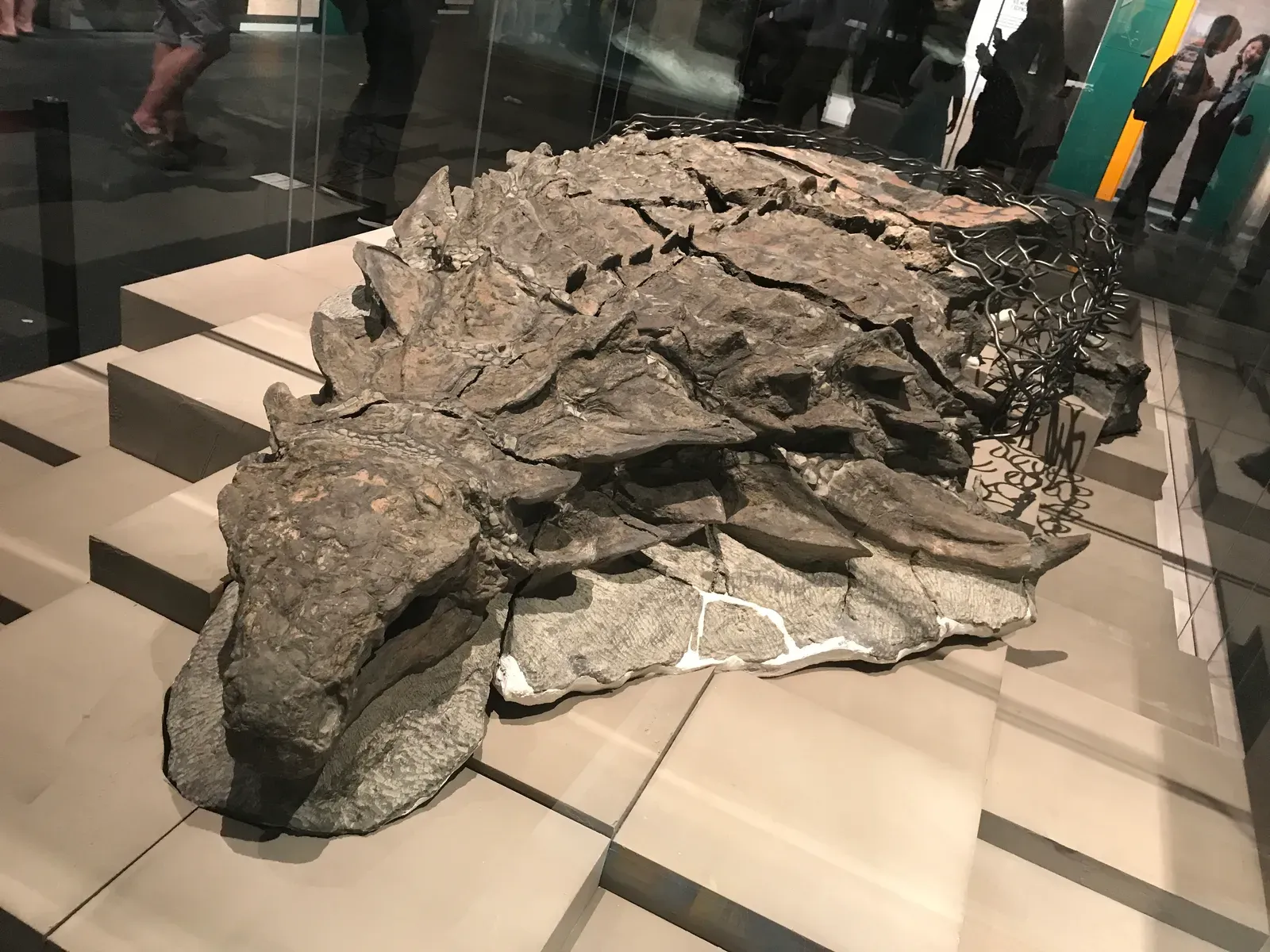
Most fossils are fragments. A bone here, a tooth there. You piece them together and make educated guesses about what the creature looked like. So when a mine worker in Alberta accidentally uncovered something extraordinary in 2011, the scientific world collectively held its breath. What emerged from that Canadian earth was not just a skeleton. It was an almost complete, armored dinosaur, preserved in three dimensions, as if it had simply fallen asleep.
In 2011, one of the most incredible dinosaur discoveries was unearthed: the “sleeping Nodosaur.” Though 112 million years old, its impressive preservation gives the appearance that it is merely sleeping, offering one of the most realistic images of a dinosaur ever found. Also known as the “Sleeping Dragon,” the armored dinosaur’s unique spiky exterior became fossilized in this three-dimensional manner after its body fell face-up onto the prehistoric seabed after its death.
Due to a number of rare factors, instead of being flattened by millions of years of rock pressing down on it, the fossil became extremely well preserved in its current state. Scientists were able to study not just the bones but actual skin texture, armored scales, and even the pigmentation patterns, giving us our clearest window yet into what a living, breathing dinosaur actually looked like. This fossil is considered one of the best-preserved dinosaur specimens ever discovered. Rare is an understatement here.
5. The “Dueling Dinosaurs” and the Nanotyrannus Revolution
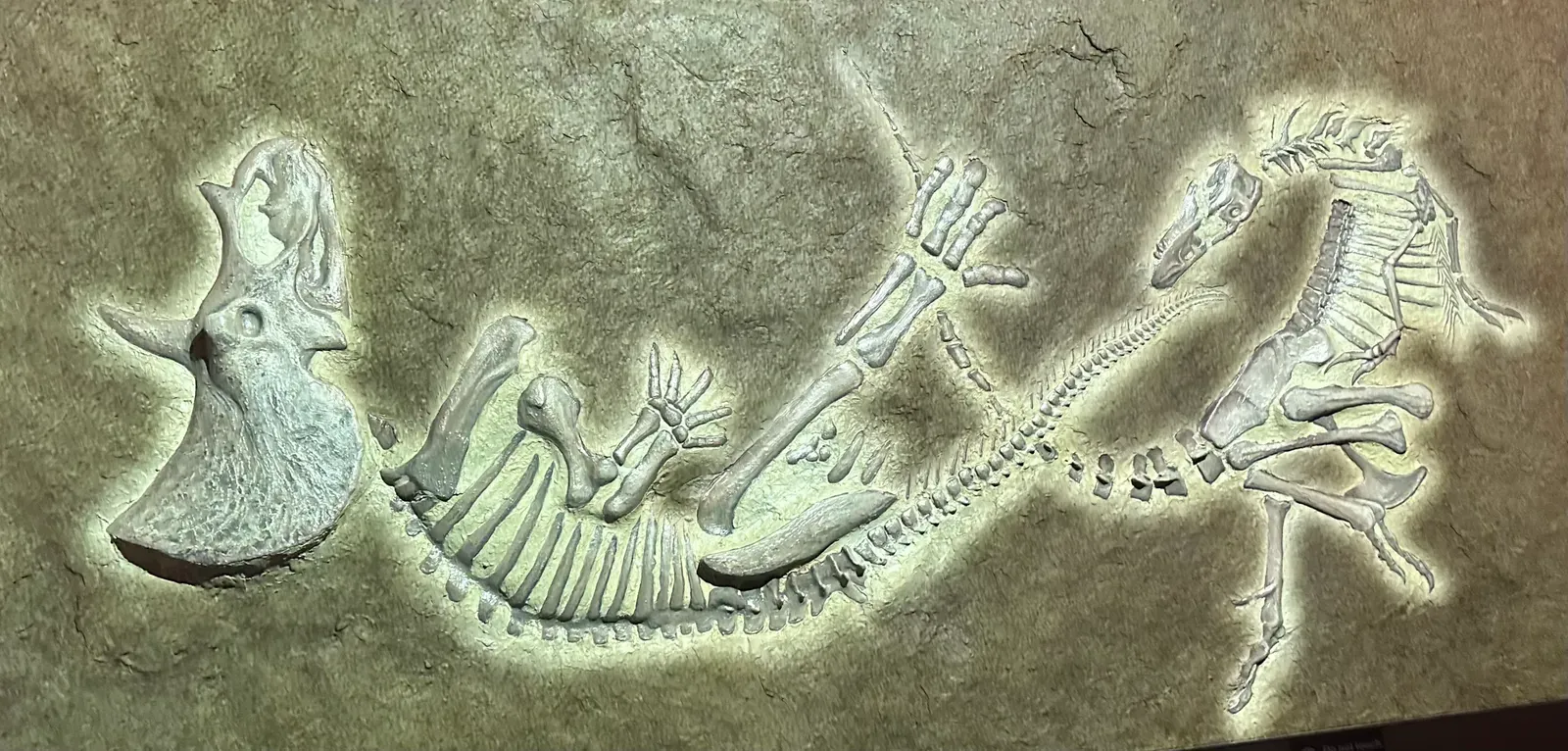
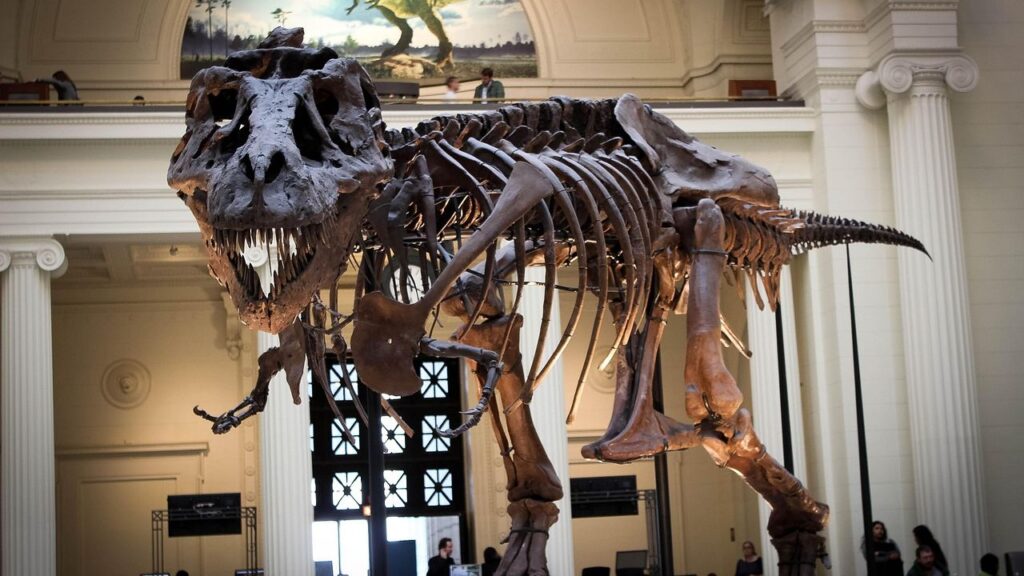
For decades, a fierce debate raged in paleontology circles. Were certain medium-sized tyrannosaur fossils simply the juveniles of Tyrannosaurus rex, or did they represent an entirely separate and distinct species? The argument went back and forth for years, with scientists on both sides accumulating evidence. Then came the Dueling Dinosaurs, and everything changed.
The fossil, part of the legendary “Dueling Dinosaurs” specimen unearthed in Montana, contains two dinosaurs locked in prehistoric combat: a Triceratops and a small-bodied tyrannosaur. That tyrannosaur is now confirmed to be a fully grown Nanotyrannus lancensis, not a teenage T. rex, as many scientists once believed. The skeleton’s fusing spinal sutures and growth rings show it was fully grown when it died at approximately 20 years of age. Its anatomy reveals traits that form early in development and don’t change with age, including fewer tail vertebrae, more teeth, larger hands, and different skull nerve and sinus patterns.
For decades, paleontologists had used Nanotyrannus fossils to study T. rex growth and behavior. This new evidence shows those studies were based on two entirely different animals. This discovery completely reframes the idea that T. rex was the lone predator of its time, challenging long-held assumptions about late Cretaceous ecosystem dynamics. Scientists now know that multiple tyrannosaur species coexisted in the last million years before the asteroid impact, suggesting a richer, more competitive ecosystem than previously imagined. The T. rex, it turns out, had serious competition.
6. Spinosaurus mirabilis: A Brand-New Predator Emerges from the Sahara
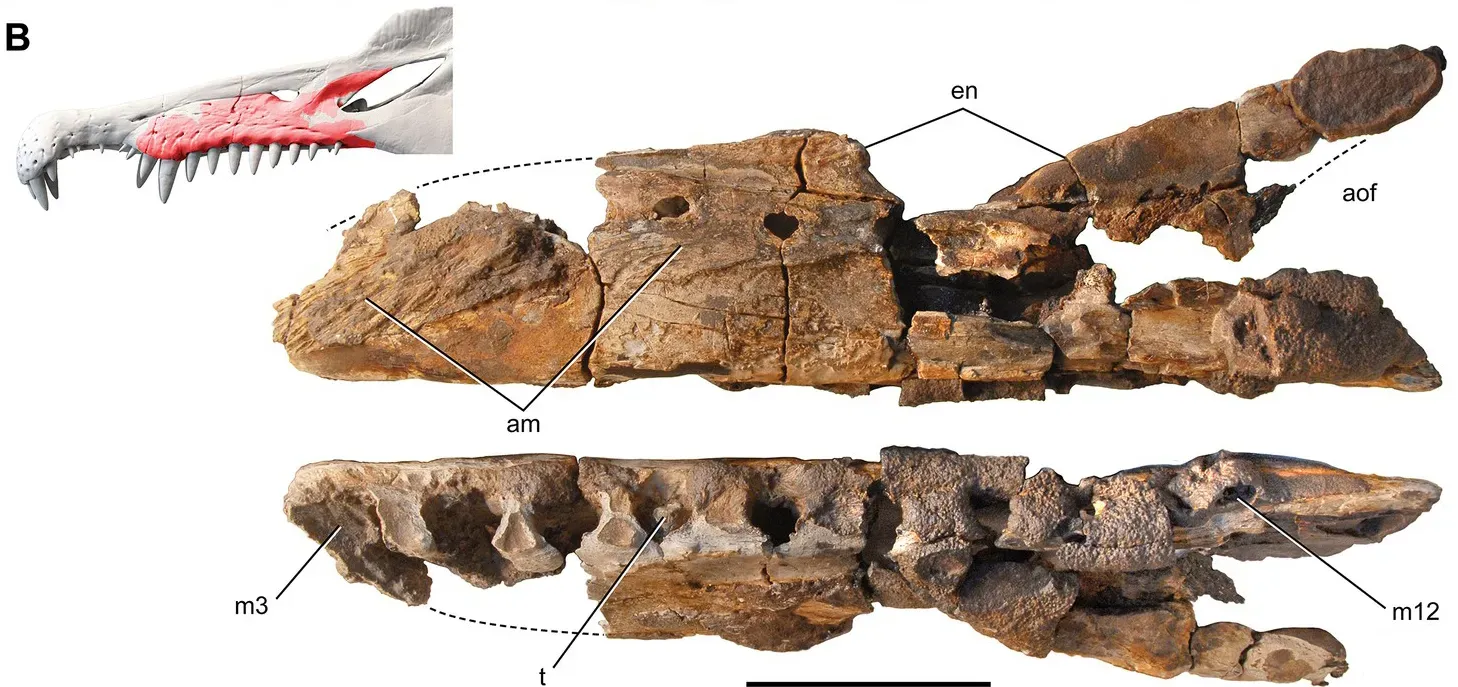
In 2019, a research team led by University of Chicago paleontologist Paul Sereno was working in one of the most unforgiving places on Earth, the central Sahara Desert of Niger, when they spotted something unusual poking through the sand. What they found would eventually reveal itself as the first new spinosaurid dinosaur species discovered in over a century. I know it sounds crazy, but this find was so unexpected that even the scientists didn’t immediately understand what they were looking at.
One of the most remarkable features of Spinosaurus mirabilis is its enormous, scimitar-shaped crest. When paleontologists first spotted the crest and several jaw fragments on the desert surface in November 2019, they did not immediately realize what they had found. It was only after returning in 2022 with a larger team and uncovering two more crests that the researchers understood they were dealing with a new species.
A paper published in Science describes the journeys in 2019 and 2022 to find Spinosaurus mirabilis, the first new spinosaurid species discovered in more than a century. The texture of the crest and the network of blood vessel channels inside it indicate that it was covered in keratin, the same material found in human nails. The skull also reveals tightly interlocking upper and lower teeth that formed an effective trap for slippery prey. The whole story reads like an adventure novel, except every detail of it is real, verified science, published in 2026.
7. China’s Hollow-Spiked Iguanodontian: A Discovery That Defies Explanation
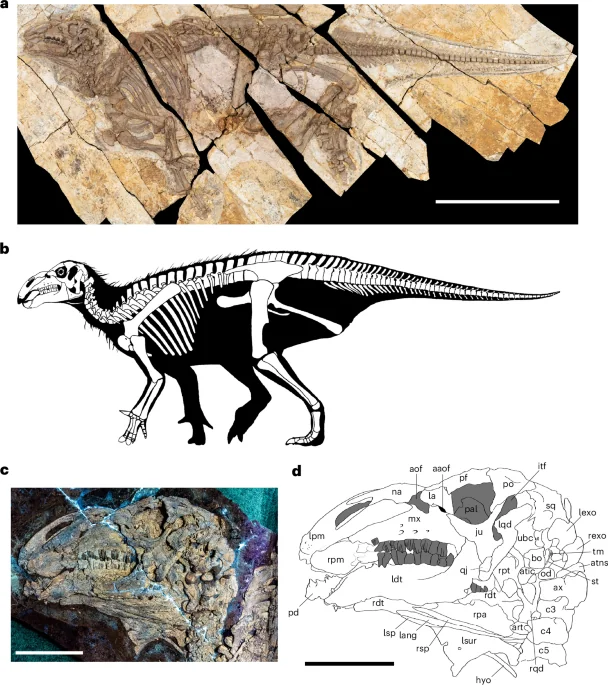
Let’s be real, after more than 200 years of dinosaur science and thousands of specimens examined, you’d think there were very few genuine surprises left. You’d be wrong. Published in February 2026 in Nature Ecology and Evolution, a discovery out of China has stunned even veteran paleontologists, introducing a feature never before documented in any known dinosaur.
A 125-million-year-old dinosaur just rewrote what we thought we knew about prehistoric life. Scientists in China uncovered an exceptionally preserved juvenile iguanodontian with fossilized skin so detailed that individual cells are still visible. Even more astonishing, the plant-eating dinosaur was covered in hollow, porcupine-like spikes, structures never before documented in any dinosaur. Using advanced imaging techniques such as X-ray scanning and high-resolution histological analysis, the team was able to study the fossil at the cellular level. They found that individual skin cells had been preserved for approximately 125 million years. This level of detail allowed scientists to reconstruct the structure of unusual hollow spikes embedded in the skin.
The findings introduce an entirely new feature to the known diversity of dinosaur anatomy. This discovery not only adds a new species to the Iguanodontia group, but also reveals that dinosaur skin and body coverings were more varied and innovative than previously understood. Until this fossil came to light, there was no evidence that dinosaurs possessed hollow skin-based spines of this kind. Because the specimen is a juvenile, scientists cannot yet confirm whether adult individuals of the species retained the same structures as they matured. The next excavation season cannot arrive fast enough.
Conclusion: The Bones Never Stop Talking
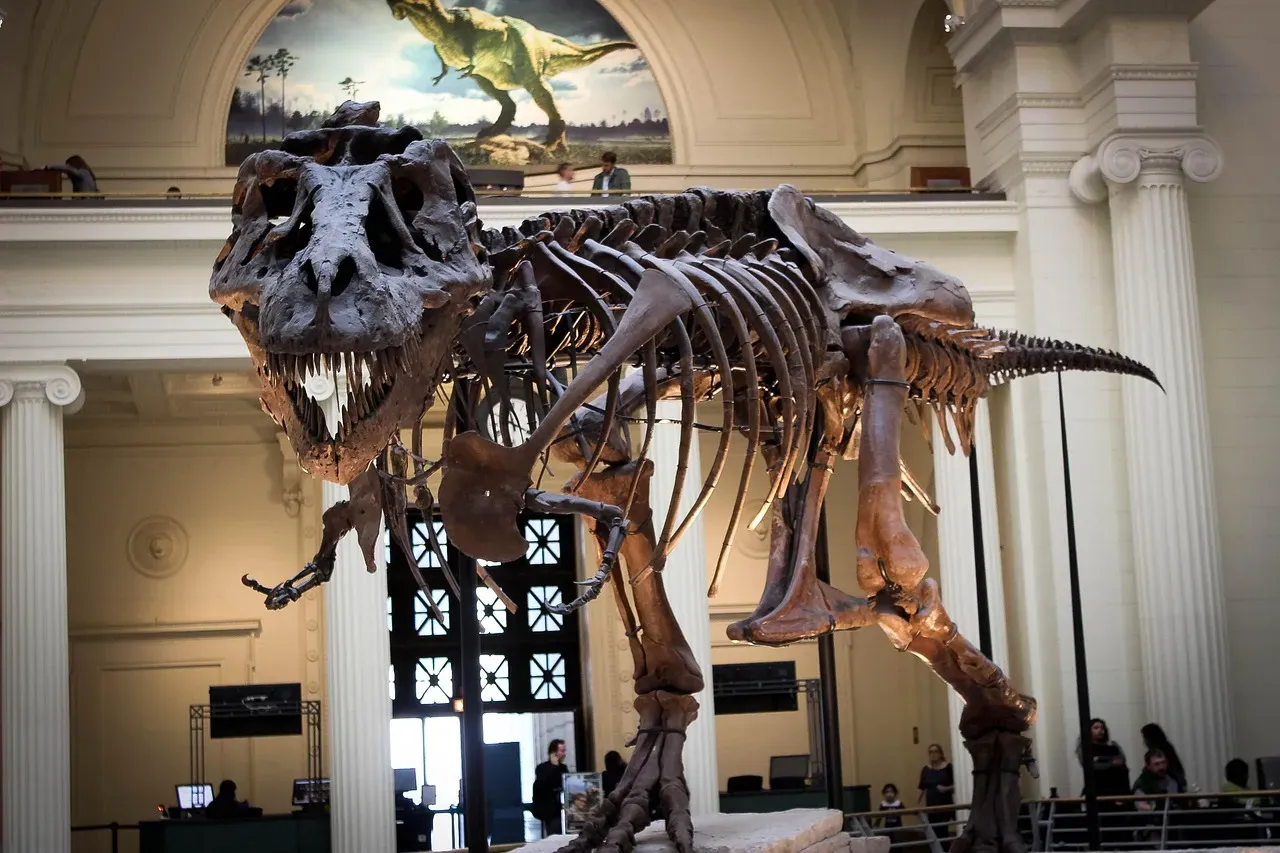
What makes dinosaur science so endlessly fascinating is its refusal to stand still. Every few years, a single fossil overturns assumptions that seemed carved in stone, and scientists must begin rewriting the story all over again. The discovery of new fossils and the development of new techniques to study them have enabled scientists to delve into the fascinating lives of ancient reptiles like never before. Some of these discoveries have been so significant that they drastically changed how we look at dinosaurs.
As fossil recovery, imagination, and analytical methods continue to advance, and as new sites are explored, the next decade promises even more extraordinary insights into the ancient world of dinosaurs. Think about it this way: somewhere out there, perhaps beneath a dusty Argentinian plain or buried in a Chinese riverbed, the next world-changing fossil is already waiting. It’s patient. It’s been there for millions of years.
The history books aren’t finished being rewritten. Not even close. What discovery do you think will shake the paleontology world next? Drop your thoughts in the comments below.