The ocean has always held secrets. But the kind buried deep in rock, pressed into the bones of creatures that ruled ancient seas millions of years before humans ever set foot on this planet? Those are the secrets that shake entire scientific fields to their core. Every so often, a discovery surfaces that doesn’t just fill a gap in the fossil record. It blows the whole map wide open.
You might think we’ve already figured out the big stuff. We have satellites, deep-sea submarines, and genome sequencing. Yet paleontologists are still uncovering finds that genuinely stun the scientific world. The prehistoric oceans were stranger, more violent, and more diverse than you’d ever expect. Get ready to be surprised by what they found.
1. Mary Anning and the Monsters She Pulled from the Cliffs
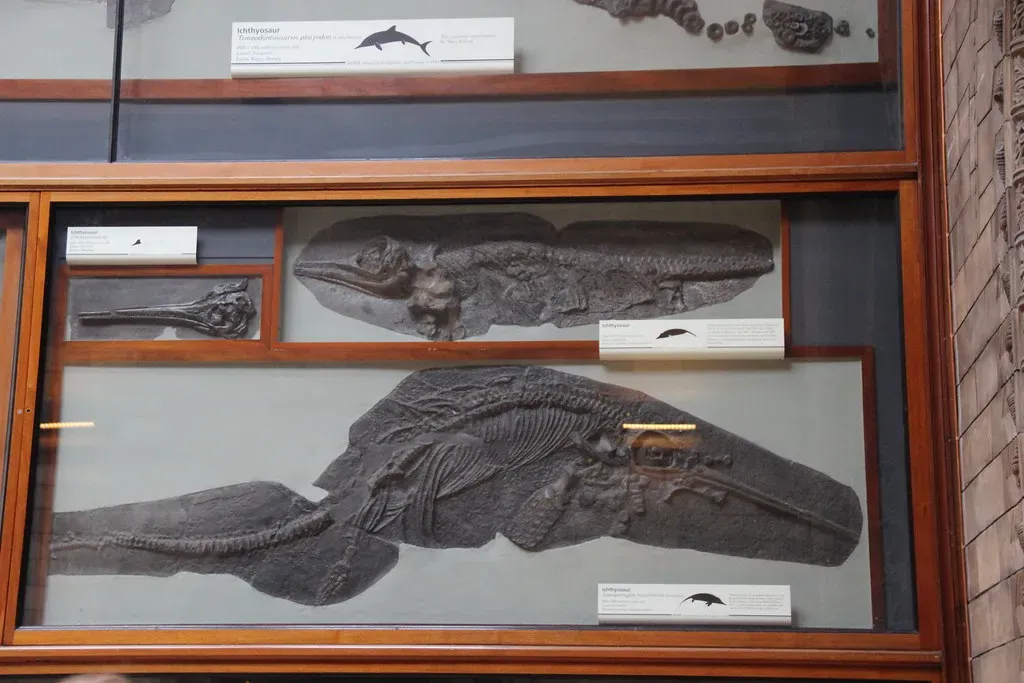
Honestly, the story of Mary Anning might be the most underrated saga in scientific history. Born in 1799, Anning became known internationally for her discoveries in Jurassic marine fossil beds in the cliffs along the English Channel at Lyme Regis in Dorset, southwest England. What she found there didn’t just add to our understanding of ancient sea life. It rewrote it entirely.
Her discoveries included the first correctly identified ichthyosaur skeleton, which she found when she was just twelve years old, the first two nearly complete plesiosaur skeletons, and the first pterosaur skeleton located outside Germany. Think about that for a moment. A twelve-year-old girl pulling ocean monsters out of cliff faces. Anning’s discoveries became key pieces of evidence for extinction, and the ichthyosaurs, plesiosaurs, and pterosaur she found, along with the first dinosaur fossils discovered in the same period, showed that during previous eras the Earth was inhabited by creatures vastly different from those living today.
In spite of this recognition, the majority of Mary’s finds ended up in museums and personal collections without credit being given to her as the discoverer of the fossils. As time passed, Anning and her family were forgotten by the scientific community, due largely to her social status and her gender. It’s a deeply uncomfortable part of the story, and one worth sitting with. In 2010, she was recognized by the Royal Society as one of the ten most influential women scientists in British history. It took the world a long time to catch up.
2. Shark Teeth at the Top of the World: Marine Fossils on Mount Everest
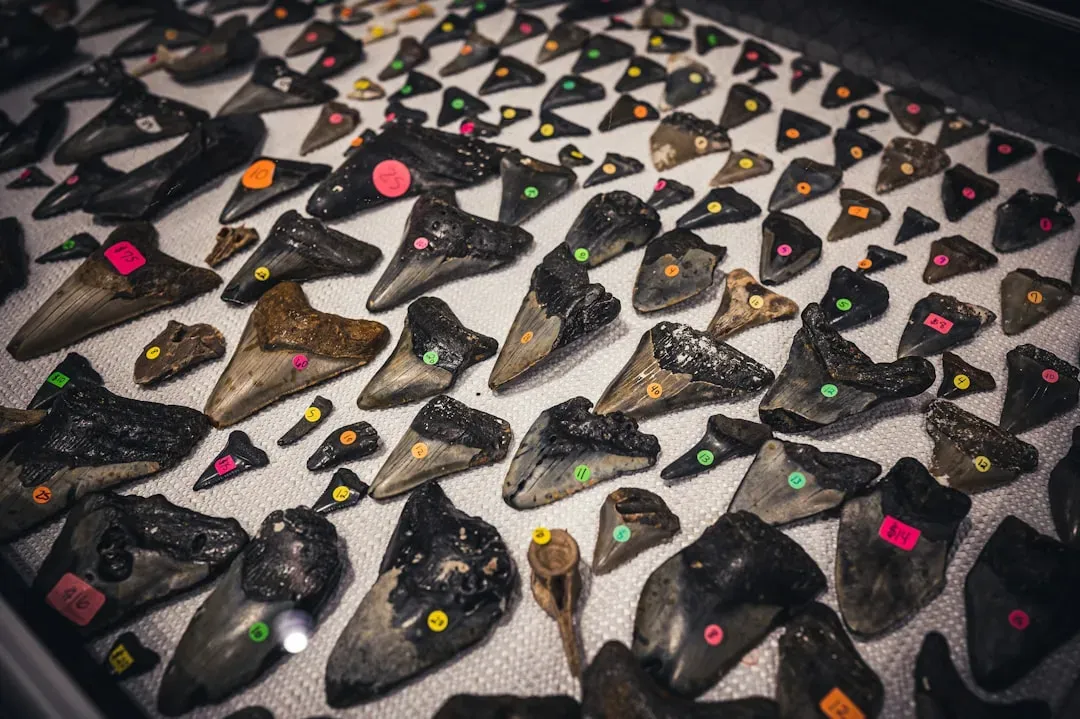
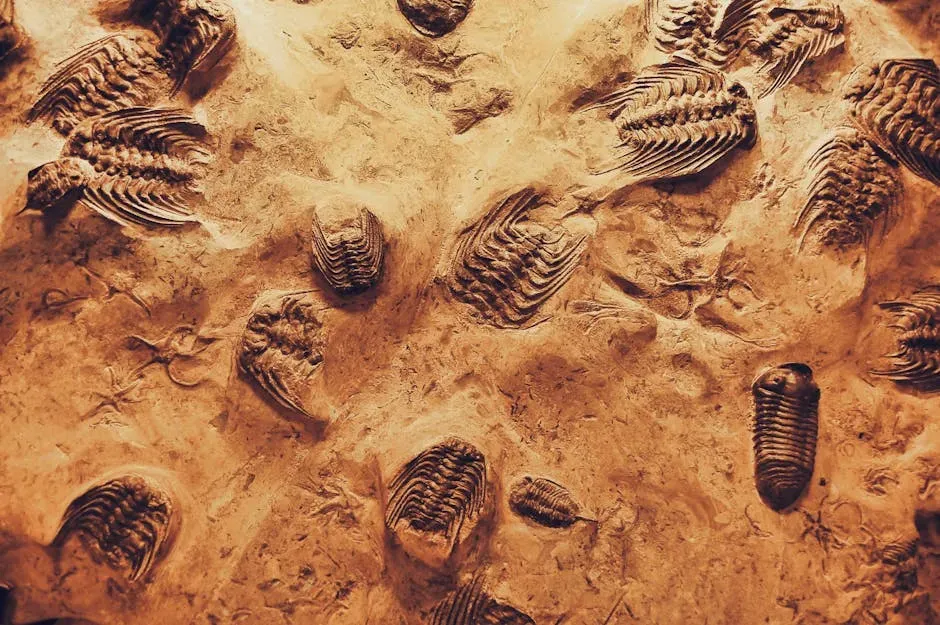
Here’s something that might stop you mid-sentence: the highest point on Earth was once underwater. Hidden within the rocks of Everest’s upper slopes lies a discovery so extraordinary that it completely reshaped our understanding of Earth’s geologic past – fossilized remains of ancient marine life, including shark teeth, seashells, and trilobites, embedded in the very bones of the Himalayas. These remnants of long-extinct ocean creatures are undeniable proof that this colossal mountain range was once at the bottom of a vast, ancient sea.
Around 200 million years ago, during the breakup of the supercontinent Pangaea, the landmass that is now the Indian subcontinent began to drift northward after splitting off from Gondwana. This massive continental plate moved at a surprisingly fast pace in geologic terms – up to 15 centimeters per year – toward the Eurasian Plate. Over tens of millions of years, this movement closed the Tethys Ocean, pushing its seabed sediments northward. The result? Mountains made of ancient ocean floor. The fossilized shark teeth and other marine life found atop Mount Everest serve as stunning reminders of our planet’s incredibly dynamic geological nature. The very idea that creatures once swimming in warm, shallow seas now lie fossilized in the roof of the world is both humbling and awe-inspiring.
3. The Mosasaur Madness: Morocco’s Dagger-Toothed Sea Monster
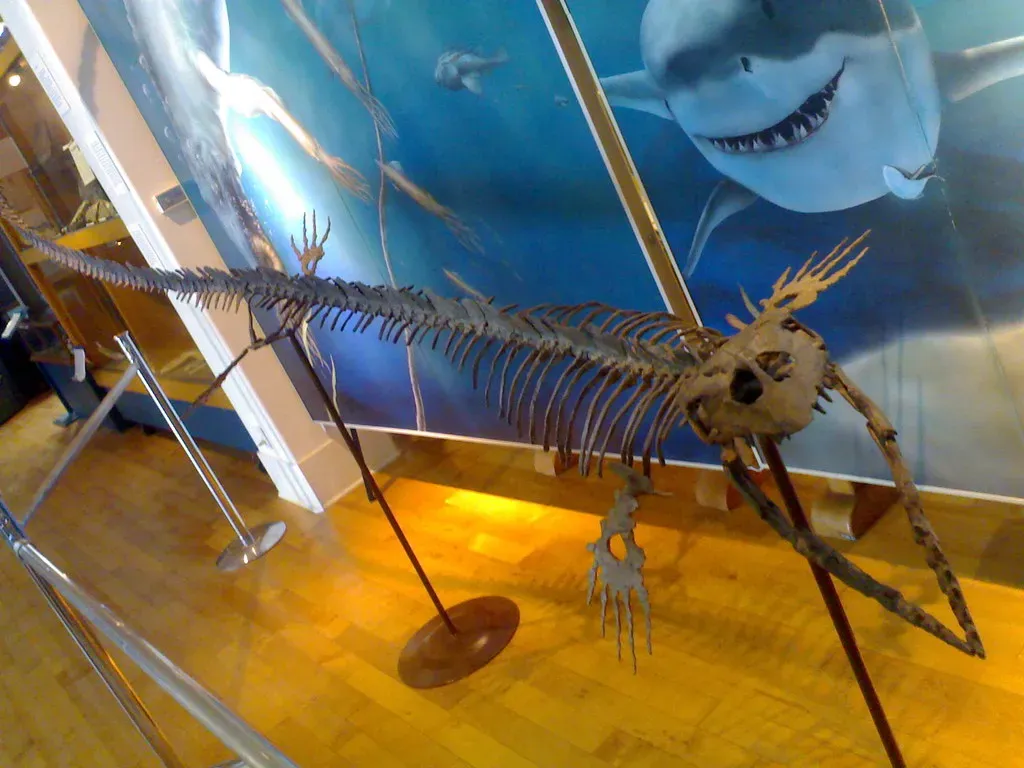
If you thought modern oceans were dangerous, you haven’t met Khinjaria acuta. Khinjaria acuta was part of an extraordinarily diverse fauna of predators that inhabited the Atlantic Ocean off the coast of Morocco 66 million years ago, just before the dinosaurs went extinct. The ancient beast was around 7 to 8 meters long and had powerful jaws and long, dagger-like teeth. Discovered in a phosphate mine southeast of Casablanca, this creature is genuinely unlike anything most people imagine when they picture the ancient seas.
Late Cretaceous marine ecosystems differ from modern marine ecosystems in the high diversity of large predators. Let’s be real, that’s a polite scientific way of saying the oceans were absolutely terrifying. Fossil discoveries have highlighted the astonishing diversity of large marine reptiles in the environment, and their different dentition suggests that many were not directly competing – niche partitioning was occurring. Picture an ocean where multiple predators, each bigger than a great white shark, all hunted in different ways, targeting different prey. Mosasaurs, plesiosaurs, and giant sea turtles disappeared, along with entire families of fish, at the end of the Cretaceous, and this led to the evolution of modern marine ecosystems with whales and seals as apex predators.
4. Lost Fossils from Australia: Sea Monsters After Earth’s Greatest Extinction
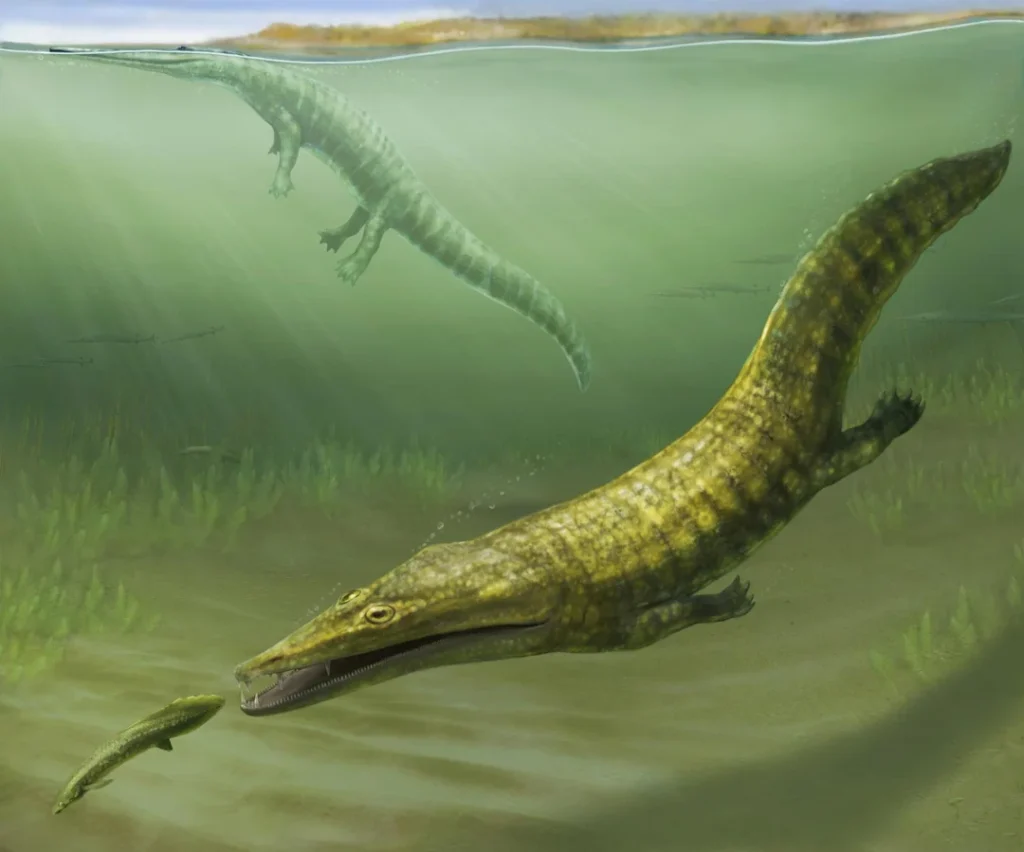
Sometimes the most extraordinary discoveries aren’t found in the field. Sometimes they’re found in a museum drawer, forgotten for decades. A lost cache of 250-million-year-old fossils from Australia has rewritten part of the story of life after Earth’s worst mass extinction. That’s a headline that almost sounds too dramatic to be real, yet it is exactly what happened.
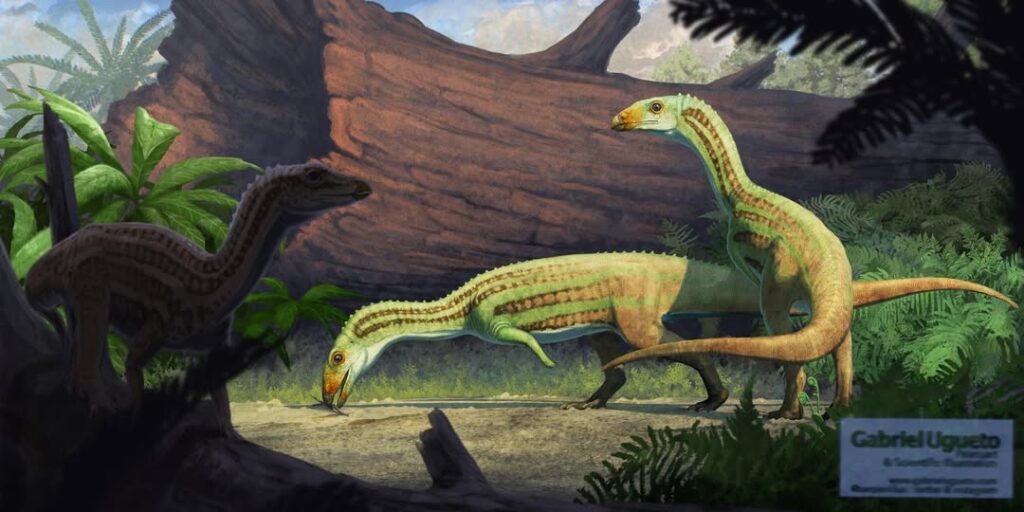
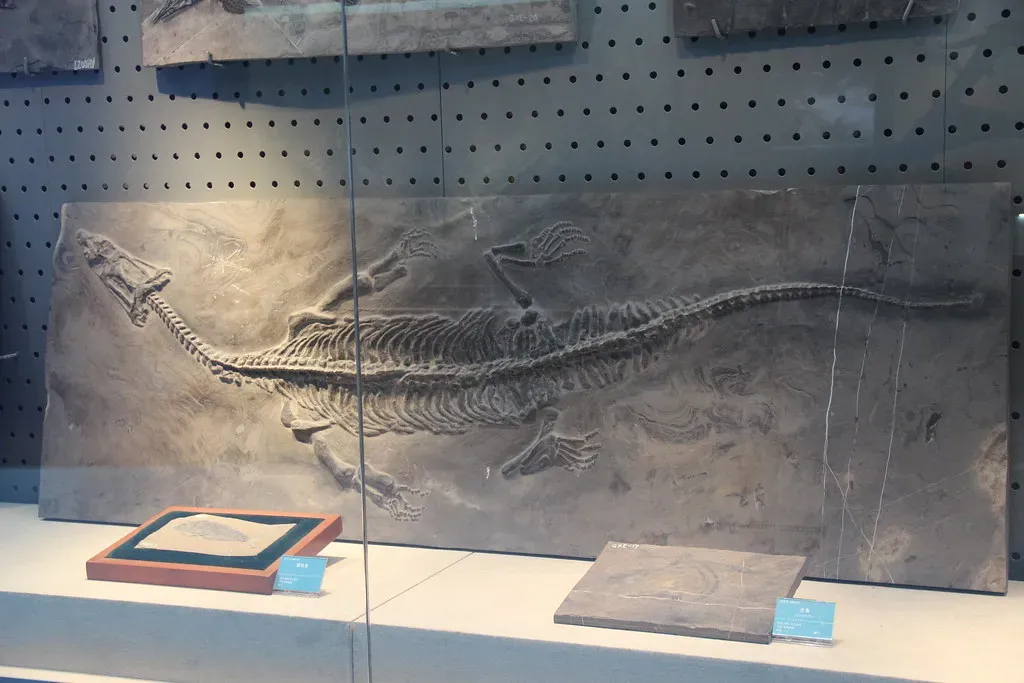
The end-Permian mass extinction, the most devastating die-off in Earth’s history, struck about 252 million years ago and was followed by extreme global warming. In its aftermath, modern-style marine ecosystems began to take shape at the start of the Age of Dinosaurs. During this critical window, the earliest sea-going tetrapods, including amphibians and reptiles, emerged and quickly became dominant aquatic apex predators. Now here’s where it gets fascinating. The original Erythrobatrachus fossils were misplaced over the following decades. Their disappearance triggered an international search through museum collections, and in 2024, the long-lost specimens were finally located, allowing researchers to reexamine these puzzling marine amphibians with modern techniques. These findings suggest that some of the earliest Mesozoic marine tetrapods expanded quickly into multiple ecological roles and spread widely across the planet, and they may have traveled along the coastlines of interconnected supercontinents during the first two million years of the Age of Dinosaurs.
5. A New Jurassic Sea Monster Hidden in Plain Sight for 47 Years
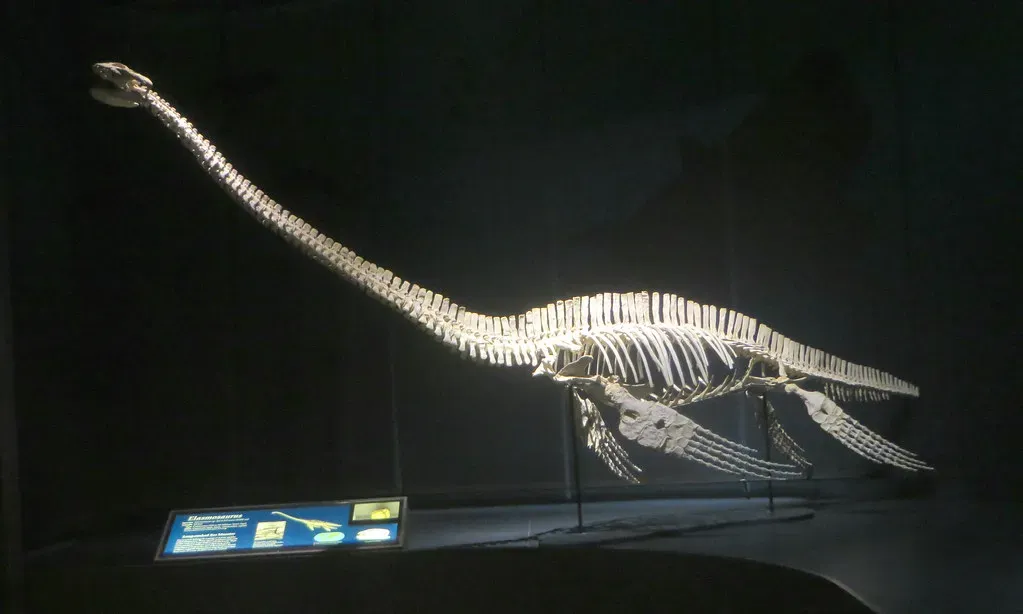
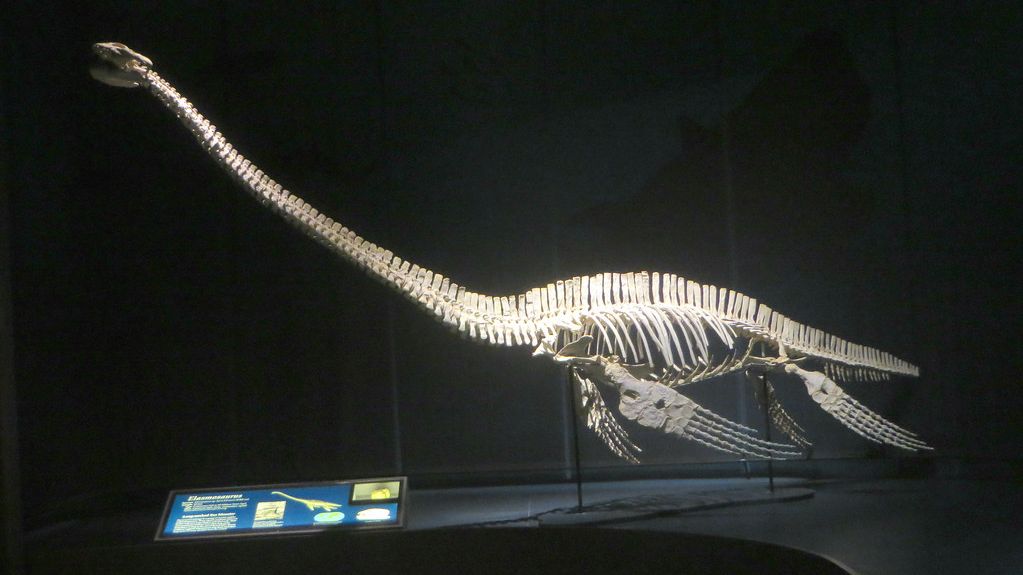
I know it sounds crazy, but one of the most exciting recent discoveries in marine paleontology had been sitting in a museum collection since 1978. Nobody noticed. Paleontologists identified a new species of ancient marine reptile from Germany’s world-renowned Posidonia Shale fossil beds, expanding our understanding of prehistoric ocean ecosystems that existed nearly 183 million years ago. The newly classified species, named Plesionectes longicollum, meaning “long-necked near-swimmer,” represents a previously unknown type of plesiosauroid – the group of long-necked marine reptiles that inhabited Earth’s oceans during the age of dinosaurs.
The specimen is a nearly complete skeleton that even preserves remnants of fossilized soft tissue. It was originally excavated in 1978 from a quarry in Holzmaden, southwest Germany, but its unique anatomical features have only now been fully recognized through comprehensive scientific analysis. It’s a bit like finding a masterpiece painting hiding behind a filing cabinet in someone’s office. The Posidonia Shale at Holzmaden has previously yielded five other plesiosaur species, including representatives from all three major plesiosaur lineages. This new addition further cements the formation’s status as one of the world’s most important windows into Jurassic marine life. The ocean of the Jurassic was genuinely crowded with incredible, strange creatures, and we’re still finding out just how many.
6. Fish in the Deep: The Earliest Evidence of Vertebrates on the Ocean Floor
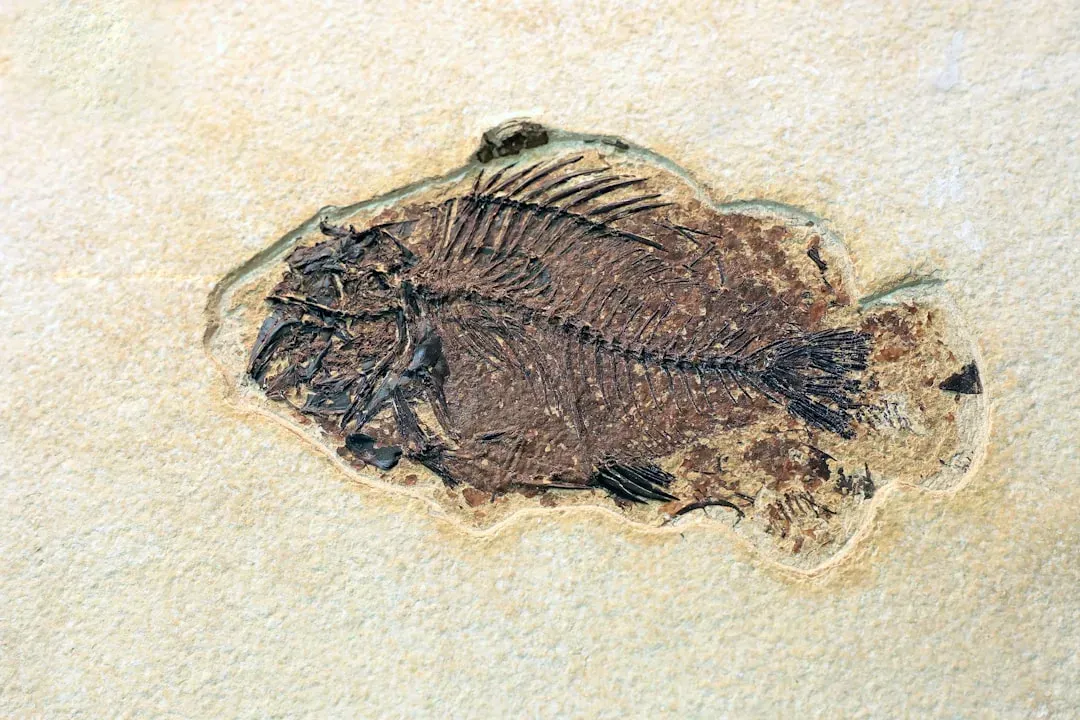
For a long time, scientists assumed that the deep seafloor was a relatively modern frontier for vertebrate life. That assumption turned out to be wrong by a very, very long margin. Paleontologists found 130-million-year-old trace fossils from abyssal plain turbidites of the ancient Tethys Ocean, and combined with nannofossil dating, the new specimens indicate that fishes have occupied the deep seafloor since at least the Early Cretaceous epoch.
The 130-million-year-old fish-feeding traces were found in Early Cretaceous deep-sea deposits of the Palombini Shale Formation in Italy, and the fossils represent the earliest direct evidence of bottom-living vertebrates from the deep sea. Here’s the thing that makes this especially mind-bending. These trace fossils comprise bowl-shaped excavations produced by ancient fishes, as well as the sinuous trail formed by the tail of a swimming fish incising the muddy seafloor. You’re essentially looking at the footprints of a creature that lived in total darkness, at crushing pressure, more than a hundred million years ago. It marks the point at which fishes moved out of the continental shelf and colonized a new, harsh environment, located far away from their original habitat. That’s one of the most remarkable migrations in the history of life.
7. The Mesozoic Marine Revolution: How Ocean Life Quietly Rewrote Itself
Not every history-changing discovery comes in the form of a single dramatic fossil. Sometimes it comes as a pattern. After studying thousands of ancient fossils, paleontologist Jack Sepkoski identified a pattern in 1981: an epic sequence of life and death, etched into the skeletons of the last 500 million years. Sepkoski, a professor at the University of Chicago, discovered what became known as the three great evolutionary faunas of marine animals – a trio of successive explosions in biodiversity in the ocean over the course of the Phanerozoic Eon.
The case in point is what’s known as the Mesozoic Marine Revolution. Commencing roughly 150 to 200 million years ago, this transition represents all the macroevolutionary changes that took place as marine predators like bony fish, crustaceans, and predatory snails increased in numbers, forcing their invertebrate prey, such as mollusks, to adapt defenses against boring and shell-crushing attacks. Think of it less like a single event and more like a slow-motion arms race played out across millions of years. Although the Mesozoic Marine Revolution was characterized by gradual ecological changes produced by marine life interactions over millions of years, researchers say it nonetheless triggered a prolonged biotic transition comparable in magnitude to the end-Permian transition. It’s the kind of discovery that forces you to reconsider what a “revolution” even means when you’re measuring time in geological epochs rather than human generations.
Conclusion: The Ocean Still Has Secrets to Tell
What ties all seven of these discoveries together is something genuinely humbling. The ocean is ancient in ways the human mind struggles to truly absorb. The ocean may seem like a vast and unchanging landscape, but the reality is that the world beneath the waves has continuously evolved over time. As terrestrial creatures, humans are largely unaware that much of life’s history has taken place in the ocean. Indeed, life had been evolving and changing for more than 3 billion years – the majority of the planet’s existence – before the first creatures made their way out of the water.
Every decade brings new techniques, new imaging tools, and new eyes looking at old collections. Fossils misidentified for a century suddenly reveal their secrets. Museum drawers, phosphate mines in Morocco, and eroding cliffs along the English Channel continue to give up extraordinary things. Paleontologists provide us with a unique vantage on the deep history of our world. They play an essential role in interpreting ancient environments and reconstructing ancient oceans, continents, and climates. The prehistoric oceans weren’t just bigger versions of today’s seas. They were different worlds entirely.
Here’s what I find most extraordinary: if a 47-year-old museum fossil can turn out to be an entirely new species, and if lost Australian specimens can rewrite our understanding of life after mass extinction, then we’re only just beginning to understand what actually swam in those ancient waters. Which of these seven discoveries surprised you the most?