
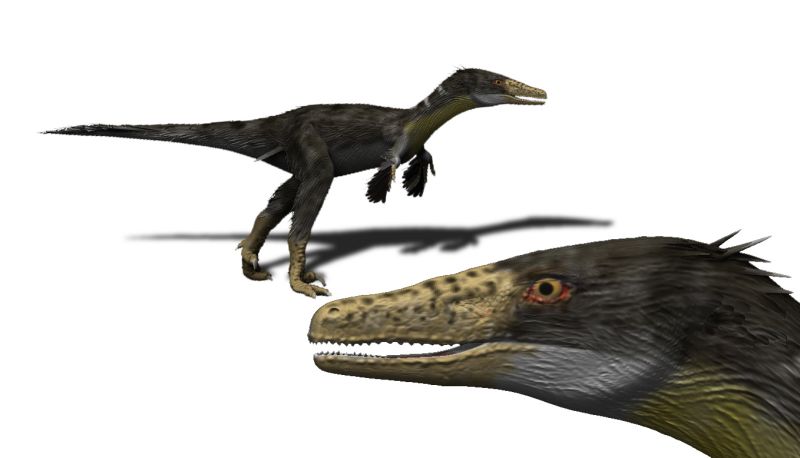
Every few years, a dinosaur comes along that quietly rewrites what we thought we knew about prehistory. Austroraptor is one of those underdog creatures: not as famous as Velociraptor or Tyrannosaurus, but every bit as fascinating, and in some ways even stranger. It stalked the ancient plains of what is now Patagonia, a sleek predator built less like a knife and more like a torpedo.
When I first read about Austroraptor, it felt like discovering a hidden bonus level in a game I thought I had already completed. Long snout, tiny arms, odd teeth, and a body built for speed rather than wrestling matches – it does not fit neatly into the movie image of a “raptor.” The more you look at it, the more it feels like a dinosaur designed by committee: a bit of crocodile, a bit of heron, a bit of classic dromaeosaur. And that weird mix is exactly why it deserves more attention.
1. A Giant Raptor That Stayed Under the Radar
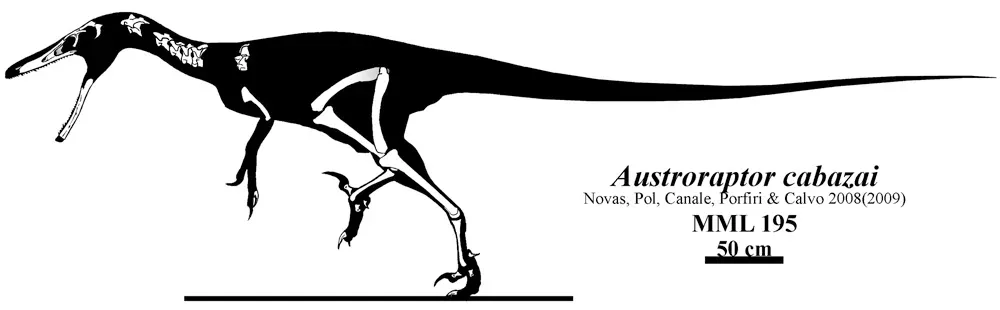
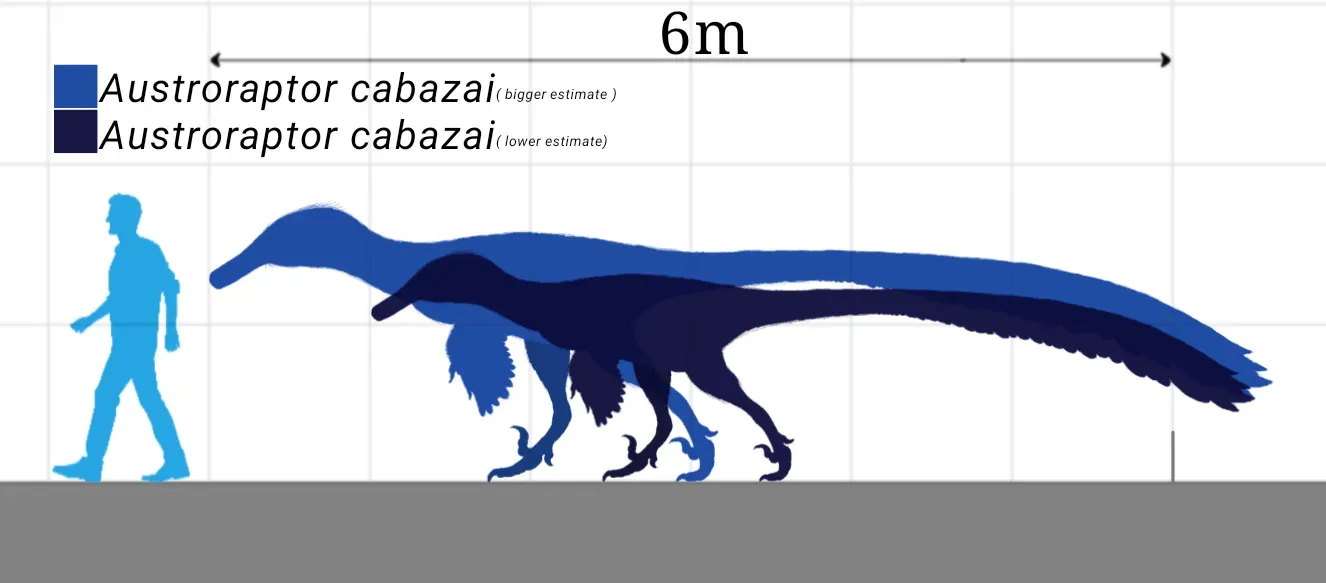
Imagine a “raptor” almost as long as a small bus, yet most people have never even heard its name. Austroraptor cabazai stretched roughly about five meters from nose to tail, making it one of the largest known dromaeosaurs, the same general group as the iconic Velociraptor. In a family often pictured as small, cunning pack hunters, Austroraptor stands out as the oversized cousin lurking at the back of the family photo.
Part of the reason it stayed under the radar is timing and geography. It was described in the late 2000s from fossils found in Patagonia, far from the well-trodden dinosaur beds of North America and Asia that usually grab the spotlight. If it had been dug up in Montana in the 1980s, there would probably already be a dozen documentaries and at least one cheesy toy line. Instead, it remains this almost niche favorite among dinosaur fans who go one step deeper than the usual A‑list.
2. A Long, Low Skull Built More Like a Crocodile
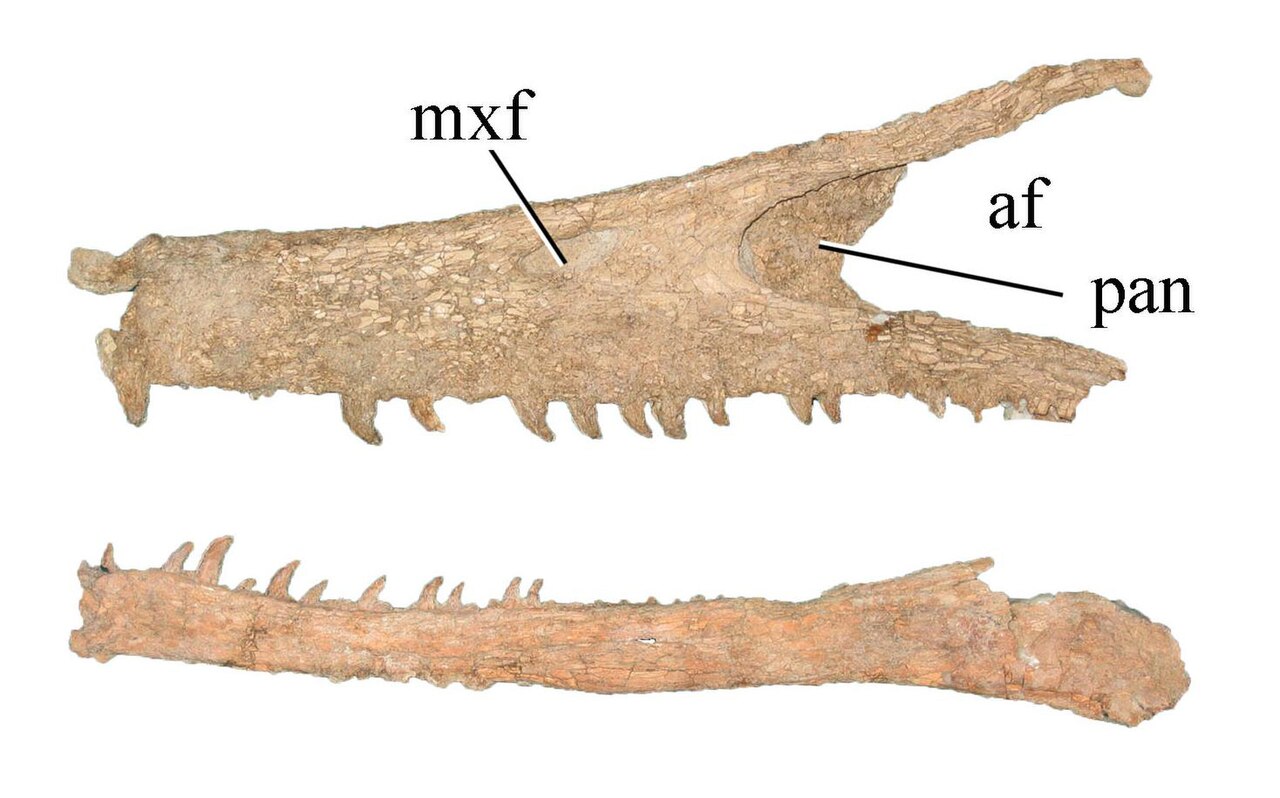
One of the first things paleontologists noticed about Austroraptor was its skull: long, low, and surprisingly crocodile-like. Instead of the short, high snouts you might associate with some other raptors, its head looks more stretched out, as if someone grabbed it from both ends and gently pulled. That kind of skull shape can hint at a different way of grabbing or processing prey, more about quick snapping than heavy crushing.
This snout shape has led to all sorts of speculation. Some researchers have suggested that Austroraptor may have gone after smaller, quicker animals – perhaps fish, small dinosaurs, or other agile prey – using that streamlined head like a biological spear. When you picture it in your mind, it is less the classic lunging wolf and more like a sleek, land-running gharial with feathers, darting in and out with precision strikes rather than bulldozing brute force.
3. Tiny, Almost Absurdly Small Arms for a “Raptor”
We tend to think of raptors as having those big, grasping forelimbs, almost like deadly hands. Austroraptor refuses to play along with that stereotype. Its forelimbs are proportionally small – so small that when you see reconstructions, they can look almost comical next to its long legs and tail. For a member of the dromaeosaur family, this is genuinely weird and stands out as one of its most surprising features.
Those short arms suggest it probably did not rely on grappling with prey the way some of its relatives might have. Instead, it seems more like a predator that let its jaws and legs do most of the work. If Velociraptor was the agile martial artist using both claws and hands, Austroraptor feels more like a sprinter who skips the wrestling and goes straight for a high‑speed tackle and bite. It is a reminder that even within one dinosaur group, evolution can throw out completely different body plans.
4. Teeth That Hint at a Different Hunting Style
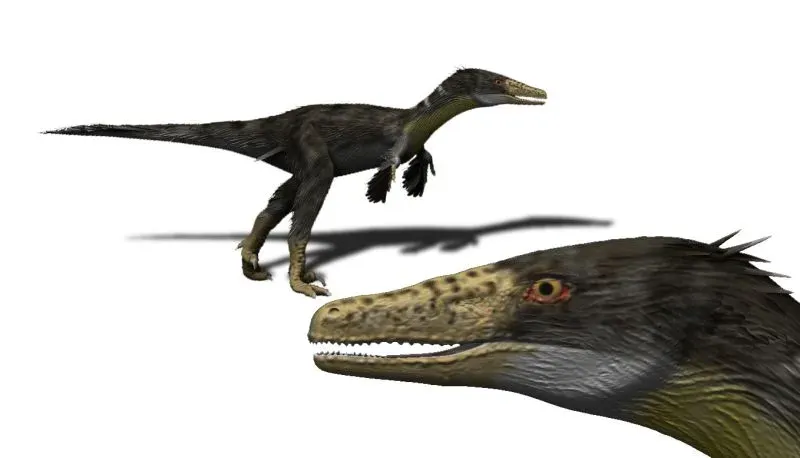
When you zoom in on its teeth, Austroraptor gets even stranger. The teeth in its upper jaw are relatively small and conical, not the broad, strongly serrated blades we tend to associate with meat-slicing theropods. They look more like gripping tools than heavy-duty cutting blades, more suited for grabbing slippery or squirming prey than carving up giant carcasses in chunky slabs.
This has sparked ideas that Austroraptor may have focused on smaller victims rather than constantly challenging the biggest animals around it. Something like a mix of a fox and a heron: fast, opportunistic, and perfectly fine with whatever it could grab, shake, and swallow. To me, that makes it more interesting, not less – it paints a picture of a predator that was nimble and specialized rather than a one-size-fits-all killing machine.
5. A Sprinter’s Body Built for Speed on the Patagonian Plains
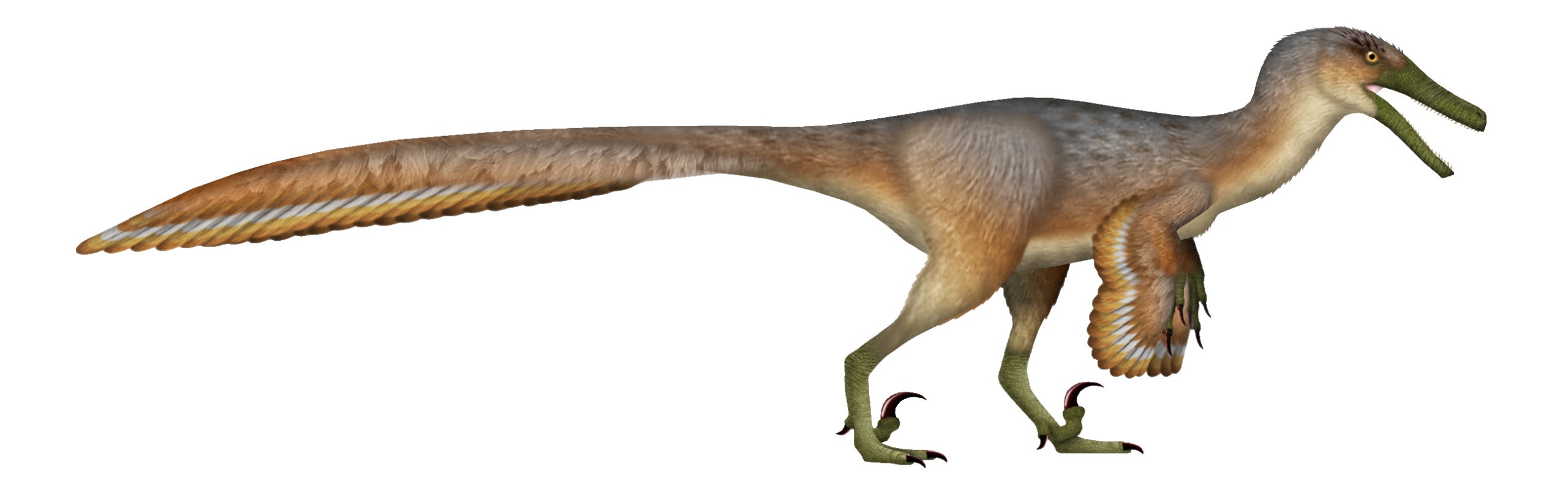
Look beyond the skull and teeth, and Austroraptor’s body language screams “runner.” It had long hindlimbs and a tail that likely acted as a stabilizing counterweight, the same kind of balance system we see in many fast theropods. Put that together and you get the impression of an animal that spent a lot of time moving quickly across open ground, tracking or pursuing prey rather than lurking in thick forests.
I always picture it chasing after a flock of smaller dinosaurs across dusty Late Cretaceous floodplains, weaving and dodging like a cheetah after antelope. It probably was not the absolute top predator in its ecosystem, but as a mid‑sized, fast hunter, it would have filled a crucial role. The idea that these plains once echoed with the footfalls of agile, long‑snouted raptors gives Patagonia’s fossil landscape a kind of cinematic feel.
6. A Feathered Hunter in a Changing Cretaceous World
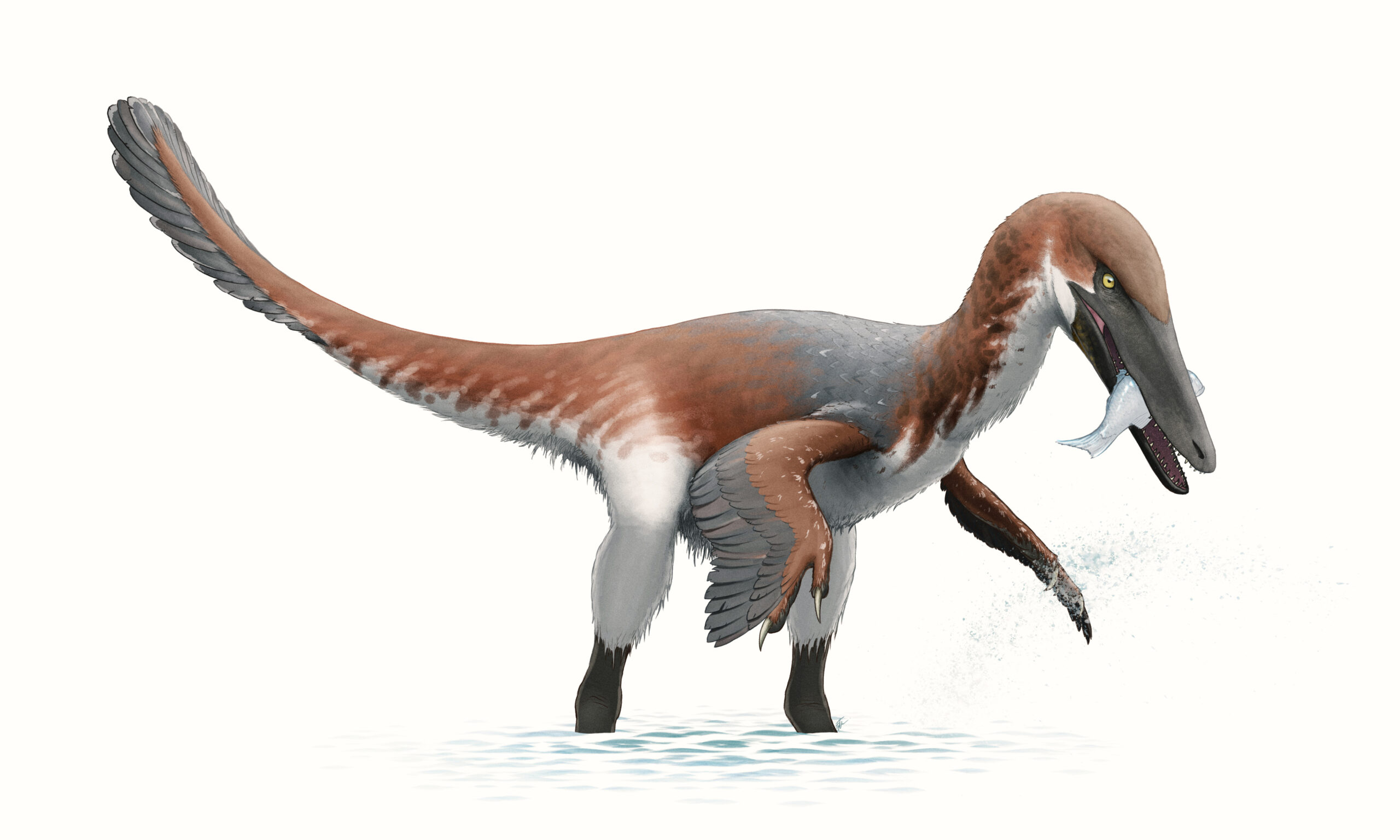
As a dromaeosaur, Austroraptor almost certainly had feathers, even if direct feather impressions have not been found for this species yet. We know from closely related raptors discovered elsewhere that feathers were the rule, not the exception, in this group. So the most reasonable picture is a long‑snouted, feathered predator, maybe with a sleek coat more like a ground bird than a fluffy chick, adapted to high‑speed running rather than showy displays.
It lived toward the very end of the Cretaceous period, in a world that was dynamic and, frankly, on borrowed time. Ecosystems were complex and thriving, even as the asteroid impact that would end the age of dinosaurs crept closer on the cosmic calendar. Thinking about a feathered Austroraptor sprinting through the Patagonian landscape just a few million years before everything changed adds a bittersweet edge: this was an experiment in predatory design that never got the chance to fully play out.
7. A Reminder That Dinosaur History Is Still Full of Surprises
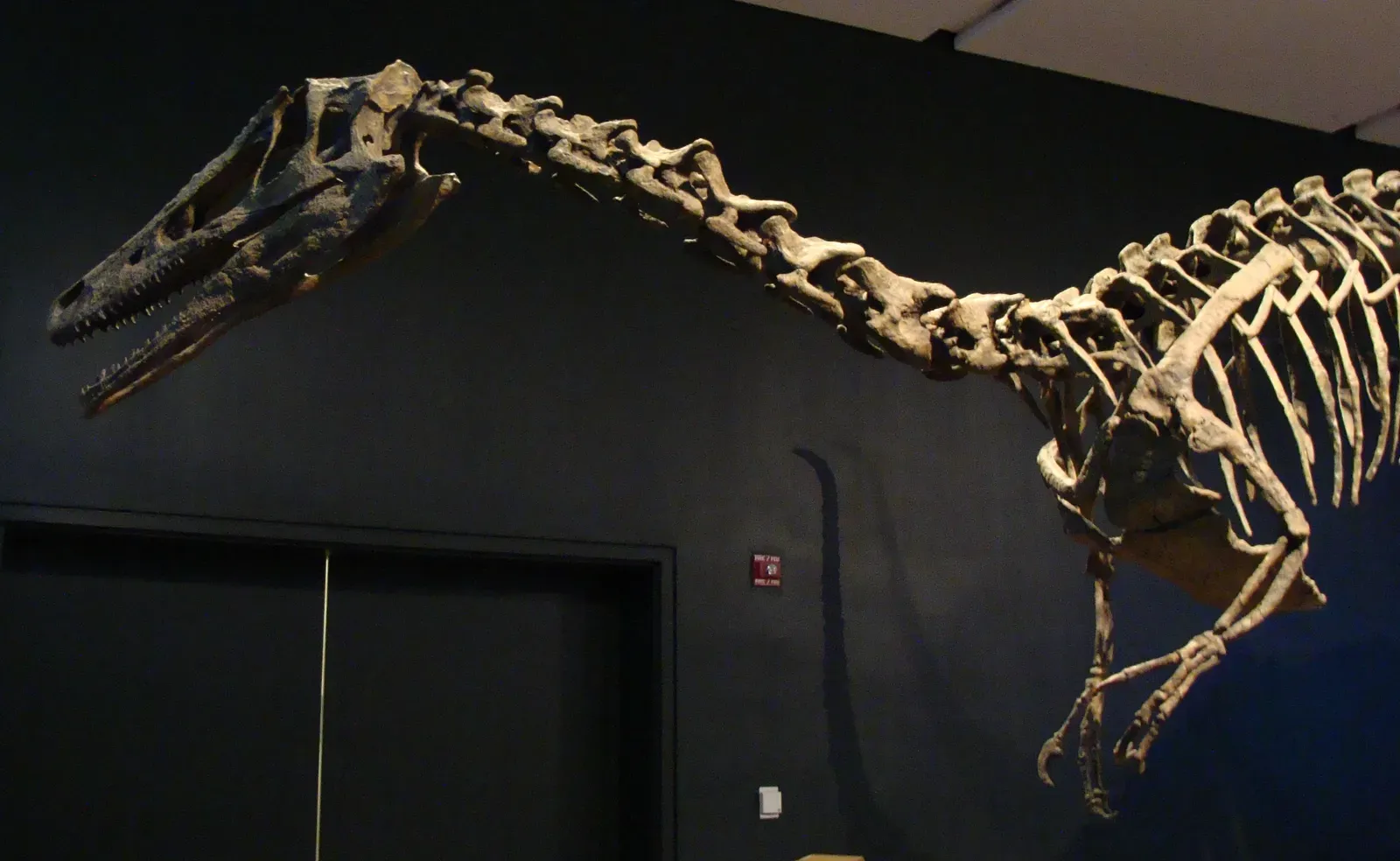
Austroraptor might not have the box‑office legacy of a T. rex, but it represents something more exciting in a way: proof that our dinosaur picture is still incomplete and evolving. Every time a fossil like this turns up – big raptor, crocodile‑like head, tiny arms, odd teeth – it forces researchers to question neat little categories and push for more nuanced stories. It shows that evolution was willing to remix familiar features into surprising new combinations, especially in less explored regions like South America.
Personally, I think Austroraptor deserves to be a breakout star in the next wave of dinosaur storytelling. It shatters lazy assumptions about what a “raptor” should look like and reminds us that the fossil record is more like a half‑finished jigsaw puzzle than a completed museum poster. As new finds fill in the gaps, I suspect this forgotten Patagonian hunter will go from obscure trivia to fan favorite. And really, isn’t it more fun when the dinosaurs can still surprise us?
Conclusion: Why Austroraptor Deserves the Spotlight
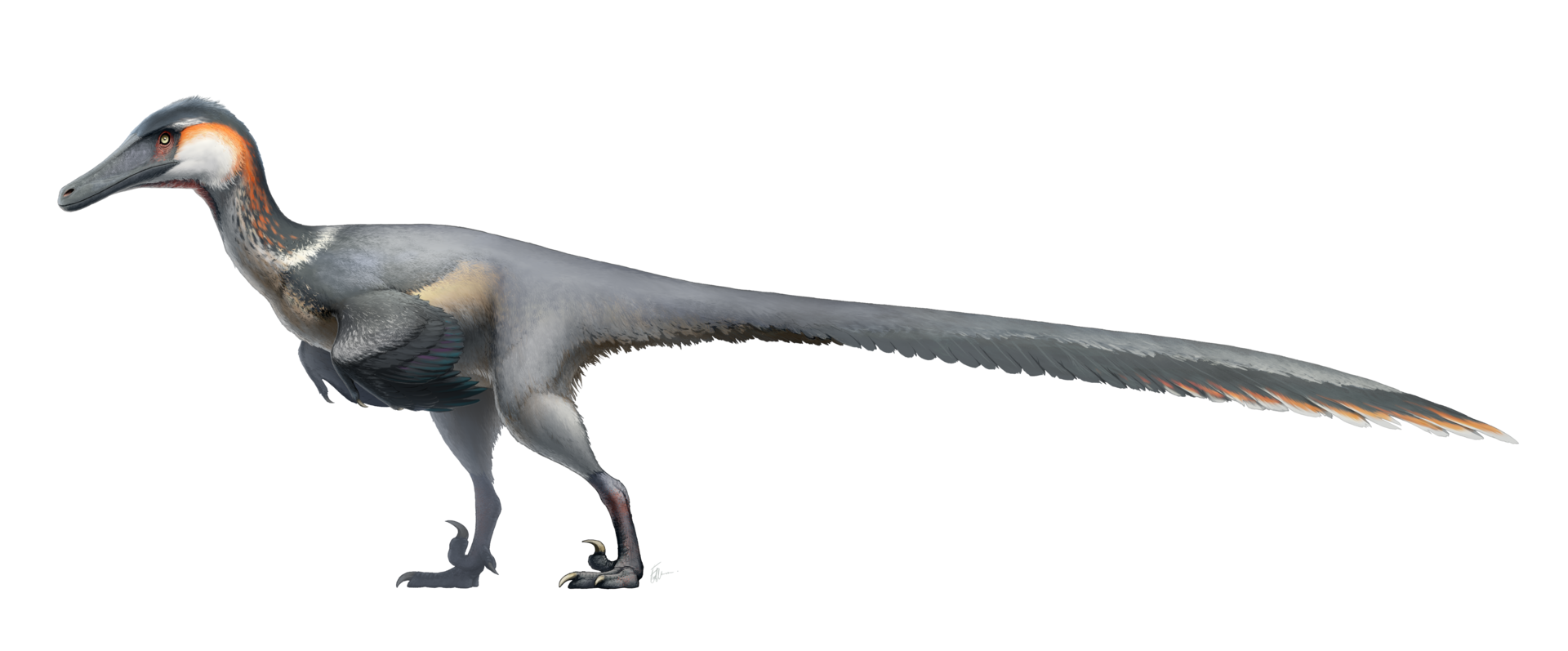
If you strip away the movie myths and toy‑aisle stereotypes, Austroraptor stands out as one of the most intriguing predators of the Late Cretaceous. A long‑snouted, feathered sprinter with tiny arms, odd teeth, and a body built for speed, it breaks almost every lazy mental image of what a raptor is supposed to be. In my view, that makes it not just interesting, but genuinely important: it shows that dinosaur evolution was far messier, more creative, and more regional than the greatest‑hits list usually lets on.
South America’s fossil record has been quietly reshaping dinosaur science for years, and Austroraptor is a prime example of why we should be paying closer attention. It is a reminder that some of the most compelling stories are still buried in places that do not always get the global spotlight. The more we learn about animals like this, the more the prehistoric world stops feeling like a set of stock characters and starts feeling like a real, complex planet. When you picture a feathered, long‑snouted hunter racing across ancient Patagonia, does it change how you imagine the age of dinosaurs at all?