Picture this: you’re walking along an ancient beach, and something the size of a school bus with armor plating and blade-like jaws is lurking just beneath the surface. Sounds like a nightmare, right? Yet millions of years before humans took our first steps, Earth was home to creatures so bizarre and terrifying that they make today’s animals look downright ordinary. These weren’t just bigger versions of modern species. They were evolutionary experiments that pushed the boundaries of what we think is possible in nature.
The fossil record is filled with animals that seem almost too strange to be real, yet the evidence is undeniable. From massive predators that could crush bones with a single bite to tiny creatures sporting five eyes and vacuum-like appendages, prehistoric Earth was a wild place. So let’s dive in and explore seven of the most incredible ancient beasts that once ruled our planet.
Dunkleosteus: The Armored Fish with a Jaw That Could Crush Cars
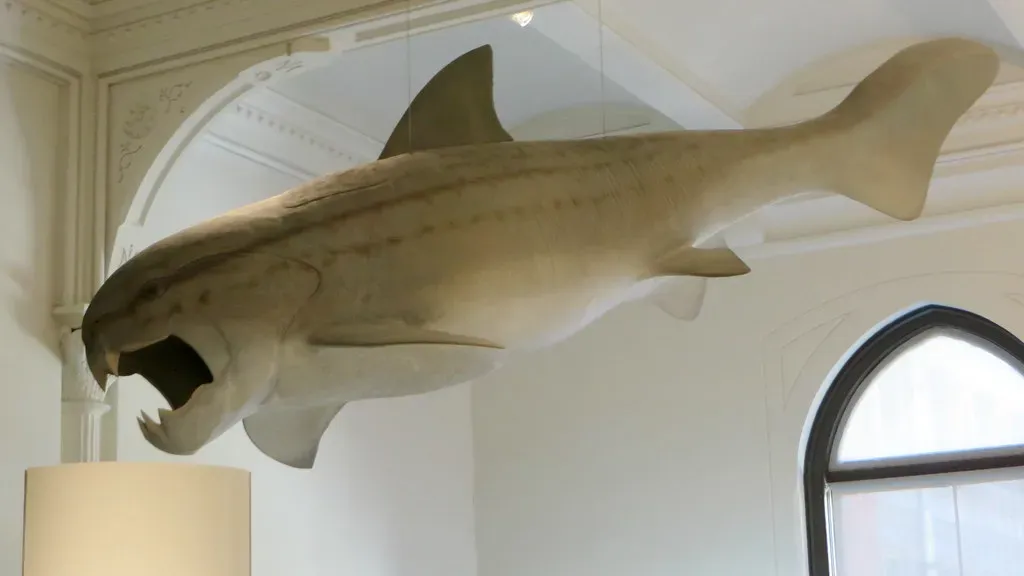
This prehistoric fish was big, mean, and scientists say it might have been the first king of beasts, measuring roughly thirty-three feet long and weighing up to four tons, living about four hundred million years ago. The creature was an armored fish from the Devonian era that lacked teeth, but its jaw contained razor sharp protrusions of bone that could pierce and cut through prey, with edges that rubbed together and acted like self-sharpening shears.
What made Dunkleosteus truly terrifying wasn’t just its size. Based on calculations of the animal’s bite, Dunkleosteus could have bit down on prey with a bite exerting over eleven hundred pounds of force. Imagine a creature with the mouth of a staple remover and the ferocity of a great white shark combined. The creature is considered to be hypercarnivorous as well as an apex predator, meaning that Dunkleosteus wasn’t prey to any other type of animal and mainly consumed meat as its diet.
Meganeura: A Dragonfly the Size of a Hawk
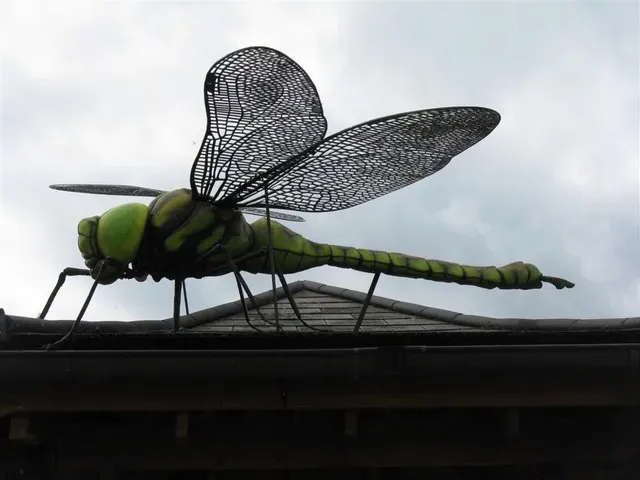
Think modern dragonflies are impressive? Try encountering one with a wingspan stretching more than two feet across. With a wingspan measuring more than seventy centimeters, six spindly, spiny legs and huge compound eyes, Meganeura was terrifying enough to scare even the most ardent insect-lover and is widely regarded as the largest flying insect ever.
These weren’t just passive fliers drifting through ancient forests. Like many of today’s dragonfly species, Meganeura lived in open habitats close to ponds and slow-moving streams, and was likely the apex predator in these clearings, using the spines on its legs as a flying trap to ensnare prey ranging from other flying insects to amphibians and even lizard-like vertebrates. Picture a world where insects ruled the skies with the hunting prowess of modern birds of prey. That was the reality when Meganeura buzzed through Carboniferous forests.
Titanoboa: The Snake That Weighed a Ton
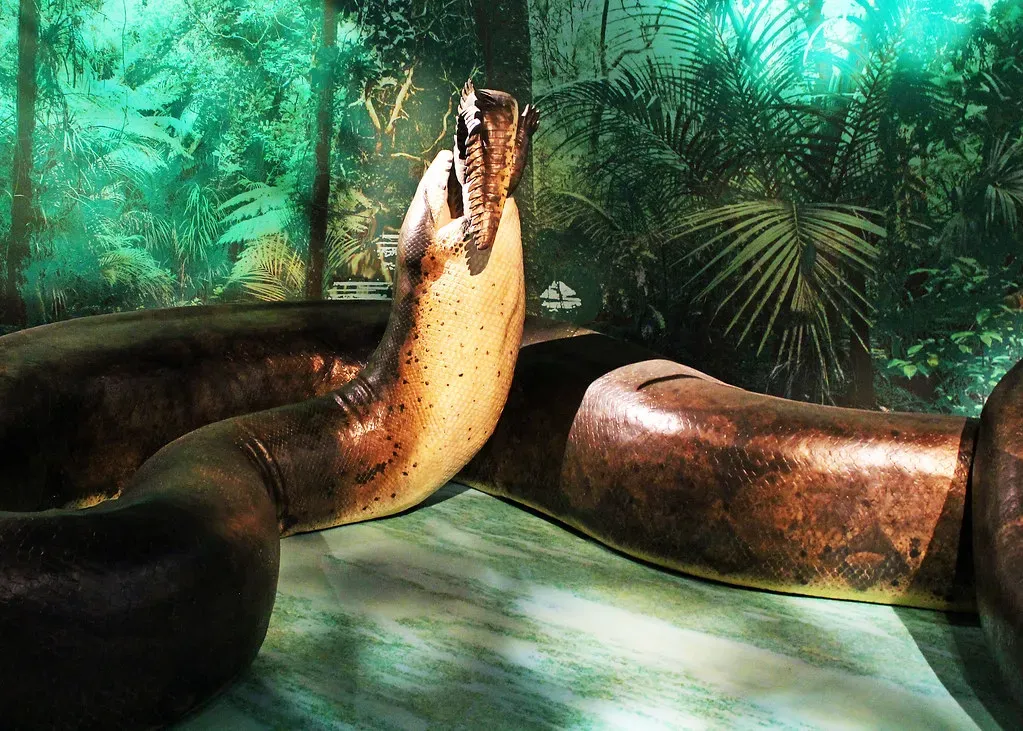
If you have even a mild fear of snakes, you’ll be glad you weren’t around roughly sixty million years ago. Titanoboa was a forty-two foot long snake that lived during the Paleocene epoch. Using what they’ve got, researchers estimate that the snake would have weighed about a ton. For comparison, the largest anacondas today max out at around twenty-nine feet and five hundred pounds, making Titanoboa nearly twice as long and about four times heavier.
It likely hunted much like crocodiles do, lurking partially submerged at the water’s edge so that it could ambush thirsty, unsuspecting animals. The sheer thought of a constrictor that massive coiling around prey is enough to send shivers down anyone’s spine. Honestly, it’s hard to say for sure what could have escaped once Titanoboa had its coils wrapped around them.
Arctodus: The Short-Faced Bear That Could Outrun You
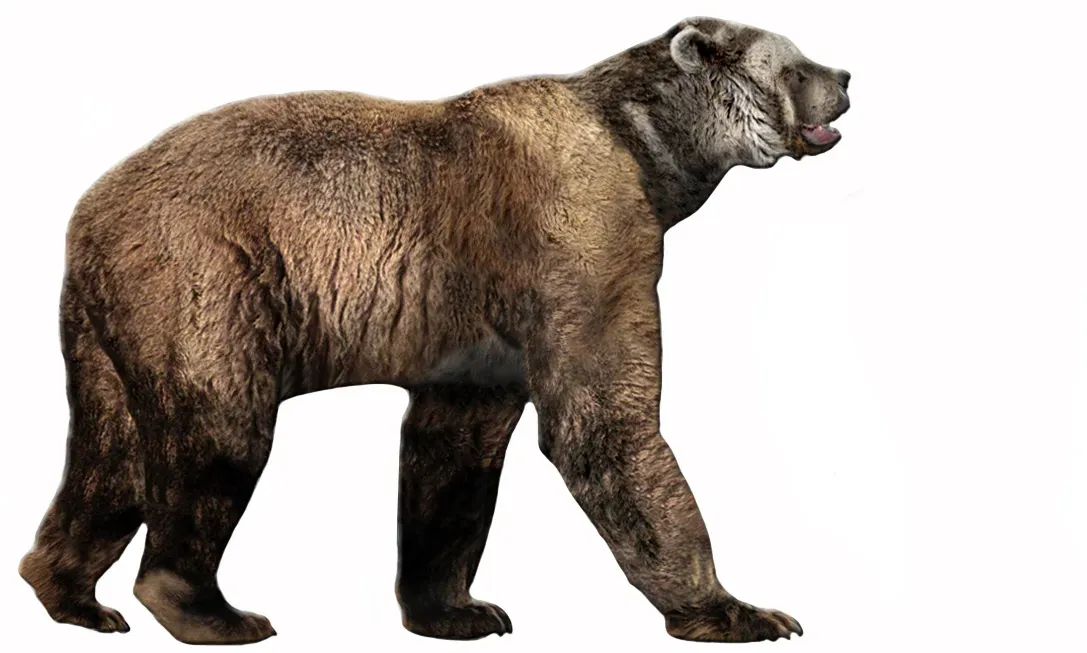
A big Arctodus smilus, also called the short-faced bear, could reach a height of twelve feet tall when standing on its hind limbs and could hit a top speed of forty miles per hour. Let that sink in for a moment. A bear taller than a basketball hoop that could sprint faster than most humans can cycle. No wonder early humans had to be incredibly clever to survive.
The dietary habits of Arctodus make it even more frightening. Some studies suggest it was an omnivore like many bears alive today, but in another study, chemical analysis of its bones suggested that it ate meat almost exclusively, and it probably would have needed to eat thirty-five pounds of flesh every day. Since they only went extinct eleven thousand years ago, there’s a solid chance that humans had to deal with these guys, which means get eaten by them.
Opabinia: The Five-Eyed Vacuum Cleaner of the Sea
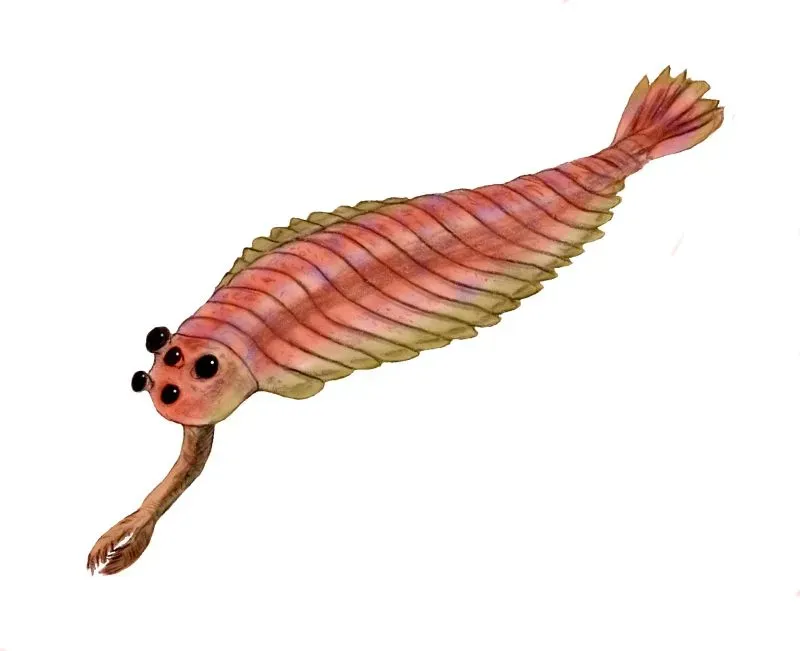
Not all prehistoric creatures were giants. Some were just plain weird. Opabinia was a flat-bodied swimmer with five eyes and thirty swimming fins and a long tube sticking off the front of its face with what looks like a Venus fly trap on the end. This species, known to live on the seafloor, had a soft body that was about seven centimeters long, with a head with five eyes and a mouth underneath that was backwards, and the backwards mouth is said to coincide with the fact that the creature had a proboscis, which was more than likely used to pass food to the mouth.
When paleontologists first presented Opabinia at a scientific conference, the audience apparently burst out laughing at its bizarre appearance. Yet this tiny oddball represents an important chapter in evolutionary history. It reminds us that nature experimented with countless body plans before settling on the ones we see today. Five eyes might seem excessive, but for Opabinia cruising along the Cambrian seafloor half a billion years ago, it worked just fine.
Archaeotherium: The Hell Pig That Hunted Rhinos
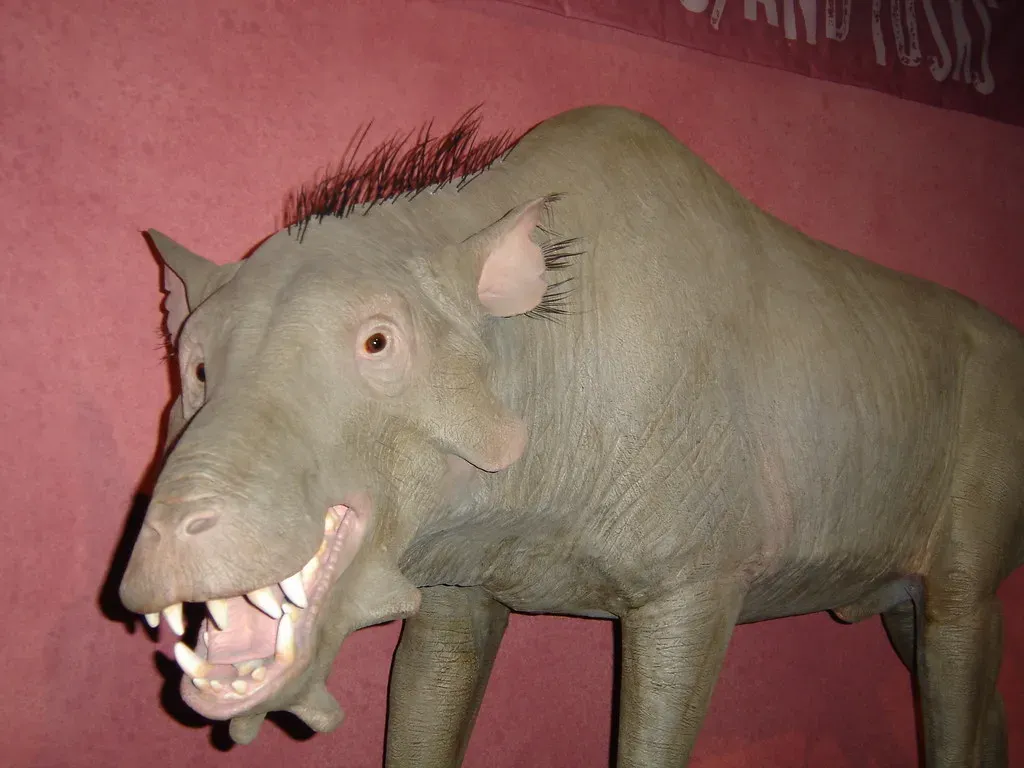
Sometimes referred to as hell pigs, and while the name fits their appearance, they’re not actually pigs but more closely related to hippos and whales. Archaeotherium was a cow-sized predatory omnivore with huge jaws that it used to hunt animals including prehistoric rhinos. Think about that for a second. An animal related to peaceful hippos and gentle whales that actively hunted rhinoceros-like creatures.
These beasts roamed North America during the Oligocene epoch, roughly thirty million years ago. Their massive skulls housed powerful jaws capable of crushing bone, and fossil evidence suggests they were opportunistic feeders, scavenging when necessary but perfectly capable of taking down large prey. The nickname “hell pig” isn’t just colorful language. It’s a pretty accurate description of what encountering one in the wild might have felt like.
Megatherium: The Giant Ground Sloth That Towered Over Trees
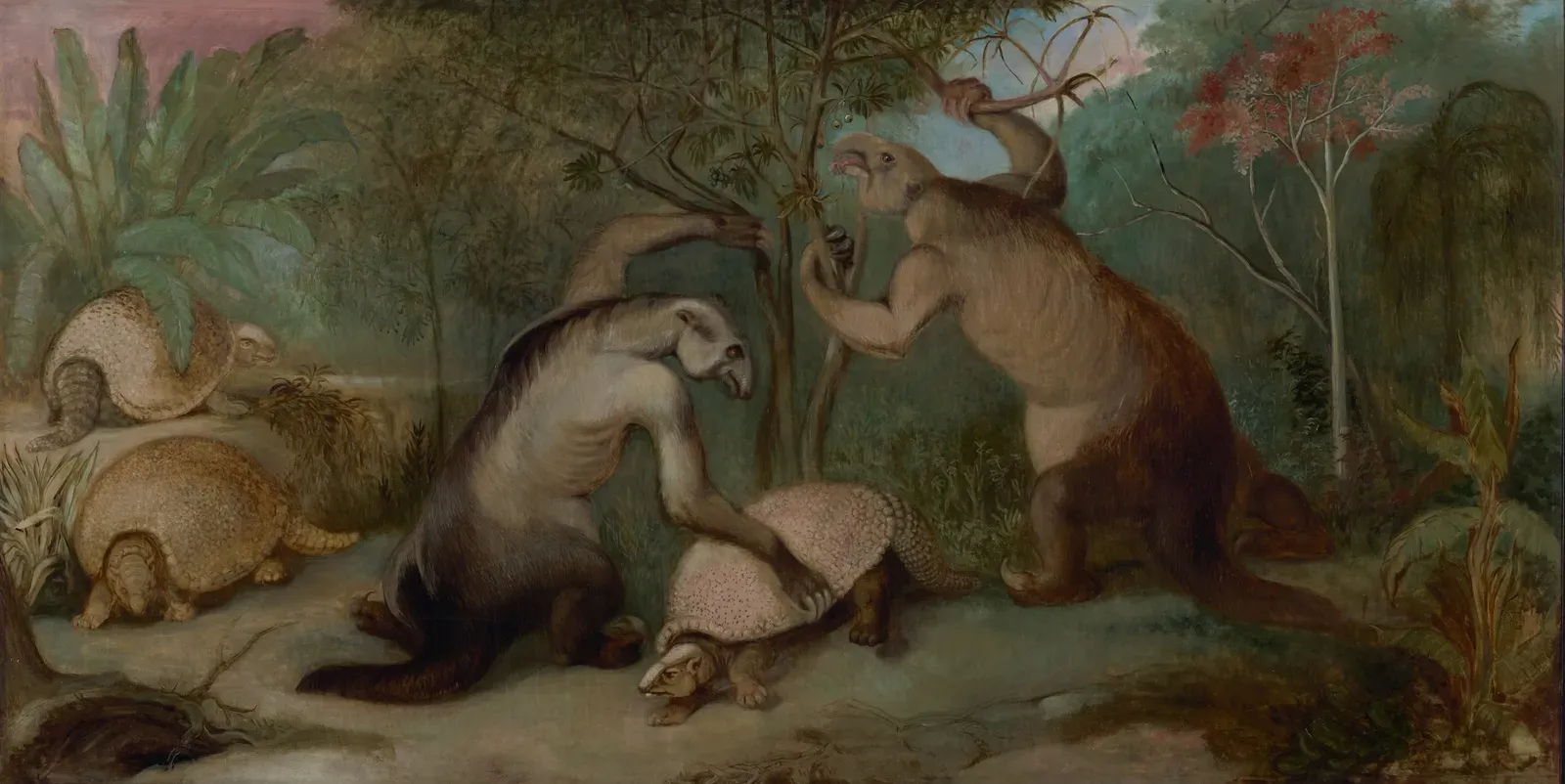
Today’s sloths are adorable, slow-moving tree dwellers. Their prehistoric cousins were anything but small. The biggest amongst ground sloths was Megatherium, a tank-sized sloth that stood almost three and a half meters tall on its hind legs and tipped the scales at four thousand kilograms. That’s roughly the size of an elephant, except covered in shaggy fur and equipped with massive claws.
Despite its intimidating size, Megatherium was herbivorous, using its enormous claws to pull down tree branches and strip vegetation. Still, you wouldn’t want to stumble across one in the forests of Ice Age South America. Their ancestors from the Pleistocene were a lot more diverse, grew to the sizes of elephants, and roamed the vast grasslands of the Americas, with roughly thirty species of ground sloths that may have overlapped with humans in the Americas. Early humans definitely shared the landscape with these gentle giants.
Conclusion
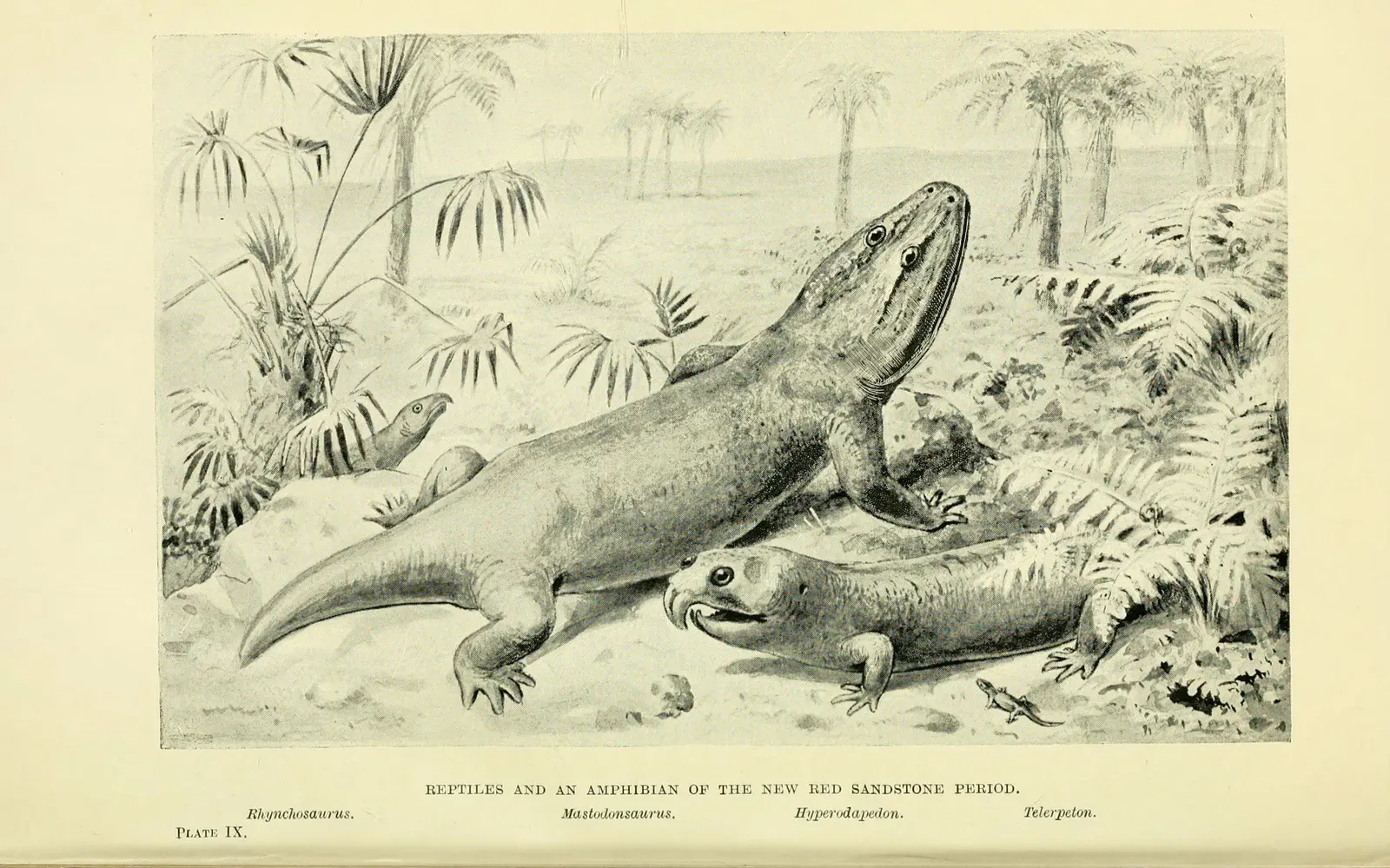
Walking through the halls of natural history, it’s easy to forget just how alien Earth once was. These seven creatures represent only a fraction of the incredible diversity that flourished long before humans appeared. From armored fish with bone-crushing jaws to vacuum-nosed invertebrates with five eyes, prehistoric life pushed biological boundaries in ways that still amaze scientists today.
What’s truly fascinating is that we’re still discovering new species all the time. Every year brings fresh fossil finds that challenge what we thought we knew about ancient life. The creatures we’ve explored here remind us that evolution is endlessly creative, producing forms that seem almost impossible yet thrived for millions of years. So next time you see a common dragonfly or a sloth hanging in a tree, remember their incredible ancestors. What do you think was the strangest prehistoric creature? Let us know in the comments.