
Have you ever walked into a room feeling like you didn’t quite belong? Maybe you’ve hesitated before speaking up in a meeting or held yourself back from pursuing something you really wanted. Here’s the thing. Confidence isn’t some mysterious quality that only a lucky few are born with. It’s actually something you can cultivate and strengthen through consistent practice and intentional habits.
The beauty of building inner confidence lies in its accessibility. You don’t need a complete personality overhaul or years of therapy to start feeling more assured in yourself. Confidence isn’t a magical trait bestowed on a lucky few; it’s a skill anyone can cultivate. What you need is a willingness to shift some daily patterns and embrace strategies that genuinely work. Let’s dive into seven powerful approaches that can transform how you see yourself and how you show up in the world.
Reframe Your Self-Talk and Silence Your Inner Critic
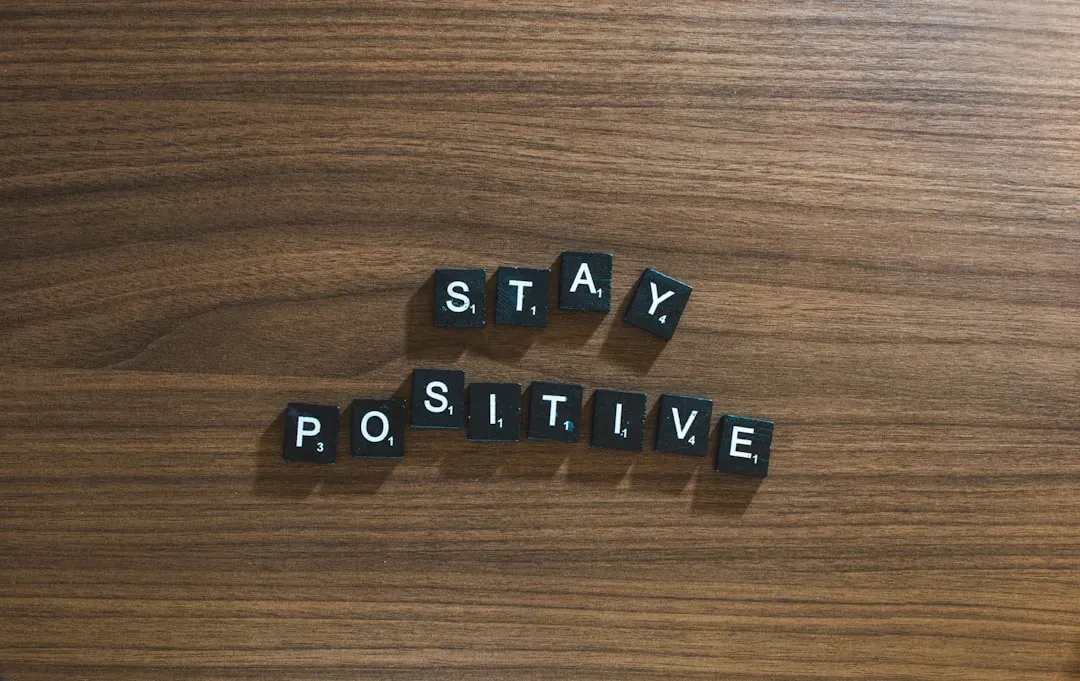
The voice inside your head has more power than you might realize. If you’re constantly feeding yourself negative statements like “I’m not good enough” or “I’ll never get this right,” your confidence will stay trapped in a cage of your own making. Consistent negative self-talk reinforces low self-esteem, while positive affirmations build confidence.
Think about it this way. Would you talk to your best friend the way you talk to yourself? Probably not. If you find yourself doing this, it can help to ask: “Would I talk to a friend in this way?” The moment you catch yourself spiraling into self-criticism, pause and consciously replace those thoughts with something more empowering. Instead of “I can’t do this,” try “I’m learning and growing.” It might feel awkward at first, almost like you’re lying to yourself. That’s normal. Positive self-talk becomes easier and more authentic with repetition, and don’t let the fact that you’re not used to being kind to yourself stop you from getting started.
Set Small Goals and Celebrate Your Wins
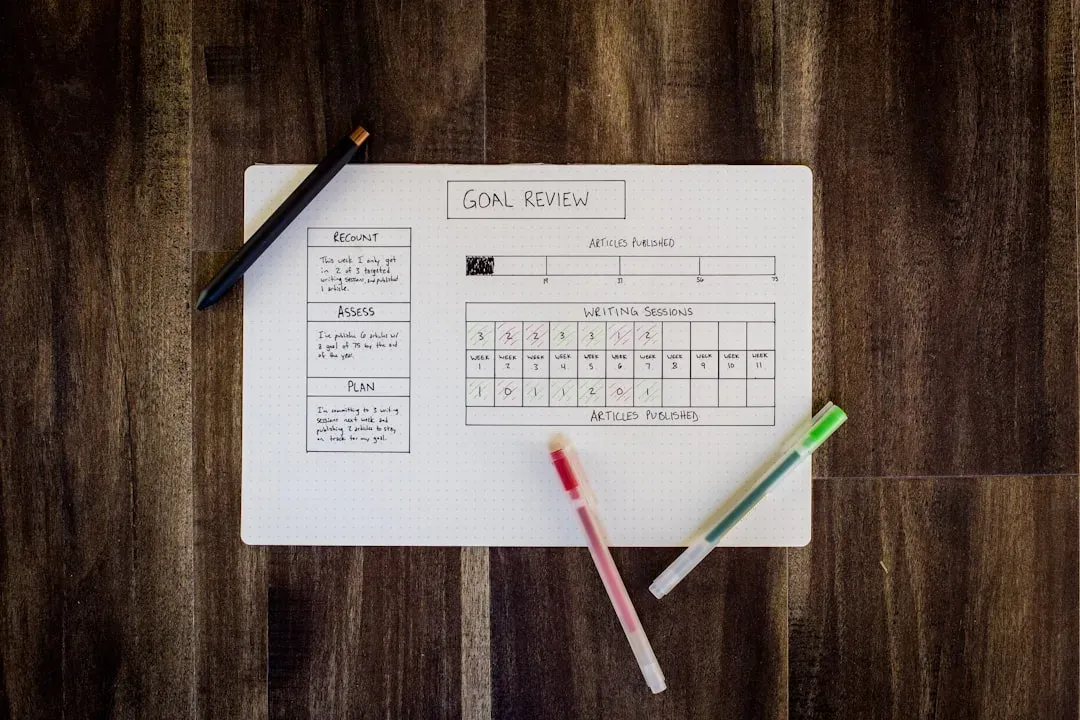
Want to know a secret? Big confidence doesn’t come from massive achievements. It builds up through tiny victories that accumulate over time. Breaking large goals into smaller, achievable milestones provides regular wins and this practice rewires your brain to expect success rather than fear failure.
Breaking down your larger goals into smaller, manageable tasks and celebrating your progress along the way boosts your confidence and motivation. Each morning, write down one to three small tasks you can actually complete that day. Don’t overwhelm yourself by trying to conquer everything at once. Maybe it’s responding to that email you’ve been avoiding, or going for a ten-minute walk, or finally organizing your desk. When you check those items off, acknowledge them. Let yourself feel that sense of accomplishment. Your brain starts to recognize a pattern of success, which gradually shifts your entire self-perception from someone who struggles to someone who achieves.
Embrace Failure as Your Greatest Teacher

Let’s be real. Nobody enjoys failing. The sting of rejection or disappointment can feel brutal in the moment. Yet here’s what confident people understand that others don’t: A confident person isn’t necessarily fearless; they just act despite their fear. Failure isn’t the opposite of success; it’s actually part of the pathway toward it.
Putting yourself in situations where rejection was possible, such as complimenting a stranger, attending social mixers where you didn’t know anyone, going on dates, or emailing someone you admired professionally helped get comfortable with the idea of rejection. When you deliberately seek out situations that challenge you, even when there’s a chance you’ll fall short, you’re training yourself to be comfortable with uncertainty. That comfort breeds confidence. Each time you survive a setback and discover you’re still standing, you prove to yourself that you’re more resilient than you thought. They aren’t preoccupied with perfection, and they believe they have the resilience to bounce back from setbacks.
Move Your Body with Purpose

Your mind and body aren’t separate entities. They’re deeply connected. Exercise and sport are proven to increase self-esteem and confidence in both children and adults. When you move your body regularly, something shifts internally. Physical activity triggers the release of endorphins and dopamine, neurochemicals that improve emotional well-being and energy.
You don’t need to spend hours at the gym or train for a marathon. Just 20–30 minutes of moderate activity per day, such as walking, cycling, or strength training, is enough to make a noticeable difference. Pick something you genuinely enjoy. Maybe it’s dancing in your living room, cycling through your neighborhood, practicing yoga, or just taking a brisk walk around the block. The key is consistency, not intensity. When you show up for yourself physically, even in small ways, you send a powerful message to your brain: “I’m worth the effort.” That message reverberates into every other area of your life.
Practice Mindfulness and Stay Present

Anxiety and self-doubt tend to thrive when your mind is stuck in the past or worrying about the future. Mindfulness trains you to be present and more aware of critical self-judgment, and for many, anxiety, regret, and other negative emotions are substantially more troubling when focused on the past or present, but returning to the current moment can alleviate negativity.
Mindfulness involves focusing your attention on the present moment and keeping a nonjudgmental view, and when applied to emotions, mindfulness can be a useful tool in cultivating self-awareness. Start with just five to ten minutes of daily meditation. Sit somewhere quiet, close your eyes, and focus on your breath. When your mind wanders – and it will – gently bring your attention back. If your mind wanders, that’s normal, and the practice is noticing and returning your focus. Over time, this practice creates space between your anxious thoughts and your reactions. You start noticing self-critical thoughts without automatically believing them or letting them control your behavior. That space is where confidence grows.
Surround Yourself with Supportive People

Here’s something people don’t talk about enough: the company you keep directly impacts your confidence. If you’re constantly surrounded by people who criticize, diminish, or drain you, it’s nearly impossible to feel good about yourself. Surround yourself with positive, encouraging individuals who believe in your abilities and support your goals.
Research has shown, again and again, how strong social ties make you happier, and maintaining these connections and striving to share experiences with others can boost our overall well-being and self-confidence – knowing that we belong somewhere. Seek out relationships that lift you up rather than tear you down. Connect with people who celebrate your wins, encourage your growth, and offer honest support when you stumble. Seeking support shows self-awareness and fosters personal growth, and recognizing when you need support – and being willing to seek it – can dramatically boost self-confidence. This could be friends, mentors, online communities, or even a therapist. Don’t carry the weight of building confidence alone when genuine connection can lighten the load and accelerate your progress.
Develop Competence Through Learning and Practice

Confidence without competence is just empty bravado. Real, lasting confidence comes from knowing you have the skills and knowledge to handle what life throws at you. You feel more competent by becoming more competent, and you do that by studying and practicing.
Learning new skills demonstrates you’re adaptable and capable, and each time you move from beginner to competent in something, you build confidence in your ability to handle unfamiliar situations, which transfers to other areas of your life. Pick an area where you want to grow. Maybe it’s public speaking, a new language, coding, cooking, or even a hobby like painting. Break the learning process into small, manageable steps. Building confidence also involves building new skills, and the path to gaining confidence with a specific skill can involve several steps. Commit to practicing regularly, even if it’s just fifteen minutes a few times a week. Track your progress so you can see how far you’ve come. Each small improvement reinforces the belief that you’re capable of growth and mastery. That belief becomes the foundation of unshakeable inner confidence.
Conclusion: Your Confidence Journey Starts Now

Building inner confidence isn’t about becoming someone you’re not. It’s about recognizing and nurturing the capable, worthy person you already are beneath the layers of doubt and fear. Think of confidence as an ongoing process, a series of actions you take as you grow to accept yourself and see your full potential.
The seven strategies we’ve explored aren’t complicated or impossible. They’re practical, evidence-based approaches that anyone can integrate into their daily life. Start with one or two that resonate most with you. Be patient with yourself. Confidence grows gradually, through consistent effort and self-compassion, not overnight transformations. Every small step you take toward reframing your thoughts, celebrating your progress, embracing challenges, moving your body, staying present, building supportive connections, and developing your skills is a step toward becoming the most confident version of yourself.
So what’s stopping you? Which one of these strategies will you try first?