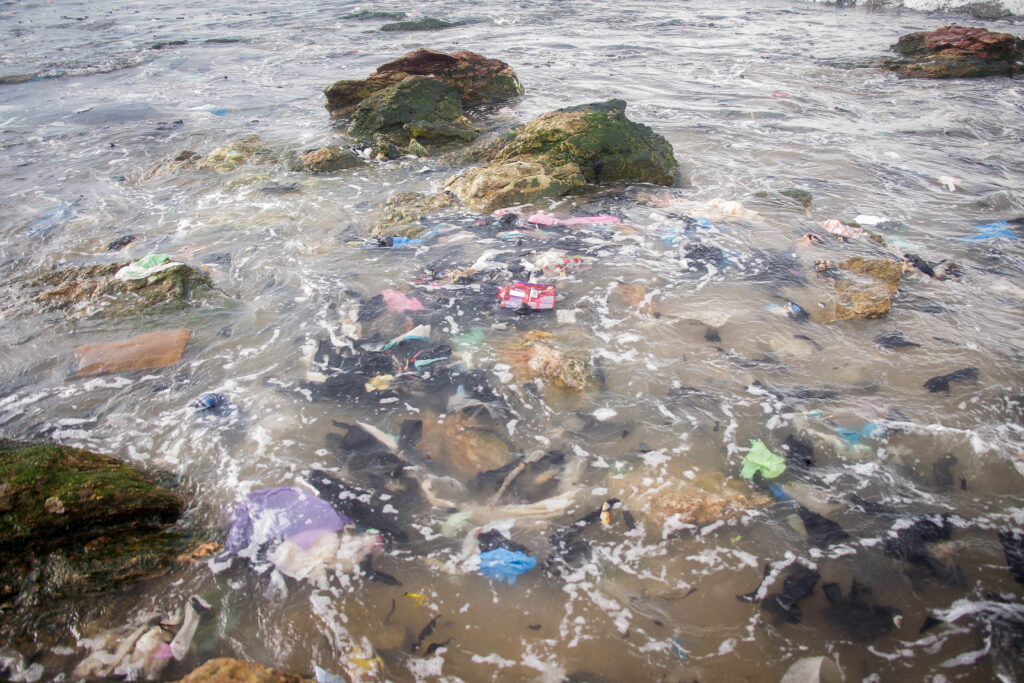
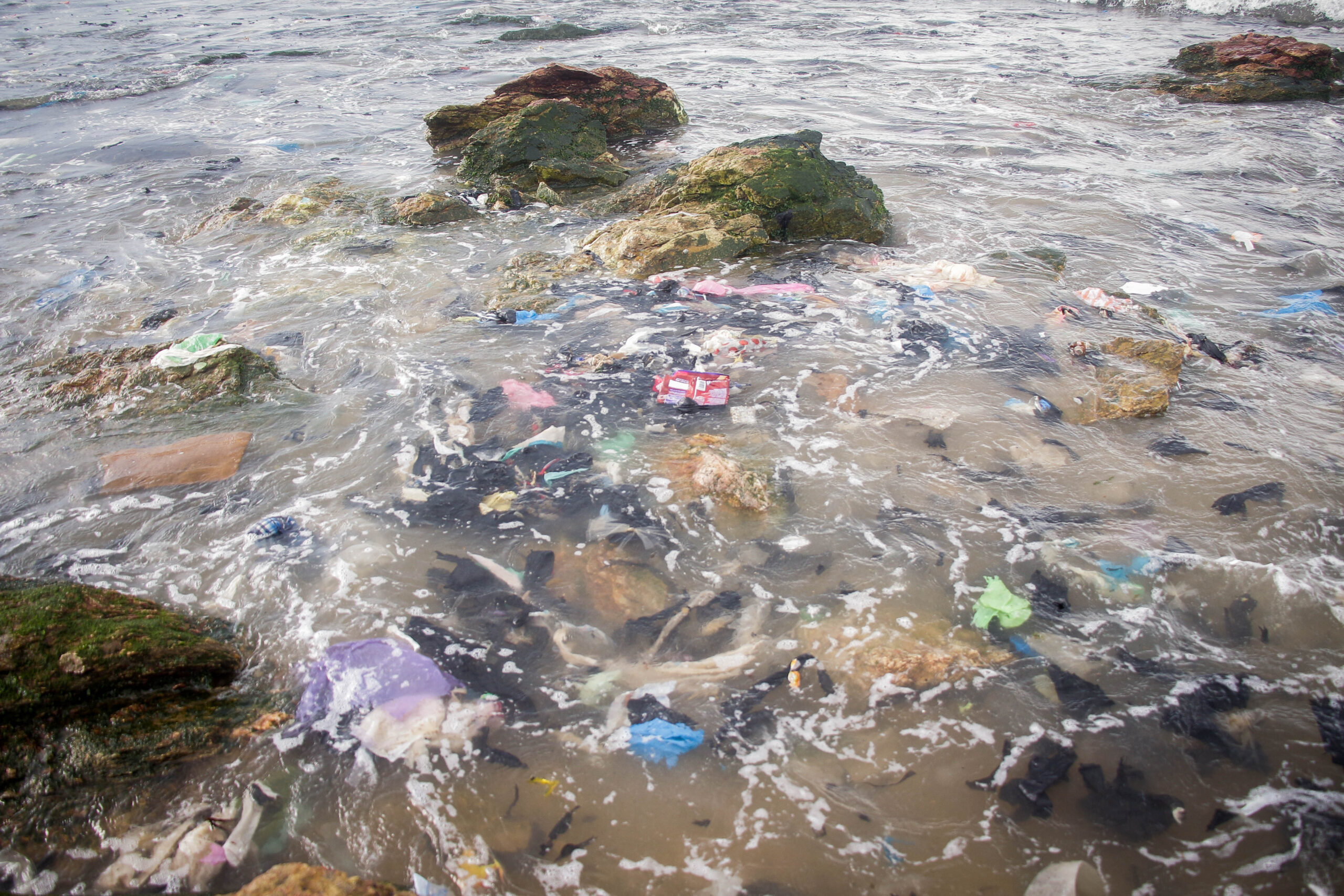
Synthetic clothing sheds countless tiny plastic fibers during routine washes, channeling them from household drains into global waterways and marine habitats.
One Wash Cycle Unleashes a Fiber Storm
One Wash Cycle Unleashes a Fiber Storm (Image Credits: Upload.wikimedia.org)
Researchers determined that washing a load of polyester garments discharges as many as 700,000 microplastic fibers into wastewater. These minuscule threads, smaller than a human hair, originate from fabrics like polyester, nylon, and acrylic. Friction and agitation in the machine break them loose, and standard wastewater treatments capture only a fraction before they reach rivers and seas. Microfibers now rank among the primary sources of ocean microplastics.
Global estimates highlight the scale: billions of fibers enter waterways annually from laundry alone. Fleece items and loose-weave synthetics shed the most, especially in initial washes. Even advanced facilities remove up to 99 percent, yet the sheer volume ensures survivors persist in effluents discharged to the environment.
Microfibers Disrupt Ocean Food Webs
Marine organisms from plankton to fish ingest these fibers, mistaking them for food. The particles accumulate in digestive tracts, reducing nutrient absorption and causing starvation-like effects. Predators higher in the chain consume contaminated prey, magnifying bioaccumulation across ecosystems.
Recent studies revealed further consequences. Microplastics interfere with plankton and microbes essential for carbon sequestration, potentially weakening the ocean’s role in climate regulation. Densities reach alarming levels in sediments, particularly in mangroves and Asian coastal zones, where they exceed safe thresholds for wildlife. Long-term, these invaders alter biodiversity and taint seafood supplies.
Proven Strategies to Trap Fibers at Home
Households can intervene directly. Natural fibers like cotton and wool shed far less than synthetics and degrade naturally if released. Secondhand purchases minimize early-wash shedding, while tight weaves outperform fleeces.
Wash in cold water to limit fiber release, as heat accelerates breakdown. Full loads reduce agitation per garment compared to partial ones. Skip delicate cycles, which use excess water and amplify shedding. Air-drying avoids dryer lint escape, and wool balls replace plastic sheets.
- Install washer filters like Lint LUV-R, capturing up to 87 percent of fibers.
- Use microfiber-catching bags such as Guppyfriend for partial loads.
- Opt for powder or bar detergents over plastic-packaged liquids.
- Wash less frequently to extend garment life and cut total releases.
- Choose front-loading machines, which tumble more gently.
- Buy pre-worn clothes to bypass peak shedding phases.
- Employ laundry balls like Cora Ball for snag-free capture.
Key Takeaways
- A single synthetic load sheds hundreds of thousands of fibers; filters and habits cut this dramatically.
- Marine life suffers ingestion and chain contamination; reducing sources protects ecosystems.
- Simple shifts like cold washes and natural fabrics yield outsized environmental gains.
Laundry microplastics exemplify everyday actions’ outsized ocean impact, yet targeted changes empower individuals to stem the flow. Collective adoption could drastically lower marine burdens. What laundry tweak will you try first? Tell us in the comments.