If you think you know what a dinosaur looks like, think again. You probably picture something scaly, aggressive, and enormous. Maybe you imagine the T. rex or the Triceratops – the usual pop culture suspects. What you probably don’t picture is a dinosaur with a vacuum cleaner for a face, another covered in bone spikes fused directly to its skeleton, or one that somehow grew bat wings instead of bird wings.
The prehistoric world was far more diverse and peculiar than blockbuster movies suggest. Some dinosaurs evolved truly bizarre shapes, odd behaviors, and unexpected adaptations – the kind that make you wonder how they even worked. The more paleontologists dig, literally and figuratively, the stranger the story gets. So hold on, because what you’re about to learn about these seven creatures may permanently change the way you think about ancient life on Earth. Let’s dive in.
Nigersaurus: The Dinosaur That Evolved a Vacuum Cleaner for a Mouth
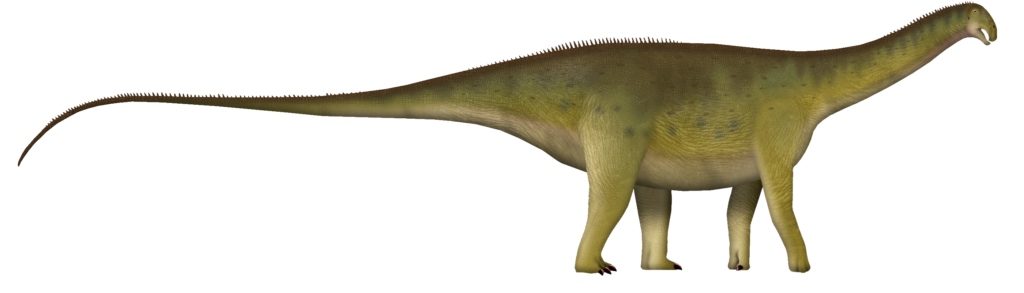
Imagine a sauropod – one of those long-necked giants – that decided to throw out the rulebook entirely. Nigersaurus was a 30-foot-long sauropod from the Cretaceous period that had a unique skull with over 500 teeth. Known as the “Mesozoic Cow,” it had a wide, vacuum cleaner-like muzzle, where its teeth were constantly replacing themselves. Let’s be real: when a respected paleontologist calls something the weirdest dinosaur he has ever seen, you know you’re dealing with something truly special.
It had a wide muzzle filled with more than 500 teeth, which were replaced at a rapid rate: around every 14 days. Think about that. You struggle to remember to floss, and this creature was cycling through an entire new set of teeth every two weeks like it was changing its socks. Nigersaurus likely used its dental batteries to efficiently process low-lying plants like ferns and horsetails, which it gathered with its wide muzzle. It likely fed at ground level due to its short neck, and its teeth would have worn out quickly from shearing through tough vegetation. It wasn’t browsing the treetops like its sauropod cousins. It was down in the dirt, grazing like a prehistoric lawnmower.
Spinosaurus: The Giant Predator That May Have Gone Swimming
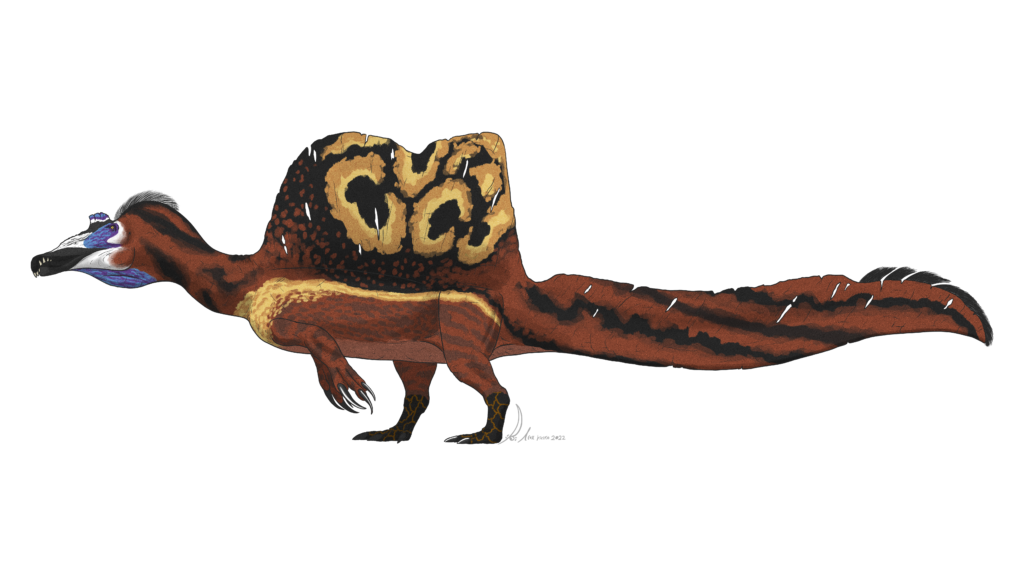
Here’s the thing about Spinosaurus – it’s already the largest known carnivorous dinosaur that ever lived, bigger than T. rex. The North African carnivorous theropod Spinosaurus, with its huge dorsal sail and a body larger than Tyrannosaurus rex, has long stood out. You’d think that being the heavyweight champion of prehistoric predators would be enough. Apparently not, because Spinosaurus also decided to develop a completely different lifestyle from every other giant theropod.
A team argued that Spinosaurus spent almost its entire life in the water. They pointed to the animal’s bizarre anatomy: short hind legs, a massive paddle-like tail, and incredibly dense bones. Heavy bones help aquatic animals like manatees and penguins overcome buoyancy and dive deep. The scientific debate around this animal is still fiercely alive in 2026. The findings pull back the curtain on a bizarre prehistoric ecosystem, but also add fresh fuel to a heated, decade-long debate in the paleontology community. Were these massive theropods agile aquatic swimmers, or did they stalk the shorelines like terrifying, overgrown wading birds? Honestly, either answer is wild.
Yi Qi: The Dinosaur That Evolved Bat Wings Instead of Bird Wings
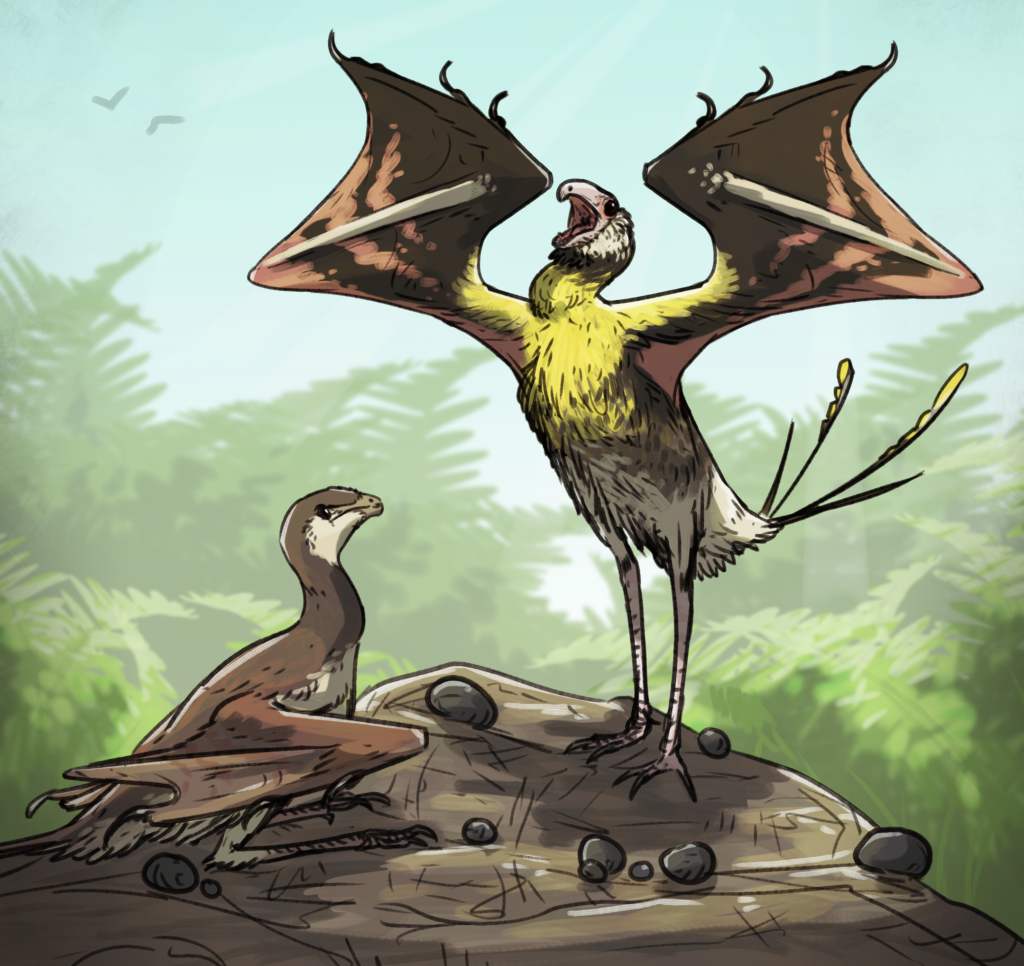
Evolution, as a general rule, tends to try the same successful tricks over and over. Feathered wings worked. They gave rise to every bird alive today. So what on Earth was Yi qi thinking? While most feathered dinosaurs were busy evolving towards the bird body plan we recognize today, Yi qi took a completely different detour. Yi qi was a small, feathered dinosaur from China with membranous wings supported by a long rod-like bone extending from its wrist. Instead of feathered wings like a bird, it had bat-like structures that may have allowed it to glide.
This design is entirely different from feather-based wings seen in birds and many other dinosaur species. The extraordinary anatomy suggests that dinosaurs experimented with multiple forms of aerial locomotion. Rather than representing a direct ancestor of modern birds, Yi qi appears to be the result of a separate evolutionary pathway, one that may have been short-lived. Its name means “strange wing” in Chinese, which is the most perfectly accurate name in the history of paleontology. Yi qi represents an evolutionary dead end – its membrane wing design never caught on in the long run, while feathered wings went on to produce every bird alive today. It’s a reminder that evolution doesn’t always pick the most obvious solution, and sometimes it tries something completely bonkers before circling back.
Pachycephalosaurus: The Dinosaur With a Head Like a Bowling Ball
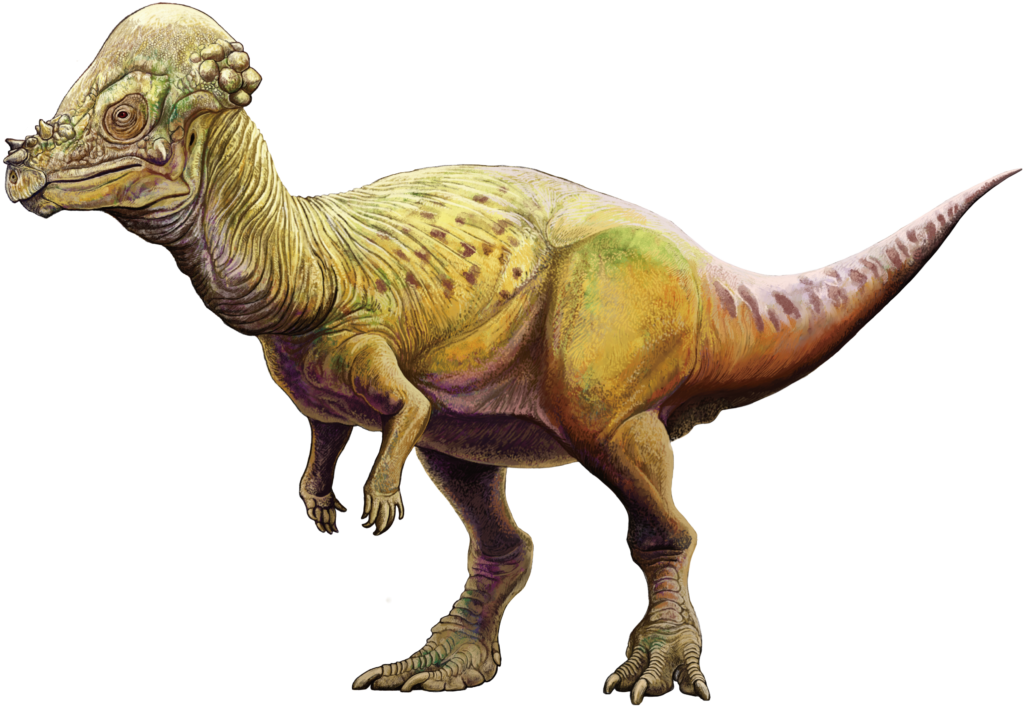
If you grew up watching Jurassic Park, you probably think Pachycephalosaurus used its enormous domed skull to smash rivals headfirst, like a prehistoric bighorn sheep. I hate to break it to you, but science has complicated that story considerably. Pachycephalosaurus is famous for having a large, bony dome on top of its skull, up to 25 cm (10 in) thick, which safely cushioned its brain. The dome’s rear aspect was edged with bony knobs and short bony spikes projected upwards from the snout. So yes, this thing had an extravagantly armored skull. The question is: what for?
The suggestion has been made that this forehead swelling served as protection against the impact of head-butting activities, but microscopic studies of the bone structure of these thick domes suggest that they are poorly designed to divert stresses away from the braincase. Also, the great variety of pachycephalosaur domes – from thin, flat skull tops to pointed ridges with large spikes and knobs – suggests no single function in defense or combat. So you had a dinosaur investing enormous biological energy into growing a skull that was, by some accounts, 20 times thicker than a normal dinosaur skull, for reasons scientists still genuinely argue about. Flank-butting remains a possibility in some species, but a more likely function in most was species recognition or display. Evolution really does have a sense of humor.
Therizinosaurus: The Terrifying Claws That Belonged to a Plant-Eater
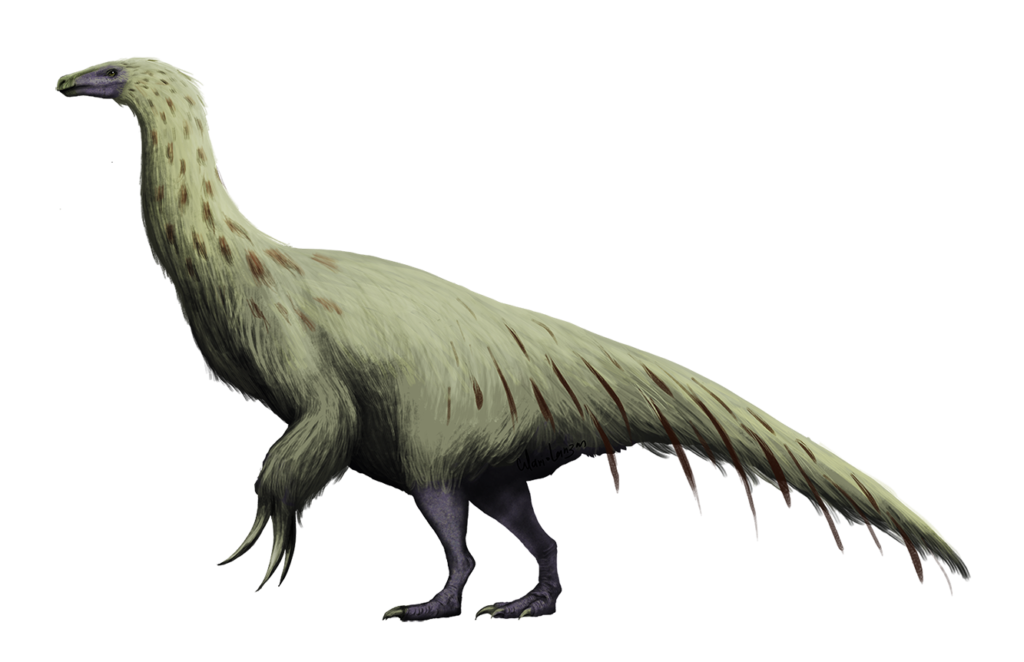
When the fossilized claws of Therizinosaurus were first discovered in Mongolia in the 1940s, scientists were so confused they initially thought they belonged to a giant turtle. That’s how strange this animal was. Therizinosaurus was a very unusual dinosaur that lived during the Late Cretaceous Period, about 70 million years ago in what is now Mongolia. It is best known for its gigantic, scythe-like claws on each hand, which could reach up to 1 meter (about 3 feet) long! Although it looked fierce, Therizinosaurus was likely a gentle giant.
Here’s the deeply unsettling part. Those nightmare-inducing, meter-long claws didn’t belong to a predator. Despite being a theropod – a group known mostly for carnivores – Therizinosaurus shows many adaptations for herbivory. It lacked the sharp teeth and powerful jaws of meat-eating theropods and had a body structure suited for a plant-based diet. The claws of Therizinosaurus were likely used for defense, display, and feeding. Although they look intimidating, their shape and structure suggests they weren’t ideal for slashing prey. They may have been used to scare predators, attract mates, or pull vegetation. Imagine a panda bear with three-foot samurai swords for fingernails. That’s essentially what roamed Cretaceous Mongolia.
Spicomellus: The Ankylosaur Whose Bone Spikes Defied All Logic
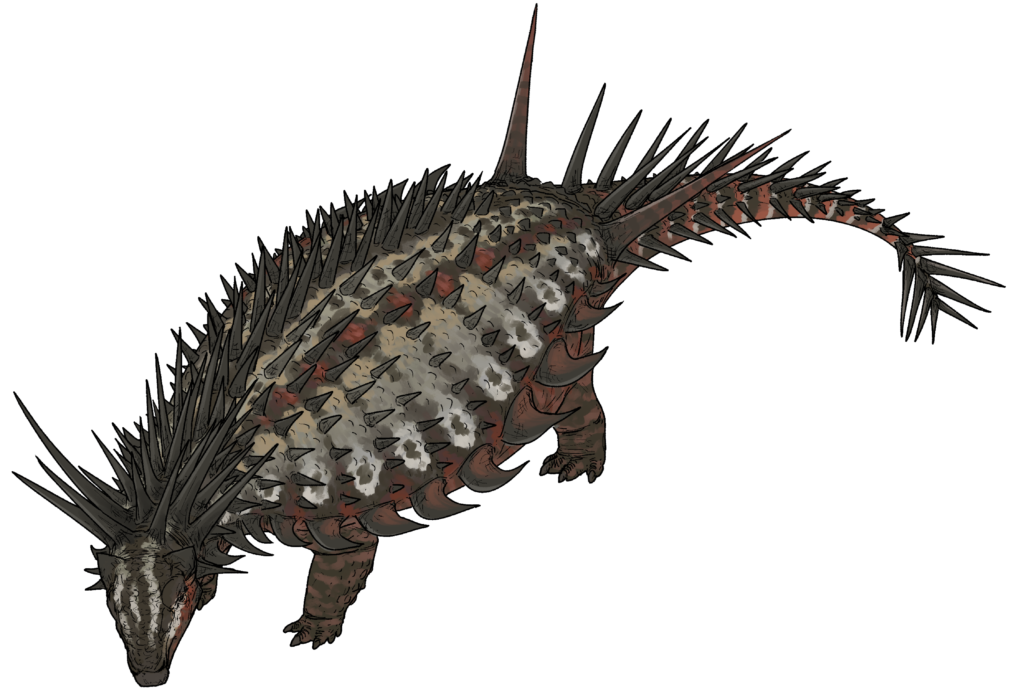
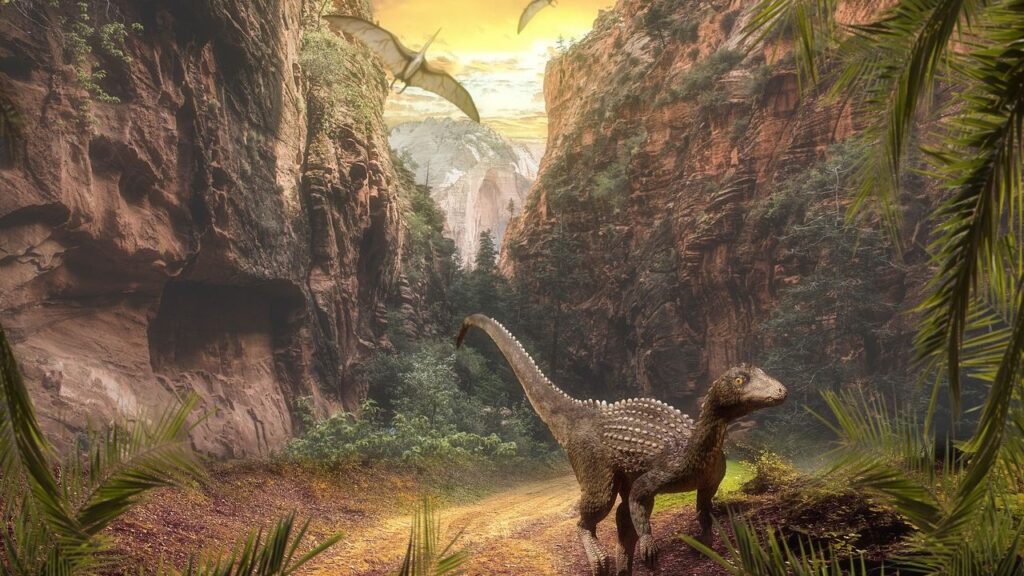
Most armored dinosaurs are strange enough on their own – walking fortresses covered in plates and clubs. Then along came Spicomellus afer, and scientists realized they had been dramatically underestimating how bizarre things could get. While the bones of Spicomellus afer were already unlike any known animal, newly discovered fossils have revealed that its entire skeleton was covered in extraordinary bone spikes measuring up to a metre long. A metre-long spike. Fused directly to its bones.
The most unusual feature of Spicomellus are the characteristics that gave the dinosaur its name – its spikes. While these structures aren’t that unusual in living or extinct reptiles, they’re usually embedded in the skin. Many of Spicomellus’ spikes, however, are fused to its bones. This is completely unlike any animal living or dead, and raises real questions about how this animal moved. The researchers were candid about just how baffling this creature is. Normally, bones like the ribs are used for muscle attachment, but because of the spikes it’s hard to tell where the muscles could have gone. It’s hard to say for sure how Spicomellus got around at all, and scientists openly admit they have very little idea. That’s a remarkable thing to say about a dinosaur whose fossils we actually possess.
Alvarezsaurs: The Tiny Dinosaurs That Shrank Before They Got Weird
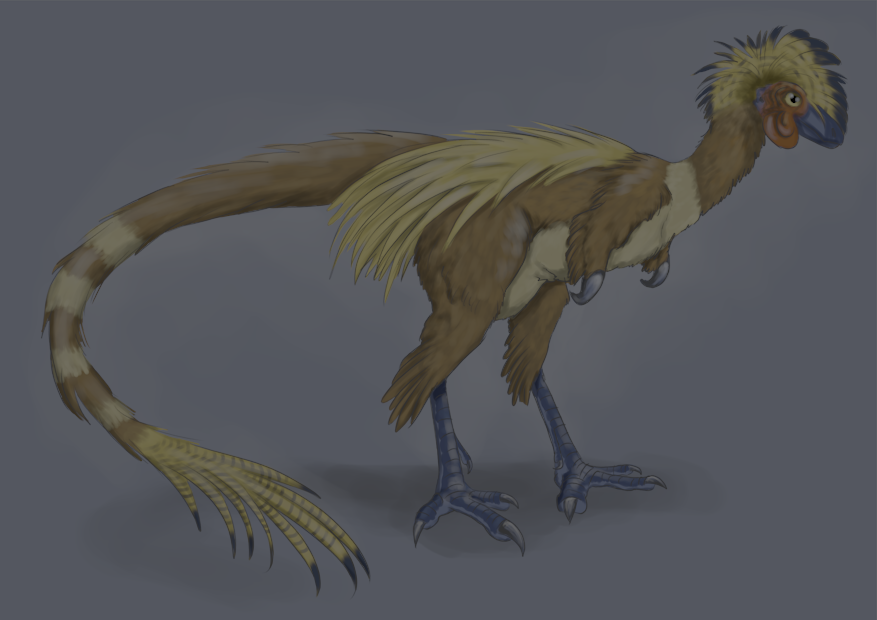
You might assume that strange adaptations come first, and then body size adjusts around them. The alvarezsaurs flipped that assumption completely on its head. Findings published in the peer-reviewed journal Nature describe a nearly complete skeleton of Alnashetri cerropoliciensis. This dinosaur belonged to a peculiar group of bird-like theropods called alvarezsaurs. These animals are known for their tiny teeth and unusually short arms that end in a single enlarged thumb claw. A single thumb claw. Everything else, reduced to almost nothing.
By the Late Cretaceous, these dinosaurs had evolved short arms tipped with a single oversized claw, tiny teeth, and heightened senses. Taken together, the features suggest they were myrmecophagous, specialists in the consumption of ants and termites. But how this peculiar group spread across continents and evolved into such unusual forms has long been a mystery. The 2026 research from the University of Minnesota revealed something even more fascinating. The fossil shows that some alvarezsaurs became tiny before they evolved the highly specialized anatomy often associated with insect eating. So shrinking in body size may have preceded the development of their unusual forelimbs and feeding adaptations. It’s a subtle shift in the narrative, but it changes how scientists think about the group’s evolution. Instead of small size being the end result of specialization, it may have been an earlier step along the way. They went small first, and then got strange. Nobody really saw that coming.
Conclusion
When you look at these seven creatures together, a clear picture emerges: evolution had absolutely no obligation to play it safe. Bizarre structures in dinosaurs have four main traditional explanations: mechanical function, sexual selection, social selection, and species recognition. Yet for many of these adaptations, none of those explanations fully satisfies. The vacuum-cleaner mouth, the fused bone spikes, the bat wings, the bowling ball skull – these are features that challenge our assumptions about what is necessary or even possible in the natural world.
The fossil record keeps delivering surprises, and paleontologists are still only scratching the surface of what lived alongside the giants we all grew up drawing in school notebooks. Every new discovery seems to rewrite the rules we just finished writing. Dinosaurs weren’t just giant monsters frozen in time. They were dynamic, experimental, and sometimes gloriously absurd. The next time someone tells you they know what dinosaurs were like, you now know enough to raise an eyebrow. What adaptation from this list surprised you the most? Tell us in the comments below.