Have you ever wondered what ancient civilizations once thrived on American soil thousands of years before European settlers arrived? The prehistoric wonders of the United States tell stories that stretch back millennia, revealing complex societies that built massive earthworks, sophisticated cliff dwellings, and mysterious ceremonial centers. These ancient structures challenge everything you might think you know about early Native American cultures. From enormous serpent-shaped mounds to entire cities that rivaled medieval London in size, you’re about to discover places that will completely change how you view American history.
Mesa Verde National Park, Colorado
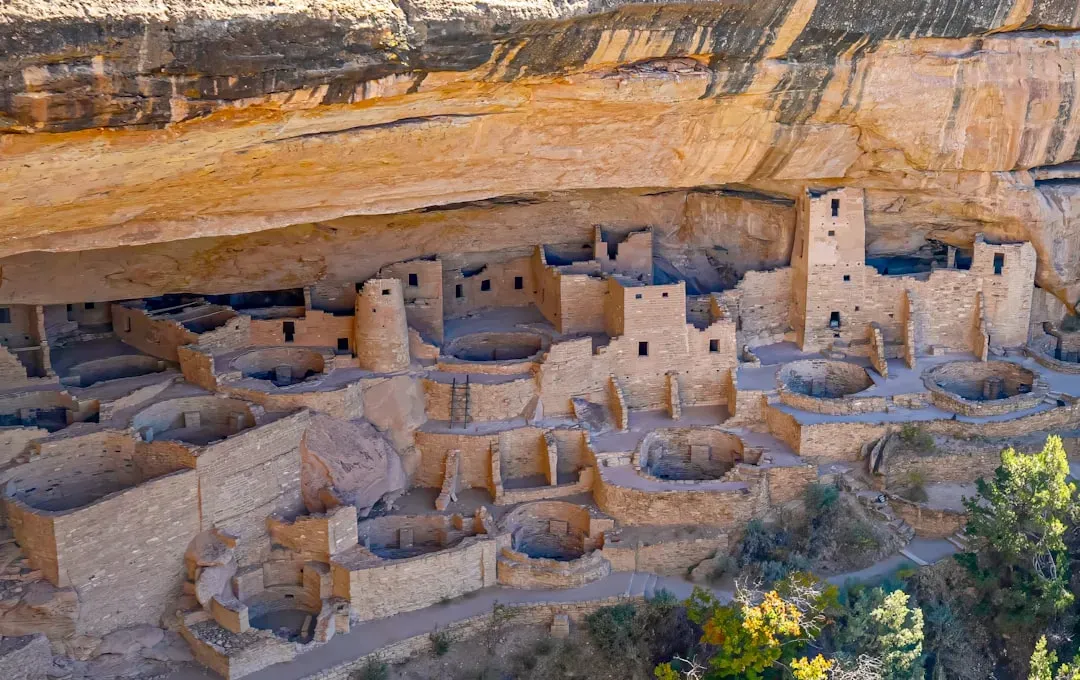
Cliff Palace stands as the largest cliff dwelling ever constructed in North America, built and refurbished between 1190 and 1260 by Ancestral Puebloans, housing approximately 100 people in 150 rooms. You can visit it today in Mesa Verde National Park, which holds another 600 smaller dwellings within its 52,485 acres. The sheer ingenuity required to construct these elaborate stone structures into the side of steep canyon walls is almost hard to comprehend.
Walking through Mesa Verde feels like stepping into a time machine. The cliff dwellings were built by the Ancestral Puebloans between the 6th and 13th centuries CE, and these impressive stone structures, including Cliff Palace, Balcony House, and Spruce Tree House, provide valuable insights into the daily lives, architecture, and cultural practices of the ancient Puebloan people. Mesa Verde was designated a UNESCO World Heritage Site in 1978 in recognition of its outstanding cultural and historical significance.
Cahokia Mounds, Illinois
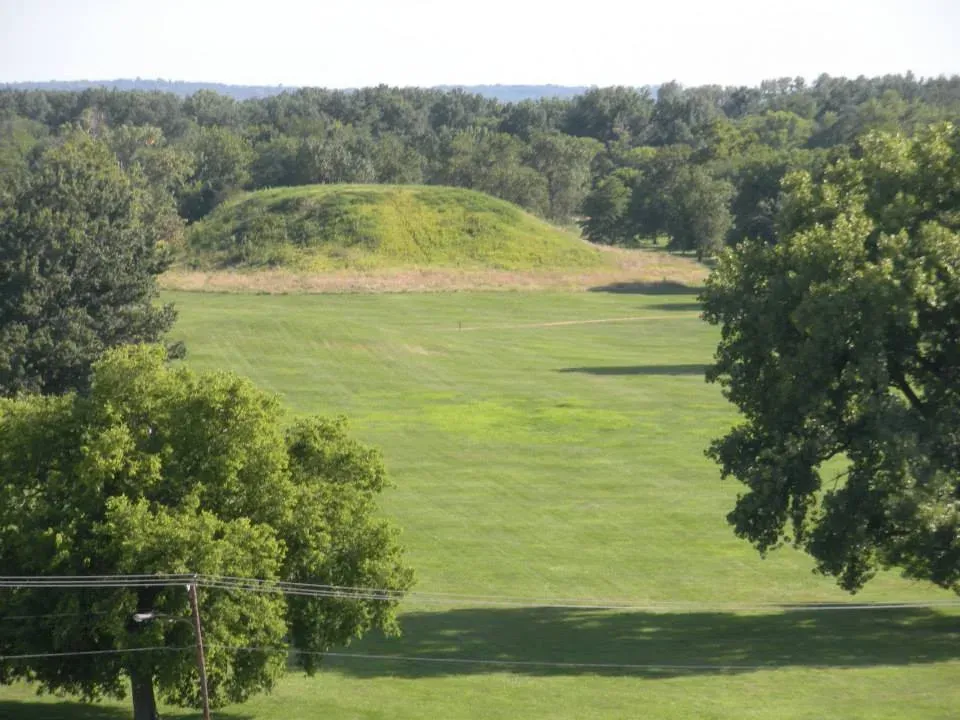
Let’s be real, most people have never even heard of Cahokia, yet the Mississippian city of Cahokia likely boasted a larger population than London around the year 1000. At its apex around 1100 CE, the city covered about 6 square miles, included about 120 earthworks in a wide range of sizes, shapes, and functions, and had a population of between 15,000 and 20,000 people. The city’s centerpiece, Monks Mound, remains absolutely mind blowing.
The mound sits beside a 50-acre public plaza and is the largest mound in North America, with a base larger than the Great Pyramid of Giza or the Pyramid of the Sun at Teotihuacan in Mexico. The city appears to have been carefully planned around 1000 A.D., with a rectangular-shaped Grand Plaza whose core design mirrors the native vision of the cosmos, and from the beginning, the city’s builders had grandiose visions of what Cahokia would be. Cahokia is one of the 26 UNESCO World Heritage Sites within the United States.
Chaco Canyon, New Mexico
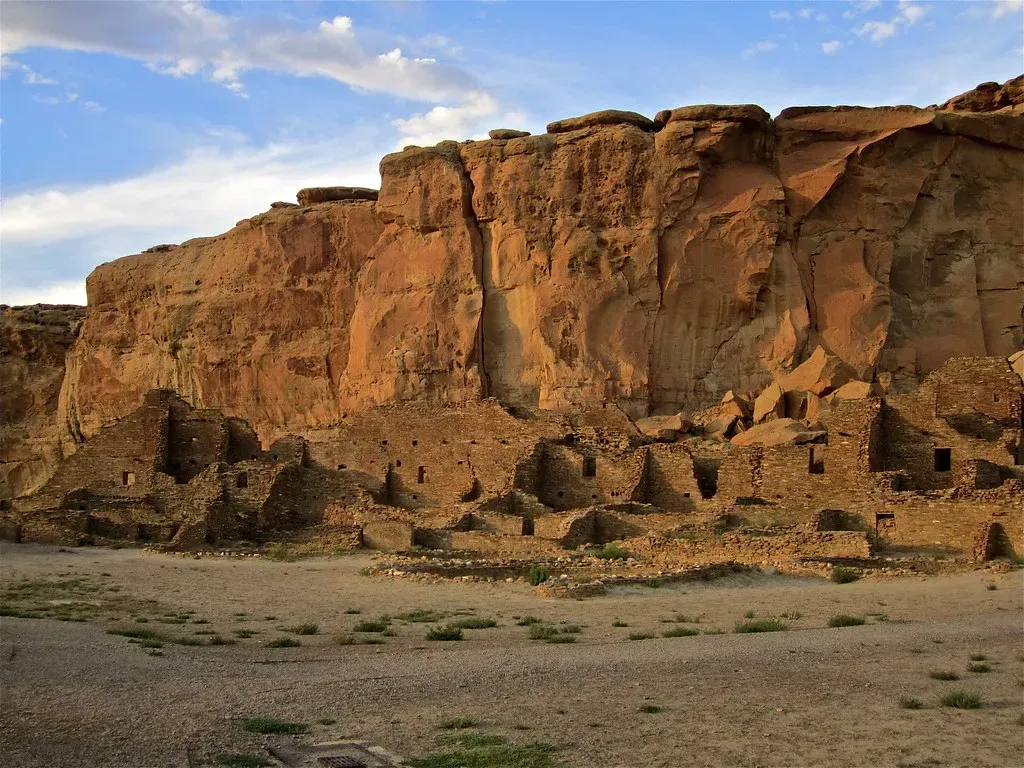
Chaco Canyon contained the largest buildings in the United States until the 19th century. The largest of these, Pueblo Bonito, covers 3 acres and contains close to 800 rooms. The sheer scale of construction happening in this remote desert location over a thousand years ago continues to baffle researchers. Think about it: we’re talking about engineering feats achieved without modern tools or transportation.
Here’s the thing, though. Archaeological and climatic research suggests that Chaco may have been intended more as a gathering place for religious ceremonies than an attempt to build a large permanent settlement, and the design and alignment of many of the buildings suggest that solar and lunar cycles played a significant role in their construction. Chaco Canyon was the center of the Ancestral Puebloan culture, and its ruins and roads offer insight into early American society.
Poverty Point, Louisiana
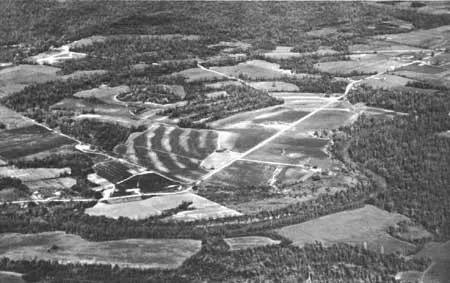
More than 3,000 years ago, an ancient American civilization known only as the Poverty Point culture constructed a gigantic, multi-rowed half circle of earthen mounds over a span of 910 acres near the Mississippi River flood plain in Louisiana. Bird Mound, the largest of them all, is believed to have been constructed in only one to three months, and something so monumental could be achieved this fast without wheeled carts or domesticated animals. Honestly, it sounds crazy, but the evidence is undeniable.
What makes Poverty Point even more remarkable is the culture behind it. The Poverty Point Culture consisted of Native American hunter-gatherers with a massive trade network, the most extensive trade network in North America at that time, and due to the population, estimated at hundreds if not thousands, Poverty Point has a claim to be the first American city. The site has been designated as a state historic site, U.S. National Monument, a U.S. National Historic Landmark, and UNESCO World Heritage Site.
Serpent Mound, Ohio
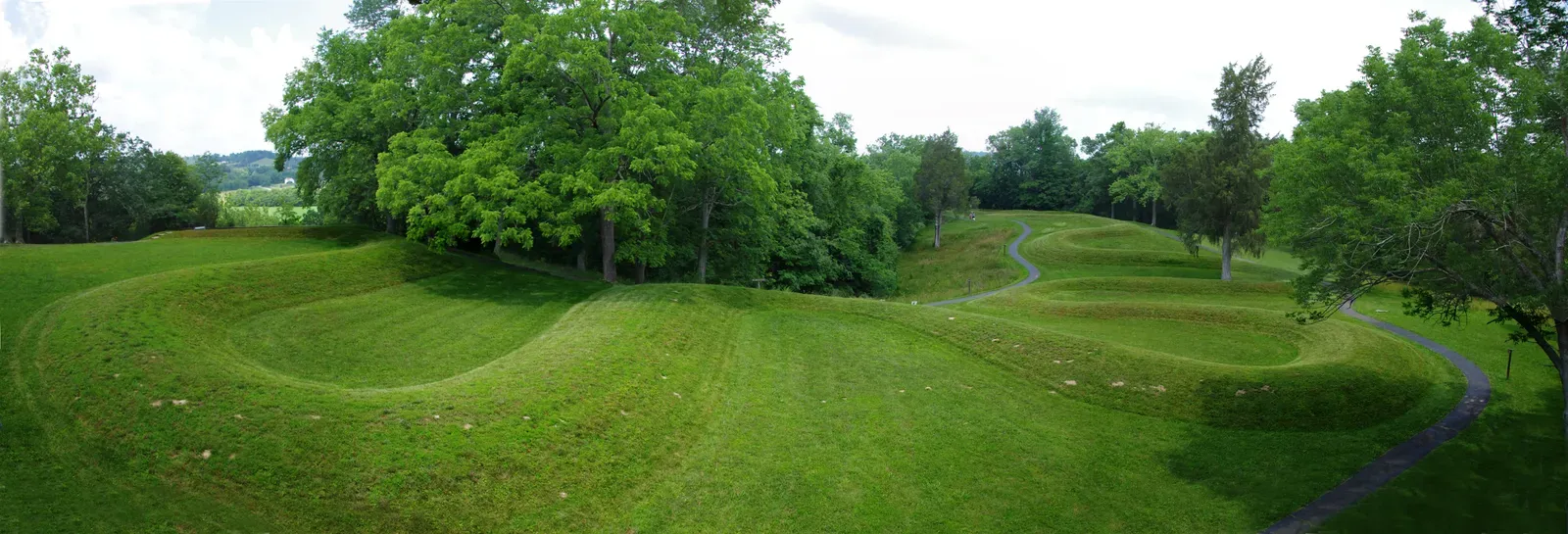
Serpent Mound in Adams County is the world’s largest surviving effigy mound, a prehistoric earthwork in the shape of a serpent, stretching approximately 1,348 feet in length, winding gracefully atop a plateau overlooking Ohio Brush Creek. Its origins remain a subject of scholarly debate, with estimates placing its construction between 1000 BCE and 1070 CE. The serpent’s sinuous curves create an artistic masterpiece that can only truly be appreciated from above.
The head of the serpent aligns with the summer solstice sunset while the tail points to the winter solstice sunrise, and ancient peoples may have used the structure to mark time or seasons. The mound’s precise purpose is unknown, but its design suggests significant ceremonial or cosmological importance. Harvard University archaeologist Frederic Ward Putnam excavated Serpent Mound, but he found no artifacts in the Serpent that might allow archaeologists to assign it to a particular culture, and later archaeologists attributed the effigy to the Adena culture that flourished from 800 B.C. to A.D. 100.
Montezuma Castle, Arizona
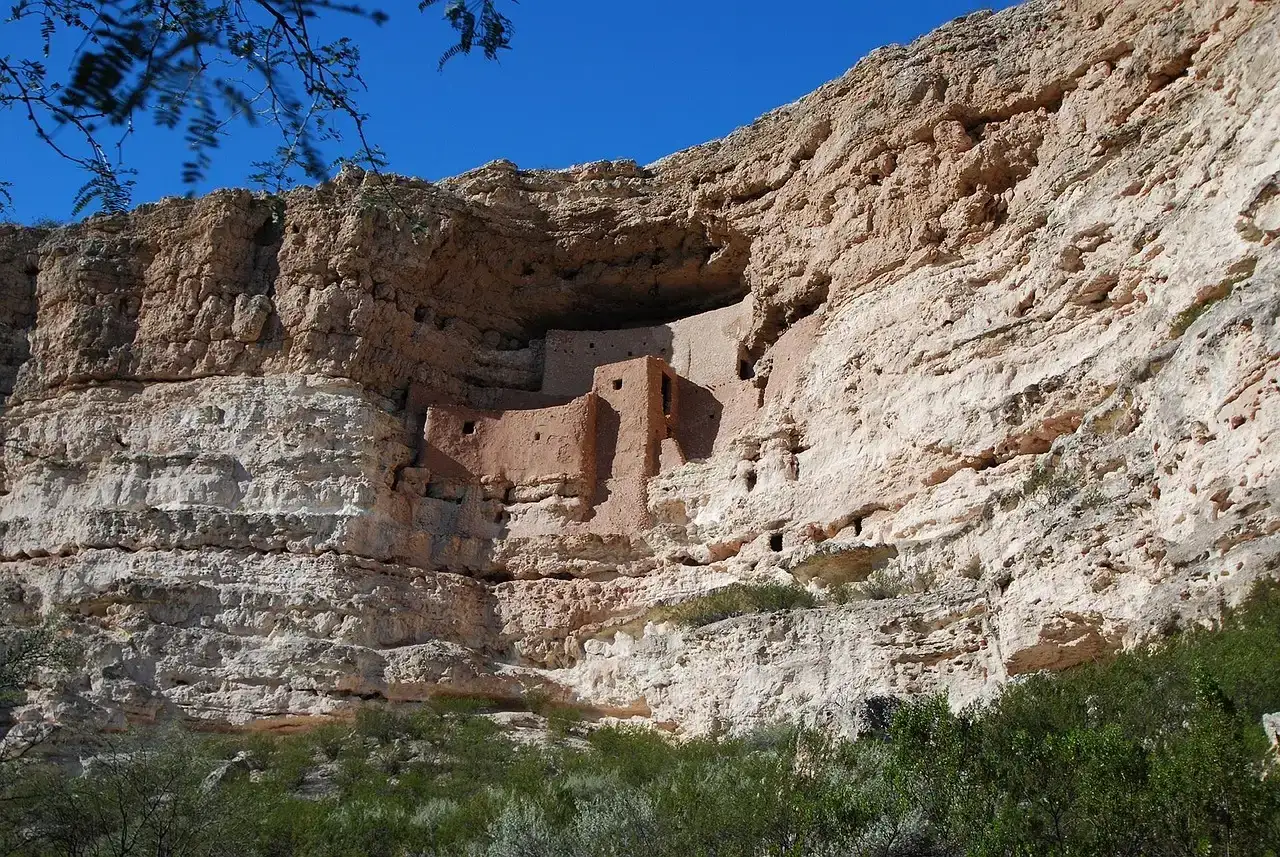
The Sinagua people erected this incredible prehistoric high rise apartment complex sometime between 1100 and 1425, featuring at least forty rooms and 4,000 square feet of floor space erected 90 feet up into a sheer limestone cliff. Montezuma Castle was used as an abode with 20 rooms, built and occupied by the Sinagua people believed to have lived here from AD 1100 to 1425. The location alone is breathtaking.
It was among the first four sites given the designation National Monument in 1906, and for decades visitors could access it via a series of cliffside ladders. Now, to prevent further damage, it can only be viewed from the ground. The site includes further dwellings around Montezuma Well, six miles from the castle, some of them more than 1,000 years old. Standing below and looking up at this architectural marvel, you can’t help but marvel at the determination and skill of its builders.
Bighorn Medicine Wheel, Wyoming
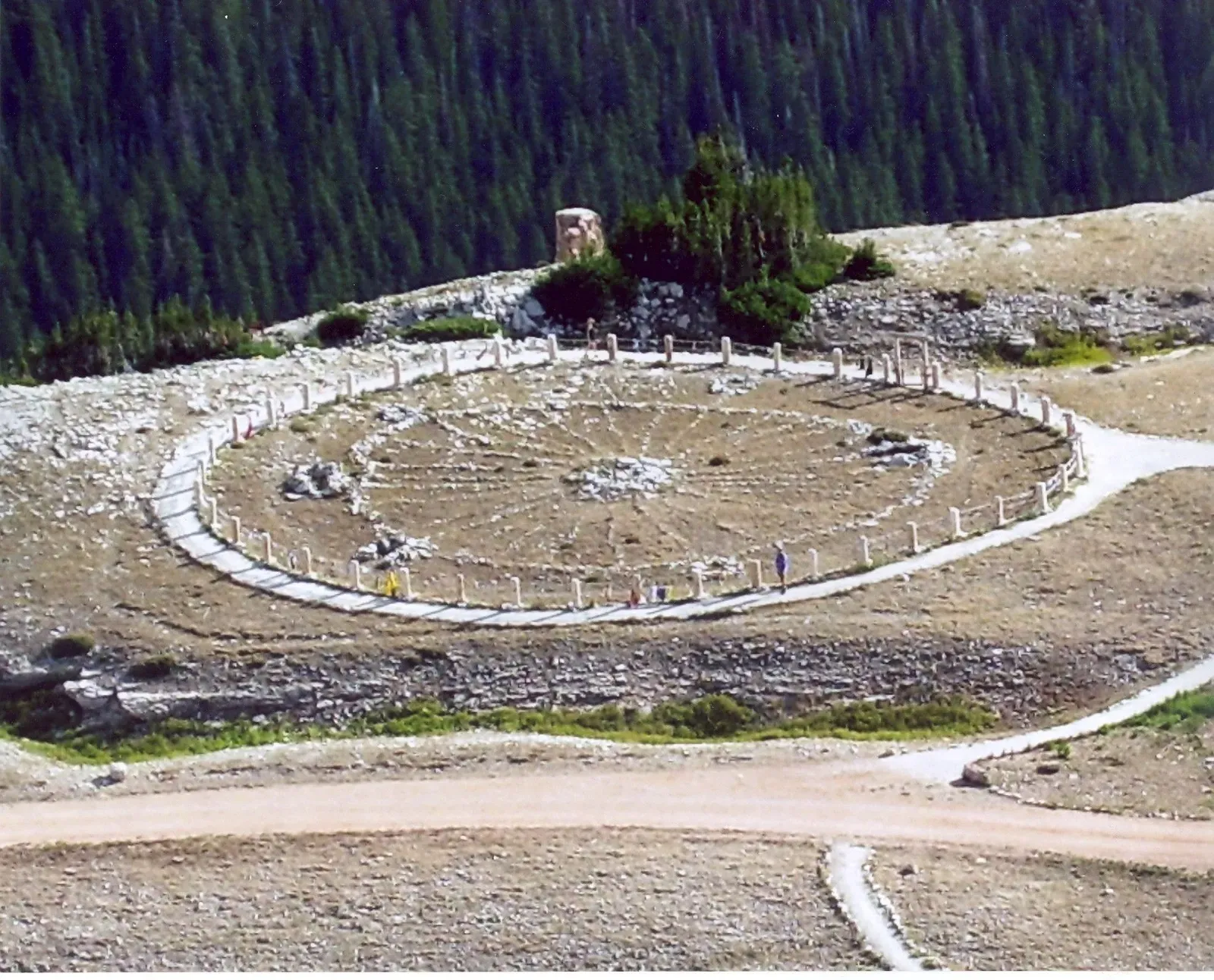
Bighorn Medicine Wheel in northern Wyoming’s Bighorn National Forest is shrouded in snow through the winter months, and in summer, the snow melts away to reveal limestone rocks scattered in a wheel shape, with spokes encased in a large circle. Experts have dated the mountaintop site to at least as far back as AD 1300, and it forms part of a chain of Native American archaeological sites up to 7,000 years old, with the pattern thought to have been used to predict astronomical events such as the summer solstice, though the truth remains something of an enigma.
The mountain setting adds to its mystique. Some of the wheel’s spokes pinpoint the direction of the sunrise on different solstices, and other spokes mark the rising point of other stars, suggesting the site may have once been an observatory. Visiting this remote location requires effort, but reaching the wheel and experiencing its tranquil atmosphere makes the journey worthwhile. The connection between earth and sky feels palpable here, reminding you just how sophisticated ancient astronomical knowledge truly was.
Conclusion
These seven prehistoric sites offer you a fascinating window into the diverse and complex civilizations that flourished across North America long before recorded history. From the architectural genius displayed at Mesa Verde to the urban planning sophistication of Cahokia, each location challenges outdated assumptions about ancient American cultures. These weren’t simple societies but rather thriving communities with advanced understanding of astronomy, engineering, and social organization.
Whether you’re drawn to the mysterious serpent effigy in Ohio or the astronomical alignments of Chaco Canyon, these sites provide tangible connections to ancestors who shaped this continent’s history. They remind us that American history didn’t begin with European arrival but stretches back thousands of years through countless generations of indigenous peoples. Which of these incredible sites will you visit first? The past is waiting to share its secrets with you.