You’d think that by 2026, with satellites, ground-penetrating radar, DNA analysis, and every technological trick in the book, we’d have answered most of the big questions about ancient human settlements. Yet here we are, still scratching our heads over cities that rose and fell long before any European set foot on American soil. Some of these places were enormous, sophisticated, and clearly thriving. Then, for reasons nobody can fully explain, they were simply gone.
The Americas are packed with these phantom civilizations, and honestly, the more archaeologists dig, the more questions seem to surface. From the frozen sands of Virginia to the high deserts of New Mexico to the muddy banks of Louisiana’s rivers, the evidence of deeply complex ancient peoples is everywhere. So get ready, because what you’re about to read might completely reshape how you think about “the New World.” Let’s dive in.
Cahokia, Illinois: The City That Vanished Before Anyone Could Write About It
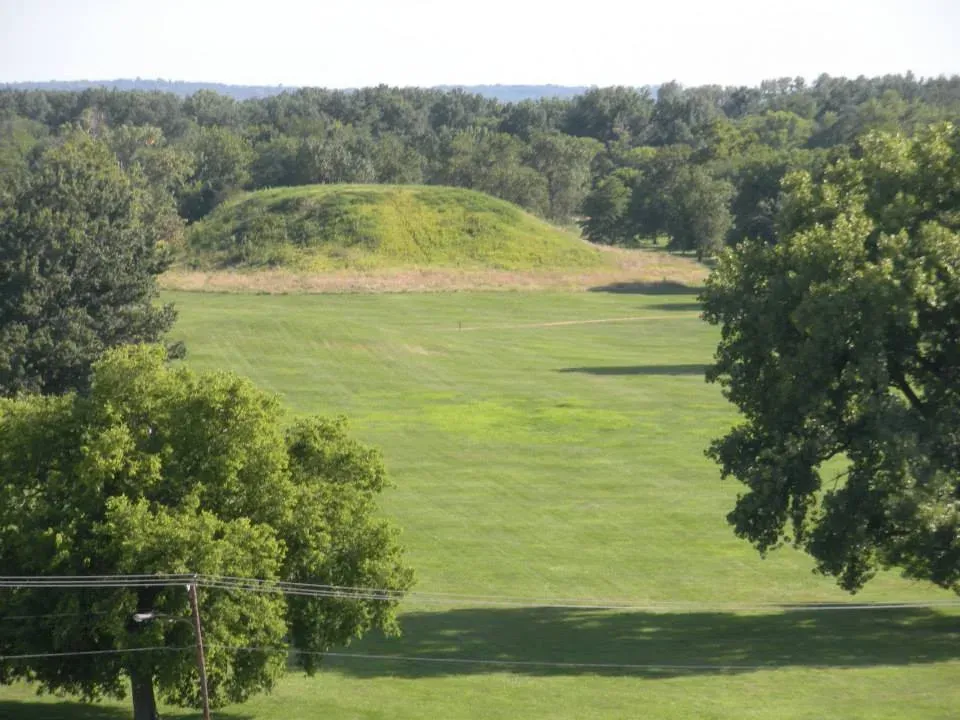
Here’s a fact that genuinely stops people in their tracks: there was once a city in what is now Illinois that may have been larger than medieval London and Paris. Established around 900 CE, the settlement remained modest for more than a century before undergoing what archaeologists call the “Cahokian Big Bang,” a period of explosive growth beginning around 1050 CE that saw its population surge to between 20,000 and 40,000 residents within just a few decades. Think about that for a moment. A North American city, fully functioning, with tens of thousands of people, more than a thousand years ago.
The park covering the site today spans roughly 2,200 acres and contains about 80 manmade mounds, but the ancient city itself was much larger. At its peak, it covered about six square miles and included approximately 120 earthworks in a wide range of sizes, shapes, and functions. Yet for all its grandeur, Cahokia’s story remains shrouded in mystery. Researchers still do not know why it incorporated so rapidly around 1050 CE, how its leaders coordinated massive construction and trade networks spanning hundreds of miles, and why, by the early 1200s, this remarkable urban settlement was abruptly abandoned.
Chaco Canyon, New Mexico: An Engineering Miracle in the Middle of Nowhere
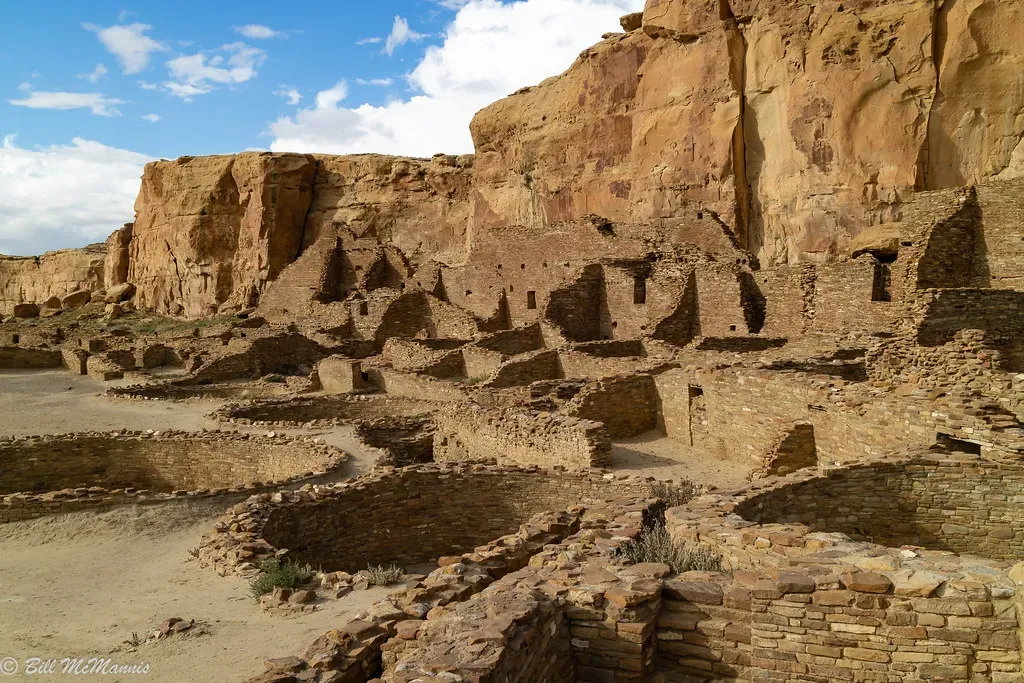
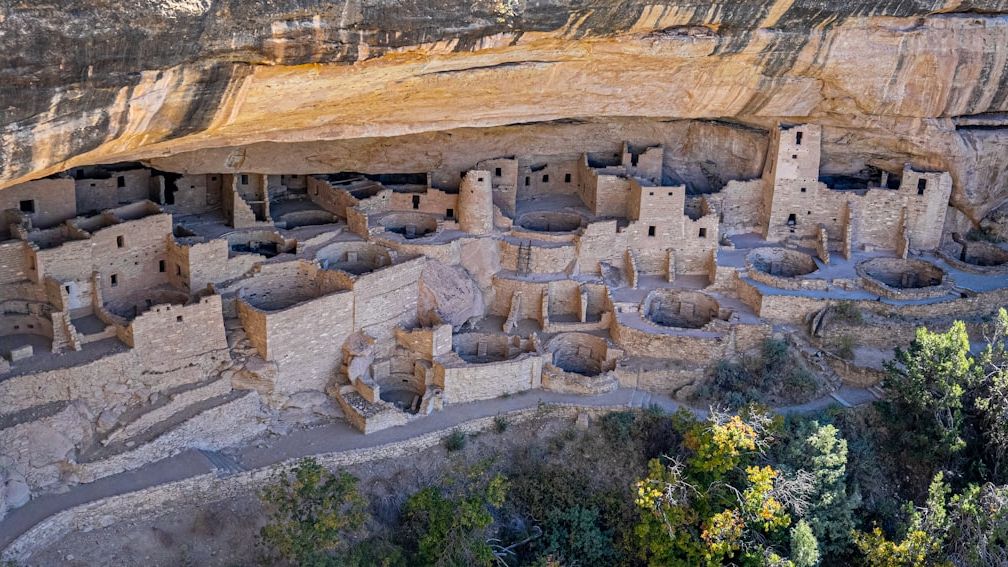
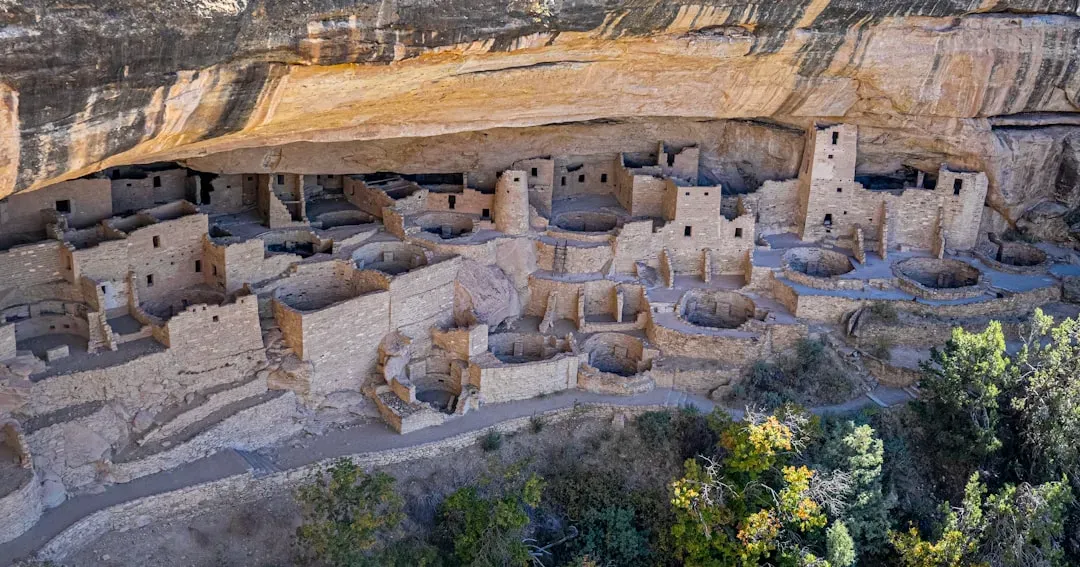
Chaco Canyon is a remarkable place. There, in a mile-high desert, one of North America’s most complex societies flourished for three centuries, from roughly 850 to 1150 CE. Honestly, it’s hard to overstate just how baffling this is. The Ancestral Puebloans built enormous multi-story structures, some reaching five stories high, in one of the harshest, most resource-scarce environments imaginable. They accomplished this without the aid of written language, the wheel, pack animals, or metal tools.
The ancestral Puebloans used more than 200,000 pieces of timber to construct their buildings, with individual log weights estimated between 185 and 605 pounds. The area around Chaco Canyon is a dry, arid climate that likely didn’t have many high-quality trees, and indeed tree-ring experts confirmed the wood was sourced from mountain ranges up to 46 miles away. Radiating out from the Chaco complex is also an enigmatic series of straight lines extending ten to twenty miles into the desert. Conventional theories explain these as roads to outlying settlements, but the lines are arrow-straight regardless of terrain, going over mesas and up and down vertical cliff faces in ways that make them utterly impractical for ordinary travel.
Poverty Point, Louisiana: A Sacred Gathering That Defies All Explanation
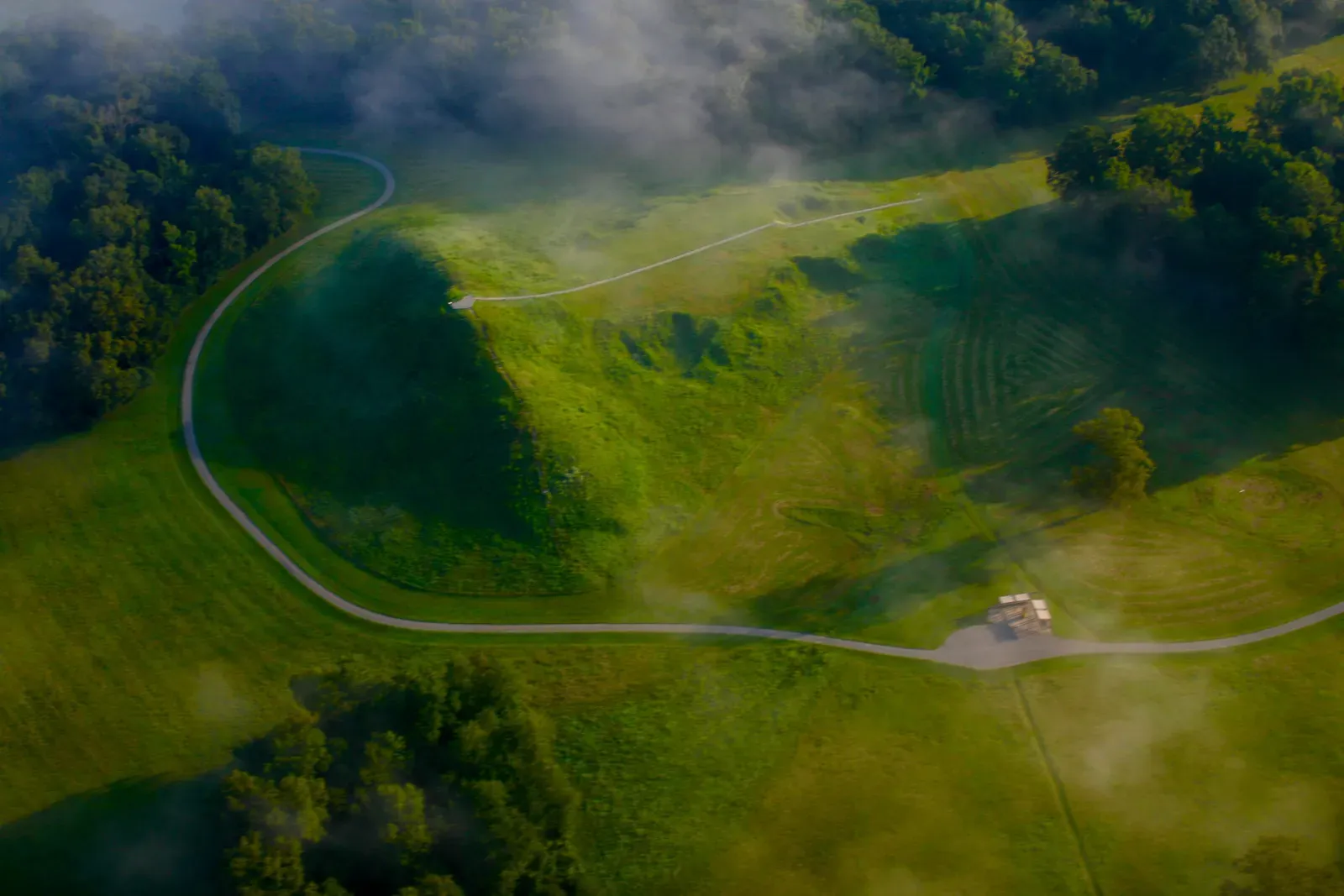
Some 3,500 years ago, hunter-gatherers began building massive earthwork mounds along the Mississippi River at Poverty Point, a UNESCO World Heritage Site in northeast Louisiana. Conservatively, they moved the equivalent of 140,000 dump truck loads of dirt, all without horses or wheels. Let that sink in for a second. No machinery. No draft animals. Just human hands, probably doing it for reasons we still don’t fully understand. Poverty Point has long been one of North America’s greatest archaeological enigmas, and recent discoveries published in 2025 challenge previous interpretations, with new evidence suggesting the monumental earthworks were not constructed by a ruling elite but rather by egalitarian groups with shared ritual purposes.
Archaeologists have never found burial sites or remains of long-term dwellings at Poverty Point. The old paradigm that people lived here continuously for centuries has been crumbling, and researchers needed a new framework. Instead of a long-occupied settlement with chiefs and laborers, Poverty Point appears to have been a temporary gathering spot where people from across the Southeast and Midwest assembled by the thousands to trade, socialize, work, and worship together. So the real question is: what kind of belief system was so powerful it could mobilize thousands of strangers to build something this enormous, and then just walk away?
Cactus Hill, Virginia: Stone Tools That Rewrote Human History
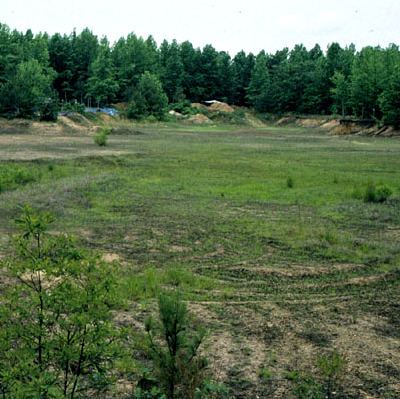
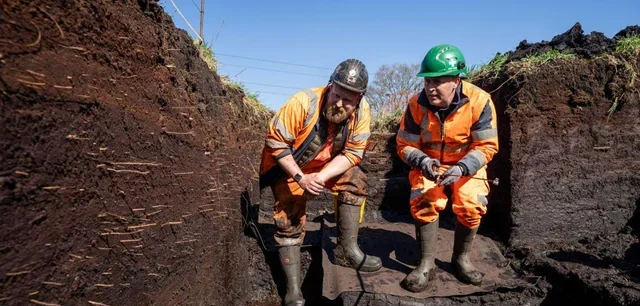
Cactus Hill is particularly important because, prior to the discovery of its earliest components, archaeologists generally concluded that the first human presence in the Americas was represented by the Clovis-age culture, dating to approximately 13,000 years ago. Then came Cactus Hill, and suddenly everything changed. Named for the prickly-pear cacti growing in its vicinity, during the 1990s archaeologists discovered evidence of a much older habitation below a Clovis-era settlement, including stone tools and hearths, which date back to between 18,000 and 20,000 years ago. That’s not a small revision. That’s rewriting an entire chapter of human migration history.
Many archaeologists consider the Cactus Hill site to furnish evidence of a pre-Clovis population in North America, regarding it as significant because it challenges previously established models of Paleoindian migration. Scholars now propose that people may have skirted along the glaciers located near the Pacific coast of North America, or they may have crossed pack ice from Europe to the Atlantic coast of America. It’s hard to say for sure which theory will eventually win out, but what is certain is that Cactus Hill has turned the original “who got here first?” debate completely on its head.
Casa Grande, Arizona: A Four-Story Adobe Tower With No Clear Purpose
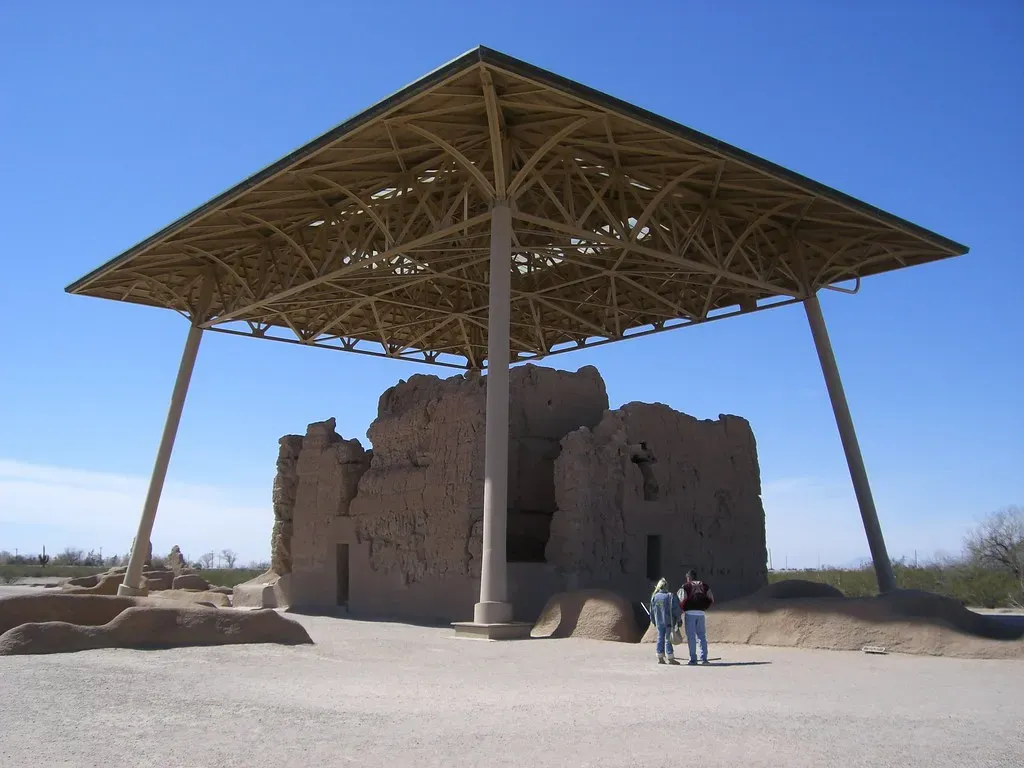
Archaeologists understand some things about Casa Grande in Arizona. They know it was probably constructed in the early 13th century, that the builders used adobe, and that the full complex included several other adobe structures and a ball court, once surrounded by a wall. What they don’t know is what the four-story central building was actually for: a guard tower, a grain silo, a house of worship, or something else entirely. It’s one of those maddening situations where you can clearly see something impressive, but the purpose remains just out of reach, like reading a book with half the pages missing.
The site was abandoned nearly half a century before Columbus’s voyage to the Americas, long after the nearby Hopi had moved away, and was too ruined for early Spanish explorers to do their own investigating into what it was. The Hohokam people who built it were also remarkable engineers in their own right. They built an irrigation canal system over 500 miles long that transformed the desert landscape of southern Arizona, allowing them to cultivate crops and establish settlements. The prehistoric culture existed from roughly 300 BC to 1450 CE, and the advanced canal system is incredible evidence of their ingenuity. So a people capable of building one of the ancient world’s most impressive water management systems built a mysterious tower, and then disappeared. We still don’t know why.
Monte Verde, Chile: The Camp at the Bottom of the World
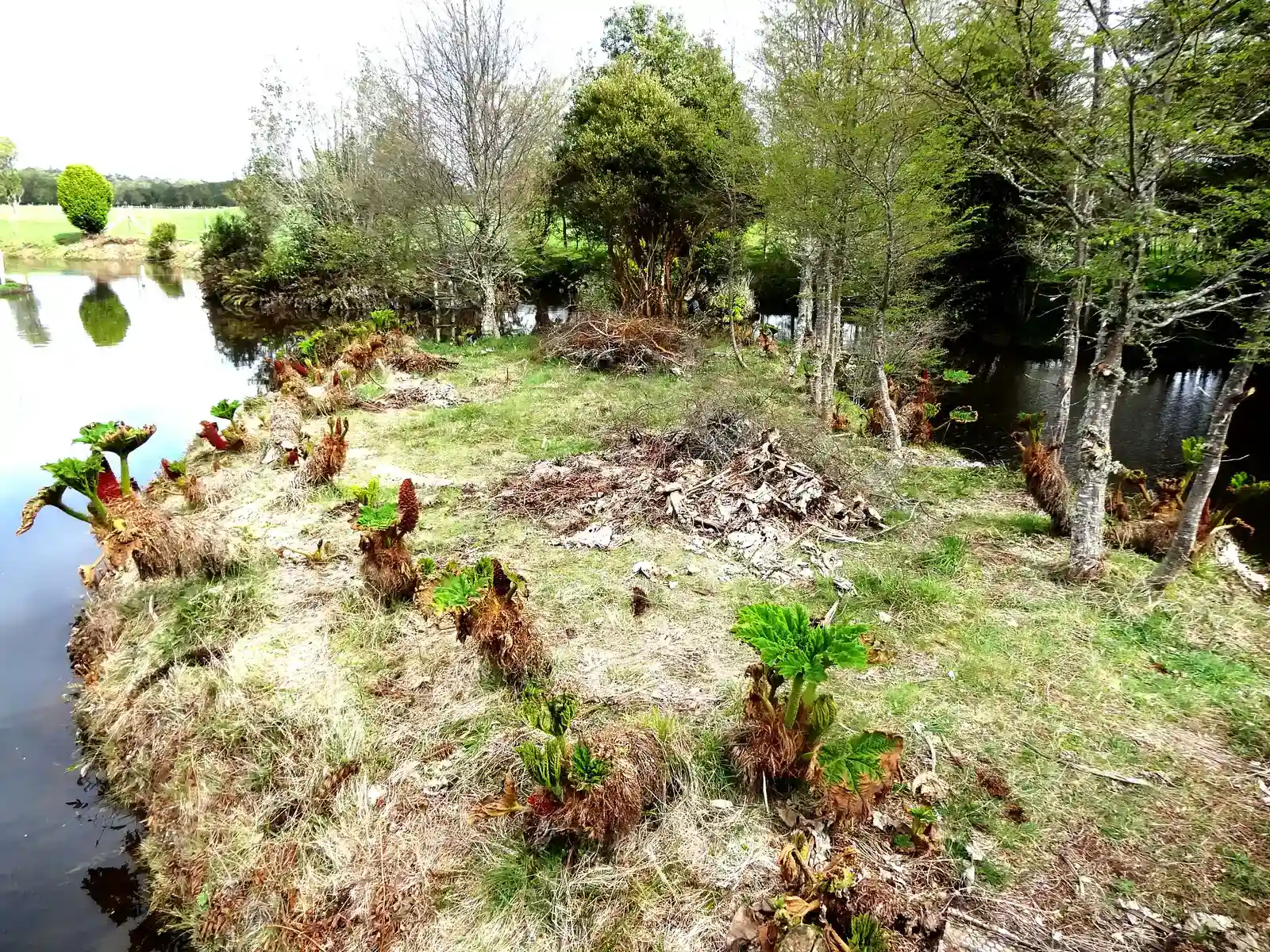
An intriguing site was discovered in the 1970s in Monte Verde, Chile. The exceptionally well-preserved site held remains of wooden huts, rope, and stone tools dated to around 14,500 years ago. The early date and location in southern South America suggested that the settlers may have crossed Beringia and then traveled south by boat along the Pacific coast to avoid the huge inland glaciers of that time. Think about where Monte Verde actually sits, deep in southern Chile. If you were migrating from Asia across the Bering land bridge, reaching this spot within a credible timeframe almost requires coastal boat travel. That fundamentally changes the migration story.
More recent excavations at Monte Verde have yielded butchered animal bones, a campfire, and further stone tools dating from 14,500 and 19,000 years ago, offering strong evidence of pre-Clovis settlement in the Americas. Archaeologists uncovered living spaces with preserved footprints, hearths, and tools. Evidence of large, functioning living spaces and year-long agriculture suggests the people who lived at Monte Verde actually settled there rather than simply passing through. The sheer preservation of organic materials like wooden huts and rope in a site this old is almost unheard of, and it’s precisely that preservation that has made Monte Verde one of the most debated and studied sites in all of American archaeology.
Moundville, Alabama: A Ceremonial Power Center Still Holding Its Secrets
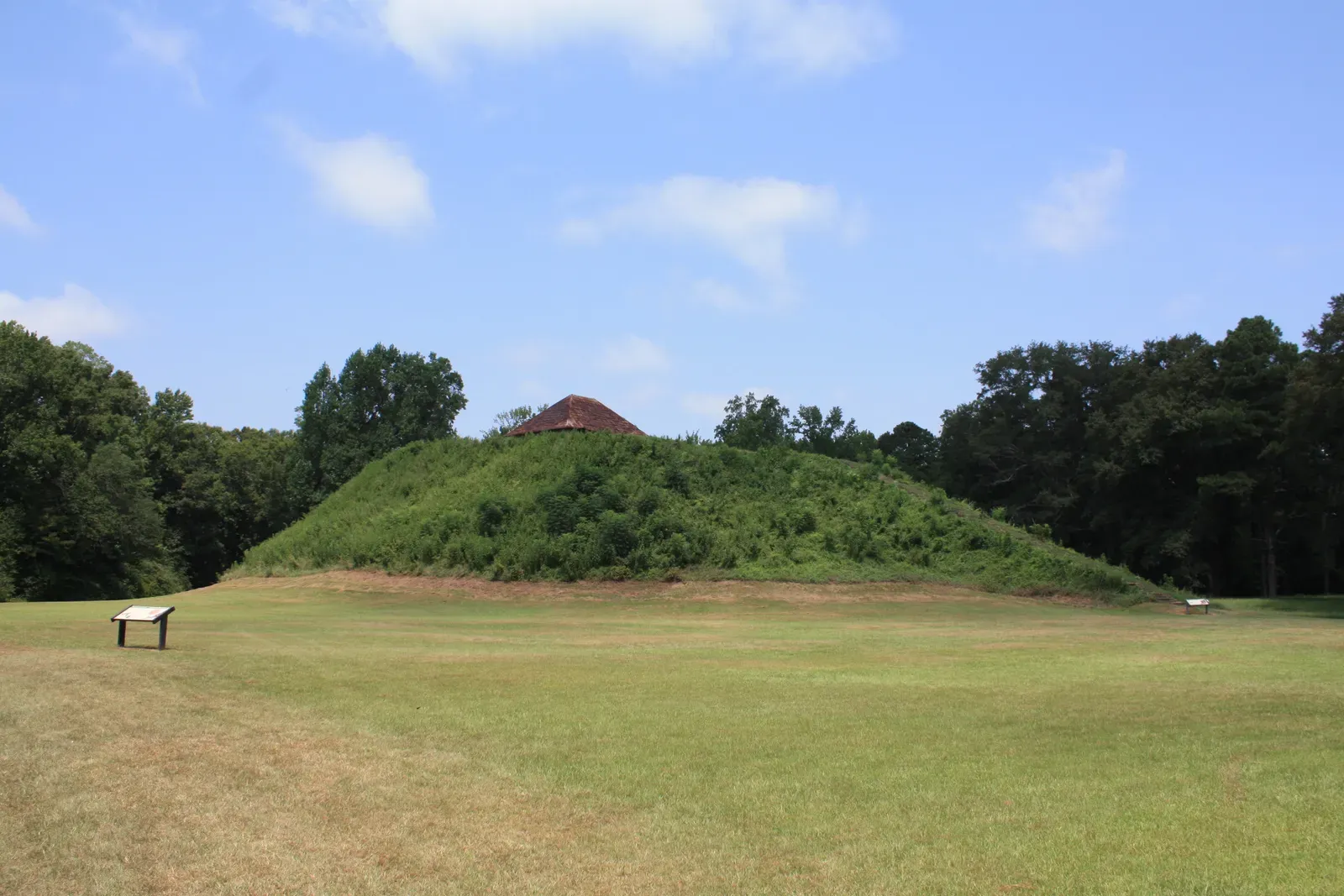
Moundville Archaeological Park, situated on the banks of the Black Warrior River, contains the remains of one of the largest prehistoric Native American settlements in the United States. Occupied from around 1000 to 1450 CE, the site was once home to a 300-acre village. It was first mapped in 1869, with the first scientific excavations beginning in 1929. From 1933 to 1941, 2,000 burials, 75 house remains, and thousands of artifacts were discovered. That’s a staggering amount of material, yet it still isn’t enough to answer the biggest questions.
Now an archaeological park, Moundville was once a major center of Mississippian culture. Constructed over several centuries from around 1000 CE, the series of mounds were used for religious and ceremonial events and also as homes for the ruling elite. The largest of these mounds is over 58 feet tall and covers nearly two acres. To date, only roughly one seventh of the site has been excavated. The development, sociopolitical organization, and reasons for the eventual abandonment of the site remain a mystery. For a settlement of this size and apparent sophistication, we’ve barely scratched the surface, and that’s not just a figure of speech.
The Mystery Is Far From Over
What strikes you most when you look at all seven of these settlements together is not just their age, but their ambition. These were not small bands of wandering nomads. They were builders, planners, spiritual thinkers, and engineers. They moved hundreds of thousands of logs across treeless deserts. They built cities before medieval Europe had its greatest urban centers. They gathered thousands of people together in the Louisiana wilderness for reasons we’re still trying to decode in 2026.
New technologies like LiDAR scanning, DNA analysis, and advanced radiocarbon dating are slowly peeling back the layers, but every answer seems to unlock three more questions. I think that’s actually a good thing. It means the past still has something left to say. The Americas were never an empty land waiting to be “discovered.” They were a living, breathing, deeply human world long before any European ship appeared on the horizon.
So here’s the thought worth sitting with: if we’ve only excavated a fraction of sites like Moundville, and if Cactus Hill could overturn everything we thought we knew about early migration, what else might still be buried just beneath our feet? What do you think? Drop your thoughts in the comments below.