Science has a way of humbling you. Just when you think you’ve got the story of life on Earth more or less figured out, some paleontologist digs a hole in the right patch of dirt and everything shifts. The history of our planet, it turns out, is far stranger, more surprising, and more layered than even the experts expected.
From the bottom of ancient wells in China to the frozen tundra of Siberia, the last couple of years have delivered a string of discoveries that are genuinely reshaping what we know about prehistoric life, ancient human relatives, and the creatures that once ruled this world. Some of these findings are shocking. Some are poetic. A few are just plain weird.
So buckle up, because we’re diving into seven of the most jaw-dropping recent breakthroughs in paleontology. Honestly, some of these had me rethinking everything. Let’s get started.
Nanotyrannus: The Tiny Tyrant That Finally Got Its Name Back
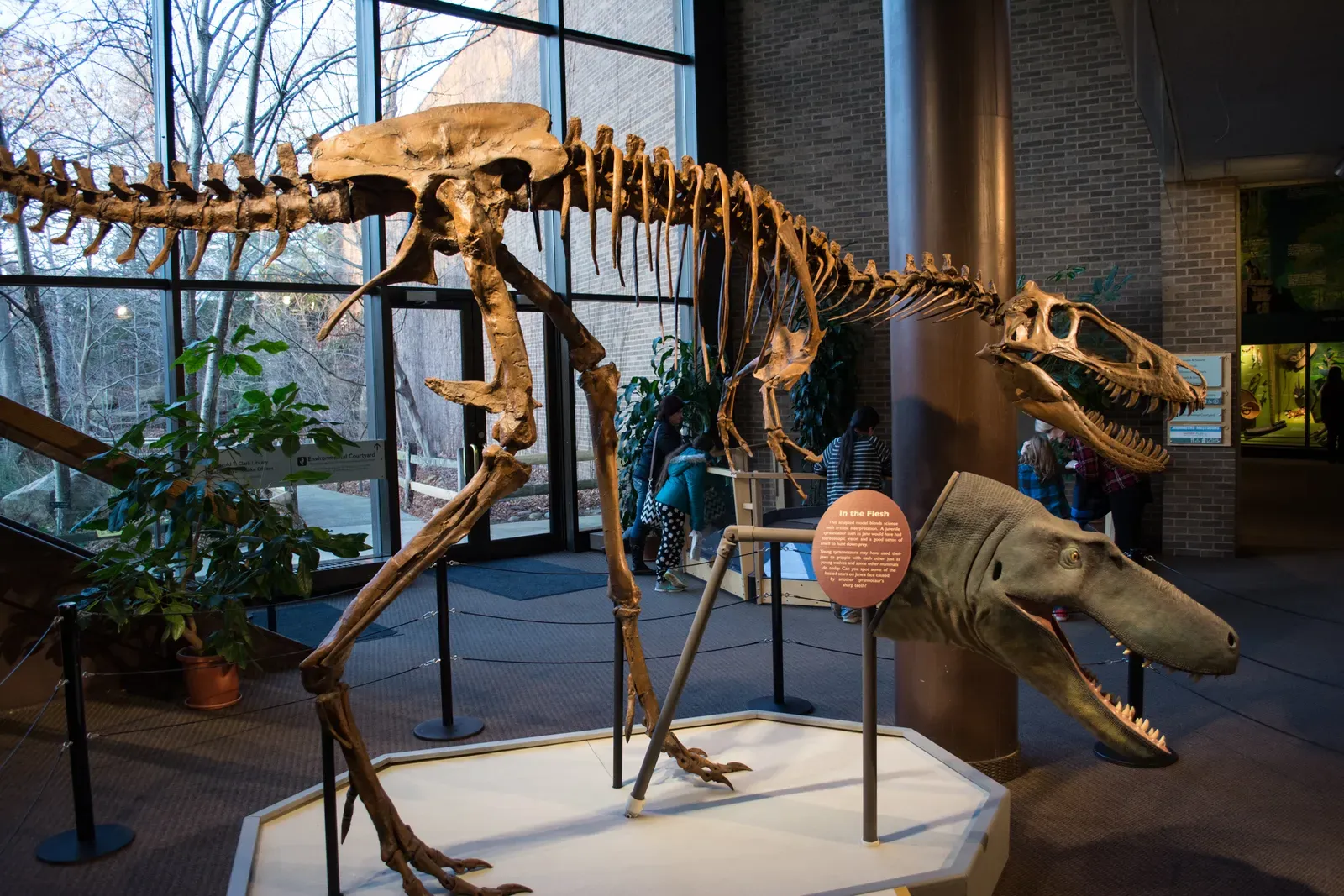
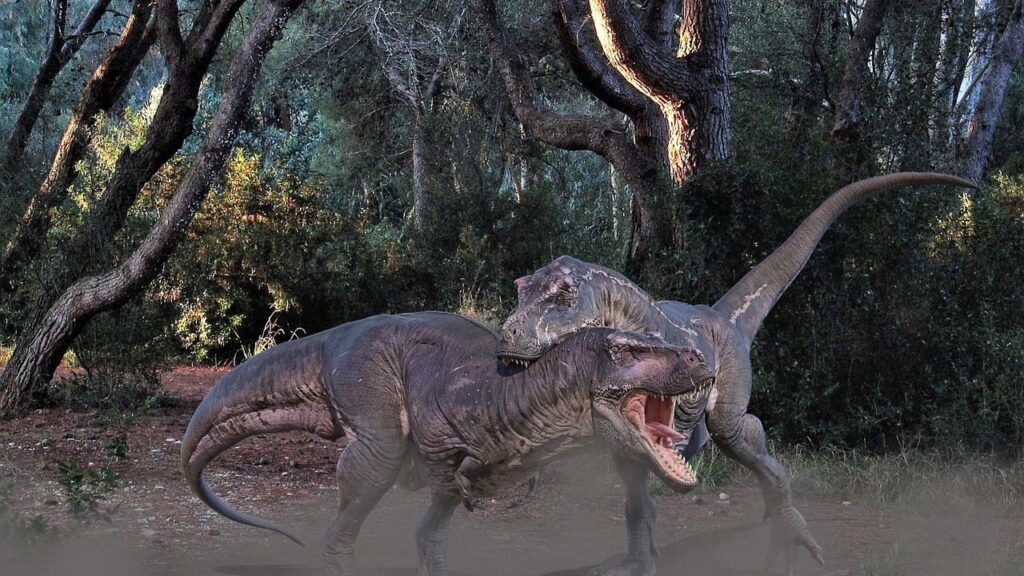
Here’s a question that’s had paleontologists arguing for decades: was Nanotyrannus a real, distinct dinosaur species, or was it just a teenage T. rex throwing everyone off? For years, the majority of evidence seemed to tip toward the juvenile theory. For decades, Nanotyrannus lancensis occupied one of the most controversial footnotes in dinosaur science, frequently dismissed as a juvenile T. rex. That narrative, it turns out, needed a serious rewrite.
The recent findings follow a 2024 paper that found more than 150 differences between disputed Nanotyrannus specimens and fossils of T. rex. Weeks later, a second study in Science, from different researchers, came to the same conclusion based on the fact that the first skull to be named Nanotyrannus appears to be a mature animal and not a juvenile. This is massive. The find will cause paleontologists to reconsider how T. rex grew up and how both predatory species coexisted. Think of it like finally confirming that two very similar-looking neighbors aren’t twins at all, but entirely different people with different lives. The Cretaceous just got a whole lot more complicated.
Dragon Man Gets a Face: The Denisovan Skull That Rewrote Human History
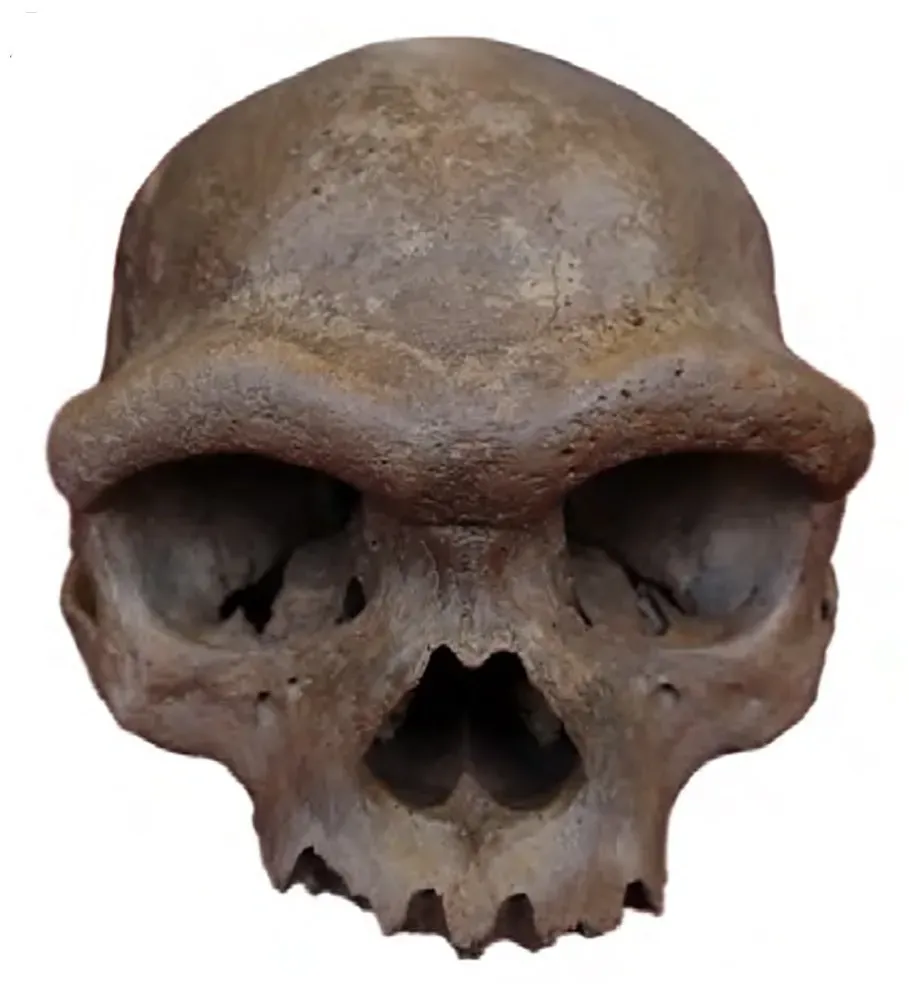
This one genuinely stopped me in my tracks. Imagine a nearly complete ancient skull being hidden at the bottom of a well for decades, only to resurface and upend everything we thought we knew about our own family tree. An enigmatic skull recovered from the bottom of a well in northeastern China sparked intrigue when it didn’t match any previously known species of prehistoric human. Scientists say they have found evidence of where the fossil fits, and it could be a key piece in another cryptic evolutionary puzzle. After several failed attempts, the researchers managed to extract genetic material from the fossilized cranium, nicknamed Dragon Man, linking it to an enigmatic group of early humans known as Denisovans.
While scientists have since identified other fragmentary Denisovan remains, it’s never been enough to fully put a face to the name, despite the fact that Denisovans passed on some of their genes to modern day Melanesian people. Now, two studies published in Science and Cell have potentially identified not just any Denisovan bone, but a nearly complete 146,000-year-old skull. The key came from a surprising source. Rather than looking for genetic material in the skull itself, researchers scraped a tiny bit of fossilized tooth plaque, or dental calculus, from the blackened root of the skull’s single remaining molar. Although calculus harbors less ancient human DNA than what is typically found in bones or teeth, its rocklike mineral structure can better preserve what’s inside. It’s almost poetic that something as mundane as ancient dental buildup finally cracked one of science’s greatest mysteries.
40,000-Year-Old Woolly Mammoth RNA Brings Science to the Edge of De-Extinction
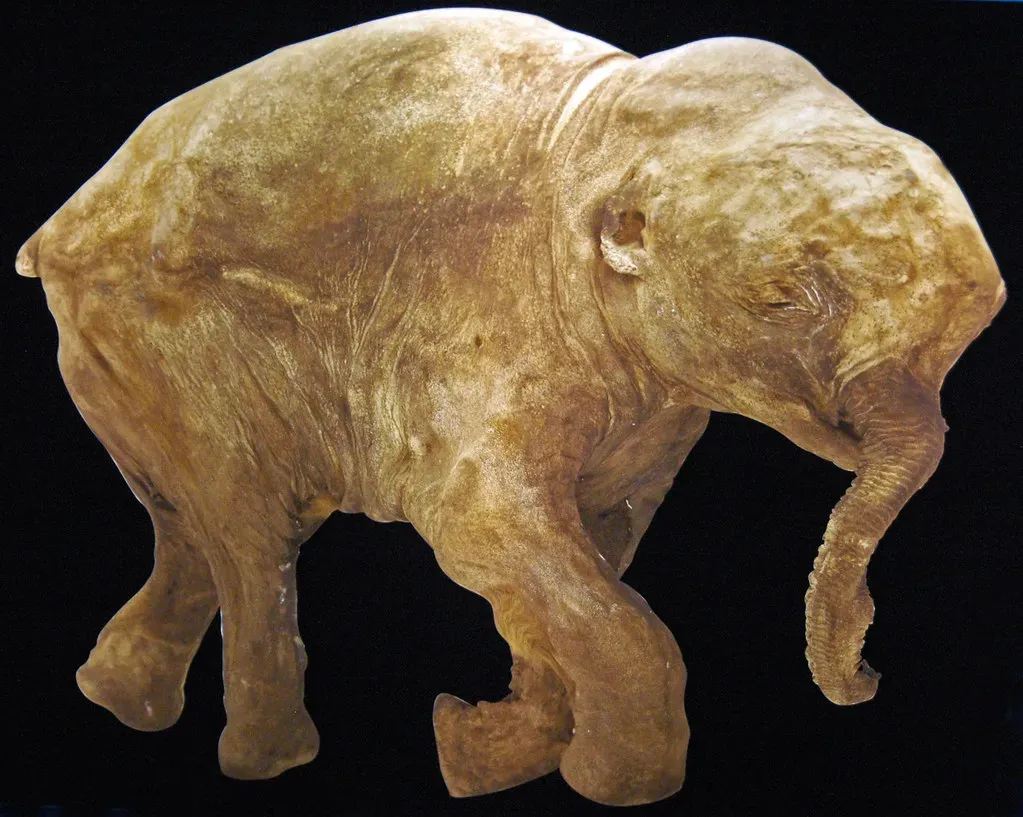
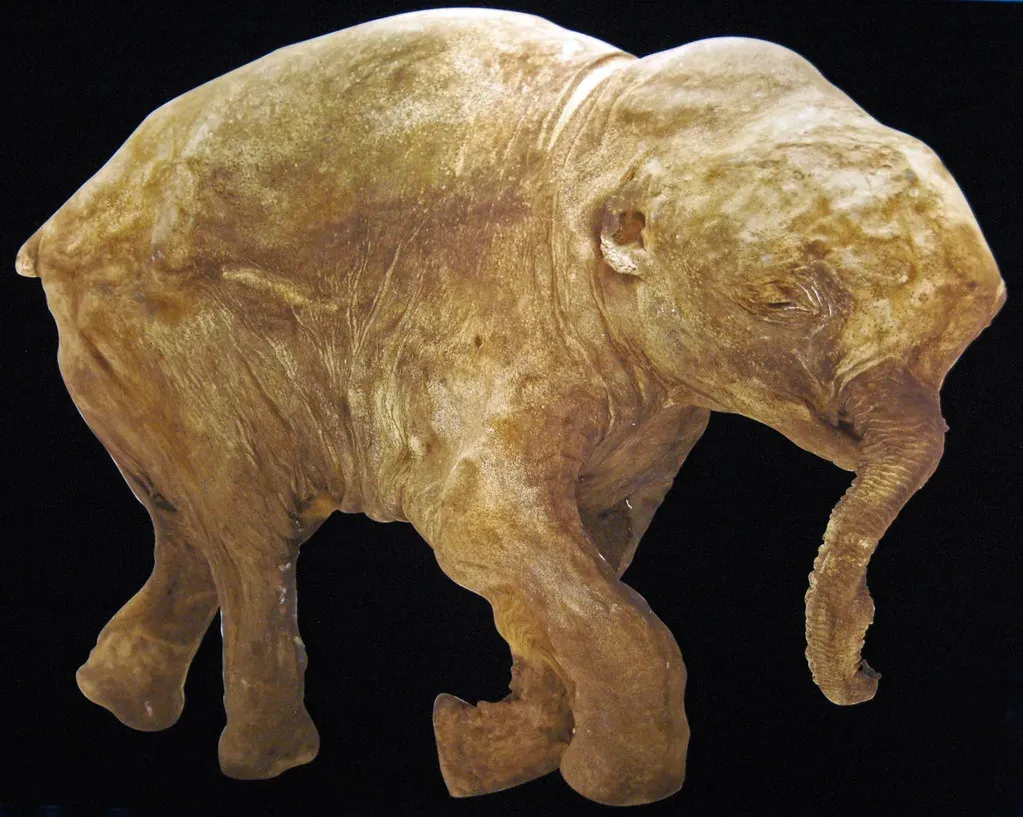
I know it sounds crazy, but scientists have now done something that molecular biology textbooks used to say was flat-out impossible. Researchers from Stockholm University have, for the first time ever, managed to successfully isolate and sequence RNA molecules from Ice Age woolly mammoths. These RNA sequences are the oldest ever recovered and come from mammoth tissue preserved in the Siberian permafrost for nearly 40,000 years. The study, published in the journal Cell, shows that not only DNA and proteins, but also RNA, can be preserved for very long periods of time.
The previous record for oldest RNA came from a 14,300-year-old canid discovered in Siberia. Yuka’s RNA is nearly three times older. And what does this RNA actually reveal? The RNA they recovered corresponded to proteins involved in essential processes such as muscle contraction and managing metabolic stress. Researchers found signs of cell stress, which is perhaps not surprising since previous research suggested that Yuka was attacked by cave lions shortly before his death. We’re not just reading fossils anymore. We’re essentially reading the biological diary of an animal’s final moments, written 40,000 years ago in the ice.
Dinosaurs Were Thriving Right Up Until the Asteroid Hit
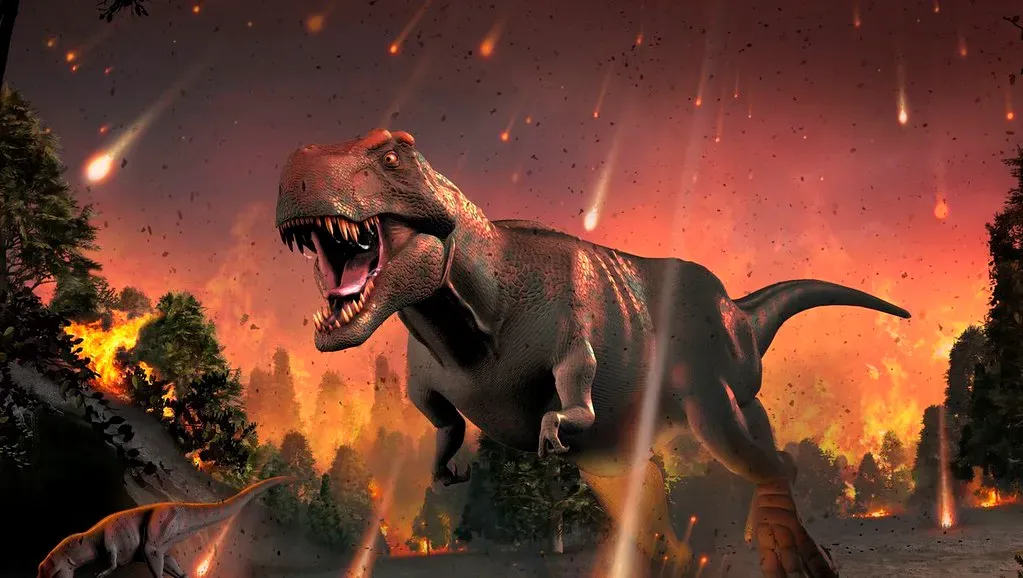
There’s been a long-running debate in paleontology that deserves a definitive answer: were the dinosaurs already declining before that catastrophic asteroid struck 66 million years ago, or were they doing just fine? There’s been a long debate over whether the dinosaurs were slowly going extinct prior to the asteroid, or if this main event singularly did them in. New finds in New Mexico reveal a species-rich and diverse dinosaur ecosystem thriving literally just before the impact. Coupled with other sites in North America, this research reveals that the dinosaurs might have kept going if space hadn’t intervened.
Dinosaurs weren’t dying out before the asteroid hit, they were thriving in vibrant, diverse habitats across North America. Fossil evidence from New Mexico shows that distinct bioprovinces of dinosaurs existed until the very end. Think of it like discovering that a great civilization wasn’t slowly crumbling before its collapse, but was actually at peak cultural richness the day before catastrophe struck. The distinction matters enormously, not just for dinosaur history, but for how we understand mass extinction events more broadly.
Diplodocus Was Colorful, Not Gray: Fossil Skin Changes the Picture
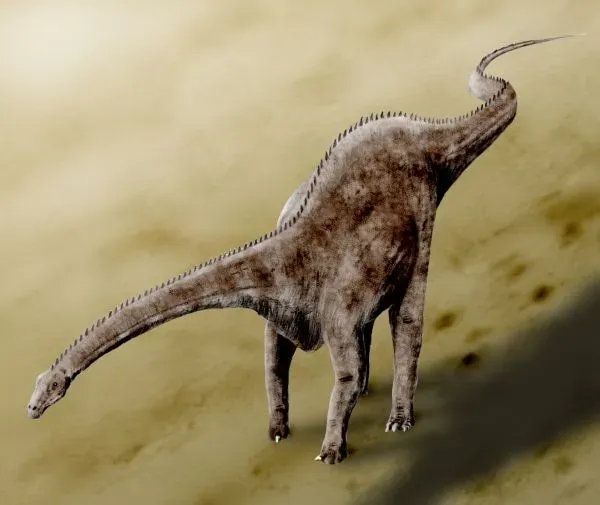
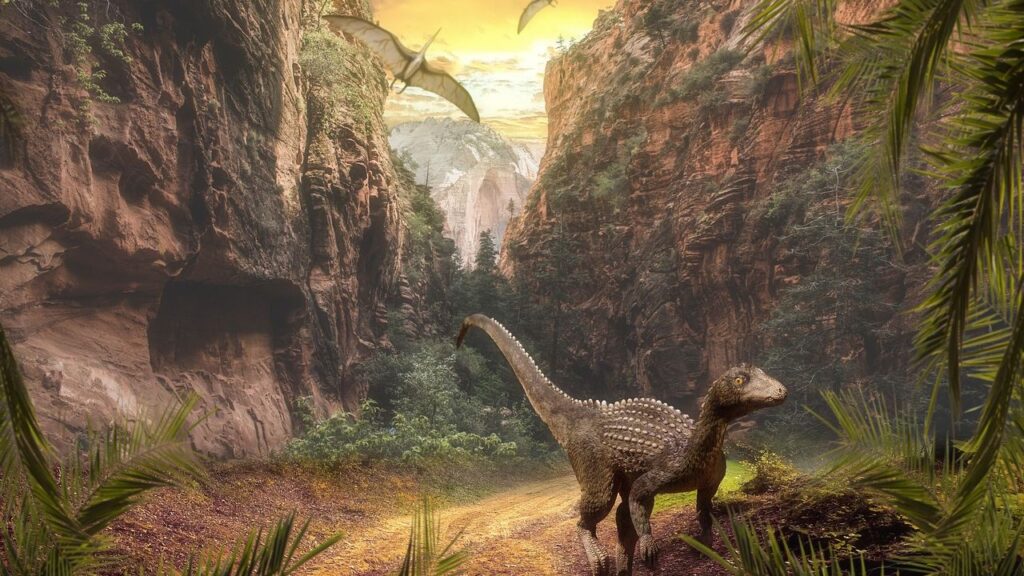
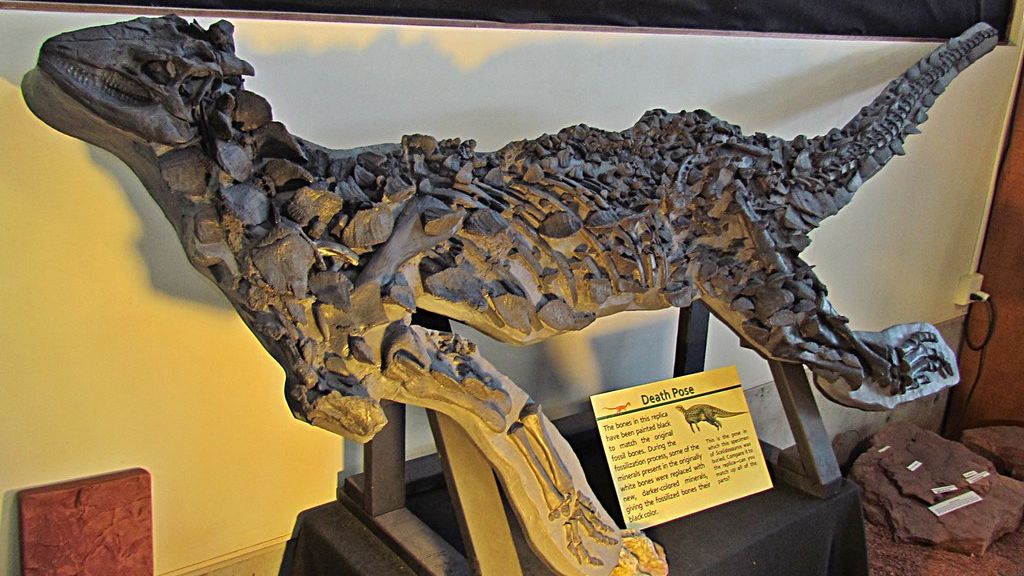
For generations, illustrations of giant sauropod dinosaurs have painted them in dull, elephantine shades of gray and brown. That may have been a spectacular failure of imagination on our part. Microscopic clues found in fossil Diplodocus skin indicate these dinosaurs were colorful. Sauropod dinosaurs are iconic herbivores, immediately recognizable by their small heads, long necks and bulky bodies. But beyond their familiar skeletons, the external appearance of these dinosaurs is not as well-known, as sauropod skin impressions and soft tissue fossils are very rare. From the Jurassic rocks of Montana’s Mother’s Day Quarry, however, paleontologists uncovered fossils of sauropod skin so delicately preserved that they include impressions of pigment-carrying structures called melanosomes.
While researchers were reluctant to fully reconstruct the color of the juvenile Diplodocus, they detected that the dinosaur would have had conspicuous patterns across its scales. The finding suggests sauropod dinosaurs were not uniformly gray or brown, but had complex color patterns like other dinosaurs, birds and reptiles. This is the kind of discovery that should make you stop and imagine a herd of these enormous, long-necked giants moving across a Jurassic plain, dappled with patterns we never even suspected. It repaints the entire Mesozoic era in vivid color.
Dinosaur Eggshells Are Now a Clock: A New Way to Date Fossils
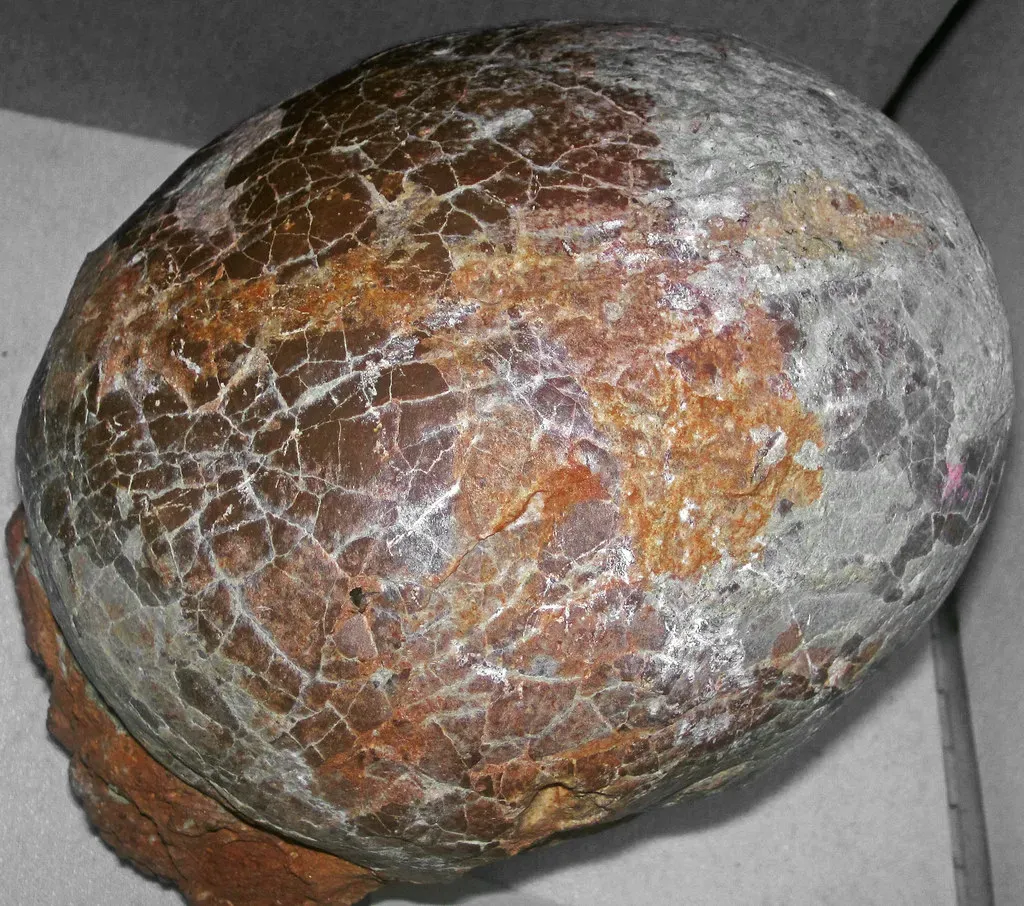
Dating fossils has always been a puzzle. You need the right geological context, volcanic layers, or radioactive materials nearby to pin down an age with confidence. Telling time has always been a challenge in paleontology. If dinosaur fossils are found in a geological layer adjacent to an ash bed or other source of volcanic rock, scientists can directly date the surrounding material to estimate how old the fossils are. Many dinosaur fossils, however, are found in rock layers that can’t be directly dated, so their ages are estimated by other means.
Now, two teams of paleontologists may have found a new way to date those difficult layers: getting clues from dinosaur eggs. One team, writing in Frontiers in Earth Science, dated minerals preserved within the space inside a fossil dinosaur eggshell to get a direct age, and the other, writing in Communications Earth and Environment, analyzed radioactive isotopes preserved within the dinosaur eggshell itself, which can be dated in a similar way as an ash bed. It’s a bit like discovering that the answer was hiding inside the egg all along. This breakthrough could finally unlock precise ages for fossil sites that have frustrated scientists for decades.
A Giant Spinosaurid From Thailand Rewrites Dinosaur Geography
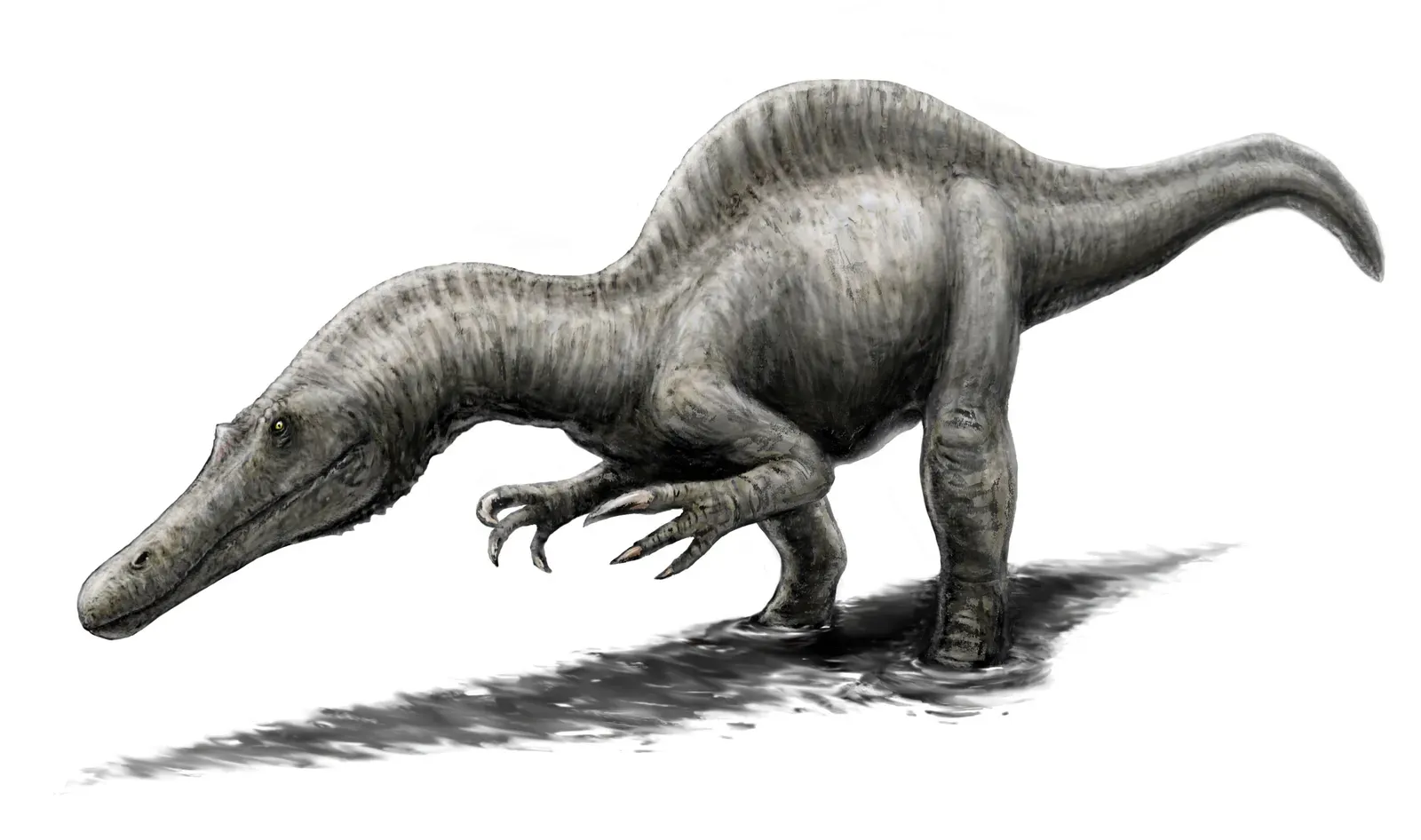
Among the most dramatic vertebrate fossil announcements of recent years was a massive Early Cretaceous spinosaurid recovered from Thailand’s ancient river deposits. Estimated at 25 feet long, the animal stalked tropical waterways 125 million years ago and shows enough skeletal differences from Spinosaurus and European spinosaurids to suggest a distinct Asian radiation of the family. In plain English: we thought this group of enormous, fish-eating, semi-aquatic dinosaurs was mostly a European and African story. That assumption is now crumbling.
The find includes one of the most complete spinosaurid assemblages in Asia, providing cranial and post-cranial data that illuminate how these fish-eating giants adapted to riverine ecosystems far from the Sahara and Europe. Spinosaurids are among the most charismatic dinosaurs, but their global distribution and ecological range remain poorly sampled. This discovery fills a major biogeographic gap, showing that extreme body size and semi-aquatic specialization evolved repeatedly across continents. It’s the paleontological equivalent of finding a copy of the same remarkable invention in a civilization on the other side of the world, proof that evolution sometimes arrives at the same brilliant solution independently, no matter where life is trying to survive.
Conclusion: The Earth Is Still Full of Secrets
Honestly, what strikes me most about all seven of these breakthroughs is how many of them challenge things we were pretty confident about. The safe dinosaurs. The well-known human relatives. The limits of molecular preservation. Again and again, the fossils are telling us: you don’t know as much as you think you do.
Paleontology in recent years has proved once again that Earth still holds extraordinary stories in stone, amber, and microscopic cellular archives. Fossil finds and scientific breakthroughs have captured global attention, reshaped evolutionary family trees, revealed ancient behavior, and even pushed the boundaries of molecular preservation. Every rock formation, every frozen tundra, every forgotten museum jar of bones is a potential revolution waiting to happen.
The past is far from finished talking to us. If anything, it’s getting louder. Which of these seven discoveries surprised you the most? Drop your thoughts in the comments below.