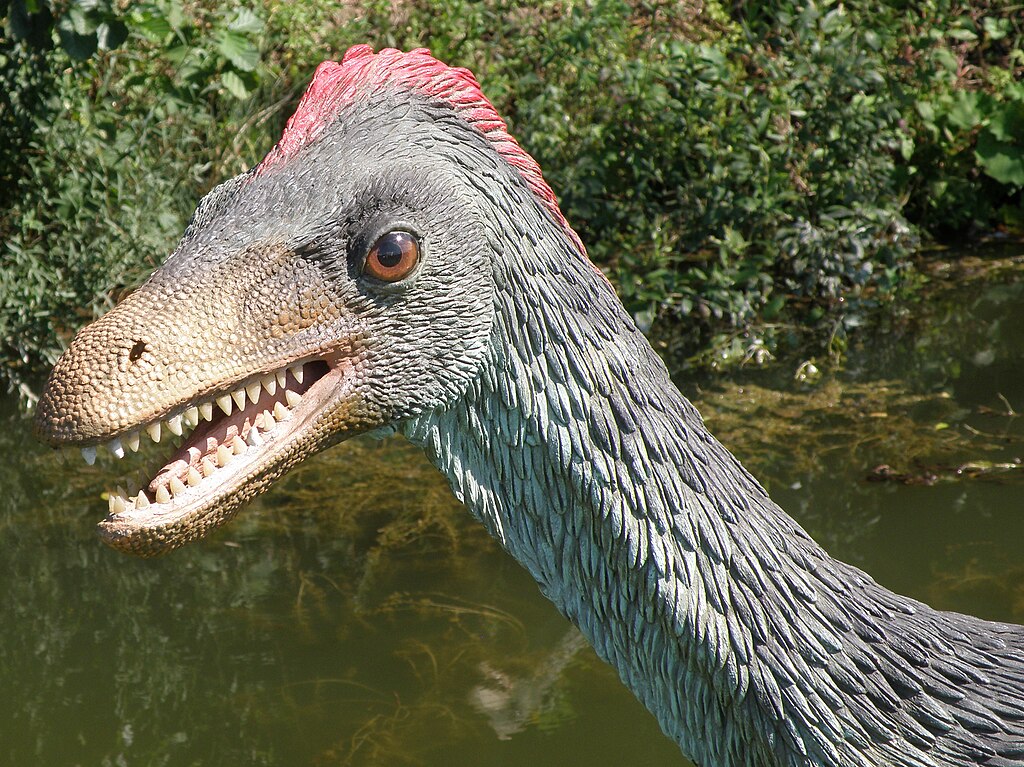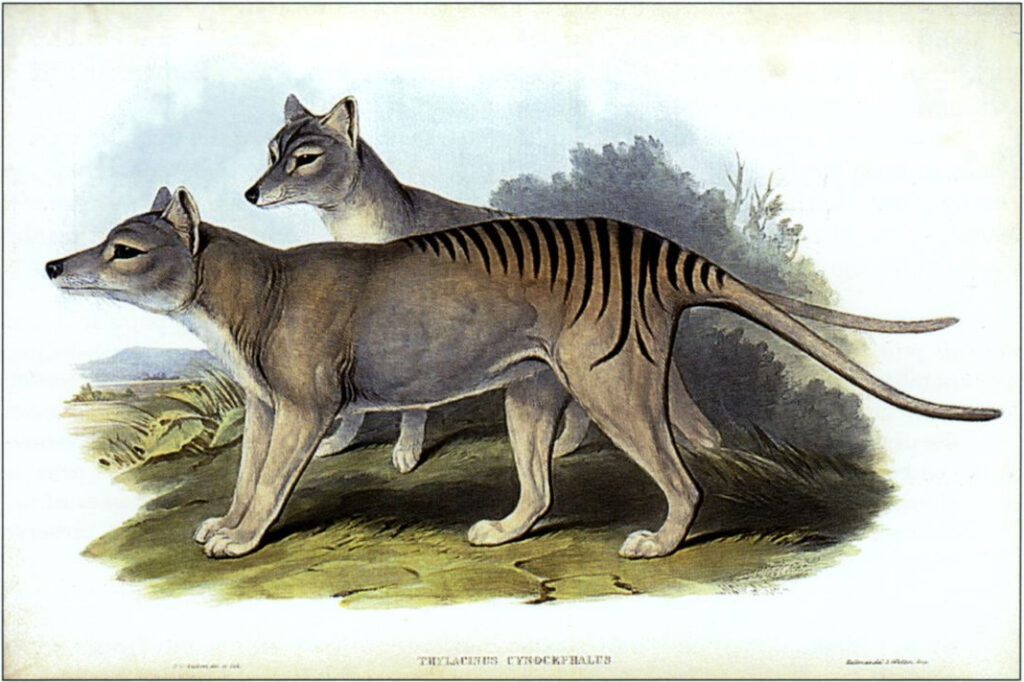
Imagine standing on a beach 200 million years ago, watching colossal creatures lumber across ancient landscapes that would make today’s elephants look like house cats. The prehistoric world was filled with giants that defied our modern understanding of size and power. Yet here’s the mind-blowing truth: despite all their massive bulk, razor-sharp teeth, and bone-crushing strength, none of these ancient titans could match the sheer enormity of an animal swimming in our oceans right now.
The Undisputed Champion of Size
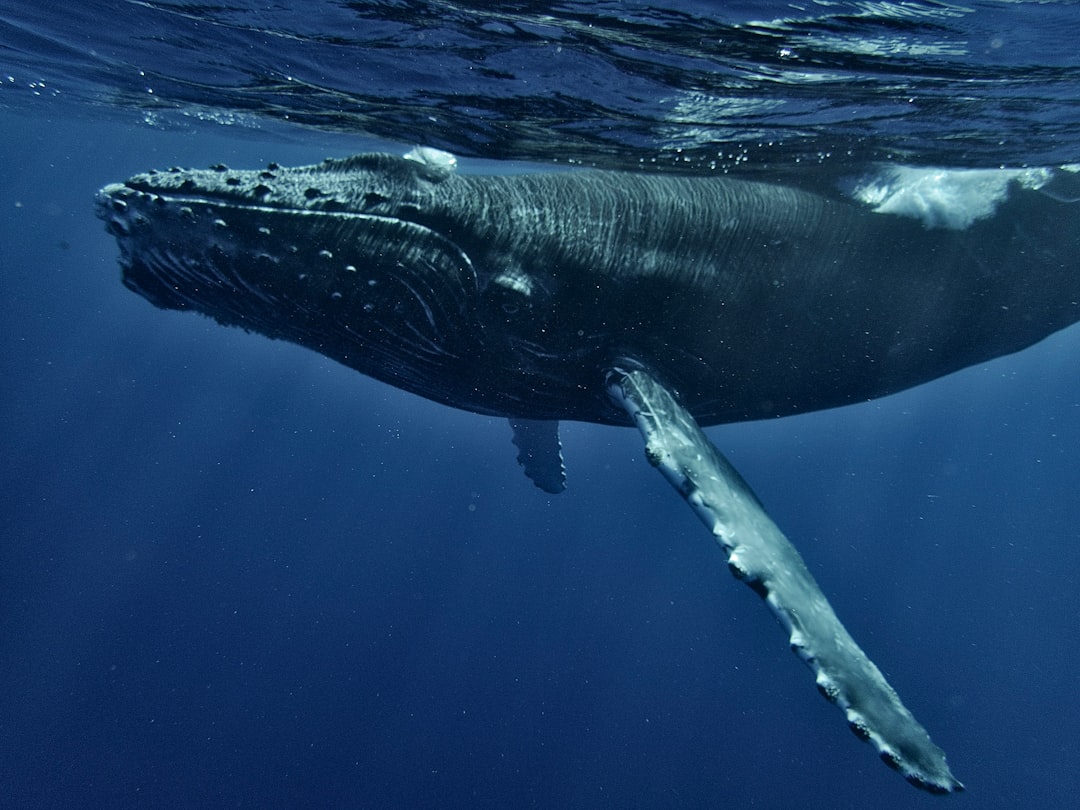
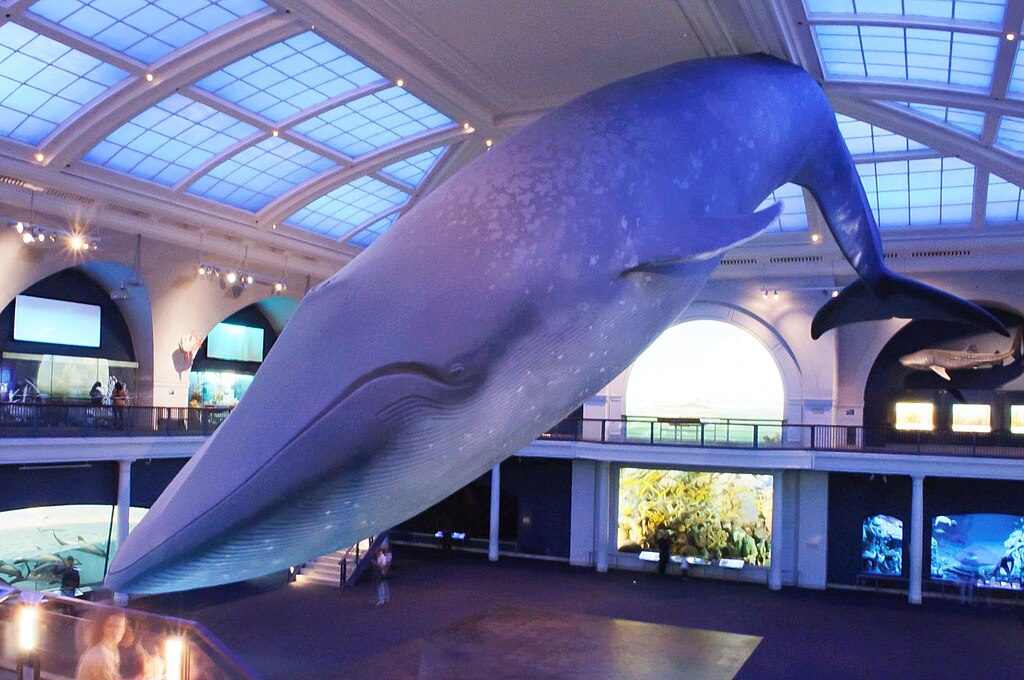
The blue whale isn’t just big – it’s incomprehensibly massive. Stretching up to 100 feet in length and weighing as much as 200 tons, this marine giant dwarfs every creature that has ever lived on Earth. To put this in perspective, a blue whale’s heart alone weighs as much as a small car, and its tongue can weigh as much as an elephant.
What makes this even more remarkable is that blue whales achieved this incredible size while living in water, where buoyancy supports their massive frames. Land animals face gravitational constraints that ocean dwellers simply don’t have to worry about. This fundamental difference explains why no terrestrial creature, prehistoric or modern, has ever come close to matching the blue whale’s dimensions.
Argentinosaurus: The Colossal Sauropod
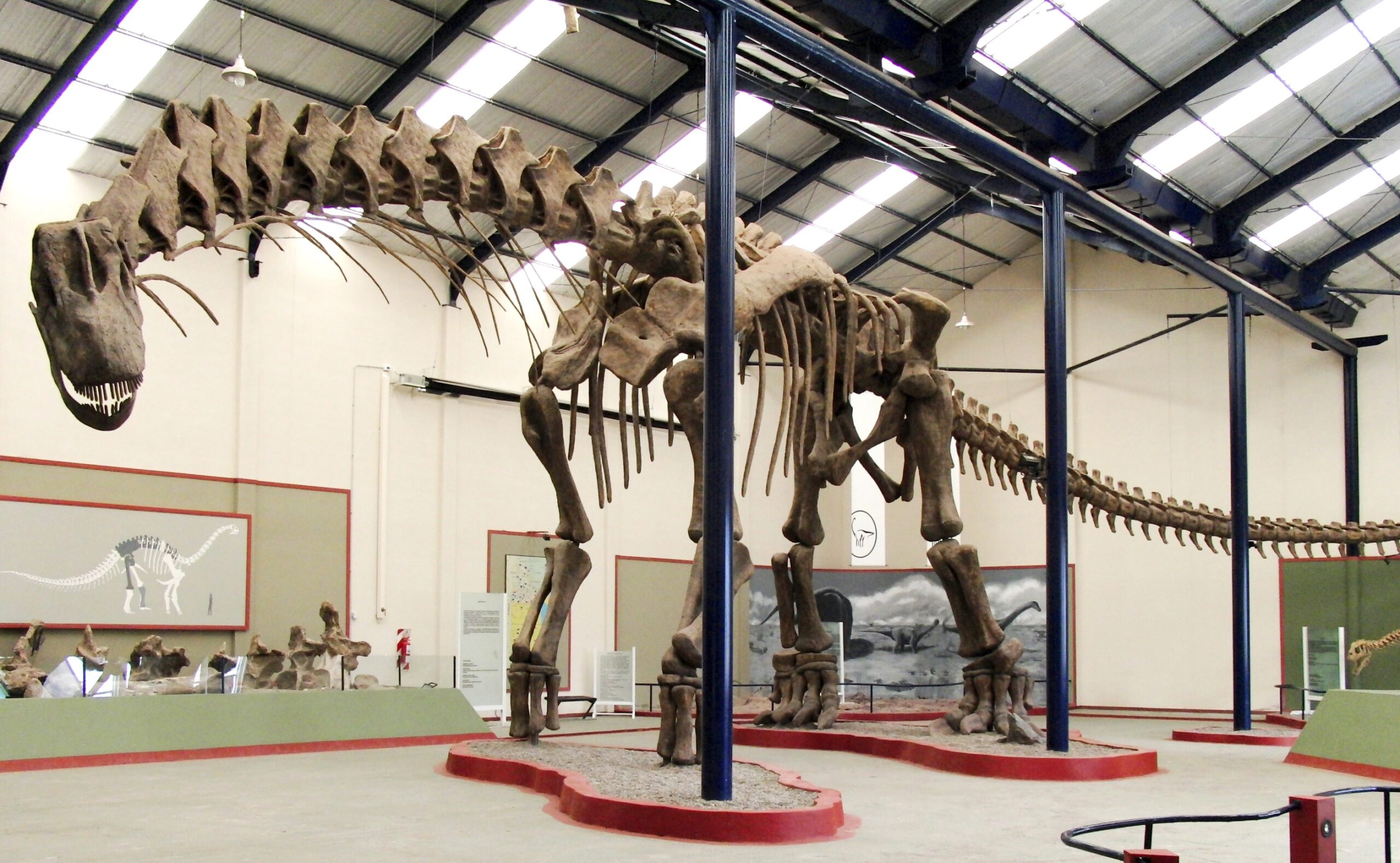
Meet Argentinosaurus, arguably the largest dinosaur ever discovered, roaming South America around 95 million years ago. This sauropod stretched an estimated 115 feet from nose to tail and weighed between 80 to 100 tons. Its massive neck alone could reach heights of 40 feet, allowing it to browse vegetation that no other creature could access.
Despite its impressive length, Argentinosaurus falls short of the blue whale’s weight by nearly 100 tons. The dinosaur’s body was built for land locomotion, with hollow bones and air sacs that reduced its overall density. While these adaptations made it the king of its time, they also prevented it from achieving the blue whale’s incredible mass.
Spinosaurus: The Semi-Aquatic Monster
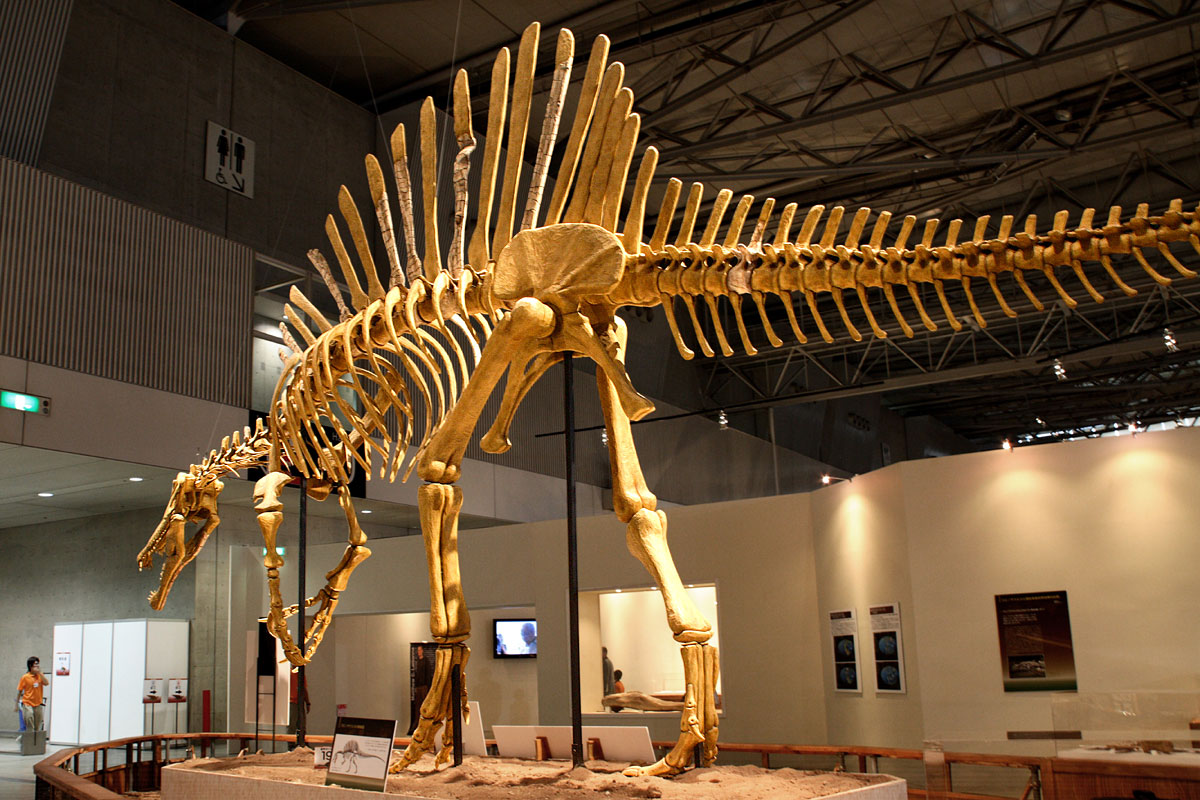
Spinosaurus presents a fascinating case study as the largest known predatory dinosaur, measuring up to 59 feet long and weighing around 20 tons. This bizarre creature spent much of its time in water, hunting fish with its crocodile-like snout and paddle-shaped tail. Its distinctive sail could reach heights of 7 feet, making it one of the most recognizable prehistoric predators.
Even with its semi-aquatic lifestyle, Spinosaurus barely reaches one-tenth the weight of a blue whale. The predator’s body was designed for hunting agility rather than pure size, with a streamlined build that prioritized speed over bulk. Its impressive length is deceiving – much of it comes from its elongated skull and tail rather than body mass.
Dreadnoughtus: The Fearless Titan

Dreadnoughtus earned its name from the early 20th-century battleships, and for good reason. This massive sauropod weighed an estimated 65 tons and measured 85 feet in length, making it one of the most complete giant dinosaur skeletons ever found. Its name literally means “fears nothing,” reflecting the confidence that comes with being virtually indestructible due to sheer size.
What’s remarkable about Dreadnoughtus is that scientists believe the discovered specimen was still growing when it died. Even at its impressive size, it represents only about one-third the weight of the largest blue whales. The dinosaur’s terrestrial lifestyle required massive leg bones and a robust skeletal structure, limiting how large it could grow while still remaining mobile.
Giganotosaurus: The Giant Southern Lizard
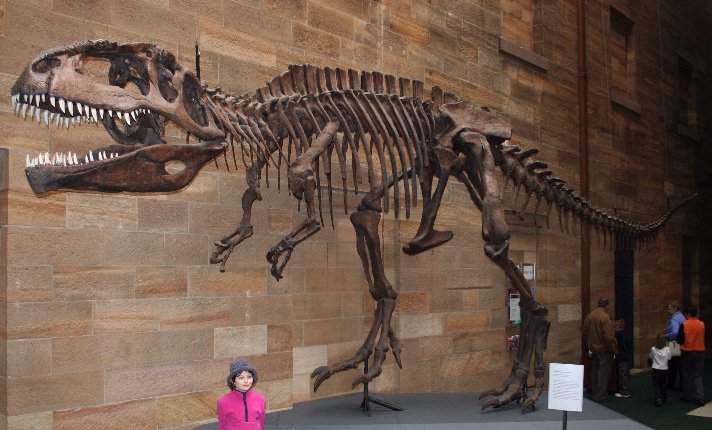
Giganotosaurus ruled the ancient landscapes of Argentina around 100 million years ago, earning its place as one of the largest land predators ever discovered. Measuring up to 46 feet long and weighing approximately 8 tons, this massive carnivore could take down prey as large as Argentinosaurus. Its skull alone measured over 5 feet, housing teeth the size of bananas.
Despite its fearsome reputation and impressive dimensions, Giganotosaurus weighs roughly 25 times less than a blue whale. The predator’s body was built for hunting efficiency, with powerful leg muscles and a lightweight but strong bone structure. This design prioritized speed and agility over pure mass, explaining why even the largest land predators pale in comparison to marine giants.
Paraceratherium: The Gentle Giant Mammal
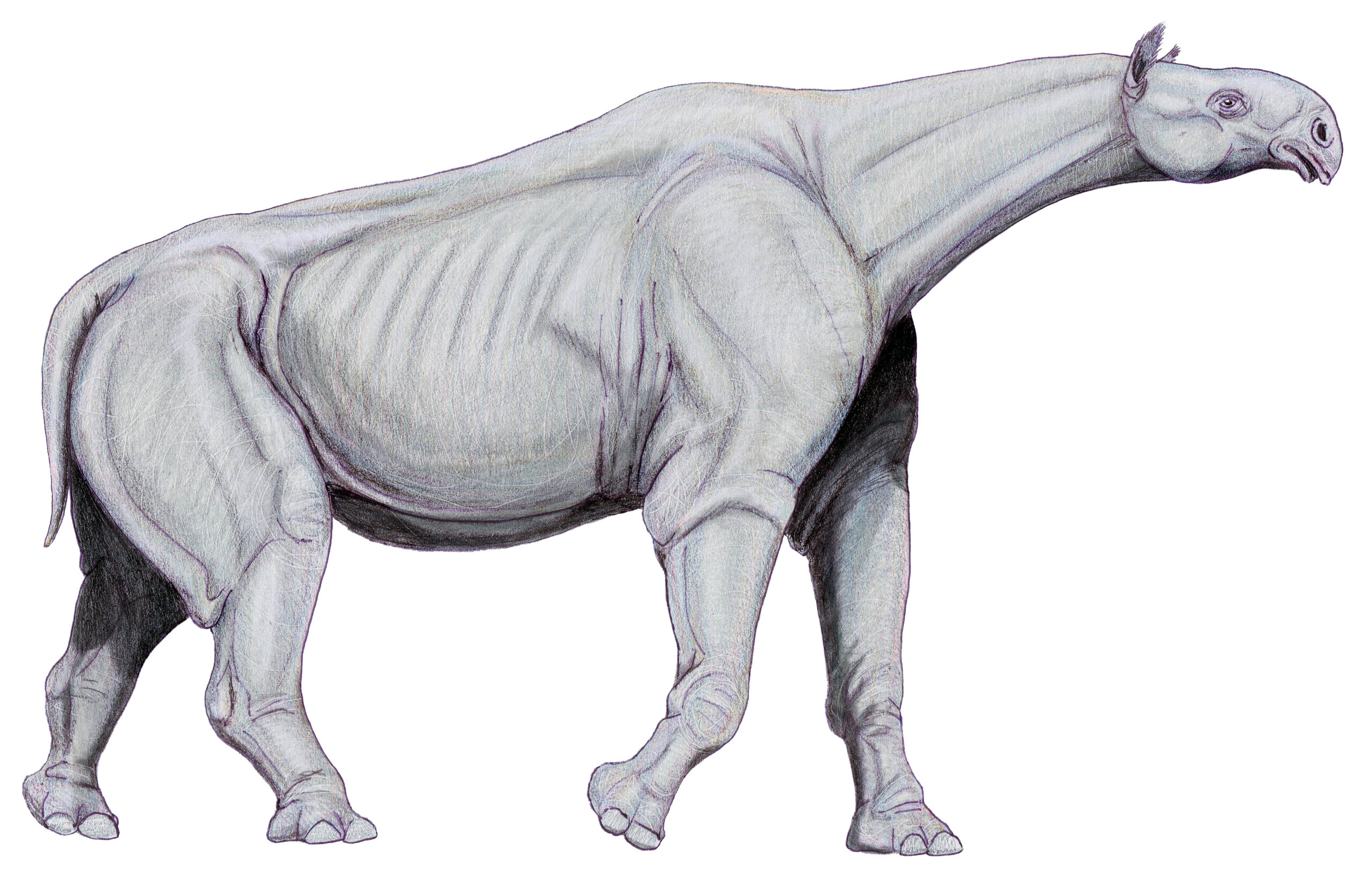
Long after the dinosaurs vanished, mammals had their chance to grow large, and Paraceratherium seized that opportunity. This hornless rhinoceros relative stood 18 feet tall at the shoulder and weighed up to 20 tons, making it the largest land mammal ever recorded. Living around 25 million years ago, it browsed treetops across Asia like a massive giraffe.
Even this mammalian giant represents only 10% of a blue whale’s maximum weight. Paraceratherium’s size was limited by the same constraints that affect all land mammals – the need to support their weight against gravity while remaining mobile. Their legs had to be proportionally massive just to carry their bodies, leaving less energy available for overall growth.
Megalodon: The Ocean’s Former Ruler
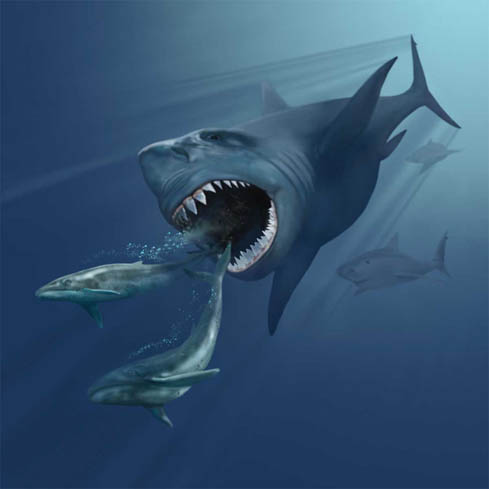
Megalodon deserves special mention as the ocean’s most fearsome predator, living between 23 and 3.6 million years ago. This massive shark reached lengths of up to 60 feet and weighed an estimated 50 tons, with teeth the size of a human hand. Its bite force could crush a small car, and it could swallow great white sharks whole.
Despite living in the same environment as modern blue whales, Megalodon still falls short by 150 tons or more. The shark’s cartilaginous skeleton was lighter than bone, and its predatory lifestyle required a streamlined body design. While terrifying in its own right, even this apex predator couldn’t match the blue whale’s incredible bulk.
Quetzalcoatlus: The Flying Fortress

Quetzalcoatlus represents the ultimate achievement in prehistoric flight, with a wingspan reaching 35 feet and standing as tall as a giraffe when on the ground. This pterosaur dominated the skies 70 million years ago, soaring over ancient landscapes with an efficiency that modern aircraft engineers can only dream of achieving. Despite its massive wingspan, it weighed only around 550 pounds.
The contrast with blue whales is staggering – Quetzalcoatlus weighs roughly 700 times less than the marine giant. Flight demands incredible weight restrictions, forcing flying creatures to develop hollow bones and minimal body mass. This fundamental constraint means that no flying animal, prehistoric or modern, could ever approach the blue whale’s dimensions while maintaining the ability to become airborne.
The Physics of Size

Understanding why blue whales reign supreme requires grasping the physics of size limitations. Land animals face the cube-square law, where volume (and thus weight) increases much faster than surface area as creatures grow larger. This means that as animals get bigger, their legs must become disproportionately thicker to support their weight, eventually reaching a point where mobility becomes impossible.
Water changes everything by providing buoyancy that essentially negates the effects of gravity. Blue whales can grow to massive proportions because they don’t need to support their weight against gravitational forces. The ocean acts as a giant support system, allowing these creatures to achieve sizes that would be physically impossible on land.
Evolutionary Advantages of Marine Gigantism
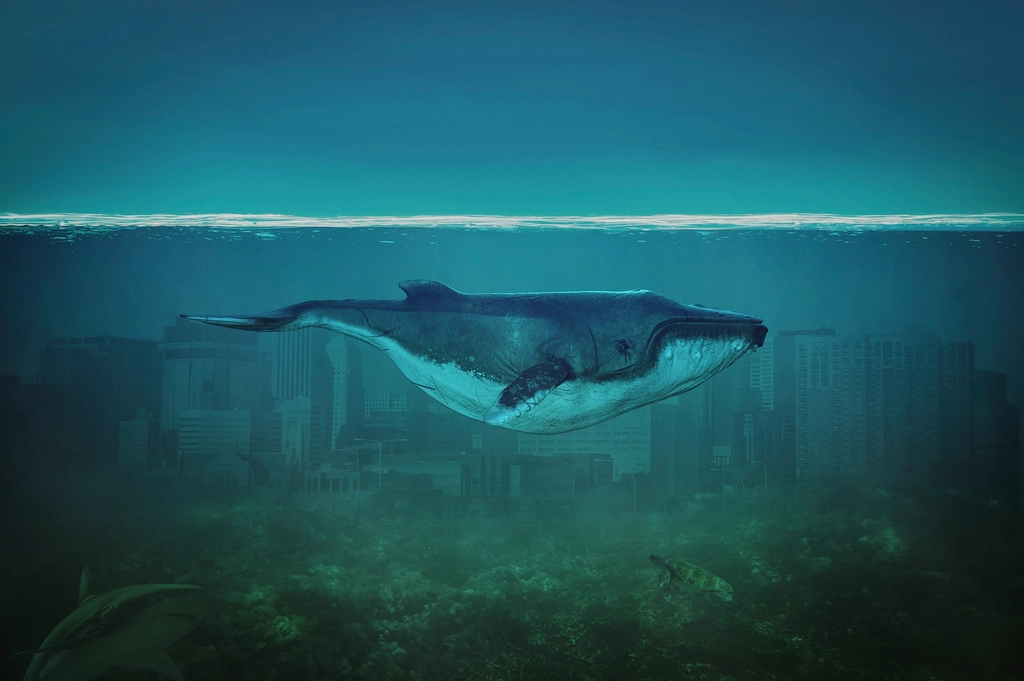
Blue whales didn’t grow large by accident – their size provides significant evolutionary advantages in the marine environment. Larger bodies retain heat more efficiently in cold ocean waters, extending their range into polar regions where smaller creatures would freeze. Their massive size also allows them to store enormous amounts of energy for long migrations between feeding and breeding grounds.
Perhaps most importantly, their size makes them virtually immune to predation as adults. While prehistoric giants faced threats from other large predators, adult blue whales have no natural enemies. This freedom from predation pressure allowed them to invest all their energy into growth rather than defensive adaptations, contributing to their record-breaking dimensions.
The Feeding Strategy That Built Giants
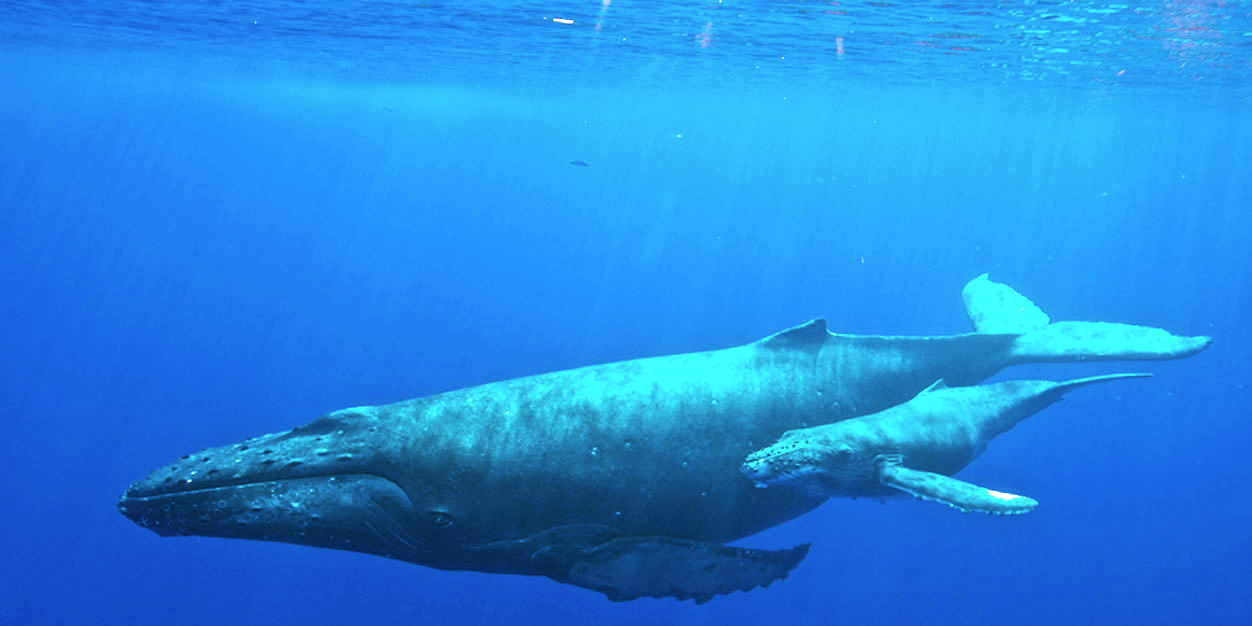
Blue whales achieved their massive size through one of nature’s most efficient feeding strategies. Despite being the largest animals ever to exist, they feed almost exclusively on tiny krill, filtering millions of these small crustaceans through their baleen plates. This approach allows them to harvest vast amounts of biomass from the ocean’s most abundant food source.
Their enormous mouths can engulf volumes of water equivalent to their own body weight, then strain out the krill while expelling the water. This feeding method is far more energy-efficient than hunting large prey, allowing blue whales to convert more of their food intake into body mass. No prehistoric giant had access to such an abundant and easily harvested food source.
Modern Titans vs Ancient Giants
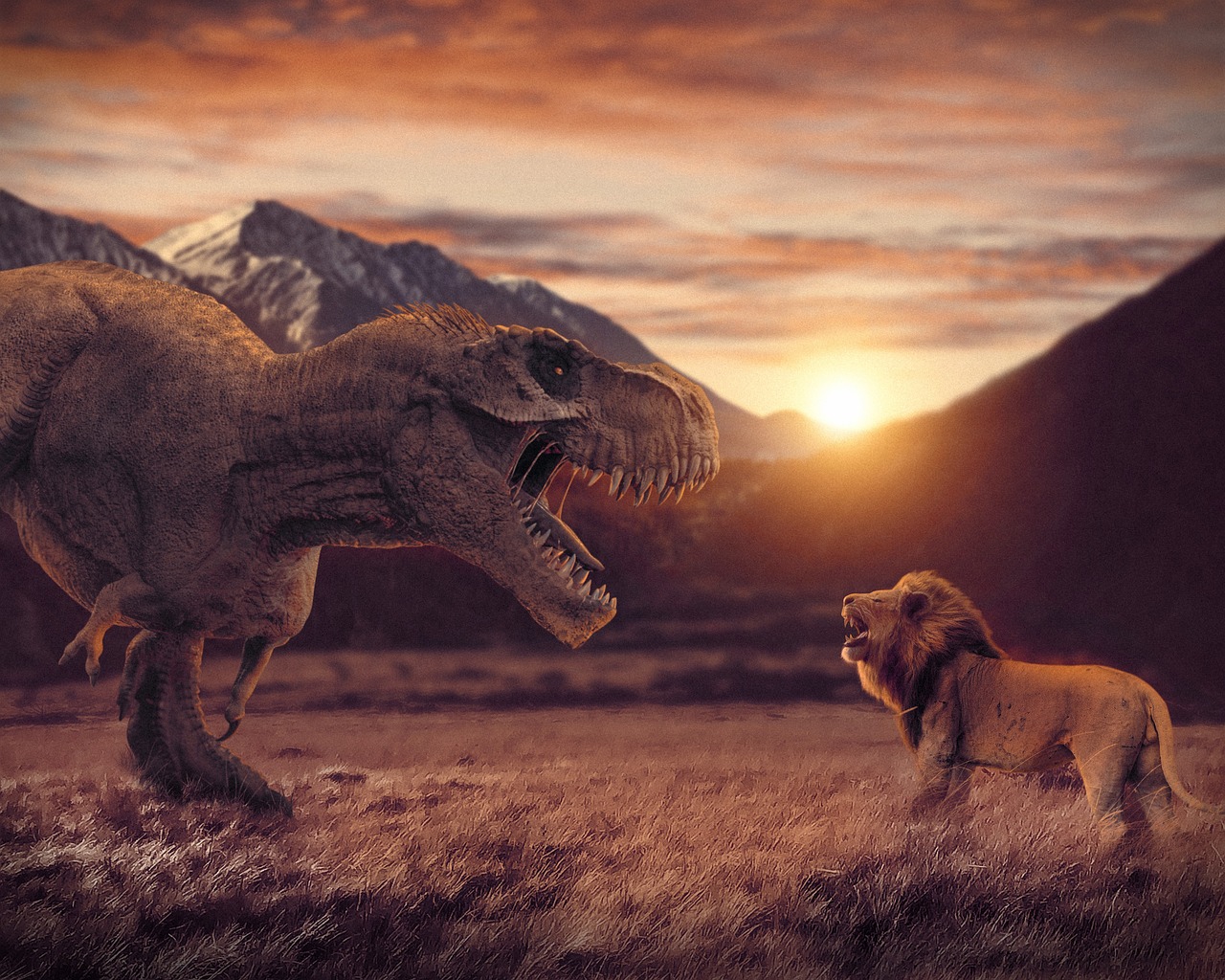
The comparison between blue whales and prehistoric giants reveals fascinating insights about evolutionary success. While ancient creatures like Tyrannosaurus rex and Triceratops capture our imagination with their fearsome appearances, they were actually quite modest in size compared to the blue whale. A T. rex weighed only about 9 tons – less than 5% of a blue whale’s mass.
This size difference highlights how evolutionary pressures shape animal dimensions. Prehistoric giants needed to balance size with agility, hunting ability, and survival skills. Blue whales, conversely, could focus purely on growth since their feeding strategy and marine environment removed most traditional size constraints.
The Biomechanics of Being Massive
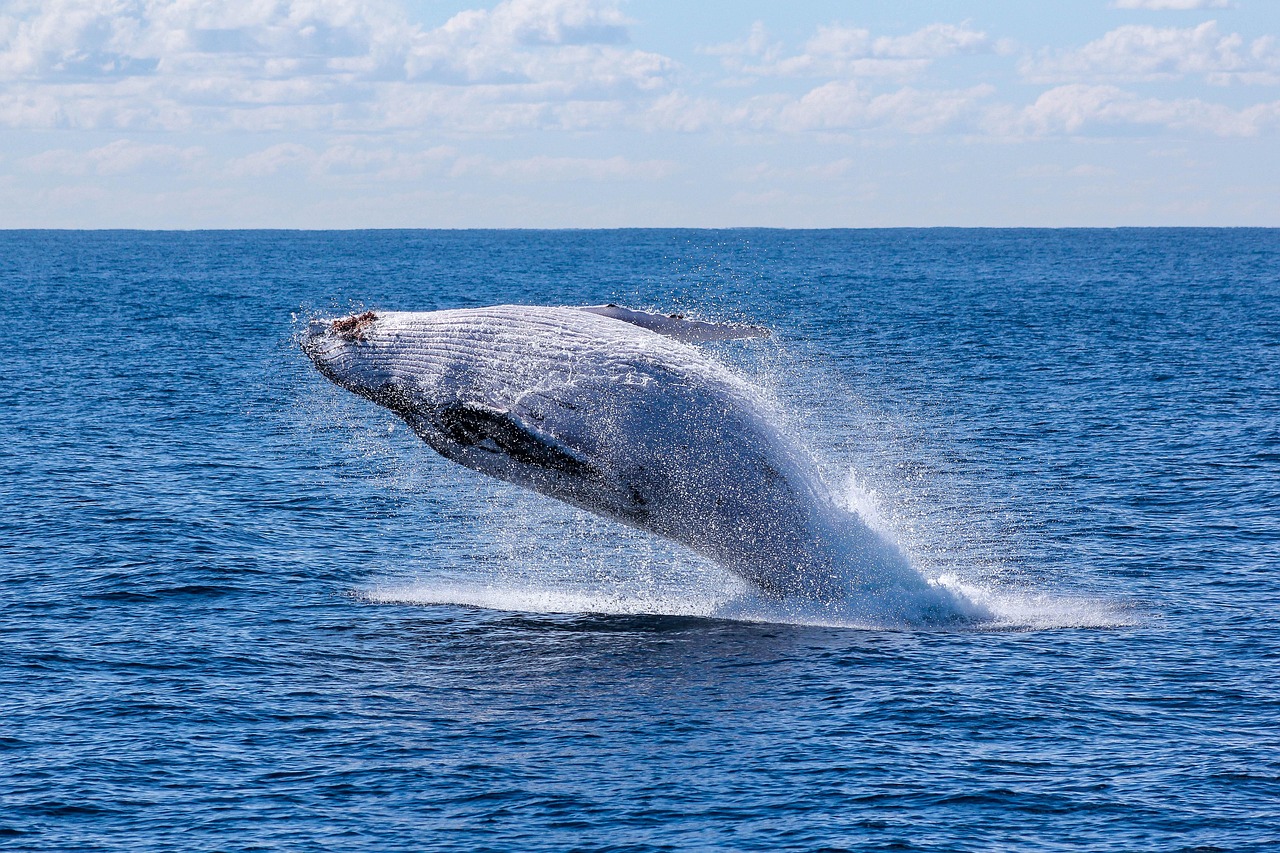
Blue whales have evolved remarkable adaptations to function at their incredible size. Their hearts beat only 5-6 times per minute, pumping blood through vessels large enough for a human to crawl through. Their lungs can hold 5,000 liters of air, and they can hold their breath for up to 90 minutes during deep dives.
These physiological adaptations were impossible for prehistoric land giants. Dinosaurs like Brachiosaurus faced enormous challenges pumping blood to their heads, which could be 40 feet above their hearts. The energy requirements for circulation alone limited how large terrestrial creatures could grow while maintaining basic biological functions.
Climate and Size Relationships
The relationship between climate and animal size played crucial roles in both prehistoric and modern gigantism. Many prehistoric giants lived during periods of higher global temperatures and elevated atmospheric oxygen levels, which could support larger metabolisms. The warm, humid climates of the Mesozoic Era provided abundant plant life to fuel massive herbivores.
Blue whales thrive in today’s oceans partly because of the current ice age conditions, which create nutrient-rich waters that support massive krill populations. The cold polar waters that might challenge other large animals actually benefit blue whales by concentrating their food sources and providing the thermal conditions that favor their massive size.
The Future of Giants
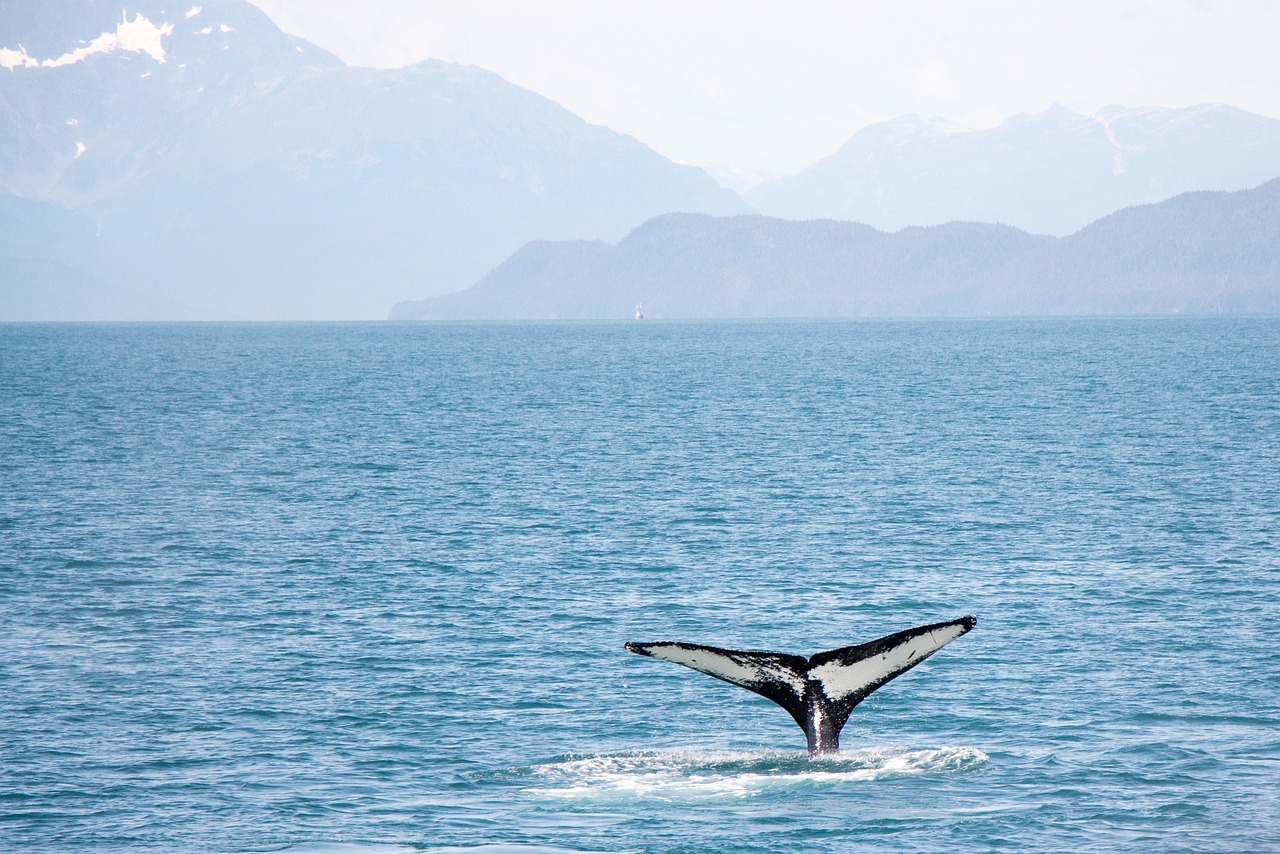
As our oceans face unprecedented changes from climate change and human activity, the future of blue whales remains uncertain. These magnificent creatures survived commercial whaling that reduced their populations to near extinction, but they now face new challenges including ship strikes, noise pollution, and changing ocean chemistry that affects their food sources.
The story of prehistoric giants offers sobering lessons about extinction and environmental change. Many of the massive creatures that once dominated Earth disappeared not because of their size, but because they couldn’t adapt quickly enough to changing conditions. Blue whales, despite their current status as the largest animals ever to exist, face similar challenges in our rapidly changing world.
The blue whale’s supremacy in the size department isn’t just a quirk of evolution – it’s a testament to the power of environmental adaptation and evolutionary innovation. While prehistoric giants dominated their terrestrial domains through brute force and impressive dimensions, blue whales achieved something far more remarkable by breaking through the fundamental size barriers that constrained all land-dwelling creatures. Their story reminds us that sometimes the most incredible achievements come not from fighting against natural limitations, but from finding entirely new ways to transcend them. What other natural records might be waiting to be broken by creatures that dare to think beyond conventional boundaries?