
Life throws curveballs. Sometimes they’re manageable, like a rainy commute or a minor disagreement. Other times, they knock the wind out of you entirely. The thing is, though, some people seem to bounce back faster than others. They navigate stress with a steadiness that feels almost superhuman. Let’s be real, they’re not superheroes. They’ve just learned something powerful: resilience isn’t something you’re born with or without. It’s a skill you can actually develop, bit by bit, through everyday practice.
Think of resilience like a mental muscle that gets stronger the more you use it. What if you could build that strength without needing years of therapy or major life overhauls? The good news is you absolutely can. Through simple, research-backed psychological tricks, you can train your mind to handle adversity with more grace and grit. So let’s dive into seven practical strategies that will help you master your mind and .
Reframe Your Setbacks as Learning Opportunities
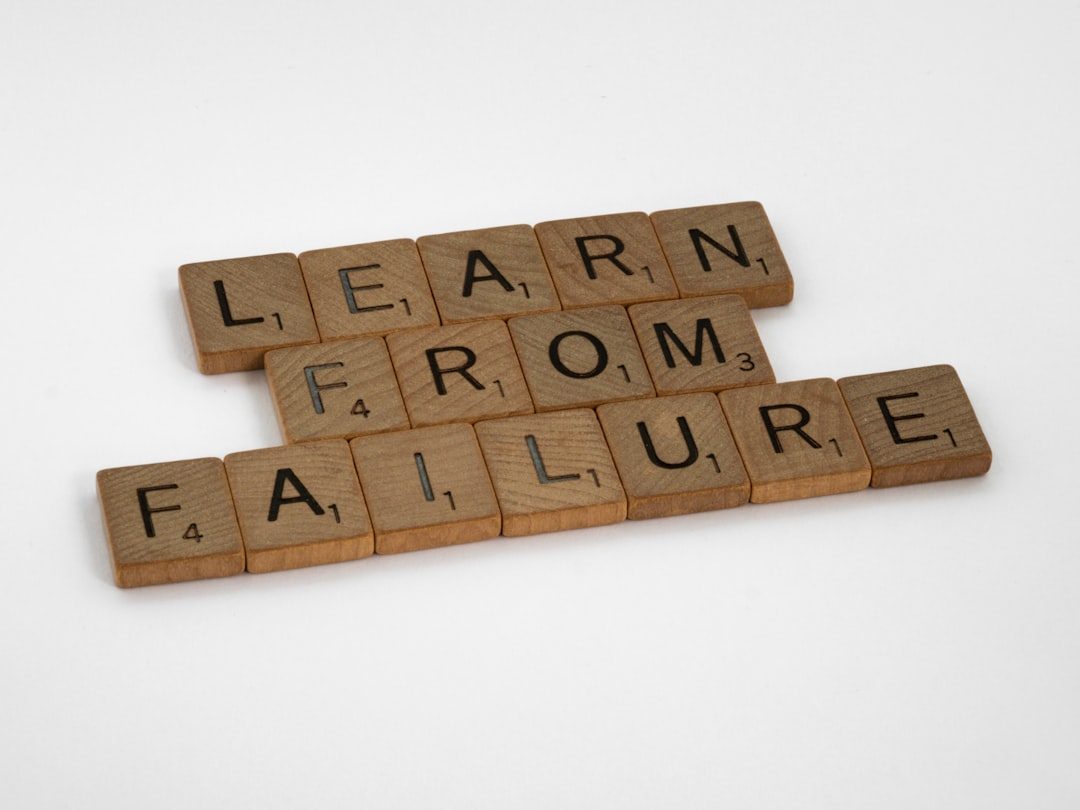
Here’s the thing: how you interpret failure matters more than the failure itself. When you start viewing challenges as opportunities to learn rather than threats, your entire emotional response shifts. Instead of spiraling into self-blame when something goes wrong, ask yourself a different question. What can you gain from this?
This mental shift is what psychologists call cognitive reframing, and it’s surprisingly powerful. When you view challenges as opportunities for growth rather than insurmountable problems, you naturally increase your ability to bounce back. Think about a time you failed at something, then later realized it taught you a critical skill or redirected you toward something better. That’s reframing in action. The trick is to do it deliberately, in the moment, before negativity takes hold.
Try this: when faced with a setback, write down three possible lessons or insights hidden within the situation. Maybe a rejected job application reveals you need to refine your resume, or a relationship conflict highlights a communication pattern you’ve been ignoring. The goal isn’t to sugarcoat pain or pretend everything’s fine. It’s about extracting value from discomfort so it doesn’t feel meaningless.
Build Your Support Network Before You Need It

Nobody becomes resilient in isolation. Honestly, the idea of the lone warrior battling through adversity is kind of a myth. Connection with supportive people, community organizations, coaches, or others that can validate your emotional and personal experience is a major boost to resilience. The catch? You need to cultivate these relationships before crisis hits, not during.
Research shows that having a good support network can help to build resilience and make stress easier to manage. Yet many people wait until they’re drowning to reach out for help. Start now. Schedule regular coffee dates with friends. Check in with family members. Join a community group or online forum where you can connect with like-minded people. These connections become your safety net when life gets rough.
It doesn’t have to be complicated. Send a text to someone you care about today. Share something vulnerable, even if it’s small. The act of opening up strengthens bonds and reminds you that you’re not alone. When challenges arrive, you’ll already have people who understand you and can offer perspective, encouragement, or just a listening ear.
Practice Mindfulness to Strengthen Emotional Regulation

When stress hits, your body goes into overdrive. When faced with adversity, the body releases cortisol and adrenaline to help cope with the immediate threat. That’s useful for short bursts, but prolonged stress hormones wreak havoc on your mental and physical health. This is where mindfulness becomes your secret weapon.
Mindfulness-Based Stress Reduction (MBSR), an eight-week program teaching meditation practices, has wide-ranging health and psychological benefits for people in general and those struggling with mental illness. You don’t need an eight-week course to start, though. Simple practices like focusing on your breath for five minutes or doing a body scan meditation can help you develop emotional regulation skills. Strong feelings tend to manifest physically, and relaxing the body is one way to begin dislodging them, with body scan practice linked to greater well-being.
Here’s a practical technique you can use right now: when anxiety creeps in, try the four-seven-eight breathing method. Inhale for four seconds, hold for seven, exhale for eight. It’s like hitting a reset button for your nervous system. Over time, regular mindfulness practice rewires your brain to respond to stress more calmly and effectively.
Develop a Growth Mindset Through Small Wins

A growth mindset is the belief that abilities and intelligence can be developed through dedication and hard work, turning challenges into opportunities rather than roadblocks. Sounds simple, yet it completely changes how you approach obstacles. Instead of thinking “I can’t do this,” you start thinking “I can’t do this yet.”
The beauty of a growth mindset is that it shifts your focus from innate talent to effort and learning. You stop seeing failure as a reflection of your worth and start seeing it as data. What worked? What didn’t? What will you try differently next time? This perspective makes you infinitely more resilient because setbacks become stepping stones rather than dead ends.
Start small. Set achievable goals and celebrate when you reach them. Maybe you commit to learning one new skill this month or tackling a project you’ve been avoiding. Each small win builds confidence and reinforces the belief that you’re capable of growth. Over time, these micro-successes accumulate into genuine resilience and a stronger sense of self-efficacy.
Keep a Gratitude Journal to Shift Your Focus

This might sound a bit cheesy, but stick with me. Keeping a gratitude journal where you list everything you’re thankful for, even during times of stress, serves as a gentle reminder of all the good things in life. When you’re drowning in problems, your brain naturally fixates on what’s going wrong. Gratitude forces you to zoom out and notice what’s going right.
Being thankful can make you feel better emotionally by lowering anxiety and improving your mood, making you more positive and better at handling tough times. It’s not about toxic positivity or pretending hardships don’t exist. It’s about balance. Yes, things are difficult. Also, you have people who care about you, a roof over your head, or simply the ability to try again tomorrow.
Make it a habit. Every evening, jot down three things you’re grateful for. They don’t have to be profound. Maybe you appreciated a good cup of coffee, a kind word from a colleague, or the fact that you got through a tough day. Over weeks and months, this practice rewires your brain to notice positive aspects of life more readily, which directly strengthens your resilience.
Embrace Self-Compassion Instead of Self-Criticism

We’re often our own harshest critics. When something goes wrong, your inner voice might sound more like a drill sergeant than a supportive friend. Yet research shows this approach backfires. Self-compassion is about being your own best friend during tough times, rather than judging and criticizing yourself when difficulties arise.
Self-compassion doesn’t mean letting yourself off the hook or avoiding responsibility. It means treating yourself with the same kindness you’d offer someone you care about. When you mess up, acknowledge it without spiraling into shame. Say to yourself, “This is hard, and I’m doing my best. It’s okay to struggle.” That simple shift reduces emotional overwhelm and frees up mental energy to actually solve problems.
Try this experiment: the next time you face a setback, notice your inner dialogue. Is it harsh and punishing? Pause and rewrite the script. What would you say to a friend in the same situation? Offer yourself that same grace. Over time, self-compassion becomes a reflexive response that cushions you during difficult moments and helps you recover faster.
Take Care of Your Physical Health as a Foundation

Let’s be real: you can’t build mental resilience on a foundation of exhaustion, poor nutrition, and zero movement. Inadequate or poor sleep has a bidirectional relationship with resilience, meaning those with higher resilience tend to sleep better, and those that sleep better have more resilience. Your mind and body are deeply interconnected, and neglecting physical health directly undermines your psychological strength.
Regular physical activity releases endorphins, which help reduce stress and improve mood, while relaxation techniques like deep breathing, meditation, or yoga can help calm your mind. It’s not rocket science, yet it’s the foundation most people overlook when trying to boost resilience. You don’t need to become a fitness fanatic. Even a 20-minute walk or some basic stretching can make a tangible difference in how you handle stress.
Prioritize sleep like your mental health depends on it, because it does. Aim for seven to eight hours nightly. Eat foods that nourish rather than deplete you. Move your body regularly, even if it’s just dancing around your living room. These aren’t glamorous strategies, but they’re non-negotiable if you want lasting resilience. Think of physical health as the operating system that everything else runs on.
Conclusion: Your Resilience Journey Starts Now

Building resilience isn’t about becoming invincible or never feeling overwhelmed again. It’s hard to say for sure, but I think true resilience is actually about developing the tools to navigate life’s inevitable storms with more steadiness and less devastation. The seven psychological tricks we’ve explored aren’t quick fixes. They’re daily practices that compound over time, gradually strengthening your mental and emotional muscles.
Start with one or two strategies that resonate most. Maybe you commit to keeping a gratitude journal for the next week, or you reach out to rebuild a friendship you’ve neglected. Small, consistent actions create lasting change. Remember, resilience is a journey, not a destination. You’ll have setbacks, and that’s part of the process. The goal is progress, not perfection.
What psychological trick will you try first? Are there any strategies here that surprised you, or ones you’ve already found helpful in your own life? Building resilience is deeply personal, yet we all benefit from sharing what works. Here’s to becoming a little bit stronger, a little bit braver, and a whole lot more resilient in 2025 and beyond.