Paleontology has always been a science of surprises. You think you’ve figured out how something worked, how an animal looked, where it lived, and then someone digs up a rock and the whole story shifts. That is what makes this field so endlessly fascinating to me. It’s one of those rare disciplines where a single discovery can undo decades of textbooks.
Some fossils don’t just add to the record. They flip it entirely. The seven specimens explored here didn’t just fill gaps, they tore open entirely new chapters of prehistoric life. Whether it’s a mummified armored dinosaur, a predator nobody could agree existed, or a creature that showed up 230 million years ago where no one expected, each of these finds carries a jaw-dropping twist. Buckle up, because the past is far stranger than anyone imagined.
1. Borealopelta markmitchelli: The Armored Dinosaur That Refused to Decompose
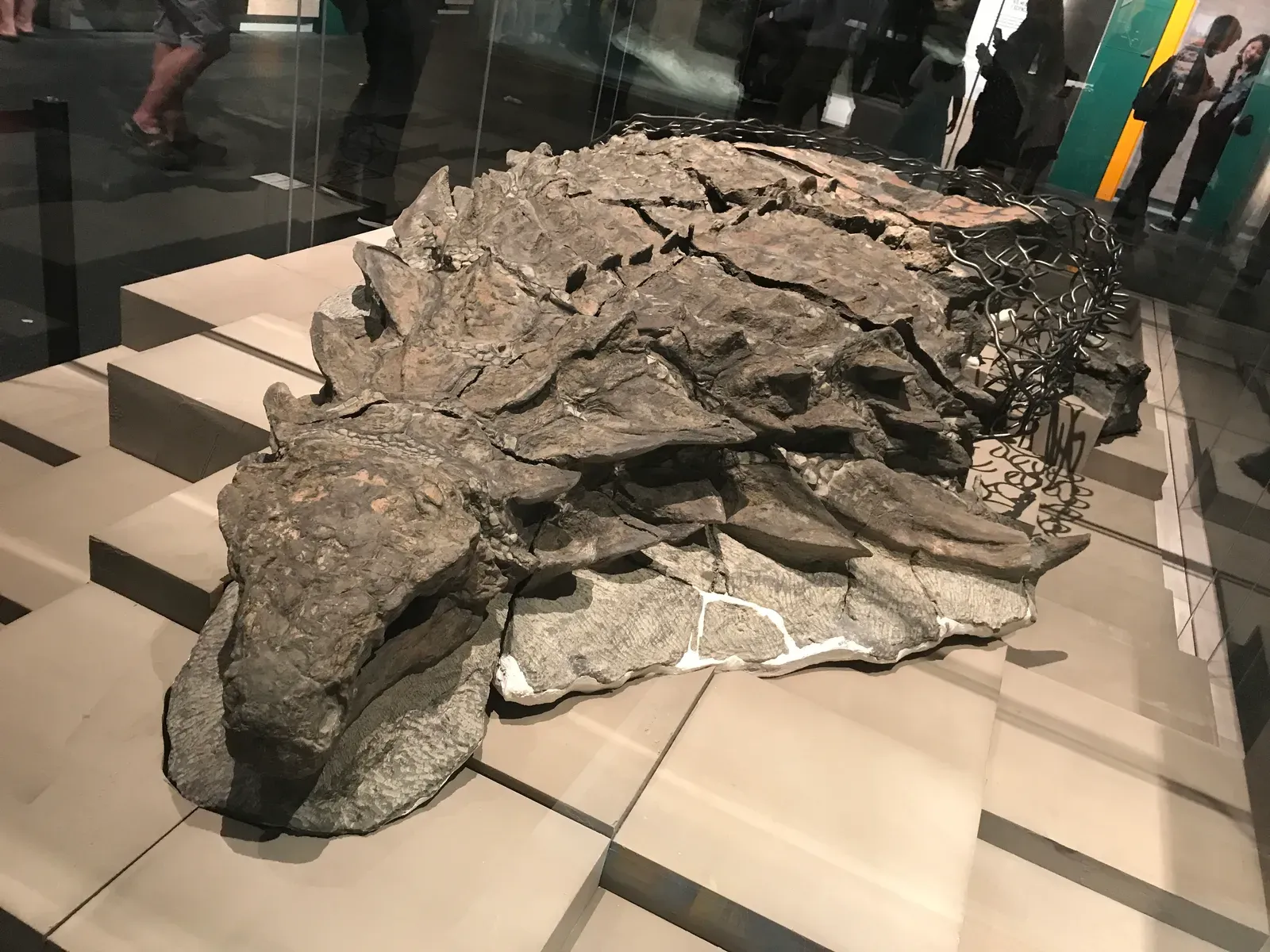
Here’s a fact that honestly sounds impossible: a worker in a Canadian oil sands mine struck something with heavy equipment in 2011 that turned out to be a 110-million-year-old dinosaur, so perfectly preserved that scientists could see its individual scales. A backhoe operator at a sprawling open-pit oil sands operation near Fort McMurray, Alberta, unearthed what would become one of the most extraordinary fossil finds of all time, yielding a three-dimensional specimen with its skin, armor, keratin sheaths, and even pigmentation still intact after 110 million years underground. The workers reportedly thought they had found a statue.
Analysis of the fossilized skin revealed that this most well-preserved of all armored dinosaurs had a reddish-brown coloration and camouflage in the form of countershading, suggesting that despite being the size of a tank, it was still hunted by carnivorous dinosaurs. Think about that for a second. An animal built like a heavily armored medieval fortress still needed to hide. What makes this finding exceptional is not just the preservation, but what it implies: a 1,300-kilogram dinosaur evolved to hide, while in modern ecosystems, animals of this size rarely face predation and show no need for camouflage. Elephants, rhinos, and bison rely on bulk and weaponry. The Cretaceous was apparently a much scarier neighbourhood than we ever imagined.
2. Archaeopteryx: The Fossil That Lit the Fuse Under Evolutionary Science
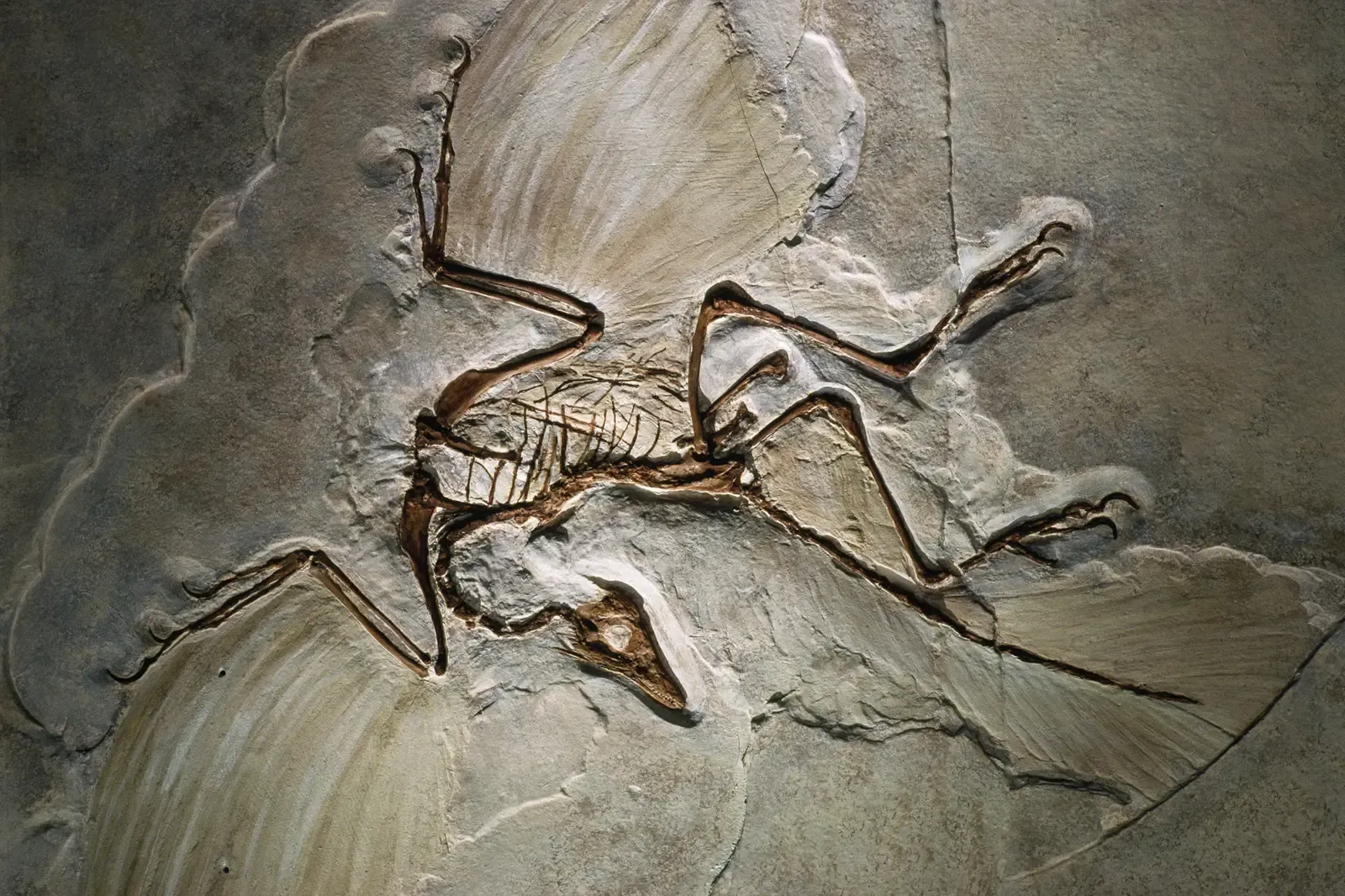
Few fossils have caused as much debate, excitement, and outright scientific chaos as Archaeopteryx. When the small bird-like Archaeopteryx fossil was discovered in the limestone deposits of Solnhofen, Germany in 1860, it made waves not only in the world of palaeontology, but also evolutionary science. The timing was almost theatrical, arriving just two years after Darwin published “On the Origin of Species.” It was, in the most dramatic sense, living proof of exactly what Darwin had predicted.
Unlike all living birds, Archaeopteryx had a full set of teeth, a flat sternum, a long bony tail, and three claws on the wing, yet its feathers, wings, furcula, and reduced fingers are all characteristics of modern birds. It was simultaneously dinosaur and bird, a creature that sat right on the fence between two worlds. The type specimen was discovered just two years after Darwin published “On the Origin of Species,” and Archaeopteryx seemed to confirm Darwin’s theories, becoming a key piece of evidence for the origin of birds, the transitional fossils debate, and confirmation of evolution. Even today, researchers are still uncovering new details, with recent work under ultraviolet light revealing never-before-seen soft tissue features in select specimens.
3. The Dueling Dinosaurs and the Nanotyrannus Controversy That Lasted 35 Years
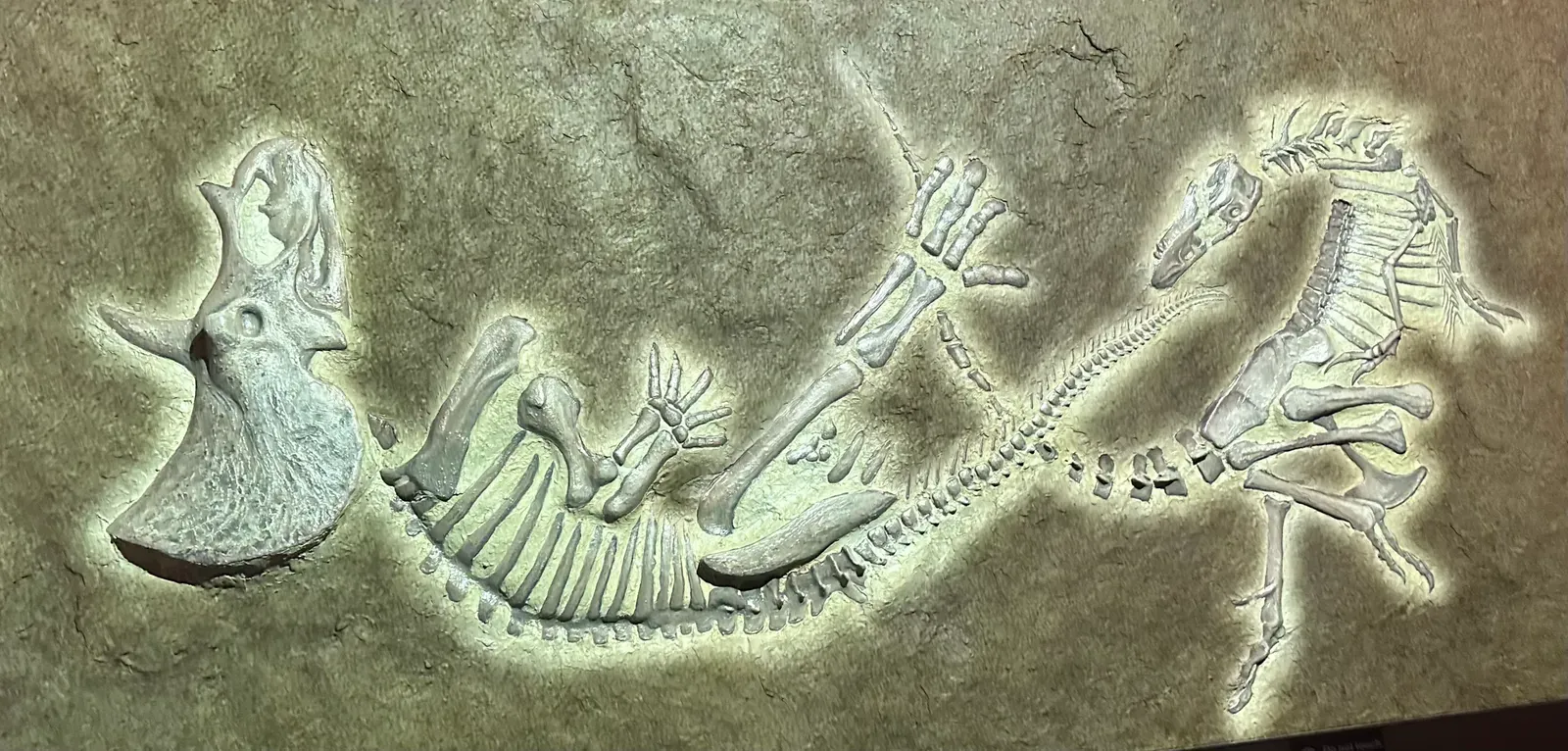
Some scientific debates feel like they will never end. The argument over whether Nanotyrannus was a real, distinct dinosaur or simply a teenage T. rex dragged on for well over three decades. Since the predatory creature was first named in 1988, paleontologists argued over whether medium-sized tyrannosaur fossils found in the same rocks as the iconic T. rex were juvenile T. rex or a unique and distinct predator, and in recent years the bulk of evidence appeared to favor the juvenile T. rex hypothesis. Then the Dueling Dinosaurs changed everything.
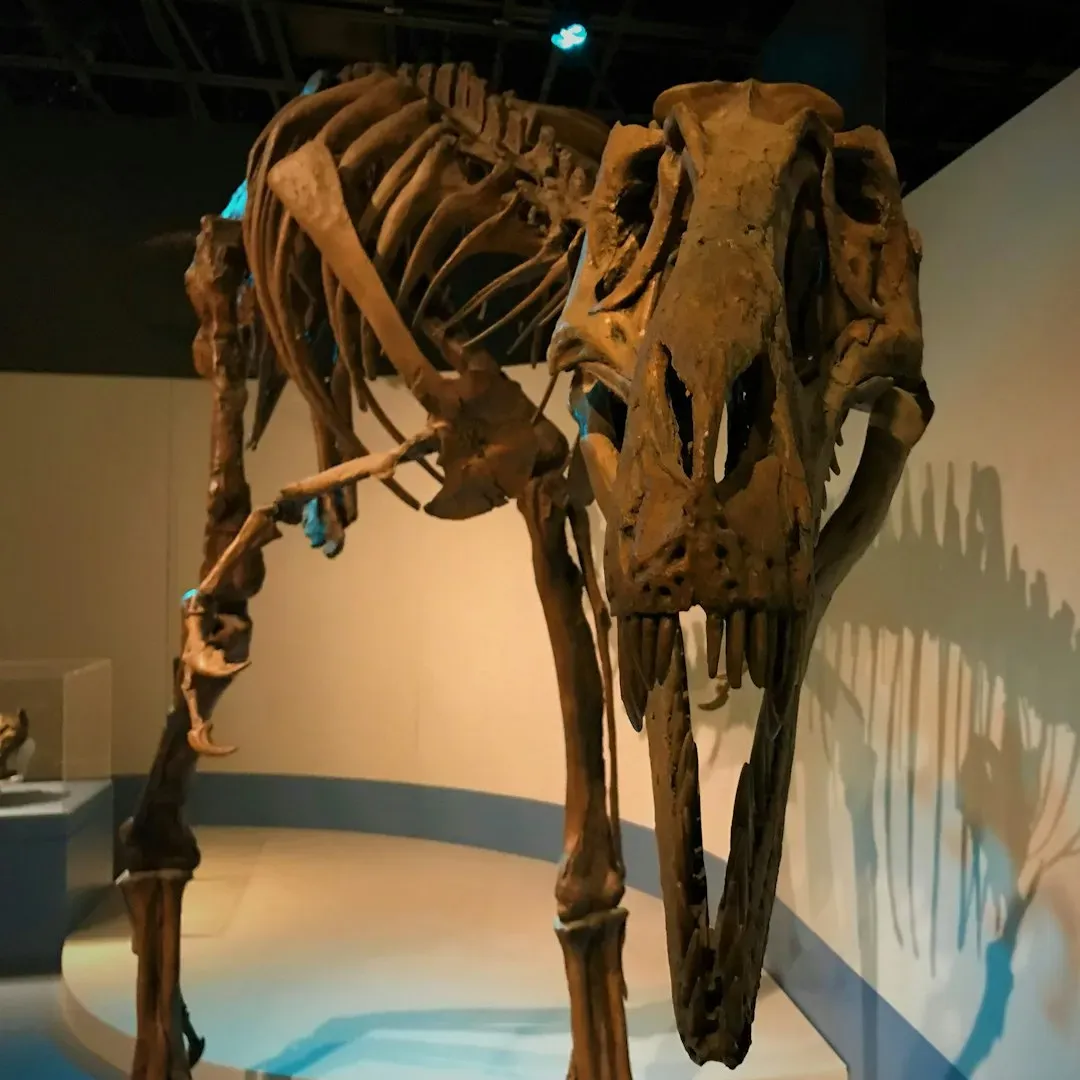
The fossil, part of the legendary “Dueling Dinosaurs” specimen unearthed in Montana, contains two dinosaurs locked in prehistoric combat: a Triceratops and a small-bodied tyrannosaur. That tyrannosaur is now confirmed to be a fully grown Nanotyrannus lancensis, not a teenage T. rex as many scientists once believed. Together, the resulting studies ended a 35-year-long controversy and revealed Nanotyrannus as a slender, agile pursuit predator, built for speed. This discovery completely reframes the idea that T. rex was the lone predator of its time, and we now know multiple tyrannosaur species coexisted in the last million years before the asteroid impact, suggesting a richer, more competitive ecosystem than previously imagined.
4. Ahvaytum bahndooiveche: North America’s Oldest Dinosaur Upends the Birthplace Theory
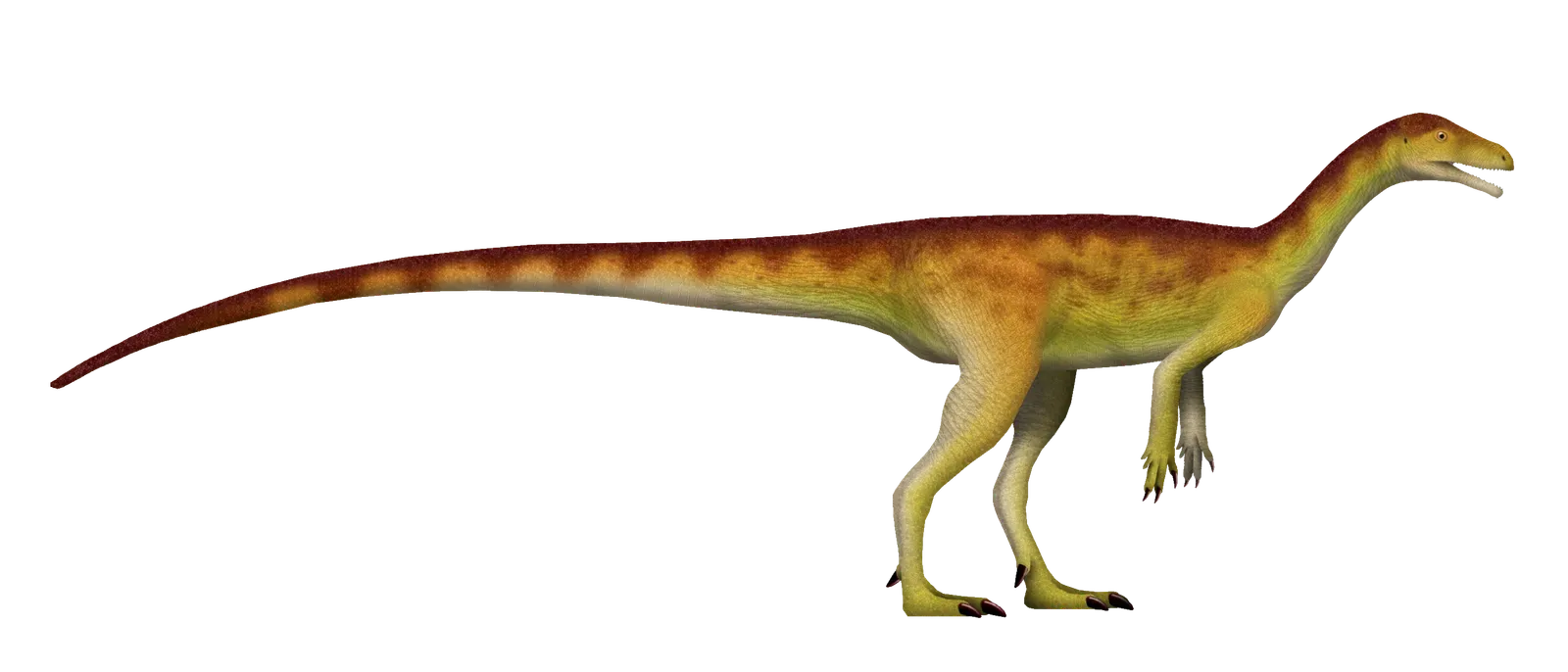
For a long time, scientists believed dinosaurs originated in the high-latitude southern hemisphere, in what was once the supercontinent Gondwana, and only later spread northward. That theory got a serious jolt when tiny bones were found in Wyoming. Paleontologists in the United States uncovered the fossilized remains of a new sauropodomorph dinosaur that lived in the northern hemisphere during the Carnian age of the Late Triassic epoch, around 230 million years ago. The location alone was a bombshell.
Until this discovery, the origin of dinosaurs was thought to be deeply rooted in the high-latitude southern hemisphere, with Gondwanan dinosaur faunas and the oldest known northern hemisphere dinosaur occurrence separated by 6 to 10 million years. However, the newly described Laurasian species lived at the same time as the oldest known southern dinosaurs. Named Ahvaytum bahndooiveche, this sauropodomorph is the oldest known Laurasian dinosaur. The creature lived during or soon after a period of immense climatic change known as the Carnian pluvial episode, and the climate during that period was much wetter than it had been previously, transforming large, hot stretches of desert into more hospitable habitats for early dinosaurs. Tiny, chicken-sized, and utterly revolutionary.
5. Patagotitan mayorum: A Giant That Pushed the Limits of What Life Can Be
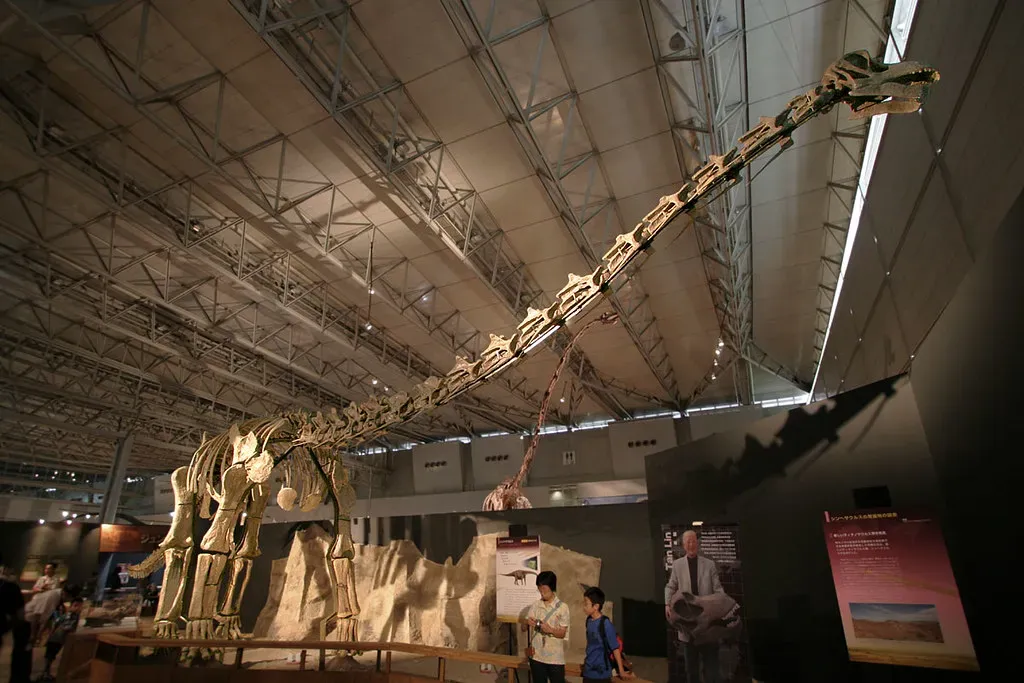
How big can a land animal actually get? It turns out the answer is genuinely mind-bending. In Patagonia, paleontologists uncovered the remains of Patagotitan mayorum, a massive titanosaur that quickly became a contender for the title of the largest land animal ever discovered. Estimated to exceed 120 feet in length and weigh around 69 tons, this colossal sauropod offered new insight into the size limits of terrestrial vertebrates. To put that in perspective, it outweighs roughly a dozen full-grown African elephants.
The exceptional completeness of the fossilized skeletal remains enabled scientists to reconstruct better how titanosaurs supported their immense bulk and how these giants evolved in South America. What Patagotitan also revealed is that size, at this extreme scale, requires extraordinary biological engineering: from reinforced vertebrae to a cardiovascular system capable of pumping blood over massive distances. It forces scientists to rethink not just dinosaur biology, but the fundamental question of how evolution manages the upper boundaries of body mass in land animals. I think that question is one of the most profound in all of natural history.
6. Haolong dongi: A 125-Million-Year-Old Dinosaur With a Body Feature Nobody Had Ever Seen
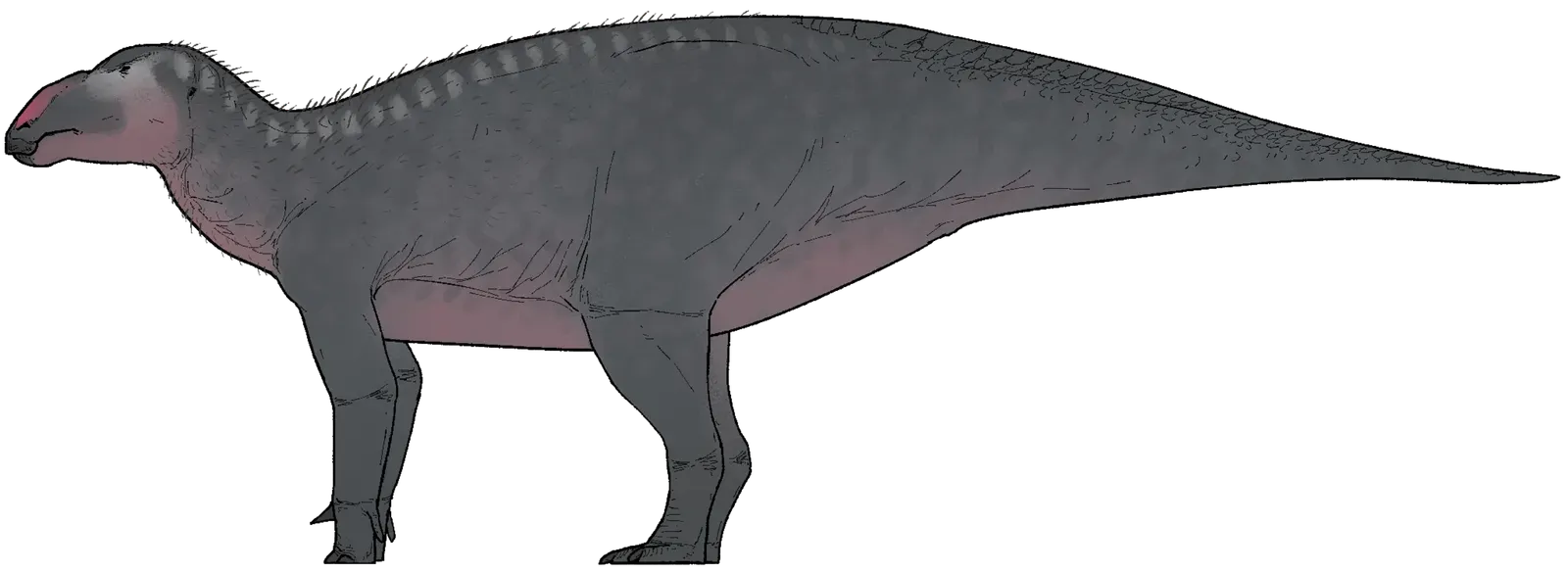
Just when paleontologists thought they had a reasonable handle on what dinosaur bodies could look like, a juvenile iguanodontian from China showed up wearing something entirely unprecedented. Scientists in China uncovered an exceptionally preserved juvenile iguanodontian with fossilized skin so detailed that individual cells are still visible. Even more astonishing, the plant-eating dinosaur was covered in hollow, porcupine-like spikes, structures never before documented in any dinosaur. Never before. In the entire fossil record. That’s not a small claim.
The newly identified species was named Haolong dongi. It was a herbivore that lived during the Early Cretaceous period, when small carnivorous dinosaurs hunted in the same ecosystems, and the hollow spikes may have served as a defensive adaptation, functioning in a way similar to the quills of a porcupine by discouraging predators. Researchers also suggest the spikes could have helped regulate body temperature, since structures that increase surface area can assist with releasing or conserving heat, and another possibility is that the spikes had a sensory role, helping the dinosaur detect movement or environmental changes around it. The findings, published in Nature Ecology and Evolution in February 2026, introduced an entirely new feature to the known diversity of dinosaur anatomy and revealed that dinosaur skin and body coverings were more varied and innovative than previously understood.
7. Spicomellus afer: The Punk-Rock Ankylosaur That Shattered Evolutionary Timelines
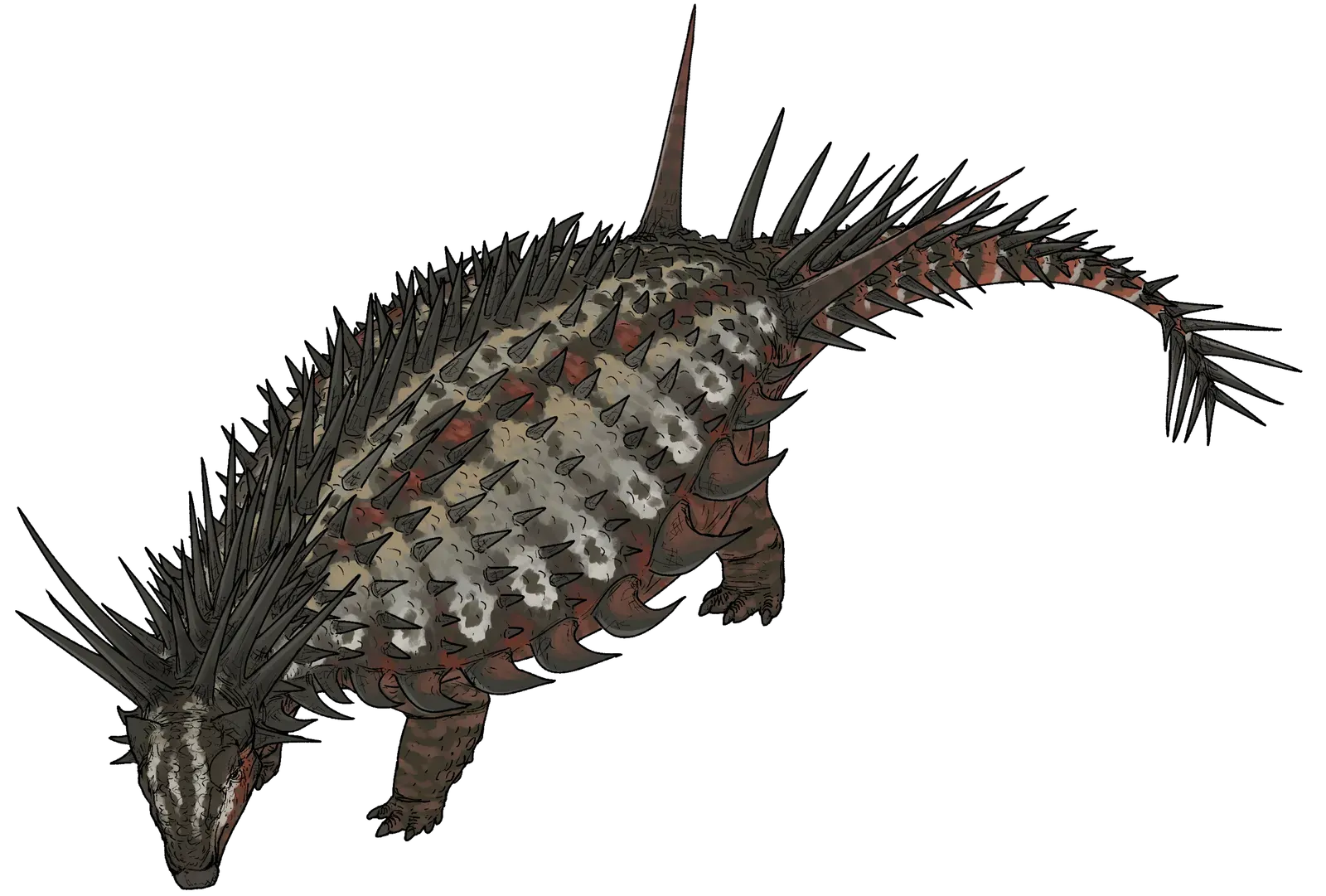
You would be forgiven for assuming that heavily armored dinosaurs with enormous tail clubs and elaborate body spikes were a later development in evolution. That assumption turned out to be spectacularly wrong. The armored dinosaur Spicomellus was more than 165 million years old and yet had large spikes and a tail club normally associated with ankylosaurs that lived tens of millions of years later. Its anatomy demonstrated that ankylosaurs evolved extremely spiky armor very early in their history, which apparently was lost or modified, only to later converge on a similar array of armor in the Cretaceous. Spicomellus upended how paleontologists thought ankylosaurs evolved.
The new fossils show that Spicomellus is the oldest known member of the ankylosaurs, heavily armoured, low and squat plant-eaters. Spicomellus is characterized by its bizarre armour, bristling with long spines all over the body, including a bony collar around the neck with spines the length of golf clubs sticking out of it. Dubbed the “punk rock dinosaur” by the BBC, Spicomellus is changing our understanding of ankylosaur evolution, but also highlighting the importance of the Moroccan fossil record. The idea that such elaborate defensive weaponry appeared so early, then vanished, then re-evolved independently millions of years later, is a concept that makes evolutionary biology feel almost theatrical. Nature, it seems, found a good design and kept coming back to it.
Conclusion: The Ground Beneath Us Is Full of Surprises
Every single fossil on this list started as an accident, or a patient search, or a miner just doing his job on an ordinary Tuesday morning. Since the first dinosaur was named two centuries ago, scientists have made considerable progress in revealing the fascinating and complex lives of these ancient reptiles, and in the 200 years since, we have learned more about how dinosaurs evolved, what they looked like, how they behaved, and what eventually became of them, with new fossils and new techniques enabling scientists to delve into their lives like never before. Yet the pace of discovery only seems to be accelerating.
What is perhaps most humbling is how much of our so-called “established science” turns out to be a working draft. Nanotyrannus was a myth for 35 years before a single well-preserved skeleton ended the debate overnight. Ahvaytum was sitting in a Wyoming hillside for 230 million years, quietly waiting to overturn the birthplace theory of all dinosaurs. Some of the most complete specimens may still lie hidden in rock, waiting for erosion or excavation to bring them to light, and each new discovery has the potential to challenge assumptions and refine understanding. That is the most exciting thought in science. The next world-changing fossil could be found tomorrow, by someone who simply looked down at the right moment. What discovery do you think will come next? Share your thoughts in the comments below.