Everyone knows the story. A giant rock from space slammed into Earth 66 million years ago, and just like that, the most dominant creatures to ever walk the planet were gone. It’s a satisfying, dramatic narrative, almost cinematic in its simplicity. But science rarely works in neat, tidy chapters, and the truth behind one of history’s greatest vanishing acts is far messier, far more fascinating, and possibly far more layered than a single cosmic collision.
If you think the asteroid story alone puts this mystery to bed, you might be surprised. Researchers have spent decades digging through fossil records, analyzing rock formations, and running computer simulations, all in pursuit of a fuller picture. What they’ve found is a graveyard of compelling alternative theories, some still very much alive in scientific debate. Let’s dive in.
1. The Deccan Traps Volcanic Theory: When the Earth Turned Against Itself
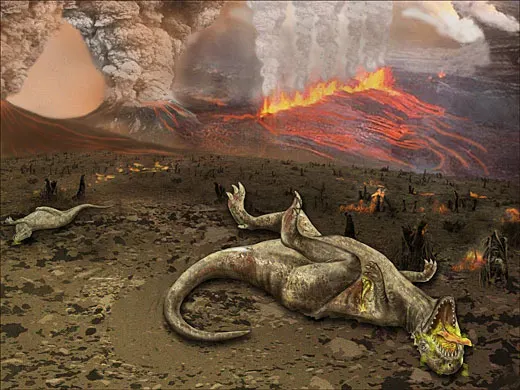
Imagine an eruption so massive, so relentlessly prolonged, that it would make every modern volcano on the planet look like a hiccup. That’s essentially what scientists have been wrestling with when it comes to the Deccan Traps, a vast volcanic landscape in western India that was born from catastrophic geological upheaval around the time dinosaurs disappeared. The Deccan Traps date back to around 66 million years ago, when magma from deep inside Earth erupted to the surface, and in some parts, the volcanic layers are more than two kilometers thick, making this the second-largest volcanic eruption ever on land. That is not a small detail. That is staggering.
Volcanic activity of this magnitude would have spewed out huge amounts of carbon dioxide into the atmosphere causing greenhouse warming, while also producing levels of toxic gases like sulfur and chlorine, resulting in acid rain and further damaging the global environment. Think of it as a slow-burning catastrophe, one that weakened the planet’s ecosystems over tens of thousands of years before anything else could deliver a final blow. The Deccan Traps had been erupting for roughly 300,000 years before the Chicxulub asteroid, and during their nearly one million years of eruptions, the Traps are estimated to have pumped up to 10.4 trillion tons of carbon dioxide and 9.3 trillion tons of sulfur into the atmosphere. Numbers that are almost impossible to fathom.
2. The Pre-Extinction Decline Theory: Dinosaurs Were Already in Trouble
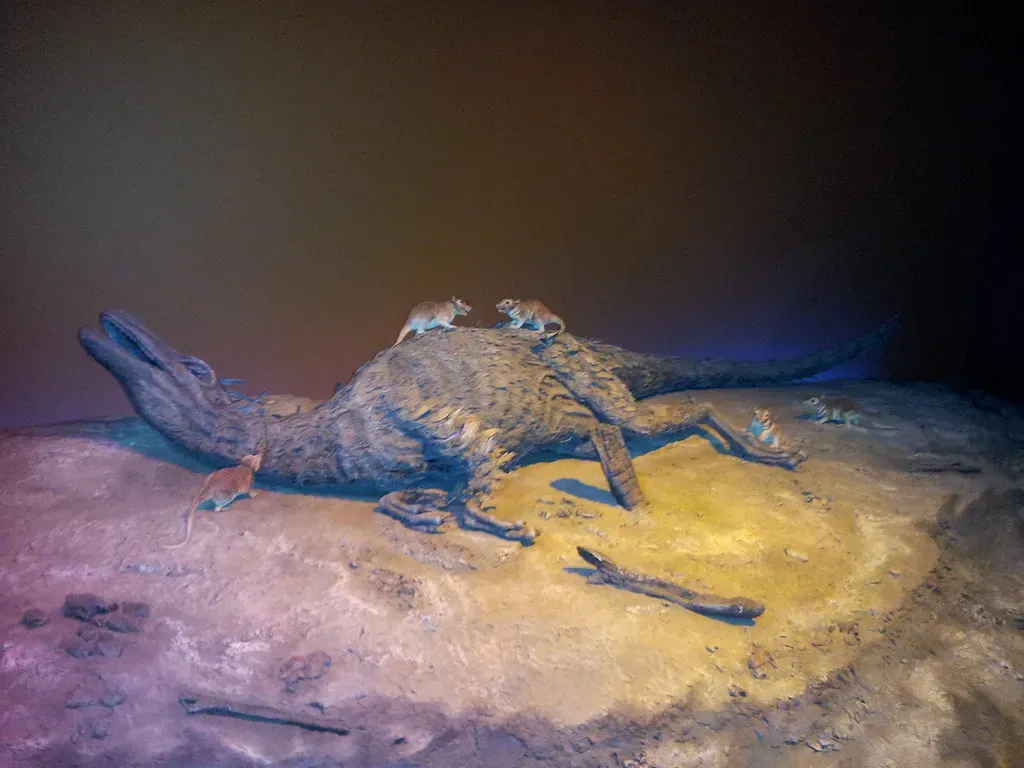
Here’s a theory that honestly doesn’t get enough attention in the public conversation. What if the dinosaurs weren’t thriving right up until that fateful cosmic moment? What if they were already struggling, already declining, already vulnerable before any rock from space entered the picture? The most famous mass extinction was the disappearance of non-avian dinosaurs at the end of the Cretaceous 66 million years ago after ruling the Earth for 170 million years. Although evidence for an end-Cretaceous impact is indisputable, most scientific debate has focused on whether the extinction was geologically abrupt or gradual and whether it was caused by factors intrinsic to dinosaurs or by extrinsic physical drivers.
Analysis of speciation-extinction dynamics for six key dinosaur families reveals a decline across dinosaurs, where diversification shifted to a declining-diversity pattern around 76 million years ago. This decline was likely driven by global climate cooling and a herbivorous diversity drop, the latter likely due to hadrosaurs outcompeting other herbivores. In other words, imagine a slow war of attrition happening within the dinosaur world itself. As dinosaurs were probably mesothermic organisms with varying thermoregulation abilities in different groups, their activities were probably partially constrained by environmental temperatures. This is particularly true of larger dinosaurs, which almost certainly relied substantially on mass homeothermy to maintain constant body temperatures, and it is likely that climatic deterioration would have made such a thermoregulatory strategy increasingly difficult.
3. The Sea Level Regression Theory: When the Oceans Pulled Back

This one surprises most people. You wouldn’t necessarily think that changes in sea level could bring down the rulers of the land, yet the sea level regression theory has attracted serious scientific attention for decades. Research has concentrated on marine regression, meaning a drop in sea level and the corresponding global environmental deterioration, as one of the three major theories. Notably, all three major stress factors, including the asteroid impact, the Deccan Traps, and marine regression, occurred at the end of the Cretaceous, making it difficult to disentangle their relative importance.
Marine regression resulted in the loss of epeiric seas, such as the Western Interior Seaway of North America, and the loss of these seas greatly altered habitats, removing coastal plains that ten million years before had been host to diverse dinosaur communities. Think of it like draining the lakes and rivers from an entire continent, collapsing the food web from the bottom up. The regression would also have caused climate changes, partly by disrupting winds and ocean currents and partly by reducing the Earth’s albedo and increasing global temperatures. A cascading collapse, slow but lethal in scope.
4. The Comet Shower Theory: A Bombardment Over Millions of Years
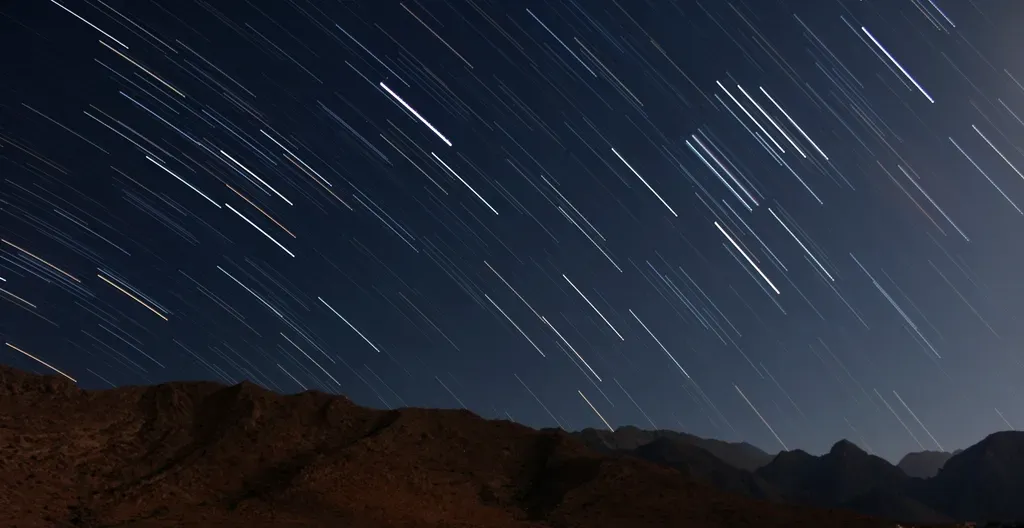
What if the end of the dinosaurs wasn’t a single bad day, but rather a prolonged cosmic nightmare stretching over millions of years? That’s the unsettling premise of the comet shower theory, and it’s wilder than it sounds. Scientists at NASA’s Jet Propulsion Laboratory proposed that comet showers occurring over a period of time may have caused the extinctions, with such showers caused by the close passage of neighboring stars through the Oort cloud of comets surrounding the solar system.
A major comet shower involving a billion comets with diameters of 3 kilometers would result in about 20 comets striking the Earth over a period ranging from one to three million years. You can think of that as a long, slow cosmic firing squad, volley after volley, each impact destabilizing the climate just enough to keep recovery from happening. Impacts of Earth-crossing asteroids take place randomly in time, but a significant number of comets could arrive in discrete showers triggered by a relatively close passage of a star or interstellar gas cloud, with the showers lasting about three million years and the bulk of the comets arriving within one million years. It’s a nightmare scenario, and one that remains scientifically plausible.
5. The Supernova Radiation Theory: Death From the Stars

Now for one of the oldest and most dramatic theories ever proposed. What if a dying star, somewhere out in the cosmos, exploded with such violence that its radiation reached Earth and devastated life? In 1956, Russian astronomer Joseph Shklovsky became the first scientist to consider that a supernova, meaning the explosion of a dying star, showered the Earth in radiation that could have killed the dinosaurs, though the problem was explaining why dinosaurs died out while other species did not, and scientists said such an event would have left evidence of trace radiation dating back to the Cretaceous Period, but none was found.
K. D. Terry from the University of Kansas and Wallace Hampton Tucker suggested that dinosaurs possibly went extinct due to ionizing radiation caused by a supernova explosion, with Dale Alan Russell and Wallace Tucker promoting the same hypothesis in 1971, noting that no traces of such a flash have been found and that it should have indiscriminately affected all life on Earth. That last point is the real problem. Radiation wouldn’t care whether you were a Triceratops or a frog, and frogs survived just fine. The result of testing for this was no measurable levels of the radioactive plutonium that would have indicated a nearby supernova, making the argument against the supernova theory essentially bombproof. Still, it remains a fascinating chapter in the history of scientific imagination.
6. The Global Climate Cooling Theory: A World Turning Cold
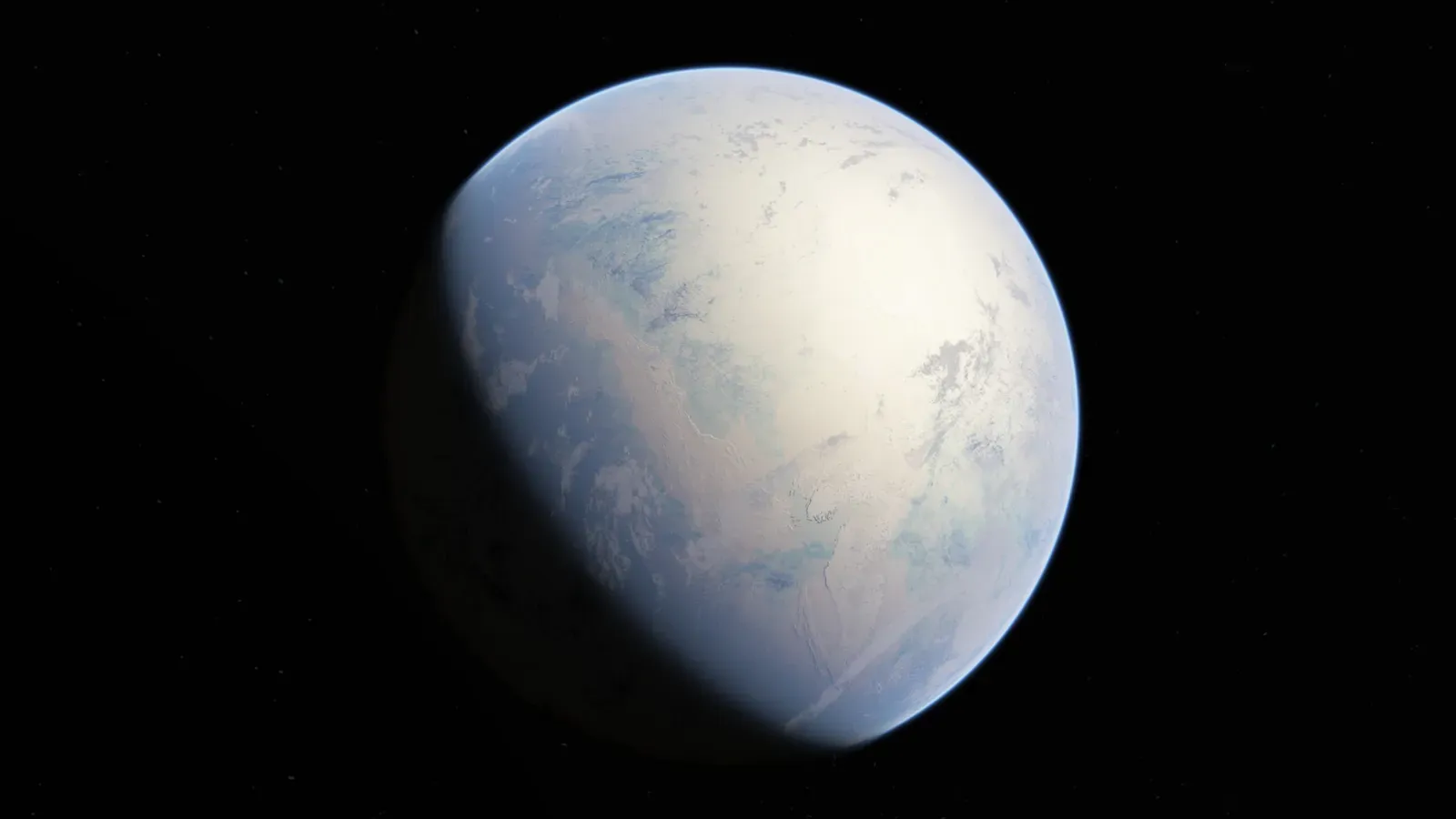
Long before asteroid impact theory dominated the conversation, a quieter, steadier villain was under suspicion: a cooling planet. For many years, climate change was the most credible explanation for the dinosaurs’ demise. Dinosaurs thrived in the planet’s consistently humid, tropical climate, but in the late Mesozoic Era that corresponds with the extinction, evidence shows that the planet slowly became cooler, with lower temperatures causing ice to form over the poles and oceans to grow colder. A world slowly draining itself of warmth, generation after generation.
The global mean temperature experienced a long-term decline during the latest Cretaceous from approximately 75 to 66 million years ago, though multiple short-term warming intervals were also found in marine records during this period. It’s a bit like a fever that breaks and comes back, except this one never fully resolved. Research demonstrates that climatic conditions were almost certainly unstable, with repeated volcanic winters that could have lasted decades prior to the extinction of the dinosaurs, and this instability would have made life difficult for all plants and animals, setting the stage for the extinction event. The ground was being cut out from under the dinosaurs long before any cosmic event finished the job.
7. The Multiple Causation Theory: No Single Villain
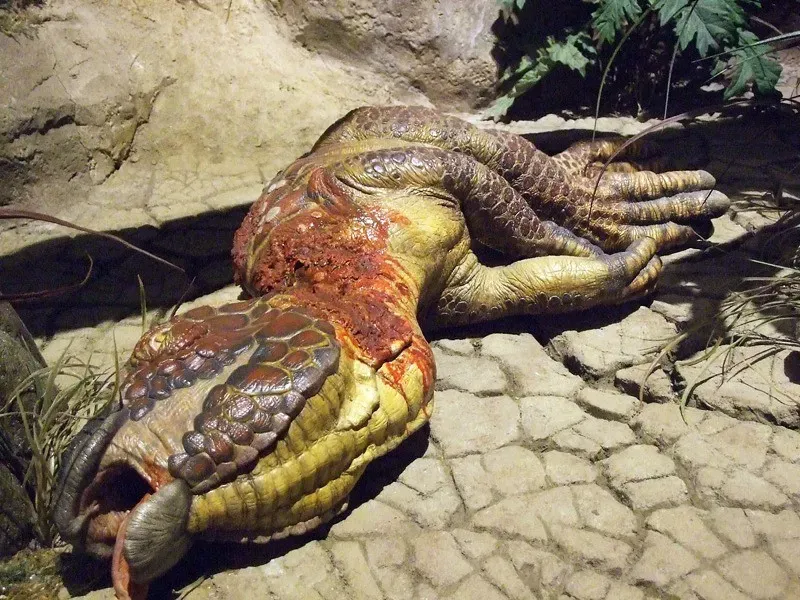
Let’s be real. The most intellectually honest position might be the most complex one. Science has been steadily moving toward a framework where no single cause is responsible and where a combination of catastrophic forces, stacking on top of one another, finally pushed life past the point of no return. Proponents of multiple causation view the suggested single causes as either too small to produce the vast scale of the extinction or not likely to produce its observed taxonomic pattern, and a scenario combining three major postulated causes, namely volcanism, marine regression, and extraterrestrial impact, has been discussed, in which terrestrial and marine communities were first stressed by habitat changes.
Early theories attributing the extinction event to volcanic eruptions were eclipsed by the discovery of the Chicxulub impact crater in Mexico, but the theories have begun to converge as fossil evidence suggests a one-two punch unlike anything in Earth’s history, with the asteroid possibly slamming into a planet already reeling from the massive eruptions of the Deccan Traps. Scientists still do not know, nor agree on, the extent to which each event contributed to the mass extinction. Honestly, that tension is exactly what makes the science so alive. Debate regarding the cause of the mass extinction has proven to be extremely controversial among researchers, and the resilience of its intensity has earned it the moniker of the “dinosaur wars.” Science, at its most passionate and human, on full display.
Conclusion: The Mystery Is the Message
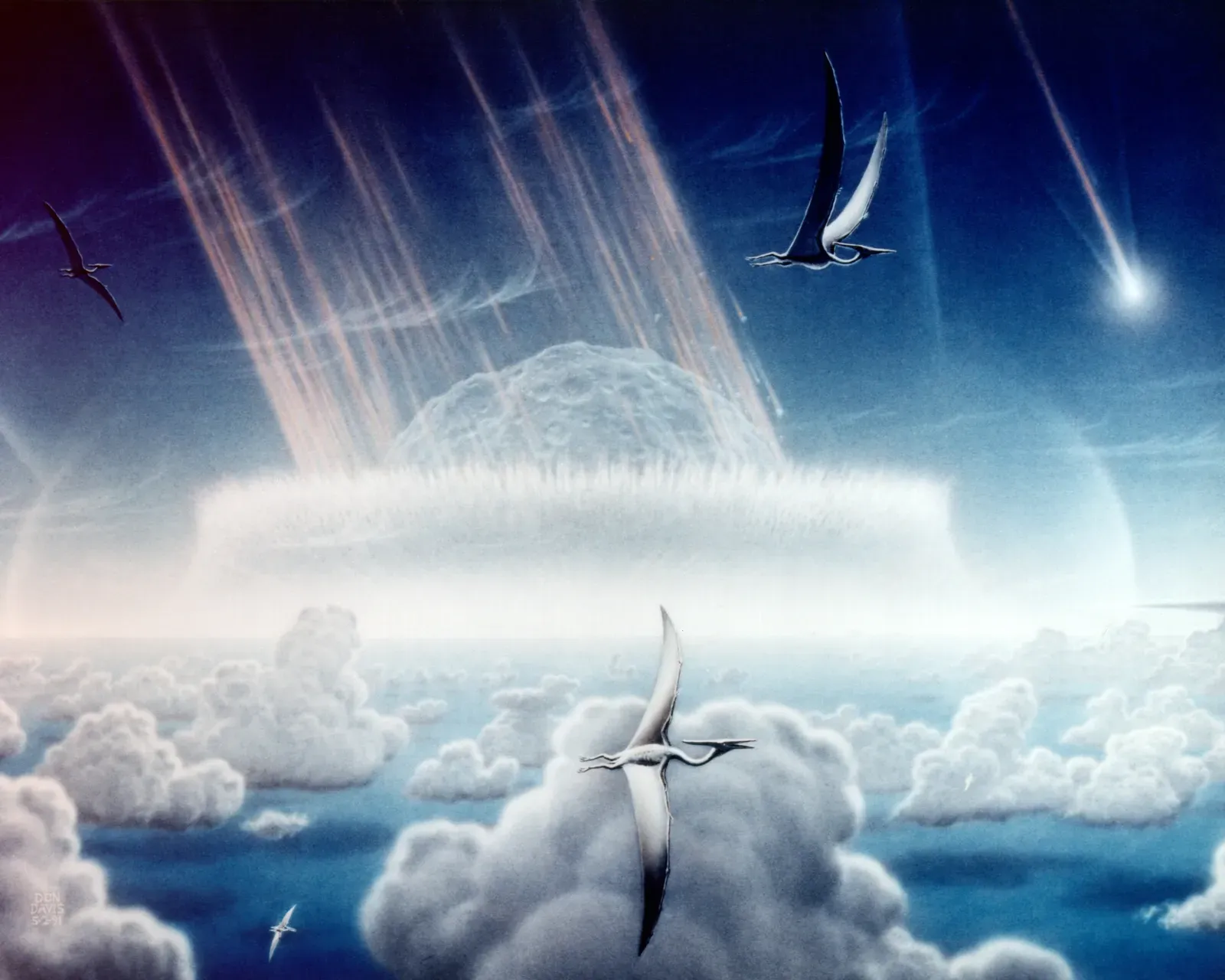
What makes the story of dinosaur extinction so captivating isn’t the answer, it’s the sheer complexity of the question. You have volcanic super-events, falling seas, cosmic rain, star explosions, cooling climates, and a pre-existing biological decline, all converging at roughly the same point in time. The asteroid may indeed have delivered the final blow, but a growing mountain of evidence suggests the world these creatures lived in was already fracturing beneath their feet.
In 2026, with new AI-assisted modeling, more precise geochemical dating, and ongoing fossil discoveries, scientists are getting sharper at asking the right questions. The “dinosaur wars” continue, and that’s a good thing. It means this remarkable chapter in Earth’s history still has more to reveal. What do you think really sealed the dinosaurs’ fate? One catastrophe, or a perfect storm of many? Tell us in the comments.