
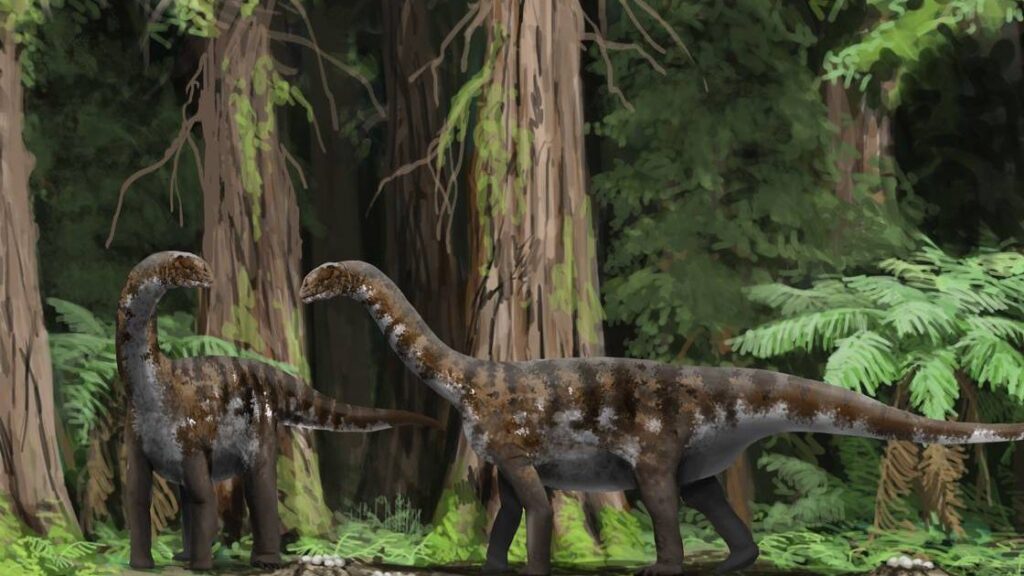
Have you ever wondered whether dinosaurs cared for their young, or did they just abandon them to fend for themselves? For decades, we imagined these ancient giants as cold, reptilian creatures with little concern for family bonds. Yet, recent fossil discoveries are turning that idea completely on its head. The evidence buried in ancient rock formations tells a surprisingly tender story about how dinosaurs lived, nested, and raised their babies. From protective parents sitting on nests to youngsters traveling in age segregated herds, the fossil record holds incredible clues about behaviors we never thought possible. Let’s dive in and uncover what science has revealed about the hidden family lives of these magnificent creatures.
Nesting Colonies Reveal Community Parenting
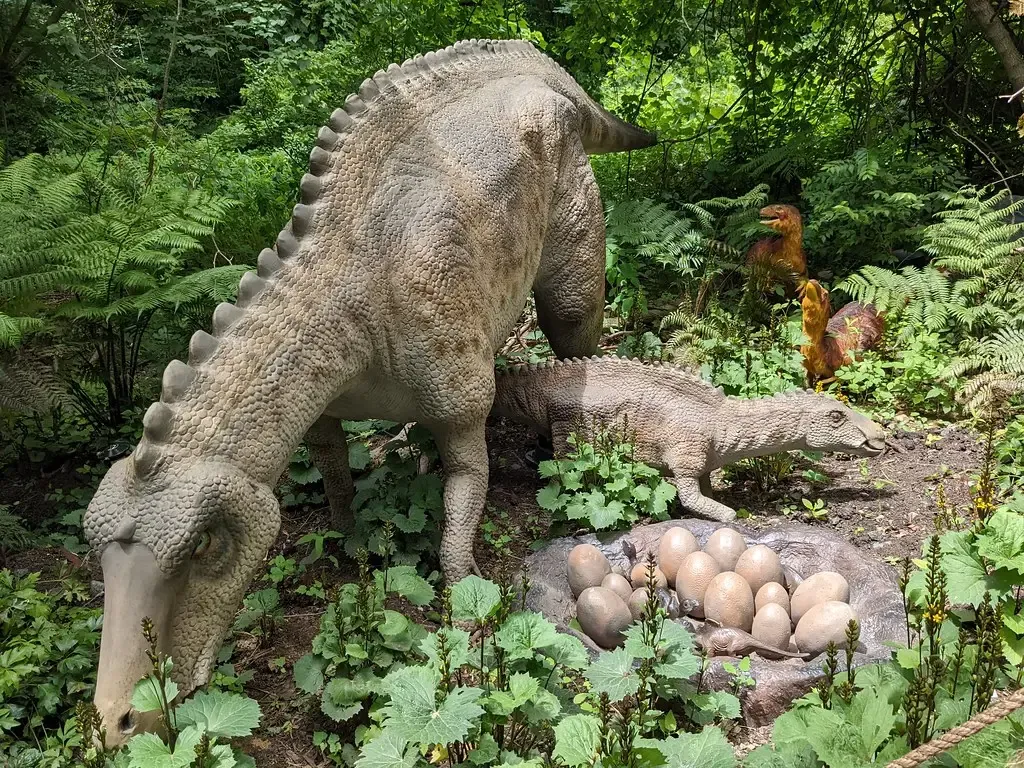
Fossil evidence suggests that Maiasaura parents nested in large colonies, creating a social structure similar to modern day birds, which provided several advantages in terms of protection and care for their hatchlings. Think about it like a neighborhood where everyone looks out for each other’s kids. The close proximity of nests indicated these dinosaurs nested in groups. This wasn’t random clustering. These dinosaurs deliberately chose to raise their families together, possibly for mutual defense against predators or to share the burden of keeping watch.
Their nests in the ground were spaced about seven metres, or one dinosaur length apart, suggesting that like modern communally nesting birds, they liked to be close but not so close that they would bite and bicker. Such spacing reveals a level of social etiquette we wouldn’t expect from animals often depicted as mindless monsters. The fossil sites show repeated use over many years, hinting that some species returned to the same breeding grounds generation after generation.
Brooding Positions Show Protective Instincts
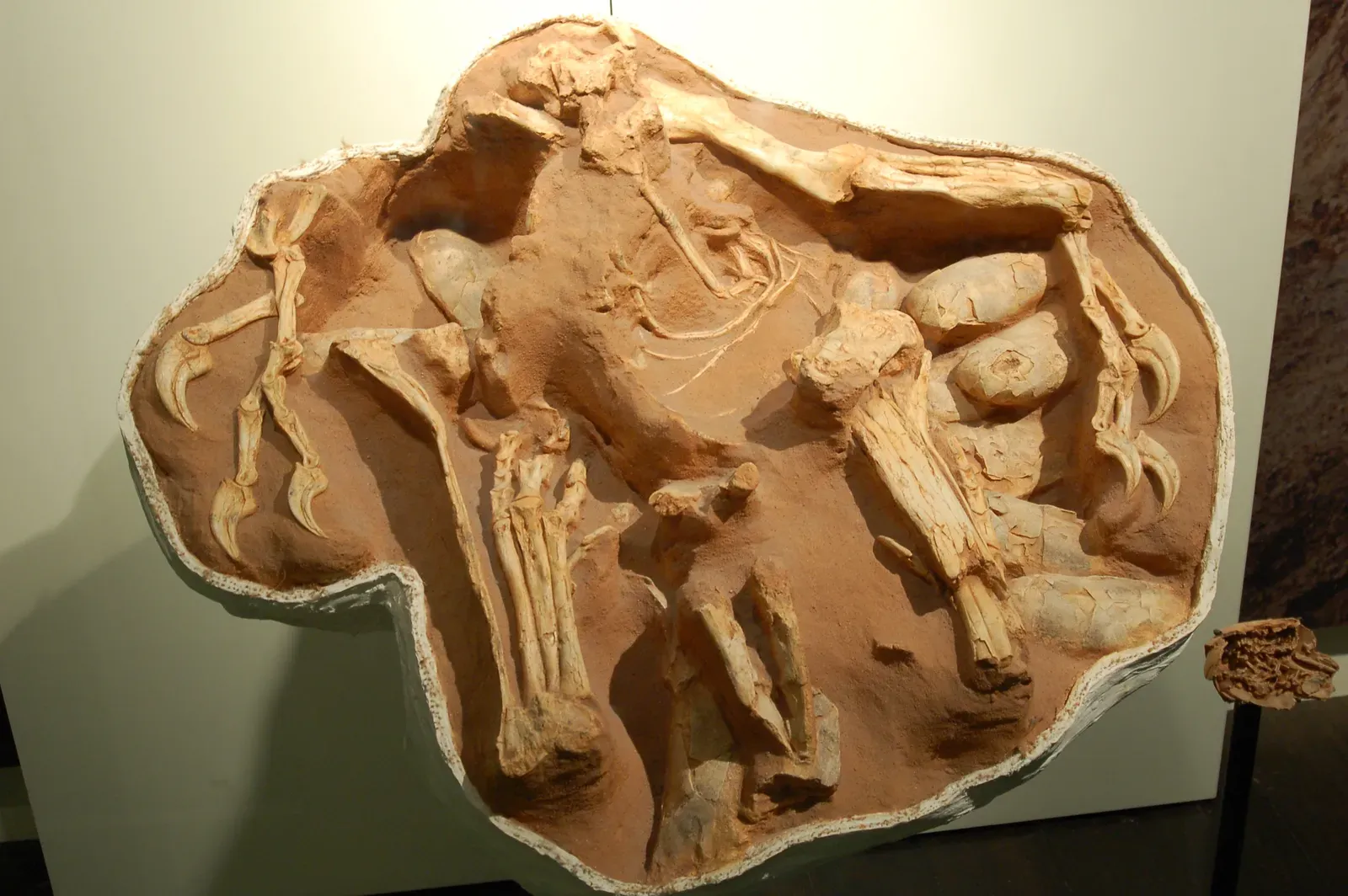
One of the most striking discoveries is the famous Big Mama fossil. Big Mama is a 75 million year old oviraptorid that was uncovered brooding on, meaning sitting on top of, a nest of eggs. They sit on those nests in a very bird like way with their bodies positioned in the center of the nest, and their arms held over the eggs to help protect them. Here’s the thing: this dinosaur died protecting its unborn young, likely caught in a sudden sandstorm or mudslide.
Their bodies would have been covered in large, down like feathers that would have helped conceal and insulate the eggs. For larger oviraptorosaurs that risked crushing their eggs, fossils suggest they laid their elongated oval eggs in a near perfect ring shape, with two or three rings stacked on top of one another, leaving a spot in the middle for them to set their weight. This clever engineering allowed even hefty parents to incubate their clutches safely. It’s hard to say for sure, but this level of care seems downright devoted.
Trampled Eggshells Point to Extended Nest Care
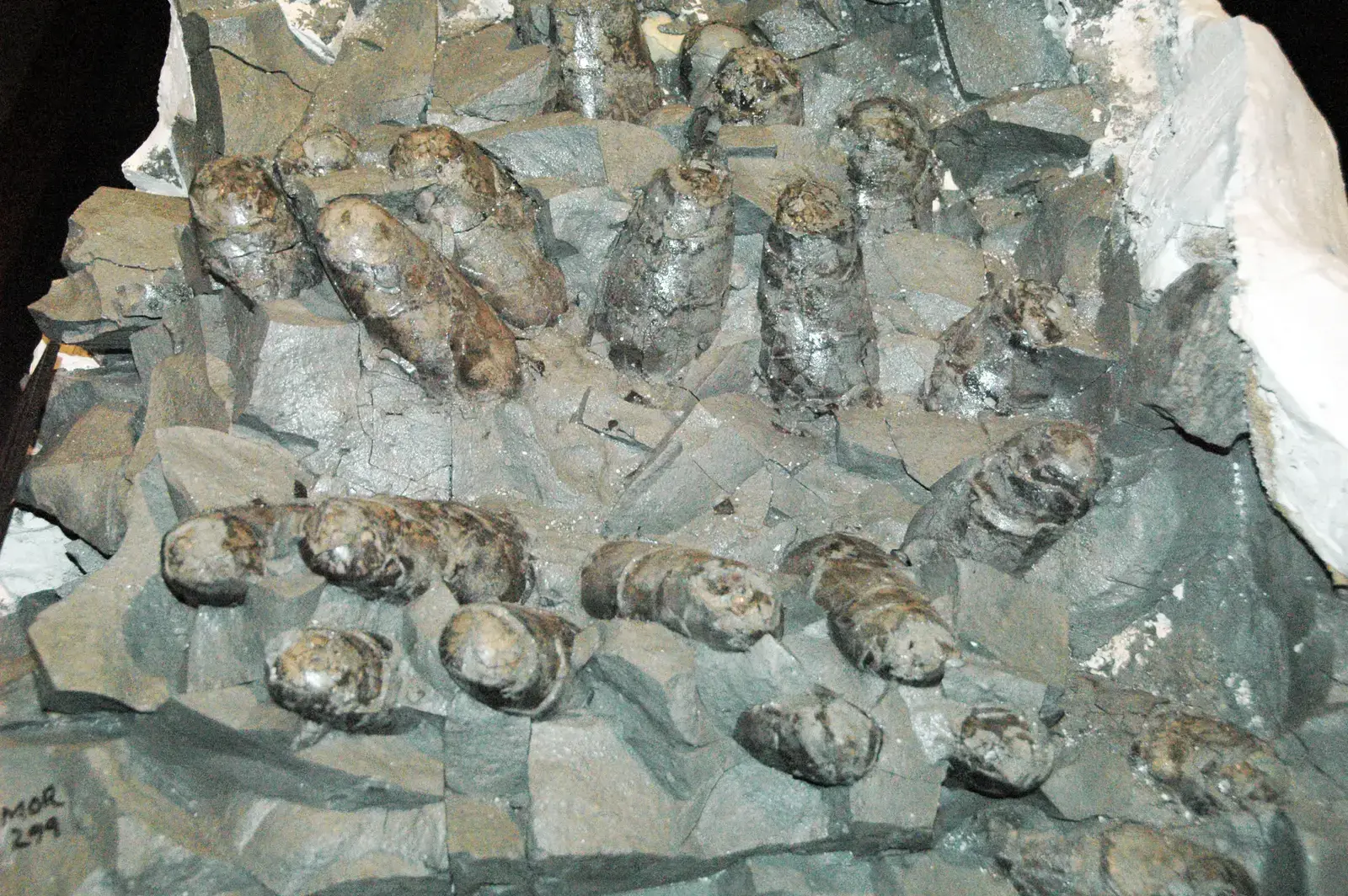
Let’s be real, if baby dinosaurs left the nest immediately after hatching, you wouldn’t expect to find crushed eggshells everywhere. The presence of trampled eggshells and plant matter in Maiasaura nests found at Montana’s Egg Mountain indicates extensive parental care, suggesting that parents may have fed and cared for their young before they ventured out on their own. The sheer amount of broken shell fragments tells us these little ones hung around for quite a while, probably several weeks or even months.
That the hatchlings spent significant time in the nest after hatching implies that adults of at least some dinosaur species provided a degree of parental care for their young, and adult specimens have been found in nest structures along with hatchlings and juveniles of the same species. Some hadrosaur babies showed worn teeth but poorly developed leg joints, meaning they could eat but couldn’t walk well. This created a dependency on parents to bring food directly to the nest, much like songbirds do today.
Age Segregated Herds Mimic Modern Social Structures
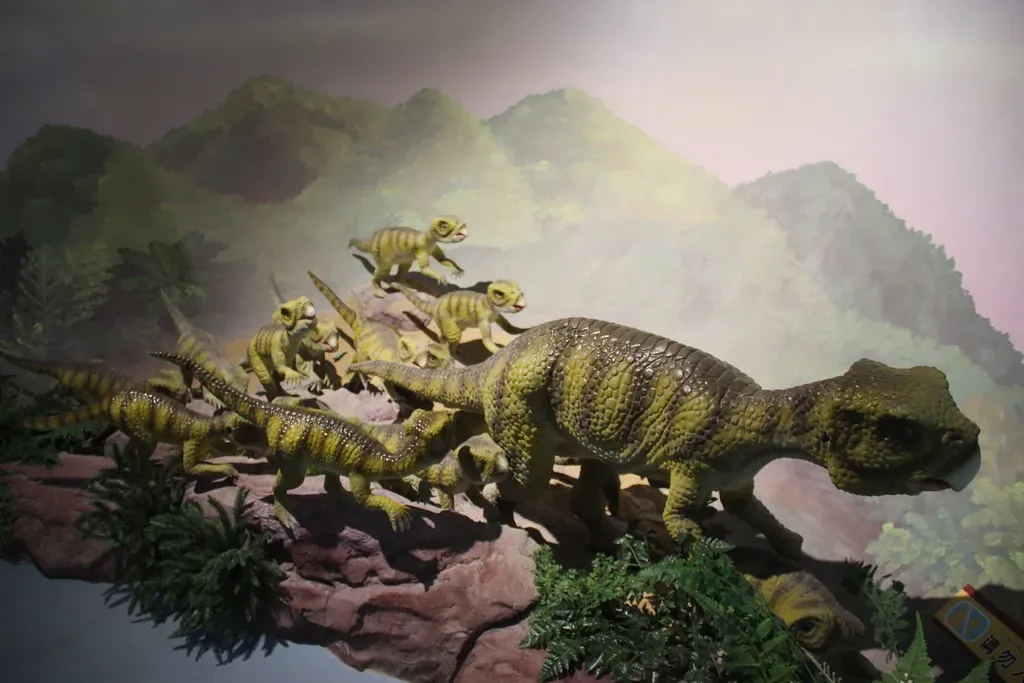
New discoveries indicate the presence of social cohesion throughout life and age segregation within a herd structure, in addition to colonial nesting behaviour, providing the earliest evidence of complex social behaviour in Dinosauria, predating previous records by at least 40 million years. Scientists discovered fossils of over 100 eggs and 80 individuals of Mussaurus grouped by age: eggs and hatchlings in one area, juveniles clustered together nearby, and adults found alone or in pairs scattered throughout the site. Honestly, it looks remarkably organized.
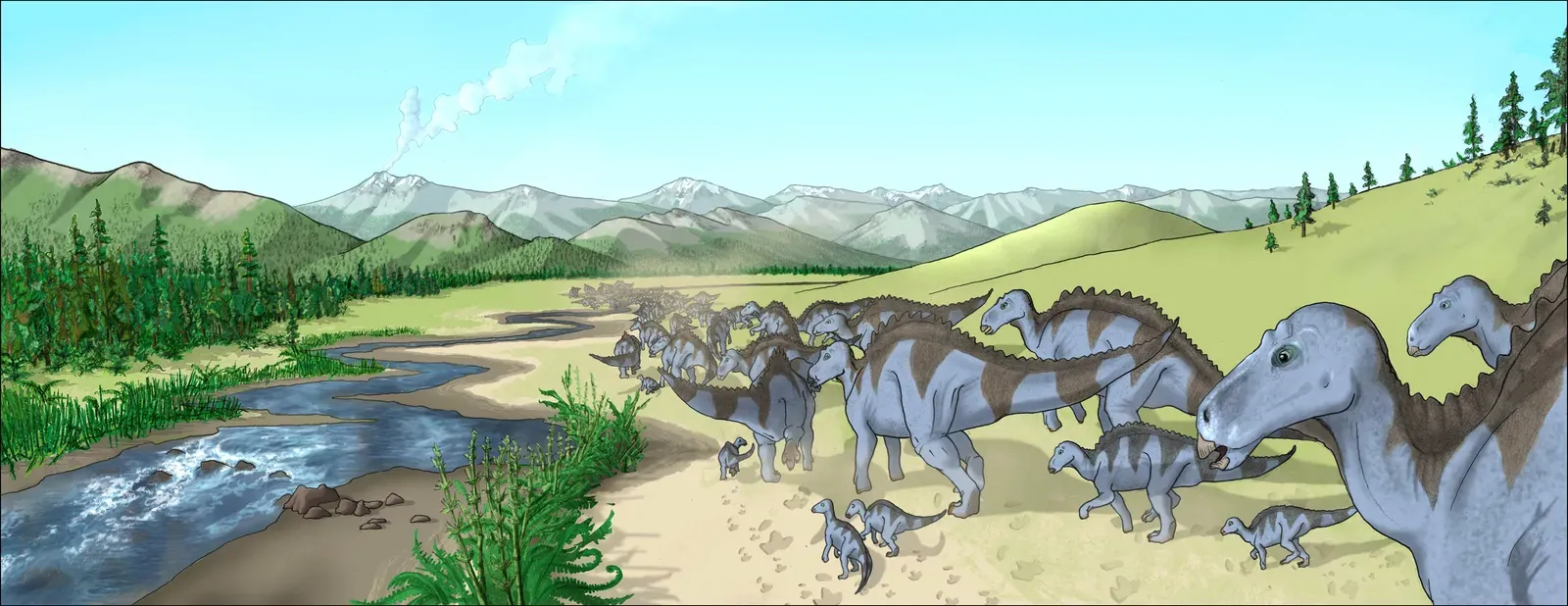
At various sites around the world, paleontologists have found bonebeds containing young dinosaurs of the same species, including a trio of Triceratops, an array of Alamosaurus, and a squad of Sinornithomimus, which appear to indicate that young dinosaurs of various species grouped together as they navigated their youth. Why would juveniles stick together? More eyes mean better predator detection, and traveling in groups offered safety in numbers during the vulnerable teenage years when they were too big to hide but not big enough to fight back effectively.
Growth Rings Unlock Parental Investment Patterns
Like many animals, dinosaurs deposited Lines of Arrested Growth, basically growth rings like tree trunks, one per year. By examining these microscopic bands in fossilized bones, scientists can determine how old a dinosaur was when it died and how quickly it grew. It has been found that dinosaurs had rapid growth rates, reaching full body size in less than a decade for most groups, and less than two decades for even the largest. This explosive growth required massive amounts of food and energy.
Parental care emerged as a crucial factor influencing growth rates in certain dinosaur groups, with fossil evidence indicating that many theropods and some ornithischians provided extended care for their offspring, potentially including feeding and protection, creating conditions for more rapid and sustained juvenile growth by ensuring consistent nutrition. Species with devoted parents grew faster because they didn’t have to waste energy searching for food or watching for danger. Even among Maiasaura, who received better than average parental care, nearly 90 percent of the hatchlings died within the first year. Those are sobering odds, revealing just how harsh life was in the Mesozoic.
Embryo Fossils Show Bird Like Development
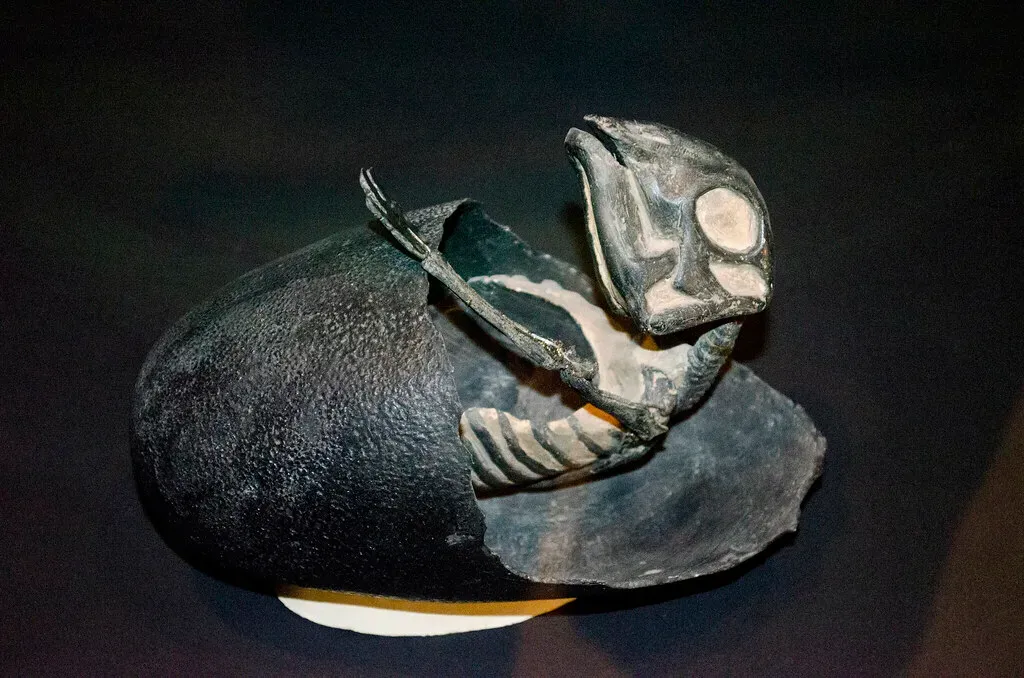
The head lies ventral to the body, with the feet on either side, and the back curled along the blunt pole of the egg, in a posture previously unrecognized in a non avian dinosaur but reminiscent of a late stage modern bird embryo, suggesting that prehatch oviraptorids developed avian like postures late in incubation. This tucking behavior is controlled by the central nervous system and is absolutely critical for successful hatching in modern birds. Baby Yingliang, as the fossil is nicknamed, shows that this complex pre hatching movement originated millions of years before birds themselves.
What makes this discovery truly remarkable is what it tells us about dinosaur neurology and development. By comparing Baby Yingliang with the embryos of other theropods, long necked sauropod dinosaurs and birds, the team proposed that tucking behavior, which was considered unique to birds, first evolved in theropod dinosaurs many tens or hundreds of millions of years ago. It challenges everything we thought we knew about when these behaviors first appeared. The fossil record keeps surprising us with evidence that dinosaurs were far more sophisticated than early scientists imagined.
Giant Sauropods Took a Hands Off Approach
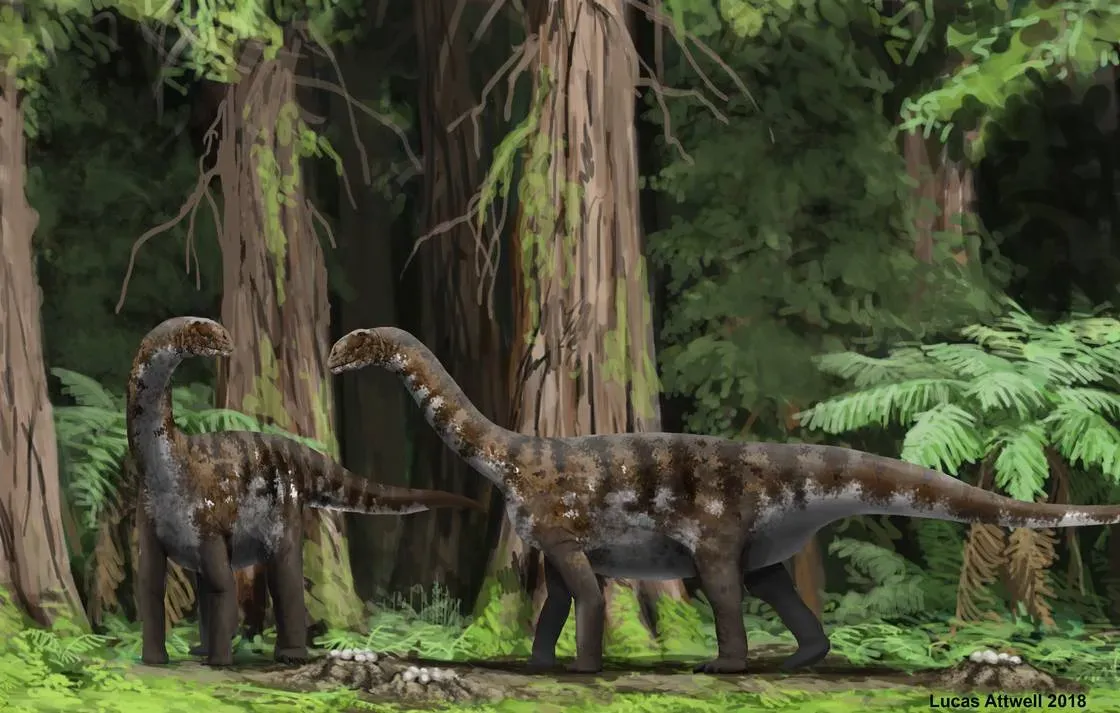
Not all dinosaurs were doting parents, and that’s an important part of the story. For some groups like sauropods, we don’t have evidence of post laying care, and researchers have no evidence that the parents stuck around, with the evidence pointing to little further care, a strategy of lay them and leave them. These gigantic long necked dinosaurs faced unique challenges. Their sheer size meant they could accidentally crush their own eggs or babies if they stuck around too long.
If giant dinosaurs were nesting in colonies like seagulls and parents remained there until hatching, food resources for the parents would likely dwindle fast, as the daily food requirements of large adult dinosaurs may have prevented them from looming over their nests until hatching day. Some sauropods laid their eggs in areas warmed by geothermal activity, using the Earth itself as an incubator. Their babies probably hatched fully capable of fending for themselves, growing rapidly to reach a safer size. This turtle like reproductive strategy produced huge numbers of offspring with minimal parental involvement, betting on sheer numbers rather than intensive care.
The fossil record has given us an astonishing window into the private lives of creatures that walked the Earth millions of years ago. From communal nesting colonies to protective parents who died shielding their eggs, from carefully spaced nests to juveniles traveling in age based groups, dinosaurs displayed a stunning range of family behaviors. Some species devoted months to raising helpless hatchlings, while others adopted a more hands off strategy. These discoveries have fundamentally changed how we understand dinosaur intelligence, social complexity, and evolutionary success. What other secrets might still be waiting in the rocks? The next fossil could rewrite what we think we know.


