You’ve probably heard people say they feel “burned out.” Maybe you’ve even said it yourself after a particularly rough week at work. The thing is, burnout isn’t just about feeling tired or stressed out from time to time. It’s something much deeper and more insidious that creeps up on you slowly, chipping away at your energy, your motivation, and even your sense of self.
The World Health Organization describes it as an occupational phenomenon that typically arises from chronic workplace stress that hasn’t been successfully managed. While it’s most commonly tied to your job, burnout can also stem from caregiving, relationships, or other prolonged demanding situations in your life. Here’s the thing: recognizing the signs early can make all the difference between a quick recovery and a much longer, more painful journey back to feeling like yourself. So let’s dive into the seven psychological and physical signs that you might be right now.
You’re Exhausted in Ways Sleep Can’t Fix

When you think about exhaustion, you probably imagine needing a good night’s sleep or maybe a long weekend to recharge. Persistent exhaustion in burnout is not just physical tiredness, but mental and emotional fatigue that doesn’t improve even after rest. You wake up feeling drained despite getting your full eight hours. Coffee doesn’t help anymore, and you find yourself struggling just to get through basic daily tasks.
You may feel drained and unable emotionally to deal with problems around you, both professional and personal, experiencing extreme tiredness and feeling low without energy. It’s like running on empty all the time, and no amount of rest seems to refill your tank. Your body is telling you something important, and honestly, this kind of deep fatigue is one of the earliest red flags that burnout is taking hold.
Your Motivation Has Completely Vanished
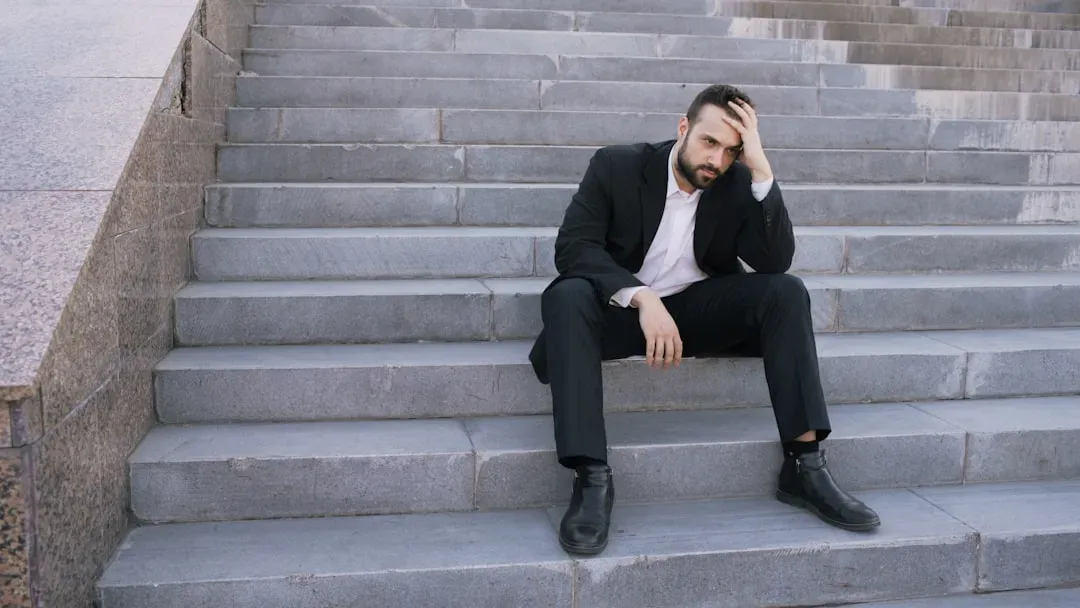
Remember when you used to care about your work? When projects excited you and you felt a sense of purpose in what you did? If , you may notice it’s difficult to engage in activities you normally find meaningful, and you may no longer care about the things that are important to you. Tasks that once brought satisfaction now feel meaningless.
You might find yourself going through the motions without any real investment in the outcome. Cynicism, a lack of interest in work that can be negative or even callous, is the second thing that characterizes burnout. This isn’t just a bad day or two. It’s a persistent feeling that nothing really matters anymore, and that detachment can extend beyond work into your personal life as well.
You Feel Incompetent Despite Your Experience

The third burnout pillar is a sense of incompetence, a feeling that you just can’t be effective, leading to a lack of accomplishment and productivity. Even though you’ve been doing your job for years, suddenly you’re second-guessing every decision. You feel like an imposter who’s somehow fooled everyone into thinking you’re capable.
You may feel self-doubt, helplessness, defeat, and failure, feeling that you are on your own and losing your sense of purpose. This reduced sense of professional efficacy is particularly demoralizing because it attacks your confidence and self-worth. You know you’re capable, but burnout has convinced you otherwise.
Your Body Is Screaming for Help
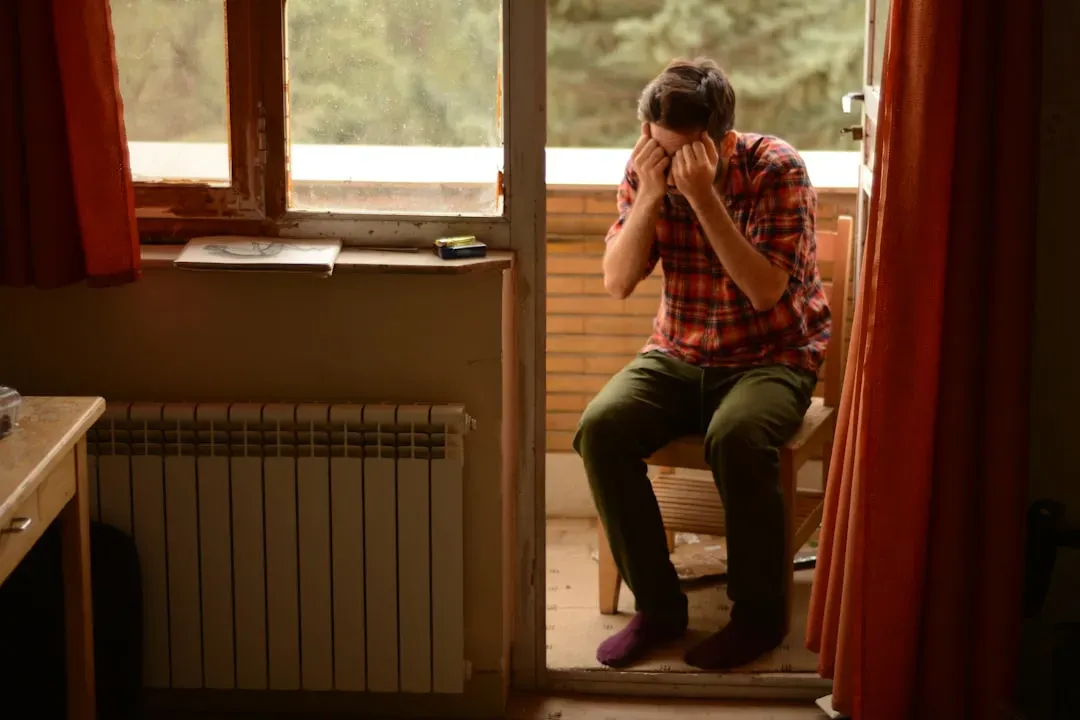
Burnout doesn’t just live in your mind. It manifests physically in ways you might not immediately connect to stress. You may get sick often, have body aches and recurring headaches, lose your appetite, or experience insomnia. Some people develop digestive issues, while others notice their immune system seems weaker than usual.
Recurring headaches, weakened immune function, changes in appetite, and trouble sleeping are not random issues – they may be your body’s response to chronic burnout, and these physical signs can appear early and become severe without intervention. Your body is essentially sounding the alarm that something needs to change before more serious health problems develop.
You’ve Become Irritable and Emotionally Reactive

Have you noticed you’re snapping at people more often? Maybe your patience has worn thin, and things that wouldn’t normally bother you now feel like major irritations. Emotional shifts like short temper and low tolerance are red flags, as burnout can make you more irritable and lead to a cynical outlook. You might feel like nothing is going right, and everyone around you seems incompetent or annoying.
This emotional volatility isn’t really about other people. It’s your psyche’s way of signaling that you’re overwhelmed and depleted. Chronic stress can lead to increased irritability, anxiety, and depression, which can negatively impact your work performance and personal relationships. The people closest to you probably notice this change before you do.
You’re Withdrawing From Everything and Everyone

Withdrawal or social isolation can indicate a person’s retreat from their usual responsibilities and social interactions, and you might find yourself avoiding friends and family, preferring to spend time alone. You cancel plans last minute, ignore texts, and find excuses to skip social gatherings. The isolation feels safer than engaging with the world.
This withdrawal creates a vicious cycle. Social withdrawal can create a sense of loneliness and exacerbate feelings of burnout. You need connection and support to recover, but burnout makes you want to hide away from everyone. You might also notice you’re procrastinating more at work and avoiding responsibilities that used to be routine.
Your Sleep Patterns Have Gone Completely Haywire

You might be eating more or less than usual, not sticking to a healthy diet, sleeping at different times of day, or feeling the need to get more or fewer hours of sleep than usual. Some people with burnout can’t fall asleep because their mind won’t stop racing with worries about work. Others sleep excessively but still wake up exhausted.
Burnout and sleep impairment are interrelated such that burnout-associated emotional dysregulation promotes sleep impairment, and conversely, sleep impairment-associated fatigue promotes burnout, so burnout and sleep impairment sustain each other. This creates yet another exhausting cycle where poor sleep makes burnout worse, and burnout makes sleep more difficult. Your circadian rhythm becomes disrupted, and even basic self-care around sleep feels impossible to maintain.
Finding Your Way Back

Recognizing these seven signs in yourself isn’t a weakness or a failure. Burnout is usually tied to specific roles or responsibilities and can improve with rest or reduced demands. The key is acknowledging what’s happening and taking action before things spiral further. This might mean setting firmer boundaries at work, seeking support from a therapist, or making significant changes to how you approach your responsibilities.
Recovery from burnout takes time and intentional effort. It requires you to prioritize rest, reconnect with activities that bring you joy, and possibly reevaluate what’s truly important in your life. Professional help can make a significant difference, especially if you’re struggling to distinguish between burnout and depression. Remember that asking for support is a sign of strength, not weakness.
Have you recognized any of these signs in yourself? What small step could you take today to start protecting your wellbeing?